Public Steam disclosure research25,376 disclosures tracked
Where do games disclose AI use?
Search developers’ Steam disclosures, compare classified AI use across
games, and follow recorded changes.
This index adds cross-game classifications and statistics to
statements published on individual store pages.
Groups reflect automatic analysis of public disclosures; mature records are excluded. These counts do not measure AI use across all of Steam.
Missing or unclear statements cannot establish whether a game uses AI.
The core art direction and a portion of the artwork were hand-drawn by the developer, and AI was used to produce additional assets in a matching style, which were then reviewed, edited and integrated by hand. The game's music was generated with AI tools. No AI content is generated live while the game is running.
This game was created with a lot of help from AI. Although I'm an experienced game developer a lot of the physics, graphic elements, and code were generate with the help of AI.
Generative AI was used only to help draft and polish English store-page text, as English is not my first language. No game assets, images, sound effects, or music were generated using generative AI. Screenshots show actual gameplay, and promotional artwork uses in-game renders. The game does not generate AI content during gameplay or connect to external AI services.
Generative AI tools were used during the development of the game to assist with creating parts of the game. AI was used as a development aid, while the final content and implementation were reviewed and integrated by the developer.
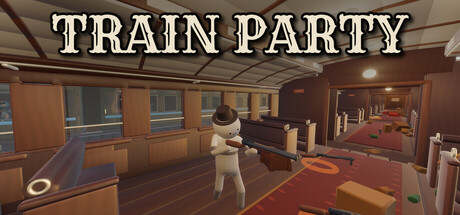
AI was used for some code generation and as part of a technique for cleaning-up of 3D scans. 3D scans were created of real lightguns using both a laser based scanner and photogrammetry, and then both models were combined using a frontier AI model for a final clean 3D scan results with higher quality game-ready topography and polycounts.
This game was developed with the assistance of generative AI tools. AI was used during development to help write and refactor portions of the game's code, and to assist with design iteration. Some in-game assets (such as placeholder art, sound effects, or text) may have been created or refined with AI assistance. All AI-assisted content was reviewed and edited by the developer before inclusion. The game does not generate any content using AI at runtime, and no live AI features are present in the released product.
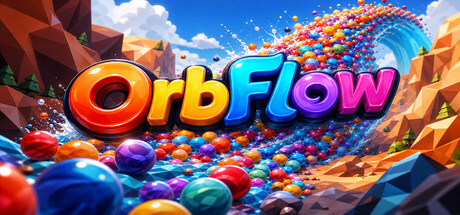
OrbFlow was created with the assistance of AI coding agents for script generation, physics optimization, and text drafting. All game design, level layouts, visual aesthetics, and quality assurance were directed, tested, and refined by the human developer.
We are committed to the ethical use of AI. As such, limited assistance with some text, spoken dialogue, narrative, localization, and store/marketing copy may have been utilized.
It is not used to generate artwork or live gameplay content, and all final content is reviewed by the team.
Generative tools were used during development to assist with portions of the game's source code and to create or refine some visual assets and promotional artwork. All included content was reviewed and edited by the developer. The game does not generate content during gameplay.
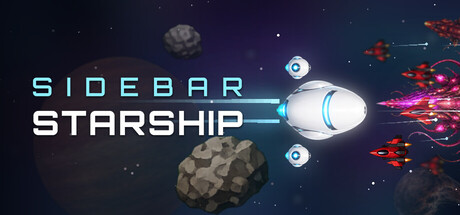
Most 2D art in this game — ships, enemies, bosses, icons and badges — was first created with AI image tools, then selected, edited and finalised by the developer. No AI is used during gameplay.
AI was used only to generate the music and sound effects for BitBeasts. No AI was used to generate the game's visual assets, gameplay systems, code, or other core game content.
As an indie dev, I leveraged AI to create this game. Some voices are AI-generated. Concept art was generated for inspiration and then built from scratch.
This game uses prerendered visual content, store assets, and translations assisted by generative AI. All AI-assisted content is created before release. It is not generated dynamically during gameplay. The game does not connect to external AI services during gameplay.
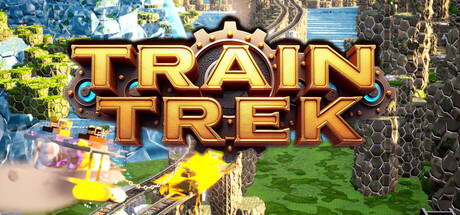
Train Trek uses generative AI in two ways.
During development we used AI tools to help make some assets: the user-interface art (HUD and menu icons, menu artwork, frames, button plates, mouse cursors), the instrumental soundtrack, and some sound effects. All of it was chosen, edited and finished by hand before it shipped. The 3D models are built procedurally by our own scripts, and the design, world generation and balancing are authored by hand. Parts of the source code were written with an AI coding assistant, reviewed and tested by the developer.
While you play, the game speaks using a text-to-speech model that ships inside the game and runs entirely on your own computer. It voices tutorial guidance, hints and menu narration instead of pre-recorded audio. It needs no internet connection, sends nothing anywhere, and never records or listens to you. It only reads lines we wrote and shipped with the game - it does not invent dialogue.
Generative artificial intelligence has been used to create store page thumbnails based on the developer's scene work.
Generative artificial intelligence has been used by the developer to vastly improve the performance of the developers code with respect to loading times. The developer struggled for months to figure out how to reduce a 30 second+ loading time and thanks to the contributions of gen AI that has been brought down to 5 seconds.
Generative AI was used to assist in the development of the game, including parts of the game engine code, internal development tools, some visual assets, and language proofreading. All AI-generated output was reviewed and supervised by a human. The game's audio was sourced from third-party providers outside the studio and, to the best of our knowledge, was not created using generative AI.
Some programming code
writing for Torizon Telecom utilized AI.
(However, the code written by AI is either directly corrected or used for reference.)
All other resources and fonts are available
It reveals that AI has not been used at all.
This game uses artificial intelligence tools during development.
AI was used to assist in generating certain visual assets, including promotional graphics and background elements. All AI-generated content was reviewed, modified, and approved by the developer.
AI is not used during gameplay. The game does not generate content dynamically and does not use AI to interact with players.
Thunderhawk: Danger Close uses a minimal amount of AI generated assets, including a handful of textures, marketing art, and dialog. Roughly 95% of the game's total content is human-authored, including all models, sound effects, music, and code. A detailed AI-generated content disclosure can be found on our website.
This game is an experimental pilot project commissioned by World Labs, the creators of Marble AI technology. I used their AI as a tool for producing scenes and landscapes. The creative process always began with my spatial planning and, in many cases, my own hand-drawn sketches. These were translated into a realistic image style using generative AI and ultimately used by Marble AI to create the final scenes under my strict artistic direction.
This game uses AI image generation as the primary method for creating game images.(By Midjounry)
This game uses AI generation as the primary method for creating game music.(By SUNO)
This game uses generative artificial intelligence in a limited capacity to create some user interface images and visual elements for the narrative videos. AI was also used to support the writing of certain code snippets during development. No AI-generated content was used directly; everything was modified and adapted to integrate seamlessly with the game's visual and technical style. The 3D models, most of the code, and the overall design were developed manually by the team.
Googunners uses upgrade card art that is generated by Midjourney, and then authored in post.
Outiside of the updgrade cards art, everything else is human created.
I used artificial intelligence (AI) to generate the background image for the store page of the game Abrez.
All other images (capsules, screenshots, etc.) were created using 3ds Max and Adobe Photoshop, based on original manually created content.
The core art direction and a portion of the artwork were hand-drawn by the developer, and AI was used to produce additional assets in a matching style, which were then reviewed, edited and integrated by hand. The game's music was generated with AI tools. No AI content is generated live while the game is running.
This game was created with a lot of help from AI. Although I'm an experienced game developer a lot of the physics, graphic elements, and code were generate with the help of AI.
Generative AI was used only to help draft and polish English store-page text, as English is not my first language. No game assets, images, sound effects, or music were generated using generative AI. Screenshots show actual gameplay, and promotional artwork uses in-game renders. The game does not generate AI content during gameplay or connect to external AI services.
Generative AI tools were used during the development of the game to assist with creating parts of the game. AI was used as a development aid, while the final content and implementation were reviewed and integrated by the developer.
AI was used for some code generation and as part of a technique for cleaning-up of 3D scans. 3D scans were created of real lightguns using both a laser based scanner and photogrammetry, and then both models were combined using a frontier AI model for a final clean 3D scan results with higher quality game-ready topography and polycounts.
This game was developed with the assistance of generative AI tools. AI was used during development to help write and refactor portions of the game's code, and to assist with design iteration. Some in-game assets (such as placeholder art, sound effects, or text) may have been created or refined with AI assistance. All AI-assisted content was reviewed and edited by the developer before inclusion. The game does not generate any content using AI at runtime, and no live AI features are present in the released product.
OrbFlow was created with the assistance of AI coding agents for script generation, physics optimization, and text drafting. All game design, level layouts, visual aesthetics, and quality assurance were directed, tested, and refined by the human developer.
We are committed to the ethical use of AI. As such, limited assistance with some text, spoken dialogue, narrative, localization, and store/marketing copy may have been utilized.
It is not used to generate artwork or live gameplay content, and all final content is reviewed by the team.
Generative tools were used during development to assist with portions of the game's source code and to create or refine some visual assets and promotional artwork. All included content was reviewed and edited by the developer. The game does not generate content during gameplay.
Most 2D art in this game — ships, enemies, bosses, icons and badges — was first created with AI image tools, then selected, edited and finalised by the developer. No AI is used during gameplay.
AI was used only to generate the music and sound effects for BitBeasts. No AI was used to generate the game's visual assets, gameplay systems, code, or other core game content.
As an indie dev, I leveraged AI to create this game. Some voices are AI-generated. Concept art was generated for inspiration and then built from scratch.
This game uses prerendered visual content, store assets, and translations assisted by generative AI. All AI-assisted content is created before release. It is not generated dynamically during gameplay. The game does not connect to external AI services during gameplay.
Train Trek uses generative AI in two ways.
During development we used AI tools to help make some assets: the user-interface art (HUD and menu icons, menu artwork, frames, button plates, mouse cursors), the instrumental soundtrack, and some sound effects. All of it was chosen, edited and finished by hand before it shipped. The 3D models are built procedurally by our own scripts, and the design, world generation and balancing are authored by hand. Parts of the source code were written with an AI coding assistant, reviewed and tested by the developer.
While you play, the game speaks using a text-to-speech model that ships inside the game and runs entirely on your own computer. It voices tutorial guidance, hints and menu narration instead of pre-recorded audio. It needs no internet connection, sends nothing anywhere, and never records or listens to you. It only reads lines we wrote and shipped with the game - it does not invent dialogue.
Generative artificial intelligence has been used to create store page thumbnails based on the developer's scene work.
Generative artificial intelligence has been used by the developer to vastly improve the performance of the developers code with respect to loading times. The developer struggled for months to figure out how to reduce a 30 second+ loading time and thanks to the contributions of gen AI that has been brought down to 5 seconds.
Generative AI was used to assist in the development of the game, including parts of the game engine code, internal development tools, some visual assets, and language proofreading. All AI-generated output was reviewed and supervised by a human. The game's audio was sourced from third-party providers outside the studio and, to the best of our knowledge, was not created using generative AI.
Some programming code
writing for Torizon Telecom utilized AI.
(However, the code written by AI is either directly corrected or used for reference.)
All other resources and fonts are available
It reveals that AI has not been used at all.
This game uses artificial intelligence tools during development.
AI was used to assist in generating certain visual assets, including promotional graphics and background elements. All AI-generated content was reviewed, modified, and approved by the developer.
AI is not used during gameplay. The game does not generate content dynamically and does not use AI to interact with players.
Thunderhawk: Danger Close uses a minimal amount of AI generated assets, including a handful of textures, marketing art, and dialog. Roughly 95% of the game's total content is human-authored, including all models, sound effects, music, and code. A detailed AI-generated content disclosure can be found on our website.
This game is an experimental pilot project commissioned by World Labs, the creators of Marble AI technology. I used their AI as a tool for producing scenes and landscapes. The creative process always began with my spatial planning and, in many cases, my own hand-drawn sketches. These were translated into a realistic image style using generative AI and ultimately used by Marble AI to create the final scenes under my strict artistic direction.
This game uses AI image generation as the primary method for creating game images.(By Midjounry)
This game uses AI generation as the primary method for creating game music.(By SUNO)
This game uses generative artificial intelligence in a limited capacity to create some user interface images and visual elements for the narrative videos. AI was also used to support the writing of certain code snippets during development. No AI-generated content was used directly; everything was modified and adapted to integrate seamlessly with the game's visual and technical style. The 3D models, most of the code, and the overall design were developed manually by the team.
Googunners uses upgrade card art that is generated by Midjourney, and then authored in post.
Outiside of the updgrade cards art, everything else is human created.
I used artificial intelligence (AI) to generate the background image for the store page of the game Abrez.
All other images (capsules, screenshots, etc.) were created using 3ds Max and Adobe Photoshop, based on original manually created content.