Public Steam disclosure research25,376 disclosures tracked
Where do games disclose AI use?
Search developers’ Steam disclosures, compare classified AI use across
games, and follow recorded changes.
This index adds cross-game classifications and statistics to
statements published on individual store pages.
Groups reflect automatic analysis of public disclosures; mature records are excluded. These counts do not measure AI use across all of Steam.
Missing or unclear statements cannot establish whether a game uses AI.
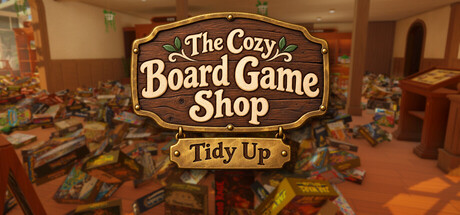
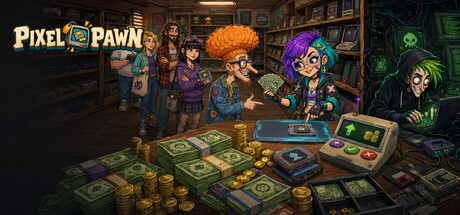
Some art assets (the board game box covers, in-game posters and the game logo) and the background music were created with the help of generative AI tools, then selected and refined by our small team. Everything else, from the shop itself to the gameplay, was built by hand. No AI content is generated during gameplay.
The Steam store page artwork (capsule, header, hero, logo and icon images) was created with the help of a generative AI image tool, using our own prompts and art direction. This artwork is used on the store page only and is not part of the game itself. Screenshots and trailer footage are real in-engine captures. The game itself contains no AI-generated art, audio, voice or text, and it does not use generative AI while you play.
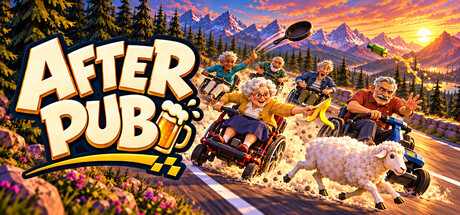
3D models: the AfterPub models (plushies, items, props) come from an AI 3D generator; the files are named like Tripo exports.
2D assets: mix between AI and an Actual Human Designer and Artist.
Commentator voice: produced by Piper, an AI text-to-speech engine, while the game runs.
Music: Pixabay tracks.
Voice acting, music and sound effects were generated with ElevenLabs AI tools, then selected, edited and mixed by the developer. Some game text, including dialogue and store descriptions, was drafted with AI assistance and edited by the developer. The game does not generate any AI content while it runs.
We don’t particularly like using AI.
Unfortunately, we are a small indie studio made of programmers and designers who are currently somewhere between “making a game” and “having existential crises”.
So, for now, we use AI to help us with some parts of our daily work and to bring some of our music, ideas, and inspirations to life.
But don’t worry, we haven’t handed over the steering wheel to the robots just yet.
Our project, its identity, and its originality are still created and directed by us. AI is simply one of the tools helping us survive the development process while our budget is busy pretending it doesn’t exist.
As soon as we have the resources to replace AI with our own human made work, we absolutely intend to do so.
Until then, we’re just a bunch of indie developers trying to make something cool before our refrigerators become purely decorative objects.
This was created by a developer who used AI to assist with concept images, 3D model creation, and assets. Each piece was meticulously placed by an actual person. We're comedians, not professional artists.
Generative AI tools were used during development to assist in the creation of selected visual, audio, and text assets. All AI-assisted content was reviewed, curated, and integrated by the development team. The game does not generate AI content during gameplay.
The store artwork (capsules and key art) was generated with an image model and then composed, cropped and combined with our own logo by hand. The game's ambient background music tracks were generated with an AI music tool and edited afterwards.
Some of the images used in the game were created with generative AI tools. However, all questions, answer choices, facts, and other written content were created and edited by humans.
Generative AI tools were used during development to create pre-generated artwork
and visual assets used in the game and its Steam store materials.
All AI-generated assets included in the final game were reviewed and selected by
the developer before use.
No generative AI content is created during gameplay, and the game does not connect
to any external AI services.
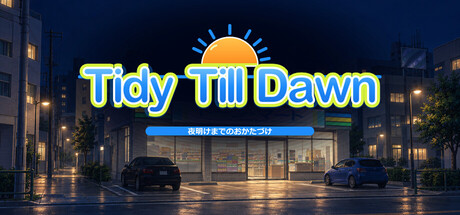
This game uses generative AI for: in-game product packaging (bento, ice cream, chips, cup noodles, gummies, gum, chocolate, candy, dried snacks, stationery, sundries, bath salts, hair care and hair color, coffee/tea boxes, drink and can labels, magazine covers, newspaper pages, and so on); full-screen art (title background, intro and epilogue illustrations, character icons, the morning results screen, the store floor plan, skill cards, skill icons, and effect overlays); some UI elements (panels, buttons, tabs); outdoor art and props (night sky panorama, vending machines, signage, banner flags, pavement, building walls, the traffic signal textures and the textures of small props by the entrance); the store capsule art and achievement icons; some 3D models (the radio by the register, the parking wheel stops, the trash bins by the entrance, three parked cars, the traffic lights, the coffee machine, the oden pot, the bun steamer and the bread crates, generated with Meshy and finished by the developer in Blender); and the background music (title and in-store tracks, also used in the trailer), generated with Suno and selected and arranged by the developer. All generated assets were reviewed and edited by the developer to avoid resembling real trademarks, people, or works. No content is generated by AI at runtime.
Some of this game's art assets and store page text were created with the help of generative AI tools. All AI-assisted material is pre-rendered and reviewed by the developer before release. No content is generated by AI while the game is running.
AI was used only for localization and for generating some assets outside the game. The game itself does not use or integrate AI. Any AI use described in the game refers to players using their own external tools.
Some AI tools were used during development to assist with code, artwork, and audio production. All content was reviewed, edited and assembled by the developer.
This game's early development utilized local AI systems for generating initial ideas and imagery surrounding the stage layouts and the initial musical passages, then further edited manually through various pieces of software (Art software and DAWs + numerous VSTs).
Some illustrations used in the game and on its Steam store page, including card artwork, interface backgrounds, and promotional materials, were created or enhanced using generative artificial intelligence tools. This content is generated in advance, then selected, edited, and manually integrated by the developer. The game does not use generative AI in real time and does not generate content during gameplay.
Every voice you hear in Dub Night Live is a real person. Nothing in the game is AI-generated: no AI voices, no AI art, no AI judging (scoring is player votes).
The clip editor uses two open-source machine-learning tools that run locally on your PC: one separates a clip's original voices from its music and effects, and one drafts line timings for you to review and fix. They process your own video files, never send anything to an external service, and never create content.
During development, AI was used as a coding assistant only.
The voice acting of President Grump, the game's fictional parody character, is pre-generated with AI voice generation tools. The shipped game does not generate any content with AI while you play.
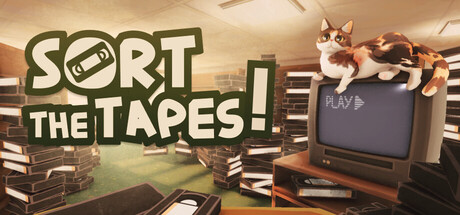
Generative AI was used to create initial artwork for the in-game VHS covers. All generated images were subsequently manually edited and refined by the development team.
Generative AI was used to assist in creating some UI graphics, equipment graphic assets, and music, as well as to assist with programming. All generated content was reviewed and edited as needed by the developer. No live-generated AI content is used while the game is running.
Some visual assets (logo, item cover art, character portraits), portions of in-game text, localizations into languages other than Turkish and English, and music/sound effects were created with the assistance of generative AI tools and then reviewed and edited by the developers. No content is generated by AI during gameplay.
Generative AI tools were used during development to assist in the creation and refinement of some pre-generated game content, including visual assets, audio, and development materials. All AI-assisted content was reviewed, edited, and integrated by the developer. No generative AI is used during gameplay.
Generative AI tools were used to assist in the creation of some promotional artwork and marketing assets for the game. Final assets were reviewed and edited by the development team.
Generative AI was used as an assistant throughout development, and the developer reviewed and approved everything before it shipped.
It helped draft part of the in-game text, some of the marketing copy, and the scripts that generate the artwork and the audio.
No image or audio file came out of a generative model: every sprite, glyph, sound effect and music track is drawn or synthesised by deterministic code, and the same script always produces the same pixels and the same samples.
The game does not generate any content with AI while you play.
We use generative AI tools to assist in producing some pre-rendered visual assets, including concept art and promotional imagery used on this store page. All AI-assisted output is reviewed, edited and art-directed by our team. The game contains no live-generated AI content.
Some of the artwork in this game was made with AI image generators and edited by hand afterwards. This covers the two player characters, the logo, the menu icons and the curtain texture. The English interface texts were written with the help of a language model and reviewed afterwards. The German texts are written by hand.
The bundled Pack Creator uses a speech recognition model to find the spoken parts of a video you supply yourself and turn them into the lines you read out. An AI noise filter for your microphone recordings and AI-based separation of speech and background audio work the same way. All of this runs locally on your own machine and never sends data to an external service. These models only process material you provide yourself, they do not invent content of their own, and the result stays inside your own lobby.
AI was used to assist with code, art, and sfx. I have manually edited and polished all AI-assisted elements by hand to make them as unsloppy as I possibly can. If anything feels like slop, please let me know in the Community Discussions / Discord, and I'll do my best to fix it. Thanks! :)
During development of this game, generative AI was used to assist with writing portions of the source code. All AI-generated code was reviewed, modified, tested, and approved by the developer before being incorporated into the game. The game's design, functionality, and overall quality are the result of developer oversight and implementation.
Some art assets (the board game box covers, in-game posters and the game logo) and the background music were created with the help of generative AI tools, then selected and refined by our small team. Everything else, from the shop itself to the gameplay, was built by hand. No AI content is generated during gameplay.
The Steam store page artwork (capsule, header, hero, logo and icon images) was created with the help of a generative AI image tool, using our own prompts and art direction. This artwork is used on the store page only and is not part of the game itself. Screenshots and trailer footage are real in-engine captures. The game itself contains no AI-generated art, audio, voice or text, and it does not use generative AI while you play.
3D models: the AfterPub models (plushies, items, props) come from an AI 3D generator; the files are named like Tripo exports.
2D assets: mix between AI and an Actual Human Designer and Artist.
Commentator voice: produced by Piper, an AI text-to-speech engine, while the game runs.
Music: Pixabay tracks.
Voice acting, music and sound effects were generated with ElevenLabs AI tools, then selected, edited and mixed by the developer. Some game text, including dialogue and store descriptions, was drafted with AI assistance and edited by the developer. The game does not generate any AI content while it runs.
We don’t particularly like using AI.
Unfortunately, we are a small indie studio made of programmers and designers who are currently somewhere between “making a game” and “having existential crises”.
So, for now, we use AI to help us with some parts of our daily work and to bring some of our music, ideas, and inspirations to life.
But don’t worry, we haven’t handed over the steering wheel to the robots just yet.
Our project, its identity, and its originality are still created and directed by us. AI is simply one of the tools helping us survive the development process while our budget is busy pretending it doesn’t exist.
As soon as we have the resources to replace AI with our own human made work, we absolutely intend to do so.
Until then, we’re just a bunch of indie developers trying to make something cool before our refrigerators become purely decorative objects.
This was created by a developer who used AI to assist with concept images, 3D model creation, and assets. Each piece was meticulously placed by an actual person. We're comedians, not professional artists.
Generative AI tools were used during development to assist in the creation of selected visual, audio, and text assets. All AI-assisted content was reviewed, curated, and integrated by the development team. The game does not generate AI content during gameplay.
The store artwork (capsules and key art) was generated with an image model and then composed, cropped and combined with our own logo by hand. The game's ambient background music tracks were generated with an AI music tool and edited afterwards.
Some of the images used in the game were created with generative AI tools. However, all questions, answer choices, facts, and other written content were created and edited by humans.
Generative AI tools were used during development to create pre-generated artwork
and visual assets used in the game and its Steam store materials.
All AI-generated assets included in the final game were reviewed and selected by
the developer before use.
No generative AI content is created during gameplay, and the game does not connect
to any external AI services.
This game uses generative AI for: in-game product packaging (bento, ice cream, chips, cup noodles, gummies, gum, chocolate, candy, dried snacks, stationery, sundries, bath salts, hair care and hair color, coffee/tea boxes, drink and can labels, magazine covers, newspaper pages, and so on); full-screen art (title background, intro and epilogue illustrations, character icons, the morning results screen, the store floor plan, skill cards, skill icons, and effect overlays); some UI elements (panels, buttons, tabs); outdoor art and props (night sky panorama, vending machines, signage, banner flags, pavement, building walls, the traffic signal textures and the textures of small props by the entrance); the store capsule art and achievement icons; some 3D models (the radio by the register, the parking wheel stops, the trash bins by the entrance, three parked cars, the traffic lights, the coffee machine, the oden pot, the bun steamer and the bread crates, generated with Meshy and finished by the developer in Blender); and the background music (title and in-store tracks, also used in the trailer), generated with Suno and selected and arranged by the developer. All generated assets were reviewed and edited by the developer to avoid resembling real trademarks, people, or works. No content is generated by AI at runtime.
Some of this game's art assets and store page text were created with the help of generative AI tools. All AI-assisted material is pre-rendered and reviewed by the developer before release. No content is generated by AI while the game is running.
AI was used only for localization and for generating some assets outside the game. The game itself does not use or integrate AI. Any AI use described in the game refers to players using their own external tools.
Some AI tools were used during development to assist with code, artwork, and audio production. All content was reviewed, edited and assembled by the developer.
This game's early development utilized local AI systems for generating initial ideas and imagery surrounding the stage layouts and the initial musical passages, then further edited manually through various pieces of software (Art software and DAWs + numerous VSTs).
Some illustrations used in the game and on its Steam store page, including card artwork, interface backgrounds, and promotional materials, were created or enhanced using generative artificial intelligence tools. This content is generated in advance, then selected, edited, and manually integrated by the developer. The game does not use generative AI in real time and does not generate content during gameplay.
Every voice you hear in Dub Night Live is a real person. Nothing in the game is AI-generated: no AI voices, no AI art, no AI judging (scoring is player votes).
The clip editor uses two open-source machine-learning tools that run locally on your PC: one separates a clip's original voices from its music and effects, and one drafts line timings for you to review and fix. They process your own video files, never send anything to an external service, and never create content.
During development, AI was used as a coding assistant only.
The voice acting of President Grump, the game's fictional parody character, is pre-generated with AI voice generation tools. The shipped game does not generate any content with AI while you play.
Generative AI was used to create initial artwork for the in-game VHS covers. All generated images were subsequently manually edited and refined by the development team.
Generative AI was used to assist in creating some UI graphics, equipment graphic assets, and music, as well as to assist with programming. All generated content was reviewed and edited as needed by the developer. No live-generated AI content is used while the game is running.
Some visual assets (logo, item cover art, character portraits), portions of in-game text, localizations into languages other than Turkish and English, and music/sound effects were created with the assistance of generative AI tools and then reviewed and edited by the developers. No content is generated by AI during gameplay.
Generative AI tools were used during development to assist in the creation and refinement of some pre-generated game content, including visual assets, audio, and development materials. All AI-assisted content was reviewed, edited, and integrated by the developer. No generative AI is used during gameplay.
Generative AI tools were used to assist in the creation of some promotional artwork and marketing assets for the game. Final assets were reviewed and edited by the development team.
Generative AI was used as an assistant throughout development, and the developer reviewed and approved everything before it shipped.
It helped draft part of the in-game text, some of the marketing copy, and the scripts that generate the artwork and the audio.
No image or audio file came out of a generative model: every sprite, glyph, sound effect and music track is drawn or synthesised by deterministic code, and the same script always produces the same pixels and the same samples.
The game does not generate any content with AI while you play.
We use generative AI tools to assist in producing some pre-rendered visual assets, including concept art and promotional imagery used on this store page. All AI-assisted output is reviewed, edited and art-directed by our team. The game contains no live-generated AI content.
Some of the artwork in this game was made with AI image generators and edited by hand afterwards. This covers the two player characters, the logo, the menu icons and the curtain texture. The English interface texts were written with the help of a language model and reviewed afterwards. The German texts are written by hand.
The bundled Pack Creator uses a speech recognition model to find the spoken parts of a video you supply yourself and turn them into the lines you read out. An AI noise filter for your microphone recordings and AI-based separation of speech and background audio work the same way. All of this runs locally on your own machine and never sends data to an external service. These models only process material you provide yourself, they do not invent content of their own, and the result stays inside your own lobby.
AI was used to assist with code, art, and sfx. I have manually edited and polished all AI-assisted elements by hand to make them as unsloppy as I possibly can. If anything feels like slop, please let me know in the Community Discussions / Discord, and I'll do my best to fix it. Thanks! :)
During development of this game, generative AI was used to assist with writing portions of the source code. All AI-generated code was reviewed, modified, tested, and approved by the developer before being incorporated into the game. The game's design, functionality, and overall quality are the result of developer oversight and implementation.