


Disclosure
AI tools assisted with parts of the code, some icons and sound effects, and multi-language localization.
- Creator
- faanaworks
- Reviews
- -
- Added
- Nov 26, 2026
Public Steam disclosure research 27,951 disclosures tracked
Search developers’ Steam disclosures, compare classified AI use across games, and follow recorded changes. This index adds cross-game classifications and statistics to statements published on individual store pages.
Code help, debugging and other development work.
Capsule art, trailers and promotional material.
Pre-made art, audio, writing and other game assets.
Interactive or runtime AI features disclosed by the developer.
Groups reflect automatic analysis of public disclosures; mature records are excluded. These counts do not measure AI use across all of Steam. Missing or unclear statements cannot establish whether a game uses AI.
AI tools assisted with parts of the code, some icons and sound effects, and multi-language localization.
AI tools were used during development as assistants: to help write and debug program code, and to help edit some marketing materials for the store page. The music in the store trailer was generated with AI. All game content, including characters, environments, mini-games and gameplay, was created and reviewed by the development team.
Bounce Parcel was developed under our team’s creative direction, with AI tools assisting in coding and localization. Our team reviewed the resulting code, including the systems that render the graphics and synthesize the music and sound effects. Translations into 11 languages were drafted with AI assistance and reviewed by our team. AI tools were used only during development. No content is generated by AI during gameplay.
We used generative AI tools during development to create store artwork and promotional graphics, the CEO.EXE boss model, and the illustration of the person playing at a desk seen through the PC case window in HEAPSTORM. These assets were created in advance.
Some icons were generated with AI, and some game scripts were written with AI assistance.
Generative AI was used during development to assist with some artwork and programming. AI-generated material was reviewed, edited, and integrated as part of the development process.
This game was made with the help of generative AI tools: art, text, translations and code were created with them under the developer's direction. No AI content is generated while you play.
Some voice-over lines (the AI character SAREN, the system announcer and Yusuf) were generated with ElevenLabs text-to-speech from our own original scripts and edited by the developer. Some 3D prop and character base meshes were generated with Meshy AI and then reworked, retextured and integrated into the game by hand. Some 2D images used in the game (such as textures, in-world screens and posters) and on our Steam store page (capsule art, banners and promotional images) were created with the help of AI image generation tools and then edited by the developer. Parts of the Steam store page text were drafted with the help of AI writing tools and then reviewed and edited by the developer. Some store screenshots were captured in-engine and lightly retouched (exposure, denoise) with AI tools; they do not show anything that is not in the game. No content is generated by AI while the game is running.
Some promotional backgrounds used in our Steam store artwork and limited in-game UI artwork were created with generative AI. The game does not generate AI content or code during gameplay.
AI was used for music, translations, some voices and text drafts, and to enhance the store capsule art.
Our team uses generative AI tools to help develop some in-game assets.
Some of the 3D models for characters and enemies were created with AI tools, then edited, rigged and animated for the game. The English, Chinese (Simplified), Russian, Turkish, Spanish and Brazilian Portuguese translations were made with AI assistance. The game’s design, story, music, sound and Arabic voice acting were made by people.
No generative AI is used in the game: every Robot, card illustration, animation, sound and piece of music is made by people, and our developers write the code without AI assistants, which matters a lot to them. Our marketing uses AI tools, always with our own art, gameplay footage and recorded voices: they help write and update the store page and marketing texts, lay out banners and event images, and make the titles, effects, subtitles and sound mixes of our videos. That is how a team of five can make the game and still get it in front of players.
Generative AI was used in the production of 2D art assets. Some voice lines and the German, Spanish, Italian, Brazilian Portuguese, Russian, Japanese, Korean and Simplified Chinese translations were created using AI. No content is generated by AI during gameplay.
We used generative AI tools during development. They helped write and translate the game’s text and made some 3D props/decorative posters. Our team directs and reviews this content. Nothing is generated by AI while you play: the AI companies and models in the game are simulated by the game’s own systems.
Some character portraits and illustrations were created with AI image generation tools. Parts of the in-game text and its English translation were written with the assistance of AI tools. All content was selected, edited and reviewed by the developer. No AI content is generated while the game is running.
Generative AI was used to create some of the 3D models, images, music, sound effects, and voice audio in this game. All of this content was created during development. The game does not use generative AI to generate any content during gameplay.
We use AI to assist with some localized translations of the game. All art and sounds in this game are human-made.
AI tools were used in various stages of development, including prototyping, localization and the creation of some visual assets. The project is developed by a single creator, and AI-assisted tools are part of the workflow. All gameplay systems and implementation are authored and controlled by the developer. No generative AI is used at runtime.
Mine Ore Else used generative AI during development. Nothing in the game is generated while you play. During development, we used AI tools to help write parts of the source code, and the background songs and the trailer songs were made with AI music generators. We chose, reviewed and tested all of it before it shipped. The robots, the mine and the mining props are licensed 3D models handcrafted by human artists, and the sound effects, visual effects, menus and the logo are made by our own code and scripts.
This game was developed with the help of AI tools under the developer's direction. The 3D voxel models, visual effects and in-game text were created with AI assistance, and AI helped draft the store page text. Some sound effects were generated with AI. Screenshots are captured from the running game.
Some artwork, promotional materials and localized text were created with assistance from generative AI tools. These assets are prepared during development. The game does not generate content using generative AI during gameplay.
Generative AI was used to create some visual assets and music during development. The game does not generate AI content during gameplay.
Some localization translations were made with AI assistance. Some props and their textures were created with AI assistance. No content is generated by AI during gameplay.
Generative AI tools were used during the development ofTotally Under Control to assist with the creation and refinement of visual assets, including artwork and interface elements. All AI-assisted content was produced during development and incorporated into the game as fixed assets, under the direction of the developer. No generative AI is used during gameplay, and no content is generated dynamically for players.
Generative AI tools were used during development to help create some visual assets, fictional character voice clips, music, and localized text. The images underwent editing and animation work; the voice clips were prerecorded, and the music was edited and mixed. These are included in the game as fixed assets.
Some content was created with the help of generative AI tools and then reviewed and edited by the developer: the music in the teaser, a few in-game sound effects, some in-game images, some visual effects, and the translations of the game's text into other languages. The game logo, the 3D models, store artwork, gameplay footage and screenshots are not AI-generated. The game does not generate any content with AI during gameplay.
Game Localization, Generative AI was used to assist with translating in-game text into supported languages.
Some of this game's 2D artwork including the logo and store page images — began as AI-generated images, worked up from reference art we own. Every image is hand-picked by the developer and retouched by hand as needed; nothing ships unseen. The music is AI-generated, created with Suno under a paid licence. Sound effects are royalty-free recordings or created in our in-house studio, not AI-generated. The game does not generate any content while you play — there is no live AI generation of any kind.
Some 3D models and textures (the robots, the factory furniture and decor) and the game logo were created with AI generation tools, then reworked and assembled by the developer. No content is generated by AI while you play.
Some assets in Afterwire were created with the assistance of generative AI tools, under the developer's direction and review: - Music and sound effects - generated with AI music/audio tools, then edited, mastered, and integrated by the developer. - Some 2D artwork - key art, loading and menu backdrop images, created with AI image tools and curated/edited by the developer. - Translations - non-English text drafted with AI assistance and reviewed against the English source. All gameplay code, 3D models, animations, shaders, level design, and game design were made without generative AI. No content is AI-generated during gameplay - the game does not use AI at runtime.
Some 3D models, sound effects, voice lines, music, the opening film, story text, translations and marketing art were made with AI tools and edited by us. The game does not generate any AI content while it is running.
Scrap Slot Arena includes content created with generative AI tools during development, then selected, edited, and integrated by the developer. This covers artwork and video assets, background music, sound effects, and in-game text translations (11 languages). No generative AI runs while the game is being played.
The character, enemy and background artwork, their animations, the icons and the music were created with generative AI tools (Google Gemini and Lyria), then selected, cleaned up, cut out and checked by hand. Sound effects are synthesized in code. The game's code and texts were written with the help of an AI assistant, under the direction of the developer who designed the game. No AI content is generated while you play.
Generative AI tools were used during development to create images, 3D models and voices included in the game. The Steam version uses prerecorded voices only and does not generate AI content during gameplay.
100,000 Tickets is a solo project. I used AI tools to help make some of the art and text and to translate the game into other languages. I chose and edited everything that went into the game myself. Nothing is generated by AI while you play.
One Steam store screenshot was cleaned up and enlarged with an image model. Fat Cat Cruz does not generate images, text, or code with AI while you play, and it does not connect to an outside AI service.
The game uses multiple AI-generated audio files including sound effects for certain props as well as certain impact sounds. Examples include sound effects of an elevator moving, an energy orb pulsating, etc.
Generative AI was used during development to help create and refine some of the 2D game artwork, Steam promotional artwork, and English story and interface text, as well as to assist with translation and localization. The content was selected, reviewed, and edited for the game. No AI-generated content is created during gameplay, and the game does not connect to external AI services.
Some sound effects and music, and the translations were created with generative AI tools and then selected, edited and mixed by the developer.
The development of SCRAPS uses generative artificial intelligence tools to assist in creating certain visual assets. Some 3D models used in the game were created with the assistance of Meshy AI. Generative AI tools have also been used to create promotional artwork. This content is generated during development and is not generated in real time during gameplay.
QtMesh Games uses generative AI during development to create selected visual assets, including 3D models, characters, textures, and promotional artwork. Many assets are produced and refined using QtMeshEditor, an open-source 3D editing application developed by the same independent developer behind QtMesh Games. The QtMesh asset pipeline combines custom-developed software and AI-assisted workflows with integrated AI models. Development also involves building, adapting, and improving components of these tools and pipelines. Generated assets are reviewed, edited, optimized, and integrated into the games under human creative direction. Gameplay mechanics, systems, and overall design remain developer-directed. The current games do not generate AI content dynamically during gameplay.
AI was used to generate the store page images.
Generative AI was used during development to create some of the music included in the game. AI tools were also used to assist with portions of the game's internal programming code. No generative AI is used during gameplay, and no content is generated dynamically for players.
Steam capsule art, cartoon trailer, language translation, background music (can be muted in options), and character voice-over (can be muted in options) were created with the assistance of generative AI tools.
We build Scrapjump with the help of an AI assistant. It helped write the game's code. We direct, review and edit everything it produces. Every image and video on this page is rendered in the game's own engine, not by an image generator. The game generates no AI content while you play.
Generative AI tools were used during development to create portions of the game’s visual assets, character and environment models, textures, music, sound effects, voice performances, written content and translations. This content is generated in advance and included in the game. The game does not generate AI content during gameplay or connect to an external generative AI service.
This game was made with the help of AI tools. The optional Smart chatter feature (off by default) runs a small AI model on your own PC to write short in-character lines.
AI was used solely for automatically translating interface text into other languages, possibly voiceovers as well (which is still under consideration), and a couple of textures (2) that I reworked anyway.
AI was used to assist with the design and refinement of certain in-game scenes.
| Title⇅ | Disclosure | Creator⇅ | Src | Reviews⇅ | Added↓ |
|---|---|---|---|---|---|
 IRON SIROCCO In-game content artaudiotextcode | AI tools assisted with parts of the code, some icons and sound effects, and multi-language localization. | faanaworks | - | Nov 26, 2026 | |
 Party Rounds In-game content codeartaudio | AI tools were used during development as assistants: to help write and debug program code, and to help edit some marketing materials for the store page. The music in the store trailer was generated with AI. All game content, including characters, environments, mini-games and gameplay, was created and reviewed by the development team. | Creata.Games | - | Nov 26, 2026 | |
 Bounce Parcel: Robot Chase In-game content codetext | Bounce Parcel was developed under our team’s creative direction, with AI tools assisting in coding and localization. Our team reviewed the resulting code, including the systems that render the graphics and synthesize the music and sound effects. Translations into 11 languages were drafted with AI assistance and reviewed by our team.
AI tools were used only during development. No content is generated by AI during gameplay. | TowardGame | - | Nov 24, 2026 | |
 RAMpocalypse: The AI Ate My RAM In-game content art | We used generative AI tools during development to create store artwork and promotional graphics, the CEO.EXE boss model, and the illustration of the person playing at a desk seen through the PC case window in HEAPSTORM. These assets were created in advance. | Matielle Games | - | Nov 23, 2026 | |
 Survivors In-game content artcode | Some icons were generated with AI, and some game scripts were written with AI assistance. | CompileError | - | Nov 22, 2026 | |
 Iron Stride Dev only artcode | Generative AI was used during development to assist with some artwork and programming. AI-generated material was reviewed, edited, and integrated as part of the development process. | The KeeK Corporation | - | Nov 22, 2026 | |
 Scrap Flood In-game content arttextcode | This game was made with the help of generative AI tools: art, text, translations and code were created with them under the developer's direction. No AI content is generated while you play. | Wert1k | - | Nov 20, 2026 | |
 The Last Core: PANOPTICON In-game content audioarttext | Some voice-over lines (the AI character SAREN, the system announcer and Yusuf) were generated with ElevenLabs text-to-speech from our own original scripts and edited by the developer. Some 3D prop and character base meshes were generated with Meshy AI and then reworked, retextured and integrated into the game by hand. Some 2D images used in the game (such as textures, in-world screens and posters) and on our Steam store page (capsule art, banners and promotional images) were created with the help of AI image generation tools and then edited by the developer. Parts of the Steam store page text were drafted with the help of AI writing tools and then reviewed and edited by the developer. Some store screenshots were captured in-engine and lightly retouched (exposure, denoise) with AI tools; they do not show anything that is not in the game. No content is generated by AI while the game is running. | Alihan Durdu | - | Nov 20, 2026 | |
 Metal Melee In-game content art | Some promotional backgrounds used in our Steam store artwork and limited in-game UI artwork were created with generative AI. The game does not generate AI content or code during gameplay. | Adam Weaver | - | Nov 20, 2026 | |
 Last Orbit Repairs In-game content audiotextart | AI was used for music, translations, some voices and text drafts, and to enhance the store capsule art. | Lyn Studio | - | Nov 19, 2026 | |
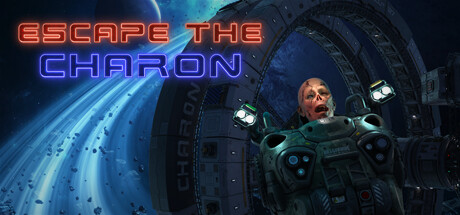 Escape The Charon In-game content | Our team uses generative AI tools to help develop some in-game assets. | Escape-The-Games | - | Nov 19, 2026 | |
 Patch Zero In-game content arttext | Some of the 3D models for characters and enemies were created with AI tools, then edited, rigged and animated for the game. The English, Chinese (Simplified), Russian, Turkish, Spanish and Brazilian Portuguese translations were made with AI assistance. The game’s design, story, music, sound and Arabic voice acting were made by people. | Shuhub Studio | - | Nov 19, 2026 | |
 RoRX Store/marketing textart | No generative AI is used in the game: every Robot, card illustration, animation, sound and piece of music is made by people, and our developers write the code without AI assistants, which matters a lot to them. Our marketing uses AI tools, always with our own art, gameplay footage and recorded voices: they help write and update the store page and marketing texts, lay out banners and event images, and make the titles, effects, subtitles and sound mixes of our videos. That is how a team of five can make the game and still get it in front of players. | Brutal Gears | - | Nov 19, 2026 | |
 COILBREAKER In-game content artaudiotext | Generative AI was used in the production of 2D art assets. Some voice lines and the German, Spanish, Italian, Brazilian Portuguese, Russian, Japanese, Korean and Simplified Chinese translations were created using AI. No content is generated by AI during gameplay. | Rogue Paradigm | - | Nov 19, 2026 | |
 Artificial Ambition In-game content textart | We used generative AI tools during development. They helped write and translate the game’s text and made some 3D props/decorative posters. Our team directs and reviews this content. Nothing is generated by AI while you play: the AI companies and models in the game are simulated by the game’s own systems. | Billmeade Gaming | - | Nov 18, 2026 | |
 [Room Escape] Two World In-game content arttext | Some character portraits and illustrations were created with AI image generation tools. Parts of the in-game text and its English translation were written with the assistance of AI tools. All content was selected, edited and reviewed by the developer. No AI content is generated while the game is running. | OG-SOFT | - | Nov 18, 2026 | |
 SCRAP RECLAIM In-game content artaudiotext | Generative AI was used to create some of the 3D models, images, music, sound effects, and voice audio in this game. All of this content was created during development. The game does not use generative AI to generate any content during gameplay. | ABCwan | - | Nov 18, 2026 | |
 SCRAPSCRAP In-game content text | We use AI to assist with some localized translations of the game. All art and sounds in this game are human-made. | Maison Bap | - | Nov 15, 2026 | |
 Saw Down In-game content arttext | AI tools were used in various stages of development, including prototyping, localization and the creation of some visual assets. The project is developed by a single creator, and AI-assisted tools are part of the workflow. All gameplay systems and implementation are authored and controlled by the developer. No generative AI is used at runtime. | Dumps and Frogs | - | Nov 13, 2026 | |
 Mine Ore Else In-game content audiocode | Mine Ore Else used generative AI during development. Nothing in the game is generated while you play.
During development, we used AI tools to help write parts of the source code, and the background songs and the trailer songs were made with AI music generators. We chose, reviewed and tested all of it before it shipped. The robots, the mine and the mining props are licensed 3D models handcrafted by human artists, and the sound effects, visual effects, menus and the logo are made by our own code and scripts. | Aixceptional | - | Nov 13, 2026 | |
 WORLD EATER In-game content arttextaudio | This game was developed with the help of AI tools under the developer's direction. The 3D voxel models, visual effects and in-game text were created with AI assistance, and AI helped draft the store page text. Some sound effects were generated with AI. Screenshots are captured from the running game. | Sambosa | - | Nov 13, 2026 | |
 Chain Detonator In-game content arttext | Some artwork, promotional materials and localized text were created with assistance from generative AI tools. These assets are prepared during development. The game does not generate content using generative AI during gameplay. | NovaTool | - | Nov 13, 2026 | |
 ORYFT In-game content artaudio | Generative AI was used to create some visual assets and music during development. The game does not generate AI content during gameplay. | PamirG | - | Nov 10, 2026 | |
 Underwhater In-game content textart | Some localization translations were made with AI assistance.
Some props and their textures were created with AI assistance.
No content is generated by AI during gameplay. | Azikton Studio | - | Nov 10, 2026 | |
 Totally Under Control In-game content art | Generative AI tools were used during the development ofTotally Under Control to assist with the creation and refinement of visual assets, including artwork and interface elements. All AI-assisted content was produced during development and incorporated into the game as fixed assets, under the direction of the developer.
No generative AI is used during gameplay, and no content is generated dynamically for players. | Sole Rebel Soul | - | Nov 9, 2026 | |
 My Factory, My Army In-game content artaudiotext | Generative AI tools were used during development to help create some visual assets, fictional character voice clips, music, and localized text. The images underwent editing and animation work; the voice clips were prerecorded, and the music was edited and mixed. These are included in the game as fixed assets. | Nobody Entertainment | - | Nov 8, 2026 | |
 Until the Last Machine In-game content audioarttext | Some content was created with the help of generative AI tools and then reviewed and edited by the developer: the music in the teaser, a few in-game sound effects, some in-game images, some visual effects, and the translations of the game's text into other languages.
The game logo, the 3D models, store artwork, gameplay footage and screenshots are not AI-generated. The game does not generate any content with AI during gameplay. | Trexinate Studio | - | Nov 8, 2026 | |
 That Damn Grass In-game content text | Game Localization, Generative AI was used to assist with translating in-game text into supported languages. | Polygon Paradise Studio | - | Nov 8, 2026 | |
 Rust, Dust & Droids In-game content artaudio | Some of this game's 2D artwork including the logo and store page images — began as AI-generated images, worked up from reference art we own. Every image is hand-picked by the developer and retouched by hand as needed; nothing ships unseen. The music is AI-generated, created with Suno under a paid licence. Sound effects are royalty-free recordings or created in our in-house studio, not AI-generated. The game does not generate any content while you play — there is no live AI generation of any kind. | Gmotagi Game Studios | - | Nov 8, 2026 | |
 SwitcHead In-game content art | Some 3D models and textures (the robots, the factory furniture and decor) and the game logo were created with AI generation tools, then reworked and assembled by the developer. No content is generated by AI while you play. | CryDream | - | Nov 6, 2026 | |
 Afterwire In-game content audioarttext | Some assets in Afterwire were created with the assistance of generative AI tools, under the developer's direction and review:
- Music and sound effects - generated with AI music/audio tools, then edited, mastered, and integrated by the developer.
- Some 2D artwork - key art, loading and menu backdrop images, created with AI image tools and curated/edited by the developer.
- Translations - non-English text drafted with AI assistance and reviewed against the English source.
All gameplay code, 3D models, animations, shaders, level design, and game design were made without generative AI. No content is AI-generated during gameplay - the game does not use AI at runtime. | mivialabs | - | Nov 6, 2026 | |
 DEADFLOOR In-game content artaudiotext | Some 3D models, sound effects, voice lines, music, the opening film, story text, translations and marketing art were made with AI tools and edited by us. The game does not generate any AI content while it is running. | NAR INTERACTIVE | - | Nov 5, 2026 | |
 Scrap Slot Arena In-game content artaudiotext | Scrap Slot Arena includes content created with generative AI tools during development, then selected, edited, and integrated by the developer.
This covers artwork and video assets, background music, sound effects, and in-game text translations (11 languages). No generative AI runs while the game is being played. | GarageNova | - | Nov 5, 2026 | |
 Vapeur & Rouages In-game content artaudiotextcode | The character, enemy and background artwork, their animations, the icons and the music were created with generative AI tools (Google Gemini and Lyria), then selected, cleaned up, cut out and checked by hand. Sound effects are synthesized in code. The game's code and texts were written with the help of an AI assistant, under the direction of the developer who designed the game. No AI content is generated while you play. | Dretz Studio | - | Nov 3, 2026 | |
 Project S - Tabletop RTS In-game content artaudio | Generative AI tools were used during development to create images, 3D models and voices included in the game. The Steam version uses prerecorded voices only and does not generate AI content during gameplay. | Stephane Quillet | - | Nov 3, 2026 | |
 100,000 Tickets In-game content arttext | 100,000 Tickets is a solo project. I used AI tools to help make some of the art and text and to translate the game into other languages. I chose and edited everything that went into the game myself. Nothing is generated by AI while you play. | CubeQuad Games | - | Nov 3, 2026 | |
 Fat Cat Cruz Store/marketing art | One Steam store screenshot was cleaned up and enlarged with an image model. Fat Cat Cruz does not generate images, text, or code with AI while you play, and it does not connect to an outside AI service. | Fat Cat Cruz | - | Nov 3, 2026 | |
 Operation Knockback In-game content audio | The game uses multiple AI-generated audio files including sound effects for certain props as well as certain impact sounds. Examples include sound effects of an elevator moving, an energy orb pulsating, etc. | Knockback Studios | - | Nov 2, 2026 | |
 Crash Protocol: The Wrong Directive In-game content arttext | Generative AI was used during development to help create and refine some of the 2D game artwork, Steam promotional artwork, and English story and interface text, as well as to assist with translation and localization. The content was selected, reviewed, and edited for the game. No AI-generated content is created during gameplay, and the game does not connect to external AI services. | MartyPlay | - | Nov 2, 2026 | |
 Backwatt In-game content audiotext | Some sound effects and music, and the translations were created with generative AI tools and then selected, edited and mixed by the developer. | JuCore Studio | - | Nov 2, 2026 | |
 Scraps In-game content art | The development of SCRAPS uses generative artificial intelligence tools to assist in creating certain visual assets. Some 3D models used in the game were created with the assistance of Meshy AI.
Generative AI tools have also been used to create promotional artwork. This content is generated during development and is not generated in real time during gameplay. | GGDC | - | Oct 30, 2026 | |
 QtMesh Games In-game content art | QtMesh Games uses generative AI during development to create selected visual assets, including 3D models, characters, textures, and promotional artwork.
Many assets are produced and refined using QtMeshEditor, an open-source 3D editing application developed by the same independent developer behind QtMesh Games.
The QtMesh asset pipeline combines custom-developed software and AI-assisted workflows with integrated AI models. Development also involves building, adapting, and improving components of these tools and pipelines.
Generated assets are reviewed, edited, optimized, and integrated into the games under human creative direction. Gameplay mechanics, systems, and overall design remain developer-directed.
The current games do not generate AI content dynamically during gameplay. | Fernando Tonon | - | Oct 30, 2026 | |
 RoboShock Store/marketing art | AI was used to generate the store page images. | Contraption Games | - | Oct 30, 2026 | |
 Void Ripple In-game content audiocode | Generative AI was used during development to create some of the music included in the game. AI tools were also used to assist with portions of the game's internal programming code. No generative AI is used during gameplay, and no content is generated dynamically for players. | N | - | Oct 29, 2026 | |
 Nexus: Fall of Man In-game content artaudiotext | Steam capsule art, cartoon trailer, language translation, background music (can be muted in options), and character voice-over (can be muted in options) were created with the assistance of generative AI tools. | MMC | - | Oct 28, 2026 | |
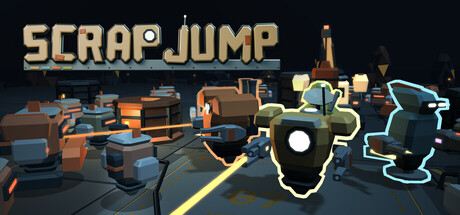 Scrapjump Dev only code | We build Scrapjump with the help of an AI assistant. It helped write the game's code. We direct, review and edit everything it produces. Every image and video on this page is rendered in the game's own engine, not by an image generator. The game generates no AI content while you play. | Scrapjump Games | - | Oct 24, 2026 | |
 Conspiracy at Headquarters In-game content artaudiotext | Generative AI tools were used during development to create portions of the game’s visual assets, character and environment models, textures, music, sound effects, voice performances, written content and translations. This content is generated in advance and included in the game. The game does not generate AI content during gameplay or connect to an external generative AI service. | SIHAN | - | Oct 24, 2026 | |
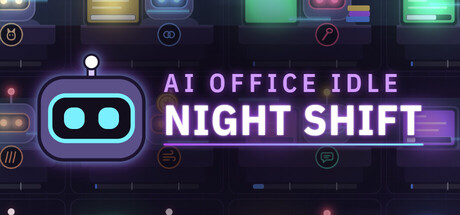 AI Office Idle: Night Shift Live AI text | This game was made with the help of AI tools. The optional Smart chatter feature (off by default) runs a small AI model on your own PC to write short in-character lines. | NotNow Studios | - | Oct 24, 2026 | |
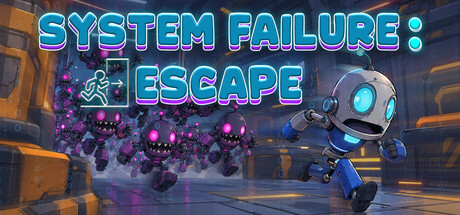 System Failure: Escape In-game content textart | AI was used solely for automatically translating interface text into other languages, possibly voiceovers as well (which is still under consideration), and a couple of textures (2) that I reworked anyway. | Another Game | - | Oct 24, 2026 | |
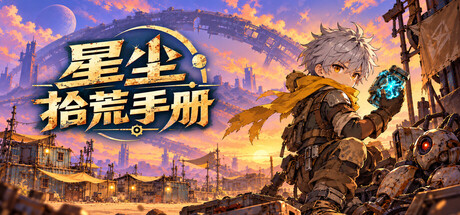 星尘拾荒手册 In-game content art | AI was used to assist with the design and refinement of certain in-game scenes. | Pocket Forge | - | Oct 24, 2026 |


