
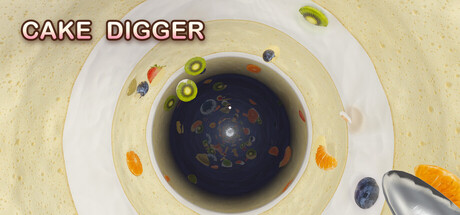


Disclosure
Art and sound within the game and trailer were created with the help of AI tools. In-game text was edited with AI assistance. All puzzles were hand-designed by the developer.
- Creator
- Three Feet Games
- Reviews
- -
- Added
- Oct 12, 2026
Public Steam disclosure research 25,376 disclosures tracked
Search developers’ Steam disclosures, compare classified AI use across games, and follow recorded changes. This index adds cross-game classifications and statistics to statements published on individual store pages.
Code help, debugging and other development work.
Capsule art, trailers and promotional material.
Pre-made art, audio, writing and other game assets.
Interactive or runtime AI features disclosed by the developer.
Groups reflect automatic analysis of public disclosures; mature records are excluded. These counts do not measure AI use across all of Steam. Missing or unclear statements cannot establish whether a game uses AI.
Art and sound within the game and trailer were created with the help of AI tools. In-game text was edited with AI assistance. All puzzles were hand-designed by the developer.
Only alien images were generated using AI.
Some text in the game and on the store page, including translations, was written with the help of AI tools.
- Background Music
Atomica's translations into the thirteen languages other than English were made by an AI language model and have not yet been reviewed by native speakers. Much of the game's code and the store text were written with AI assistance. Nothing else is AI-generated. The cell is assembled by ordinary procedural code, not machine learning, from real data: Scripps Research's cellPACK model of Mycoplasma genitalium, protein structures from the Protein Data Bank (PDB), and ligands from the wwPDB Chemical Component Dictionary (CCD). The sounds are synthesized from the cell's real activity, and the store images are in-game screenshots.
Generative AI was used during development to create the galaxy illustration displayed in the game’s galaxy-map interface and menus, as well as promotional artwork used for Steam capsule and library images. Trailer production uses AI-generated music and selected transition sound effects. These materials are generated during development, rather than during gameplay. The game does not offer player-facing live AI content generation.
Some of the icons and help text were generated.
Base matter does not use AI within the game itself. Some marketing materials and images on the store page have AI used as a general editing tool.
Generative AI was used during development to assist in creating store page promotional artwork and in-game music.
1420MHz uses AI tools for translations from English to non-English languages.
Generative AI tools were used to create the 3D models, images, voices, sound effects, music, dialogue and translations, and to help write the code. Every element was chosen, edited and put together by the developer. Nothing is generated by AI while you play.
This product includes some visual assets and background music generated using AI during development. Some visual assets provide illustrative fills for missing celestial surface data or artistic representations and do not represent actual observations. No generative AI content is generated during gameplay.
Generative AI tools were used during development to assist in creating some visual and promotional assets, which were selected, edited, and integrated by the developer. The game does not use generative AI to generate content during gameplay.
Parts of the source code and some store and marketing text were written with help from AI coding assistants during development. All terrain, water simulation, satellite imagery and map data come from real geographic datasets. No AI-generated artwork, audio or narrative ships with the app, and nothing is generated during play.
Regarding programming, this game was partially coded and translated using AI; however, AI is used only for marketing art. The game's international artwork is hand-drawn and vectorized based on unofficial rock band logos.
AI coding tools help write and maintain the game's plugin code, and parts of the in-game text like NPC combinatorial string banks and translations were written with AI assistance, all being reviewed manully by the developer.
AI Generated Content Disclosure AI tools were used to assist in drafting the written text of this game (in-game explanations, codex entries, the four language versions of the interface, and store page descriptions); all such text was reviewed and edited by the developer. All artwork is procedurally rendered by shaders written by the developer, the store capsule artwork was commissioned from a human artist, and all sound is synthesised by the developer's own code. The game does not use AI to generate any content at runtime.
AI-generated artwork includes the MMA menu image, Steam capsules, library art and store background. No live AI generation or external AI service is used during gameplay.
Some of the background art in the game was created using generative AI.
Store page and marketing: the main capsule art was composed and rendered by the developer from in-game models, with generative AI used to repaint parts of the background (landscape, sky and lighting), then corrected by hand. Some promotional videos use an AI-generated voiceover.
This game contains a neural network model.
AI was used for localization, generating achievement textures, and the title card in the trailer.
We use generative AI for coding and translation.
Generative AI was used to create art assets and assist with localization text. These assets and translations are prepared during development.
AI models have been used to validate, optimize, rank and test the puzzles and the simulation engine. Soundtrack is procedurally generated music using the same engine that simulates the electronics, powered by the C~ language.
Generative AI assisted the creation of scientific illustrations, scientist portraits, felt textures, card-pack art, text and translations. These are fixed assets included in the game. There is no live AI generation during play.
All content was meticulously reviewed and curated by the developer. Some coding, sound and art were created using AI tools, but all were edited and finalized by the developer.
Only TTS voices in English. Some fragments of the code was made with AI, but these features are invisible for the client.
Generative AI was used to create the achievement icons. The application itself does not use generative AI: all fractal images and videos are rendered in real time from mathematical Mandelbrot-set calculations and user-selected settings. No AI-generated content is created while using the application.
BitWise was made by a single developer with AI assistance, under the developer's direction and review. It contains no AI-generated images or voices: the game draws all of its art and synthesizes all of its sound with its own code. Nothing is generated by AI while you play.
Some game assets were generated using AI.
No major content was directly created with AI. No graphic assets (store page or in game) were created with AI. Only used to help with creating shaders, database scripts, animations, and some balancing/debugging.
Generative AI tools helped create character portraits, illustrations, store and marketing artwork, music, sound effects, and player-facing text during development. These are pre-generated assets. No generative AI runs during gameplay, and the game does not connect to external generative AI services.
Generative AI was used only to create pre-generated background artwork for the Steam store and library images. The official logo, text, user interface, and gameplay screenshots were created separately. The game does not generate content during gameplay and does not connect to any third-party AI service.
Generative AI tools were used during development to assist with the creation and iteration of certain visual assets, artwork, and promotional/store materials for Magic Cursor. AI tools were also used as development assistance for portions of the code. All final content was reviewed, selected, edited where necessary, and integrated by the developer. No AI-generated content is created while the application is running.
Some: posters, product photos on packaging, and songs were created or modified using AI.
Generative AI tools were used during development to assist with some visual assets and written content. All AI-assisted content was reviewed and edited.
I use AI coding assistant to polish and debug the code.
Generative AI was used to create some of the game's graphics and sound assets.
AI was used in coding this game, and also to create the background music.
The game uses generative AI to create molecular structures during gameplay. Molecules are procedurally generated by a generative AI model embedded locally within the game and operating as part of the game’s molecular design system. The in-game generative AI system is used exclusively for molecular structure generation and does not generate dialogue, artwork, music, or other narrative content during gameplay. During development, generative AI tools were used to assist with artwork preparation, text polishing, and UI code development.
AI tools were used during development to assist with parts of the workflow, including code, materials, graphics, and other production tasks. All generated content was reviewed, adjusted, integrated, and refined as part of the game’s development process.
Generative AI was solely utilized to create the 2D background artwork for the main menu screen.
AI tools were used to help create some in game assets. In all such cases, the final product reflects our team’s craft and creative vision.
i used ai for some images
An AI coding assistant was used while developing Orrery to write and review source code, and to draft the text of this store page. No artwork, audio, or in-app content is AI-generated: the planetary surface maps are re-projected NASA and USGS imagery from Solar System Scope, every position is computed from published JPL and Hipparcos data, and the store images are captured from the running program by a script. Nothing is generated by AI while the program runs.
Generative AI tools were used during the development process to assist with writing script dialogues and to generate background music and songs for the game. All AI assets were pre-generated prior to release, and no AI content is generated in real time during gameplay.
Used in code development, including visual animation code, and certain text content.
i used some AI made images along with human made art. i may remove them before the full release.
Some visual assets were created with the assistance of generative AI and were reviewed and edited by the developer.
| Title⇅ | Disclosure | Creator⇅ | Src | Reviews⇅ | Added↓ |
|---|---|---|---|---|---|
 Arctic Station Six In-game content artaudiotext | Art and sound within the game and trailer were created with the help of AI tools. In-game text was edited with AI assistance. All puzzles were hand-designed by the developer. | Three Feet Games | - | Oct 12, 2026 | |
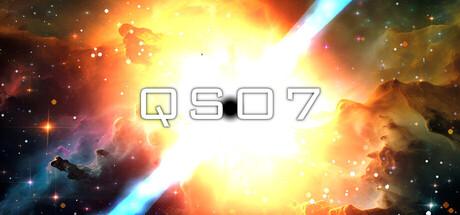 QSO7 In-game content art | Only alien images were generated using AI. | John Nash | - | Oct 11, 2026 | |
 Blackstart In-game content text | Some text in the game and on the store page, including translations, was written with the help of AI tools. | TessaroApps | - | Oct 10, 2026 | |
 Simply A Button general | - Background Music | FoolishMe Studios | - | Oct 10, 2026 | |
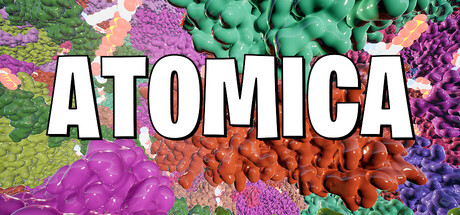 atomica In-game content textcode | Atomica's translations into the thirteen languages other than English were made by an AI language model and have not yet been reviewed by native speakers. Much of the game's code and the store text were written with AI assistance. Nothing else is AI-generated. The cell is assembled by ordinary procedural code, not machine learning, from real data: Scripps Research's cellPACK model of Mycoplasma genitalium, protein structures from the Protein Data Bank (PDB), and ligands from the wwPDB Chemical Component Dictionary (CCD). The sounds are synthesized from the cell's real activity, and the store images are in-game screenshots. | Steven R Ness | 12 | Oct 10, 2026 | |
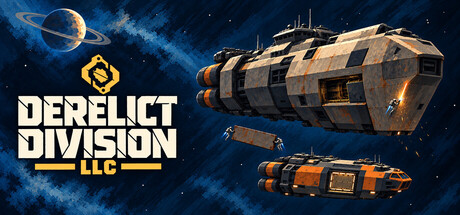 Derelict Division, LLC In-game content artaudio | Generative AI was used during development to create the galaxy illustration displayed in the game’s galaxy-map interface and menus, as well as promotional artwork used for Steam capsule and library images. Trailer production uses AI-generated music and selected transition sound effects. These materials are generated during development, rather than during gameplay. The game does not offer player-facing live AI content generation. | Everbreak Studios, LLC | - | Oct 9, 2026 | |
 Subroutine: Deep Space In-game content arttext | Some of the icons and help text were generated. | The Bearded Dev | - | Oct 9, 2026 | |
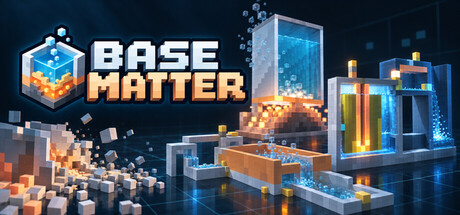 Base Matter Store/marketing art | Base matter does not use AI within the game itself.
Some marketing materials and images on the store page have AI used as a general editing tool. | Mistline Media | - | Oct 7, 2026 | |
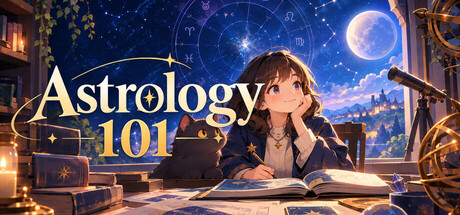 Astrology 101 In-game content artaudio | Generative AI was used during development to assist in creating store page promotional artwork and in-game music. | Yi | - | Oct 7, 2026 | |
 1420MHz In-game content text | 1420MHz uses AI tools for translations from English to non-English languages. | Play With Your Mind | - | Oct 6, 2026 | |
 A Walk to the Stars In-game content artaudiotextcode | Generative AI tools were used to create the 3D models, images, voices, sound effects, music, dialogue and translations, and to help write the code. Every element was chosen, edited and put together by the developer. Nothing is generated by AI while you play. | Carbone Forge | - | Oct 6, 2026 | |
 Caelovista In-game content artaudio | This product includes some visual assets and background music generated using AI during development. Some visual assets provide illustrative fills for missing celestial surface data or artistic representations and do not represent actual observations. No generative AI content is generated during gameplay. | EpsilonVisuals | - | Oct 6, 2026 | |
 Physics Exam Trainer Store/marketing art | Generative AI tools were used during development to assist in creating some visual and promotional assets, which were selected, edited, and integrated by the developer. The game does not use generative AI to generate content during gameplay. | ZHANG DONG | - | Oct 6, 2026 | |
 Watershed Dev only codetext | Parts of the source code and some store and marketing text were written with help from AI coding assistants during development. All terrain, water simulation, satellite imagery and map data come from real geographic datasets. No AI-generated artwork, audio or narrative ships with the app, and nothing is generated during play. | Mozon | - | Oct 6, 2026 | |
 Void Beserk Store/marketing codeart | Regarding programming, this game was partially coded and translated using AI; however, AI is used only for marketing art. The game's international artwork is hand-drawn and vectorized based on unofficial rock band logos. | Okiam666 | - | Oct 6, 2026 | |
 Hypernet Explorer In-game content textcode | AI coding tools help write and maintain the game's plugin code, and parts of the in-game text like NPC combinatorial string banks and translations were written with AI assistance, all being reviewed manully by the developer. | Nocoldiz | - | Oct 5, 2026 | |
 Pebble to Star In-game content text | AI Generated Content Disclosure
AI tools were used to assist in drafting the written text of this game (in-game explanations, codex entries, the four language versions of the interface, and store page descriptions); all such text was reviewed and edited by the developer. All artwork is procedurally rendered by shaders written by the developer, the store capsule artwork was commissioned from a human artist, and all sound is synthesised by the developer's own code. The game does not use AI to generate any content at runtime. | MazeSteps Studio | - | Oct 4, 2026 | |
 PROJECT R1 Store/marketing art | AI-generated artwork includes the MMA menu image, Steam capsules, library art and store background. No live AI generation or external AI service is used during gameplay. | Riviera Tech Solutions | - | Oct 3, 2026 | |
 Mineral Craft 2 In-game content art | Some of the background art in the game was created using generative AI. | Natron Games | - | Oct 3, 2026 | |
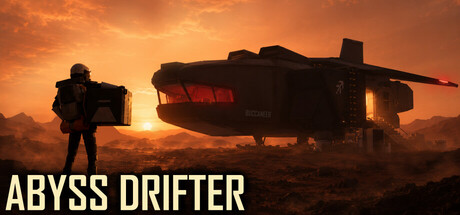 Abyss Drifter In-game content artaudio | Store page and marketing: the main capsule art was composed and rendered by the developer from in-game models, with generative AI used to repaint parts of the background (landscape, sky and lighting), then corrected by hand. Some promotional videos use an AI-generated voiceover. | VetusCorvum | - | Oct 2, 2026 | |
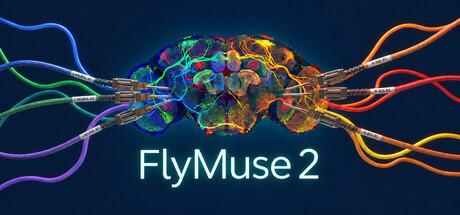 FlyMuse 2 Unclear | This game contains a neural network model. | XieXing Game | - | Oct 1, 2026 | |
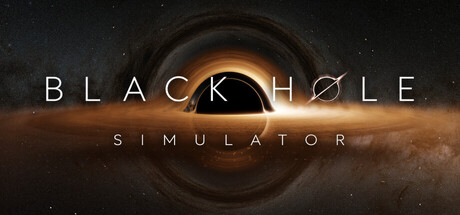 Black Hole Simulator In-game content textart | AI was used for localization, generating achievement textures, and the title card in the trailer. | Black Hole Simulator | - | Sep 30, 2026 | |
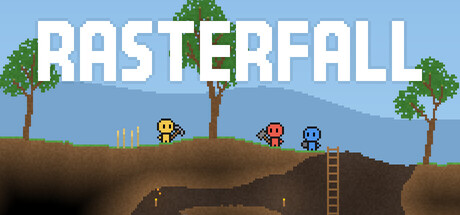 Rasterfall Dev only codetext | We use generative AI for coding and translation. | Ota Mato | - | Sep 30, 2026 | |
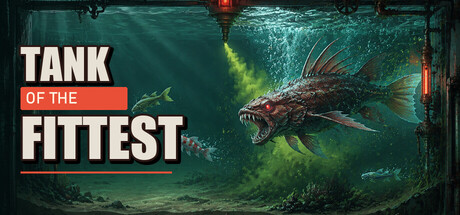 开缸大吉 In-game content arttext | Generative AI was used to create art assets and assist with localization text. These assets and translations are prepared during development. | Wuhan Wind Tunnel Network Technology Co., Ltd. | - | Sep 28, 2026 | |
 101 Circuits In-game content audiocode | AI models have been used to validate, optimize, rank and test the puzzles and the simulation engine. Soundtrack is procedurally generated music using the same engine that simulates the electronics, powered by the C~ language. | Chilling Moose Games | - | Sep 27, 2026 | |
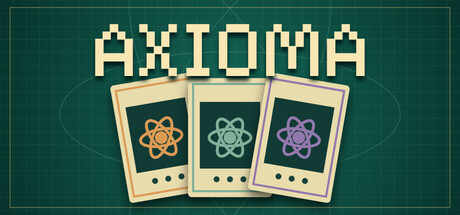 AXIOMA In-game content arttext | Generative AI assisted the creation of scientific illustrations, scientist portraits, felt textures, card-pack art, text and translations. These are fixed assets included in the game. There is no live AI generation during play. | Quanta — Private Tutoring | - | Sep 25, 2026 | |
 We Will Die For You In-game content artaudiocode | All content was meticulously reviewed and curated by the developer. Some coding, sound and art were created using AI tools, but all were edited and finalized by the developer. | Front Porch Games, LLC | - | Sep 25, 2026 | |
 The Enchanted Crayon Dev only code | Only TTS voices in English.
Some fragments of the code was made with AI, but these features are invisible for the client. | Włodzimierz O. Kubera | - | Sep 25, 2026 | |
 RealMandelRender - Fractal Visualizer In-game content art | Generative AI was used to create the achievement icons. The application itself does not use generative AI: all fractal images and videos are rendered in real time from mathematical Mandelbrot-set calculations and user-selected settings. No AI-generated content is created while using the application. | ukaapple | - | Sep 24, 2026 | |
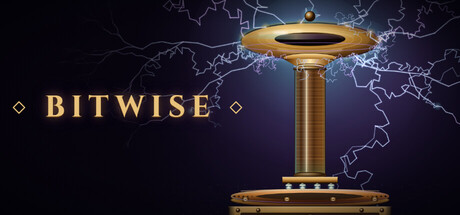 BitWise code | BitWise was made by a single developer with AI assistance, under the developer's direction and review. It contains no AI-generated images or voices: the game draws all of its art and synthesizes all of its sound with its own code. Nothing is generated by AI while you play. | Faint Current | - | Sep 24, 2026 | |
 One Second Hero In-game content | Some game assets were generated using AI. | YaYa Game | - | Sep 24, 2026 | |
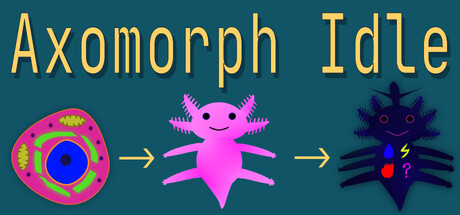 Axomorph Idle Dev only code | No major content was directly created with AI. No graphic assets (store page or in game) were created with AI. Only used to help with creating shaders, database scripts, animations, and some balancing/debugging. | AxoZap Games | - | Sep 23, 2026 | |
 AI Startup Manager: Race to AGI In-game content artaudiotext | Generative AI tools helped create character portraits, illustrations, store and marketing artwork, music, sound effects, and player-facing text during development. These are pre-generated assets. No generative AI runs during gameplay, and the game does not connect to external generative AI services. | Sivas Games | - | Sep 22, 2026 | |
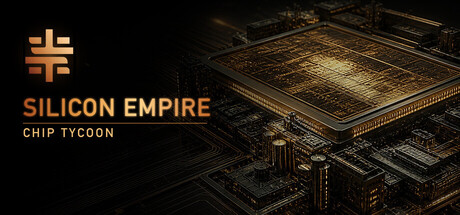 Silicon Empire: Chip Tycoon Store/marketing art | Generative AI was used only to create pre-generated background artwork for the Steam store and library images. The official logo, text, user interface, and gameplay screenshots were created separately. The game does not generate content during gameplay and does not connect to any third-party AI service. | Ringare | - | Sep 18, 2026 | |
 Magic Cursor Store/marketing artcode | Generative AI tools were used during development to assist with the creation and iteration of certain visual assets, artwork, and promotional/store materials for Magic Cursor. AI tools were also used as development assistance for portions of the code. All final content was reviewed, selected, edited where necessary, and integrated by the developer. No AI-generated content is created while the application is running. | Magic Cursor | - | Sep 18, 2026 | |
 Sticks and Stones Store/marketing artaudio | Some: posters, product photos on packaging, and songs were created or modified using AI. | DiveDev | - | Sep 17, 2026 | |
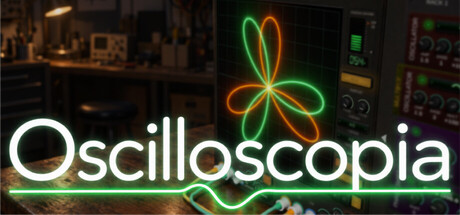 Oscilloscopia Unclear arttext | Generative AI tools were used during development to assist with some visual assets and written content. All AI-assisted content was reviewed and edited. | Imbölt | - | Sep 16, 2026 | |
 RemoteSpace: First Settlement Dev only code | I use AI coding assistant to polish and debug the code. | ShadowDev | - | Sep 15, 2026 | |
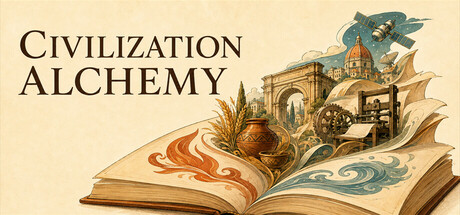 Civilization Alchemy In-game content artaudio | Generative AI was used to create some of the game's graphics and sound assets. | NovaScreen | - | Sep 13, 2026 | |
 My First Ant Farm In-game content audio | AI was used in coding this game, and also to create the background music. | Joyner Labs | - | Sep 12, 2026 | |
 Trust Me, It Binds Live AI arttextcode | The game uses generative AI to create molecular structures during gameplay. Molecules are procedurally generated by a generative AI model embedded locally within the game and operating as part of the game’s molecular design system.
The in-game generative AI system is used exclusively for molecular structure generation and does not generate dialogue, artwork, music, or other narrative content during gameplay.
During development, generative AI tools were used to assist with artwork preparation, text polishing, and UI code development. | Membrizard | - | Sep 12, 2026 | |
 Sediment Dev only codeart | AI tools were used during development to assist with parts of the workflow, including code, materials, graphics, and other production tasks. All generated content was reviewed, adjusted, integrated, and refined as part of the game’s development process. | skeleton picture | - | Sep 10, 2026 | |
 NucleoSynthetica In-game content art | Generative AI was solely utilized to create the 2D background artwork for the main menu screen. | AnNguyen | - | Sep 10, 2026 | |
 Solar Imperium In-game content artaudiotext | AI tools were used to help create some in game assets. In all such cases, the final product reflects our team’s craft and creative vision. | Node One Digital | - | Sep 9, 2026 | |
 itmoves Unclear art | i used ai for some images | Catchy | - | Sep 6, 2026 | |
 Orrery: Live Solar System Wallpaper Store/marketing codetext | An AI coding assistant was used while developing Orrery to write and review source code, and to draft the text of this store page. No artwork, audio, or in-app content is AI-generated: the planetary surface maps are re-projected NASA and USGS imagery from Solar System Scope, every position is computed from published JPL and Hipparcos data, and the store images are captured from the running program by a script. Nothing is generated by AI while the program runs. | plawanzz | - | Sep 6, 2026 | |
 BIG BANG TO US In-game content textaudio | Generative AI tools were used during the development process to assist with writing script dialogues and to generate background music and songs for the game. All AI assets were pre-generated prior to release, and no AI content is generated in real time during gameplay. | phyilm | - | Sep 6, 2026 | |
 Project RedTeam: Contract Offensive Dev only textcode | Used in code development, including visual animation code, and certain text content. | HomeOfTheDev | - | Sep 6, 2026 | |
 IT THINKS! Unclear art | i used some AI made images along with human made art. i may remove them before the full release. | Catchy | - | Sep 4, 2026 | |
 Research Journey In-game content art | Some visual assets were created with the assistance of generative AI and were reviewed and edited by the developer. | Xiaolou Game | - | Sep 3, 2026 |


