Public Steam disclosure research25,376 disclosures tracked
Where do games disclose AI use?
Search developers’ Steam disclosures, compare classified AI use across
games, and follow recorded changes.
This index adds cross-game classifications and statistics to
statements published on individual store pages.
Groups reflect automatic analysis of public disclosures; mature records are excluded. These counts do not measure AI use across all of Steam.
Missing or unclear statements cannot establish whether a game uses AI.
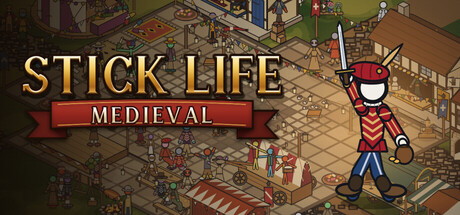
Stick Life: Medieval is designed and directed by a solo developer. Some of the game's code, its in-game writing, the artwork the game draws and parts of this store page were made with the help of generative AI tools, and some of its music was made with Suno, an AI music tool. All of it was played, reviewed and edited by the developer. Nothing is generated by AI while you play.
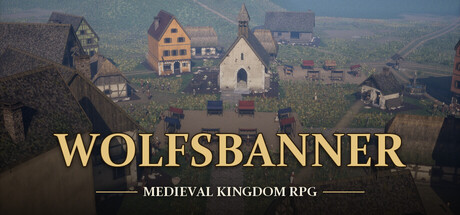
Character animations are generated with an AI motion model (Kimodo) and then cleaned up and retargeted by our team. Character voice-overs are created with AI text-to-speech and directed and edited by our team. All 3D models, buildings, textures and writing are made by us. No AI content is generated live during gameplay.
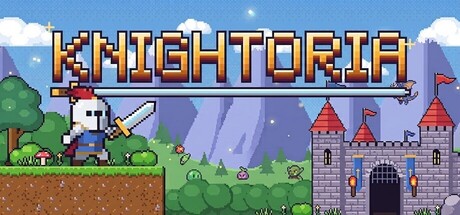
Some artwork and marketing materials for Knightoria were created using generative AI. AI-generated content is pre-rendered and is not generated during gameplay.
Generative AI tools were used to help create some visual assets, music, and store/promotional materials, and to assist with translation. No generative AI is used to create content during gameplay.
Generative AI assisted some game art, store illustrations, logos and icons. Screenshots show the actual development build. No AI content is generated during gameplay.
Some store and library artwork, icons, and promotional imagery were created or enhanced with generative AI tools. Gameplay screenshots show actual gameplay. The game does not generate AI content during gameplay or connect to external AI services.
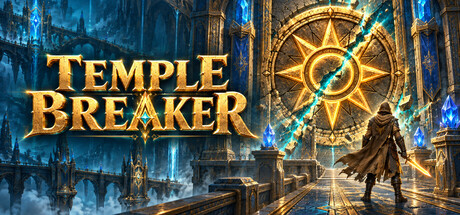
Generative AI tools were used to create visual artwork for the game and its marketing, and to assist with store-page text. These materials are prepared in advance. Temple Breaker does not generate content with AI during gameplay.
This game was created with extensive AI assistance. AI-generated and AI-assisted content is used in the game, store artwork, descriptions and trailer. This includes graphics and artwork, text, and contributions to programming, music and trailer production. The trailer and screenshots show actual footage captured from the game. No generative AI content is created during gameplay, and the game does not connect to external AI services while being played.
Generative AI tools were used during development to assist in creating select assets, including a character's voiceover audio, UI design elements, and specific artwork. All generated content was manually edited, refined, and integrated by the developer to ensure quality and stylistic consistency.
AI tools were used to generate base 2D images and concepts for character masks. These assets were then manually edited, polished, color-corrected, and integrated into the game by the developer.
Artificial Intelligence utilized in store images due to solo developer budget constraints. Images will be updated in the near future as budget constraints ease.
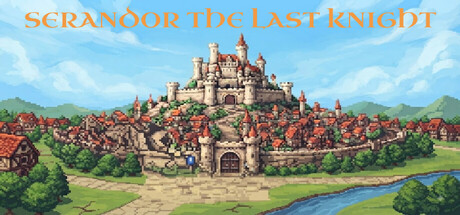
Gród is designed, built and tested by a solo developer. Every rule, system and pixel of the game follows my own vision.
AI tools helped with parts of the production: the voice lines, the music and some store artwork were created with generative AI, then selected, edited and fitted into the game by me. The in-game pixel art is drawn by the game's own code, with no AI image generators.
Screenshots and GIFs show real gameplay. The game does not use generative AI while you play.
Frontier was conceived, designed, directed, and extensively play tested by a solo developer. Generative AI was used as the primary production tool to implement that vision, including programming, artwork, audio, writing, and other game assets. Every aspect of the game was developed through an iterative human-directed process, with the developer specifying requirements, reviewing results, requesting revisions, making design decisions, integrating systems, and personally testing and approving the final content. No generative AI is used during gameplay.
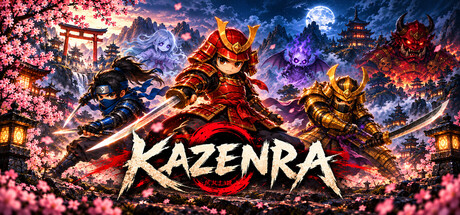
Some visual and text content in KAZENRA was created or refined with the assistance of generative AI tools during development. All such content was reviewed, selected, edited, and integrated by the developer before release. The game does not generate AI content during gameplay.
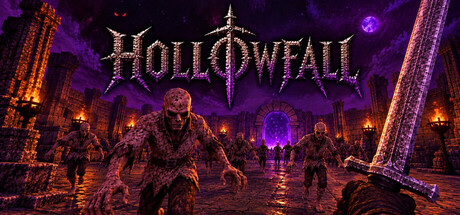
Generative AI tools were used during development to assist with the creation of certain pre-generated visual and 3D art assets used in the game. AI-assisted content is reviewed, selected, edited, and integrated by the developer. Hollowfall does not generate AI content during gameplay.
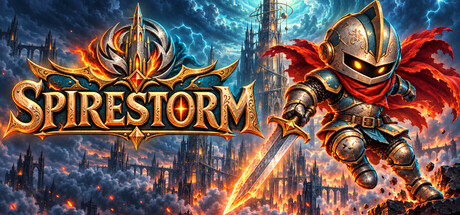
Spirestorm uses pre-generated AI-assisted artwork for characters, enemies, environments, interface illustrations, and promotional images. These assets were selected, edited, animated, and integrated during development. No AI content is generated during gameplay.
This game uses generative AI in the creation of some visual assets, including character illustrations, backgrounds, and promotional artwork. These assets were selected, adjusted, and integrated into the game and store materials by the developer. The game does not generate content in real time during gameplay, and no player input or personal data is sent to external AI services.
Generative AI tools assisted with drafting and translating text for the store page and trailer captions. The game does not generate AI content during play.
This game was developed solo by an independent developer. Some UI visuals and artwork used for the Steam store page were created with the help of generative AI. Original sound effects were also created with AI assistance to match the game's atmosphere. This content is fixed and built into the game.
AI is not used to generate content in real time during gameplay.
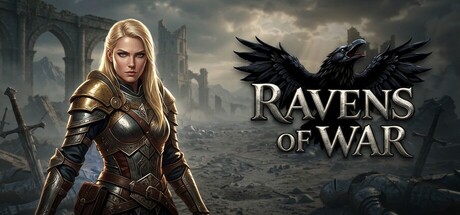
Ravens of War uses generative AI to create some of the artwork and illustrations used in the game, including card artwork. This content is pre-generated and included as part of the game; the game does not generate new AI content during gameplay.
This game uses generative AI to assist with multilingual translation and to create some of its in-game music. All related content was generated in advance during development and reviewed and edited by the development team.
Some visual assets in this game — including character portraits, illustrations, and marketing images — were created with the assistance of generative AI tools. All AI-generated material was reviewed, edited, and finalized by the developer. No AI content is generated during gameplay.
Generative AI was used as a development aid for some pre-generated marketing artwork, concept artwork, localization drafts, and selected visual assets. All AI-assisted content was reviewed and edited by the developer before inclusion. The game does not generate AI content during gameplay or connect to external AI services.
"Generative AI tools were used to create 2D promotional images and capsule artwork for the Steam store page. The game itself does not use real-time AI generation during gameplay."
Portions of the in-game codex (character biographies, historical battle summaries) were drafted with the assistance of a large language model based on the developer's own lore notes and edited by hand. A subset of pixel-art tile and prop textures were procedurally generated from developer-written Python scripts. All content is reviewed and finalized by the developer; no generative image models (e.g. Stable Diffusion, Midjourney) were used to produce in-game art.
Some character, costume, and promotional artwork was created with the assistance of generative AI image tools, then selected, edited, and assembled by the developer. There is no live AI generation during gameplay, and the game does not connect to external AI services.
Rockinforged is a studio that develops games with an AI-assisted production pipeline. Generative AI tools are used across development — including 2D art, cinematic and video footage, sound, localization, store page text, and marketing materials — always under the developer's direct authorship, curation, and review. The game does not generate any content with AI at runtime.
Generative AI was used to assist in the creation of character illustrations, selected artwork, store page assets, and localization. All AI-assisted content has been reviewed, edited, and integrated by the developer. The game does not use generative AI to create content during gameplay.
The game's main soundtrack was created using generative AI. The game's promotional capsule artwork was also created with the assistance of generative AI. All other gameplay, programming, game design, pixel art, animations, visual effects, sound effects, UI, and game content were created by the developer.
In this game, generative AI is used for the following purposes:
・Selecting options based on voice commands input by the user
・Generating portions of the display text
・Generating portions of the narration script
・The narration audio is created using a speech synthesis engine; generative AI is not used.
Stick Life: Medieval is designed and directed by a solo developer. Some of the game's code, its in-game writing, the artwork the game draws and parts of this store page were made with the help of generative AI tools, and some of its music was made with Suno, an AI music tool. All of it was played, reviewed and edited by the developer. Nothing is generated by AI while you play.
Character animations are generated with an AI motion model (Kimodo) and then cleaned up and retargeted by our team. Character voice-overs are created with AI text-to-speech and directed and edited by our team. All 3D models, buildings, textures and writing are made by us. No AI content is generated live during gameplay.
Some artwork and marketing materials for Knightoria were created using generative AI. AI-generated content is pre-rendered and is not generated during gameplay.
Generative AI tools were used to help create some visual assets, music, and store/promotional materials, and to assist with translation. No generative AI is used to create content during gameplay.
Generative AI assisted some game art, store illustrations, logos and icons. Screenshots show the actual development build. No AI content is generated during gameplay.
Some store and library artwork, icons, and promotional imagery were created or enhanced with generative AI tools. Gameplay screenshots show actual gameplay. The game does not generate AI content during gameplay or connect to external AI services.
Generative AI tools were used to create visual artwork for the game and its marketing, and to assist with store-page text. These materials are prepared in advance. Temple Breaker does not generate content with AI during gameplay.
This game was created with extensive AI assistance. AI-generated and AI-assisted content is used in the game, store artwork, descriptions and trailer. This includes graphics and artwork, text, and contributions to programming, music and trailer production. The trailer and screenshots show actual footage captured from the game. No generative AI content is created during gameplay, and the game does not connect to external AI services while being played.
Generative AI tools were used during development to assist in creating select assets, including a character's voiceover audio, UI design elements, and specific artwork. All generated content was manually edited, refined, and integrated by the developer to ensure quality and stylistic consistency.
AI tools were used to generate base 2D images and concepts for character masks. These assets were then manually edited, polished, color-corrected, and integrated into the game by the developer.
Artificial Intelligence utilized in store images due to solo developer budget constraints. Images will be updated in the near future as budget constraints ease.
Gród is designed, built and tested by a solo developer. Every rule, system and pixel of the game follows my own vision.
AI tools helped with parts of the production: the voice lines, the music and some store artwork were created with generative AI, then selected, edited and fitted into the game by me. The in-game pixel art is drawn by the game's own code, with no AI image generators.
Screenshots and GIFs show real gameplay. The game does not use generative AI while you play.
Frontier was conceived, designed, directed, and extensively play tested by a solo developer. Generative AI was used as the primary production tool to implement that vision, including programming, artwork, audio, writing, and other game assets. Every aspect of the game was developed through an iterative human-directed process, with the developer specifying requirements, reviewing results, requesting revisions, making design decisions, integrating systems, and personally testing and approving the final content. No generative AI is used during gameplay.
Some visual and text content in KAZENRA was created or refined with the assistance of generative AI tools during development. All such content was reviewed, selected, edited, and integrated by the developer before release. The game does not generate AI content during gameplay.
Generative AI tools were used during development to assist with the creation of certain pre-generated visual and 3D art assets used in the game. AI-assisted content is reviewed, selected, edited, and integrated by the developer. Hollowfall does not generate AI content during gameplay.
Spirestorm uses pre-generated AI-assisted artwork for characters, enemies, environments, interface illustrations, and promotional images. These assets were selected, edited, animated, and integrated during development. No AI content is generated during gameplay.
This game uses generative AI in the creation of some visual assets, including character illustrations, backgrounds, and promotional artwork. These assets were selected, adjusted, and integrated into the game and store materials by the developer. The game does not generate content in real time during gameplay, and no player input or personal data is sent to external AI services.
Generative AI tools assisted with drafting and translating text for the store page and trailer captions. The game does not generate AI content during play.
This game was developed solo by an independent developer. Some UI visuals and artwork used for the Steam store page were created with the help of generative AI. Original sound effects were also created with AI assistance to match the game's atmosphere. This content is fixed and built into the game.
AI is not used to generate content in real time during gameplay.
Ravens of War uses generative AI to create some of the artwork and illustrations used in the game, including card artwork. This content is pre-generated and included as part of the game; the game does not generate new AI content during gameplay.
This game uses generative AI to assist with multilingual translation and to create some of its in-game music. All related content was generated in advance during development and reviewed and edited by the development team.
Some visual assets in this game — including character portraits, illustrations, and marketing images — were created with the assistance of generative AI tools. All AI-generated material was reviewed, edited, and finalized by the developer. No AI content is generated during gameplay.
Generative AI was used as a development aid for some pre-generated marketing artwork, concept artwork, localization drafts, and selected visual assets. All AI-assisted content was reviewed and edited by the developer before inclusion. The game does not generate AI content during gameplay or connect to external AI services.
"Generative AI tools were used to create 2D promotional images and capsule artwork for the Steam store page. The game itself does not use real-time AI generation during gameplay."
Portions of the in-game codex (character biographies, historical battle summaries) were drafted with the assistance of a large language model based on the developer's own lore notes and edited by hand. A subset of pixel-art tile and prop textures were procedurally generated from developer-written Python scripts. All content is reviewed and finalized by the developer; no generative image models (e.g. Stable Diffusion, Midjourney) were used to produce in-game art.
Some character, costume, and promotional artwork was created with the assistance of generative AI image tools, then selected, edited, and assembled by the developer. There is no live AI generation during gameplay, and the game does not connect to external AI services.
Rockinforged is a studio that develops games with an AI-assisted production pipeline. Generative AI tools are used across development — including 2D art, cinematic and video footage, sound, localization, store page text, and marketing materials — always under the developer's direct authorship, curation, and review. The game does not generate any content with AI at runtime.
Generative AI was used to assist in the creation of character illustrations, selected artwork, store page assets, and localization. All AI-assisted content has been reviewed, edited, and integrated by the developer. The game does not use generative AI to create content during gameplay.
The game's main soundtrack was created using generative AI. The game's promotional capsule artwork was also created with the assistance of generative AI. All other gameplay, programming, game design, pixel art, animations, visual effects, sound effects, UI, and game content were created by the developer.
In this game, generative AI is used for the following purposes:
・Selecting options based on voice commands input by the user
・Generating portions of the display text
・Generating portions of the narration script
・The narration audio is created using a speech synthesis engine; generative AI is not used.