Public Steam disclosure research25,376 disclosures tracked
Where do games disclose AI use?
Search developers’ Steam disclosures, compare classified AI use across
games, and follow recorded changes.
This index adds cross-game classifications and statistics to
statements published on individual store pages.
Groups reflect automatic analysis of public disclosures; mature records are excluded. These counts do not measure AI use across all of Steam.
Missing or unclear statements cannot establish whether a game uses AI.
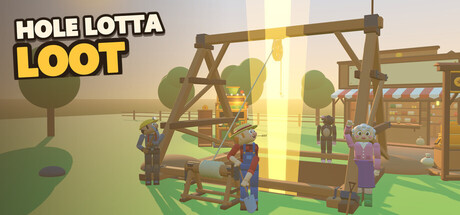
Pre-generated content: Many 3D models and textures used in the game, including cakes, fruit, items, tools, and environmental/shop assets, were generated using Meshy AI and then edited and integrated by the developer. Generative AI was also used to assist in drafting some store-page text, which was reviewed and edited by the developer. No generative AI is used at runtime. No AI-generated voice or music is used.
Pre-generated content: the character voices, some sound effects, ambience and the music were generated with AI audio tools (ElevenLabs), then selected, edited and mixed by the developer. Most 3D models (props, tools, vehicles) and some 2D artwork (signs, posters, in-game documents, interface illustrations and store art) were generated with AI tools and then integrated, adjusted and reviewed in the game by the developer. The people are built with the open-source MakeHuman tools and animated with motion capture (CMU), not with AI. Translations were made with AI assistance and reviewed. The levels and code were built with AI-assisted tools and reviewed and tested by the developer. No content is generated by AI while you play.
Some pre-generated content was made with AI tools: the store key art and capsule images, the localization into 19 languages, and parts of the in-game and store text. 3D models, sound effects and achievement icons are built procedurally by code written with AI assistance. No AI-generated content is created live while you play.
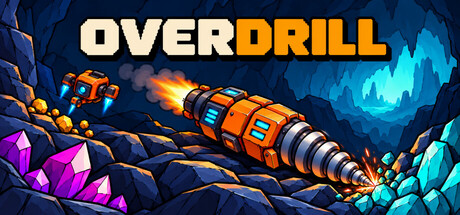
This game was made by a solo developer with the help of AI tools. Some of the pixel art was drawn by hand by the developer and then revised with AI tools. Other art (including the logo, interface icons, menu backgrounds and some terrain tiles) was created with an AI pixel-art tool and then edited by the developer. The music and sound effects are synthesized in code, and were composed and designed with the help of an AI assistant. Some in-game text, such as the Field Guide and tutorial tips, was drafted with AI assistance and edited by the developer. No AI is used while you play: nothing is generated live, and the game never connects to an AI service.
Generative AI was used during development to create static artwork, including game sprites, icons, the illustrated menu background, and Steam store and library artwork. AI assistance was also used for written text and translations. These assets were reviewed and integrated by the developer. No content is generated by AI during gameplay.
This game's 3D models, music, sound effects, and in-game text (dialogue, item names and descriptions) were created with the help of generative AI, under the developer's direction and review. The store images and trailer use this in-game content.
This game includes pre-generated AI-assisted visual and audio assets, including gemstone, tool, environment, achievement, and promotional artwork, background music, and sound effects, as well as AI-assisted localization drafts. All included content was generated before release and was selected, edited, composited, mixed, and reviewed by the developer. The game does not generate content with AI during gameplay and does not connect to a generative AI service.
The English and German localization of in-game text was generated with the help of an AI language model (Claude) and reviewed by the developer. Store page texts were also drafted with AI assistance. All art, music and sound are made by humans or taken from licensed CC0/CC BY asset packs. No AI content is generated live while playing.
Generative AI tools were used during development to assist with some visual assets and portions of the game's code. AI-assisted artwork includes the title background, dungeon environments, monsters, adventurers, and trap visuals. All such content was created before release and integrated as fixed game assets. Hearthdeep does not generate AI content during gameplay and does not connect to external AI services while the game is running.
The game's art assets (tile, monster and item sprite atlases) were produced during development using OpenAI's image generation service. We then processed the output ourselves into transparent PNGs and assembled them into atlases, which ship as static assets inside the build. The game does not call any AI service at runtime and contains no live-generated content. Every generated image was manually reviewed and corrected before being added to the atlas. Apart from the art, the code, game design, balance and text involve no AI-generated content.
Deep Lantern contains some pre-generated visual assets created or assisted with generative AI, including certain textures, interface or illustrative visual elements, which were then reviewed, edited, and integrated manually by the developer.
The game does not use live generative AI during gameplay, and players cannot generate content in-game using AI.
Some pre-generated 2D artwork, visual effects, icons, maps, promotional images, and achievement artwork were created or refined with generative AI during development. All AI-generated output was reviewed, edited, and integrated by the development team. The game does not use generative AI at runtime and does not generate player-facing text, images, audio, music, code, or other content while you play.
AI assistance was limited to Python programming, including code that helps to draw environments and visual effects in Pygame. These visuals are rendered in code entirely in Python.
Sprite artwork and sound effects were created without generative AI and are sourced from licensed third-party assets.
The soundtrack for the game and trailer was composed specifically for the project in FL Studio.
No generative AI models run in the game or generate content during gameplay.
Generative AI was used for pre-generated Steam store promotional artwork, library artwork, and application icons. No AI content is generated during gameplay, and the game does not connect to external AI services.
Generative AI tools were used during development to assist with debugging. AI-assisted content included in the final game was reviewed and edited by the developer. No content is generated by AI during gameplay.
Generative AI tools were used during development to assist with some artwork, text, localization, and other game content. All AI-assisted content is reviewed and edited by the developers before inclusion in the game.
All previously used AI-generated or AI-assisted content has now been completely removed from both the full game and the demo. (That was old UI and intro).
**No AI-generated images are used in the game.**
**The only remaining use of AI in the game is for localization and translations.**
As the game generates revenue, I plan to hire professional translators for each supported language and gradually replace all AI-assisted translations with professionally translated versions.
Generative AI tools were used during development to help create some visual assets, including environment textures, branding and promotional artwork, as well as store copy and localization. These materials are selected, reviewed and integrated by the developer. Gameplay screenshots are captured from the game. No generative AI content is created during play, and the game does not connect to external AI services.
Deepworks was made with the help of AI tools. Some of the game's art and audio were generated with AI and then reviewed and edited by the developer, and AI assisted with writing code. Nothing in the game is generated by AI while you play.
I'm an indie dev with a day job. Using AI made building this game possible. I built this game for the fun of it and have no interest in paying thousands or even hundreds of dollars to artists for a little side hobby.
The coding process used artificial intelligence, to allow the creator to focus on the creative aspects of game development. All art, story, mechanics, balancing, and creative direction is human-made.
Generative AI was used during development to assist in creating some pre-generated 2D artwork, including backgrounds, characters, fish/creatures, logos, and some marketing artwork. Generated assets were reviewed, selected, edited, and integrated by the developer. The game does not use generative AI to create content during gameplay.
I leveraged AI tools to bring my game concept to life, with AI assistance in coding, artwork, and the Steam store page. I want to assure you that this game was built through genuine collaboration between myself and AI—working together to create a better, more enjoyable experience.
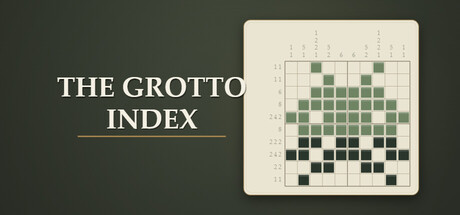
The developer of The Grotto Index used generative AI tools during development to help create some of the game's visual assets, including specimen pixel art and illustrations. All AI-assisted content was reviewed, edited, and curated by the developer before being included in the game. No content is generated by AI during gameplay — every puzzle, image, and piece of text in the shipped game is fixed and was finalized before release.
During the early stages of development, I used AI tools as a creative and technical aid, mainly to help with parts of the code and to create early drafts of some background artwork. These were only starting points in the development process. The materials were then reviewed, adapted, modified, and integrated as part of the game’s overall development.
Generative AI was used to create some of the artwork shown on the Steam store page and related marketing assets. No generative AI is used during gameplay.
Generative AI was used as a development aid for some pre-generated marketing artwork, concept artwork, localization drafts, and selected visual assets. All AI-assisted content was reviewed and edited by the developer before inclusion. The game does not generate AI content during gameplay or connect to external AI services.
AI was used only to help create a few marketing images (capsule art and header capsule). All store screenshots, written content, and in-game art, audio, and text are handcrafted. The game contains no live or runtime AI-generated content.
Pre-generated content: Many 3D models and textures used in the game, including cakes, fruit, items, tools, and environmental/shop assets, were generated using Meshy AI and then edited and integrated by the developer. Generative AI was also used to assist in drafting some store-page text, which was reviewed and edited by the developer. No generative AI is used at runtime. No AI-generated voice or music is used.
Pre-generated content: the character voices, some sound effects, ambience and the music were generated with AI audio tools (ElevenLabs), then selected, edited and mixed by the developer. Most 3D models (props, tools, vehicles) and some 2D artwork (signs, posters, in-game documents, interface illustrations and store art) were generated with AI tools and then integrated, adjusted and reviewed in the game by the developer. The people are built with the open-source MakeHuman tools and animated with motion capture (CMU), not with AI. Translations were made with AI assistance and reviewed. The levels and code were built with AI-assisted tools and reviewed and tested by the developer. No content is generated by AI while you play.
Some pre-generated content was made with AI tools: the store key art and capsule images, the localization into 19 languages, and parts of the in-game and store text. 3D models, sound effects and achievement icons are built procedurally by code written with AI assistance. No AI-generated content is created live while you play.
This game was made by a solo developer with the help of AI tools. Some of the pixel art was drawn by hand by the developer and then revised with AI tools. Other art (including the logo, interface icons, menu backgrounds and some terrain tiles) was created with an AI pixel-art tool and then edited by the developer. The music and sound effects are synthesized in code, and were composed and designed with the help of an AI assistant. Some in-game text, such as the Field Guide and tutorial tips, was drafted with AI assistance and edited by the developer. No AI is used while you play: nothing is generated live, and the game never connects to an AI service.
Generative AI was used during development to create static artwork, including game sprites, icons, the illustrated menu background, and Steam store and library artwork. AI assistance was also used for written text and translations. These assets were reviewed and integrated by the developer. No content is generated by AI during gameplay.
This game's 3D models, music, sound effects, and in-game text (dialogue, item names and descriptions) were created with the help of generative AI, under the developer's direction and review. The store images and trailer use this in-game content.
This game includes pre-generated AI-assisted visual and audio assets, including gemstone, tool, environment, achievement, and promotional artwork, background music, and sound effects, as well as AI-assisted localization drafts. All included content was generated before release and was selected, edited, composited, mixed, and reviewed by the developer. The game does not generate content with AI during gameplay and does not connect to a generative AI service.
The English and German localization of in-game text was generated with the help of an AI language model (Claude) and reviewed by the developer. Store page texts were also drafted with AI assistance. All art, music and sound are made by humans or taken from licensed CC0/CC BY asset packs. No AI content is generated live while playing.
Generative AI tools were used during development to assist with some visual assets and portions of the game's code. AI-assisted artwork includes the title background, dungeon environments, monsters, adventurers, and trap visuals. All such content was created before release and integrated as fixed game assets. Hearthdeep does not generate AI content during gameplay and does not connect to external AI services while the game is running.
The game's art assets (tile, monster and item sprite atlases) were produced during development using OpenAI's image generation service. We then processed the output ourselves into transparent PNGs and assembled them into atlases, which ship as static assets inside the build. The game does not call any AI service at runtime and contains no live-generated content. Every generated image was manually reviewed and corrected before being added to the atlas. Apart from the art, the code, game design, balance and text involve no AI-generated content.
Deep Lantern contains some pre-generated visual assets created or assisted with generative AI, including certain textures, interface or illustrative visual elements, which were then reviewed, edited, and integrated manually by the developer.
The game does not use live generative AI during gameplay, and players cannot generate content in-game using AI.
Some pre-generated 2D artwork, visual effects, icons, maps, promotional images, and achievement artwork were created or refined with generative AI during development. All AI-generated output was reviewed, edited, and integrated by the development team. The game does not use generative AI at runtime and does not generate player-facing text, images, audio, music, code, or other content while you play.
AI assistance was limited to Python programming, including code that helps to draw environments and visual effects in Pygame. These visuals are rendered in code entirely in Python.
Sprite artwork and sound effects were created without generative AI and are sourced from licensed third-party assets.
The soundtrack for the game and trailer was composed specifically for the project in FL Studio.
No generative AI models run in the game or generate content during gameplay.
Generative AI was used for pre-generated Steam store promotional artwork, library artwork, and application icons. No AI content is generated during gameplay, and the game does not connect to external AI services.
Generative AI tools were used during development to assist with debugging. AI-assisted content included in the final game was reviewed and edited by the developer. No content is generated by AI during gameplay.
Generative AI tools were used during development to assist with some artwork, text, localization, and other game content. All AI-assisted content is reviewed and edited by the developers before inclusion in the game.
All previously used AI-generated or AI-assisted content has now been completely removed from both the full game and the demo. (That was old UI and intro).
**No AI-generated images are used in the game.**
**The only remaining use of AI in the game is for localization and translations.**
As the game generates revenue, I plan to hire professional translators for each supported language and gradually replace all AI-assisted translations with professionally translated versions.
Generative AI tools were used during development to help create some visual assets, including environment textures, branding and promotional artwork, as well as store copy and localization. These materials are selected, reviewed and integrated by the developer. Gameplay screenshots are captured from the game. No generative AI content is created during play, and the game does not connect to external AI services.
Deepworks was made with the help of AI tools. Some of the game's art and audio were generated with AI and then reviewed and edited by the developer, and AI assisted with writing code. Nothing in the game is generated by AI while you play.
I'm an indie dev with a day job. Using AI made building this game possible. I built this game for the fun of it and have no interest in paying thousands or even hundreds of dollars to artists for a little side hobby.
The coding process used artificial intelligence, to allow the creator to focus on the creative aspects of game development. All art, story, mechanics, balancing, and creative direction is human-made.
Generative AI was used during development to assist in creating some pre-generated 2D artwork, including backgrounds, characters, fish/creatures, logos, and some marketing artwork. Generated assets were reviewed, selected, edited, and integrated by the developer. The game does not use generative AI to create content during gameplay.
I leveraged AI tools to bring my game concept to life, with AI assistance in coding, artwork, and the Steam store page. I want to assure you that this game was built through genuine collaboration between myself and AI—working together to create a better, more enjoyable experience.
The developer of The Grotto Index used generative AI tools during development to help create some of the game's visual assets, including specimen pixel art and illustrations. All AI-assisted content was reviewed, edited, and curated by the developer before being included in the game. No content is generated by AI during gameplay — every puzzle, image, and piece of text in the shipped game is fixed and was finalized before release.
During the early stages of development, I used AI tools as a creative and technical aid, mainly to help with parts of the code and to create early drafts of some background artwork. These were only starting points in the development process. The materials were then reviewed, adapted, modified, and integrated as part of the game’s overall development.
Generative AI was used to create some of the artwork shown on the Steam store page and related marketing assets. No generative AI is used during gameplay.
Generative AI was used as a development aid for some pre-generated marketing artwork, concept artwork, localization drafts, and selected visual assets. All AI-assisted content was reviewed and edited by the developer before inclusion. The game does not generate AI content during gameplay or connect to external AI services.
AI was used only to help create a few marketing images (capsule art and header capsule). All store screenshots, written content, and in-game art, audio, and text are handcrafted. The game contains no live or runtime AI-generated content.