Public Steam disclosure research25,497 disclosures tracked
Where do games disclose AI use?
Search developers’ Steam disclosures, compare classified AI use across
games, and follow recorded changes.
This index adds cross-game classifications and statistics to
statements published on individual store pages.
Groups reflect automatic analysis of public disclosures; mature records are excluded. These counts do not measure AI use across all of Steam.
Missing or unclear statements cannot establish whether a game uses AI.
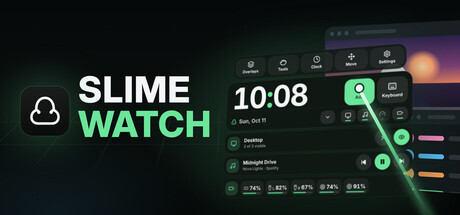
AI tools were used to quickly rebuild this store page and the update announcements: the description text, the patch notes, their translations, and the music of the presentation video. These are temporary while I produce my own trailer and in-VR screenshots, which will replace them. The app itself contains no AI-generated content and never generates anything with AI while you use it.
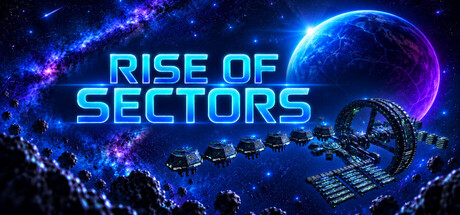
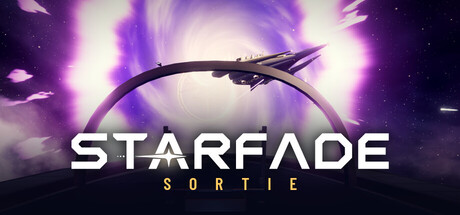
Character voices, and some of the sound effects and music, were pre-generated with AI voice and audio tools and then edited and mixed by the developer. The dialogue, store text and Korean/English translations were written with the help of an AI assistant and reviewed by the developer. All ships, cockpit and environments are in-engine 3D models, and the store images and trailer are in-game captures. No AI content is generated while you play.
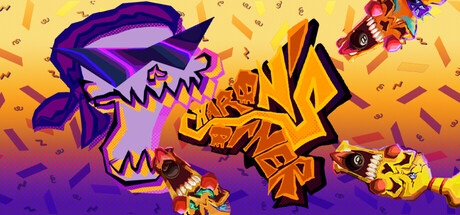
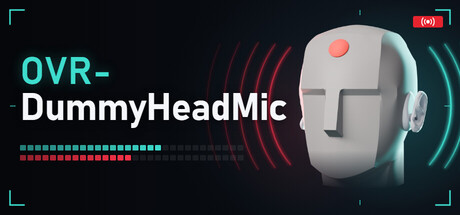
AI assistants were used to help write the application's code. The store images were created with the help of an AI assistant by rendering the actual dummy head 3D model in Blender. The app does not generate any content with AI while it runs.
Pre-generated AI content
The application's user-facing text was written with the assistance of a large language model, and translated from English into the other nine supported languages the same way. The store page description was drafted the same way.
The screenshots are unedited captures of the running software.
The in-application audio is synthesised by a DSP script, not by a generative model.
from material the developer produced: frames of video recorded in the headset, and renders of the application's own interface.
Live-generated AI content
None. Next Eye does not run any AI model at runtime, does not send anything to any service, and works entirely offline.
Generative AI was used only to help draft and polish English store-page text, as English is not my first language. No game assets, images, sound effects, or music were generated using generative AI. Screenshots show actual gameplay, and promotional artwork uses in-game renders. The game does not generate AI content during gameplay or connect to external AI services.
Some pre-generated assets were created with generative AI tools and then reviewed and edited by the developer: chapter illustrations and mission background images shown in the menus, some badge (achievement) artwork, four mission-category icons, and six short cockpit voice alerts (text-to-speech). Gameplay, terrain, aircraft models, flight physics, mission design, and all in-game text were authored by the developer. The game does not generate any content at runtime.
Generative AI was used during the development of this game. It was used for some assets, coding, and translation. Any content created with generative AI was reviewed and, where necessary, modified or adjusted before being included in the game.
Generative AI tools were used to create the game logo and some promotional artwork for the Steam store page. The generated content was reviewed, cropped, edited, and arranged by the developer before publication. The game does not use generative AI to generate content during gameplay.
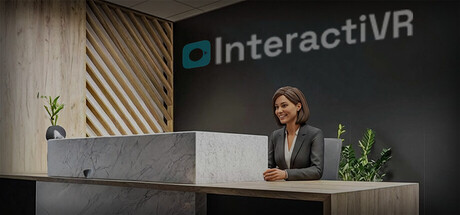
InteractiVR uses generative AI during play. The interviewer characters are driven by a large language model that generates their questions, follow up questions and responses live, in response to what the player says and to the job role and experience level the player selects. Player speech is transcribed by automatic speech recognition, and interviewer dialogue is spoken using synthesized voice. The written performance report at the end of a session is also AI generated.
The AI is constrained by a system prompt scoped to job interview conversation and to evaluating answers against the STAR method. It does not depict or impersonate real people. Interviewer characters are fictional.
The AI evaluates the structure and completeness of a player's answers against the STAR method. It is a practice and training tool and does not make hiring decisions.
AI assistance was limited to Python programming, including code that helps to draw environments and visual effects in Pygame. These visuals are rendered in code entirely in Python.
Sprite artwork and sound effects were created without generative AI and are sourced from licensed third-party assets.
The soundtrack for the game and trailer was composed specifically for the project in FL Studio.
No generative AI models run in the game or generate content during gameplay.
Pre-generated generative AI tools were used during development to assist with some UI assets, text, and localization. All AI-assisted content was reviewed and edited by the developer before inclusion in the game or store materials. No generative AI is used at runtime.
Generative AI assisted with selected store and library artwork and some localization text. This content was created before release; the game does not use real-time AI generation.
The application itself does not use generative AI. Maps are produced by a deterministic, rule-based algorithm from signal analysis of the user's own audio file (tempo, beat grid, onsets, song structure); no machine-learning models are involved, and nothing is generated at runtime by AI.
Generative AI was used only for marketing: the animated scenes in the store trailer were produced with AI image and video tools from our own storyboard and prompts. Store screenshots are real captures of the application, and the capsule artwork was designed by hand.
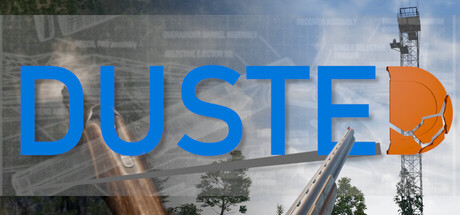
AI was used for some code generation and as part of a technique for cleaning-up of 3D scans. 3D scans were created of real lightguns using both a laser based scanner and photogrammetry, and then both models were combined using a frontier AI model for a final clean 3D scan results with higher quality game-ready topography and polycounts.
Almost all of the game’s content has been handmade by our art team. A small number of textures were generated with generative AI tools, then edited and integrated into the final assets by the development team.
Generative AI was used during development to create some character, environment, and prop models, as well as music, sound effects, character voiceovers, and UI assets. These AI-generated assets were subsequently edited and refined by the development team before being integrated into the game.
We are a small studio with only six people actively involved in development. For teams like ours, generative AI is a supportive tool that helps us realize a creative vision that would otherwise be completely out of reach within our budget. It allows us to focus on what we love doing most: creating games. We view AI strictly as a practical toolset.
Here is how we utilized generative AI in our game:
• Visual Assets: We use generative AI for both concept art and in-game graphics. The vast majority of these AI-generated images are manually modified, iterated upon, and finalized by our artist. We have not replaced any jobs; our games simply feature richer visual assets.
• Audio & Voice-over: Voice-over (VO) lines and several music tracks were generated using AI.
• Proofreading: We utilize AI to proofread our texts and scripts.
Dystopia uses AI to live-generate its radio: all music, DJ voices, lyrics,
song titles, and artist names are created by AI on our own servers and
streamed to every player. Our 3D environments render as Gaussian splats and
were AI generated using World Labs' Marble.
Some user interface elements (including UI frames, buttons, panels, and HUD background art) were created with the assistance of generative AI image tools during development, then manually edited, composited, and integrated by the development team. Promotional artwork on the store page (capsule, library header/hero images) also used generative AI assistance and was human-reviewed before publication. No AI is used to generate content during gameplay.
Some of the 2D artwork used for this game's branding and store page - including the app icon and the key art - was created with the help of generative AI image tools, then cropped, edited and finalized by hand. No AI-generated content is produced while you play: all gameplay, 3D models, animation and audio come from licensed or hand-authored assets.
This game contains pre-generated AI-assisted content used during development, including gameplay code, selected in-game and UI text/localization, generated sound effects, and AI-assisted visual materials for Steam community/store assets such as achievement icons. No AI content is generated live during gameplay, and the game does not connect to external AI services at runtime.
This software uses generative AI to provide real-time text and speech translation. It recognizes on-screen text via OCR, then calls AI large language models that you configure (such as DeepSeek, GPT, Qwen, Doubao, etc.) or the built-in local translation model (Hy-MT2) to generate real-time translations, shown in the VR overlay. Translation results are for reference only, are not guaranteed to be accurate, and do not constitute professional advice.
Generative AI tools were used during development to assist with certain pre-generated visual elements and sequences in the game. All such materials were reviewed, selected, edited, and integrated into the final video content by the Dev team. The game’s narrative, interactive structure, gameplay logic, and final presentation are created and controlled by the Dev team.
No generative AI is used during gameplay, and no content is generated dynamically for players.
Generative AI was used in a limited, supporting role during development:
• Portions of this store page description were drafted with the help of AI text tools and then reviewed and edited by the developer.
• A small number of icons (used on the store page) were created with the assistance of AI image generation tools and refined by the developer.
The game itself does not use generative AI at runtime.
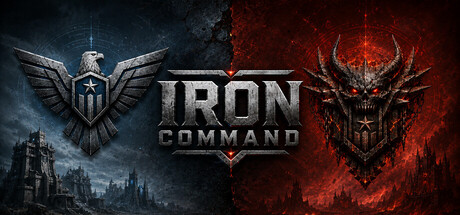
Iron Command uses generative AI for part of its content:
• 3D models and their textures were generated with AI. Every model was then cleaned up, scaled, oriented and assembled into the game by hand.
• The key art used on the title screen and for the store images was generated with an image model and edited afterwards.
• The spoken mission briefings and unit voice lines are produced with a text-to-speech system from scripts written by the developer.
Game design, programming, level design, balancing and all written text are the developer's own work, created without generative AI.
AI tools were used to quickly rebuild this store page and the update announcements: the description text, the patch notes, their translations, and the music of the presentation video. These are temporary while I produce my own trailer and in-VR screenshots, which will replace them. The app itself contains no AI-generated content and never generates anything with AI while you use it.
Character voices, and some of the sound effects and music, were pre-generated with AI voice and audio tools and then edited and mixed by the developer. The dialogue, store text and Korean/English translations were written with the help of an AI assistant and reviewed by the developer. All ships, cockpit and environments are in-engine 3D models, and the store images and trailer are in-game captures. No AI content is generated while you play.
AI assistants were used to help write the application's code. The store images were created with the help of an AI assistant by rendering the actual dummy head 3D model in Blender. The app does not generate any content with AI while it runs.
Pre-generated AI content
The application's user-facing text was written with the assistance of a large language model, and translated from English into the other nine supported languages the same way. The store page description was drafted the same way.
The screenshots are unedited captures of the running software.
The in-application audio is synthesised by a DSP script, not by a generative model.
from material the developer produced: frames of video recorded in the headset, and renders of the application's own interface.
Live-generated AI content
None. Next Eye does not run any AI model at runtime, does not send anything to any service, and works entirely offline.
Generative AI was used only to help draft and polish English store-page text, as English is not my first language. No game assets, images, sound effects, or music were generated using generative AI. Screenshots show actual gameplay, and promotional artwork uses in-game renders. The game does not generate AI content during gameplay or connect to external AI services.
Some pre-generated assets were created with generative AI tools and then reviewed and edited by the developer: chapter illustrations and mission background images shown in the menus, some badge (achievement) artwork, four mission-category icons, and six short cockpit voice alerts (text-to-speech). Gameplay, terrain, aircraft models, flight physics, mission design, and all in-game text were authored by the developer. The game does not generate any content at runtime.
Generative AI was used during the development of this game. It was used for some assets, coding, and translation. Any content created with generative AI was reviewed and, where necessary, modified or adjusted before being included in the game.
Generative AI tools were used to create the game logo and some promotional artwork for the Steam store page. The generated content was reviewed, cropped, edited, and arranged by the developer before publication. The game does not use generative AI to generate content during gameplay.
InteractiVR uses generative AI during play. The interviewer characters are driven by a large language model that generates their questions, follow up questions and responses live, in response to what the player says and to the job role and experience level the player selects. Player speech is transcribed by automatic speech recognition, and interviewer dialogue is spoken using synthesized voice. The written performance report at the end of a session is also AI generated.
The AI is constrained by a system prompt scoped to job interview conversation and to evaluating answers against the STAR method. It does not depict or impersonate real people. Interviewer characters are fictional.
The AI evaluates the structure and completeness of a player's answers against the STAR method. It is a practice and training tool and does not make hiring decisions.
AI assistance was limited to Python programming, including code that helps to draw environments and visual effects in Pygame. These visuals are rendered in code entirely in Python.
Sprite artwork and sound effects were created without generative AI and are sourced from licensed third-party assets.
The soundtrack for the game and trailer was composed specifically for the project in FL Studio.
No generative AI models run in the game or generate content during gameplay.
Pre-generated generative AI tools were used during development to assist with some UI assets, text, and localization. All AI-assisted content was reviewed and edited by the developer before inclusion in the game or store materials. No generative AI is used at runtime.
Generative AI assisted with selected store and library artwork and some localization text. This content was created before release; the game does not use real-time AI generation.
The application itself does not use generative AI. Maps are produced by a deterministic, rule-based algorithm from signal analysis of the user's own audio file (tempo, beat grid, onsets, song structure); no machine-learning models are involved, and nothing is generated at runtime by AI.
Generative AI was used only for marketing: the animated scenes in the store trailer were produced with AI image and video tools from our own storyboard and prompts. Store screenshots are real captures of the application, and the capsule artwork was designed by hand.
AI was used for some code generation and as part of a technique for cleaning-up of 3D scans. 3D scans were created of real lightguns using both a laser based scanner and photogrammetry, and then both models were combined using a frontier AI model for a final clean 3D scan results with higher quality game-ready topography and polycounts.
Almost all of the game’s content has been handmade by our art team. A small number of textures were generated with generative AI tools, then edited and integrated into the final assets by the development team.
Generative AI was used during development to create some character, environment, and prop models, as well as music, sound effects, character voiceovers, and UI assets. These AI-generated assets were subsequently edited and refined by the development team before being integrated into the game.
We are a small studio with only six people actively involved in development. For teams like ours, generative AI is a supportive tool that helps us realize a creative vision that would otherwise be completely out of reach within our budget. It allows us to focus on what we love doing most: creating games. We view AI strictly as a practical toolset.
Here is how we utilized generative AI in our game:
• Visual Assets: We use generative AI for both concept art and in-game graphics. The vast majority of these AI-generated images are manually modified, iterated upon, and finalized by our artist. We have not replaced any jobs; our games simply feature richer visual assets.
• Audio & Voice-over: Voice-over (VO) lines and several music tracks were generated using AI.
• Proofreading: We utilize AI to proofread our texts and scripts.
Dystopia uses AI to live-generate its radio: all music, DJ voices, lyrics,
song titles, and artist names are created by AI on our own servers and
streamed to every player. Our 3D environments render as Gaussian splats and
were AI generated using World Labs' Marble.
Some user interface elements (including UI frames, buttons, panels, and HUD background art) were created with the assistance of generative AI image tools during development, then manually edited, composited, and integrated by the development team. Promotional artwork on the store page (capsule, library header/hero images) also used generative AI assistance and was human-reviewed before publication. No AI is used to generate content during gameplay.
Some of the 2D artwork used for this game's branding and store page - including the app icon and the key art - was created with the help of generative AI image tools, then cropped, edited and finalized by hand. No AI-generated content is produced while you play: all gameplay, 3D models, animation and audio come from licensed or hand-authored assets.
This game contains pre-generated AI-assisted content used during development, including gameplay code, selected in-game and UI text/localization, generated sound effects, and AI-assisted visual materials for Steam community/store assets such as achievement icons. No AI content is generated live during gameplay, and the game does not connect to external AI services at runtime.
This software uses generative AI to provide real-time text and speech translation. It recognizes on-screen text via OCR, then calls AI large language models that you configure (such as DeepSeek, GPT, Qwen, Doubao, etc.) or the built-in local translation model (Hy-MT2) to generate real-time translations, shown in the VR overlay. Translation results are for reference only, are not guaranteed to be accurate, and do not constitute professional advice.
Generative AI tools were used during development to assist with certain pre-generated visual elements and sequences in the game. All such materials were reviewed, selected, edited, and integrated into the final video content by the Dev team. The game’s narrative, interactive structure, gameplay logic, and final presentation are created and controlled by the Dev team.
No generative AI is used during gameplay, and no content is generated dynamically for players.
Generative AI was used in a limited, supporting role during development:
• Portions of this store page description were drafted with the help of AI text tools and then reviewed and edited by the developer.
• A small number of icons (used on the store page) were created with the assistance of AI image generation tools and refined by the developer.
The game itself does not use generative AI at runtime.
Iron Command uses generative AI for part of its content:
• 3D models and their textures were generated with AI. Every model was then cleaned up, scaled, oriented and assembled into the game by hand.
• The key art used on the title screen and for the store images was generated with an image model and edited afterwards.
• The spoken mission briefings and unit voice lines are produced with a text-to-speech system from scripts written by the developer.
Game design, programming, level design, balancing and all written text are the developer's own work, created without generative AI.