




Disclosure
Some sounds and images were AI generated. All AI content was checked by real person. We also used deepL AI for localizations
- Creator
- BeyondPlanet
- Reviews
- 32
- Added
- Oct 8, 2026
Public Steam disclosure research 25,376 disclosures tracked
Search developers’ Steam disclosures, compare classified AI use across games, and follow recorded changes. This index adds cross-game classifications and statistics to statements published on individual store pages.
Code help, debugging and other development work.
Capsule art, trailers and promotional material.
Pre-made art, audio, writing and other game assets.
Interactive or runtime AI features disclosed by the developer.
Groups reflect automatic analysis of public disclosures; mature records are excluded. These counts do not measure AI use across all of Steam. Missing or unclear statements cannot establish whether a game uses AI.
Some sounds and images were AI generated. All AI content was checked by real person. We also used deepL AI for localizations
Various visual and audio assets, translations, and promotional materials were created with the assistance of generative AI tools. All AI-assisted content was selected, reviewed, and integrated by the developer. No generative AI is used during gameplay, and the game does not generate content in real time.
Store descriptions, in-game text (the hive's log) and their translations are drafted with an AI assistant and reviewed and edited by the developer. No AI-generated images, audio or 3D assets: all visuals are captured from the game, built on licensed third-party assets.
AI tools assisted programming and code review, image creation, and text/localization during development. No AI content is generated during gameplay.
Some 2D art assets and pre-rendered cinematic videos in this game were created with the help of generative AI tools, and were then manually reviewed, edited and retouched by the developer. Generative AI tools were also used to assist during development. The game does not generate any AI content at runtime.
AI powers real-time dialogue and responses from fictional in-game characters, allowing them to react dynamically to player conversations and actions.
Generative AI tools were used for localization, marketing images, intro video, and some graphical assets.
Generative artificial intelligence was used during development mainly to assist with localization and code, with some 2D/3D assets, and selected audio assets. All AI-assisted content was manually reviewed, edited, and refined by the developer before use.
AI tools were used to assist in drafting some written text (in-game lore entries and store page descriptions); all such text was reviewed and edited by the developer. All artwork, animation, music, and sound effects are human-created licensed assets. The game does not use AI to generate any content at runtime.
AI tools were used to assist with promotional artwork, capsule art, and visual concept iteration for The Big Suck. Final art direction, selection, editing, game design, programming, balancing, and implementation were done by the developer. AI was used as a creative production aid for a small indie project, not as live-generated gameplay content.
I used AI for debugging package errors that can generate thousands-lines-long error logs, to point me into the right direction. I also localized the store page to some languages using LLM.
Generative AI was used during development to draft initial art concepts and assist with the foundation of text localization. All final in-game visual assets were manually refined, edited, and finished in Photoshop to ensure a high-quality, hand-crafted aesthetic. Localization was human-reviewed to ensure accuracy for players.
Some development tasks, including early draft generation and translation assistance, involved generative AI tools. All narrative content, character writing, and dialogue were written and substantially revised by the developer.
The game uses an offline local LLM to dynamically generate NPC dialogue, parse player's text commands, and judge the player's actions in court. The game uses zero generative AI art or audio assets.
The music in this game was created using AI.
Some promotional images for this game were created with the assistance of artificial intelligence.
Translation into other languages. Voice generation for teacher.
During the development process, we may use procedural and AI-driven tools to support content creation. In all cases, the final product reflects the creativity and vision of our development team.
Some marketing and page materials were made with AI
All voice recordings in the game are performed by a human, but AI Speech to Speech synthesis is used on some dialogue to provide more variety to the voices present in the game. Text to Speech synthesis is not used. AI is not used to create any other call content, including in the writing of calls, which are all written by humans.
Generative AI used to assist in the creation of some marketing materials, in-game textures and user interface elements.
Snatched uses large language models (LLMs) to generate dialog trees for in-game characters.
Some store cover materials are generated by artificial intelligence. All the comic materials used in the plot are generated by artificial intelligence.
- Some puzzle pictures may use AI art generation - Capsules images and Library assets AI generated
Used to create some visual assets for subsequent refinement by the artist.
The game features a small local language model used to generate dynamic storylines and events based on character traits and relationships. Generative AI is also used to assist in the creation of various 2D textures, marketing materials, portraits and UI elements.
Main menu graphics.
| Title⇅ | Disclosure | Creator⇅ | Src | Reviews⇅ | Added↓ |
|---|---|---|---|---|---|
 Landlord Simulator In-game content audioarttext | Some sounds and images were AI generated. All AI content was checked by real person. We also used deepL AI for localizations | BeyondPlanet | 32 | Oct 8, 2026 | |
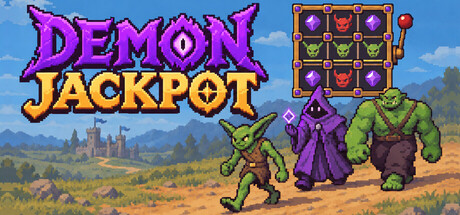 DEMON JACKPOT In-game content artaudiotext | Various visual and audio assets, translations, and promotional materials were created with the assistance of generative AI tools. All AI-assisted content was selected, reviewed, and integrated by the developer.
No generative AI is used during gameplay, and the game does not generate content in real time. | Root | - | Oct 6, 2026 | |
 Hive Earth: Idle Invasion In-game content text | Store descriptions, in-game text (the hive's log) and their translations are drafted with an AI assistant and reviewed and edited by the developer.
No AI-generated images, audio or 3D assets: all visuals are captured from the game, built on licensed third-party assets. | Massimiliano Scarpetta | - | Sep 22, 2026 | |
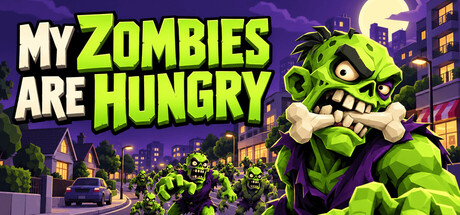 My Zombies Are Hungry Dev only arttextcode | AI tools assisted programming and code review, image creation, and text/localization during development. No AI content is generated during gameplay. | GiantIce | - | Sep 13, 2026 | |
 Fisher King TD In-game content art | Some 2D art assets and pre-rendered cinematic videos in this game were created with the help of generative AI tools, and were then manually reviewed, edited and retouched by the developer. Generative AI tools were also used to assist during development. The game does not generate any AI content at runtime. | 진주파파 | - | Sep 7, 2026 | |
 Scam With Your Friends Live AI text | AI powers real-time dialogue and responses from fictional in-game characters, allowing them to react dynamically to player conversations and actions. | JakeHub | - | Sep 1, 2026 | |
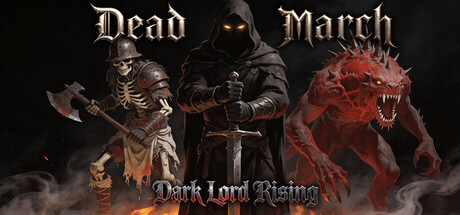 Dead March: Dark Lord Rising In-game content textart | Generative AI tools were used for localization, marketing images, intro video, and some graphical assets. | Imaginary | - | Aug 29, 2026 | |
 Grumpy Hero Grinder In-game content artaudiocodetext | Generative artificial intelligence was used during development mainly to assist with localization and code, with some 2D/3D assets, and selected audio assets. All AI-assisted content was manually reviewed, edited, and refined by the developer before use. | devtainer | - | Aug 22, 2026 | |
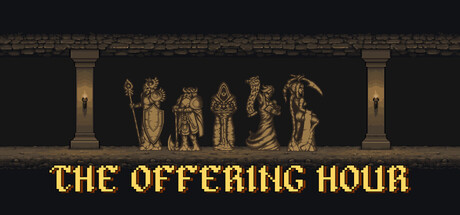 The Offering Hour In-game content text | AI tools were used to assist in drafting some written text (in-game lore entries and store page descriptions); all such text was reviewed and edited by the developer. All artwork, animation, music, and sound effects are human-created licensed assets. The game does not use AI to generate any content at runtime. | mazestepsstudio | - | Jul 18, 2026 | |
 The Big Suck Store/marketing art | AI tools were used to assist with promotional artwork, capsule art, and visual concept iteration for The Big Suck. Final art direction, selection, editing, game design, programming, balancing, and implementation were done by the developer. AI was used as a creative production aid for a small indie project, not as live-generated gameplay content. | Critics Arcade | - | Jul 3, 2026 | |
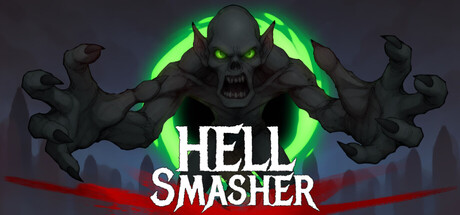 Hell Smasher Store/marketing text | I used AI for debugging package errors that can generate thousands-lines-long error logs, to point me into the right direction.
I also localized the store page to some languages using LLM. | Random Games Generator | - | May 23, 2026 | |
 Sin And Serve In-game content arttext | Generative AI was used during development to draft initial art concepts and assist with the foundation of text localization. All final in-game visual assets were manually refined, edited, and finished in Photoshop to ensure a high-quality, hand-crafted aesthetic. Localization was human-reviewed to ensure accuracy for players. | Forgotten Cartridge | - | May 23, 2026 | |
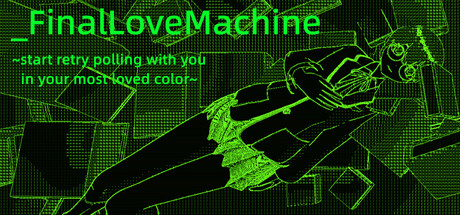 FinalLoveMachine ~start retry polling with you in your most loved color~ In-game content text | Some development tasks, including early draft generation and translation assistance, involved generative AI tools. All narrative content, character writing, and dialogue were written and substantially revised by the developer. | Shoesfire Studio | - | Mar 18, 2026 | |
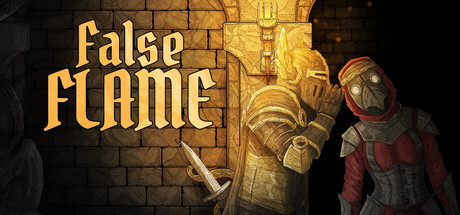 False Flame Live AI text | The game uses an offline local LLM to dynamically generate NPC dialogue, parse player's text commands, and judge the player's actions in court.
The game uses zero generative AI art or audio assets. | SigniLume | - | Mar 18, 2026 | |
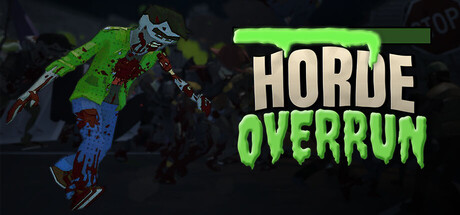 Horde Overrun In-game content audio | The music in this game was created using AI. | merius | - | Mar 18, 2026 | |
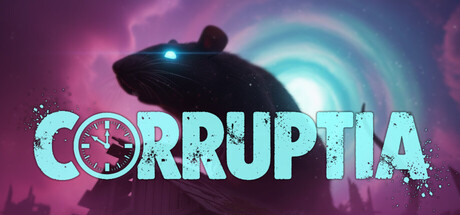 CORRUPTIA: The Last Minute Store/marketing art | Some promotional images for this game were created with the assistance of artificial intelligence. | Andes Interactive | - | Mar 18, 2026 | |
 Your Teacher In-game content textaudio | Translation into other languages.
Voice generation for teacher. | VorhGames | - | Mar 18, 2026 | |
 Meat Without Master Unclear | During the development process, we may use procedural and AI-driven tools to support content creation. In all cases, the final product reflects the creativity and vision of our development team. | Neon Cocoa | - | Mar 18, 2026 | |
 100 SCREAMERS Store/marketing arttext | Some marketing and page materials were made with AI | 100 SCREAMERS | - | Mar 18, 2026 | |
 Skam In-game content audio | All voice recordings in the game are performed by a human, but AI Speech to Speech synthesis is used on some dialogue to provide more variety to the voices present in the game. Text to Speech synthesis is not used.
AI is not used to create any other call content, including in the writing of calls, which are all written by humans. | Mortal Enemy | - | Mar 18, 2026 | |
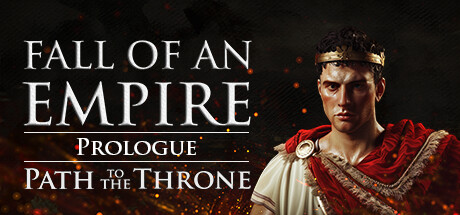 Fall of an Empire: Path to the Throne In-game content art | Generative AI used to assist in the creation of some marketing materials, in-game textures and user interface elements. | JG Games | - | Mar 18, 2026 | |
 Snatched In-game content text | Snatched uses large language models (LLMs) to generate dialog trees for in-game characters. | yonder.gg | - | Mar 18, 2026 | |
 Struggler In-game content art | Some store cover materials are generated by artificial intelligence.
All the comic materials used in the plot are generated by artificial intelligence. | Bulanke | - | Mar 18, 2026 | |
 Welcome to Ukraine In-game content art | - Some puzzle pictures may use AI art generation
- Capsules images and Library assets AI generated | Graphium Studio | 26 | Mar 18, 2026 | |
 Voice over In-game content art | Used to create some visual assets for subsequent refinement by the artist. | Relax&Play | - | Mar 18, 2026 | |
 Fall of an Empire Live AI arttext | The game features a small local language model used to generate dynamic storylines and events based on character traits and relationships. Generative AI is also used to assist in the creation of various 2D textures, marketing materials, portraits and UI elements. | JG Games | 68 | Mar 18, 2026 | |
 KeeperRL In-game content art | Main menu graphics. | Electric Succubi | 1.6k | Mar 18, 2026 |


