Public Steam disclosure research25,380 disclosures tracked
Where do games disclose AI use?
Search developers’ Steam disclosures, compare classified AI use across
games, and follow recorded changes.
This index adds cross-game classifications and statistics to
statements published on individual store pages.
Groups reflect automatic analysis of public disclosures; mature records are excluded. These counts do not measure AI use across all of Steam.
Missing or unclear statements cannot establish whether a game uses AI.
AI tools were used during development to assist with writing and translating French and English text, creating branding artwork (including the logo, icon and splash screen), and producing some music. Promotional artwork and the voice-over in our gameplay overview videos also use AI-generated content. These assets were prepared in advance and integrated by the developers. The game does not generate AI content during gameplay.
MAZZIOSI is made and polished by our team. During development, AI tools help us find bugs and make the game more enjoyable. Selected illustrations, UI art, music, sound effects, and parts of the story and localization were created or refined with AI, then reviewed and finalized by us. The game has no live AI generation or connection to AI services while you play.
Generative AI tools were used during development to assist with the creation of some visual assets and promotional artwork. No generative AI is used during gameplay and no content is generated in real time.
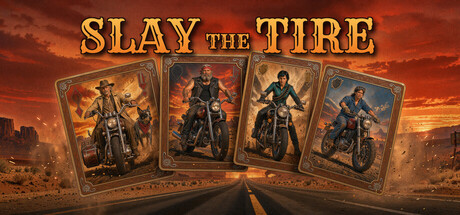
Slay the Tire combines original human authorship with generative AI tools. I designed and wrote the game, its locations, and gameplay. AI assisted with visual assets, including card art, textures, 3D models, scenery, and marketing artwork, as well as audio production and store text. The soundtrack began as music I composed and performed on instruments, then used Suno for styling, orchestration, and production. All content is prepared during development; no AI content is generated during gameplay.
Music, background, videos and images in this game, especially the artwork, were created using AI tools as a visual supplement.
This creative choice allowed me to focus more time and resources on what matters most, delivering longer, more engaging, and fun gameplay.
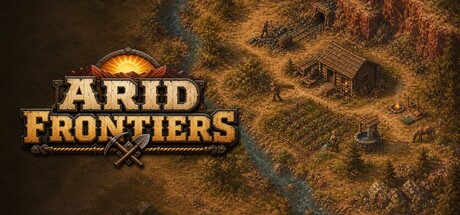
Generative AI was used to create some pre-rendered artwork, including store and promotional art and selected in-game visuals such as terrain, resources, animals, and characters, as well as some music and audio assets. These assets are prepared before play. Arid Frontiers does not generate content with AI during gameplay or connect to a third-party generative AI service during play; pawn behavior, colony simulation, combat, wildlife, and events are driven by programmed game systems.
This game uses generative artificial intelligence (AI) to assist with localization.
AI tools were used to generate translations of the game’s text into multiple languages. The translations were reviewed and edited by the development team to ensure quality and accuracy. No generative AI was used to create gameplay content, art, audio, or other core elements of the game.
- AI is used to help write scripts that create or modify some 3D models. In addition to creating many, I also personally refine and finish all models in Blender.
All additional art is human-made:
- Artwork: Created by me and my niece, with some icons licensed from the Unity Asset Store.
- Steam capsule artwork is by @Camilieroart
- Sound effects were created by myself and Kris McNaney, with additional sounds licensed from Uppbeat’s human-made library.
- Original music by Kris McNaney, with additional tracks licensed from Uppbeat’s human-made library.
The store artwork (key art, capsule images, logo) was created with the help of generative AI and then selected and edited by hand. AI tools assisted with programming, in-game text and translations; all content was reviewed and revised by the developer. The in-game 3D models, textures and animations come from licensed asset packs and are not AI-generated. No content is generated by AI during gameplay.
Parts of this game's text were created with the assistance of generative AI: the translation of the interface into several of its 13 supported languages, and portions of the store page text. All in-game art, music and sound effects are procedurally generated by hand-written code, not by AI, and no AI-generated content is created while you play.
3D character and prop models, their textures, and pre-rendered cutscene video clips were created with generative AI tools. Character voice lines were synthesized with AI text-to-speech. Dialogue and story text were written with AI assistance. All AI-generated content is pre-rendered; nothing is generated during gameplay.
Some in-game card illustrations were created with the assistance of generative AI during development. No content is generated by AI during gameplay, and the game does not connect to any external AI services while playing.
AI tools were used during development to assist with writing the game's code and text content (including UI text, English/Korean localization, and store page text). All AI-assisted content was created under direct developer supervision and reviewed by the developer. No content is generated by AI at runtime.
This game includes limited use of generative artificial intelligence in the creation of certain visual and audio assets. These AI-assisted elements were used to support the development process and are integrated alongside original, human-created content. All assets have been reviewed and curated to ensure they meet the quality and artistic standards of the game.
Generative AI tools were used during development to assist in the creation and refinement of some pre-generated game content, including visual assets, audio, and development materials. All AI-assisted content was reviewed, edited, and integrated by the developer. No generative AI is used during gameplay.
Generative AI tools were used to assist with the enhancement of certain promotional images, store page artwork, and place holder UI promotional content including lighting, color grading, atmospheric effects, and visual cleanup.
The game's models, environments, gameplay systems, animations, and other in-game content are created by the developer. The game does not use live-generated AI during gameplay.
3D models for props and buildings have been generated with code developed by AI. The game splash screens and logo have been generated by AI. Music is generated live with code developed by AI.
American Gold Rush uses limited AI-generated art in a small number of places, all of it pre-generated during development. No AI is used while you play, and nothing about the game changes at runtime.
AI-generated: the title artwork, some background pieces like the sky.
Not AI-generated: all pixel art, all sound effects, all music, all game code and all writing. These are human-made, by named people paid for the work.
Generative AI tools were used in the creation of some visual assets in the game. Some generated artwork was used directly after review, while other generated artwork was edited, modified, or used as a starting point for final assets.
During development, generative AI was used to create or edit selected 2D character and environment art, UI elements and icons, VFX and animation assets, English and Simplified Chinese character voices, and store marketing artwork. It was also used in the production of the opening cinematic and its audio. All generated content was reviewed and edited, composited, or post-processed by the development team as appropriate. The game does not use generative AI at runtime and does not generate content in response to player input.
Some of this game's artwork (including store capsules and background art) was created with the help of generative AI image tools. All AI-assisted content was reviewed, edited, and curated by the developer. The game generates no AI content at runtime; opponent behavior uses traditional, hand-authored game logic
Generative AI tools were used during development to assist in creating pre-rendered 2D artwork and graphical assets (including cowboy character portraits and background visuals), as well as generating select background music tracks for the game.
Some of the content in this game was created using generative AI tools - this includes converting to seamless textures, some visual elements, localization (interface translations), as well as some sound effects and music. All AI-generated materials have been reviewed, edited and adapted by the game's creators.
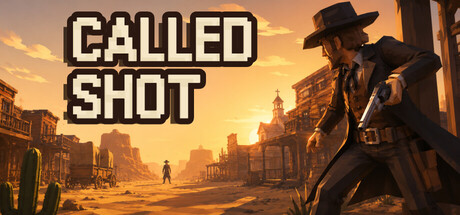
As a solo developer, I use generative image AI to assist in creating Called Shot's 2D artwork — specifically the card illustrations and the store page key art (capsule images). No content is generated by AI in real time during gameplay. All AI-assisted art is created in advance during development, then reviewed and revised before being included in the game. The in-game 3D models and environment art are not AI-generated.
Johnny Jagung uses generative AI across much of its content. The visual art (character, enemy, boss, and UI artwork), music, sound effects, in-game text, and Indonesian translation were all created with the help of generative AI tools, then reviewed, curated, and assembled into the game by the developer — for instance, character art is hand-edited, composited, and animated from generated source images. All AI-generated content is created during development; the game does not generate anything live while you play.
A limited amount of generative AI was used to assist with creating some decorative in-game poster artwork. The game's environments, level design, gameplay mechanics, and overall world-building were handcrafted by the developer.
This game was made by 1 person, with the help of AI for the art, coding, sound, story, you name it. This was a lot of work for me the human though, this was not a few prompts, this was many different systems and custom work pipelines I designed completely myself. It took a long time and a huge amount of effort.
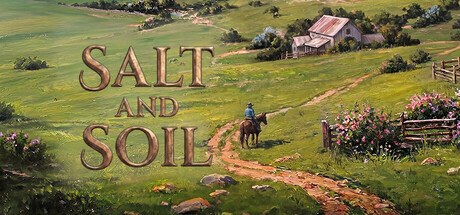
Salt and Soil uses generative AI during gameplay to create some Annual Family Council narrative text and structured choice outcomes based on the current campaign state. Generated council content is constrained by the game’s historical setting, family data, localization rules, and gameplay schema, then validated before it is shown to the player.
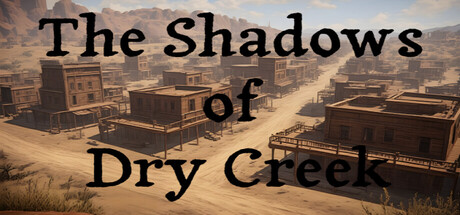
The visuals in The Shadows of Dry Creek (illustrations and scenes) were generated using generative artificial intelligence tools, then curated and integrated within a consistent art direction aligned with the game’s universe. Some elements may have been manually adjusted or refined to ensure they fit the intended narrative experience.
This game uses AI-generated content solely for the creation of artificial voices in which voices where either generated with text-to-speech software or AI-generated voices were applied on top of human-recorded voice actors and actresses.
AI tools were used during development to assist with writing and translating French and English text, creating branding artwork (including the logo, icon and splash screen), and producing some music. Promotional artwork and the voice-over in our gameplay overview videos also use AI-generated content. These assets were prepared in advance and integrated by the developers. The game does not generate AI content during gameplay.
MAZZIOSI is made and polished by our team. During development, AI tools help us find bugs and make the game more enjoyable. Selected illustrations, UI art, music, sound effects, and parts of the story and localization were created or refined with AI, then reviewed and finalized by us. The game has no live AI generation or connection to AI services while you play.
Generative AI tools were used during development to assist with the creation of some visual assets and promotional artwork. No generative AI is used during gameplay and no content is generated in real time.
Slay the Tire combines original human authorship with generative AI tools. I designed and wrote the game, its locations, and gameplay. AI assisted with visual assets, including card art, textures, 3D models, scenery, and marketing artwork, as well as audio production and store text. The soundtrack began as music I composed and performed on instruments, then used Suno for styling, orchestration, and production. All content is prepared during development; no AI content is generated during gameplay.
Music, background, videos and images in this game, especially the artwork, were created using AI tools as a visual supplement.
This creative choice allowed me to focus more time and resources on what matters most, delivering longer, more engaging, and fun gameplay.
Generative AI was used to create some pre-rendered artwork, including store and promotional art and selected in-game visuals such as terrain, resources, animals, and characters, as well as some music and audio assets. These assets are prepared before play. Arid Frontiers does not generate content with AI during gameplay or connect to a third-party generative AI service during play; pawn behavior, colony simulation, combat, wildlife, and events are driven by programmed game systems.
This game uses generative artificial intelligence (AI) to assist with localization.
AI tools were used to generate translations of the game’s text into multiple languages. The translations were reviewed and edited by the development team to ensure quality and accuracy. No generative AI was used to create gameplay content, art, audio, or other core elements of the game.
- AI is used to help write scripts that create or modify some 3D models. In addition to creating many, I also personally refine and finish all models in Blender.
All additional art is human-made:
- Artwork: Created by me and my niece, with some icons licensed from the Unity Asset Store.
- Steam capsule artwork is by @Camilieroart
- Sound effects were created by myself and Kris McNaney, with additional sounds licensed from Uppbeat’s human-made library.
- Original music by Kris McNaney, with additional tracks licensed from Uppbeat’s human-made library.
The store artwork (key art, capsule images, logo) was created with the help of generative AI and then selected and edited by hand. AI tools assisted with programming, in-game text and translations; all content was reviewed and revised by the developer. The in-game 3D models, textures and animations come from licensed asset packs and are not AI-generated. No content is generated by AI during gameplay.
Parts of this game's text were created with the assistance of generative AI: the translation of the interface into several of its 13 supported languages, and portions of the store page text. All in-game art, music and sound effects are procedurally generated by hand-written code, not by AI, and no AI-generated content is created while you play.
3D character and prop models, their textures, and pre-rendered cutscene video clips were created with generative AI tools. Character voice lines were synthesized with AI text-to-speech. Dialogue and story text were written with AI assistance. All AI-generated content is pre-rendered; nothing is generated during gameplay.
Some in-game card illustrations were created with the assistance of generative AI during development. No content is generated by AI during gameplay, and the game does not connect to any external AI services while playing.
AI tools were used during development to assist with writing the game's code and text content (including UI text, English/Korean localization, and store page text). All AI-assisted content was created under direct developer supervision and reviewed by the developer. No content is generated by AI at runtime.
This game includes limited use of generative artificial intelligence in the creation of certain visual and audio assets. These AI-assisted elements were used to support the development process and are integrated alongside original, human-created content. All assets have been reviewed and curated to ensure they meet the quality and artistic standards of the game.
Generative AI tools were used during development to assist in the creation and refinement of some pre-generated game content, including visual assets, audio, and development materials. All AI-assisted content was reviewed, edited, and integrated by the developer. No generative AI is used during gameplay.
Generative AI tools were used to assist with the enhancement of certain promotional images, store page artwork, and place holder UI promotional content including lighting, color grading, atmospheric effects, and visual cleanup.
The game's models, environments, gameplay systems, animations, and other in-game content are created by the developer. The game does not use live-generated AI during gameplay.
3D models for props and buildings have been generated with code developed by AI. The game splash screens and logo have been generated by AI. Music is generated live with code developed by AI.
American Gold Rush uses limited AI-generated art in a small number of places, all of it pre-generated during development. No AI is used while you play, and nothing about the game changes at runtime.
AI-generated: the title artwork, some background pieces like the sky.
Not AI-generated: all pixel art, all sound effects, all music, all game code and all writing. These are human-made, by named people paid for the work.
Generative AI tools were used in the creation of some visual assets in the game. Some generated artwork was used directly after review, while other generated artwork was edited, modified, or used as a starting point for final assets.
During development, generative AI was used to create or edit selected 2D character and environment art, UI elements and icons, VFX and animation assets, English and Simplified Chinese character voices, and store marketing artwork. It was also used in the production of the opening cinematic and its audio. All generated content was reviewed and edited, composited, or post-processed by the development team as appropriate. The game does not use generative AI at runtime and does not generate content in response to player input.
Some of this game's artwork (including store capsules and background art) was created with the help of generative AI image tools. All AI-assisted content was reviewed, edited, and curated by the developer. The game generates no AI content at runtime; opponent behavior uses traditional, hand-authored game logic
Generative AI tools were used during development to assist in creating pre-rendered 2D artwork and graphical assets (including cowboy character portraits and background visuals), as well as generating select background music tracks for the game.
Some of the content in this game was created using generative AI tools - this includes converting to seamless textures, some visual elements, localization (interface translations), as well as some sound effects and music. All AI-generated materials have been reviewed, edited and adapted by the game's creators.
As a solo developer, I use generative image AI to assist in creating Called Shot's 2D artwork — specifically the card illustrations and the store page key art (capsule images). No content is generated by AI in real time during gameplay. All AI-assisted art is created in advance during development, then reviewed and revised before being included in the game. The in-game 3D models and environment art are not AI-generated.
Johnny Jagung uses generative AI across much of its content. The visual art (character, enemy, boss, and UI artwork), music, sound effects, in-game text, and Indonesian translation were all created with the help of generative AI tools, then reviewed, curated, and assembled into the game by the developer — for instance, character art is hand-edited, composited, and animated from generated source images. All AI-generated content is created during development; the game does not generate anything live while you play.
A limited amount of generative AI was used to assist with creating some decorative in-game poster artwork. The game's environments, level design, gameplay mechanics, and overall world-building were handcrafted by the developer.
This game was made by 1 person, with the help of AI for the art, coding, sound, story, you name it. This was a lot of work for me the human though, this was not a few prompts, this was many different systems and custom work pipelines I designed completely myself. It took a long time and a huge amount of effort.
Salt and Soil uses generative AI during gameplay to create some Annual Family Council narrative text and structured choice outcomes based on the current campaign state. Generated council content is constrained by the game’s historical setting, family data, localization rules, and gameplay schema, then validated before it is shown to the player.
The visuals in The Shadows of Dry Creek (illustrations and scenes) were generated using generative artificial intelligence tools, then curated and integrated within a consistent art direction aligned with the game’s universe. Some elements may have been manually adjusted or refined to ensure they fit the intended narrative experience.
This game uses AI-generated content solely for the creation of artificial voices in which voices where either generated with text-to-speech software or AI-generated voices were applied on top of human-recorded voice actors and actresses.