Public Steam disclosure research25,737 disclosures tracked
Where do games disclose AI use?
Search developers’ Steam disclosures, compare classified AI use across
games, and follow recorded changes.
This index adds cross-game classifications and statistics to
statements published on individual store pages.
Groups reflect automatic analysis of public disclosures; mature records are excluded. These counts do not measure AI use across all of Steam.
Missing or unclear statements cannot establish whether a game uses AI.
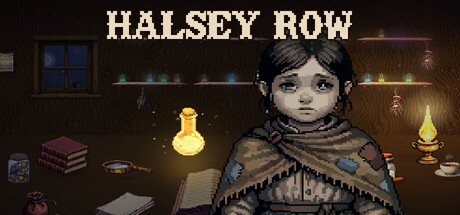
Character portraits, scene art, and voice performances were generated with licensed AI tools (PixelLab, ElevenLabs) under paid subscriptions, then curated, edited, and directed by hand.
The soundtrack is built on the developer's original compositions, produced and arranged with Suno under a paid subscription.
All game design, writing, and code are human-made. No AI generation occurs at runtime.
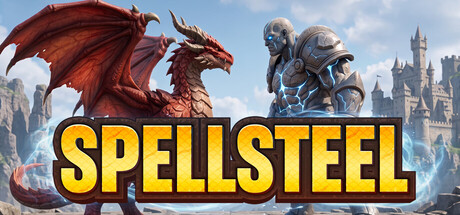
Some pre-created content in SPELLSTEEL was developed with the assistance of generative AI as part of a human-directed creative process. SPELLSTEEL does not use generative AI to generate gameplay content or player-facing content in real time.
Some desk doodle or promotional art assets may have been created with AI-assisted tools and edited by the developer before being included in the game. No real-time generative AI is used during gameplay.
Generative AI tools were used during development to assist with creating some 2D art assets, including certain environment backgrounds, UI decorations, item icons, and store promotional images. All AI-assisted content was reviewed, edited, and integrated by the developer as pre-generated game assets. The game does not generate AI content during gameplay or send player input or personal data to generative AI services.
Parts of this game's artwork and audio were created with the help of generative AI tools and then selected, edited and assembled by hand. This covers the comic panels, the character portraits, the store and library artwork, and the music and sound effects. No content is generated while the game is running.
Some artwork , sound effects, and music were created using generative AI tools. All content was pre-generated during development and reviewed/edited by the developer. The game does not generate content at runtime.
Some of the game's visual assets — UI textures, illustrations, icons and marketing artwork — were created with the assistance of generative AI tools, then manually curated, edited and integrated by the developer. All game design, writing, code and systems are human-made. No AI content is generated at runtime.
Some promotional artwork and marketing materials for this game were created with the assistance of generative AI tools. All gameplay content, systems, and game assets are developed and reviewed by the development team.
Some card illustrations were created with the assistance of generative AI during development, then selected, edited, and integrated by the developer. No AI-generated content is created during gameplay.
Portions of this game's code, artwork, music arrangement, and text were created with the assistance of generative AI tools (Anthropic Claude). All AI-assisted content was reviewed, tested, and curated by the developer. The game does not generate any content using AI at runtime.
During development we used generative AI in a few places. A large language model helped write some of the game's text (in-game descriptions, events, and store copy). The music and many of the sound effects were created with Adobe Firefly, while some other sounds are generated in real time by the game's own code. The app icon was also created with Adobe Firefly. The in-game graphics are drawn procedurally by the game's code and are not AI-generated. Nothing is generated by AI while you play: every AI-assisted asset is created during development and shipped as a fixed file. The generative AI tools used (Adobe Firefly) grant commercial usage rights.
Some visual assets and promotional materials were initially created with the assistance of AI and then reviewed, edited, and integrated by the developer. All gameplay, game design, programming, balancing, and final content were created and curated by the developer.
Some of this game's assets were made with the assistance of generative AI tools and were reviewed, curated and hand-finished by the developer. No content is generated while you play.
AI was used to generate initial drafts for some images and illustrations. All resulting assets are used only after review and revision by the developer.
This game uses pre-generated AI-assisted content. The base concepts, 3D geometry, textures, and some source animation data for the male and female player characters were created with Tencent Hunyuan 3D Studio. The development team subsequently performed extensive manual editing and integration, including topology and rigging adjustments, animation processing, hand replacement, material work, and technical review. No content is generated by AI during
This game uses AI-assisted tools for selected art assets and animated content during development. All AI-assisted content has been reviewed and modified by the development team. The story, dialogue, and written content are fully created by the team, and the game does not include real-time AI interaction.
This game uses content created or assisted by generative AI. Generative AI was used to help create and edit some visual assets, music/sound materials, and scripts. All final content was reviewed, selected, and adjusted by the developer before being included in the game.
This game uses content created or assisted by generative AI. Generative AI was used to help create and edit some visual assets, music/sound materials, and scripts. All final content was reviewed, selected, and adjusted by the developer before being included in the game.
Pre-generated content:AI tools were used to generate 2D artwork and visual assets for the game's intro sequence. All AI-generated content has been thoroughly reviewed, curated, and does not contain any illegal or infringing material.
This game was developed with the assistance of generative AI in the following areas:
Programming assistance: Claude Code (Anthropic) was used to assist with coding and debugging
BGM: Music was generated using Suno AI
Story illustration images: Some narrative artwork was generated using NanoBanana
Loot Survivors is made by one person.
I use generative AI as a production tool so that a solo developer can deliver the quality and the update pace players expect. It helps me with things like concept art and texture work, UI icons, and item and flavor text.
Every generated asset is reviewed, edited, and hand-integrated by me — AI output is a starting point, never a finished asset. The game's design, systems, balance, and code direction are my own work.
Nothing is generated while you play. All content ships inside the build.
During the development of this game, generative AI technologies were utilized as auxiliary tools to optimize production and enhance the overall quality of the final product. AI was used in the following areas:
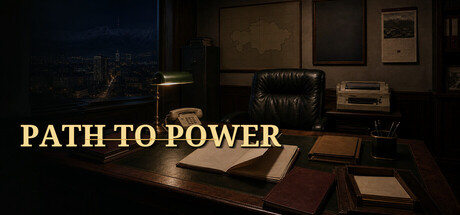
Visual Art & Assets: Generative tools were used during the concept art stage to create baseline character portraits, user interface elements, and background images of government offices. All AI-generated assets underwent manual digital painting, color correction, and stylization to fit the game's distinct, gritty political noir atmosphere.
Text & Narrative Design: AI assistants were employed for copyediting, historical context verification, dialogue polishing, and structuring large volumes of text to ensure the narrative feels immersive, realistic, and deeply engaging.
Coding & Scripting: AI tools helped optimize Godot engine source code, identify bugs, and accelerate the technical implementation of dynamic UI systems.
Important Note: The game contains only pre-generated content. There is no live-generated AI content running during gameplay. The game experience is fully deterministic, stable, and hardcoded within the final build by the developer.
To create a better context and focus on the essential parts of the game, we used AI to help create some background art. After AI generated these images, our artists still had to refine them to ensure the style of the background.
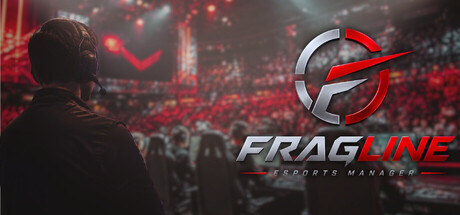
Pre-Generated AI content: the illustrations used for in-game news stories in
the esports portal (145 images). These were generated with AI tools during
development, then filtered and edited by hand against a fixed set of rules:
no depictions of people, no readable text, and a fixed colour palette matching
the game UI.
Some music tracks and visual art assets in this game were created with the help of generative AI tools. All such assets were curated, edited, and approved by the development team before being included in the build, and all required commercial-use rights have been secured.
All AI-generated content is pre-rendered and shipped with the game — no live AI generation occurs during gameplay, and the game does not connect to any external AI service at runtime.
Graphic assets such as sprites and decorations are created with AI tools, then refined by hand in software like Photoshop. Videos follow the same process. Music and sound effects contain no AI-generated content.
Some of the content in this game was created using generative AI tools - this includes converting to seamless textures, some visual elements, localization (interface translations), as well as some sound effects and music. All AI-generated materials have been reviewed, edited and adapted by the game's creators.
Quillzyra: Character Studio uses generative AI locally on the user's computer to create and interact with fictional characters. The application may generate character dialogue, personality text, memory summaries, character descriptions, and optional 2D character portraits based on user input.
The AI features are intended for fictional character creation, simulation, and conversation. The application does not rely on an external AI service during gameplay.
Pre-generated generative AI tools were used during production to create or assist with 2D artwork, animation assets, music, and sound effects. All AI-assisted content is selected, edited as needed, and integrated by the developer. The game does not generate content during gameplay.
Generative AI tools were used during development to create visual assets and assist with game localization. All AI-generated or AI-assisted content was created before release. The game does not generate any content in real time during gameplay.
AI tools were used during development for the following assets:
Steam Store capsule images and marketing art
Game localization and text translations
Select 2D visual assets and graphics in the game
We used AI tools during development to assist with portions of the game's code and some textures/images. All AI-assisted content was reviewed and finalized by the development team before being included in the game. No AI-generated content is created during gameplay.
AI tools were used only during the concept development stages. All final content was reviewed and edited by the development team. All artwork used on the Steam store page was created by freelance 2D artists.
Generative AI tools (img2img / AI styling) were used to enhance and stylize original, hand-created base artwork and concept sketches into finalized high-fidelity assets.
Some pre-generated 2D artwork, character portraits, branding, and marketing assets were created using generative AI tools and subsequently selected, edited, and integrated by the developer. The game does not use live-generated AI content during gameplay.
Some visual assets (character portraits, dice, and background pixel art) were created with the assistance of generative AI tools and were then curated and edited by the developer. The soundtrack was created with Suno under a paid commercial license. All AI-assisted content was reviewed and finalized by the developer. The game does not generate any content with AI at runtime.
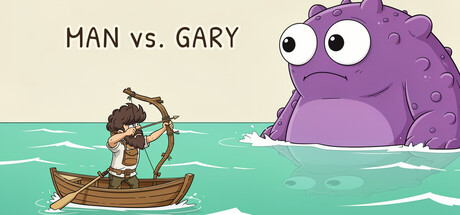
Man Vs Gary was made by one person. The story and all of its dialogue are my own, written by me. But without a studio's budget to commission artists, composers, and voice actors, I used generative AI tools to help create much of what you see and hear, the illustrated artwork, the music, the sound effects. Nothing ships as a raw, untouched generation: every asset was hand-directed, chosen, refined, and assembled to fit a single cohesive, hand-crafted style and world, and reviewed by me to make sure it belonged. In the end, what matters is whether the game is enjoyable and worth your time, not which tools helped build it.
Character portraits, scene art, and voice performances were generated with licensed AI tools (PixelLab, ElevenLabs) under paid subscriptions, then curated, edited, and directed by hand.
The soundtrack is built on the developer's original compositions, produced and arranged with Suno under a paid subscription.
All game design, writing, and code are human-made. No AI generation occurs at runtime.
Some pre-created content in SPELLSTEEL was developed with the assistance of generative AI as part of a human-directed creative process. SPELLSTEEL does not use generative AI to generate gameplay content or player-facing content in real time.
Some desk doodle or promotional art assets may have been created with AI-assisted tools and edited by the developer before being included in the game. No real-time generative AI is used during gameplay.
Generative AI tools were used during development to assist with creating some 2D art assets, including certain environment backgrounds, UI decorations, item icons, and store promotional images. All AI-assisted content was reviewed, edited, and integrated by the developer as pre-generated game assets. The game does not generate AI content during gameplay or send player input or personal data to generative AI services.
Parts of this game's artwork and audio were created with the help of generative AI tools and then selected, edited and assembled by hand. This covers the comic panels, the character portraits, the store and library artwork, and the music and sound effects. No content is generated while the game is running.
Some artwork , sound effects, and music were created using generative AI tools. All content was pre-generated during development and reviewed/edited by the developer. The game does not generate content at runtime.
Some of the game's visual assets — UI textures, illustrations, icons and marketing artwork — were created with the assistance of generative AI tools, then manually curated, edited and integrated by the developer. All game design, writing, code and systems are human-made. No AI content is generated at runtime.
Some promotional artwork and marketing materials for this game were created with the assistance of generative AI tools. All gameplay content, systems, and game assets are developed and reviewed by the development team.
Some card illustrations were created with the assistance of generative AI during development, then selected, edited, and integrated by the developer. No AI-generated content is created during gameplay.
Portions of this game's code, artwork, music arrangement, and text were created with the assistance of generative AI tools (Anthropic Claude). All AI-assisted content was reviewed, tested, and curated by the developer. The game does not generate any content using AI at runtime.
During development we used generative AI in a few places. A large language model helped write some of the game's text (in-game descriptions, events, and store copy). The music and many of the sound effects were created with Adobe Firefly, while some other sounds are generated in real time by the game's own code. The app icon was also created with Adobe Firefly. The in-game graphics are drawn procedurally by the game's code and are not AI-generated. Nothing is generated by AI while you play: every AI-assisted asset is created during development and shipped as a fixed file. The generative AI tools used (Adobe Firefly) grant commercial usage rights.
Some visual assets and promotional materials were initially created with the assistance of AI and then reviewed, edited, and integrated by the developer. All gameplay, game design, programming, balancing, and final content were created and curated by the developer.
Some of this game's assets were made with the assistance of generative AI tools and were reviewed, curated and hand-finished by the developer. No content is generated while you play.
AI was used to generate initial drafts for some images and illustrations. All resulting assets are used only after review and revision by the developer.
This game uses pre-generated AI-assisted content. The base concepts, 3D geometry, textures, and some source animation data for the male and female player characters were created with Tencent Hunyuan 3D Studio. The development team subsequently performed extensive manual editing and integration, including topology and rigging adjustments, animation processing, hand replacement, material work, and technical review. No content is generated by AI during
This game uses AI-assisted tools for selected art assets and animated content during development. All AI-assisted content has been reviewed and modified by the development team. The story, dialogue, and written content are fully created by the team, and the game does not include real-time AI interaction.
This game uses content created or assisted by generative AI. Generative AI was used to help create and edit some visual assets, music/sound materials, and scripts. All final content was reviewed, selected, and adjusted by the developer before being included in the game.
This game uses content created or assisted by generative AI. Generative AI was used to help create and edit some visual assets, music/sound materials, and scripts. All final content was reviewed, selected, and adjusted by the developer before being included in the game.
Pre-generated content:AI tools were used to generate 2D artwork and visual assets for the game's intro sequence. All AI-generated content has been thoroughly reviewed, curated, and does not contain any illegal or infringing material.
This game was developed with the assistance of generative AI in the following areas:
Programming assistance: Claude Code (Anthropic) was used to assist with coding and debugging
BGM: Music was generated using Suno AI
Story illustration images: Some narrative artwork was generated using NanoBanana
Loot Survivors is made by one person.
I use generative AI as a production tool so that a solo developer can deliver the quality and the update pace players expect. It helps me with things like concept art and texture work, UI icons, and item and flavor text.
Every generated asset is reviewed, edited, and hand-integrated by me — AI output is a starting point, never a finished asset. The game's design, systems, balance, and code direction are my own work.
Nothing is generated while you play. All content ships inside the build.
During the development of this game, generative AI technologies were utilized as auxiliary tools to optimize production and enhance the overall quality of the final product. AI was used in the following areas:
Visual Art & Assets: Generative tools were used during the concept art stage to create baseline character portraits, user interface elements, and background images of government offices. All AI-generated assets underwent manual digital painting, color correction, and stylization to fit the game's distinct, gritty political noir atmosphere.
Text & Narrative Design: AI assistants were employed for copyediting, historical context verification, dialogue polishing, and structuring large volumes of text to ensure the narrative feels immersive, realistic, and deeply engaging.
Coding & Scripting: AI tools helped optimize Godot engine source code, identify bugs, and accelerate the technical implementation of dynamic UI systems.
Important Note: The game contains only pre-generated content. There is no live-generated AI content running during gameplay. The game experience is fully deterministic, stable, and hardcoded within the final build by the developer.
To create a better context and focus on the essential parts of the game, we used AI to help create some background art. After AI generated these images, our artists still had to refine them to ensure the style of the background.
Pre-Generated AI content: the illustrations used for in-game news stories in
the esports portal (145 images). These were generated with AI tools during
development, then filtered and edited by hand against a fixed set of rules:
no depictions of people, no readable text, and a fixed colour palette matching
the game UI.
Some music tracks and visual art assets in this game were created with the help of generative AI tools. All such assets were curated, edited, and approved by the development team before being included in the build, and all required commercial-use rights have been secured.
All AI-generated content is pre-rendered and shipped with the game — no live AI generation occurs during gameplay, and the game does not connect to any external AI service at runtime.
Graphic assets such as sprites and decorations are created with AI tools, then refined by hand in software like Photoshop. Videos follow the same process. Music and sound effects contain no AI-generated content.
Some of the content in this game was created using generative AI tools - this includes converting to seamless textures, some visual elements, localization (interface translations), as well as some sound effects and music. All AI-generated materials have been reviewed, edited and adapted by the game's creators.
Quillzyra: Character Studio uses generative AI locally on the user's computer to create and interact with fictional characters. The application may generate character dialogue, personality text, memory summaries, character descriptions, and optional 2D character portraits based on user input.
The AI features are intended for fictional character creation, simulation, and conversation. The application does not rely on an external AI service during gameplay.
Pre-generated generative AI tools were used during production to create or assist with 2D artwork, animation assets, music, and sound effects. All AI-assisted content is selected, edited as needed, and integrated by the developer. The game does not generate content during gameplay.
Generative AI tools were used during development to create visual assets and assist with game localization. All AI-generated or AI-assisted content was created before release. The game does not generate any content in real time during gameplay.
AI tools were used during development for the following assets:
Steam Store capsule images and marketing art
Game localization and text translations
Select 2D visual assets and graphics in the game
We used AI tools during development to assist with portions of the game's code and some textures/images. All AI-assisted content was reviewed and finalized by the development team before being included in the game. No AI-generated content is created during gameplay.
AI tools were used only during the concept development stages. All final content was reviewed and edited by the development team. All artwork used on the Steam store page was created by freelance 2D artists.
Generative AI tools (img2img / AI styling) were used to enhance and stylize original, hand-created base artwork and concept sketches into finalized high-fidelity assets.
Some pre-generated 2D artwork, character portraits, branding, and marketing assets were created using generative AI tools and subsequently selected, edited, and integrated by the developer. The game does not use live-generated AI content during gameplay.
Some visual assets (character portraits, dice, and background pixel art) were created with the assistance of generative AI tools and were then curated and edited by the developer. The soundtrack was created with Suno under a paid commercial license. All AI-assisted content was reviewed and finalized by the developer. The game does not generate any content with AI at runtime.
Man Vs Gary was made by one person. The story and all of its dialogue are my own, written by me. But without a studio's budget to commission artists, composers, and voice actors, I used generative AI tools to help create much of what you see and hear, the illustrated artwork, the music, the sound effects. Nothing ships as a raw, untouched generation: every asset was hand-directed, chosen, refined, and assembled to fit a single cohesive, hand-crafted style and world, and reviewed by me to make sure it belonged. In the end, what matters is whether the game is enjoyable and worth your time, not which tools helped build it.