Public Steam disclosure research25,867 disclosures tracked
Where do games disclose AI use?
Search developers’ Steam disclosures, compare classified AI use across
games, and follow recorded changes.
This index adds cross-game classifications and statistics to
statements published on individual store pages.
Groups reflect automatic analysis of public disclosures; mature records are excluded. These counts do not measure AI use across all of Steam.
Missing or unclear statements cannot establish whether a game uses AI.
During development, generative AI was used to assist with creating placeholder artwork, text, and portions of the game's code. All AI-generated content was reviewed, edited, and integrated by the development team, and we confirm that the final content does not knowingly infringe the intellectual property rights of others.
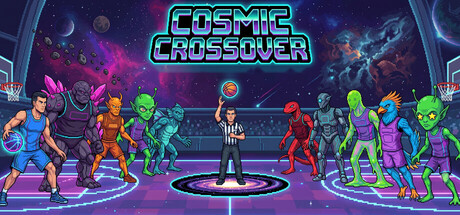
AI was used to create some promotional assets, including store capsule images, banners, and other marketing artwork. AI-generated content was reviewed and edited by the developer before use.
Generative AI was used to create selected voice performances (including the in-game commentator) as well as concept artwork and promotional illustrations. All AI-generated assets were reviewed, edited, and integrated by the developer.
Generative AI was used to assist in creating some UI elements and sound effects. All AI-generated assets were reviewed and edited by the developer before being included in the game.
Some store page promotional artwork may include AI generated or AI-assisted elements. These materials are limited to store/marketing presentation assets and are not part of the gameplay content.
About the Use of AI in the Game
AI-assisted tools have been used in various aspects of this project's development process.
Programming: AI-assisted tools were used during the development of game systems, user interfaces, and various technical features. The generated code was reviewed, edited, tested, and adapted to the project's needs by the development team.
Visuals: AI tools were used in the creation of certain concept designs, environment artwork, and visual content. However, all content was reviewed, refined, and adapted to fit the artistic direction of the project by the development team.
Creative Process: The development process generally follows three stages. First, the game concept, environment designs, and core creative decisions are created by the team. AI tools are then used to generate alternative ideas, variations, and more detailed iterations of existing concepts. Finally, all results are reviewed, refined, and improved through manual quality control processes.
For example, some environment designs begin with compositions and layouts created by the team. AI tools may then be used to assist with additional detailing, after which the final adjustments and refinements are completed manually.
Our goal is to use AI as a tool that supports the creative process while ensuring that all creative decisions, project direction, and final quality control remain under human supervision.
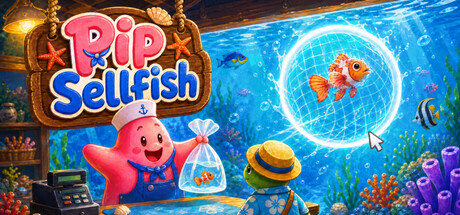
Pip Sellfish is made by one person. I used generative AI tools during development to help create some of the game's assets, such as artwork and music, every asset was hand-picked and integrated by me. No AI is used at runtime: nothing is generated while you play.
Generative AI is used to post-process capsule and marketing artwork on this game's Steam page; the underlying compositions and creative direction are the developer's own.
AI was used for some translations, music, and visual assets. The game does not create AI-generated content during gameplay, and AI was not used to write the game’s code.
Generative AI was used to assist in the creation of certain game assets, including some textures, artwork, sound effects, music, and marketing materials. All AI-generated content has been reviewed, edited, and integrated by the developer. No live AI-generated content is produced during gameplay.
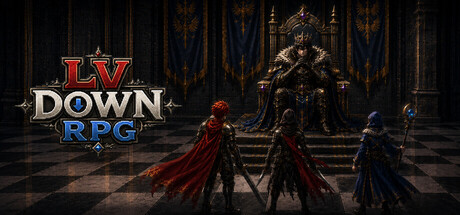
The visual and audio assets in Lv Down RPG were created with the assistance of generative AI tools during development. All assets were selected, reviewed, edited, and integrated by the developer. Game design, programming, systems, and balancing were created by the developer. No AI content is generated during gameplay.
Generative AI tools were used to assist in creating some pre-generated 2D visual assets and promotional artwork. All generated material was selected, edited, composited, and integrated by the developer. The game does not generate AI content during gameplay and does not send player data to generative AI services.
Promotional artwork, Steam capsules, and certain marketing images were created with the assistance of generative AI and then reviewed, edited, and curated by PhoenixGold Game Studios. All gameplay, code, mechanics, characters, and in-game content were designed and implemented by the development team.
Aircraft Tycoon uses generative AI during development to create certain pre-rendered 2D visual assets, including environmental backgrounds, building illustrations, and selected promotional artwork. All AI-assisted content is reviewed, curated, and, where necessary, edited by the developer before being included in the game. The game does not generate AI content during gameplay and does not connect to external AI services.
Generative AI was used in preparing the store page materials: the text description and the screenshots. The screenshots are not AI-generated - they are captured from the actual game, with AI tools used for color correction. All materials have been reviewed and approved by the developer.
No generative AI runs during gameplay: all content is fixed and nothing is generated live
I am a solo developer. In the initial phase, I utilized AI tools to assist with generating partial concept designs, primarily to rapidly prototype and confirm the visual style. Every piece of final art you see in the game has been meticulously tweaked and optimized by my own hands to guarantee it aligns with the game's quality and aesthetic requirements.
Generative AI was used only for creating some logos and images. All generated assets were reviewed and refined by the developer before being included in the game.
Generative AI tools were used during development to assist with portions of the game's pre-generated 2D artwork, UI assets, localization, code, and promotional materials. All output was reviewed, edited, and integrated by the developer. The game does not generate AI content during gameplay.
This game uses a mix of human and generative AI tools. AI was used in some visual art assets, code generation, and portions of the store page text. All writing in the game, voice acting, and music are fully human-created.
Generative AI tools were used during development to create and refine portions of the game’s pre-generated visual artwork, including character and enemy art, environments, UI elements, icons, effects, and cutscene imagery. Generative AI was also used for sound effects and as an assistant during programming and development. All generated material was reviewed, edited, and integrated by the developer.
Some item names and interface translations into languages other than English were created
with AI assistance, then carefully reviewed and edited by the developer. Parts of the 2D
artwork were created with image generation tools, then carefully curated, edited, and
composited by hand. Audio was created by people and comes from CC0-licensed sources with
attribution. No AI content is generated during gameplay. The game does not generate AI
content at runtime, and no player data is ever sent to any AI service.
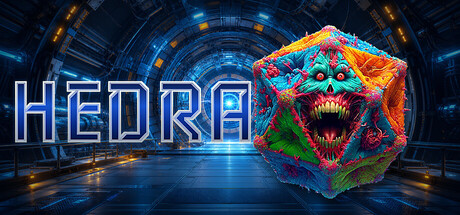
Hedra began as a physical board game designed and refined by one human developer over ten years. Nearly all of the tabletop game was created without generative AI; AI had a limited role in balance analysis. For the digital edition, AI tools played a substantial role in programming and technical development, including the original web app and its conversion into a desktop game. Most of Hedra's visual artwork was created with generative AI tools, then selected, reviewed, and integrated by the developer. The game contains pre-generated AI-assisted content. It does not generate artwork, text, audio, or other content while you play.
Generative AI tools were used during development to assist with the creation and editing of some pre-generated visual assets, sound effects, and Steam Store page text. All AI-assisted content was reviewed, selected, and edited by the developer before being included. The game does not generate content using AI during gameplay.
AI was used to assist in creating 3d models and game audio files.
All core gameplay systems, code architecture, game design, and user interfaces were assembled and structured manually by the developer.
Generative AI tools were used during development to assist in creating the following assets:
- Text translation
- Background music
- Background and cat images
All AI-generated content was thoroughly reviewed, adjusted, and edited by the developer to ensure quality and compliance with all applicable licenses.
This game uses generative AI tools (such as PixelLab) during development to create or assist with some pre-rendered pixel art: enemy/character sprites, UI panels, visual effects, and certain store or marketing stills.
There is no live generative AI during gameplay. The game does not generate images, text, or audio with AI while you play.
The game's art and audio content — including visual assets, UI elements, and store page artwork — was generated with the assistance of AI tools during development and then refined by the team. All AI-generated content was created during development; the game does not generate content while you play.
The game's art content — including unit art, terrain tiles, UI elements, and store page artwork — was generated with the assistance of AI tools during development and then refined by the team. All AI-generated content was created during development; the game does not generate content while you play.
The game's art, audio and voice content — including visual assets, UI elements, narrator voice-over, music, and store page artwork — was generated with the assistance of AI tools during development and then refined by the team. All AI-generated content was created during development; the game does not generate content while you play.
The game's art and audio content — including visual assets, UI elements, and store page artwork — was generated with the assistance of AI tools during development and then refined by the team. All AI-generated content was created during development; the game does not generate content while you play.
The game's art and animation content — including character sprites, animations, tilesets, UI elements, and store page artwork — was generated with the assistance of AI tools during development and then refined by the team. All AI-generated content was created during development; the game does not generate content while you play.
Generative AI tools were used to create selected pre rendered promotional artwork displayed on the Steam Store page and in marketing materials. All such content was reviewed, curated and integrated by the developer. The game does not generate AI content during gameplay.
During development, generative AI was used to assist with creating placeholder artwork, text, and portions of the game's code. All AI-generated content was reviewed, edited, and integrated by the development team, and we confirm that the final content does not knowingly infringe the intellectual property rights of others.
AI was used to create some promotional assets, including store capsule images, banners, and other marketing artwork. AI-generated content was reviewed and edited by the developer before use.
Generative AI was used to create selected voice performances (including the in-game commentator) as well as concept artwork and promotional illustrations. All AI-generated assets were reviewed, edited, and integrated by the developer.
Generative AI was used to assist in creating some UI elements and sound effects. All AI-generated assets were reviewed and edited by the developer before being included in the game.
Some store page promotional artwork may include AI generated or AI-assisted elements. These materials are limited to store/marketing presentation assets and are not part of the gameplay content.
About the Use of AI in the Game
AI-assisted tools have been used in various aspects of this project's development process.
Programming: AI-assisted tools were used during the development of game systems, user interfaces, and various technical features. The generated code was reviewed, edited, tested, and adapted to the project's needs by the development team.
Visuals: AI tools were used in the creation of certain concept designs, environment artwork, and visual content. However, all content was reviewed, refined, and adapted to fit the artistic direction of the project by the development team.
Creative Process: The development process generally follows three stages. First, the game concept, environment designs, and core creative decisions are created by the team. AI tools are then used to generate alternative ideas, variations, and more detailed iterations of existing concepts. Finally, all results are reviewed, refined, and improved through manual quality control processes.
For example, some environment designs begin with compositions and layouts created by the team. AI tools may then be used to assist with additional detailing, after which the final adjustments and refinements are completed manually.
Our goal is to use AI as a tool that supports the creative process while ensuring that all creative decisions, project direction, and final quality control remain under human supervision.
Pip Sellfish is made by one person. I used generative AI tools during development to help create some of the game's assets, such as artwork and music, every asset was hand-picked and integrated by me. No AI is used at runtime: nothing is generated while you play.
Generative AI is used to post-process capsule and marketing artwork on this game's Steam page; the underlying compositions and creative direction are the developer's own.
AI was used for some translations, music, and visual assets. The game does not create AI-generated content during gameplay, and AI was not used to write the game’s code.
Generative AI was used to assist in the creation of certain game assets, including some textures, artwork, sound effects, music, and marketing materials. All AI-generated content has been reviewed, edited, and integrated by the developer. No live AI-generated content is produced during gameplay.
The visual and audio assets in Lv Down RPG were created with the assistance of generative AI tools during development. All assets were selected, reviewed, edited, and integrated by the developer. Game design, programming, systems, and balancing were created by the developer. No AI content is generated during gameplay.
Generative AI tools were used to assist in creating some pre-generated 2D visual assets and promotional artwork. All generated material was selected, edited, composited, and integrated by the developer. The game does not generate AI content during gameplay and does not send player data to generative AI services.
Promotional artwork, Steam capsules, and certain marketing images were created with the assistance of generative AI and then reviewed, edited, and curated by PhoenixGold Game Studios. All gameplay, code, mechanics, characters, and in-game content were designed and implemented by the development team.
Aircraft Tycoon uses generative AI during development to create certain pre-rendered 2D visual assets, including environmental backgrounds, building illustrations, and selected promotional artwork. All AI-assisted content is reviewed, curated, and, where necessary, edited by the developer before being included in the game. The game does not generate AI content during gameplay and does not connect to external AI services.
Generative AI was used in preparing the store page materials: the text description and the screenshots. The screenshots are not AI-generated - they are captured from the actual game, with AI tools used for color correction. All materials have been reviewed and approved by the developer.
No generative AI runs during gameplay: all content is fixed and nothing is generated live
I am a solo developer. In the initial phase, I utilized AI tools to assist with generating partial concept designs, primarily to rapidly prototype and confirm the visual style. Every piece of final art you see in the game has been meticulously tweaked and optimized by my own hands to guarantee it aligns with the game's quality and aesthetic requirements.
Generative AI was used only for creating some logos and images. All generated assets were reviewed and refined by the developer before being included in the game.
Generative AI tools were used during development to assist with portions of the game's pre-generated 2D artwork, UI assets, localization, code, and promotional materials. All output was reviewed, edited, and integrated by the developer. The game does not generate AI content during gameplay.
This game uses a mix of human and generative AI tools. AI was used in some visual art assets, code generation, and portions of the store page text. All writing in the game, voice acting, and music are fully human-created.
Generative AI tools were used during development to create and refine portions of the game’s pre-generated visual artwork, including character and enemy art, environments, UI elements, icons, effects, and cutscene imagery. Generative AI was also used for sound effects and as an assistant during programming and development. All generated material was reviewed, edited, and integrated by the developer.
Some item names and interface translations into languages other than English were created
with AI assistance, then carefully reviewed and edited by the developer. Parts of the 2D
artwork were created with image generation tools, then carefully curated, edited, and
composited by hand. Audio was created by people and comes from CC0-licensed sources with
attribution. No AI content is generated during gameplay. The game does not generate AI
content at runtime, and no player data is ever sent to any AI service.
Hedra began as a physical board game designed and refined by one human developer over ten years. Nearly all of the tabletop game was created without generative AI; AI had a limited role in balance analysis. For the digital edition, AI tools played a substantial role in programming and technical development, including the original web app and its conversion into a desktop game. Most of Hedra's visual artwork was created with generative AI tools, then selected, reviewed, and integrated by the developer. The game contains pre-generated AI-assisted content. It does not generate artwork, text, audio, or other content while you play.
Generative AI tools were used during development to assist with the creation and editing of some pre-generated visual assets, sound effects, and Steam Store page text. All AI-assisted content was reviewed, selected, and edited by the developer before being included. The game does not generate content using AI during gameplay.
AI was used to assist in creating 3d models and game audio files.
All core gameplay systems, code architecture, game design, and user interfaces were assembled and structured manually by the developer.
Generative AI tools were used during development to assist in creating the following assets:
- Text translation
- Background music
- Background and cat images
All AI-generated content was thoroughly reviewed, adjusted, and edited by the developer to ensure quality and compliance with all applicable licenses.
This game uses generative AI tools (such as PixelLab) during development to create or assist with some pre-rendered pixel art: enemy/character sprites, UI panels, visual effects, and certain store or marketing stills.
There is no live generative AI during gameplay. The game does not generate images, text, or audio with AI while you play.
The game's art and audio content — including visual assets, UI elements, and store page artwork — was generated with the assistance of AI tools during development and then refined by the team. All AI-generated content was created during development; the game does not generate content while you play.
The game's art content — including unit art, terrain tiles, UI elements, and store page artwork — was generated with the assistance of AI tools during development and then refined by the team. All AI-generated content was created during development; the game does not generate content while you play.
The game's art, audio and voice content — including visual assets, UI elements, narrator voice-over, music, and store page artwork — was generated with the assistance of AI tools during development and then refined by the team. All AI-generated content was created during development; the game does not generate content while you play.
The game's art and audio content — including visual assets, UI elements, and store page artwork — was generated with the assistance of AI tools during development and then refined by the team. All AI-generated content was created during development; the game does not generate content while you play.
The game's art and animation content — including character sprites, animations, tilesets, UI elements, and store page artwork — was generated with the assistance of AI tools during development and then refined by the team. All AI-generated content was created during development; the game does not generate content while you play.
Generative AI tools were used to create selected pre rendered promotional artwork displayed on the Steam Store page and in marketing materials. All such content was reviewed, curated and integrated by the developer. The game does not generate AI content during gameplay.