Public Steam disclosure research25,987 disclosures tracked
Where do games disclose AI use?
Search developers’ Steam disclosures, compare classified AI use across
games, and follow recorded changes.
This index adds cross-game classifications and statistics to
statements published on individual store pages.
Groups reflect automatic analysis of public disclosures; mature records are excluded. These counts do not measure AI use across all of Steam.
Missing or unclear statements cannot establish whether a game uses AI.
Generative AI was used strictly during the pre-production and marketing phases to create corporate key art, capsule images, and promotional banners for the Steam store page. No AI-generated assets, code, or data are included within the game build itself.
Some store-page and marketing visual assets may be created or assisted with generative AI. The game itself does not generate AI content during gameplay.
Some parts of the game’s production may involve procedural or AI-assisted tools, mainly to speed up iteration, explore visual directions or support asset creation. The game’s concept, tone, style, story and final creative choices are developed and decided by us.
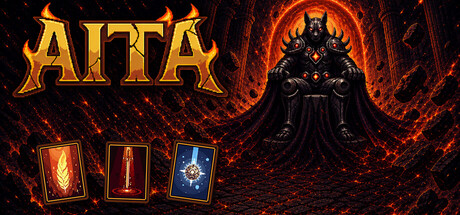
I'm a solo developer. Without AI tools, this game would not exist — the art, music, and copy would have been unaffordable to commission and impossible for me to produce alone. AI let me focus on what I actually built by hand: the game design, the mechanics, the 181 tomes, the scoring engine, the balance, the words.
What's AI-generated:
• Visual art (backgrounds, character portraits, tome/scroll/blessing illustrations, store page art) — generated with AI image tools, curated and selected by me
• Music — generated with AI audio tools, curated and selected by me
• Some flavor text and descriptive copy — drafted with AI assistance, edited by me
What's not AI:
• The game itself — every system, mechanic, balance number, character design, and core decision is mine
• The dictionary, the tile distributions, the scoring math, the run structure, the boss fights — hand-built
• The code — written by me with the help of AI assistants the same way any modern developer uses them
No AI runs at runtime. Nothing is generated for you on the fly during play. Everything you see was reviewed before it shipped.
Some promotional and visual branding materials, including capsule artwork, logos, and application icons, were created or assisted using generative AI tools.
This game was developed with the assistance of generative AI tools. AI was used during development to assist with code, audio, and visual assets. All AI-generated content was reviewed, edited, and integrated by the developer. No generative AI operates at runtime during gameplay.
There's a local Large Language Model that integrates with the game's systems and is used primarily for but not limited to dialogue generation.
Several other uses are planned, including localization.
AI has been used for coding and in a limited capacity for creating placeholder assets that will be replaced at a later date.
Generative AI was used during development to assist with some visual concept art, store page images, and marketing assets. All AI-assisted content is manually reviewed, edited, and curated by the developer. The game does not include real-time generative AI content.
Dead Sector's in-game rank insignia icons, app icon, and Steam store graphics were produced procedurally via custom Python rendering scripts (PIL and resvg) authored with AI coding assistance. The output is deterministic vector and raster compositing, not generative-AI imagery. No image, audio, or animation generation models were used in any content shipped with the game. Game design, mechanics design and logic are original developer work.
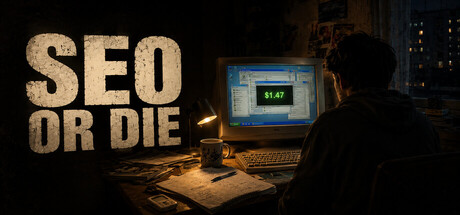
Some visual assets, store assets, localization drafts, and marketing materials for SEO OR DIE were created or enhanced with the assistance of generative AI tools.
All AI-assisted content was reviewed, edited, and integrated by the developer to match the game's final art direction, narrative tone, and quality standards.
The game does not use real-time AI generation during gameplay.
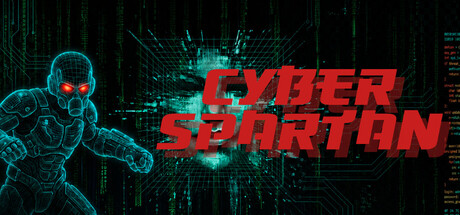
Cyber Spartan uses AI-generated content for select visual assets, including character expression artwork and some promotional materials. Core gameplay code, game design, and level design are human-directed. AI tools were used as a creative partner
throughout development.
Generative AI tools were used during development to create selected promotional graphics and visual materials. The game does not use generative AI during gameplay.
Some visual assets, promotional images, and audio content for this game were created or assisted using generative AI tools. All AI-generated content was reviewed and edited by the developer before inclusion in the game.
This game uses generative artificial intelligence (AI) to create some of its visual art assets. Certain in-game images and illustrations were partially generated with the assistance of AI-based painting tools.
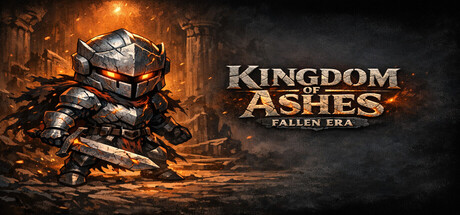
Kingdom of Ashes uses generative AI for select visual assets:
• Character portraits, enemy sprites, card illustrations, and background art were generated using Microsoft Copilot and then curated, composited, and refined by the developer for use in the game.
All gameplay code, mechanics, narrative text, and game design were created by the developer. No AI content is generated live during gameplay, and the game does not connect to any third-party AI service at runtime — all AI-generated visuals were finalized during development and ship as static assets.
Vertical capsule image (store and library) generated using Adobe Firefly.
All in-game content (sprites, music, sound effects) is human-created or licensed from human-made asset packs.
Based on the developer's original creative direction, AI tools were used to generate the game's store page capsule images, soundtrack, and the non-English in-game text translations. AI coding assistance supported programming during development.
Visual assets in the game, including static and animated artwork, were created using generative AI tools. Generative AI was also used during the creation of the game's music.
Generative AI tools were used to assist with creating promotional artwork. Character artwork used in promotional images is based on the game's actual 3D character models and visual designs. All gameplay screenshots shown on the store page are captured from the actual in-game build and are not AI-generated or composited. The game does not use live generative AI during gameplay, and no gameplay content is generated dynamically by AI while the player is playing.
Generative AI was used to create artwork for the game, including visual assets seen by players and/or promotional materials. All AI-generated artwork was reviewed, selected, and edited by the developer before inclusion. The game does not generate AI content live during gameplay.
Generative AI tools were used during development to assist with code, localization text, store page copy, and procedural geometric marketing assets. The game does not use live generative AI during gameplay. All AI-assisted content was reviewed, edited, and integrated by the developer.
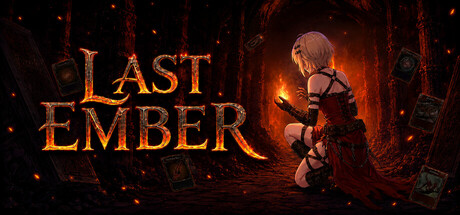
We're a small indie team, and we used generative AI to help make some of the art in Last Ember — card illustrations, backgrounds, character portraits, and a few short animations. We also used it on a handful of sound effects. Everything you see and hear in the game was picked, edited, and signed off by us. The game itself doesn't run any AI while you play — what ships is what you get.
Some visual and audio assets in this game were generated with the assistance of AI tools. The developer has reviewed, selected, and where necessary edited all AI-generated content. Creative direction, game design, and all core development work were performed by the developer.
This game contains pre-generated AI-created images, including realistic and horror-themed imagery used during gameplay. All content was reviewed and curated by the developer. The game does not include live AI generation or user-generated content.
Generative AI has been used when creating some of the images in the menu and the backgrounds in the game. The technology has also been used when creating and editing some of the audio tracks.
Some art assets, promotional materials, or puzzle images in this game may have been created with the assistance of AI tools. All AI-assisted content is reviewed, edited, selected, and finalized by the developer before being used in the game.
The game does not include live generative AI features. Players will not enter prompts or generate new AI text, images, audio, or other content during gameplay. AI is only used as an auxiliary art creation tool during development.
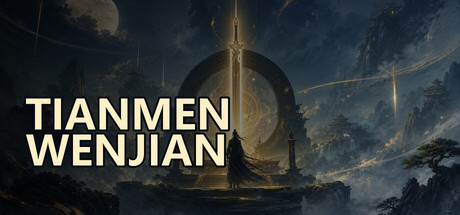
Tianmen Wenjian uses generative AI tools as part of its pre-generated production pipeline. Some final visual assets used in the game presentation, Steam store page, library assets, community assets, icons, and marketing images were created or refined with AI-assisted image generation, then reviewed, edited, cropped, and integrated by the developer.
The game does not use live generative AI during gameplay. Player input is not sent to an AI service, and the game does not generate new AI-created text, images, audio, or other player-facing content at runtime.
I used AI tools only to generate some assets, giving me the raw material I needed to build my game. Every creative decision — the story, dialogues, characters, gameplay, mechanics, world design, visual style, and overall direction — was created and decided entirely by me. AI did not write, design, or choose anything.
The game is built from my own ideas, my own decisions, and my inspiration from the games I’ve loved throughout my life.
Generative AI was used strictly during the pre-production and marketing phases to create corporate key art, capsule images, and promotional banners for the Steam store page. No AI-generated assets, code, or data are included within the game build itself.
Some store-page and marketing visual assets may be created or assisted with generative AI. The game itself does not generate AI content during gameplay.
Some parts of the game’s production may involve procedural or AI-assisted tools, mainly to speed up iteration, explore visual directions or support asset creation. The game’s concept, tone, style, story and final creative choices are developed and decided by us.
I'm a solo developer. Without AI tools, this game would not exist — the art, music, and copy would have been unaffordable to commission and impossible for me to produce alone. AI let me focus on what I actually built by hand: the game design, the mechanics, the 181 tomes, the scoring engine, the balance, the words.
What's AI-generated:
• Visual art (backgrounds, character portraits, tome/scroll/blessing illustrations, store page art) — generated with AI image tools, curated and selected by me
• Music — generated with AI audio tools, curated and selected by me
• Some flavor text and descriptive copy — drafted with AI assistance, edited by me
What's not AI:
• The game itself — every system, mechanic, balance number, character design, and core decision is mine
• The dictionary, the tile distributions, the scoring math, the run structure, the boss fights — hand-built
• The code — written by me with the help of AI assistants the same way any modern developer uses them
No AI runs at runtime. Nothing is generated for you on the fly during play. Everything you see was reviewed before it shipped.
Some promotional and visual branding materials, including capsule artwork, logos, and application icons, were created or assisted using generative AI tools.
This game was developed with the assistance of generative AI tools. AI was used during development to assist with code, audio, and visual assets. All AI-generated content was reviewed, edited, and integrated by the developer. No generative AI operates at runtime during gameplay.
There's a local Large Language Model that integrates with the game's systems and is used primarily for but not limited to dialogue generation.
Several other uses are planned, including localization.
AI has been used for coding and in a limited capacity for creating placeholder assets that will be replaced at a later date.
Generative AI was used during development to assist with some visual concept art, store page images, and marketing assets. All AI-assisted content is manually reviewed, edited, and curated by the developer. The game does not include real-time generative AI content.
Dead Sector's in-game rank insignia icons, app icon, and Steam store graphics were produced procedurally via custom Python rendering scripts (PIL and resvg) authored with AI coding assistance. The output is deterministic vector and raster compositing, not generative-AI imagery. No image, audio, or animation generation models were used in any content shipped with the game. Game design, mechanics design and logic are original developer work.
Some visual assets, store assets, localization drafts, and marketing materials for SEO OR DIE were created or enhanced with the assistance of generative AI tools.
All AI-assisted content was reviewed, edited, and integrated by the developer to match the game's final art direction, narrative tone, and quality standards.
The game does not use real-time AI generation during gameplay.
Cyber Spartan uses AI-generated content for select visual assets, including character expression artwork and some promotional materials. Core gameplay code, game design, and level design are human-directed. AI tools were used as a creative partner
throughout development.
Generative AI tools were used during development to create selected promotional graphics and visual materials. The game does not use generative AI during gameplay.
Some visual assets, promotional images, and audio content for this game were created or assisted using generative AI tools. All AI-generated content was reviewed and edited by the developer before inclusion in the game.
This game uses generative artificial intelligence (AI) to create some of its visual art assets. Certain in-game images and illustrations were partially generated with the assistance of AI-based painting tools.
Kingdom of Ashes uses generative AI for select visual assets:
• Character portraits, enemy sprites, card illustrations, and background art were generated using Microsoft Copilot and then curated, composited, and refined by the developer for use in the game.
All gameplay code, mechanics, narrative text, and game design were created by the developer. No AI content is generated live during gameplay, and the game does not connect to any third-party AI service at runtime — all AI-generated visuals were finalized during development and ship as static assets.
Vertical capsule image (store and library) generated using Adobe Firefly.
All in-game content (sprites, music, sound effects) is human-created or licensed from human-made asset packs.
Based on the developer's original creative direction, AI tools were used to generate the game's store page capsule images, soundtrack, and the non-English in-game text translations. AI coding assistance supported programming during development.
Visual assets in the game, including static and animated artwork, were created using generative AI tools. Generative AI was also used during the creation of the game's music.
Generative AI tools were used to assist with creating promotional artwork. Character artwork used in promotional images is based on the game's actual 3D character models and visual designs. All gameplay screenshots shown on the store page are captured from the actual in-game build and are not AI-generated or composited. The game does not use live generative AI during gameplay, and no gameplay content is generated dynamically by AI while the player is playing.
Generative AI was used to create artwork for the game, including visual assets seen by players and/or promotional materials. All AI-generated artwork was reviewed, selected, and edited by the developer before inclusion. The game does not generate AI content live during gameplay.
Generative AI tools were used during development to assist with code, localization text, store page copy, and procedural geometric marketing assets. The game does not use live generative AI during gameplay. All AI-assisted content was reviewed, edited, and integrated by the developer.
We're a small indie team, and we used generative AI to help make some of the art in Last Ember — card illustrations, backgrounds, character portraits, and a few short animations. We also used it on a handful of sound effects. Everything you see and hear in the game was picked, edited, and signed off by us. The game itself doesn't run any AI while you play — what ships is what you get.
Some visual and audio assets in this game were generated with the assistance of AI tools. The developer has reviewed, selected, and where necessary edited all AI-generated content. Creative direction, game design, and all core development work were performed by the developer.
This game contains pre-generated AI-created images, including realistic and horror-themed imagery used during gameplay. All content was reviewed and curated by the developer. The game does not include live AI generation or user-generated content.
Generative AI has been used when creating some of the images in the menu and the backgrounds in the game. The technology has also been used when creating and editing some of the audio tracks.
Some art assets, promotional materials, or puzzle images in this game may have been created with the assistance of AI tools. All AI-assisted content is reviewed, edited, selected, and finalized by the developer before being used in the game.
The game does not include live generative AI features. Players will not enter prompts or generate new AI text, images, audio, or other content during gameplay. AI is only used as an auxiliary art creation tool during development.
Tianmen Wenjian uses generative AI tools as part of its pre-generated production pipeline. Some final visual assets used in the game presentation, Steam store page, library assets, community assets, icons, and marketing images were created or refined with AI-assisted image generation, then reviewed, edited, cropped, and integrated by the developer.
The game does not use live generative AI during gameplay. Player input is not sent to an AI service, and the game does not generate new AI-created text, images, audio, or other player-facing content at runtime.
I used AI tools only to generate some assets, giving me the raw material I needed to build my game. Every creative decision — the story, dialogues, characters, gameplay, mechanics, world design, visual style, and overall direction — was created and decided entirely by me. AI did not write, design, or choose anything.
The game is built from my own ideas, my own decisions, and my inspiration from the games I’ve loved throughout my life.