Public Steam disclosure research25,994 disclosures tracked
Where do games disclose AI use?
Search developers’ Steam disclosures, compare classified AI use across
games, and follow recorded changes.
This index adds cross-game classifications and statistics to
statements published on individual store pages.
Groups reflect automatic analysis of public disclosures; mature records are excluded. These counts do not measure AI use across all of Steam.
Missing or unclear statements cannot establish whether a game uses AI.
Mix a Meow uses AI generation tools to create some assets, including character illustrations, icons, music, and sound effects. All character concepts and design directions were crafted by the developer; AI was used as a tool to bring them to life. No content is generated by AI during gameplay — all AI-assisted assets were reviewed and finalized by the developer before release.
This game utilizes generative AI tools to assist in the creation of select 2D artwork, specifically some UI icons, league background themes, and store page promotional materials. Other in-game assets, such as enemy art and player icon and GUI, were acquired through licensed asset stores.
**About the Use of AI**
This game was largely developed by a single developer with limited resources. To move faster and support certain parts of the creative process, I occasionally used AI tools during development.
AI was mainly used to help generate early drafts of visuals, initial text ideas, and to assist throughout the production process. However, everything you see in the game has been manually refined, reworked, and shaped to fit the overall vision of the game.
My goal was not to use AI as a shortcut, but as a supportive tool to help bring ideas to life more efficiently. This allowed me to focus more on the atmosphere, gameplay, and overall experience I wanted to create.
The final result — its world, mechanics, and feeling — reflects my own vision.
Some visual assets in this game, including backgrounds and certain enemy designs, were created using AI-assisted tools and then edited, modified, and integrated into the game by the developer.
Generative AI has been used during the development of this game in the following ways: AI tools were used to assist in writing part of the game's source code and to help create or refine some 2D graphic assets, such as logos and UI elements.
Some visual assets (illustrations and portraits) and the music were created with the help of AI tools. The game code was developed with AI-assisted programming. All content was reviewed, curated, and approved by the developer.
The Steam store page banners and promotional materials were created with the help of generative AI tools. The in-game assets were either manually created or edited afterward, while certain marketing visuals (such as headers, capsules, and banners) contain AI-generated elements.
This game uses generative AI during development for certain 2D icons, concept art, placeholder graphics, and text. All AI-generated content has been manually reviewed, edited, and adapted by the developer before being included in the final game.
Generative AI (SoundID VoiceAI) was used to process recorded voice-acting performances for character dialogue and undead vocals. AI tools were also used in the creation of environmental textures and ambient sound layers."
Some visual assets used in the game’s store page and promotional materials were created with the assistance of generative AI tools. All gameplay content, writing, and narrative design are created by the developer.
Some content in this game, including text and certain assets, was created with the assistance of AI tools during development. All AI-generated content has been reviewed, edited, and integrated by the developer to ensure quality and consistency.
Every asset in AeonFall is designed and produced by our development team. For some 3D assets, we make limited use of generative AI as a reference tool at the modeling and texture draft stage, and even then the input is original work our team created first. No AI-generated draft ever goes into the game as is. Every asset is finished by the team through retopology, texture rework, rigging, and final editing, and all art direction and final decisions are made in-house. We do not use generative AI for game design, programming, levels, or UI.
A lot of the artwork in Melovar's Tale, including the card, relic and character illustrations were created with the assistance of AI tools. All AI Generated items were reviewed, curated, and refined to ensure they meet the game visual and thematic standards. There isn't any AI content generated live during the game.
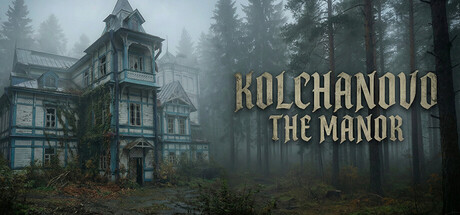
3D Models: Generative artificial intelligence is used to restore and recreate interior objects of the real building that were lost in the fire.
Images: The paintings inside the manor are real photographs of artworks that once hung inside, but they have been enhanced and restored.
Music & Sounds: Specially created to build a unique and immersive atmosphere.
The core concepts, rules, and gameplay mechanics of The Bone Yard are entirely my own original creation. Because this is a solo passion project, I utilized generative AI as a development assistant to help bring my vision to life. AI tools were used to help brainstorm visual design elements, which I then curated and integrated into the game. I also used AI to assist with coding and text localization. The heart of the game, how it plays, how it feels, is 100% USDA Prime Human.
In development and early prototyping, Rankbreaker used some generative art assets. These are being actively replaced with original work created by professional artists, and this transition is already underway.
Current contributions include:
Leonardo Veronesi: Disruptors “Void,” “Raven,” “Recoil,” and character card “Axl Rydell”
Samuele Colombini: Character cards “Bloodthirst,” “Ironjaw,” “Riff the Cat,” and “Stonewhal”
Richard Kessler: Location art “Deadspace,” “Sepulcher,” and “The Arc”
All generative assets are being phased out in favor of fully original artwork as development continues.
Some store imagery (capsule art) was created with AI image generation tools. Game text translations for non-English/Turkish languages were assisted by AI translation, with manual review
This game was developed with the assistance of AI tools during certain stages of production. These tools were used to support and enhance the creative process, while all final content was curated and integrated by the developer.
Programming Support: AI-assisted tools were used to help prototype and refine parts of the game logic and structure.
Image Generation: Some visual assets were created or enhanced using AI image generation, followed by manual selection and adjustments.
Music Generation: Portions of the soundtrack were generated with AI tools and further refined to match the game's atmosphere.
Text Generation: AI was used to assist in drafting and polishing certain in-game text and descriptions.
All AI-assisted content was reviewed, edited, and adapted to ensure consistency with the game’s design and artistic direction.
Visual and music assets in the game were created or assisted using generative AI tools during development. All content has been reviewed, edited, and integrated by the developer.
Some artwork used in store page capsule images and card illustrations was created with the assistance of AI image generation tools. All AI-generated assets were reviewed, curated, and edited by the developer. No AI is used during gameplay.
The visual assets in this game (character illustrations and background images) are generated using KlingAI. All other content — including scenario, music, and programming — is created by the developer.
Spy Carnival uses generative AI as a creative aid during the art production process. AI-generated visuals was used strictly as reference material and visual inspiration. All final artwork visible in the game has been reviewed, reworked, and refined by a human artist. No raw AI-generated output is used directly in the game.
As a small independent team, we rely on various tools to bring our project to life and support its development.
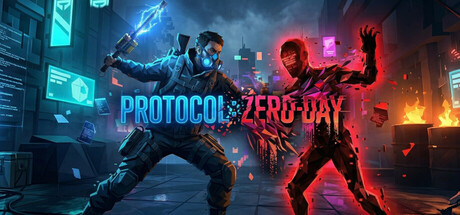
Generative AI tools were used during pre-production and development to assist our team in designing some visual elements, notably concept art, environments, and base textures for the cyber-apocalyptic universe of PROTOCOL: Zero-day.
All assets generated by these tools were curated, reworked, and manually integrated into the game engine to meet the project's technical and gameplay requirements.
Our goal remains to build an original, carefully crafted visual identity. Therefore, the use of AI-generated content is primarily intended as a temporary production aid. As development progresses, we aim to gradually phase it out in favor of human-made assets created specifically for the game.
AI tools were used during development to assist with asset creation (pixel art sprites, terrain textures, localization drafts) and game design iteration. All AI-generated content was reviewed, edited and curated by the developer.
Exonie Online uses pre-generated AI content to provide a high-quality multiplayer experience.
Gameplay Code: Generative AI was used as a primary collaborative tool to develop the game's networking logic, hybrid asset-loading systems, and core mechanics.
Visual Assets: AI tools were used to generate environmental maps, character sprites, and UI elements.
Audio: The game’s soundtrack was generated using Suno AI (Pro Tier), ensuring the developer holds full commercial rights.
All AI-assisted content was manually reviewed and integrated by the developer. No AI content is generated live during gameplay
All narrative, lore, and in-game text were written entirely by our team. Music and sound design are produced by our talented sound designer. Character concepts and initial illustrations/visual designs are human created. AI tools were used to assist in the modeling pipeline, with all output reviewed, adjusted, and approved by the team. We are actively working towards bringing on a 3D artist as the project grows (reach out to us if this might be you).
As a solo developer, I utilize generative AI tools to assist in creating base 3D assets, environmental props, and certain 2D visual elements to streamline the development process. Additionally, AI is used to support the initial localization of game text, which is then manually reviewed and refined to ensure accuracy and cultural relevance. Every AI-assisted asset and text is carefully hand-edited to fit the game's specific art style and technical standards.
Some of the art assets in this game were created with the assistance of generative AI. All assets have undergone manual selection and post-production adjustments to ensure consistency with the overall game style.
Game art assets are generated using AI tools to create initial concept art, which is then manually adjusted and modified by artists. The final works combine AI-generated foundational designs with human artistic revisions.
Some dynamic art assets are assisted in their creation by AI tools.
Some parts of development used AI-assisted workflows, including asset creation, image processing/background removal, voice work, and localization of in-game/help text into multiple languages.