
Disclosure
AI tools are used in some parts of the development process, including translations for the Steam store page and in-game UI text, as well as assistance with some visual assets.
- Creator
- EverTier Games
- Reviews
- -
- Added
- Oct 2, 2026
Public Steam disclosure research 25,394 disclosures tracked
Search developers’ Steam disclosures, compare classified AI use across games, and follow recorded changes. This index adds cross-game classifications and statistics to statements published on individual store pages.
Code help, debugging and other development work.
Capsule art, trailers and promotional material.
Pre-made art, audio, writing and other game assets.
Interactive or runtime AI features disclosed by the developer.
Groups reflect automatic analysis of public disclosures; mature records are excluded. These counts do not measure AI use across all of Steam. Missing or unclear statements cannot establish whether a game uses AI.
AI tools are used in some parts of the development process, including translations for the Steam store page and in-game UI text, as well as assistance with some visual assets.
some pictures
Generative AI was used to create some visual assets included in the game, as well as artwork for the Steam store page and marketing materials. These assets were created before release. The game does not generate AI content during gameplay or connect to external AI services.
Generative AI was used as a development tool for selected visual assets and concept artwork, as well as for assistance during development. All AI-assisted content was reviewed, edited, and integrated by the developer.
Icons, Sounds
AI was used for Steam promotional artwork. No AI content is generated during gameplay.
Some of the game's artwork was created from the developer's own sketches and refined using AI image tools. Some sound effects were produced with the help of AI audio tools. The in-game text was translated into the supported languages with the help of AI tools. All content is reviewed and approved by the developer before release.
This game contains content created with the assistance of AI tools. AI was used during development to assist with programming, visual assets, and other creative elements. All generated content was reviewed, edited, and integrated by the dev.
Portions of the art and code in this game were generated by AI.
Generative AI was used during development to create some store page artwork and in-game icons. All generated content was reviewed before being included in the final product.
Misty and the Last Breeze is a solo-developed game made with a lot of AI assistance. Here is how AI was used. Code. The game is built in Godot. Most of the gameplay code, tooling and automated tests were written with AI coding assistants (Claude Code and Codex), working from my design direction, and reviewed, playtested and revised by me. Design decisions, level layouts, movement feel and what ships are mine; the assistants do much of the typing. 3D models and art. Many in-game models and textures were made in Blender through scripts written with AI assistance, often rebuilt from concept images. Some of those reference images were generated with AI image tools. Other visuals, such as shaders, UI and effects, are authored in code. Painting and key-art images in the game that began as AI-generated images are kept as AI-assisted work. Music. Music is generated with Suno and then selected, arranged and edited by me. Ambience and sound effects are mostly synthesized in code (procedural audio) rather than sampled from other artists. Mockups and planning. I use ChatGPT's image generation for mockups, mood boards, UI layouts and promotional concepts while planning. These are for exploring ideas; they are not meant to ship as finished art unless noted above. What is not AI. The game itself has no runtime AI: every enemy, NPC, line of dialogue and level is fixed content that I designed and authored. Nothing is generated or adapted while you play.
Background and Logo Created AI.
Guild of Souls features artwork developed with generative AI.
AI tools were used to assist in the creation of store Assets
Generative AI was used during development to help create some of the game's images, 3D models, animations, background music, sound effects, and story and dialogue text, and to translate in-game text. This includes generating images and models, as well as creating environment models, background music, and some sound effects using AI-written scripts. The story and dialogue use AI-generated text, edited as needed. Translations were created and revised during development and included in the game. This content was created in advance during development; the game does not generate content using generative AI during gameplay. Generative AI was also used to create promotional images and translate store descriptions into multiple languages for the Steam store.
Generative AI tools were used during development to create part of what you see and hear: the portraits of the fictional players and their faces at different ages, background illustrations, the short ambient videos, the music, the commentator's recorded calls and the surnames he calls out —a synthetic voice that does not belong to any real person— and part of the art on this page. Everything was reviewed, trimmed and edited by hand before going in, and every commentator line was checked with speech recognition to make sure it says what it should. The sound effects are real public-domain recordings. The game does not generate anything with AI while you play.
Hardpack Rally is made by solo developer Andre Gomes with assistance from AI tools, including Claude, ChatGPT and Codex. These tools help write game code and scripts that create the cars and scenery. No AI generates content while you play.
AI was used only to generate the base background artwork, which was then manually edited and adapted to fit the game's art style.
Pre-generated: The game's code, the drawing code for its characters and scenery (all art is drawn by code at runtime, with no image files), and parts of the story text and store description were created with the help of an AI assistant, then reviewed, edited and directed by the developer. Live-generated: None. The game does not use AI to generate anything while it is being played.
Parts of Howling Woods were made with generative AI during development: its music and sound effects, its interface icons and store art, some of its set-piece models, and parts of its code. All of it was reviewed and reworked by hand, and nothing is generated while you play.
Generative AI was used during development to create visual assets, music and sound effects, and in-game text and translations. The game does not generate AI content during gameplay or connect to external AI services.
Pre-generated: the game's code, its procedurally built 3D models, levels and effects, the synthesized in-game music, parts of the UI art, the store artwork and the store texts/translations were created with the help of AI tools (Anthropic Claude) under the developer's direction and review. The menu music tracks were generated by the developer with Google Gemini. Sound effects are edited recordings from Kenney (CC0) and Mixkit. No AI content is generated live while playing.
Generative AI was used during development to create pre-generated artwork, including backgrounds, characters, fish, food, icons, and some UI and store images. AI was also used to prepare store descriptions and translations. No content is generated by AI during gameplay.
Bgm and Graphics.
Generative AI assisted the creation of characters, card artwork, environments, some interface artwork, pre-rendered animations, and some narrative and localized text during development. This content was selected, edited, and reviewed in the game. Generative AI was also used to create store artwork. Music and sound effects include locally synthesized audio. The game does not use generative AI to create content during gameplay.
Generative AI tools helped create selected 2D artwork, including in-game branding, decorative art, and store and marketing illustrations, and assisted with translations of the store page text. This content is pre-generated; the game does not generate AI content during gameplay.
Generative AI tools were used during development to create or assist with character illustrations, some character sprites and other visual assets, store and promotional artwork, background music, and portions of localized text. These assets were selected, processed and integrated by the developer. The game does not generate AI content during play and does not connect to external AI services at runtime.
This game contains content created with the assistance of AI tools. AI was used during development to assist with programming, visual assets, and other creative elements. All generated content was reviewed, edited, and integrated by the dev.
Generative AI was used to create some art assets (the title screen background and the store capsule images). The game does not use AI to generate any content at runtime.
AI-assisted tools were used during development to create some visual assets and textures, music and sound effects, and to assist with English localization. Generated promotional illustrations and pre-generated synthetic voice performances are also used in the Steam store materials and trailers. These assets were selected, edited and integrated during production. The game does not generate AI content while it is running.
Ratiator is made by a small independent studio, and generative AI is one of the tools that lets a tiny team build a world this big. Every piece of AI-assisted content was directed, selected and refined by us to match our own art direction and design. Artwork: backgrounds, UI elements, event illustrations, icons and key art were created with AI image tools from our concepts and art direction, then curated, edited and assembled by hand. 3D models: our rats and their household-junk weapons and armour started as AI-generated 3D models built from our concept art. We then rigged, fitted, animated and tuned them with our own tools, so every rat moves and fights the way we designed it. Animation: a few short cinematic clips and the living light in some backgrounds (flickering lanterns, flowing water) were made with AI video tools and blended into our original paintings. Writing: story and event texts were drafted with the help of an AI writing assistant, then edited and shaped by us to fit the world and its humour. Nothing in the game is generated by AI while you play. Every fight, rat and story event is driven by the game's own systems, and no player data is sent to any AI service.
Some artwork, translations, and store page text were created with the help of AI tools.
Pre-generated AI artwork, music and sound effects. No live AI generation during gameplay.
Generative AI tools were used during development to create pre-generated character voices, music, and store artwork, and to assist with writing. These assets are prepared in advance. The game does not generate AI content or connect to third-party AI services during gameplay.
Generative AI tools were used during development to create visual assets and music, and to assist with localization. All content is prepared in advance. The game does not generate AI content during gameplay or connect to external AI services.
Most graphics are generatively produced with refined qualities.
Some visual assets and the music in Roadweave were created with the help of generative AI tools during development: the key art, logo, store and library artwork, icons and achievement badges were made with image tools, and the soundtrack with a music tool. Every asset was selected and edited by the developer before release. Generative AI is not used while you play. Maps are built by the game's own procedural generator from a seed — ordinary game code, not AI.
Generative AI-assisted tools were used during development to support the creation and refinement of some pre-generated visual assets. No AI content is generated during gameplay.
Some 3D models, illustrations and music in the current version were created with the help of generative AI tools and then edited and integrated by our team. They are placeholders: we are replacing them with work by human artists as development continues.
Parts of this game were made with the help of AI tools: the store page text, the Turkish and Simplified Chinese translations, and some of the 3D models, UI graphics and store images. The game does not generate any content with AI while you play.
The key art, store capsules and library artwork were created with an AI image generator and edited by the developer. The trailer music was generated with Suno under a paid plan. No AI-generated content is included in the game itself, and the game runs no AI generation and requires no AI service.
Some assets in this game were created with generative AI tools during development and then selected and edited by hand: the store key art and capsule images, some in-game images (UI decorations, stage backgrounds and some illustrations), and the background music and jingles. No generative AI is used while you play: the stats and skills of your drawing are decided by deterministic on-device image processing, and nothing is sent to an AI service.
Trivia Mania was designed, directed, reviewed and tested by a solo developer. AI tools supported the drafting, editing and fact-checking of the questions and answers, and helped make the game's art and sound. No AI is embedded in the game and nothing is generated while you play.
The key art, store capsules and library artwork were created with an AI image generator and reviewed by the developer. In-game pixel art sprites, the bitmap font, sound effects and music are produced by original project code written with AI coding assistance. Store and in-game text were drafted with AI assistance and edited by the developer. The game does not generate any content with AI while running and requires no AI service.
The game's art assets (tile, monster and item sprite atlases) were produced during development using OpenAI's image generation service. We then processed the output ourselves into transparent PNGs and assembled them into atlases, which ship as static assets inside the build. The game does not call any AI service at runtime and contains no live-generated content. Every generated image was manually reviewed and corrected before being added to the atlas. Apart from the art, the code, game design, balance and text involve no AI-generated content.
Generative AI was used during development to help create some visual assets and assist with development work. The resulting content was selected, edited, and integrated into the game by the developer.
Generative AI tools were used to assist in creating some pre-generated decorative in-game artwork, including wall posters, as well as selected promotional and Steam store artwork. All generated content was reviewed and edited before inclusion. The game does not use live-generated AI content during gameplay.
Some of the game's pre-rendered assets were created with generative AI tools during development and then reviewed, edited and integrated by the developer: parts of the pixel art, parts of the sound effects, and the translations from the English original. Nothing is generated while you play: the game uses no AI at runtime and collects no player data for AI training.
Generative AI was used in supporting the generation of artwork, code, testing and marketing.
Guild Master features artwork developed with generative AI.
| Title⇅ | Disclosure | Creator⇅ | Src | Reviews⇅ | Added↓ |
|---|---|---|---|---|---|
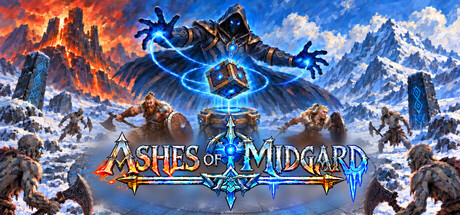 Ashes of Midgard In-game content textart | AI tools are used in some parts of the development process, including translations for the Steam store page and in-game UI text, as well as assistance with some visual assets. | EverTier Games | - | Oct 2, 2026 | |
 奇点 Unclear art | some pictures | xzx | - | Oct 2, 2026 | |
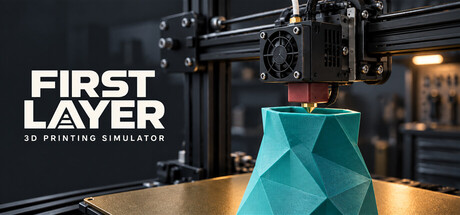 First Layer: 3D Printing Simulator In-game content art | Generative AI was used to create some visual assets included in the game, as well as artwork for the Steam store page and marketing materials. These assets were created before release. The game does not generate AI content during gameplay or connect to external AI services. | Vitrum Games | - | Oct 2, 2026 | |
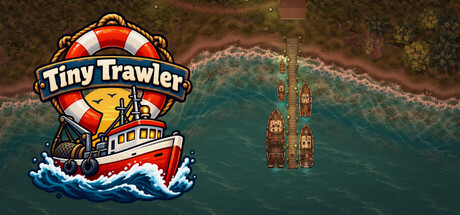 Tiny Trawler Dev only art | Generative AI was used as a development tool for selected visual assets and concept artwork, as well as for assistance during development. All AI-assisted content was reviewed, edited, and integrated by the developer. | Mathias | - | Oct 2, 2026 | |
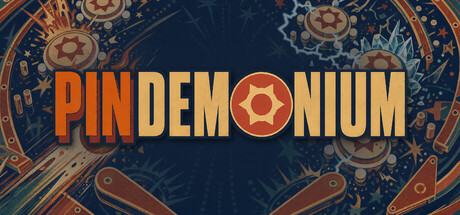 PINDEMONIUM artaudio | Icons, Sounds | Drypoint | - | Oct 1, 2026 | |
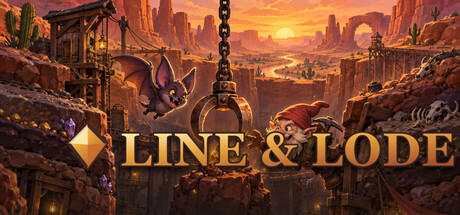 Line & Lode Store/marketing art | AI was used for Steam promotional artwork. No AI content is generated during gameplay. | nextgenrungames | - | Oct 1, 2026 | |
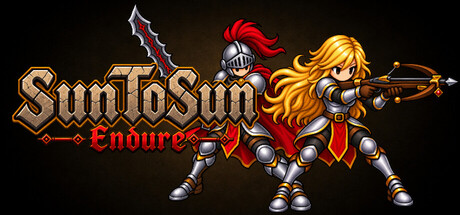 Sun To Sun: Endure In-game content artaudiotext | Some of the game's artwork was created from the developer's own sketches and refined using AI image tools. Some sound effects were produced with the help of AI audio tools. The in-game text was translated into the supported languages with the help of AI tools. All content is reviewed and approved by the developer before release. | Titan L.E.M.A.R Studios | - | Oct 1, 2026 | |
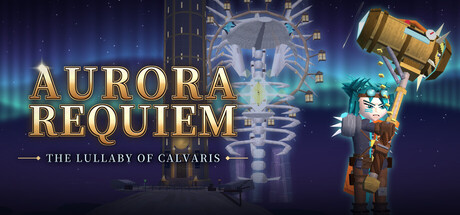 AURORA REQUIEM In-game content artcode | This game contains content created with the assistance of AI tools. AI was used during development to assist with programming, visual assets, and other creative elements. All generated content was reviewed, edited, and integrated by the dev. | ISEKAI Games | - | Oct 1, 2026 | |
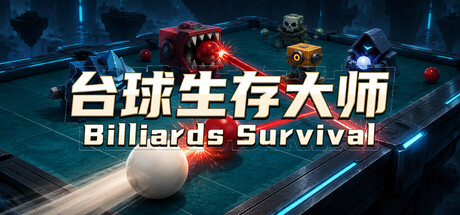 台球生存大师 Billiards Survival In-game content artcode | Portions of the art and code in this game were generated by AI. | 放马过去 | - | Oct 1, 2026 | |
 悠游白境 In-game content art | Generative AI was used during development to create some store page artwork and in-game icons. All generated content was reviewed before being included in the final product. | Fish | - | Oct 1, 2026 | |
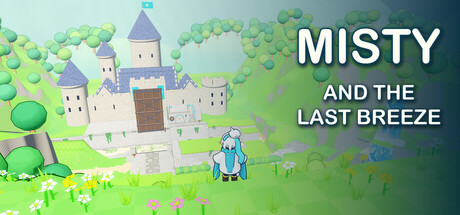 Misty and the Last Breeze In-game content artaudiocodetext | Misty and the Last Breeze is a solo-developed game made with a lot of AI assistance. Here is how AI was used.
Code. The game is built in Godot. Most of the gameplay code, tooling and automated tests were written with AI coding assistants (Claude Code and Codex), working from my design direction, and reviewed, playtested and revised by me. Design decisions, level layouts, movement feel and what ships are mine; the assistants do much of the typing.
3D models and art. Many in-game models and textures were made in Blender through scripts written with AI assistance, often rebuilt from concept images. Some of those reference images were generated with AI image tools. Other visuals, such as shaders, UI and effects, are authored in code. Painting and key-art images in the game that began as AI-generated images are kept as AI-assisted work.
Music. Music is generated with Suno and then selected, arranged and edited by me. Ambience and sound effects are mostly synthesized in code (procedural audio) rather than sampled from other artists.
Mockups and planning. I use ChatGPT's image generation for mockups, mood boards, UI layouts and promotional concepts while planning. These are for exploring ideas; they are not meant to ship as finished art unless noted above.
What is not AI. The game itself has no runtime AI: every enemy, NPC, line of dialogue and level is fixed content that I designed and authored. Nothing is generated or adapted while you play. | Ilia Reingold | - | Oct 1, 2026 | |
 STOP THE VAN! Store/marketing art | Background and Logo Created AI. | NOXP | - | Oct 1, 2026 | |
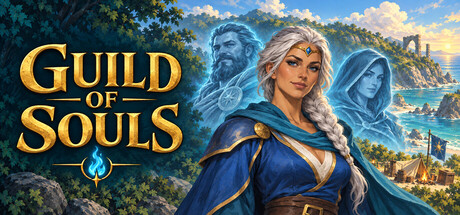 Guild of Souls In-game content art | Guild of Souls features artwork developed with generative AI. | Recoil Mojo | - | Oct 1, 2026 | |
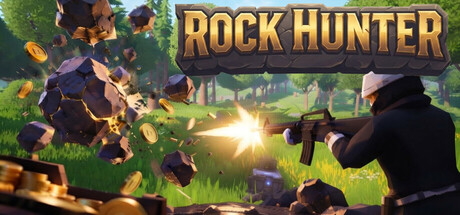 Rock Hunter Store/marketing art | AI tools were used to assist in the creation of store Assets | DNA ARMY GAMING | - | Oct 1, 2026 | |
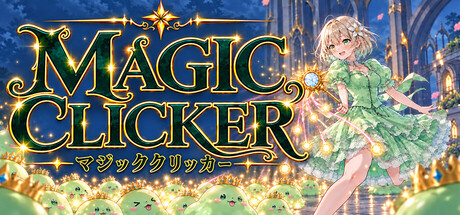 Magic Clicker In-game content artaudiotext | Generative AI was used during development to help create some of the game's images, 3D models, animations, background music, sound effects, and story and dialogue text, and to translate in-game text. This includes generating images and models, as well as creating environment models, background music, and some sound effects using AI-written scripts. The story and dialogue use AI-generated text, edited as needed. Translations were created and revised during development and included in the game. This content was created in advance during development; the game does not generate content using generative AI during gameplay. Generative AI was also used to create promotional images and translate store descriptions into multiple languages for the Steam store. | 神の子KID | - | Oct 1, 2026 | |
 Pick & Roll Manager In-game content artaudiotext | Generative AI tools were used during development to create part of what you see and hear: the portraits of the fictional players and their faces at different ages, background illustrations, the short ambient videos, the music, the commentator's recorded calls and the surnames he calls out —a synthetic voice that does not belong to any real person— and part of the art on this page. Everything was reviewed, trimmed and edited by hand before going in, and every commentator line was checked with speech recognition to make sure it says what it should. The sound effects are real public-domain recordings. The game does not generate anything with AI while you play. | Maillard Retro Labs | - | Oct 1, 2026 | |
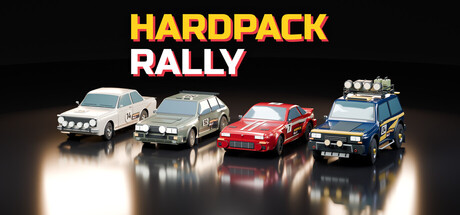 Hardpack Rally In-game content codeart | Hardpack Rally is made by solo developer Andre Gomes with assistance from AI tools, including Claude, ChatGPT and Codex. These tools help write game code and scripts that create the cars and scenery. No AI generates content while you play. | Andre Gomes | - | Oct 1, 2026 | |
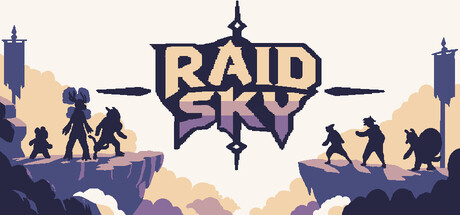 Raid Sky In-game content art | AI was used only to generate the base background artwork, which was then manually edited and adapted to fit the game's art style. | Kimicharu01 | - | Oct 1, 2026 | |
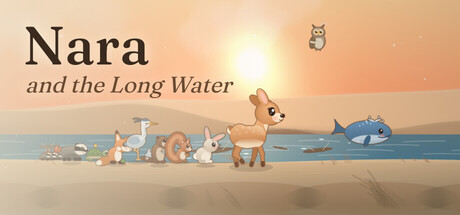 Nara and the Long Water In-game content arttextcode | Pre-generated: The game's code, the drawing code for its characters and scenery (all art is
drawn by code at runtime, with no image files), and parts of the story text and store
description were created with the help of an AI assistant, then reviewed, edited and
directed by the developer.
Live-generated: None. The game does not use AI to generate anything while it is being played. | Soon | - | Oct 1, 2026 | |
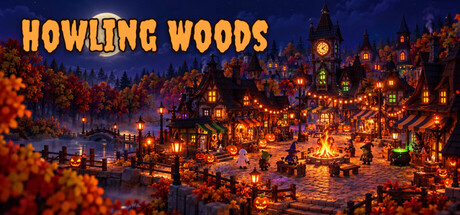 Howling Woods In-game content artaudiocode | Parts of Howling Woods were made with generative AI during development: its music and sound effects, its interface icons and store art, some of its set-piece models, and parts of its code. All of it was reviewed and reworked by hand, and nothing is generated while you play. | Clackety Rock LLC | - | Oct 1, 2026 | |
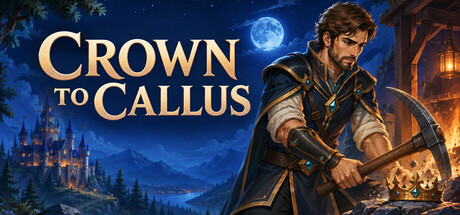 Crown to Callus In-game content artaudiotext | Generative AI was used during development to create visual assets, music and sound effects, and in-game text and translations. The game does not generate AI content during gameplay or connect to external AI services. | Hüseyin Baytar | - | Oct 1, 2026 | |
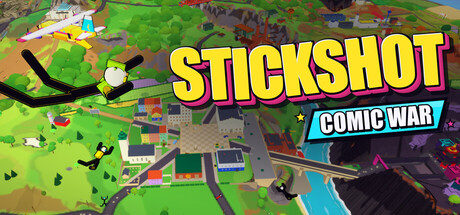 STICKSHOT: Comic War In-game content artaudiotextcode | Pre-generated: the game's code, its procedurally built 3D models, levels and effects, the synthesized in-game music, parts of the UI art, the store artwork and the store texts/translations were created with the help of AI tools (Anthropic Claude) under the developer's direction and review. The menu music tracks were generated by the developer with Google Gemini. Sound effects are edited recordings from Kenney (CC0) and Mixkit. No AI content is generated live while playing. | Millennial Game Dreams | - | Oct 1, 2026 | |
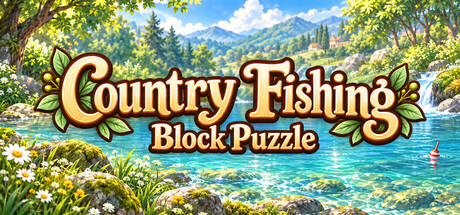 Country Fishing In-game content arttext | Generative AI was used during development to create pre-generated artwork, including backgrounds, characters, fish, food, icons, and some UI and store images. AI was also used to prepare store descriptions and translations. No content is generated by AI during gameplay. | K-Cookie Games | - | Oct 1, 2026 | |
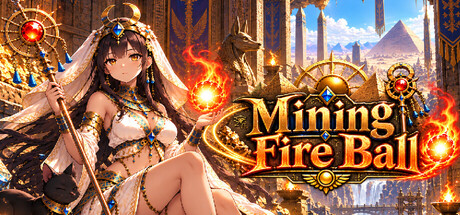 Mining Fire Ball Unclear art | Bgm and Graphics. | POCOYA | - | Oct 1, 2026 | |
 Wok the Deck In-game content arttext | Generative AI assisted the creation of characters, card artwork, environments, some interface artwork, pre-rendered animations, and some narrative and localized text during development. This content was selected, edited, and reviewed in the game. Generative AI was also used to create store artwork. Music and sound effects include locally synthesized audio. The game does not use generative AI to create content during gameplay. | 敏航 | - | Oct 1, 2026 | |
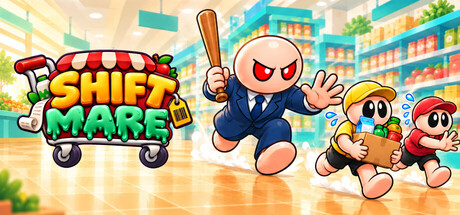 SHIFTMARE In-game content arttext | Generative AI tools helped create selected 2D artwork, including in-game branding, decorative art, and store and marketing illustrations, and assisted with translations of the store page text. This content is pre-generated; the game does not generate AI content during gameplay. | Andrii Torbenko | - | Oct 1, 2026 | |
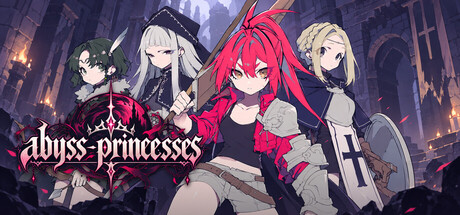 Idle Abyss Princesses In-game content artaudiotext | Generative AI tools were used during development to create or assist with character illustrations, some character sprites and other visual assets, store and promotional artwork, background music, and portions of localized text. These assets were selected, processed and integrated by the developer. The game does not generate AI content during play and does not connect to external AI services at runtime. | Peter | - | Oct 1, 2026 | |
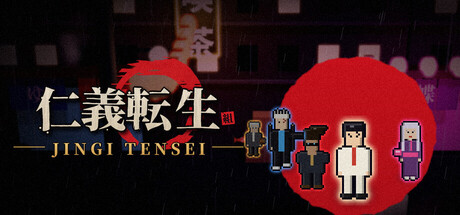 Jingi Tensei In-game content artcode | This game contains content created with the assistance of AI tools. AI was used during development to assist with programming, visual assets, and other creative elements. All generated content was reviewed, edited, and integrated by the dev. | ISEKAI Games | - | Oct 1, 2026 | |
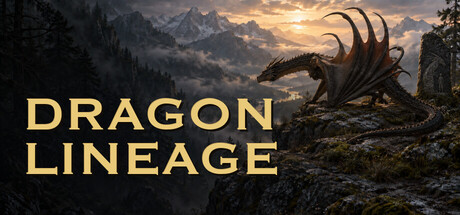 DragonLineage Store/marketing art | Generative AI was used to create some art assets (the title screen background and the store capsule images). The game does not use AI to generate any content at runtime. | C'est bon marché | - | Oct 1, 2026 | |
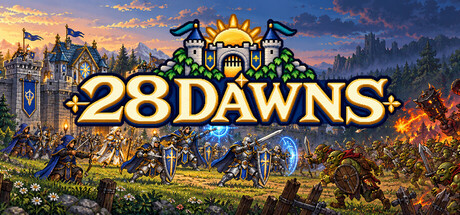 28 Dawns In-game content artaudiotext | AI-assisted tools were used during development to create some visual assets and textures, music and sound effects, and to assist with English localization. Generated promotional illustrations and pre-generated synthetic voice performances are also used in the Steam store materials and trailers. These assets were selected, edited and integrated during production. The game does not generate AI content while it is running. | Vaelmino Games | - | Oct 1, 2026 | |
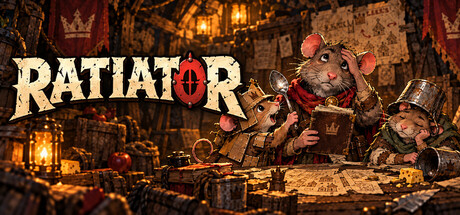 Ratiator In-game content arttext | Ratiator is made by a small independent studio, and generative AI is one of the tools that lets a tiny team build a world this big. Every piece of AI-assisted content was directed, selected and refined by us to match our own art direction and design.
Artwork: backgrounds, UI elements, event illustrations, icons and key art were created with AI image tools from our concepts and art direction, then curated, edited and assembled by hand.
3D models: our rats and their household-junk weapons and armour started as AI-generated 3D models built from our concept art. We then rigged, fitted, animated and tuned them with our own tools, so every rat moves and fights the way we designed it.
Animation: a few short cinematic clips and the living light in some backgrounds (flickering lanterns, flowing water) were made with AI video tools and blended into our original paintings.
Writing: story and event texts were drafted with the help of an AI writing assistant, then edited and shaped by us to fit the world and its humour.
Nothing in the game is generated by AI while you play. Every fight, rat and story event is driven by the game's own systems, and no player data is sent to any AI service. | Akando Games | - | Oct 1, 2026 | |
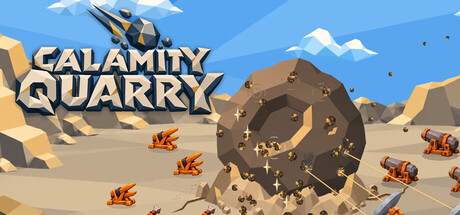 Calamity Quarry In-game content arttext | Some artwork, translations, and store page text were created with the help of AI tools. | Prussian_lemon | - | Oct 1, 2026 | |
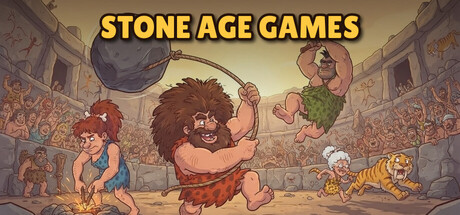 Stone Age Games In-game content artaudio | Pre-generated AI artwork, music and sound effects. No live AI generation during gameplay. | chi yin so | - | Oct 1, 2026 | |
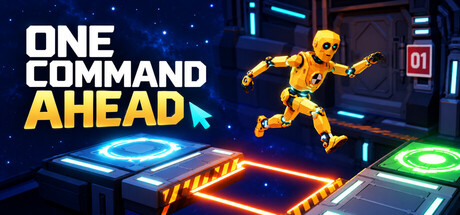 One Command Ahead In-game content audiotextart | Generative AI tools were used during development to create pre-generated character voices, music, and store artwork, and to assist with writing. These assets are prepared in advance. The game does not generate AI content or connect to third-party AI services during gameplay. | Newtro Studios | - | Oct 1, 2026 | |
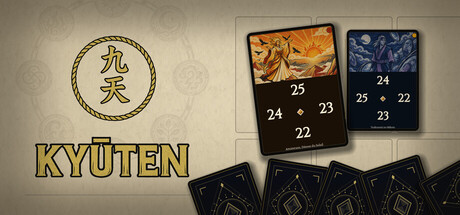 Kyūten In-game content artaudiotext | Generative AI tools were used during development to create visual assets and music, and to assist with localization. All content is prepared in advance. The game does not generate AI content during gameplay or connect to external AI services. | Pix4Geeks | - | Oct 1, 2026 | |
 Valoria In-game content art | Most graphics are generatively produced with refined qualities. | Ironstone Interactive | - | Oct 1, 2026 | |
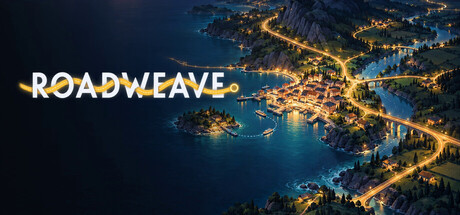 Roadweave In-game content artaudio | Some visual assets and the music in Roadweave were created with the help of generative AI tools during development: the key art, logo, store and library artwork, icons and achievement badges were made with image tools, and the soundtrack with a music tool. Every asset was selected and edited by the developer before release.
Generative AI is not used while you play. Maps are built by the game's own procedural generator from a seed — ordinary game code, not AI. | AppGX | - | Oct 1, 2026 | |
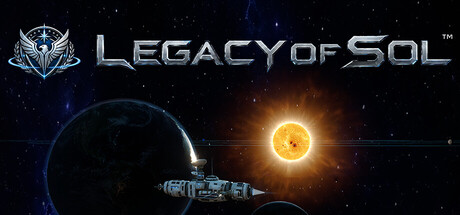 Legacy of Sol In-game content art | Generative AI-assisted tools were used during development to support the creation and refinement of some pre-generated visual assets. No AI content is generated during gameplay. | LittleShark Marketing Kft. | - | Oct 1, 2026 | |
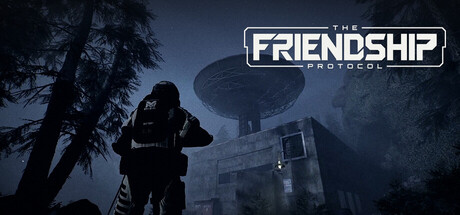 The Friendship Protocol In-game content artaudio | Some 3D models, illustrations and music in the current version were created with the help of generative AI tools and then edited and integrated by our team. They are placeholders: we are replacing them with work by human artists as development continues. | Parabola Studio | - | Oct 1, 2026 | |
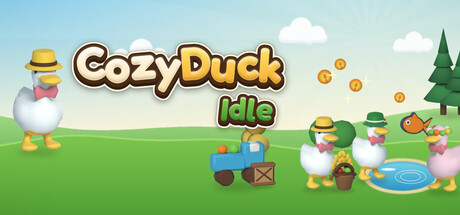 CozyDuck Idle In-game content textart | Parts of this game were made with the help of AI tools: the store page text, the Turkish and Simplified Chinese translations, and some of the 3D models, UI graphics and store images. The game does not generate any content with AI while you play. | Eren Kurular | - | Oct 1, 2026 | |
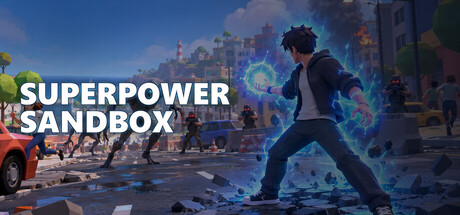 Superpower Sandbox Store/marketing artaudio | The key art, store capsules and library artwork were created with an AI image generator and edited by the developer. The trailer music was generated with Suno under a paid plan. No AI-generated content is included in the game itself, and the game runs no AI generation and requires no AI service. | PHABDEV | - | Oct 1, 2026 | |
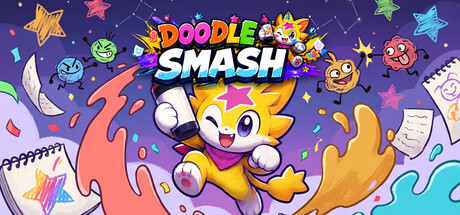 らくがきスマッシュ / Doodle Smash In-game content artaudio | Some assets in this game were created with generative AI tools during development and then selected and edited by hand: the store key art and capsule images, some in-game images (UI decorations, stage backgrounds and some illustrations), and the background music and jingles. No generative AI is used while you play: the stats and skills of your drawing are decided by deterministic on-device image processing, and nothing is sent to an AI service. | 白鳥のぞみ | - | Oct 1, 2026 | |
 Trivia Mania Dev only textartaudio | Trivia Mania was designed, directed, reviewed and tested by a solo developer. AI tools supported the drafting, editing and fact-checking of the questions and answers, and helped make the game's art and sound. No AI is embedded in the game and nothing is generated while you play. | Trivia Mania | - | Oct 1, 2026 | |
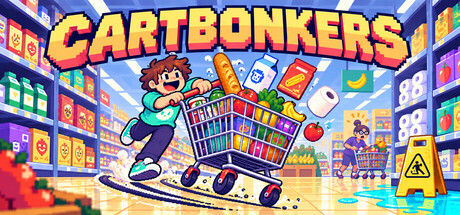 Cartbonkers In-game content arttextcode | The key art, store capsules and library artwork were created with an AI image generator and reviewed by the developer. In-game pixel art sprites, the bitmap font, sound effects and music are produced by original project code written with AI coding assistance. Store and in-game text were drafted with AI assistance and edited by the developer. The game does not generate any content with AI while running and requires no AI service. | PHABDEV | - | Oct 1, 2026 | |
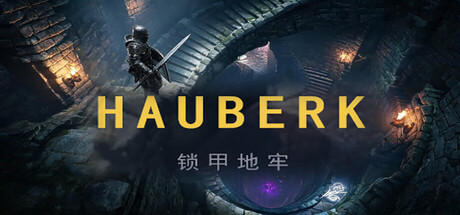 Hauberk锁甲地牢 In-game content art | The game's art assets (tile, monster and item sprite atlases) were produced during development using OpenAI's image generation service. We then processed the output ourselves into transparent PNGs and assembled them into atlases, which ship as static assets inside the build. The game does not call any AI service at runtime and contains no live-generated content. Every generated image was manually reviewed and corrected before being added to the atlas. Apart from the art, the code, game design, balance and text involve no AI-generated content. | BAI XIAN LE | - | Oct 1, 2026 | |
 Roguelette In-game content art | Generative AI was used during development to help create some visual assets and assist with development work. The resulting content was selected, edited, and integrated into the game by the developer. | Nightbyte | - | Oct 1, 2026 | |
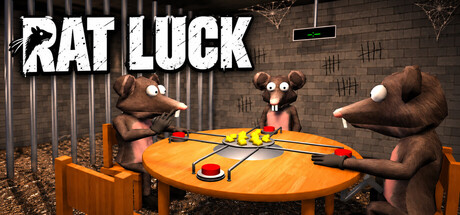 RAT LUCK In-game content art | Generative AI tools were used to assist in creating some pre-generated decorative in-game artwork, including wall posters, as well as selected promotional and Steam store artwork. All generated content was reviewed and edited before inclusion. The game does not use live-generated AI content during gameplay. | Miloš Lužnjanin | - | Oct 1, 2026 | |
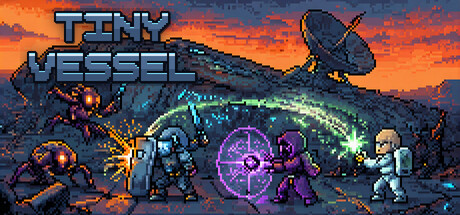 Tiny Vessel In-game content artaudiotext | Some of the game's pre-rendered assets were created with generative AI tools during development and then reviewed, edited and integrated by the developer: parts of the pixel art, parts of the sound effects, and the translations from the English original. Nothing is generated while you play: the game uses no AI at runtime and collects no player data for AI training. | Lazy Frog Games | - | Oct 1, 2026 | |
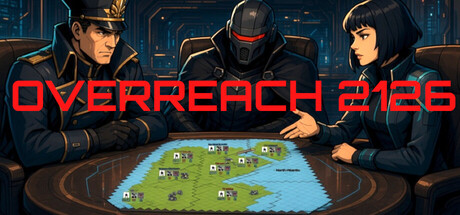 OVERREACH 2126 Dev only artcode | Generative AI was used in supporting the generation of artwork, code, testing and marketing. | The Extremely Tiny Game Studio | - | Oct 1, 2026 | |
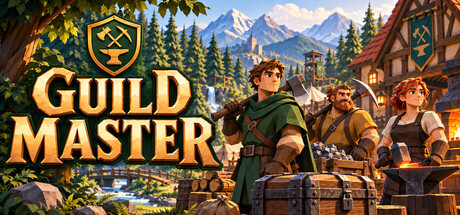 Guild Master In-game content art | Guild Master features artwork developed with generative AI. | Recoil Mojo | - | Oct 1, 2026 |


