Public Steam disclosure research25,497 disclosures tracked
Where do games disclose AI use?
Search developers’ Steam disclosures, compare classified AI use across
games, and follow recorded changes.
This index adds cross-game classifications and statistics to
statements published on individual store pages.
Groups reflect automatic analysis of public disclosures; mature records are excluded. These counts do not measure AI use across all of Steam.
Missing or unclear statements cannot establish whether a game uses AI.
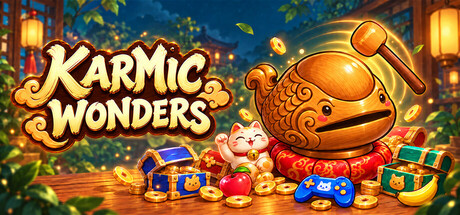
Generative AI was used during development to create or assist with some in-game artwork, promotional images, written content, and localization. The game does not use generative AI to generate content during gameplay.
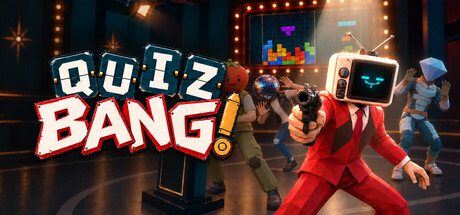
Generative AI tools were used during development to help create portions of the artwork and promotional imagery, prerecorded voice-over, and some game text and localization. These materials are prepared in advance. The game does not generate AI content during gameplay or connect to external generative AI services.
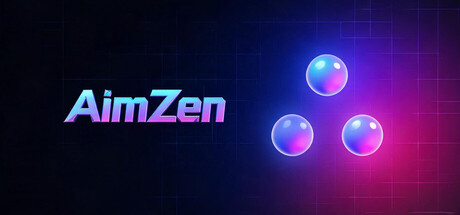
Generative AI tool TRAE was used during development to assist in writing portions of the codebase. The visual elements presented in-game — including the target spheres, ground plane, and sky — are directly generated by this code. The generation logic for the ground texture was produced with TRAE and was reviewed and approved by the developer before shipping in the final build. All AI-assisted visual content has been reviewed by the developer to ensure it meets expectations and platform standards. This software does not include any live-generated AI content at runtime.
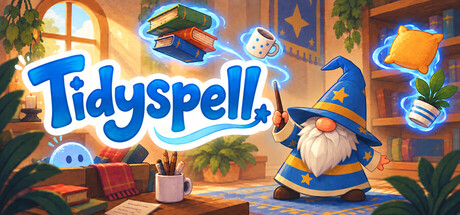
Generative AI was used as an assistive development tool for programming, debugging and technical problem solving. Some developer created 2D concepts may also be refined using generative AI. Final creative direction, editing, implementation, game design and level design are handled by the developer.
Generative AI tools were used to assist with the creation and refinement of some pre-generated 3D assets and localization. All AI-assisted content was reviewed, edited, and integrated by the developer. The game does not use generative AI to create content during gameplay.
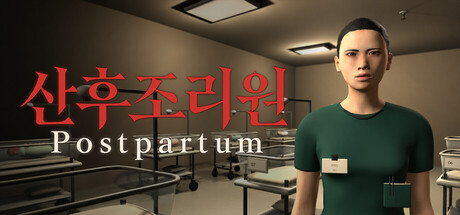
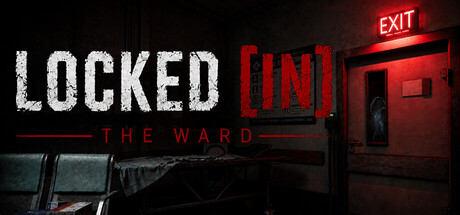
Generative AI was used during development as an assistive tool for code prototyping and localization, and to create some pre-generated visual content, including fictional patient photographs used as environmental and narrative elements in the game. AI-generated concept art is used only as internal visual reference and is not included as game assets.
All AI-generated content included in the game is pre-generated. No generative AI runs during gameplay. Final level design, asset placement, gameplay systems, narrative implementation, and asset integration are created and assembled by the developer.
Some of the game's content was created with the help of generative AI tools and then edited, cleaned up, rigged, animated and integrated by the developer. This includes 3D models of characters and enemies, 2D art such as ability icons, UI elements and some store page artwork, sound effects, and parts of the store page text. All gameplay, design, balance and final assembly were done by the developer.
The game contains pre-generated artwork and AI-assisted narrative/localization created during development under human direction.
The assets were iteratively selected, composed, edited and reviewed for this project.
Prompts requested generic original fantasy subjects and did not request existing characters, logos, or the imitation of a named living artist.
No generative AI service runs during gameplay and players cannot submit prompts.
This game makes extensive use of generative AI during development to assist with visual, music, and written content, including background artwork, visual assets, game music, and discussion, revision, and polishing of the script.
Generated content is reviewed, selected, edited, and integrated by the developer before being used in the game.
The script, character settings, and overall creative direction are led by the developer and developed through an iterative collaboration with generative AI.
Most of the game's visual art and sound was pre-generated with AI tools and then selected, edited and placed by the developer: the dungeon panoramas, room props, floors, town and building plates, character portraits, walk and combat sprite sheets, monster, boss and villager sprites, item, skill and stack icons, combat and reward effects, and the store page art were generated with the FLUX.1 image model through fal.ai and animated with AutoSprite; the sound effects, ambience beds, voice barks and music were generated with ElevenLabs. Every generated file, the tool that made it and the prompt that asked for it are recorded in the game's files (assets/README.md and assets/PROMPTS.md). All game text, design, rules and code are written by people. Nothing is generated while you play: the game contains no live AI generation and calls no AI service at runtime.
Generative AI was used during development to assist with the creation and refinement of some visual assets, including character artwork, environmental artwork, icons, and promotional imagery. AI-assisted assets were reviewed, edited, and integrated by the developer to maintain a consistent visual style. Generative AI is not used during gameplay and does not generate content in real time.
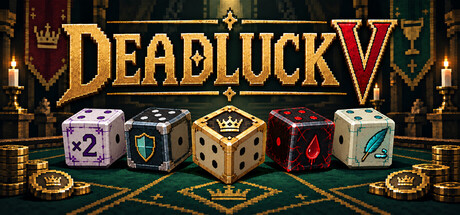
DEADLUCK V was created using generative AI, including its artwork, music, sound effects and written content. This content was generated during development. The game does not generate AI content or connect to AI services during gameplay.
Generative AI tools were used during development to assist with the creation of some 2D visual assets and development-related content. All AI-assisted content is reviewed and integrated by the development team.
Some 2D artwork used in this game (such as character and environment illustrations) was created or assisted with generative AI tools, then selected and edited by the developer for the final game. Gameplay systems, puzzles, and interactive logic were designed and implemented by the developer. The game does not use generative AI to create content in real time during play.
Generative AI was used during development to help create some of the game's artwork, written content, and translations, as well as some store-page images and text. This content was prepared before release. The game does not generate AI content during gameplay.
Generative AI tools were used during development to help create content in this game. This includes artwork (such as player portraits and promotional art) and the game's music soundtrack, which was generated with AI music tools under a commercial licence. The store page trailer includes gameplay stills that were animated using an AI video tool. All AI-assisted content was selected, reviewed and edited by the developer. The game does not generate any AI content while you play.
This game includes assets created with generative AI during development (official music, song artwork, and drum animations). Nothing is generated while you play, and the game does not connect to an AI service at runtime. Players cannot send prompts to any AI.
Some store and library capsule art was produced with image-generation tools
(SDXL and a chat assistant) using our own in-game screenshots as the input
image. The underlying game content -- models, textures, code, text -- is
authored by us without generative AI. All generated art was reviewed by us
before publication.
CHESS: ARCADE uses generative AI for its 2D artwork and for its music.
The illustrated assets — move callouts, effect overlays, chess piece sets, UI plates, the title graphic and the game icon — were generated with GPT Image 2 from prompts we wrote and iterated on ourselves. Every generated image then goes through our own import pipeline (trim, alpha normalisation, correction onto the game's fixed palette, downscale), is reviewed in the running game by hand, and is reworked or discarded when it misses. All of it ships as fixed image files inside the build.
The soundtrack was composed with generative AI: the melodies, harmony and arrangements were written with AI assistance, then reviewed, edited and mixed by hand. The game ships no audio files and uses no AI audio model — the score exists as note data that the game's own synthesiser renders procedurally at first launch. Twelve of the tracks are arrangements of public-domain classical themes; the rest are original.
Nothing is generated while you play, and the game never connects to an AI service. The opponent is a classical alpha-beta chess engine with a hand-written evaluation and opening book, and the puzzles come from the public Lichess puzzle database, verified against that engine. No player input, game data or personal data is ever sent to an AI model.
Some promotional images on the store page were generated with AI and are used only to represent the game’s overall mood and visual direction. They may not fully reflect the final in-game content. The game’s visuals, gameplay, and assets are still in development and may change before release.
Generative AI was used during development to create pre-generated visual assets for the game, including character artwork, card artwork, backgrounds, visual effects, textures, UI artwork, and promotional materials.
All AI-generated content is reviewed and curated by the developer before being included in the game.
The game does not use live generative AI during gameplay.
Coding was done with help of generative artificial intelligence. Music was downloaded online from copyright free assets. Art was done by myself with some vfx done with help of generative artificial intelligence.
All translations were done by AI, because I don't speak that many languages... I hope in future people can help me translate all these
Generative AI tools were used to assist in creating some of this game's artwork and store page imagery, and to assist with translating its text into the supported languages. All translations were reviewed before shipping.
No content is generated by AI during gameplay.
- AI is used to help write scripts that create or modify some 3D models. In addition to creating many, I also personally refine and finish all models in Blender.
All additional art is human-made:
- Artwork: Created by me and my niece, with some icons licensed from the Unity Asset Store.
- Steam capsule artwork is by @Camilieroart
- Sound effects were created by myself and Kris McNaney, with additional sounds licensed from Uppbeat’s human-made library.
- Original music by Kris McNaney, with additional tracks licensed from Uppbeat’s human-made library.
Generative AI tools were used during development to help write portions of the game's code and create some UI elements and store promotional materials. These materials were created before release. The game does not generate content with AI during gameplay.
Some visual, audio and written content was created with the help of AI tools and then reworked and finalized by the developer. Nothing is generated while you play.
Generative AI tools were used during development to create or assist with pre-made visual artwork, interface artwork and icons, procedural 3D modeling scripts, prerecorded faction voice lines, sound effects, and music. This includes voice lines and sound effects generated with ElevenLabs. These assets are prepared and integrated into the game before release. The game does not generate AI content during play or connect to an AI generation service. Computer-controlled opponents use scripted game logic.
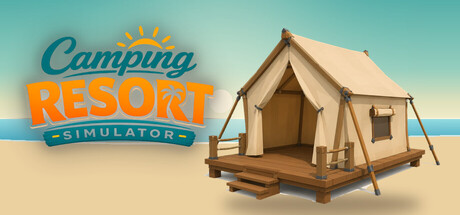
Some content in Camping Resort Simulator was made with the help of generative AI tools and then reviewed and reworked by the developer:
- base 3D models for some buildings, props and characters, retouched by hand;
- the music of the in-game radio;
- the first draft of the translations;
- some promotional artwork.
Nothing is generated by AI while you play.
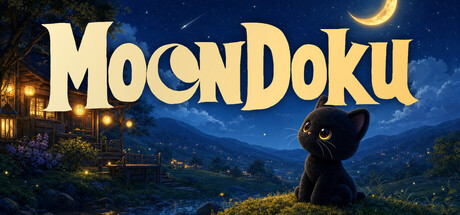
Some of MoonDoku's art and audio was made with generative AI tools while I built the game: the animated world backdrops, the MoonDoku FM music, a few sound effects, parts of the store and icon art, and a handful of smaller in-game images. I directed, edited, and composited all of it by hand.
Everything else is made without generative AI. The puzzles come from my own deterministic generator, the cat is a commissioned 3D model I animated in Blender, and the game design & layout are directly from my brain.
Nothing is generated while you play, and the game never talks to an AI service.
Some promotional artwork and visual assets were created with the assistance of generative AI and have been reviewed, refined, and integrated by the developer. No generative AI is used during gameplay.
Parts of this app were made with generative AI.
- Artwork: the store images, and the thumbnail art for the sound packs the developer publishes to the Steam Workshop, were created with AI image tools.
- Text: the store description and the in-app interface text were drafted and translated with AI assistance.
All keyboard sounds are recordings captured from real keyboards - none of the audio is AI-generated. The app does not generate any content while it runs, and it does not connect to any AI service.
Generative AI was used during development to create or assist with some in-game artwork, promotional images, written content, and localization. The game does not use generative AI to generate content during gameplay.
Generative AI tools were used during development to help create portions of the artwork and promotional imagery, prerecorded voice-over, and some game text and localization. These materials are prepared in advance. The game does not generate AI content during gameplay or connect to external generative AI services.
Generative AI tool TRAE was used during development to assist in writing portions of the codebase. The visual elements presented in-game — including the target spheres, ground plane, and sky — are directly generated by this code. The generation logic for the ground texture was produced with TRAE and was reviewed and approved by the developer before shipping in the final build. All AI-assisted visual content has been reviewed by the developer to ensure it meets expectations and platform standards. This software does not include any live-generated AI content at runtime.
Generative AI was used as an assistive development tool for programming, debugging and technical problem solving. Some developer created 2D concepts may also be refined using generative AI. Final creative direction, editing, implementation, game design and level design are handled by the developer.
Generative AI tools were used to assist with the creation and refinement of some pre-generated 3D assets and localization. All AI-assisted content was reviewed, edited, and integrated by the developer. The game does not use generative AI to create content during gameplay.
Generative AI was used during development as an assistive tool for code prototyping and localization, and to create some pre-generated visual content, including fictional patient photographs used as environmental and narrative elements in the game. AI-generated concept art is used only as internal visual reference and is not included as game assets.
All AI-generated content included in the game is pre-generated. No generative AI runs during gameplay. Final level design, asset placement, gameplay systems, narrative implementation, and asset integration are created and assembled by the developer.
Some of the game's content was created with the help of generative AI tools and then edited, cleaned up, rigged, animated and integrated by the developer. This includes 3D models of characters and enemies, 2D art such as ability icons, UI elements and some store page artwork, sound effects, and parts of the store page text. All gameplay, design, balance and final assembly were done by the developer.
The game contains pre-generated artwork and AI-assisted narrative/localization created during development under human direction.
The assets were iteratively selected, composed, edited and reviewed for this project.
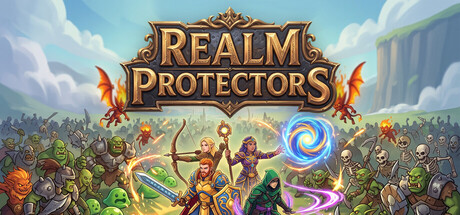
Prompts requested generic original fantasy subjects and did not request existing characters, logos, or the imitation of a named living artist.
No generative AI service runs during gameplay and players cannot submit prompts.
This game makes extensive use of generative AI during development to assist with visual, music, and written content, including background artwork, visual assets, game music, and discussion, revision, and polishing of the script.
Generated content is reviewed, selected, edited, and integrated by the developer before being used in the game.
The script, character settings, and overall creative direction are led by the developer and developed through an iterative collaboration with generative AI.
Most of the game's visual art and sound was pre-generated with AI tools and then selected, edited and placed by the developer: the dungeon panoramas, room props, floors, town and building plates, character portraits, walk and combat sprite sheets, monster, boss and villager sprites, item, skill and stack icons, combat and reward effects, and the store page art were generated with the FLUX.1 image model through fal.ai and animated with AutoSprite; the sound effects, ambience beds, voice barks and music were generated with ElevenLabs. Every generated file, the tool that made it and the prompt that asked for it are recorded in the game's files (assets/README.md and assets/PROMPTS.md). All game text, design, rules and code are written by people. Nothing is generated while you play: the game contains no live AI generation and calls no AI service at runtime.
Generative AI was used during development to assist with the creation and refinement of some visual assets, including character artwork, environmental artwork, icons, and promotional imagery. AI-assisted assets were reviewed, edited, and integrated by the developer to maintain a consistent visual style. Generative AI is not used during gameplay and does not generate content in real time.
DEADLUCK V was created using generative AI, including its artwork, music, sound effects and written content. This content was generated during development. The game does not generate AI content or connect to AI services during gameplay.
Generative AI tools were used during development to assist with the creation of some 2D visual assets and development-related content. All AI-assisted content is reviewed and integrated by the development team.
Some 2D artwork used in this game (such as character and environment illustrations) was created or assisted with generative AI tools, then selected and edited by the developer for the final game. Gameplay systems, puzzles, and interactive logic were designed and implemented by the developer. The game does not use generative AI to create content in real time during play.
Generative AI was used during development to help create some of the game's artwork, written content, and translations, as well as some store-page images and text. This content was prepared before release. The game does not generate AI content during gameplay.
Generative AI tools were used during development to help create content in this game. This includes artwork (such as player portraits and promotional art) and the game's music soundtrack, which was generated with AI music tools under a commercial licence. The store page trailer includes gameplay stills that were animated using an AI video tool. All AI-assisted content was selected, reviewed and edited by the developer. The game does not generate any AI content while you play.
This game includes assets created with generative AI during development (official music, song artwork, and drum animations). Nothing is generated while you play, and the game does not connect to an AI service at runtime. Players cannot send prompts to any AI.
Some store and library capsule art was produced with image-generation tools
(SDXL and a chat assistant) using our own in-game screenshots as the input
image. The underlying game content -- models, textures, code, text -- is
authored by us without generative AI. All generated art was reviewed by us
before publication.
CHESS: ARCADE uses generative AI for its 2D artwork and for its music.
The illustrated assets — move callouts, effect overlays, chess piece sets, UI plates, the title graphic and the game icon — were generated with GPT Image 2 from prompts we wrote and iterated on ourselves. Every generated image then goes through our own import pipeline (trim, alpha normalisation, correction onto the game's fixed palette, downscale), is reviewed in the running game by hand, and is reworked or discarded when it misses. All of it ships as fixed image files inside the build.
The soundtrack was composed with generative AI: the melodies, harmony and arrangements were written with AI assistance, then reviewed, edited and mixed by hand. The game ships no audio files and uses no AI audio model — the score exists as note data that the game's own synthesiser renders procedurally at first launch. Twelve of the tracks are arrangements of public-domain classical themes; the rest are original.
Nothing is generated while you play, and the game never connects to an AI service. The opponent is a classical alpha-beta chess engine with a hand-written evaluation and opening book, and the puzzles come from the public Lichess puzzle database, verified against that engine. No player input, game data or personal data is ever sent to an AI model.
Some promotional images on the store page were generated with AI and are used only to represent the game’s overall mood and visual direction. They may not fully reflect the final in-game content. The game’s visuals, gameplay, and assets are still in development and may change before release.
Generative AI was used during development to create pre-generated visual assets for the game, including character artwork, card artwork, backgrounds, visual effects, textures, UI artwork, and promotional materials.
All AI-generated content is reviewed and curated by the developer before being included in the game.
The game does not use live generative AI during gameplay.
Coding was done with help of generative artificial intelligence. Music was downloaded online from copyright free assets. Art was done by myself with some vfx done with help of generative artificial intelligence.
All translations were done by AI, because I don't speak that many languages... I hope in future people can help me translate all these
Generative AI tools were used to assist in creating some of this game's artwork and store page imagery, and to assist with translating its text into the supported languages. All translations were reviewed before shipping.
No content is generated by AI during gameplay.
- AI is used to help write scripts that create or modify some 3D models. In addition to creating many, I also personally refine and finish all models in Blender.
All additional art is human-made:
- Artwork: Created by me and my niece, with some icons licensed from the Unity Asset Store.
- Steam capsule artwork is by @Camilieroart
- Sound effects were created by myself and Kris McNaney, with additional sounds licensed from Uppbeat’s human-made library.
- Original music by Kris McNaney, with additional tracks licensed from Uppbeat’s human-made library.
Generative AI tools were used during development to help write portions of the game's code and create some UI elements and store promotional materials. These materials were created before release. The game does not generate content with AI during gameplay.
Some visual, audio and written content was created with the help of AI tools and then reworked and finalized by the developer. Nothing is generated while you play.
Generative AI tools were used during development to create or assist with pre-made visual artwork, interface artwork and icons, procedural 3D modeling scripts, prerecorded faction voice lines, sound effects, and music. This includes voice lines and sound effects generated with ElevenLabs. These assets are prepared and integrated into the game before release. The game does not generate AI content during play or connect to an AI generation service. Computer-controlled opponents use scripted game logic.
Some content in Camping Resort Simulator was made with the help of generative AI tools and then reviewed and reworked by the developer:
- base 3D models for some buildings, props and characters, retouched by hand;
- the music of the in-game radio;
- the first draft of the translations;
- some promotional artwork.
Nothing is generated by AI while you play.
Some of MoonDoku's art and audio was made with generative AI tools while I built the game: the animated world backdrops, the MoonDoku FM music, a few sound effects, parts of the store and icon art, and a handful of smaller in-game images. I directed, edited, and composited all of it by hand.
Everything else is made without generative AI. The puzzles come from my own deterministic generator, the cat is a commissioned 3D model I animated in Blender, and the game design & layout are directly from my brain.
Nothing is generated while you play, and the game never talks to an AI service.
Some promotional artwork and visual assets were created with the assistance of generative AI and have been reviewed, refined, and integrated by the developer. No generative AI is used during gameplay.
Parts of this app were made with generative AI.
- Artwork: the store images, and the thumbnail art for the sound packs the developer publishes to the Steam Workshop, were created with AI image tools.
- Text: the store description and the in-app interface text were drafted and translated with AI assistance.
All keyboard sounds are recordings captured from real keyboards - none of the audio is AI-generated. The app does not generate any content while it runs, and it does not connect to any AI service.