Public Steam disclosure research25,508 disclosures tracked
Where do games disclose AI use?
Search developers’ Steam disclosures, compare classified AI use across
games, and follow recorded changes.
This index adds cross-game classifications and statistics to
statements published on individual store pages.
Groups reflect automatic analysis of public disclosures; mature records are excluded. These counts do not measure AI use across all of Steam.
Missing or unclear statements cannot establish whether a game uses AI.
NBD2 is an AI game development studio. As a solo indie dev who is unlikely to ever make a dime from any of my games, there's no other way I could bring my ideas to life.
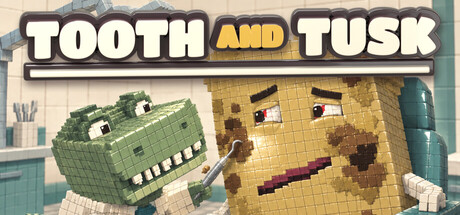
Tooth and Tusk was created using generative AI throughout development, including its artwork and visuals, music, sound effects, character voices, text and dialogue, and game code. All AI generation took place during development. The game does not generate AI content or code during play or connect to an external AI service.
I recognize AI in game development is an extremely sensitive topic and I appreciate both sides. I only hope the game is fun.
The goal should always be making something that human beings will enjoy.
Generative AI tools were used to assist in creating promotional artwork, cover images, and store page visual assets. The game itself does not generate AI content during gameplay.
Generative AI was used during development to help create some visual assets included in the game, including artwork and models, and to assist with translation of in-game text. Generative AI was also used to create promotional artwork and help write the descriptions on this Steam store page. These materials and translations are prepared in advance. The game does not use AI to generate content or code during gameplay and does not connect to external AI services.
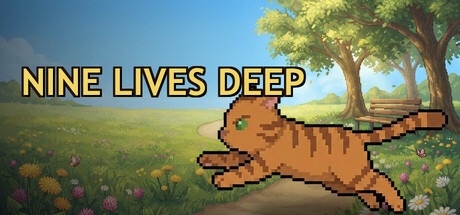
Some 2D artwork in Nine Lives Deep including select UI elements, item icons, and environment backgrounds was created with the help of generative AI image tools during development. All such content is static and fixed at the time the game ships; nothing is generated live during gameplay, and the game does not connect to any AI service while you play.
This game uses generative AI in the creation of some 2D and 3D artwork, images and videos used for visual presentation, as well as assets for the Steam store page and marketing materials. Generative AI-assisted tools were also used for some text creation and localization. All generated content has been reviewed and edited by the developer before use. The game does not use generative AI to generate content in real time during gameplay.
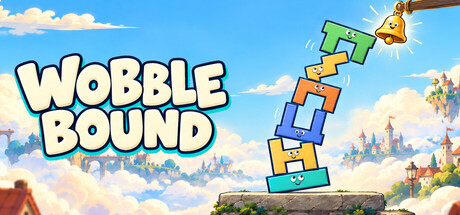
AI tools were used during development to create illustrated backgrounds, decorative sprites, interface artwork and promotional images. These assets were reviewed and integrated into the finished game. Wobblebound does not generate AI content during gameplay.
Generative AI tools were used during development across visual assets, audio, and written content. AI-assisted outputs were substantially edited, composited, photobashed and hand-painted by the developer before inclusion in the game. No generative AI is used at runtime.
Generative AI tools were used during the development of the game to create and assist with certain pieces of content.
AI was used to generate some visual elements, including individual icons, as well as some sound effects. Some generated assets were further edited and adapted for use in the game.
AI was also used as an assisting tool for creating text content and localizing the game into other languages.
Generative AI tools were used during development to help create some 3D models and textures, UI and icon artwork, character voice recordings, sound effects, promotional artwork, and store-page text. These are pre-generated assets and text.
Pre-generated content only; nothing is generated while playing. The painted room backgrounds, the doorway arches, character and creature sprites and the key art (title picture, also the basis of the store capsules) were created with a generative image model (OpenAI gpt-image-2) and then hand-composed, cropped, colour-matched and fitted with collision by the developer. Code, level design and texts were written with AI assistance (Anthropic Claude) under human direction and testing; music is synthesised by the game's own code (no AI audio). — DE: Ausschliesslich vorgenerierte Inhalte, nichts wird während des Spielens erzeugt. Die gemalten Raumhintergründe, Torbögen, Figuren- und Kreaturen-Sprites sowie die Schlüsselgrafik (Titelbild, Grundlage der Shop-Kapseln) wurden mit einem generativen Bildmodell (OpenAI gpt-image-2) erzeugt und anschliessend vom Entwickler von Hand komponiert, beschnitten, farblich abgestimmt und mit Kollision belegt. Code, Leveldesign und Texte sind mit KI-Unterstützung (Anthropic Claude) unter menschlicher Leitung und Prüfung entstanden; die Musik wird vom Spielcode selbst synthetisiert (kein KI-Audio).
Pre-generated content: some character and venue artwork, some 3D props, the cast voice lines, the intro films and the translations were created with AI tools and reviewed by the developer. No content is generated at runtime.
Quest for the Golden Nail was made with extensive use of generative AI. All creative, design and production decisions were made by a human developer.
Generative AI was used for:
Code and implementation support: OpenAI Codex and Anthropic Claude
3D Art & Textures: Codex, ChatGPT / Imagen, Meshy.ai
Writing and translation support: ChatGPT
Sounds and voices were recorded by humans.
Every part of the game was directed, reviewed, tested and refined by hand.
This game uses Generative AI tools to assist in the creation of select visual assets and graphic elements, such as icons, background textures, and concept art.
All generated assets were subsequently reviewed, edited, and manually integrated by our team to ensure quality, consistency, and a seamless gameplay experience.
These features will be replaced as the game progresses through development.
We currently use generative AI-assisted tools during development to create some pre-generated visual content.
The capsule artwork on the Steam store page is currently AI-assisted and is intended to be replaced before release. We also use Kimodo as an aid in generating and refining character animations used in the game.
The game does not generate AI content during gameplay and does not connect to external AI services while running.
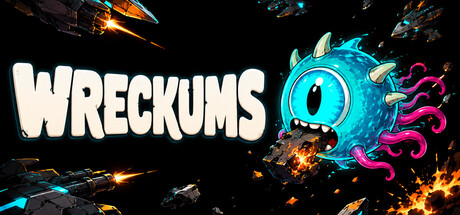
Generative AI tools were used during development to help create selected artwork, audio assets, and promotional materials. These materials were reviewed and selected by the developer. Wreckums does not generate AI content during gameplay or connect to external AI services while you play.
We use generative AI as a reference and drafting tool, and always finish by hand. Early in development we generated AI concept images to explore ideas and mood; those are reference only. All in-game models, animation and UI are built by hand in 3D by the two of us. Some in-game textures were first generated with AI as a guide and then retouched by hand. The store key art is rendered from the game's own 3D characters and scenes, run through an AI tool for style, then composited and retouched by hand. Store text was drafted with an AI assistant and rewritten by us. The game does not use generative AI while you play.
Generative AI tools were used during development to assist with concept art, promotional/store imagery, and some code. No content is generated in real time while playing — all in-game assets and text are fixed and do not change at runtime.
Player portraits that will ship with the game will be generated in ComfyUI. Claude Code has been used for debugging, testing, and painful algorithm assistance (scheduling).
Some store page promotional images and capsule artwork were created with generative AI. All in-game assets, models and UI graphics are manually created by the development team. No AI-generated content will be produced during gameplay.
Some visual assets used on the Steam store page were created with the assistance of generative AI. The game itself does not contain AI-generated content and does not include any live-generated AI features.
This software used generative AI assistance during development and publishing: programming code development assistance (large language models such as DeepSeek), store page promotional artwork generated with ChatGPT, and localization of the interface languages. The software does NOT use any AI at runtime, does not generate any AI content while running, and does not connect to any external AI service.
Generative AI was used during development to assist in creating and refining some pre-generated artwork, audio elements, text, and localized text. All content included with the game was selected, edited, and reviewed by the developer. The game does not generate AI content during gameplay and does not connect to external AI services.
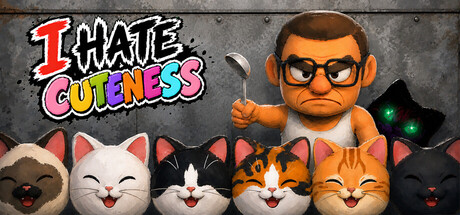
This game's cat characters are based on art assets we created, expanded with generative AI into a variety of patterns and colors. Generative AI image tools were also used at the concept stage for the store page's capsule images and icons.
Players can also optionally register their own free Google API key to chat with their cats or check today's fortune. This feature connects live to Google's Gemini API while the game is running to generate responses; the rest of the game can be enjoyed the same way without registering a key.
Generative AI tools were used to assist in the creation of certain visual assets during development. All final in-game content was reviewed and edited by the developer. No AI-generated content is produced during gameplay.
Generative AI was used to assist in the creation of some promotional and marketing materials (such as key art).
All in-game content, gameplay, and screenshots are created without the use of generative AI.
"All artwork and video scenes in this game were pre-generated using AI tools. The in-game content is completely fixed, and no adult content or mode-switching code/mechanics are provided."
The store artwork (key art, capsule images, logo) was created with the help of generative AI and then selected and edited by hand. AI tools assisted with programming, in-game text and translations; all content was reviewed and revised by the developer. The in-game 3D models, textures and animations come from licensed asset packs and are not AI-generated. No content is generated by AI during gameplay.
Pre-generated content only. The game contains no live or runtime AI generation and makes no network connection.
Visual art: the pixel art in this game — sprites, backgrounds, key art, banners and icons — was produced with the assistance of generative AI image tools and then edited, composited, recoloured and assembled by hand for use in the game.
Written content and store text: the encounter text and the store description were written with AI assistance and edited by the developer.
Everything shipped was reviewed by a human before it went in. No content is generated while the game is running.
Transparency is important--I built this game with extensive AI use, from coding to visual assets. If that's not your thing, I respect that. The game is free and I have no intention of adding anything in-game to buy. I just wanted to make something fun and see what I could do. Hopefully, it feels like some effort and creativity went into this and it's not just slop.
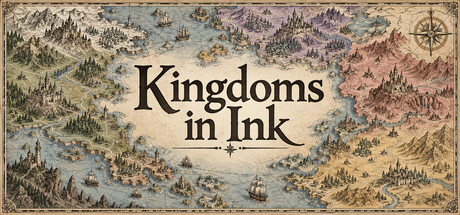
Kingdoms in Ink uses pre-generated AI-assisted content, including decorative map frames, store artwork, and some in-game and store text and translations. These assets and texts are prepared and reviewed during development. The game does not generate AI content during play or connect to external AI services.
Generative AI tools were used during development to assist with some pre-generated 2D visual assets, marketing artwork, and localized text. All AI-assisted content was reviewed and edited by the developer before inclusion. The game does not generate AI content or code during play and does not connect to external AI services.
Generative AI was used during development to create visual artwork, including character, enemy, item and skill images, as well as store promotional artwork. These are pre-generated assets. The game does not generate AI content during gameplay or connect to external AI services.
All content was meticulously reviewed and curated by the developer. Some coding, sound and art were created using AI tools, but all were edited and finalized by the developer.
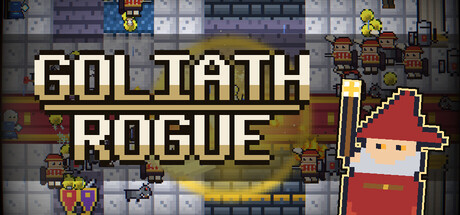
Goliath Rogue was made with the help of generative AI. The 2D art, the music and the sound effects were AI-generated — some of the art was then retouched by hand — and the Spanish and French translations were AI-assisted. All of it ships as fixed assets in the game; nothing is generated while you play. AI coding tools were also used during development to help write the game's code.
Concept Art and Design:
Generative AI tools were used during the pre-production phase to brainstorm visual aesthetics and generate early concept art for the title screen and in-game graphic elements.
Final Assets:
While AI was used to establish the artistic direction and conceptual frameworks, all final assets, title screen graphics, and in-game artwork appearing in the released version of the game were manually refined to ensure a cohesive, high-quality experience.
NBD2 is an AI game development studio. As a solo indie dev who is unlikely to ever make a dime from any of my games, there's no other way I could bring my ideas to life.
Tooth and Tusk was created using generative AI throughout development, including its artwork and visuals, music, sound effects, character voices, text and dialogue, and game code. All AI generation took place during development. The game does not generate AI content or code during play or connect to an external AI service.
I recognize AI in game development is an extremely sensitive topic and I appreciate both sides. I only hope the game is fun.
The goal should always be making something that human beings will enjoy.
Generative AI tools were used to assist in creating promotional artwork, cover images, and store page visual assets. The game itself does not generate AI content during gameplay.
Generative AI was used during development to help create some visual assets included in the game, including artwork and models, and to assist with translation of in-game text. Generative AI was also used to create promotional artwork and help write the descriptions on this Steam store page. These materials and translations are prepared in advance. The game does not use AI to generate content or code during gameplay and does not connect to external AI services.
Some 2D artwork in Nine Lives Deep including select UI elements, item icons, and environment backgrounds was created with the help of generative AI image tools during development. All such content is static and fixed at the time the game ships; nothing is generated live during gameplay, and the game does not connect to any AI service while you play.
This game uses generative AI in the creation of some 2D and 3D artwork, images and videos used for visual presentation, as well as assets for the Steam store page and marketing materials. Generative AI-assisted tools were also used for some text creation and localization. All generated content has been reviewed and edited by the developer before use. The game does not use generative AI to generate content in real time during gameplay.
AI tools were used during development to create illustrated backgrounds, decorative sprites, interface artwork and promotional images. These assets were reviewed and integrated into the finished game. Wobblebound does not generate AI content during gameplay.
Generative AI tools were used during development across visual assets, audio, and written content. AI-assisted outputs were substantially edited, composited, photobashed and hand-painted by the developer before inclusion in the game. No generative AI is used at runtime.
Generative AI tools were used during the development of the game to create and assist with certain pieces of content.
AI was used to generate some visual elements, including individual icons, as well as some sound effects. Some generated assets were further edited and adapted for use in the game.
AI was also used as an assisting tool for creating text content and localizing the game into other languages.
Generative AI tools were used during development to help create some 3D models and textures, UI and icon artwork, character voice recordings, sound effects, promotional artwork, and store-page text. These are pre-generated assets and text.
Pre-generated content only; nothing is generated while playing. The painted room backgrounds, the doorway arches, character and creature sprites and the key art (title picture, also the basis of the store capsules) were created with a generative image model (OpenAI gpt-image-2) and then hand-composed, cropped, colour-matched and fitted with collision by the developer. Code, level design and texts were written with AI assistance (Anthropic Claude) under human direction and testing; music is synthesised by the game's own code (no AI audio). — DE: Ausschliesslich vorgenerierte Inhalte, nichts wird während des Spielens erzeugt. Die gemalten Raumhintergründe, Torbögen, Figuren- und Kreaturen-Sprites sowie die Schlüsselgrafik (Titelbild, Grundlage der Shop-Kapseln) wurden mit einem generativen Bildmodell (OpenAI gpt-image-2) erzeugt und anschliessend vom Entwickler von Hand komponiert, beschnitten, farblich abgestimmt und mit Kollision belegt. Code, Leveldesign und Texte sind mit KI-Unterstützung (Anthropic Claude) unter menschlicher Leitung und Prüfung entstanden; die Musik wird vom Spielcode selbst synthetisiert (kein KI-Audio).
Pre-generated content: some character and venue artwork, some 3D props, the cast voice lines, the intro films and the translations were created with AI tools and reviewed by the developer. No content is generated at runtime.
Quest for the Golden Nail was made with extensive use of generative AI. All creative, design and production decisions were made by a human developer.
Generative AI was used for:
Code and implementation support: OpenAI Codex and Anthropic Claude
3D Art & Textures: Codex, ChatGPT / Imagen, Meshy.ai
Writing and translation support: ChatGPT
Sounds and voices were recorded by humans.
Every part of the game was directed, reviewed, tested and refined by hand.
This game uses Generative AI tools to assist in the creation of select visual assets and graphic elements, such as icons, background textures, and concept art.
All generated assets were subsequently reviewed, edited, and manually integrated by our team to ensure quality, consistency, and a seamless gameplay experience.
These features will be replaced as the game progresses through development.
We currently use generative AI-assisted tools during development to create some pre-generated visual content.
The capsule artwork on the Steam store page is currently AI-assisted and is intended to be replaced before release. We also use Kimodo as an aid in generating and refining character animations used in the game.
The game does not generate AI content during gameplay and does not connect to external AI services while running.
Generative AI tools were used during development to help create selected artwork, audio assets, and promotional materials. These materials were reviewed and selected by the developer. Wreckums does not generate AI content during gameplay or connect to external AI services while you play.
We use generative AI as a reference and drafting tool, and always finish by hand. Early in development we generated AI concept images to explore ideas and mood; those are reference only. All in-game models, animation and UI are built by hand in 3D by the two of us. Some in-game textures were first generated with AI as a guide and then retouched by hand. The store key art is rendered from the game's own 3D characters and scenes, run through an AI tool for style, then composited and retouched by hand. Store text was drafted with an AI assistant and rewritten by us. The game does not use generative AI while you play.
Generative AI tools were used during development to assist with concept art, promotional/store imagery, and some code. No content is generated in real time while playing — all in-game assets and text are fixed and do not change at runtime.
Player portraits that will ship with the game will be generated in ComfyUI. Claude Code has been used for debugging, testing, and painful algorithm assistance (scheduling).
Some store page promotional images and capsule artwork were created with generative AI. All in-game assets, models and UI graphics are manually created by the development team. No AI-generated content will be produced during gameplay.
Some visual assets used on the Steam store page were created with the assistance of generative AI. The game itself does not contain AI-generated content and does not include any live-generated AI features.
This software used generative AI assistance during development and publishing: programming code development assistance (large language models such as DeepSeek), store page promotional artwork generated with ChatGPT, and localization of the interface languages. The software does NOT use any AI at runtime, does not generate any AI content while running, and does not connect to any external AI service.
Generative AI was used during development to assist in creating and refining some pre-generated artwork, audio elements, text, and localized text. All content included with the game was selected, edited, and reviewed by the developer. The game does not generate AI content during gameplay and does not connect to external AI services.
This game's cat characters are based on art assets we created, expanded with generative AI into a variety of patterns and colors. Generative AI image tools were also used at the concept stage for the store page's capsule images and icons.
Players can also optionally register their own free Google API key to chat with their cats or check today's fortune. This feature connects live to Google's Gemini API while the game is running to generate responses; the rest of the game can be enjoyed the same way without registering a key.
Generative AI tools were used to assist in the creation of certain visual assets during development. All final in-game content was reviewed and edited by the developer. No AI-generated content is produced during gameplay.
Generative AI was used to assist in the creation of some promotional and marketing materials (such as key art).
All in-game content, gameplay, and screenshots are created without the use of generative AI.
"All artwork and video scenes in this game were pre-generated using AI tools. The in-game content is completely fixed, and no adult content or mode-switching code/mechanics are provided."
The store artwork (key art, capsule images, logo) was created with the help of generative AI and then selected and edited by hand. AI tools assisted with programming, in-game text and translations; all content was reviewed and revised by the developer. The in-game 3D models, textures and animations come from licensed asset packs and are not AI-generated. No content is generated by AI during gameplay.
Pre-generated content only. The game contains no live or runtime AI generation and makes no network connection.
Visual art: the pixel art in this game — sprites, backgrounds, key art, banners and icons — was produced with the assistance of generative AI image tools and then edited, composited, recoloured and assembled by hand for use in the game.
Written content and store text: the encounter text and the store description were written with AI assistance and edited by the developer.
Everything shipped was reviewed by a human before it went in. No content is generated while the game is running.
Transparency is important--I built this game with extensive AI use, from coding to visual assets. If that's not your thing, I respect that. The game is free and I have no intention of adding anything in-game to buy. I just wanted to make something fun and see what I could do. Hopefully, it feels like some effort and creativity went into this and it's not just slop.
Kingdoms in Ink uses pre-generated AI-assisted content, including decorative map frames, store artwork, and some in-game and store text and translations. These assets and texts are prepared and reviewed during development. The game does not generate AI content during play or connect to external AI services.
Generative AI tools were used during development to assist with some pre-generated 2D visual assets, marketing artwork, and localized text. All AI-assisted content was reviewed and edited by the developer before inclusion. The game does not generate AI content or code during play and does not connect to external AI services.
Generative AI was used during development to create visual artwork, including character, enemy, item and skill images, as well as store promotional artwork. These are pre-generated assets. The game does not generate AI content during gameplay or connect to external AI services.
All content was meticulously reviewed and curated by the developer. Some coding, sound and art were created using AI tools, but all were edited and finalized by the developer.
Goliath Rogue was made with the help of generative AI. The 2D art, the music and the sound effects were AI-generated — some of the art was then retouched by hand — and the Spanish and French translations were AI-assisted. All of it ships as fixed assets in the game; nothing is generated while you play. AI coding tools were also used during development to help write the game's code.
Concept Art and Design:
Generative AI tools were used during the pre-production phase to brainstorm visual aesthetics and generate early concept art for the title screen and in-game graphic elements.
Final Assets:
While AI was used to establish the artistic direction and conceptual frameworks, all final assets, title screen graphics, and in-game artwork appearing in the released version of the game were manually refined to ensure a cohesive, high-quality experience.