Public Steam disclosure research25,380 disclosures tracked
Where do games disclose AI use?
Search developers’ Steam disclosures, compare classified AI use across
games, and follow recorded changes.
This index adds cross-game classifications and statistics to
statements published on individual store pages.
Groups reflect automatic analysis of public disclosures; mature records are excluded. These counts do not measure AI use across all of Steam.
Missing or unclear statements cannot establish whether a game uses AI.
We use generative AI to create pre-rendered character images as a starting point, which are then meticulously refined and enhanced using image editing tools. The final assets combine the creative touch of digital hand-drawing with generative AI, resulting in high-quality, polished visuals.
Project Electric Sheep uses generative AI to create character conversations inspired by your dream prompts, as well as to tailor dream worlds to your chosen topics. Below is some more information about which generative AI services we're using in PES, and how:
1. We use ChatGPT to generate NPC dialogue when dream worlds are created and when you reply to an NPC. We use AWS to generate voices for our NPCs.
2. We also use ChatGPT to write in-game world building details, such as graffiti and advertisements, as well as to create the dream description that displays on the dream loading screen.
3. We use DALL·E 2 to paint in-game murals inspired by your dream prompt.
4. Lastly, during the dream generation phase, we use ChatGPT to make creative decisions about world design based on the given dream prompt.
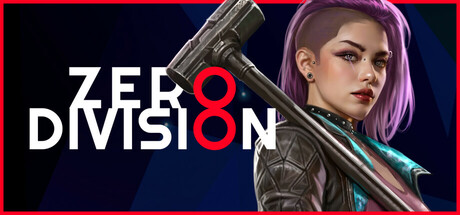
All of the art used in Zero Division is commissioned from (human) artists. However, one of the artists uses generative AI tools in the production of the commissioned work.
AI is used for cinematic cutscenes and certain 2D assets, but the majority of the work is done manually. The characters are actually hand-painted.
Similarly, code workflows include partial generation for certain C++, C#, and HLSL functions.
The Steam capsule artwork relies on AI-generated character visuals, further refined through manual editing.
The "Suspicious Accident" puzzles use AI-generated artwork for scene elements, arranged and edited manually for the final compositions.
We used AI-assisted tools to help create pre-generated assets such as concept art variations and promotional material. All final in-game assets are fully owned and licensed by us, and do not include illegal or infringing content. The game does not use live AI generation during gameplay.
Human creation and the use of AI :
➧ 100% of the game's sounds were purchased and designed by humans.
➧ 100% of the animations VFX were purchased and designed by humans.
➧ 100% of the interface was designed, customized, and integrated by me over more than two years of meticulous, case-by-case attention, representing thousands of hours of work. These interface elements come from numerous resource packs purchased online from human artists such as Kodiac Graphics and his amazing Mercenary GUI https://kodiakgraphics.itch.io/mercenary-rpg-gui or PONETI and his 4000 icons https://poneti.artstation.com/store/zVzR/4000-fantasy-icons or PVGames and his trully unique 2D Srpites used as cosmetic in-game coat of arms appearances, REXARD https://assetstore.unity.com/publishers/13229 Dream Circle for hundreds of incredible animations vfx https://dreams-circle.itch.io/ And many more !
Generative AI was used to create backgrounds images such as class backgrounds, menu backgrounds, battle backgrounds. I recently updated the sprites of all the enemies in the game using generative AI; the retro 3D rendering is incredible and perfectly matches the art style.
All this represents approximately 15% of the game's graphics assets. But this was done carefully and sparingly, and in conjunction with human work and my artistic direction.
➧ 100% of the game's music was made by humans
15 Soundtracks by Alexander Nakarada
1 Soundtrack by Wolfgang Muermann
26 Soundtracks by Alkakrab
As an indie developer, we use AI tools for translating the game, generating some textures, and for audio-related tasks, such as creating sound files and voice recordings.
The game itself is completely 100% free of AI-generated content. I only used AI to help myself with store page. Examples: grammar corrections or generating character poses for artworks (composition and character designs are still handcrafted)
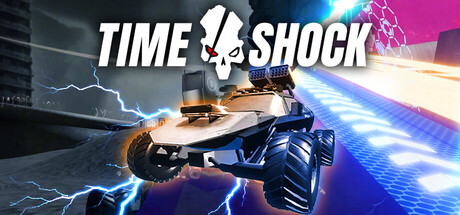
Time Shock is hand-built by a solo developer. The design, gameplay, levels, writing, and world are all made by hand. AI tools play a limited supporting role only — used to tweak character voices, assist and refine artwork, and add lip-sync to dialogue. Everything is reviewed and finished by hand before it ships.
Some minor polish such as wording refinement and UI icons were assisted using AI tools.
All 3D models, animations, gameplay systems, UI implementation, sound and visual effects, and narrative were created entirely in-house.
Some background and terrain texture images in the game were generated using AI and may have been manually edited.
The courses in this game are procedurally generated using (traditional) algorithms, not on AI-based methods."
UPDATE: over 90% of the AI-generated content was removed!
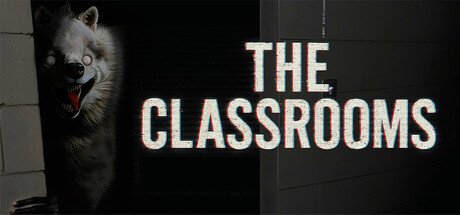
Some of the 2D art and music in The Classrooms were originally created with the help of AI tools, not as a replacement for artists, but to get the uncanny, slightly "off" look of AI-generated content. This was intentional, as it reflects the kind of strange content the Superstructure itself would make.
Our goal has always been to evoke that uneasy and almost-familiar feeling. To build on this while moving away from AI, we are now trying approaches like fan art contests to gradually replace this content, while still preserving this unique aesthetic.
For video and music production, we plan to collaborate with real people, though budget and scheduling mean this will take time.
Generative AI was utilized during development to create Steam capsule designs, in-game UI assets, and the trailer music. All assets produced using AI are fully owned and licensed for commercial use by us.
Some images in the middle of map loading are retouched using AI to improve their appearance, artistic retouching of some images for advertising, original images (screenshots) were used and retouched to make them more striking.
We use generative AI to create pre-rendered character images as a starting point, which are then meticulously refined and enhanced using image editing tools. The final assets combine the creative touch of digital hand-drawing with generative AI, resulting in high-quality, polished visuals.
Project Electric Sheep uses generative AI to create character conversations inspired by your dream prompts, as well as to tailor dream worlds to your chosen topics. Below is some more information about which generative AI services we're using in PES, and how:
1. We use ChatGPT to generate NPC dialogue when dream worlds are created and when you reply to an NPC. We use AWS to generate voices for our NPCs.
2. We also use ChatGPT to write in-game world building details, such as graffiti and advertisements, as well as to create the dream description that displays on the dream loading screen.
3. We use DALL·E 2 to paint in-game murals inspired by your dream prompt.
4. Lastly, during the dream generation phase, we use ChatGPT to make creative decisions about world design based on the given dream prompt.
All of the art used in Zero Division is commissioned from (human) artists. However, one of the artists uses generative AI tools in the production of the commissioned work.
AI is used for cinematic cutscenes and certain 2D assets, but the majority of the work is done manually. The characters are actually hand-painted.
Similarly, code workflows include partial generation for certain C++, C#, and HLSL functions.
The Steam capsule artwork relies on AI-generated character visuals, further refined through manual editing.
The "Suspicious Accident" puzzles use AI-generated artwork for scene elements, arranged and edited manually for the final compositions.
We used AI-assisted tools to help create pre-generated assets such as concept art variations and promotional material. All final in-game assets are fully owned and licensed by us, and do not include illegal or infringing content. The game does not use live AI generation during gameplay.
Human creation and the use of AI :
➧ 100% of the game's sounds were purchased and designed by humans.
➧ 100% of the animations VFX were purchased and designed by humans.
➧ 100% of the interface was designed, customized, and integrated by me over more than two years of meticulous, case-by-case attention, representing thousands of hours of work. These interface elements come from numerous resource packs purchased online from human artists such as Kodiac Graphics and his amazing Mercenary GUI https://kodiakgraphics.itch.io/mercenary-rpg-gui or PONETI and his 4000 icons https://poneti.artstation.com/store/zVzR/4000-fantasy-icons or PVGames and his trully unique 2D Srpites used as cosmetic in-game coat of arms appearances, REXARD https://assetstore.unity.com/publishers/13229 Dream Circle for hundreds of incredible animations vfx https://dreams-circle.itch.io/ And many more !
Generative AI was used to create backgrounds images such as class backgrounds, menu backgrounds, battle backgrounds. I recently updated the sprites of all the enemies in the game using generative AI; the retro 3D rendering is incredible and perfectly matches the art style.
All this represents approximately 15% of the game's graphics assets. But this was done carefully and sparingly, and in conjunction with human work and my artistic direction.
➧ 100% of the game's music was made by humans
15 Soundtracks by Alexander Nakarada
1 Soundtrack by Wolfgang Muermann
26 Soundtracks by Alkakrab
As an indie developer, we use AI tools for translating the game, generating some textures, and for audio-related tasks, such as creating sound files and voice recordings.
The game itself is completely 100% free of AI-generated content. I only used AI to help myself with store page. Examples: grammar corrections or generating character poses for artworks (composition and character designs are still handcrafted)
Time Shock is hand-built by a solo developer. The design, gameplay, levels, writing, and world are all made by hand. AI tools play a limited supporting role only — used to tweak character voices, assist and refine artwork, and add lip-sync to dialogue. Everything is reviewed and finished by hand before it ships.
Some minor polish such as wording refinement and UI icons were assisted using AI tools.
All 3D models, animations, gameplay systems, UI implementation, sound and visual effects, and narrative were created entirely in-house.
Some background and terrain texture images in the game were generated using AI and may have been manually edited.
The courses in this game are procedurally generated using (traditional) algorithms, not on AI-based methods."
UPDATE: over 90% of the AI-generated content was removed!
Some of the 2D art and music in The Classrooms were originally created with the help of AI tools, not as a replacement for artists, but to get the uncanny, slightly "off" look of AI-generated content. This was intentional, as it reflects the kind of strange content the Superstructure itself would make.
Our goal has always been to evoke that uneasy and almost-familiar feeling. To build on this while moving away from AI, we are now trying approaches like fan art contests to gradually replace this content, while still preserving this unique aesthetic.
For video and music production, we plan to collaborate with real people, though budget and scheduling mean this will take time.
Generative AI was utilized during development to create Steam capsule designs, in-game UI assets, and the trailer music. All assets produced using AI are fully owned and licensed for commercial use by us.
Some images in the middle of map loading are retouched using AI to improve their appearance, artistic retouching of some images for advertising, original images (screenshots) were used and retouched to make them more striking.