
Disclosure
Some content on this store page, including the game description and promotional materials, was created or assisted by generative AI tools.
- Creator
- Oroku
- Reviews
- -
- Added
- Sep 12, 2026
Public Steam disclosure research 25,514 disclosures tracked
Search developers’ Steam disclosures, compare classified AI use across games, and follow recorded changes. This index adds cross-game classifications and statistics to statements published on individual store pages.
Code help, debugging and other development work.
Capsule art, trailers and promotional material.
Pre-made art, audio, writing and other game assets.
Interactive or runtime AI features disclosed by the developer.
Groups reflect automatic analysis of public disclosures; mature records are excluded. These counts do not measure AI use across all of Steam. Missing or unclear statements cannot establish whether a game uses AI.
Some content on this store page, including the game description and promotional materials, was created or assisted by generative AI tools.
Generative AI tools assisted with drafting store page copy and written marketing material and some graphic items. The game itself contains no AI-generated content.
Generative AI was used during development to assist with drafting and refining some localization text and selected promotional artwork. All AI-assisted material is pre-generated, reviewed, and edited by the developer before inclusion. The game does not generate AI content during gameplay and does not connect to external AI services.
Some 2D visual assets and videos in the game may have been produced using AI‑assisted tools. Every AI‑generated element has been manually inspected, verified, and approved to ensure quality and consistency. All remaining content — such as 3D models, audio, effects, and programming — is fully handcrafted by human creators.
Generative AI tools were used during development to assist with creating and iterating some pre-generated visual assets, UI icons, concept art, text drafts, and development/code prototypes. All AI-assisted content was reviewed, edited, and selected by the developer before being included in the game. The game does not use live generative AI during gameplay, does not generate new content for players in real time, and does not send player input or personal data to any AI service.
Generative AI tools were used during development to assist with selected pre-generated visual references, 3D vehicle and cosmetic assets, promotional images and video, and draft localization. All AI-assisted content was reviewed, edited, curated, and integrated by the developer. The game does not generate AI content during gameplay and does not connect to external AI services.
Some images were created using existing game assets, which were then reworked with AI to enhance the sense of space and atmosphere.
Some assets in Keepwatch were created with the assistance of generative AI tools. This includes portions of the icon set, UI elements, a number of sound effects, and some character animations. All AI-assisted output is reviewed, edited and integrated by hand to match the game's hand-painted art direction, and none of it ships in the state it was generated in. Game code, systems design, economy balance and all written content are authored entirely by hand. Keepwatch does not use any AI systems at runtime. Nothing is generated on the player's machine while the game is running.
AI is used for creating concept art, prototype textures, and quick mesh tests that are eventually replaced with real artist graphic designs and hand-tailored models.
AI is used to generate concept art, 3D models, audio, and Steam store images. Models are manually refined and hand-textured. No AI content is generated during gameplay.
本作では、以下の3箇所に生成AIを使用しています。 【BGM】ゲーム内利用楽曲は、生成AI(Suno)で作成したものを、開発者が選定・編集のうえ収録しています。 【レース実況の音声】音声合成エンジン「VOICEVOX」を使用し、ゲームの実行中に実況の音声を生成しています。読み上げる文章はすべて開発者が書いた定型文で、AIが文章そのものを作ることはありません。可変部分はプレイヤーが入力した馬名だけです。 【ゲームアイコン】ゲームアイコンの画像は、生成AI(Claude Code)で作成したものを開発者が調整のうえ使用しています。 上記以外のグラフィック・3Dモデル・効果音・フォントには、生成AIを使用していません。
AI was used to help with logos and game development.
Generative AI was used during development for early visual exploration and as a creative assistance tool. Any AI-assisted visual material included in the game or store assets is substantially edited and art-directed by the developer. Final game art, visual design, and implementation are created and curated by the developer. No generative AI is used during gameplay.
Parts of this game's art, music and translations were created with AI tools during development and edited by hand. They ship as fixed assets — nothing is generated by AI while you play.
Some art of the game have used tools or applications that uses Generative AI
This game used generative AI in the development and iterative refinement process for 3D models, music, art, code, and copy.
Some of this game's artwork - the Steam achievement icons and a number of interface icons - was created with a generative image model, then hand-selected, cropped and colour-matched by the developer. In-game text and the English localisation were also drafted with AI assistance and reviewed by the developer. The game does not generate any content while you play, and it does not connect to any AI service.
Slightly Random Dungeons prioritises human generated assets. Player-facing prose is constructed from bespoke human composed words (writer’s block pending). We have engaged a human artist for our bestiary, portraits and scenery art, and use human developed icons and inventory assets, UI elements, music and effects made in house or under licence with a minority of AI generated pieces filling gaps until the alternative arrives. Any AI agent use has been supervised by humans, these agents have not yet unionised.
Spacetime Chronicles comes from a handmade animated feature: most of what you see are real paper sets, characters and props, photographed and animated frame by frame by the author. Generative AI was used in the following areas. Images: roughly 15% of the game's images were created or completed with generative AI, then edited and integrated by the author. Audio: the game's sound effects and character voices were produced using generative AI tools. Code: parts of the game's source code were written and reviewed with the help of AI assistants. All of this content was generated during development, reviewed and approved by the author before release. The game does not generate any AI content while you play, and it does not connect to any AI service at runtime.
The store page header and the asteroids in game used the AI generated arts.
store picture generate by ai
Character portraits and environment artwork were generated using AI tools and reviewed, curated, and refined by the developer for final use. Narrator voice acting was generated using AI voice synthesis, directed and selected by the developer.
Generative AI was used to assist in the creation of some visual assets used in the game. AI-assisted assets were reviewed and prepared by the development team for use in the game.
This game is currently in pre-alpha, and its visual assets are still evolving. Generative AI has been used as part of the asset creation process to help achieve more detailed and varied visuals than a purely simplistic low-poly approach. AI-generated elements are extensively iterated, customized, and integrated specifically for this game under direct developer oversight. The current assets should not be considered final. As development progresses, we plan to replace and improve them with better versions as the game's visual direction and production evolve.
Marketing and Store Visuals: AI tools were utilized during the concept design and background detailing phases for the thumbnail images, posters, and promotional materials on the Steam store page. Sound Design and Trailer Music: AI-powered sound and music production tools were used in the prototyping and production processes for the game’s promotional trailers and in-game atmospheric background sounds. Text and Localization Support: AI assistants were used to edit store page descriptions, marketing copy, and language optimization.
The illustrations in Dead Market — the 247 card images, the cutscene plates, the premises backdrops and the nine-slice chrome — were generated with image models during development, then selected, corrected, composed and integrated by hand against the game's own manifest. Everything that displays a live value is drawn procedurally in the engine rather than being an image. The spoken lines were synthesised from a written script, one voice per character, and edited into the game. Nothing is generated while the game runs. There is no model in the build, no network code and no telemetry.
Almost all of the game’s content has been handmade by our art team. A small number of textures were generated with generative AI tools, then edited and integrated into the final assets by the development team.
Some objects include generated images such as an X-ray that were added by the objects' creators.
Some assets in this game were created using generative AI and subsequently edited. AI tools were also used to assist with development.
We are actively working to replace all placeholder AI art before launch. While we aim for a fully human-crafted experience, a few minor assets may still remain at release. AI tools were also used to assist with localizing the game and store page. All 3D in-game art was created by human artists or derived from real-world museum photoscans. (See the credits menu for full attributions.)
We use AI to polish and iterate on the human prepared concepts, textures, sometimes the achieved final version is used in game. For game code, occasionally, we use a reliable snippet based generation, reviewed and ebmedded into the game by developers, for maximum stability.
As a solo indie developer, I use AI to assist with multi-language localization and the creation of some visual assets.
Some of the image assets were generated using AI.
Only the store page picture generated by ai
Some art assets, sound effects and narrative materials were pre‑generated with AI tools during development. No AI‑generated content is created in real‑time during gameplay.
Generative AI is used for a portion of the 2D art and sound effects.
Generative AI tools were used during development only. Nothing is generated by AI while the game is running, and the game does not connect to any AI service during play. What was made with the help of AI: - Artwork: many in-game icons and illustrations (items, resources, tools and more) and parts of the Steam store artwork (capsules, backgrounds and library images) were created with AI image-generation tools, based on the developer's own logo and art direction, and then selected, edited and resized by hand. - Code and text: AI assistants helped write and review parts of the game's source code and some in-game texts such as guides and item descriptions. Everything is reviewed and tested by the developer. - Localization: translations of the interface from English into other languages were produced with AI translation tools and are checked with help from the player community. Game design, gameplay systems and balancing are the developer's own work.
Some of the original art in this game (the bonus cards, bomb card, curse card, crimson paulownia card, soiled card back, pixel card back, two reward chest frames, and combination popup frame) was created using AI-assisted procedural generation scripts. The store capsules, icon, and trailer are derived from this in-game art and are therefore covered by this disclosure. All supported languages other than Korean (including English) were translated using AI translation tools, then checked through machine back-translation and additional review.
The images currently used on the Steam store page, including the capsule art, were generated using AI. All of these images will be replaced with final, original artwork when the game demo is released. No AI-generated assets are used in the game itself.
The only AI generated content is the logo and content header. Image assets that are used for main menu.
The music and some of the images are created using artificial intelligence. The source code was created with the support of artificial intelligence.
AI-generated content is used during development as temporary placeholder material. Nearly all of it has already been replaced, and the final game will contain only original artwork created by human artists.
The game cover was made using ii. The pictures in the game were drawn by a person.
Since we’re a very small team, we use generative AI for a small part of the development process, for example, to create graphical placeholders like icons or background images, or to localize newly added text. The vast majority of the game was localized by humans; only new text is machine-translated in order to include as many players as possible. The voice in the game is text-to-speech, not AI.
Generative AI assisted with selected static UI artwork, icons, promotional illustrations, text and localization during development. The game does not generate AI content or connect to generative AI services during play. Gameplay screenshots show actual in-game rendering.
Some of the artwork in this game was created with the help of generative AI during development. Every asset was reviewed, edited and approved by hand before shipping. Nothing is generated at runtime, and no player data is sent to any AI service. The computer opponents in the game use traditional rule-based decision logic and are unrelated to generative AI.
Generative AI was used during the production of selected Steam store marketing artwork, including the panoramic key art and artwork derived from it for store capsules and library assets. The artwork was based on Emberholme’s in-game visual identity and was subsequently edited and prepared for the required Steam formats. The shipped game does not use generative AI. Its dialogue, gameplay content and living adventurer behaviour are authored and data driven, with no live-generated content.
WICKLING was built with AI assistance. Generative AI was used during development to help write the game's code, its pixel art, its level layouts and some of its writing, and to help produce this store page and its artwork. The soundtrack is not AI-generated. Every note is a hand-written 2A03 chiptune, synthesised by the game as it runs rather than played back from audio files, which is why the horror systems can bend the music live. Nothing in WICKLING is generated while you play. Every level, sprite, line of text and piece of music is fixed and identical for every player, and the game makes no network requests of any kind.
This game's art and code are creatively directed by a human developer (me), directing, refining, reviewing, and quality-checking every part across hundreds of hours of iteration. I build it with Claude AI as my tool. The visuals are not pre-made image files or AI-generated images. They are drawn by code at runtime (procedural rendering) using standard 2D canvas drawing commands, and Claude AI writes and brings that code to life. The store page and marketing images come from that same in-game rendering. The game does not include third-party copyrighted material.
all the pictures are generated by artificial intelligence.
| Title⇅ | Disclosure | Creator⇅ | Src | Reviews⇅ | Added↓ |
|---|---|---|---|---|---|
 这是一份礼物 Store/marketing textart | Some content on this store page, including the game description and promotional materials, was created or assisted by generative AI tools. | Oroku | - | Sep 12, 2026 | |
 Sudoku University Store/marketing textart | Generative AI tools assisted with drafting store page copy and written marketing material and some graphic items. The game itself contains no AI-generated content. | Driftwood Forge | - | Sep 12, 2026 | |
 NULL VECTOR In-game content textart | Generative AI was used during development to assist with drafting and refining some localization text and selected promotional artwork. All AI-assisted material is pre-generated, reviewed, and edited by the developer before inclusion. The game does not generate AI content during gameplay and does not connect to external AI services. | I9 | - | Sep 12, 2026 | |
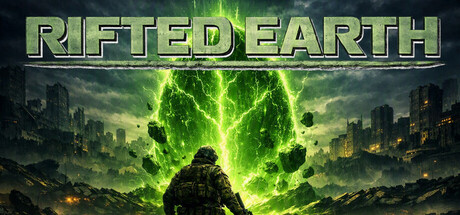 Rifted Earth In-game content art | Some 2D visual assets and videos in the game may have been produced using AI‑assisted tools. Every AI‑generated element has been manually inspected, verified, and approved to ensure quality and consistency. All remaining content — such as 3D models, audio, effects, and programming — is fully handcrafted by human creators. | Rollmint Studio | - | Sep 12, 2026 | |
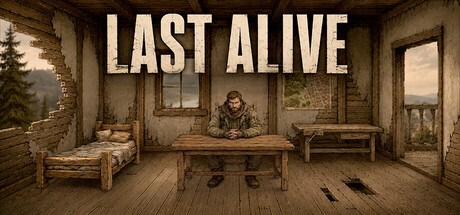 LastAlive In-game content arttextcode | Generative AI tools were used during development to assist with creating and iterating some pre-generated visual assets, UI icons, concept art, text drafts, and development/code prototypes.
All AI-assisted content was reviewed, edited, and selected by the developer before being included in the game.
The game does not use live generative AI during gameplay, does not generate new content for players in real time, and does not send player input or personal data to any AI service. | NeuroArs | - | Sep 12, 2026 | |
 The Turbo Crown In-game content arttext | Generative AI tools were used during development to assist with selected pre-generated visual references, 3D vehicle and cosmetic assets, promotional images and video, and draft localization. All AI-assisted content was reviewed, edited, curated, and integrated by the developer. The game does not generate AI content during gameplay and does not connect to external AI services. | Codemane | - | Sep 12, 2026 | |
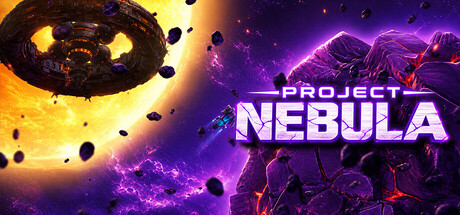 Project Nebula In-game content art | Some images were created using existing game assets, which were then reworked with AI to enhance the sense of space and atmosphere. | MK_Games | - | Sep 12, 2026 | |
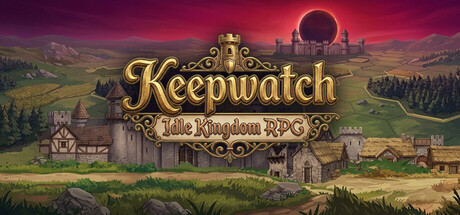 Keepwatch: Idle Kingdom RPG In-game content artaudiotext | Some assets in Keepwatch were created with the assistance of generative AI
tools. This includes portions of the icon set, UI elements, a number of sound
effects, and some character animations.
All AI-assisted output is reviewed, edited and integrated by hand to match the
game's hand-painted art direction, and none of it ships in the state it was
generated in.
Game code, systems design, economy balance and all written content are
authored entirely by hand.
Keepwatch does not use any AI systems at runtime. Nothing is generated on the
player's machine while the game is running. | Barsplay | - | Sep 12, 2026 | |
 Family Time In-game content artcode | AI is used for creating concept art, prototype textures, and quick mesh tests that are eventually replaced with real artist graphic designs and hand-tailored models. | sgthale | - | Sep 12, 2026 | |
 The Last Shrinekeeper In-game content artaudio | AI is used to generate concept art, 3D models, audio, and Steam store images. Models are manually refined and hand-textured. No AI content is generated during gameplay. | Crescent Twilight Software | - | Sep 12, 2026 | |
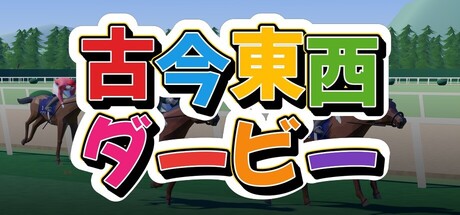 古今東西ダービー In-game content audioart | 本作では、以下の3箇所に生成AIを使用しています。
【BGM】ゲーム内利用楽曲は、生成AI(Suno)で作成したものを、開発者が選定・編集のうえ収録しています。
【レース実況の音声】音声合成エンジン「VOICEVOX」を使用し、ゲームの実行中に実況の音声を生成しています。読み上げる文章はすべて開発者が書いた定型文で、AIが文章そのものを作ることはありません。可変部分はプレイヤーが入力した馬名だけです。
【ゲームアイコン】ゲームアイコンの画像は、生成AI(Claude Code)で作成したものを開発者が調整のうえ使用しています。
上記以外のグラフィック・3Dモデル・効果音・フォントには、生成AIを使用していません。 | Neo Enigmaniax | - | Sep 12, 2026 | |
 Cardboard Leagues Unclear art | AI was used to help with logos and game development. | Scriblr LLC | - | Sep 12, 2026 | |
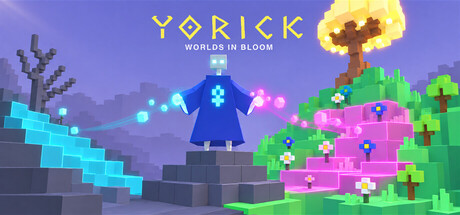 Yorick: Worlds in Bloom In-game content art | Generative AI was used during development for early visual exploration and as a creative assistance tool. Any AI-assisted visual material included in the game or store assets is substantially edited and art-directed by the developer. Final game art, visual design, and implementation are created and curated by the developer. No generative AI is used during gameplay. | 74BIT | - | Sep 12, 2026 | |
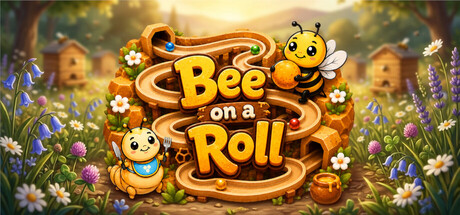 Bee on a Roll In-game content artaudiotext | Parts of this game's art, music and translations were created with AI tools during development and edited by hand. They ship as fixed assets — nothing is generated by AI while you play. | Reimar Waitz | - | Sep 12, 2026 | |
 Society Chess 3D In-game content art | Some art of the game have used tools or applications that uses Generative AI | Javi9826 | - | Sep 12, 2026 | |
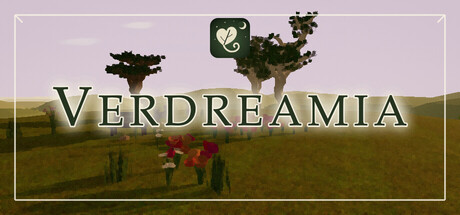 Verdreamia Unclear artaudiotextcode | This game used generative AI in the development and iterative refinement process for 3D models, music, art, code, and copy. | AtomicBorg Inc. | - | Sep 12, 2026 | |
 Anvilborn In-game content arttext | Some of this game's artwork - the Steam achievement icons and a number of interface icons - was created with a generative image model, then hand-selected, cropped and colour-matched by the developer. In-game text and the English localisation were also drafted with AI assistance and reviewed by the developer. The game does not generate any content while you play, and it does not connect to any AI service. | Nokiworks | - | Sep 12, 2026 | |
 Slightly Random Dungeons In-game content artaudiotext | Slightly Random Dungeons prioritises human generated assets. Player-facing prose is constructed from bespoke human composed words (writer’s block pending).
We have engaged a human artist for our bestiary, portraits and scenery art, and use human developed icons and inventory assets, UI elements, music and effects made in house or under licence with a minority of AI generated pieces filling gaps until the alternative arrives.
Any AI agent use has been supervised by humans, these agents have not yet unionised. | Slightly Random Studios | - | Sep 12, 2026 | |
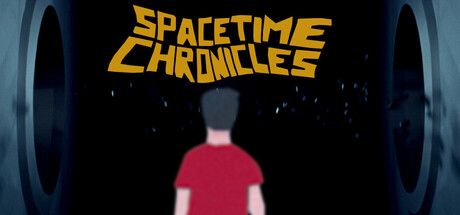 Spacetime Chronicles In-game content artaudiocode | Spacetime Chronicles comes from a handmade animated feature: most of what you see are real paper sets, characters and props, photographed and animated frame by frame by the author. Generative AI was used in the following areas. Images: roughly 15% of the game's images were created or completed with generative AI, then edited and integrated by the author. Audio: the game's sound effects and character voices were produced using generative AI tools. Code: parts of the game's source code were written and reviewed with the help of AI assistants. All of this content was generated during development, reviewed and approved by the author before release. The game does not generate any AI content while you play, and it does not connect to any AI service at runtime. | Seenfilm | - | Sep 12, 2026 | |
 StellaCore: Mining Odyssey In-game content art | The store page header and the asteroids in game used the AI generated arts. | Gonga Games | - | Sep 12, 2026 | |
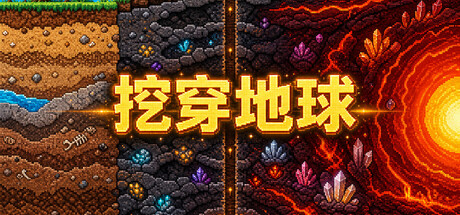 挖穿地球 Store/marketing art | store picture generate by ai | Zeros | - | Sep 12, 2026 | |
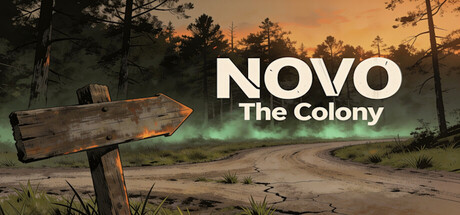 Novo: The Colony In-game content artaudio | Character portraits and environment artwork were generated using AI tools and reviewed, curated, and refined by the developer for final use. Narrator voice acting was generated using AI voice synthesis, directed and selected by the developer. | Broken Future Games | - | Sep 12, 2026 | |
 WW2: Commanders In-game content art | Generative AI was used to assist in the creation of some visual assets used in the game. AI-assisted assets were reviewed and prepared by the development team for use in the game. | Don'tSayGame | - | Sep 12, 2026 | |
 Project Oasis In-game content art | This game is currently in pre-alpha, and its visual assets are still evolving.
Generative AI has been used as part of the asset creation process to help achieve more detailed and varied visuals than a purely simplistic low-poly approach. AI-generated elements are extensively iterated, customized, and integrated specifically for this game under direct developer oversight.
The current assets should not be considered final. As development progresses, we plan to replace and improve them with better versions as the game's visual direction and production evolve. | Magma Studios | - | Sep 12, 2026 | |
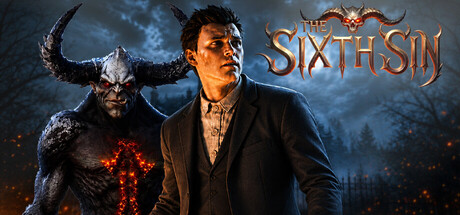 The Sixth Sin In-game content artaudiotext | Marketing and Store Visuals: AI tools were utilized during the concept design and background detailing phases for the thumbnail images, posters, and promotional materials on the Steam store page.
Sound Design and Trailer Music: AI-powered sound and music production tools were used in the prototyping and production processes for the game’s promotional trailers and in-game atmospheric background sounds.
Text and Localization Support: AI assistants were used to edit store page descriptions, marketing copy, and language optimization. | HAPPYTECH | - | Sep 12, 2026 | |
 Dead Market In-game content art | The illustrations in Dead Market — the 247 card images, the cutscene plates, the premises backdrops and the nine-slice chrome — were generated with image models during development, then selected, corrected, composed and integrated by hand against the game's own manifest. Everything that displays a live value is drawn procedurally in the engine rather than being an image. The spoken lines were synthesised from a written script, one voice per character, and edited into the game.
Nothing is generated while the game runs. There is no model in the build, no network code and no telemetry. | Bartjuh3 | - | Sep 12, 2026 | |
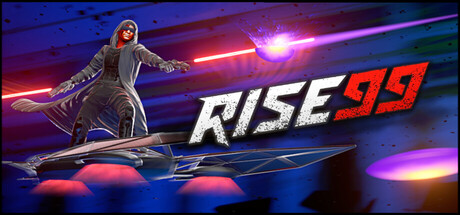 RISE99 In-game content art | Almost all of the game’s content has been handmade by our art team. A small number of textures were generated with generative AI tools, then edited and integrated into the final assets by the development team. | Springplay Studio | - | Sep 12, 2026 | |
 IMITATORS In-game content art | Some objects include generated images such as an X-ray that were added by the objects' creators. | ryazvp | - | Sep 12, 2026 | |
 좀비짱은 XX가 되고 싶어 (ZZXX) In-game content art | Some assets in this game were created using generative AI and subsequently edited. AI tools were also used to assist with development. | Devdepot | - | Sep 12, 2026 | |
 Tidy Up History In-game content arttext | We are actively working to replace all placeholder AI art before launch. While we aim for a fully human-crafted experience, a few minor assets may still remain at release.
AI tools were also used to assist with localizing the game and store page.
All 3D in-game art was created by human artists or derived from real-world museum photoscans. (See the credits menu for full attributions.) | Alienline Softworks | - | Sep 12, 2026 | |
 Runigrim In-game content artcode | We use AI to polish and iterate on the human prepared concepts, textures, sometimes the achieved final version is used in game.
For game code, occasionally, we use a reliable snippet based generation, reviewed and ebmedded into the game by developers, for maximum stability. | Labrintine | - | Sep 12, 2026 | |
 Animal Cozy Corner Shop In-game content arttext | As a solo indie developer, I use AI to assist with multi-language localization and the creation of some visual assets. | ZT-Studio | - | Sep 12, 2026 | |
 BBQ Rush In-game content art | Some of the image assets were generated using AI. | Beijing Yanbei Mingchuan Technology Center | - | Sep 12, 2026 | |
 桌面骰子牧场 Store/marketing art | Only the store page picture generated by ai | zeros | - | Sep 12, 2026 | |
 Stellar Office artaudiotext | Some art assets, sound effects and narrative materials were pre‑generated with AI tools during development. No AI‑generated content is created in real‑time during gameplay. | Dissonance Nexus | - | Sep 11, 2026 | |
 Croupiered In-game content artaudio | Generative AI is used for a portion of the 2D art and sound effects. | Variazioni Games | - | Sep 11, 2026 | |
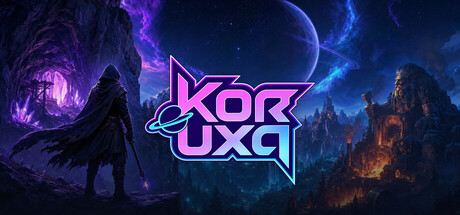 Koruxa- IDLE RPG In-game content arttextcode | Generative AI tools were used during development only. Nothing is generated by AI while the game is running, and the game does not connect to any AI service during play.
What was made with the help of AI:
- Artwork: many in-game icons and illustrations (items, resources, tools and more) and parts of the Steam store artwork (capsules, backgrounds and library images) were created with AI image-generation tools, based on the developer's own logo and art direction, and then selected, edited and resized by hand.
- Code and text: AI assistants helped write and review parts of the game's source code and some in-game texts such as guides and item descriptions. Everything is reviewed and tested by the developer.
- Localization: translations of the interface from English into other languages were produced with AI translation tools and are checked with help from the player community.
Game design, gameplay systems and balancing are the developer's own work. | NM Customs | - | Sep 11, 2026 | |
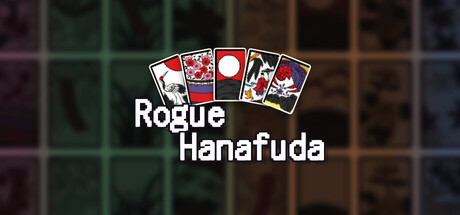 RogueHanafuda In-game content arttext | Some of the original art in this game (the bonus cards, bomb card, curse card, crimson paulownia card, soiled card back, pixel card back, two reward chest frames, and combination popup frame) was created using AI-assisted procedural generation scripts. The store capsules, icon, and trailer are derived from this in-game art and are therefore covered by this disclosure.
All supported languages other than Korean (including English) were translated using AI translation tools, then checked through machine back-translation and additional review. | WildBerry | - | Sep 11, 2026 | |
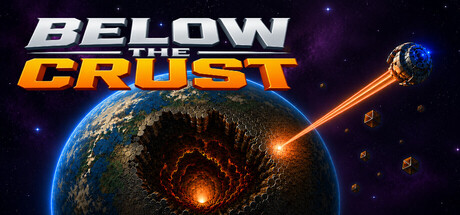 Below the Crust Store/marketing art | The images currently used on the Steam store page, including the capsule art, were generated using AI. All of these images will be replaced with final, original artwork when the game demo is released.
No AI-generated assets are used in the game itself. | Be Water | - | Sep 11, 2026 | |
 Phantom Protocol Store/marketing art | The only AI generated content is the logo and content header. Image assets that are used for main menu. | Blogchain Games | - | Sep 11, 2026 | |
 Woman Simulator In-game content artaudio | The music and some of the images are created using artificial intelligence. The source code was created with the support of artificial intelligence. | Sebasa Games | - | Sep 11, 2026 | |
 Go Boba Go Dev only art | AI-generated content is used during development as temporary placeholder material. Nearly all of it has already been replaced, and the final game will contain only original artwork created by human artists. | Not-a-Dragon | - | Sep 11, 2026 | |
 ADutopia Store/marketing art | The game cover was made using ii. The pictures in the game were drawn by a person. | NALSUR | - | Sep 11, 2026 | |
 Professional Ship Simulator In-game content arttext | Since we’re a very small team, we use generative AI for a small part of the development process, for example, to create graphical placeholders like icons or background images, or to localize newly added text. The vast majority of the game was localized by humans; only new text is machine-translated in order to include as many players as possible.
The voice in the game is text-to-speech, not AI. | SWE Systems | - | Sep 11, 2026 | |
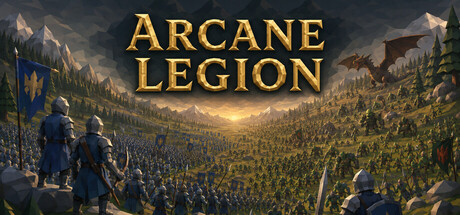 Arcane Legion In-game content arttext | Generative AI assisted with selected static UI artwork, icons, promotional illustrations, text and localization during development. The game does not generate AI content or connect to generative AI services during play. Gameplay screenshots show actual in-game rendering. | MrLiuYX | - | Sep 11, 2026 | |
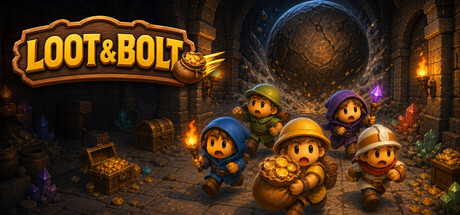 Loot & Bolt In-game content art | Some of the artwork in this game was created with the help of generative AI during development. Every asset was reviewed, edited and approved by hand before shipping. Nothing is generated at runtime, and no player data is sent to any AI service. The computer opponents in the game use traditional rule-based decision logic and are unrelated to generative AI. | Rush Bunnies Games | - | Sep 11, 2026 | |
 Emberholme Store/marketing art | Generative AI was used during the production of selected Steam store marketing artwork, including the panoramic key art and artwork derived from it for store capsules and library assets. The artwork was based on Emberholme’s in-game visual identity and was subsequently edited and prepared for the required Steam formats. The shipped game does not use generative AI. Its dialogue, gameplay content and living adventurer behaviour are authored and data driven, with no live-generated content. | Goyski | - | Sep 10, 2026 | |
 Wickling In-game content arttextcode | WICKLING was built with AI assistance. Generative AI was used during development to help write the game's code, its pixel art, its level layouts and some of its writing, and to help produce this store page and its artwork.
The soundtrack is not AI-generated. Every note is a hand-written 2A03 chiptune, synthesised by the game as it runs rather than played back from audio files, which is why the horror systems can bend the music live.
Nothing in WICKLING is generated while you play. Every level, sprite, line of text and piece of music is fixed and identical for every player, and the game makes no network requests of any kind. | Grey Line Interactive LLC | - | Sep 10, 2026 | |
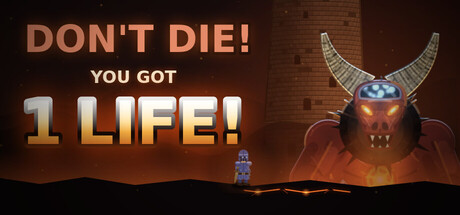 Don't Die! You got 1 Life! In-game content artcode | This game's art and code are creatively directed by a human developer (me), directing, refining, reviewing, and quality-checking every part across hundreds of hours of iteration. I build it with Claude AI as my tool. The visuals are not pre-made image files or AI-generated images. They are drawn by code at runtime (procedural rendering) using standard 2D canvas drawing commands, and Claude AI writes and brings that code to life. The store page and marketing images come from that same in-game rendering. The game does not include third-party copyrighted material. | Mackenzie Taylor | - | Sep 10, 2026 | |
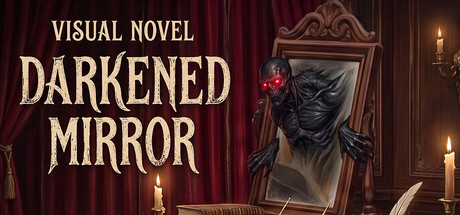 Visual Novel: DARKENED MIRROR In-game content art | all the pictures are generated by artificial intelligence. | Reanim Games | - | Sep 10, 2026 |


