
Disclosure
AI helps me create textures or sounds.
- Creator
- ToF Studio
- Reviews
- -
- Added
- Sep 3, 2026
Public Steam disclosure research 25,519 disclosures tracked
Search developers’ Steam disclosures, compare classified AI use across games, and follow recorded changes. This index adds cross-game classifications and statistics to statements published on individual store pages.
Code help, debugging and other development work.
Capsule art, trailers and promotional material.
Pre-made art, audio, writing and other game assets.
Interactive or runtime AI features disclosed by the developer.
Groups reflect automatic analysis of public disclosures; mature records are excluded. These counts do not measure AI use across all of Steam. Missing or unclear statements cannot establish whether a game uses AI.
AI helps me create textures or sounds.
Crie au loup is made with AI, from the first prototype to the illustrations. That is not a manufacturing detail: it is as much the project as the game itself. My role is not a craftsman's: I painted no card, and I did not write the code line by line. I designed the system, I direct it, I arbitrate and I verify. Deciding what makes it into the game, what gets redone, what gets cut: that is production work, and it is mine. What is generated: the creature and location artwork, the interface, a large share of the code and the writing. What is measured rather than assumed: card balance, computed over thousands of simulated matches before every update. What is verified: the historical sources behind every legend, published one by one on the official site, where you can open them and prove me wrong. What is never generated is your match. No image, no text and no game decision comes out of a model while you play: the engine is deterministic, and the solo opponent is a classic program applying the rules. Crie au loup is one of the projects I run around generative AI, and the only one you can play. The making-of is documented without varnish in the devlog on the official site.
Only use AI to assist in generating promotional materials.
Some of this game's 2D art assets — creature, machine, prop and building sprites — were produced with the assistance of generative AI image tools during development. All generated material was reviewed, edited and hand-finished by our artists before it shipped, and it is integrated as fixed, pre-rendered art. The game does not generate any content live while you play.
The game's art assets were created with the assistance of AI tools, including ChatGPT and Tencent Hunyuan. The game's music and sound effects were generated using Suno. Localized text for languages other than Chinese was translated with the assistance of ChatGPT. AI-assisted programming tools, including ChatGPT, were also used during the game's development.
Hostile Boards uses AI-generated content minimally, primarily for image creation and touch-ups in some of our visual assets. All AI-generated images are based on original designs and concepts created by our team. No live AI content generation or dynamic AI use occurs during gameplay
Some of the game's background music was created using generative AI, and a very small portion of the visuals underwent refinement or fine-tuning using generative AI.
Generative AI was used during development to assist with portions of pre-generated in-game artwork and Steam store/marketing artwork. All outputs were reviewed, cleaned, composited, color-adjusted, and quality-checked by the development team. The game does not generate AI content at runtime.
AI was used only to create visual assets for the Steam Store page.
This game uses generative AI for some visual content, including icons, logos, game art, Steam store page art, and website marketing images. Some store and website descriptions were written with AI assistance. Store, website, and marketing art is made to match the actual in-game look and design.
Some 3D models and sounds were made with AI tools.
Some character artwork was developed from AI-assisted concept images, then rebuilt and refined by the developer through 3D modelling and a deterministic No generative AI is used while the game is running.
OpenAI ImageGen was used during development to generate and edit some pre-generated 2D pixel-art visual assets, including UI elements, icons, backgrounds, environment artwork, and character or animation source frames. All outputs were reviewed, selected, manually edited, cleaned up, resized, palette-normalized, and integrated by the developer as fixed game assets. The game does not use generative AI at runtime and does not generate live AI content.
A small number of static meshes in this demo were generated using AI tools. This AI-generated content is temporary and will be fully replaced with original, non-AI assets in future updates. By the time the full game is released, it will contain no AI-generated content.
Store assets, quiz content, and general layout of application generated with AI to help with design and formatting. Human review and edit before any code implemented. This game does not have any AI models running in the background or in-game. All scriptures are public domain.
As part of our early access work, we have used AI-generated images as placeholders for the illustrations on our cards and leader icons. This allows us to iterate quickly and see which game mechanics players like or dislike. We will replace these with human art once we've received enough feedback to finalize what we keep or discard.
Spring Tales uses generative AI in the following way: Some of the game's 2D pixel-art assets — including certain characters, enemies, equipment and item icons, environment tiles, and user-interface elements — were created with the help of an AI-assisted art generation tool. Every AI-assisted asset was reviewed, edited, curated, and integrated by the developer to match the game's art style and quality standards. No generative AI runs live during gameplay. The game does not generate any content in real time while you play — all art, text, and content shipped in the game is fixed and was produced during development.
AI tools were used to assist in creating character sprites during development, followed by manual retouching and adjustments. The game does not generate real-time AI content during gameplay.
Generative AI is used to assist in the creation of character illustrations, icons, backgrounds, and other 2D artwork. All AI-generated assets are reviewed, edited, and refined by the developer to ensure they fit the game's content and quality standards. Text in languages other than Japanese is translated using generative AI, then reviewed by the developer before being included in the game.
Some in-game images, depicting traditional dress, festivals, food, and cultural artifacts, were created using an AI image generation pipeline (Google Gemini through an automated workflow). Every generated image was reviewed, curated, and approved by the developer before it was added to the game. No AI content is generated live during gameplay.
Some of Crashborn's art, audio and base 3D models were created with generative AI tools and edited by hand. They are placeholders being replaced with work from dedicated artists ahead of the 1.0 release. The game does not generate content at runtime.
Were used during development to assist with selected visual asset workflows. All final assets were reviewed, edited, optimized, and manually integrated by the developer.
Artificial intelligence has been used solely to generate certain 2D icons used in the game's menus, such as icons for weapon upgrades, artifacts, and similar elements. AI has not been used under any circumstances to generate 3D models, user interfaces, in-game menus, weapons, enemies, environments, animations, VFX, or any other playable content or assets. The use of AI is strictly limited to specific 2D icons of a visual and informational nature within the interface.
This game uses pre-generated AI-assisted artwork for characters, scene backgrounds, and store promotional assets. All AI-generated content was created before release. No content is generated by AI during gameplay, and the game does not connect to external AI services.
Some images and music were made with the help of AI.
Generative AI tools were used during the development and preparation of the game and its visual materials. The game logo used in the main menu and pause panel was created with the assistance of AI. AI assistance was used during the coding and development process when needed. The logo animations shown at the beginning of the games were created with AI assistance. Visual materials prepared for the Steam store page, excluding the in-game visuals, were created with AI assistance. AI was used specifically for the intro logo animation. For Steam visuals, suitable designs were selected from AI-generated concepts and then enhanced and upscaled using image enhancement tools.
Background graphics have been generated with AI. This might change during Early Access, as the goal is to replace all AI artwork by artwork made by real artists.
Generative AI tools were used extensively during the development of DashBreaker. They assisted with programming, selected sound effects and visual materials, player-facing text and localization, and Steam store and marketing materials. All AI-assisted output was reviewed, edited, tested, and integrated by the developer. No content or code is generated by AI during gameplay, and the game does not connect to external AI services while running.
Some images have been generated by AI. This include the in-game background as well as the Logo and other visual assets on the steam store associated with this game.
In ALASH, we utilized generative AI as a supplementary tool to assist in creating 2D art assets. Specifically, AI networks were used to help develop certain environment elements, textures, and background images to enhance the unique visual style of our alternate history setting. Please note that all game design, core mechanics, storyline, tower defense logic, and programming code were created entirely by hand by our development team. AI was used solely to support our artistic vision, ensuring that the integrity and soul of the gameplay remain entirely human-made.
AI assistance was used to edit and localize the Steam store text and to help select, crop, and composite developer-captured gameplay screenshots and recordings with the developer-provided JANJARA logo for store capsules, library artwork, client icons, and the trailer. No synthetic gameplay imagery or audio was generated, and the game does not generate AI content during play.
Generative AI tools were used to support the creation and iteration of some visual assets and development-related content. All final assets are reviewed, edited, and selected by the developer before being included in the game or promotional materials. The game does not generate AI content live during gameplay.
Some of the capsule art was helped brought to life with AI for store page only no Generative AI Is used in the actual game itself.
Game art and character designs were crafted with the assistance of AI generation tools.
As a solo dev, I created or commissioned/licensed the game assets. No 3D assets were AI-generated. AI was used only for some 2D artwork and audio.
AI was used for translating and voicing the dialogues. Some images in the game and achievement icons were created using AI.
游戏内的一些美术资源图片使用AI生成
"This game's code, including the level and cosmetics editors, are all AI-generated. The maps and music are not AI-generated. Some cosmetics may be AI-generated, but most are not."
本アプリのソースコードの大部分は、人間の指示とレビューのもとでAIコーディング支援ツール(LLM)を用いて作成されています。ストアページの文章作成にもAI支援を利用しています。 / Most of this application's source code was written using AI coding tools (LLMs) under human direction and review. AI assistance was also used in preparing store page text. ロゴおよびストア用画像の一部は画像生成AIで作成しています。 / Some artwork, including the logo and store images, was created with generative AI.
Some 2D visual assets were created with assistance from generative AI, then manually edited and polished by the developer. No AI-generated content is created during gameplay.
During the development of this game, generative AI tools were used to assist in creating some of the art materials (scenes / props / UI) and text content. All AI-generated content has been thoroughly reviewed, modified, optimized, and checked for copyright by humans to ensure the quality and compliance of the content.
Generative AI tools were used during development to assist with prototyping and writing portions of the game's code and Blueprint logic. AI-generated images were also used as source material for some Niagara visual effects. All AI-assisted content was reviewed, modified, and integrated by the development team.
Generative AI was used only to create the images used for in-game upgrades. All other game assets and content were created without generative AI.
Generative AI tools were used to assist in the creation and refinement of some visual assets, including illustrations, user interface elements, and marketing materials.
Some of the game's visual assets (tilesets, textures, sprites) were created with the assistance of AI image generation tools (PixelLab), then manually edited and integrated by the developer. No AI is used to generate content at runtime or during gameplay.
AI for music and sound effects and store art. All AI content is pre-generated and shipped in the build. Nothing is generated live.
Generative AI was used to assist in creating pre-generated game content and promotional materials. No AI-generated content is created during gameplay.
AI was used to generate some game assets.
Some visual assets in this game — including character portraits, illustrations, and marketing images — were created with the assistance of generative AI tools. All AI-generated material was reviewed, edited, and finalized by the developer. No AI content is generated during gameplay.
Generative AI tools were used during development to assist with programming and to create some pre-generated visual assets, including icons, illustrations, and sprite artwork. All AI-assisted content was reviewed, edited, selected, and integrated by the developer. The game does not generate AI content during gameplay.
| Title⇅ | Disclosure | Creator⇅ | Src | Reviews⇅ | Added↓ |
|---|---|---|---|---|---|
 The Old Forge In-game content artaudio | AI helps me create textures or sounds. | ToF Studio | - | Sep 3, 2026 | |
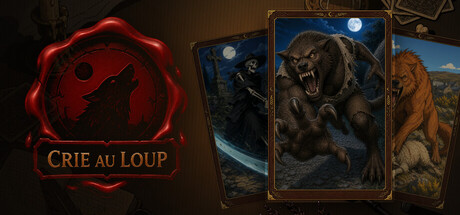 Crie au loup In-game content arttextcode | Crie au loup is made with AI, from the first prototype to the illustrations. That is not a manufacturing detail: it is as much the project as the game itself.
My role is not a craftsman's: I painted no card, and I did not write the code line by line. I designed the system, I direct it, I arbitrate and I verify. Deciding what makes it into the game, what gets redone, what gets cut: that is production work, and it is mine.
What is generated: the creature and location artwork, the interface, a large share of the code and the writing. What is measured rather than assumed: card balance, computed over thousands of simulated matches before every update. What is verified: the historical sources behind every legend, published one by one on the official site, where you can open them and prove me wrong.
What is never generated is your match. No image, no text and no game decision comes out of a model while you play: the engine is deterministic, and the solo opponent is a classic program applying the rules.
Crie au loup is one of the projects I run around generative AI, and the only one you can play. The making-of is documented without varnish in the devlog on the official site. | NXUS | - | Sep 3, 2026 | |
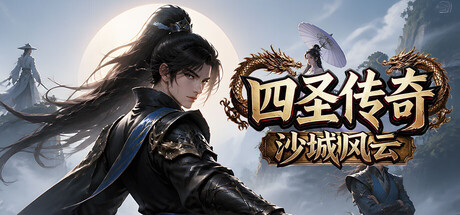 四圣传奇之沙城风云 Store/marketing art | Only use AI to assist in generating promotional materials. | 四圣传奇之沙城风云 | - | Sep 3, 2026 | |
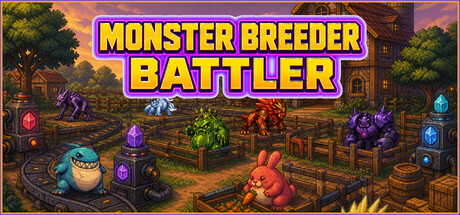 Monster Breeder Battler In-game content art | Some of this game's 2D art assets — creature, machine, prop and building sprites — were produced with the assistance of generative AI image tools during development. All generated material was reviewed, edited and hand-finished by our artists before it shipped, and it is integrated as fixed, pre-rendered art. The game does not generate any content live while you play. | ioStudios | - | Sep 3, 2026 | |
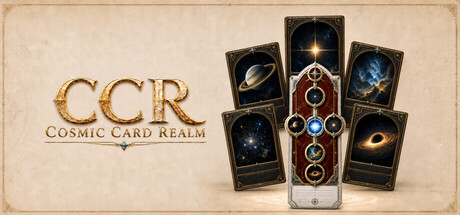 CCR - Cosmic Card Realm In-game content artaudiotextcode | The game's art assets were created with the assistance of AI tools, including ChatGPT and Tencent Hunyuan. The game's music and sound effects were generated using Suno. Localized text for languages other than Chinese was translated with the assistance of ChatGPT. AI-assisted programming tools, including ChatGPT, were also used during the game's development. | Nan | - | Sep 3, 2026 | |
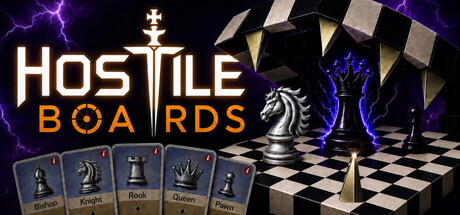 Hostile Boards In-game content art | Hostile Boards uses AI-generated content minimally, primarily for image creation and touch-ups in some of our visual assets. All AI-generated images are based on original designs and concepts created by our team. No live AI content generation or dynamic AI use occurs during gameplay | ChessFinity | - | Sep 3, 2026 | |
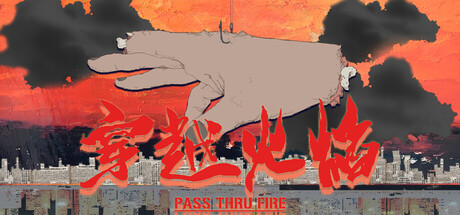 穿越火焰 Pass Thru Fire In-game content audioart | Some of the game's background music was created using generative AI, and a very small portion of the visuals underwent refinement or fine-tuning using generative AI. | 方郎 | - | Sep 3, 2026 | |
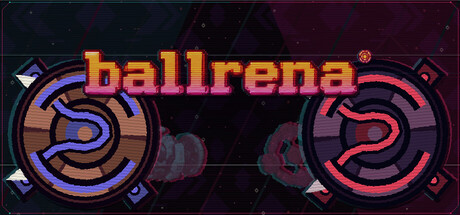 BALLRENA In-game content art | Generative AI was used during development to assist with portions of pre-generated in-game artwork and Steam store/marketing artwork. All outputs were reviewed, cleaned, composited, color-adjusted, and quality-checked by the development team. The game does not generate AI content at runtime. | vampireblackcat | - | Sep 3, 2026 | |
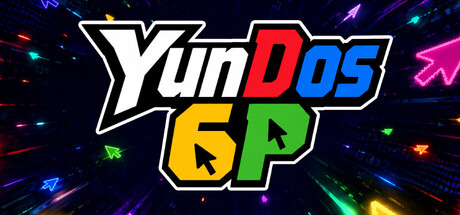 YunDos 6p Store/marketing art | AI was used only to create visual assets for the Steam Store page. | Yesa Studio | - | Sep 3, 2026 | |
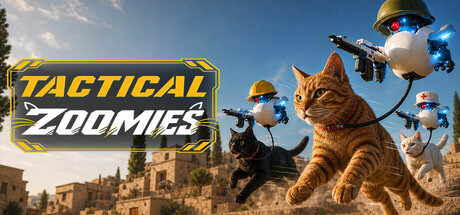 Tactical Zoomies In-game content arttext | This game uses generative AI for some visual content, including icons, logos, game art, Steam store page art, and website marketing images. Some store and website descriptions were written with AI assistance. Store, website, and marketing art is made to match the actual in-game look and design. | HyberHub | - | Sep 3, 2026 | |
 Honest Work In-game content artaudio | Some 3D models and sounds were made with AI tools. | Coldframe Studios | - | Sep 3, 2026 | |
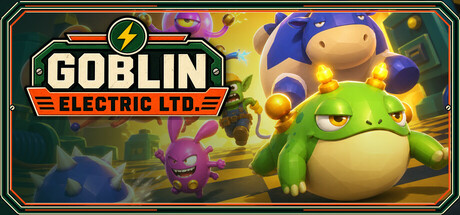 GOBLIN ELECTRIC LTD. In-game content art | Some character artwork was developed from AI-assisted concept images, then
rebuilt and refined by the developer through 3D modelling and a deterministic
No generative AI is used while the game is running. | SIU FAI CHUI | - | Sep 3, 2026 | |
 Drawforge In-game content art | OpenAI ImageGen was used during development to generate and edit some pre-generated 2D pixel-art visual assets, including UI elements, icons, backgrounds, environment artwork, and character or animation source frames. All outputs were reviewed, selected, manually edited, cleaned up, resized, palette-normalized, and integrated by the developer as fixed game assets. The game does not use generative AI at runtime and does not generate live AI content. | Drawforge | - | Sep 3, 2026 | |
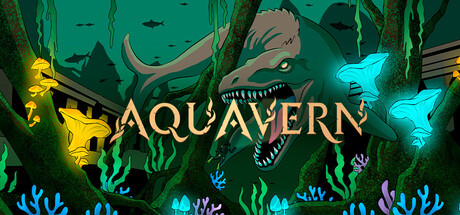 Aquavern In-game content art | A small number of static meshes in this demo were generated using AI tools. This AI-generated content is temporary and will be fully replaced with original, non-AI assets in future updates. By the time the full game is released, it will contain no AI-generated content. | Cainedev11 | - | Sep 3, 2026 | |
 Scrolls of Torah, Prophets & Writings Store/marketing arttext | Store assets, quiz content, and general layout of application generated with AI to help with design and formatting. Human review and edit before any code implemented. This game does not have any AI models running in the background or in-game. All scriptures are public domain. | IncapacitatedSun Games | - | Sep 3, 2026 | |
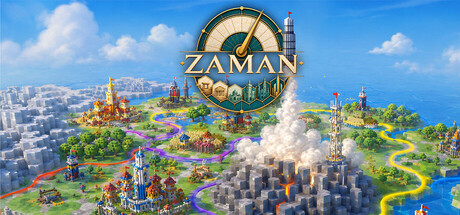 Zaman In-game content art | As part of our early access work, we have used AI-generated images as placeholders for the illustrations on our cards and leader icons. This allows us to iterate quickly and see which game mechanics players like or dislike. We will replace these with human art once we've received enough feedback to finalize what we keep or discard. | Naleka Studio | - | Sep 3, 2026 | |
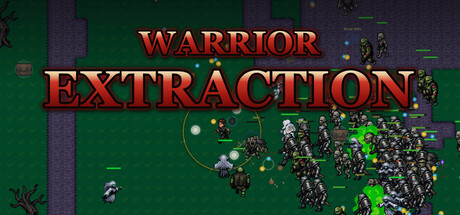 Warrior Extraction In-game content art | Spring Tales uses generative AI in the following way:
Some of the game's 2D pixel-art assets — including certain characters, enemies, equipment and item icons, environment tiles, and user-interface elements — were created with the help of an AI-assisted art generation tool. Every AI-assisted asset was reviewed, edited, curated, and integrated by the developer to match the game's art style and quality standards.
No generative AI runs live during gameplay. The game does not generate any content in real time while you play — all art, text, and content shipped in the game is fixed and was produced during development. | Spring Tales | - | Sep 3, 2026 | |
 Lomiya: Do LLMs Dream of Modern Poetry? In-game content art | AI tools were used to assist in creating character sprites during development, followed by manual retouching and adjustments. The game does not generate real-time AI content during gameplay. | Terminal Poetry | - | Sep 3, 2026 | |
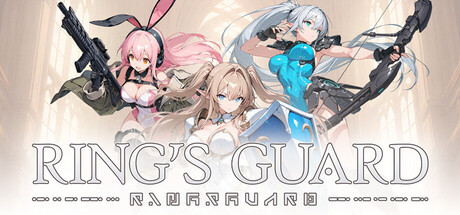 Ring's Guard In-game content arttext | Generative AI is used to assist in the creation of character illustrations, icons, backgrounds, and other 2D artwork. All AI-generated assets are reviewed, edited, and refined by the developer to ensure they fit the game's content and quality standards.
Text in languages other than Japanese is translated using generative AI, then reviewed by the developer before being included in the game. | Tomat | - | Sep 3, 2026 | |
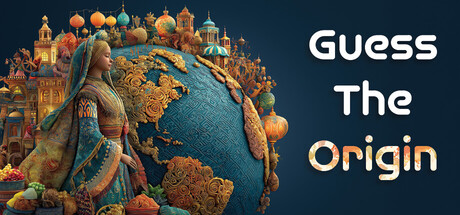 Guess the Origin In-game content art | Some in-game images, depicting traditional dress, festivals, food, and cultural artifacts, were created using an AI image generation pipeline (Google Gemini through an automated workflow). Every generated image was reviewed, curated, and approved by the developer before it was added to the game. No AI content is generated live during gameplay. | Karam Ghazzi | - | Sep 3, 2026 | |
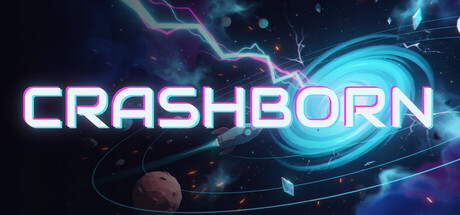 Crashborn In-game content artaudio | Some of Crashborn's art, audio and base 3D models were created with generative AI tools and edited by hand. They are placeholders being replaced with work from dedicated artists ahead of the 1.0 release. The game does not generate content at runtime. | Rukium Labs | - | Sep 3, 2026 | |
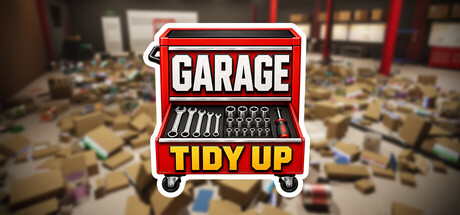 Garage: Tidy Up! Dev only art | Were used during development to assist with selected visual asset workflows.
All final assets were reviewed, edited, optimized, and manually integrated by the developer. | Cat Company Limited | - | Sep 3, 2026 | |
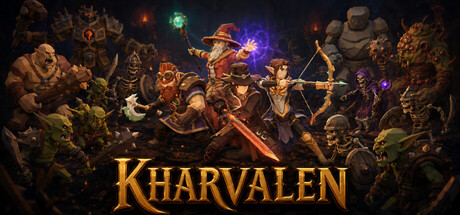 Kharvalen In-game content art | Artificial intelligence has been used solely to generate certain 2D icons used in the game's menus, such as icons for weapon upgrades, artifacts, and similar elements.
AI has not been used under any circumstances to generate 3D models, user interfaces, in-game menus, weapons, enemies, environments, animations, VFX, or any other playable content or assets.
The use of AI is strictly limited to specific 2D icons of a visual and informational nature within the interface. | Lisarde | - | Sep 3, 2026 | |
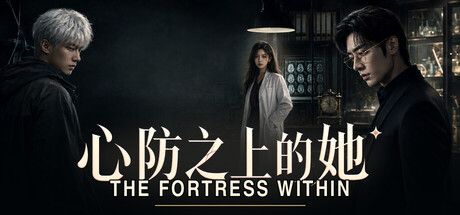 心防之上的她 In-game content art | This game uses pre-generated AI-assisted artwork for characters, scene backgrounds, and store promotional assets. All AI-generated content was created before release. No content is generated by AI during gameplay, and the game does not connect to external AI services. | 温州金酷网络科技有限公司 | - | Sep 3, 2026 | |
 Do you remember? In-game content artaudio | Some images and music were made with the help of AI. | Voider Games | - | Sep 3, 2026 | |
 Where Are My Cats? In-game content art | Generative AI tools were used during the development and preparation of the game and its visual materials.
The game logo used in the main menu and pause panel was created with the assistance of AI.
AI assistance was used during the coding and development process when needed.
The logo animations shown at the beginning of the games were created with AI assistance.
Visual materials prepared for the Steam store page, excluding the in-game visuals, were created with AI assistance.
AI was used specifically for the intro logo animation.
For Steam visuals, suitable designs were selected from AI-generated concepts and then enhanced and upscaled using image enhancement tools. | Ozy Cozy Games | - | Sep 3, 2026 | |
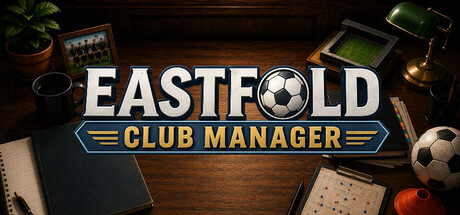 Retro Club Manager In-game content art | Background graphics have been generated with AI. This might change during Early Access, as the goal is to replace all AI artwork by artwork made by real artists. | Victus Fatis | - | Sep 3, 2026 | |
 DashBreaker In-game content artaudiotext | Generative AI tools were used extensively during the development of DashBreaker. They assisted with programming, selected sound effects and visual materials, player-facing text and localization, and Steam store and marketing materials. All AI-assisted output was reviewed, edited, tested, and integrated by the developer. No content or code is generated by AI during gameplay, and the game does not connect to external AI services while running. | sagelab | - | Sep 3, 2026 | |
 Mayor: City in Session In-game content art | Some images have been generated by AI. This include the in-game background as well as the Logo and other visual assets on the steam store associated with this game. | HeavyRescue112 | - | Sep 3, 2026 | |
 ALASH In-game content art | In ALASH, we utilized generative AI as a supplementary tool to assist in creating 2D art assets. Specifically, AI networks were used to help develop certain environment elements, textures, and background images to enhance the unique visual style of our alternate history setting. Please note that all game design, core mechanics, storyline, tower defense logic, and programming code were created entirely by hand by our development team. AI was used solely to support our artistic vision, ensuring that the integrity and soul of the gameplay remain entirely human-made. | YERKEBULAN TOKTARKHAN | - | Sep 3, 2026 | |
 JANJARA: Automatic Mahjong Table Simulator Store/marketing textart | AI assistance was used to edit and localize the Steam store text and to help select, crop, and composite developer-captured gameplay screenshots and recordings with the developer-provided JANJARA logo for store capsules, library artwork, client icons, and the trailer. No synthetic gameplay imagery or audio was generated, and the game does not generate AI content during play. | Avalon Studio Japan | - | Sep 3, 2026 | |
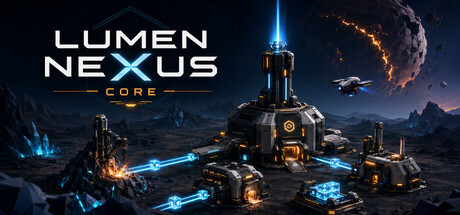 Lumen Nexus: Core In-game content art | Generative AI tools were used to support the creation and iteration of some visual assets and development-related content. All final assets are reviewed, edited, and selected by the developer before being included in the game or promotional materials. The game does not generate AI content live during gameplay. | ToddLN | - | Sep 3, 2026 | |
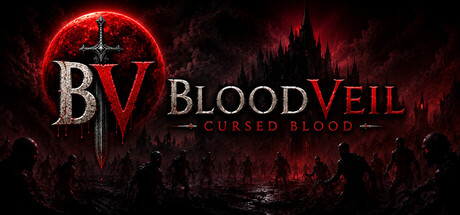 BloodVeil Store/marketing art | Some of the capsule art was helped brought to life with AI for store page only no Generative AI Is used in the actual game itself. | MoonLiteGames | - | Sep 3, 2026 | |
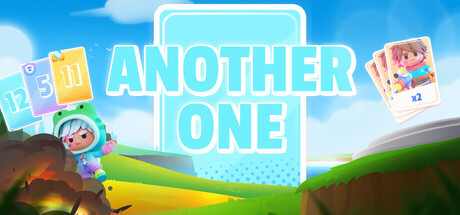 Another One In-game content art | Game art and character designs were crafted with the assistance of AI generation tools. | Giacomo Daniele Nicotra | - | Sep 3, 2026 | |
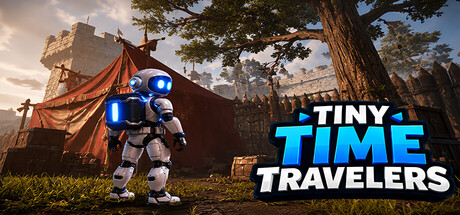 Tiny Time Travelers In-game content artaudio | As a solo dev, I created or commissioned/licensed the game assets. No 3D assets were AI-generated. AI was used only for some 2D artwork and audio. | Rocket Munky | - | Sep 3, 2026 | |
 Tohunga In-game content textaudioart | AI was used for translating and voicing the dialogues.
Some images in the game and achievement icons were created using AI. | BEZ WAS | - | Sep 3, 2026 | |
 财富大爆炸 In-game content art | 游戏内的一些美术资源图片使用AI生成 | 早安宇宙 | - | Sep 3, 2026 | |
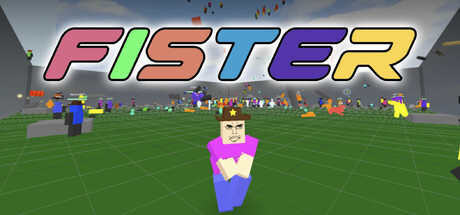 Fister In-game content codeart | "This game's code, including the level and cosmetics editors, are all AI-generated.
The maps and music are not AI-generated.
Some cosmetics may be AI-generated, but most are not." | Bootloop Studio | - | Sep 2, 2026 | |
 DesktopForge Store/marketing codetextart | 本アプリのソースコードの大部分は、人間の指示とレビューのもとでAIコーディング支援ツール(LLM)を用いて作成されています。ストアページの文章作成にもAI支援を利用しています。 / Most of this application's source code was written using AI coding tools (LLMs) under human direction and review. AI assistance was also used in preparing store page text. ロゴおよびストア用画像の一部は画像生成AIで作成しています。 / Some artwork, including the logo and store images, was created with generative AI. | ふぁみたん | - | Sep 2, 2026 | |
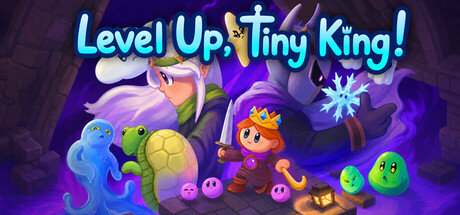 Level Up, Tiny King! In-game content art | Some 2D visual assets were created with assistance from generative AI, then manually edited and polished by the developer. No AI-generated content is created during gameplay. | Warband & Magic | - | Sep 2, 2026 | |
 万圣夜砰砰砰(Halloween Poppp) In-game content arttext | During the development of this game, generative AI tools were used to assist in creating some of the art materials (scenes / props / UI) and text content. All AI-generated content has been thoroughly reviewed, modified, optimized, and checked for copyright by humans to ensure the quality and compliance of the content. | G-Dna | - | Sep 2, 2026 | |
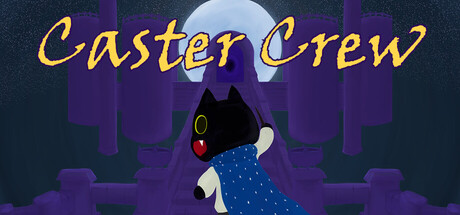 Project N In-game content artcode | Generative AI tools were used during development to assist with prototyping and writing portions of the game's code and Blueprint logic. AI-generated images were also used as source material for some Niagara visual effects. All AI-assisted content was reviewed, modified, and integrated by the development team. | Meeiron Studio | - | Sep 2, 2026 | |
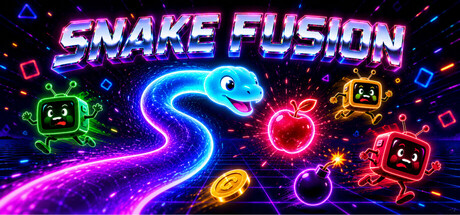 Snake Fusion In-game content art | Generative AI was used only to create the images used for in-game upgrades. All other game assets and content were created without generative AI. | AndKGames | - | Sep 2, 2026 | |
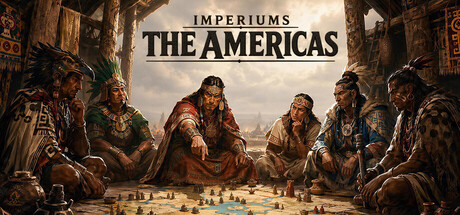 Imperiums: The Americas Store/marketing art | Generative AI tools were used to assist in the creation and refinement of some visual assets, including illustrations, user interface elements, and marketing materials. | Kube Games | - | Sep 2, 2026 | |
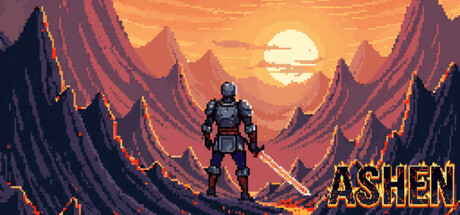 Ashen In-game content art | Some of the game's visual assets (tilesets, textures, sprites) were created with the assistance of AI image generation tools (PixelLab), then manually edited and integrated by the developer. No AI is used to generate content at runtime or during gameplay. | Bando Corp | - | Sep 2, 2026 | |
 PARRYGON In-game content audioart | AI for music and sound effects and store art. All AI content is pre-generated and shipped in the build. Nothing is generated live. | OverLKD Studio | - | Sep 1, 2026 | |
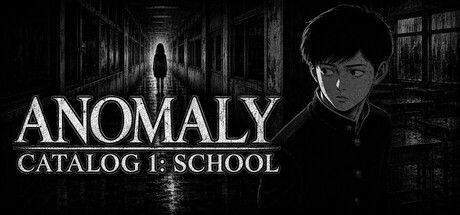 ANOMALY CATALOG 1: SCHOOL In-game content arttext | Generative AI was used to assist in creating pre-generated game content and promotional materials. No AI-generated content is created during gameplay. | H999 Games | - | Sep 1, 2026 | |
 Unreported Shift In-game content art | AI was used to generate some game assets. | Vetra | - | Sep 1, 2026 | |
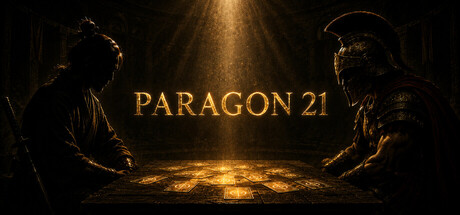 PARAGON 21 In-game content art | Some visual assets in this game — including character portraits, illustrations, and marketing images — were created with the assistance of generative AI tools. All AI-generated material was reviewed, edited, and finalized by the developer. No AI content is generated during gameplay. | ANIMAL-Z | - | Sep 1, 2026 | |
 Horta Maluca In-game content artcode | Generative AI tools were used during development to assist with programming and to create some pre-generated visual assets, including icons, illustrations, and sprite artwork. All AI-assisted content was reviewed, edited, selected, and integrated by the developer. The game does not generate AI content during gameplay. | BKP STUDIO | - | Sep 1, 2026 |


