Public Steam disclosure research25,706 disclosures tracked
Where do games disclose AI use?
Search developers’ Steam disclosures, compare classified AI use across
games, and follow recorded changes.
This index adds cross-game classifications and statistics to
statements published on individual store pages.
Groups reflect automatic analysis of public disclosures; mature records are excluded. These counts do not measure AI use across all of Steam.
Missing or unclear statements cannot establish whether a game uses AI.
Generative AI was used during development to create selected pre-generated store graphics, story illustrations, and in-game art. These assets were reviewed and edited before inclusion. The game does not generate AI content at runtime and does not send player input or personal data to AI services.
Policy on the Use of Generative AI Technology in Our Titles
HUGA INC. (hereinafter referred to as "the Company") actively adopts and utilizes generative AI technology—including code assistance tools for development efficiency and image generation—in our titles. This is positioned as part of our development process to pursue new possibilities of artistic expression and high productivity in small-scale indie game development.
In utilizing AI technology, the Company strictly adheres to the following compliance and development standards:
■ Compliance with Laws and Intellectual Property Rights
Our development process complies with the Copyright Act of Japan (including the provisions for information analysis under Article 30-4) as well as the laws and regulations of relevant countries. Generative AI tools are used strictly within legally permitted boundaries.
■ Adherence to Distribution Platform Guidelines
We strictly comply with the disclosure obligations and various guidelines regarding generative AI established by Steam and other distribution platforms, ensuring appropriate information disclosure and proper registration processes.
■ Establishment of Creative Direction as a Proprietary Product
All AI-generated assets are integrated into our games only after undergoing our strict creative direction, editing, processing, and reconstruction within the overall game design. Our products do not rely on mere automated output.
The Company positions the proactive adoption of new technologies to deliver next-generation entertainment as a core innovation strategy for an indie developer.
Please note that while the Company closely monitors the ongoing social and ethical debates surrounding AI technology, we conduct our business lawfully based on current regulations and platform rules. Therefore, we do not issue individual statements or respond to inquiries regarding legal interpretations or related debates. Thank you for your understanding.
Contenu visuel pré-généré uniquement. Des outils d'IA générative ont servi à
produire une partie des illustrations livrées avec le jeu (portraits de
personnages, décors, illustrations de cartes, icônes de succès) ainsi que des
ressources graphiques de la page du magasin. Toutes les images ont été
sélectionnées, retouchées et validées manuellement par le développeur avant
intégration. Aucune génération en temps réel pendant le jeu.
Some art, music and sound effects were created with the assistance of generative AI tools, under the creative direction of the developer. All AI-assisted content was reviewed and curated before inclusion. The game does not use AI to generate content during gameplay.
Generative AI technologies were utilized during the development of this project in the following ways:
1. Visual Art: AI tools were used to assist in generating and optimizing certain visual assets (such as table backgrounds, card backs, and UI elements).
2. Translation: AI was used to assist in the multi-language localization of in-game text and rule descriptions.
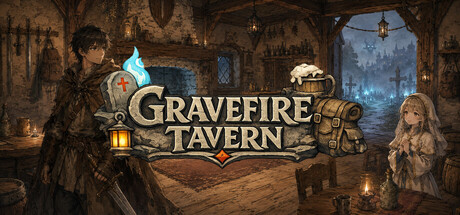
This game contains pre-generated 2D artwork and source code created with ChatGPT during development. All game source code was generated with ChatGPT, then reviewed, tested, debugged, and integrated by the developer. The artwork was generated from original prompts written for Gravefire Tavern, then reviewed, selected, edited, composited, cropped, and integrated by the developer. No generative AI runs during gameplay, and no player input is sent to an AI service.
Generative AI tools were used during the development of this game and in the creation of some of its visual, audio, and technical content.
AI was used to create and refine the background, logo, and related visual elements.
AI-assisted tools were used to create and prepare some of the sound effects.
AI-powered coding tools were used for code generation, autocomplete, and development assistance.
AI-generated designs were selected, edited, and enhanced for use in some of the game's visual content.
Some visuals were selected from AI-generated designs and subsequently enhanced and upscaled.
All AI-generated or AI-assisted content was reviewed, selected, edited, and adapted by the developer before being used in the game.
Generative AI is used to assist with research or as rough internal placeholders. No AI-generated art, animation, music, text, or in-game live generation is used. All game content is created, shaped, reviewed, and approved by our team.
Generative AI technology is used in a supplementary capacity during the creation of some 2D prop assets.
Any such assets are replaced through our production pipeline by our art and development teams, ensuring they meet our quality standards and creative direction.
Generative AI was used to create artwork, and some sound effects. All generated content was tested automatically and reviewed by human.
Background Music, and some sound effects are licensed from third-party libraries and are not AI-generated.
No AI content is generated during gameplay. The game does not connect to an external AI service during gameplay, and all shipped content is finalized and static.
AI tools were used during development to provide feedback on artwork and assist with localization. No AI-generated artwork or other AI-generated assets are included in the final game.
Some 2D‑art assets in this game are created with the assistance of generative‑AI tools. These assets have been filtered, edited, composited and manually reviewed by the developer before being used in‑game. The game does not perform real‑time content generation based on player input during runtime, nor does it send any player input to generative‑AI services.
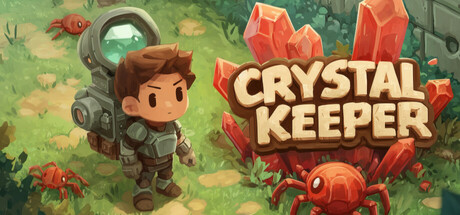
Crystal Keeper is made by one person. I used generative AI tools during development to help create some of the game's assets, such as artwork and music, every asset was hand-picked and integrated by me. No AI is used at runtime: nothing is generated while you play.
Generative AI tools were used during development to create or process some pre-generated voice audio and selected 2D visual assets, including stylized character and news-related images.
All AI-assisted content is created before release and manually reviewed, edited, and curated by the developer before being included in the game.
No generative AI runs during gameplay, and no player input or data is sent to generative AI services.
Some visual assets in the game, including certain card illustrations and UI elements, were created with the assistance of generative AI tools. These assets were generated during development and are included as pre-generated content in the game.
This game may include content created with the assistance of generative artificial intelligence, including artwork, music, sound, narrative, or other assets. The use of generative AI may change over the course of development and future updates, including the introduction of further AI-generated content.
3D models used in the game were pre-generated or generated with the assistance of AI technology prior to build deployment. All models have been reviewed, integrated, and verified to ensure they comply with rights, quality standards, and platform policies.
Some store page art and description text were produced with AI assistance. All in-game art, audio and text are hand-authored or procedurally generated.
Some 2D art assets in this game (character illustrations, sprites, backgrounds, and UI decorations) were created using generative AI (Google Gemini) and then retouched and processed under human supervision. Text, code, and game design were created with AI-assisted tools under human direction and review. All generated content has been reviewed by a human to ensure it does not resemble existing copyrighted works.
Artificial intelligence was used to assist with interface localization and adaptation of in-game textures.
There was a time when people used Google Translate, and terrible localization for many languages was common. Times have changed, progress does not stand still. Today, new and more advanced tools have emerged, and people now use them instead of outdated ones.
During the development of The Sin of Ritter, generative AI tools were used as support in the content creation process. These tools assisted with the production of voice acting in different languages, the translation and localization of the game's text, as well as the creation of some textures used in the composition of the environments.
The game does not use AI while you play. Every sentence and every drawing you see in a match is made by the players in the room with you.
Some assets in this game were created with generative AI during development. The music was made with Suno as to avoid in copyright issues for streamers/clippers who play the game. Several pieces of cabin furniture and set dressing were generated with Meshy, and the logo and one in-game painting came from OpenAI image generation. The game's 13 language translations were AI-assisted.
Some game art was created with generative AI assistance (Grok / xAI). Design and direction by Rubbleline Games. No AI content is generated during gameplay, and the game does not call external AI services while playing.
Galithia uses generative AI during development for some concepting, visual iteration, and content support. Any AI-assisted assets or materials are reviewed, modified, and integrated by the developer, with final approval and creative direction remaining fully human-led. Gameplay systems, combat balance, encounter design, and final implementation are developer-controlled.
Generative AI was used to create artwork for the in-game How to Play instructional image. All other game artwork and visual assets were created by the developer.
This game uses a few assets purchased from FAB which may or may not contain AI-generated content. I have personally done my best to scrub AI out of those few purchased assets. There are also two images and two short instrumentals, and that's it.
Generative AI tools were used during development to assist with programming and to create some pre-generated 2D visual assets, including icons and promotional artwork. All AI-assisted code and generated assets were reviewed, tested, edited, and integrated by the developer. No generative AI is used while the game is running, and no content is generated live.
Generative AI was used in parts of this project: the animated story cutscenes were brought to life with AI tools from original artwork drawn by the developer; the game's music, most of its sound effects, some in-game images such as the main menu, its logo and some promotional material, the store-page translations, and the English and Turkish in-game text were also created with generative AI tools. The gameplay itself — its systems, characters, environments and screenshots — is authentic and shows the real game. No AI is used to generate content during gameplay.
This game was developed with the help of generative AI tools in the following areas:
Some art assets, including characters, backgrounds, UI, and effects
Store page capsule images and key art
English localization of in-game text
Portions of the source code
All generated output was reviewed, edited, and integrated by the developer, and the final content is the developer's responsibility. No content is generated by AI while the game is running.
AI-assisted tools were used during the development of this game to help with portions of the programming process, the creation of some visual assets, and certain audio assets. All AI-assisted content was reviewed, refined, and integrated by the development team before release. The game does not use generative AI to create content during gameplay and does not rely on external AI services while running.
We integrate artificial intelligence solely as a creative assistance tool during pre-production and artistic exploration phases.
Specifically, we use image generators to produce preliminary concept art, explore different visual directions, and accelerate iteration on our graphic ideas.
AI serves only as a source of inspiration, while the entire final content is fully created, curated, and refined by our human team.
Generated images are never used as-is in the final product.
Every visual element in the game (textures, characters, environments, illustrations, etc.) is recreated, retouched, painted, recomposed, or manually validated by our artists to ensure:
originality of the content,
respect for copyright,
artistic consistency,
and compliance with Steam/Valve guidelines.
AI does not contribute to the generation of final assets, 3D models, animations, sounds, or any other elements directly integrated into the game.
Its role is strictly limited to providing visual references, aesthetic guidance, and starting points to help our team work more efficiently.
This approach allows us to maintain a strong and authentic artistic identity while benefiting from a more fluid, inspiring, and innovative creation process — directly reflected in the quality, coherence, and originality of our game.
We use AI as a technical tool to support our human developers. While all of our 3D game models, environments, and core game art are hand-crafted by our artists, we use AI to assist with 2D rendering and localization. For 2D promotional art, AI is used to composite, light, and polish images based strictly on our original in-game assets. We also utilize AI-assisted translation pipelines to help localize our massive world into multiple languages for our global community.
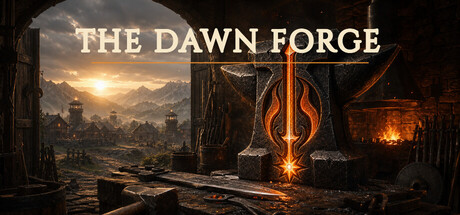
Some of the artwork in The Dawn Forge — the item, building, unit and boss illustrations — and the spoken narration lines were created using AI image and voice tools, working from the developer's own art direction and scripts, and then composed and edited by hand. Nothing is generated while you play: the game runs entirely offline and never contacts an AI service.
Some of the store promotional materials for this game (including the cover, main key visual, and some 2D UI elements) were created with the assistance of generative AI. In-game visual effects, programming, gameplay, and all other game content were developed entirely by human developers. The game does not use generative AI during runtime, nor does it collect or upload player data.
AI helped us create our new logo, and we used Claude Code to help us with... the code, bro. Otherwise, the game's hand-made!
Our world is entering a troubling and hilarious time, and so critical reflection is important - but we are not categorically anti-AI. After all, you can't criticize something you don't understand, can you?
Some pre-rendered assets were created with the assistance of generative AI tools during development: the key art illustration, the store capsule images derived from it, and parts of the localization (translated interface text). All AI-assisted content was reviewed and curated by the developer. The game does not generate any content with AI at runtime.
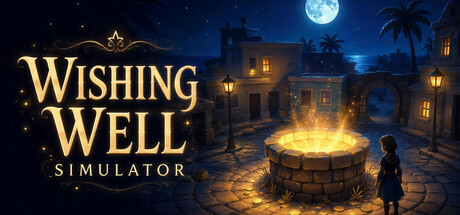
Wishing Well Simulator uses generative AI tools during development only; nothing is generated while you play, and the game never connects to any external AI service.
Pre-generated content made with AI assistance:
Key art and store artwork were created with generative image tools and then edited by hand.
The 3D well model was generated with an AI 3D tool (Meshy) and reworked by hand (materials, UVs, textures).
Translations into 21 languages beyond the original Turkish were produced with AI-assisted translation and then reviewed by hand, including platform terminology corrections.
Some secondary text (credits, tutorial hints) was drafted with AI assistance and edited by the author.
Written by hand: the story, all 119 events, the characters and dialogue, the game design and code. Sound effects are procedurally generated by the game's own code (no AI); the game has no music or voice acting.
Generative AI was used during development to create selected pre-generated store graphics, story illustrations, and in-game art. These assets were reviewed and edited before inclusion. The game does not generate AI content at runtime and does not send player input or personal data to AI services.
Policy on the Use of Generative AI Technology in Our Titles
HUGA INC. (hereinafter referred to as "the Company") actively adopts and utilizes generative AI technology—including code assistance tools for development efficiency and image generation—in our titles. This is positioned as part of our development process to pursue new possibilities of artistic expression and high productivity in small-scale indie game development.
In utilizing AI technology, the Company strictly adheres to the following compliance and development standards:
■ Compliance with Laws and Intellectual Property Rights
Our development process complies with the Copyright Act of Japan (including the provisions for information analysis under Article 30-4) as well as the laws and regulations of relevant countries. Generative AI tools are used strictly within legally permitted boundaries.
■ Adherence to Distribution Platform Guidelines
We strictly comply with the disclosure obligations and various guidelines regarding generative AI established by Steam and other distribution platforms, ensuring appropriate information disclosure and proper registration processes.
■ Establishment of Creative Direction as a Proprietary Product
All AI-generated assets are integrated into our games only after undergoing our strict creative direction, editing, processing, and reconstruction within the overall game design. Our products do not rely on mere automated output.
The Company positions the proactive adoption of new technologies to deliver next-generation entertainment as a core innovation strategy for an indie developer.
Please note that while the Company closely monitors the ongoing social and ethical debates surrounding AI technology, we conduct our business lawfully based on current regulations and platform rules. Therefore, we do not issue individual statements or respond to inquiries regarding legal interpretations or related debates. Thank you for your understanding.
Contenu visuel pré-généré uniquement. Des outils d'IA générative ont servi à
produire une partie des illustrations livrées avec le jeu (portraits de
personnages, décors, illustrations de cartes, icônes de succès) ainsi que des
ressources graphiques de la page du magasin. Toutes les images ont été
sélectionnées, retouchées et validées manuellement par le développeur avant
intégration. Aucune génération en temps réel pendant le jeu.
Some art, music and sound effects were created with the assistance of generative AI tools, under the creative direction of the developer. All AI-assisted content was reviewed and curated before inclusion. The game does not use AI to generate content during gameplay.
Generative AI technologies were utilized during the development of this project in the following ways:
1. Visual Art: AI tools were used to assist in generating and optimizing certain visual assets (such as table backgrounds, card backs, and UI elements).
2. Translation: AI was used to assist in the multi-language localization of in-game text and rule descriptions.
This game contains pre-generated 2D artwork and source code created with ChatGPT during development. All game source code was generated with ChatGPT, then reviewed, tested, debugged, and integrated by the developer. The artwork was generated from original prompts written for Gravefire Tavern, then reviewed, selected, edited, composited, cropped, and integrated by the developer. No generative AI runs during gameplay, and no player input is sent to an AI service.
Generative AI tools were used during the development of this game and in the creation of some of its visual, audio, and technical content.
AI was used to create and refine the background, logo, and related visual elements.
AI-assisted tools were used to create and prepare some of the sound effects.
AI-powered coding tools were used for code generation, autocomplete, and development assistance.
AI-generated designs were selected, edited, and enhanced for use in some of the game's visual content.
Some visuals were selected from AI-generated designs and subsequently enhanced and upscaled.
All AI-generated or AI-assisted content was reviewed, selected, edited, and adapted by the developer before being used in the game.
Generative AI is used to assist with research or as rough internal placeholders. No AI-generated art, animation, music, text, or in-game live generation is used. All game content is created, shaped, reviewed, and approved by our team.
Generative AI technology is used in a supplementary capacity during the creation of some 2D prop assets.
Any such assets are replaced through our production pipeline by our art and development teams, ensuring they meet our quality standards and creative direction.
Generative AI was used to create artwork, and some sound effects. All generated content was tested automatically and reviewed by human.
Background Music, and some sound effects are licensed from third-party libraries and are not AI-generated.
No AI content is generated during gameplay. The game does not connect to an external AI service during gameplay, and all shipped content is finalized and static.
AI tools were used during development to provide feedback on artwork and assist with localization. No AI-generated artwork or other AI-generated assets are included in the final game.
Some 2D‑art assets in this game are created with the assistance of generative‑AI tools. These assets have been filtered, edited, composited and manually reviewed by the developer before being used in‑game. The game does not perform real‑time content generation based on player input during runtime, nor does it send any player input to generative‑AI services.
Crystal Keeper is made by one person. I used generative AI tools during development to help create some of the game's assets, such as artwork and music, every asset was hand-picked and integrated by me. No AI is used at runtime: nothing is generated while you play.
Generative AI tools were used during development to create or process some pre-generated voice audio and selected 2D visual assets, including stylized character and news-related images.
All AI-assisted content is created before release and manually reviewed, edited, and curated by the developer before being included in the game.
No generative AI runs during gameplay, and no player input or data is sent to generative AI services.
Some visual assets in the game, including certain card illustrations and UI elements, were created with the assistance of generative AI tools. These assets were generated during development and are included as pre-generated content in the game.
This game may include content created with the assistance of generative artificial intelligence, including artwork, music, sound, narrative, or other assets. The use of generative AI may change over the course of development and future updates, including the introduction of further AI-generated content.
3D models used in the game were pre-generated or generated with the assistance of AI technology prior to build deployment. All models have been reviewed, integrated, and verified to ensure they comply with rights, quality standards, and platform policies.
Some store page art and description text were produced with AI assistance. All in-game art, audio and text are hand-authored or procedurally generated.
Some 2D art assets in this game (character illustrations, sprites, backgrounds, and UI decorations) were created using generative AI (Google Gemini) and then retouched and processed under human supervision. Text, code, and game design were created with AI-assisted tools under human direction and review. All generated content has been reviewed by a human to ensure it does not resemble existing copyrighted works.
Artificial intelligence was used to assist with interface localization and adaptation of in-game textures.
There was a time when people used Google Translate, and terrible localization for many languages was common. Times have changed, progress does not stand still. Today, new and more advanced tools have emerged, and people now use them instead of outdated ones.
During the development of The Sin of Ritter, generative AI tools were used as support in the content creation process. These tools assisted with the production of voice acting in different languages, the translation and localization of the game's text, as well as the creation of some textures used in the composition of the environments.
The game does not use AI while you play. Every sentence and every drawing you see in a match is made by the players in the room with you.
Some assets in this game were created with generative AI during development. The music was made with Suno as to avoid in copyright issues for streamers/clippers who play the game. Several pieces of cabin furniture and set dressing were generated with Meshy, and the logo and one in-game painting came from OpenAI image generation. The game's 13 language translations were AI-assisted.
Some game art was created with generative AI assistance (Grok / xAI). Design and direction by Rubbleline Games. No AI content is generated during gameplay, and the game does not call external AI services while playing.
Galithia uses generative AI during development for some concepting, visual iteration, and content support. Any AI-assisted assets or materials are reviewed, modified, and integrated by the developer, with final approval and creative direction remaining fully human-led. Gameplay systems, combat balance, encounter design, and final implementation are developer-controlled.
Generative AI was used to create artwork for the in-game How to Play instructional image. All other game artwork and visual assets were created by the developer.
This game uses a few assets purchased from FAB which may or may not contain AI-generated content. I have personally done my best to scrub AI out of those few purchased assets. There are also two images and two short instrumentals, and that's it.
Generative AI tools were used during development to assist with programming and to create some pre-generated 2D visual assets, including icons and promotional artwork. All AI-assisted code and generated assets were reviewed, tested, edited, and integrated by the developer. No generative AI is used while the game is running, and no content is generated live.
Generative AI was used in parts of this project: the animated story cutscenes were brought to life with AI tools from original artwork drawn by the developer; the game's music, most of its sound effects, some in-game images such as the main menu, its logo and some promotional material, the store-page translations, and the English and Turkish in-game text were also created with generative AI tools. The gameplay itself — its systems, characters, environments and screenshots — is authentic and shows the real game. No AI is used to generate content during gameplay.
This game was developed with the help of generative AI tools in the following areas:
Some art assets, including characters, backgrounds, UI, and effects
Store page capsule images and key art
English localization of in-game text
Portions of the source code
All generated output was reviewed, edited, and integrated by the developer, and the final content is the developer's responsibility. No content is generated by AI while the game is running.
AI-assisted tools were used during the development of this game to help with portions of the programming process, the creation of some visual assets, and certain audio assets. All AI-assisted content was reviewed, refined, and integrated by the development team before release. The game does not use generative AI to create content during gameplay and does not rely on external AI services while running.
We integrate artificial intelligence solely as a creative assistance tool during pre-production and artistic exploration phases.
Specifically, we use image generators to produce preliminary concept art, explore different visual directions, and accelerate iteration on our graphic ideas.
AI serves only as a source of inspiration, while the entire final content is fully created, curated, and refined by our human team.
Generated images are never used as-is in the final product.
Every visual element in the game (textures, characters, environments, illustrations, etc.) is recreated, retouched, painted, recomposed, or manually validated by our artists to ensure:
originality of the content,
respect for copyright,
artistic consistency,
and compliance with Steam/Valve guidelines.
AI does not contribute to the generation of final assets, 3D models, animations, sounds, or any other elements directly integrated into the game.
Its role is strictly limited to providing visual references, aesthetic guidance, and starting points to help our team work more efficiently.
This approach allows us to maintain a strong and authentic artistic identity while benefiting from a more fluid, inspiring, and innovative creation process — directly reflected in the quality, coherence, and originality of our game.
We use AI as a technical tool to support our human developers. While all of our 3D game models, environments, and core game art are hand-crafted by our artists, we use AI to assist with 2D rendering and localization. For 2D promotional art, AI is used to composite, light, and polish images based strictly on our original in-game assets. We also utilize AI-assisted translation pipelines to help localize our massive world into multiple languages for our global community.
Some of the artwork in The Dawn Forge — the item, building, unit and boss illustrations — and the spoken narration lines were created using AI image and voice tools, working from the developer's own art direction and scripts, and then composed and edited by hand. Nothing is generated while you play: the game runs entirely offline and never contacts an AI service.
Some of the store promotional materials for this game (including the cover, main key visual, and some 2D UI elements) were created with the assistance of generative AI. In-game visual effects, programming, gameplay, and all other game content were developed entirely by human developers. The game does not use generative AI during runtime, nor does it collect or upload player data.
AI helped us create our new logo, and we used Claude Code to help us with... the code, bro. Otherwise, the game's hand-made!
Our world is entering a troubling and hilarious time, and so critical reflection is important - but we are not categorically anti-AI. After all, you can't criticize something you don't understand, can you?
Some pre-rendered assets were created with the assistance of generative AI tools during development: the key art illustration, the store capsule images derived from it, and parts of the localization (translated interface text). All AI-assisted content was reviewed and curated by the developer. The game does not generate any content with AI at runtime.
Wishing Well Simulator uses generative AI tools during development only; nothing is generated while you play, and the game never connects to any external AI service.
Pre-generated content made with AI assistance:
Key art and store artwork were created with generative image tools and then edited by hand.
The 3D well model was generated with an AI 3D tool (Meshy) and reworked by hand (materials, UVs, textures).
Translations into 21 languages beyond the original Turkish were produced with AI-assisted translation and then reviewed by hand, including platform terminology corrections.
Some secondary text (credits, tutorial hints) was drafted with AI assistance and edited by the author.
Written by hand: the story, all 119 events, the characters and dialogue, the game design and code. Sound effects are procedurally generated by the game's own code (no AI); the game has no music or voice acting.