Public Steam disclosure research25,706 disclosures tracked
Where do games disclose AI use?
Search developers’ Steam disclosures, compare classified AI use across
games, and follow recorded changes.
This index adds cross-game classifications and statistics to
statements published on individual store pages.
Groups reflect automatic analysis of public disclosures; mature records are excluded. These counts do not measure AI use across all of Steam.
Missing or unclear statements cannot establish whether a game uses AI.
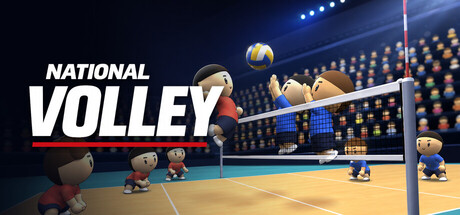
AI was used to create textures, some of the code, create a player model and rig it for animation. The sounds of footsteps, goals and ball bounces, albeit mastered, started as AI generated before being edited and mastered. Localization languages were also created by AI. (Therefore any corrections will be welcome)
Animations, music, game design, and all other elements of creativity are the work of a human exclusively.
Badgerworks Studios will never rely on AI for creativity, music, ideas for games, and once an artist has been hired, AI models either. Due to lack of in-house ability to rig models or create them from scratch, the current player model was generated and rigged (skeleton matched to model) by AI. Animations were hand made, but on the AI created and rigged model.
No AI, LLM, of frontier models are being called during game play nor will any introduced features be allowed to do so.
Generative AI was used during development to create all visual art assets and music featured in the game. The generated content was reviewed, selected, and integrated by the developer. The game does not generate AI content during gameplay.
This game was developed with the assistance of generative AI. Music, sound effects, translation, and some visual art were AI-generated, then curated and adjusted by the developer.
This game was developed through collaboration between the developer and AI tools across most content (art, writing, design); in-game translations were generated by AI.
As a solo indie developer, I'm a programmer rather than a designer, so AI was used to assist with layout creation while I focused on building the core of the game.
Generative AI tools were used during development to assist with the creation and refinement of some static promotional artwork, interface text, and localization. All AI-assisted material was reviewed and edited by the developer before inclusion. The application does not generate content during use and does not connect to any external AI service.
Artwork, music and parts of the text were created with AI tools and individually curated, refined and hand-fitted into the game by the developer. No AI content is generated at runtime.
AI tools were used during development to assist with the creation of certain 2D visual assets. Specifically, AI was used to generate some images used on the Steam store page and to assist in creating character portrait artwork used in the game. These AI-generated assets were reviewed and incorporated into the final game by the development team.
All character sprites, enemy/boss artwork, backgrounds, effect images, UI icons and illustrations in this game were pre-generated using OpenAI's ChatGPT image generation, then curated and edited by the developer (background keying, trimming, animation assembly). All background music tracks were pre-generated using Google's Gemini music generation and curated by the developer. Sound effects are procedurally synthesized by the game's own code. Store page artwork (capsules, logo) was also pre-generated using ChatGPT. The game does not generate any AI content at runtime (no live-generated content).
This game contains pre-generated content created with the assistance of generative AI, including selected visual assets, music, sound effects, and written content. All AI-assisted content is reviewed and curated by the developer before release. The game does not use generative AI to create content live while players are playing.
The Rumble Pit is made by one person, and generative AI tools were part of how it was built.
Music: the tracks you hear in the menus and in the twelve dungeons were generated with a local AI music model, from a written brief for each place, then cut, looped and mixed by hand.
2D art: the interface icons, the class and specialisation emblems, the dungeon thumbnails, the illustrated boss backdrops and the logo were produced with image generation tools, then cropped, cleaned up and colour-matched by hand.
Text and code: much of the in-game text — talent names and descriptions, loot labels, boss briefings, the translation tables — and part of the source code were drafted with an AI assistant, then edited, tested and rewritten by hand.
Not AI-generated: the 3D models and animations (licensed art packs), and the sound effects (CC0 libraries).
Nothing is generated while you play. The game connects to no AI service and produces no new content at runtime — everything ships as a fixed file, checked before release.
Generative AI was used during development to create portions of the game’s 2D artwork and a small number of 3D models. All AI-generated material was reviewed, manually edited, cleaned up, and polished by the developer before being included in the final game. Generative AI is not used to create content while the game is running.
Some store-page text and marketing images (capsules, screenshots, and similar key art) were drafted or generated with generative AI, then selected and edited by the developer.
The game itself is a hand-authored Unreal Engine title. Combat, physics, and play are not generated by AI while you play. There is no live generative AI in the build.
If later updates include AI-assisted in-game art or audio, this notice will be updated.
Pixel art assets, in-game text translation to other languages were produced with AI assistance during development and edited by the developer. No content is generated at runtime.
As a solo developer, I made use of AI for generation of models and music to act as base components. These typically went through much manual editing afterwards.
Some AI was used for testing & improvements to code in some areas
Some of Powdertron's development and marketing materials were produced with AI assistance. The store page text was drafted with an AI writing tool and edited by hand, and the capsule images and trailer were rendered by procedural code written with AI assistance, using the game's own artwork and captured gameplay footage.
The game itself contains no generative AI. Nothing is generated at runtime, no AI service is contacted while you play, and all in-game content — the materials, reaction rules, simulations and interface — is authored and deterministic.
The artwork in this game — the title screen, the application icon, the difficulty-selection backgrounds, the plate textures behind buttons and panels, and the store art — and background music tracks were created with generative AI tools, then selected and adjusted by the developer. The puzzle boards, pieces and target patterns are drawn procedurally, the sound effects are synthesized at runtime, and every puzzle is produced by a deterministic solver. No content is generated live during gameplay.
Cover art, store page imagery and music were created with AI generation tools. All game design, writing and gameplay systems were created by the developer.
Some background images and illustrations in this game are pre-generated content created using generative AI. These assets have been reviewed and, where necessary, adjusted by the developer before being included.
Generative AI was used during development to assist in the creation of certain pre-generated visual assets, including some UI artwork, icons, textures, and other 2D art. All AI-assisted content was reviewed and integrated by the developer before being included in the game. The game does not use live-generated AI during gameplay.
AI was utilized as a supplementary tool for the creation of some art and promotional imagery. The core game experience is entirely hand-crafted using the Godot engine with original and licensed assets. All AI-generated marketing materials underwent human curation and post-processing to ensure visual consistency with the actual gameplay and compliance with platform guidelines.
During development, generative AI was used to create initial drafts for some in-game 2D icons, which were then manually retouched. Generative AI was also used to remix original melodies composed and whistled by the developer into background music.
Generative AI was used during development to assist with some programming tasks, multilingual translations of in-game text, and the creation of certain graphics and sounds. All AI-assisted output was reviewed and edited by the developer. No AI content is generated in real time during gameplay.
This game uses generative AI during development to assist with selected artwork, relic and character illustrations, and limited text drafts. All generated material was created offline during development, then manually reviewed, edited, integrated, and quality-checked before being included in the game.
The game does not generate images, audio, text, code, or other content in real time, and it does not send player data or game content to external AI services during gameplay.
Generative AI was used as an assistant throughout development, and the developer reviewed and approved everything before it shipped.
It helped draft part of the in-game text, some of the marketing copy, and the scripts that generate the artwork and the audio.
No image or audio file came out of a generative model: every sprite, glyph, sound effect and music track is drawn or synthesised by deterministic code, and the same script always produces the same pixels and the same samples.
The game does not generate any content with AI while you play.
Generative artificial intelligence was used during development mainly to assist with localization and code, with some 2D/3D assets, and selected audio assets. All AI-assisted content was manually reviewed, edited, and refined by the developer before use.
MistWindow includes static visual assets — the application icon, task-tray icon, and the sprite sheets for the bundled pet characters — that were created with AI tools during development, and portions of its source code were written with the help of AI coding assistants. All of this content is pre-generated and ships as fixed files: MistWindow does not generate any content with AI while it is running, and it does not send user data to AI services.
Generative AI was used during development to assist in creating some of the fixed decorative sculptures and decorative mosaic elements that appear within the game environment. These assets were created prior to release and are static parts of the game.
Generative AI is not used to generate content during gameplay, and players do not interact with any live generative AI systems.
Generative AI tools were used during the development of BURST NOIR to assist with the creation and refinement of certain visual assets, including branding, logo concepts, promotional graphics, and some UI-related artwork.
AI-assisted tools were also used as part of the development workflow for programming, prototyping, localization, and content production.
The core fireworks simulation, gameplay systems, and final in-game presentation are implemented as part of the game itself. The game does not generate AI content in real time during gameplay.
Generative AI tools were used during development to create some pre-generated visual assets, including certain ships, enemies, bosses, and visual effects. These assets were reviewed, selected, edited, and manually processed before being integrated into the game. HULLSTORM does not generate content using AI during gameplay.
Parts of this game's 2D art were created with the help of generative AI, and every generated asset was reviewed, edited and approved by us before it shipped.
Specifically:
• In-game UI icons (weapon and stat icons) start as AI-generated flat silhouettes, which we then clean up, recolour and integrate by hand.
• Some marketing and store page imagery — background and atmospheric layers of our capsule art — is AI-generated.
• Parts of the source code and some store page text were written with AI assistance and then reviewed, edited and tested by the developers.
Everything else is made by hand, without generative AI: the logo, the app icon and mascot, all 3D models, materials, shaders and visual effects, level layouts.
No generative AI runs while you play. The game does not create content or code at runtime, and it never connects to an external AI service.
Some visual assets used in Retro TV Tycoon were created with the assistance of generative AI.
Specifically, AI-generated imagery is used for some of the fictional thumbnail artwork displayed in the **TV Catalog** and **Film Archives** sections of the game. These images are pre-generated assets created during development and are not generated dynamically while the game is running.
Generative AI is not used to generate gameplay, player interactions, or live content. The AI-assisted images are used solely as visual illustrations and thumbnails representing fictional television programs and films within the game's catalog and archive interfaces.
I use generative AI as a tool during development:
• Some 3D models (characters, creatures and props) were created with AI generation tools, then edited, rigged and animated by hand for use in the game.
• Some sound effects were generated with AI audio tools, then edited and mixed by hand.
• Some store page and marketing artwork was created with AI image generation.
Everything produced this way is reviewed and reworked by me before it ships. The game generates no content while you play and connects to no AI service at runtime.
Generative AI was used during development to create selected 2D artwork, including crew portraits, environmental elements, user interface icons, and key art. Generated assets were selected, edited, and adapted to match the game’s visual style and technical requirements. The game does not generate any AI content at runtime and does not send player data to generative AI services.
Some art assets were initially created with the assistance of generative AI tools, then manually edited and finalized by the developer. AI tools were also used to assist with multilingual localization.
AI was used to create textures, some of the code, create a player model and rig it for animation. The sounds of footsteps, goals and ball bounces, albeit mastered, started as AI generated before being edited and mastered. Localization languages were also created by AI. (Therefore any corrections will be welcome)
Animations, music, game design, and all other elements of creativity are the work of a human exclusively.
Badgerworks Studios will never rely on AI for creativity, music, ideas for games, and once an artist has been hired, AI models either. Due to lack of in-house ability to rig models or create them from scratch, the current player model was generated and rigged (skeleton matched to model) by AI. Animations were hand made, but on the AI created and rigged model.
No AI, LLM, of frontier models are being called during game play nor will any introduced features be allowed to do so.
Generative AI was used during development to create all visual art assets and music featured in the game. The generated content was reviewed, selected, and integrated by the developer. The game does not generate AI content during gameplay.
This game was developed with the assistance of generative AI. Music, sound effects, translation, and some visual art were AI-generated, then curated and adjusted by the developer.
This game was developed through collaboration between the developer and AI tools across most content (art, writing, design); in-game translations were generated by AI.
As a solo indie developer, I'm a programmer rather than a designer, so AI was used to assist with layout creation while I focused on building the core of the game.
Generative AI tools were used during development to assist with the creation and refinement of some static promotional artwork, interface text, and localization. All AI-assisted material was reviewed and edited by the developer before inclusion. The application does not generate content during use and does not connect to any external AI service.
Artwork, music and parts of the text were created with AI tools and individually curated, refined and hand-fitted into the game by the developer. No AI content is generated at runtime.
AI tools were used during development to assist with the creation of certain 2D visual assets. Specifically, AI was used to generate some images used on the Steam store page and to assist in creating character portrait artwork used in the game. These AI-generated assets were reviewed and incorporated into the final game by the development team.
All character sprites, enemy/boss artwork, backgrounds, effect images, UI icons and illustrations in this game were pre-generated using OpenAI's ChatGPT image generation, then curated and edited by the developer (background keying, trimming, animation assembly). All background music tracks were pre-generated using Google's Gemini music generation and curated by the developer. Sound effects are procedurally synthesized by the game's own code. Store page artwork (capsules, logo) was also pre-generated using ChatGPT. The game does not generate any AI content at runtime (no live-generated content).
This game contains pre-generated content created with the assistance of generative AI, including selected visual assets, music, sound effects, and written content. All AI-assisted content is reviewed and curated by the developer before release. The game does not use generative AI to create content live while players are playing.
The Rumble Pit is made by one person, and generative AI tools were part of how it was built.
Music: the tracks you hear in the menus and in the twelve dungeons were generated with a local AI music model, from a written brief for each place, then cut, looped and mixed by hand.
2D art: the interface icons, the class and specialisation emblems, the dungeon thumbnails, the illustrated boss backdrops and the logo were produced with image generation tools, then cropped, cleaned up and colour-matched by hand.
Text and code: much of the in-game text — talent names and descriptions, loot labels, boss briefings, the translation tables — and part of the source code were drafted with an AI assistant, then edited, tested and rewritten by hand.
Not AI-generated: the 3D models and animations (licensed art packs), and the sound effects (CC0 libraries).
Nothing is generated while you play. The game connects to no AI service and produces no new content at runtime — everything ships as a fixed file, checked before release.
Generative AI was used during development to create portions of the game’s 2D artwork and a small number of 3D models. All AI-generated material was reviewed, manually edited, cleaned up, and polished by the developer before being included in the final game. Generative AI is not used to create content while the game is running.
Some store-page text and marketing images (capsules, screenshots, and similar key art) were drafted or generated with generative AI, then selected and edited by the developer.
The game itself is a hand-authored Unreal Engine title. Combat, physics, and play are not generated by AI while you play. There is no live generative AI in the build.
If later updates include AI-assisted in-game art or audio, this notice will be updated.
Pixel art assets, in-game text translation to other languages were produced with AI assistance during development and edited by the developer. No content is generated at runtime.
As a solo developer, I made use of AI for generation of models and music to act as base components. These typically went through much manual editing afterwards.
Some AI was used for testing & improvements to code in some areas
Some of Powdertron's development and marketing materials were produced with AI assistance. The store page text was drafted with an AI writing tool and edited by hand, and the capsule images and trailer were rendered by procedural code written with AI assistance, using the game's own artwork and captured gameplay footage.
The game itself contains no generative AI. Nothing is generated at runtime, no AI service is contacted while you play, and all in-game content — the materials, reaction rules, simulations and interface — is authored and deterministic.
The artwork in this game — the title screen, the application icon, the difficulty-selection backgrounds, the plate textures behind buttons and panels, and the store art — and background music tracks were created with generative AI tools, then selected and adjusted by the developer. The puzzle boards, pieces and target patterns are drawn procedurally, the sound effects are synthesized at runtime, and every puzzle is produced by a deterministic solver. No content is generated live during gameplay.
Cover art, store page imagery and music were created with AI generation tools. All game design, writing and gameplay systems were created by the developer.
Some background images and illustrations in this game are pre-generated content created using generative AI. These assets have been reviewed and, where necessary, adjusted by the developer before being included.
Generative AI was used during development to assist in the creation of certain pre-generated visual assets, including some UI artwork, icons, textures, and other 2D art. All AI-assisted content was reviewed and integrated by the developer before being included in the game. The game does not use live-generated AI during gameplay.
AI was utilized as a supplementary tool for the creation of some art and promotional imagery. The core game experience is entirely hand-crafted using the Godot engine with original and licensed assets. All AI-generated marketing materials underwent human curation and post-processing to ensure visual consistency with the actual gameplay and compliance with platform guidelines.
During development, generative AI was used to create initial drafts for some in-game 2D icons, which were then manually retouched. Generative AI was also used to remix original melodies composed and whistled by the developer into background music.
Generative AI was used during development to assist with some programming tasks, multilingual translations of in-game text, and the creation of certain graphics and sounds. All AI-assisted output was reviewed and edited by the developer. No AI content is generated in real time during gameplay.
This game uses generative AI during development to assist with selected artwork, relic and character illustrations, and limited text drafts. All generated material was created offline during development, then manually reviewed, edited, integrated, and quality-checked before being included in the game.
The game does not generate images, audio, text, code, or other content in real time, and it does not send player data or game content to external AI services during gameplay.
Generative AI was used as an assistant throughout development, and the developer reviewed and approved everything before it shipped.
It helped draft part of the in-game text, some of the marketing copy, and the scripts that generate the artwork and the audio.
No image or audio file came out of a generative model: every sprite, glyph, sound effect and music track is drawn or synthesised by deterministic code, and the same script always produces the same pixels and the same samples.
The game does not generate any content with AI while you play.
Generative artificial intelligence was used during development mainly to assist with localization and code, with some 2D/3D assets, and selected audio assets. All AI-assisted content was manually reviewed, edited, and refined by the developer before use.
MistWindow includes static visual assets — the application icon, task-tray icon, and the sprite sheets for the bundled pet characters — that were created with AI tools during development, and portions of its source code were written with the help of AI coding assistants. All of this content is pre-generated and ships as fixed files: MistWindow does not generate any content with AI while it is running, and it does not send user data to AI services.
Generative AI was used during development to assist in creating some of the fixed decorative sculptures and decorative mosaic elements that appear within the game environment. These assets were created prior to release and are static parts of the game.
Generative AI is not used to generate content during gameplay, and players do not interact with any live generative AI systems.
Generative AI tools were used during the development of BURST NOIR to assist with the creation and refinement of certain visual assets, including branding, logo concepts, promotional graphics, and some UI-related artwork.
AI-assisted tools were also used as part of the development workflow for programming, prototyping, localization, and content production.
The core fireworks simulation, gameplay systems, and final in-game presentation are implemented as part of the game itself. The game does not generate AI content in real time during gameplay.
Generative AI tools were used during development to create some pre-generated visual assets, including certain ships, enemies, bosses, and visual effects. These assets were reviewed, selected, edited, and manually processed before being integrated into the game. HULLSTORM does not generate content using AI during gameplay.
Parts of this game's 2D art were created with the help of generative AI, and every generated asset was reviewed, edited and approved by us before it shipped.
Specifically:
• In-game UI icons (weapon and stat icons) start as AI-generated flat silhouettes, which we then clean up, recolour and integrate by hand.
• Some marketing and store page imagery — background and atmospheric layers of our capsule art — is AI-generated.
• Parts of the source code and some store page text were written with AI assistance and then reviewed, edited and tested by the developers.
Everything else is made by hand, without generative AI: the logo, the app icon and mascot, all 3D models, materials, shaders and visual effects, level layouts.
No generative AI runs while you play. The game does not create content or code at runtime, and it never connects to an external AI service.
Some visual assets used in Retro TV Tycoon were created with the assistance of generative AI.
Specifically, AI-generated imagery is used for some of the fictional thumbnail artwork displayed in the **TV Catalog** and **Film Archives** sections of the game. These images are pre-generated assets created during development and are not generated dynamically while the game is running.
Generative AI is not used to generate gameplay, player interactions, or live content. The AI-assisted images are used solely as visual illustrations and thumbnails representing fictional television programs and films within the game's catalog and archive interfaces.
I use generative AI as a tool during development:
• Some 3D models (characters, creatures and props) were created with AI generation tools, then edited, rigged and animated by hand for use in the game.
• Some sound effects were generated with AI audio tools, then edited and mixed by hand.
• Some store page and marketing artwork was created with AI image generation.
Everything produced this way is reviewed and reworked by me before it ships. The game generates no content while you play and connects to no AI service at runtime.
Generative AI was used during development to create selected 2D artwork, including crew portraits, environmental elements, user interface icons, and key art. Generated assets were selected, edited, and adapted to match the game’s visual style and technical requirements. The game does not generate any AI content at runtime and does not send player data to generative AI services.
Some art assets were initially created with the assistance of generative AI tools, then manually edited and finalized by the developer. AI tools were also used to assist with multilingual localization.