Public Steam disclosure research25,380 disclosures tracked
Where do games disclose AI use?
Search developers’ Steam disclosures, compare classified AI use across
games, and follow recorded changes.
This index adds cross-game classifications and statistics to
statements published on individual store pages.
Groups reflect automatic analysis of public disclosures; mature records are excluded. These counts do not measure AI use across all of Steam.
Missing or unclear statements cannot establish whether a game uses AI.
Selected visual and audio assets were created with generative AI tools. AI was also used to assist with English and Italian localization, with all localized text reviewed and edited by the developer. No generative AI is used during gameplay.
This game uses AI tools in the following ways:
Music: Composed using Suno.
Code: Written and debugged with AI assistance.
Art: Created with AI assistance.
All AI-assisted content was reviewed, edited, and finalized by the developer.
As a solo developer, I used AI text-to-speech to voice characters. Everything else, including 3D models, textures, writing, and design, was made by me.
Generative AI was used during development to create visual assets, including illustrations and backgrounds, produce background music, and translate in-game text. Images created using generative AI are also used on the Steam store page and in promotional materials. No content is generated using AI during gameplay.
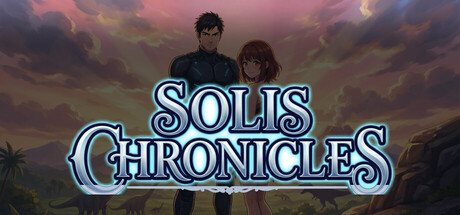
Solis Chronicles uses generative AI for pre-rendered content. Character art, backgrounds, event illustrations, video sequences, the title artwork, and the logo were created with generative AI tools (Flux, Nano Banana, Seedream, PixVerse, WAN) under human art direction, with reference-locked character designs. The music was generated locally with ACE-Step under human direction. The story, characters, and game design are human-authored. Dialogue was written with substantial AI assistance and edited by the developer. No AI content is generated during gameplay; everything is pre-rendered and human-reviewed.
This game used generative AI for asset creation during development. The HQ statue's 3D model was created with Meshy AI, and background music was composed with Suno AI. Most in-game icons and images were created using Google Gemini and ChatGPT.
Generative AI tools are used during development to create some 3D assets as Place Holders and assist with Art/ music Content. These materials are prepared in advance and incorporated into the game or its store page. The game does not generate content using generative AI during gameplay.
Some character voice recordings are also created using generative AI.
Generative AI tools were used during development to help create portions of the artwork and promotional imagery, prerecorded voice-over, and some game text and localization. These materials are prepared in advance. The game does not generate AI content during gameplay or connect to external generative AI services.
Some of the game's content was created with the help of generative AI tools and then edited, cleaned up, rigged, animated and integrated by the developer. This includes 3D models of characters and enemies, 2D art such as ability icons, UI elements and some store page artwork, sound effects, and parts of the store page text. All gameplay, design, balance and final assembly were done by the developer.
This game makes extensive use of generative AI during development to assist with visual, music, and written content, including background artwork, visual assets, game music, and discussion, revision, and polishing of the script.
Generated content is reviewed, selected, edited, and integrated by the developer before being used in the game.
The script, character settings, and overall creative direction are led by the developer and developed through an iterative collaboration with generative AI.
Most of the game's visual art and sound was pre-generated with AI tools and then selected, edited and placed by the developer: the dungeon panoramas, room props, floors, town and building plates, character portraits, walk and combat sprite sheets, monster, boss and villager sprites, item, skill and stack icons, combat and reward effects, and the store page art were generated with the FLUX.1 image model through fal.ai and animated with AutoSprite; the sound effects, ambience beds, voice barks and music were generated with ElevenLabs. Every generated file, the tool that made it and the prompt that asked for it are recorded in the game's files (assets/README.md and assets/PROMPTS.md). All game text, design, rules and code are written by people. Nothing is generated while you play: the game contains no live AI generation and calls no AI service at runtime.
DEADLUCK V was created using generative AI, including its artwork, music, sound effects and written content. This content was generated during development. The game does not generate AI content or connect to AI services during gameplay.
Generative AI tools were used during development to help create content in this game. This includes artwork (such as player portraits and promotional art) and the game's music soundtrack, which was generated with AI music tools under a commercial licence. The store page trailer includes gameplay stills that were animated using an AI video tool. All AI-assisted content was selected, reviewed and edited by the developer. The game does not generate any AI content while you play.
This game includes assets created with generative AI during development (official music, song artwork, and drum animations). Nothing is generated while you play, and the game does not connect to an AI service at runtime. Players cannot send prompts to any AI.
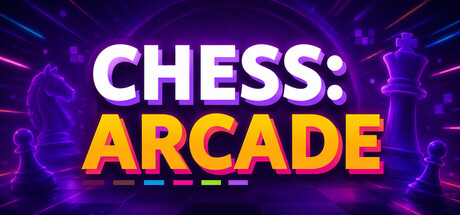
CHESS: ARCADE uses generative AI for its 2D artwork and for its music.
The illustrated assets — move callouts, effect overlays, chess piece sets, UI plates, the title graphic and the game icon — were generated with GPT Image 2 from prompts we wrote and iterated on ourselves. Every generated image then goes through our own import pipeline (trim, alpha normalisation, correction onto the game's fixed palette, downscale), is reviewed in the running game by hand, and is reworked or discarded when it misses. All of it ships as fixed image files inside the build.
The soundtrack was composed with generative AI: the melodies, harmony and arrangements were written with AI assistance, then reviewed, edited and mixed by hand. The game ships no audio files and uses no AI audio model — the score exists as note data that the game's own synthesiser renders procedurally at first launch. Twelve of the tracks are arrangements of public-domain classical themes; the rest are original.
Nothing is generated while you play, and the game never connects to an AI service. The opponent is a classical alpha-beta chess engine with a hand-written evaluation and opening book, and the puzzles come from the public Lichess puzzle database, verified against that engine. No player input, game data or personal data is ever sent to an AI model.
AI tools were used as supportive tools during the development process, including assistance with code, and music. All AI-assisted content was reviewed, edited, and integrated by our development team before being included in the game.
Coding was done with help of generative artificial intelligence. Music was downloaded online from copyright free assets. Art was done by myself with some vfx done with help of generative artificial intelligence.
All translations were done by AI, because I don't speak that many languages... I hope in future people can help me translate all these
Some visual, audio and written content was created with the help of AI tools and then reworked and finalized by the developer. Nothing is generated while you play.
Generative AI tools were used during development to create or assist with pre-made visual artwork, interface artwork and icons, procedural 3D modeling scripts, prerecorded faction voice lines, sound effects, and music. This includes voice lines and sound effects generated with ElevenLabs. These assets are prepared and integrated into the game before release. The game does not generate AI content during play or connect to an AI generation service. Computer-controlled opponents use scripted game logic.
Some content in Camping Resort Simulator was made with the help of generative AI tools and then reviewed and reworked by the developer:
- base 3D models for some buildings, props and characters, retouched by hand;
- the music of the in-game radio;
- the first draft of the translations;
- some promotional artwork.
Nothing is generated by AI while you play.
Some of MoonDoku's art and audio was made with generative AI tools while I built the game: the animated world backdrops, the MoonDoku FM music, a few sound effects, parts of the store and icon art, and a handful of smaller in-game images. I directed, edited, and composited all of it by hand.
Everything else is made without generative AI. The puzzles come from my own deterministic generator, the cat is a commissioned 3D model I animated in Blender, and the game design & layout are directly from my brain.
Nothing is generated while you play, and the game never talks to an AI service.
Generative AI tools were used during development to help create artwork, audio, writing, and programming. The game does not generate AI content during gameplay and does not connect to an external AI service while you play.
Generative AI assisted in creating some in-game art and visual-effect assets, Steam store promotional images, background music, and some localized text. The developer reviewed and selected these materials, editing them where needed before including them in the game or store page. The game does not use generative AI to create content at runtime.
AI models have been used to validate, optimize, rank and test the puzzles and the simulation engine. Soundtrack is procedurally generated music using the same engine that simulates the electronics, powered by the C~ language.
Generative AI tools were used to assist with some promotional/store artwork, minor code edits, and the improvement and iteration of some music. AI-generated content is not created dynamically during gameplay.
Some content in this game was made with the help of generative AI tools and then reviewed and edited by the developer: parts of the 2D artwork (backgrounds, characters, icons), some sound effects, the trailer narration voice, and first drafts of the translated text. No content is generated by AI during gameplay.
Pre-generated AI content includes equipment illustrations, skill icons, clothing surface textures, short English character-selection voice lines, and Steam capsule and library artwork. AI tools also assisted with store-page text and translations. The game does not generate AI content or connect to AI services during gameplay.
During development, this game used generative AI tools to assist in creating some content: some card illustrations, character art, and scene images were initially generated by AI, then manually selected, redrawn, and post-processed by the developer. Some music, sound effects, and text were also created with AI assistance and finalized after item-by-item revisions by the developer. Some assets used on the store page and promotional images were also produced with the assistance of the above tools. The game does not contain any AI content generated in real time at runtime, and does not use any third-party copyrighted characters, assets, or trademarks.
Hexpanse is a solo developer's experiment in building a game 100% with AI, and it is developed with AI assistance (including its source code). The game itself is built almost entirely from procedural, code-generated pixel art and synthesized audio — produced algorithmically by our own code, not by AI. Generative AI was used in two limited, pre-rendered ways: (1) as a starting point for some ship and station part illustrations, later cleaned up, processed and integrated by hand; and (2) to produce the neural text-to-speech voice-over of the intro cinematic. In Early Access, the community feedback I find relevant feeds the AI-assisted development. No generative AI runs while you play — nothing is generated live in-game.
Some of the art, music and text in this game were created with the help of generative AI tools, then selected and edited by the developer. Nothing is generated while you play.
This game uses generative AI for the translations into all languages other than Japanese, the background music and some sound effects, and some of the artwork and icons.
In the Comeback Challenge, an external AI service is used to judge whether an answer correctly names the prompt. The only player data sent to the AI is the text of the answer, and only a correct/incorrect result is returned. The AI does not generate or display any text or images during gameplay.
Tamagong uses generative AI in three places during development:
Translation: the game's eight languages were translated with AI assistance.
Audio: some sound effects and ambient tracks were produced with AI assisted tools.
Art & Visuals: some art work began from AI generated output, which was then edited by hand for style consistency. Concept images were also generated as reference while designing monsters and locations.
Generative AI was used during development for a small number of visual assets and background music. All AI-generated content was carefully directed, reviewed, and edited by the developer to maintain the game's quality, consistency, and artistic vision. No AI-generated content is created during gameplay.
HYALOSFALL uses generative AI in part of its audio and text.
Music. The eleven soundtrack recordings were created with Suno by the developer, under a paid subscription that grants commercial rights. The fallback synthesiser melodies — played when a recording is unavailable — are derived from those same pieces.
Translations. The in-game text was translated into twelve languages with AI assistance. The Spanish source text is written by hand.
Store and marketing material. The trailer music was created with Suno, and the studio intro animation with Grok.
Everything else is not AI-generated. The 3D models, textures, visual effects, sound effects and level designs are produced by the project's own code and tools.
Nothing is generated while you play. The game ships no AI models and makes no network connections.
Generative AI was used as a production aid for some images, music, localization, and related content. All generated materials were reviewed and edited by the developer before being used in the game or related assets. No AI-generated content is created during gameplay.
Detonator Squad was developed almost entirely using AI tools, under extensive human direction, ongoing refinement and review. The game is built on my own custom 3D engine that I have been working on for a while, using AI coding tools. AI was also used to create interface and promotional artwork and to author or assist with code, 3D assets, level layouts, game text, music and sound effects. The original core game logic was handwritten for an earlier project, then ported and adapted using AI. All content is supplied with the game; no content is generated by an AI service during gameplay.
We use generative AI across all disciplines of game development with heavy amounts of human editing. That involves audio and visual art. We use it as a productivity tool so we can achieve a higher level of quality, faster, than we would have been able to.
Some in-game assets were created with the assistance of generative AI tools during development. All AI-assisted content has been reviewed, edited, and curated by our team before being included in the game. The game does not use generative AI at runtime — no content is generated while you play.
・Some of the posters were created using generative AI (ChatGPT and Gemini).
・Some of the voices were created using generative AI (Ondoku).
・The translations were created using generative AI (Gemini).
The voice lines in this game were generated using AI text-to-speech tools. We are a small team of two people, and professional voice acting was beyond the budget of this project.
Selected visual and audio assets were created with generative AI tools. AI was also used to assist with English and Italian localization, with all localized text reviewed and edited by the developer. No generative AI is used during gameplay.
This game uses AI tools in the following ways:
Music: Composed using Suno.
Code: Written and debugged with AI assistance.
Art: Created with AI assistance.
All AI-assisted content was reviewed, edited, and finalized by the developer.
As a solo developer, I used AI text-to-speech to voice characters. Everything else, including 3D models, textures, writing, and design, was made by me.
Generative AI was used during development to create visual assets, including illustrations and backgrounds, produce background music, and translate in-game text. Images created using generative AI are also used on the Steam store page and in promotional materials. No content is generated using AI during gameplay.
Solis Chronicles uses generative AI for pre-rendered content. Character art, backgrounds, event illustrations, video sequences, the title artwork, and the logo were created with generative AI tools (Flux, Nano Banana, Seedream, PixVerse, WAN) under human art direction, with reference-locked character designs. The music was generated locally with ACE-Step under human direction. The story, characters, and game design are human-authored. Dialogue was written with substantial AI assistance and edited by the developer. No AI content is generated during gameplay; everything is pre-rendered and human-reviewed.
This game used generative AI for asset creation during development. The HQ statue's 3D model was created with Meshy AI, and background music was composed with Suno AI. Most in-game icons and images were created using Google Gemini and ChatGPT.
Generative AI tools are used during development to create some 3D assets as Place Holders and assist with Art/ music Content. These materials are prepared in advance and incorporated into the game or its store page. The game does not generate content using generative AI during gameplay.
Some character voice recordings are also created using generative AI.
Generative AI tools were used during development to help create portions of the artwork and promotional imagery, prerecorded voice-over, and some game text and localization. These materials are prepared in advance. The game does not generate AI content during gameplay or connect to external generative AI services.
Some of the game's content was created with the help of generative AI tools and then edited, cleaned up, rigged, animated and integrated by the developer. This includes 3D models of characters and enemies, 2D art such as ability icons, UI elements and some store page artwork, sound effects, and parts of the store page text. All gameplay, design, balance and final assembly were done by the developer.
This game makes extensive use of generative AI during development to assist with visual, music, and written content, including background artwork, visual assets, game music, and discussion, revision, and polishing of the script.
Generated content is reviewed, selected, edited, and integrated by the developer before being used in the game.
The script, character settings, and overall creative direction are led by the developer and developed through an iterative collaboration with generative AI.
Most of the game's visual art and sound was pre-generated with AI tools and then selected, edited and placed by the developer: the dungeon panoramas, room props, floors, town and building plates, character portraits, walk and combat sprite sheets, monster, boss and villager sprites, item, skill and stack icons, combat and reward effects, and the store page art were generated with the FLUX.1 image model through fal.ai and animated with AutoSprite; the sound effects, ambience beds, voice barks and music were generated with ElevenLabs. Every generated file, the tool that made it and the prompt that asked for it are recorded in the game's files (assets/README.md and assets/PROMPTS.md). All game text, design, rules and code are written by people. Nothing is generated while you play: the game contains no live AI generation and calls no AI service at runtime.
DEADLUCK V was created using generative AI, including its artwork, music, sound effects and written content. This content was generated during development. The game does not generate AI content or connect to AI services during gameplay.
Generative AI tools were used during development to help create content in this game. This includes artwork (such as player portraits and promotional art) and the game's music soundtrack, which was generated with AI music tools under a commercial licence. The store page trailer includes gameplay stills that were animated using an AI video tool. All AI-assisted content was selected, reviewed and edited by the developer. The game does not generate any AI content while you play.
This game includes assets created with generative AI during development (official music, song artwork, and drum animations). Nothing is generated while you play, and the game does not connect to an AI service at runtime. Players cannot send prompts to any AI.
CHESS: ARCADE uses generative AI for its 2D artwork and for its music.
The illustrated assets — move callouts, effect overlays, chess piece sets, UI plates, the title graphic and the game icon — were generated with GPT Image 2 from prompts we wrote and iterated on ourselves. Every generated image then goes through our own import pipeline (trim, alpha normalisation, correction onto the game's fixed palette, downscale), is reviewed in the running game by hand, and is reworked or discarded when it misses. All of it ships as fixed image files inside the build.
The soundtrack was composed with generative AI: the melodies, harmony and arrangements were written with AI assistance, then reviewed, edited and mixed by hand. The game ships no audio files and uses no AI audio model — the score exists as note data that the game's own synthesiser renders procedurally at first launch. Twelve of the tracks are arrangements of public-domain classical themes; the rest are original.
Nothing is generated while you play, and the game never connects to an AI service. The opponent is a classical alpha-beta chess engine with a hand-written evaluation and opening book, and the puzzles come from the public Lichess puzzle database, verified against that engine. No player input, game data or personal data is ever sent to an AI model.
AI tools were used as supportive tools during the development process, including assistance with code, and music. All AI-assisted content was reviewed, edited, and integrated by our development team before being included in the game.
Coding was done with help of generative artificial intelligence. Music was downloaded online from copyright free assets. Art was done by myself with some vfx done with help of generative artificial intelligence.
All translations were done by AI, because I don't speak that many languages... I hope in future people can help me translate all these
Some visual, audio and written content was created with the help of AI tools and then reworked and finalized by the developer. Nothing is generated while you play.
Generative AI tools were used during development to create or assist with pre-made visual artwork, interface artwork and icons, procedural 3D modeling scripts, prerecorded faction voice lines, sound effects, and music. This includes voice lines and sound effects generated with ElevenLabs. These assets are prepared and integrated into the game before release. The game does not generate AI content during play or connect to an AI generation service. Computer-controlled opponents use scripted game logic.
Some content in Camping Resort Simulator was made with the help of generative AI tools and then reviewed and reworked by the developer:
- base 3D models for some buildings, props and characters, retouched by hand;
- the music of the in-game radio;
- the first draft of the translations;
- some promotional artwork.
Nothing is generated by AI while you play.
Some of MoonDoku's art and audio was made with generative AI tools while I built the game: the animated world backdrops, the MoonDoku FM music, a few sound effects, parts of the store and icon art, and a handful of smaller in-game images. I directed, edited, and composited all of it by hand.
Everything else is made without generative AI. The puzzles come from my own deterministic generator, the cat is a commissioned 3D model I animated in Blender, and the game design & layout are directly from my brain.
Nothing is generated while you play, and the game never talks to an AI service.
Generative AI tools were used during development to help create artwork, audio, writing, and programming. The game does not generate AI content during gameplay and does not connect to an external AI service while you play.
Generative AI assisted in creating some in-game art and visual-effect assets, Steam store promotional images, background music, and some localized text. The developer reviewed and selected these materials, editing them where needed before including them in the game or store page. The game does not use generative AI to create content at runtime.
AI models have been used to validate, optimize, rank and test the puzzles and the simulation engine. Soundtrack is procedurally generated music using the same engine that simulates the electronics, powered by the C~ language.
Generative AI tools were used to assist with some promotional/store artwork, minor code edits, and the improvement and iteration of some music. AI-generated content is not created dynamically during gameplay.
Some content in this game was made with the help of generative AI tools and then reviewed and edited by the developer: parts of the 2D artwork (backgrounds, characters, icons), some sound effects, the trailer narration voice, and first drafts of the translated text. No content is generated by AI during gameplay.
Pre-generated AI content includes equipment illustrations, skill icons, clothing surface textures, short English character-selection voice lines, and Steam capsule and library artwork. AI tools also assisted with store-page text and translations. The game does not generate AI content or connect to AI services during gameplay.
During development, this game used generative AI tools to assist in creating some content: some card illustrations, character art, and scene images were initially generated by AI, then manually selected, redrawn, and post-processed by the developer. Some music, sound effects, and text were also created with AI assistance and finalized after item-by-item revisions by the developer. Some assets used on the store page and promotional images were also produced with the assistance of the above tools. The game does not contain any AI content generated in real time at runtime, and does not use any third-party copyrighted characters, assets, or trademarks.
Hexpanse is a solo developer's experiment in building a game 100% with AI, and it is developed with AI assistance (including its source code). The game itself is built almost entirely from procedural, code-generated pixel art and synthesized audio — produced algorithmically by our own code, not by AI. Generative AI was used in two limited, pre-rendered ways: (1) as a starting point for some ship and station part illustrations, later cleaned up, processed and integrated by hand; and (2) to produce the neural text-to-speech voice-over of the intro cinematic. In Early Access, the community feedback I find relevant feeds the AI-assisted development. No generative AI runs while you play — nothing is generated live in-game.
Some of the art, music and text in this game were created with the help of generative AI tools, then selected and edited by the developer. Nothing is generated while you play.
This game uses generative AI for the translations into all languages other than Japanese, the background music and some sound effects, and some of the artwork and icons.
In the Comeback Challenge, an external AI service is used to judge whether an answer correctly names the prompt. The only player data sent to the AI is the text of the answer, and only a correct/incorrect result is returned. The AI does not generate or display any text or images during gameplay.
Tamagong uses generative AI in three places during development:
Translation: the game's eight languages were translated with AI assistance.
Audio: some sound effects and ambient tracks were produced with AI assisted tools.
Art & Visuals: some art work began from AI generated output, which was then edited by hand for style consistency. Concept images were also generated as reference while designing monsters and locations.
Generative AI was used during development for a small number of visual assets and background music. All AI-generated content was carefully directed, reviewed, and edited by the developer to maintain the game's quality, consistency, and artistic vision. No AI-generated content is created during gameplay.
HYALOSFALL uses generative AI in part of its audio and text.
Music. The eleven soundtrack recordings were created with Suno by the developer, under a paid subscription that grants commercial rights. The fallback synthesiser melodies — played when a recording is unavailable — are derived from those same pieces.
Translations. The in-game text was translated into twelve languages with AI assistance. The Spanish source text is written by hand.
Store and marketing material. The trailer music was created with Suno, and the studio intro animation with Grok.
Everything else is not AI-generated. The 3D models, textures, visual effects, sound effects and level designs are produced by the project's own code and tools.
Nothing is generated while you play. The game ships no AI models and makes no network connections.
Generative AI was used as a production aid for some images, music, localization, and related content. All generated materials were reviewed and edited by the developer before being used in the game or related assets. No AI-generated content is created during gameplay.
Detonator Squad was developed almost entirely using AI tools, under extensive human direction, ongoing refinement and review. The game is built on my own custom 3D engine that I have been working on for a while, using AI coding tools. AI was also used to create interface and promotional artwork and to author or assist with code, 3D assets, level layouts, game text, music and sound effects. The original core game logic was handwritten for an earlier project, then ported and adapted using AI. All content is supplied with the game; no content is generated by an AI service during gameplay.
We use generative AI across all disciplines of game development with heavy amounts of human editing. That involves audio and visual art. We use it as a productivity tool so we can achieve a higher level of quality, faster, than we would have been able to.
Some in-game assets were created with the assistance of generative AI tools during development. All AI-assisted content has been reviewed, edited, and curated by our team before being included in the game. The game does not use generative AI at runtime — no content is generated while you play.
・Some of the posters were created using generative AI (ChatGPT and Gemini).
・Some of the voices were created using generative AI (Ondoku).
・The translations were created using generative AI (Gemini).
The voice lines in this game were generated using AI text-to-speech tools. We are a small team of two people, and professional voice acting was beyond the budget of this project.