Public Steam disclosure research25,394 disclosures tracked
Where do games disclose AI use?
Search developers’ Steam disclosures, compare classified AI use across
games, and follow recorded changes.
This index adds cross-game classifications and statistics to
statements published on individual store pages.
Groups reflect automatic analysis of public disclosures; mature records are excluded. These counts do not measure AI use across all of Steam.
Missing or unclear statements cannot establish whether a game uses AI.
Generative AI tools were used during development to assist with creating certain puzzle artworks, background visuals, and ambient music tracks. The game does not feature any real-time, live AI generation while playing.
This game uses generative AI extensively during development to assist with programming and to create art, music, and some written materials. All content included in the final game is manually reviewed, edited, and integrated; no content is generated in real time while the game is running.
Most of battle sounds come are authored but some voiceover is AI. I will provide option to disable all AI voices.
If game budged grows i will reinvest it to get it replaced and sounds recorded by actual people.
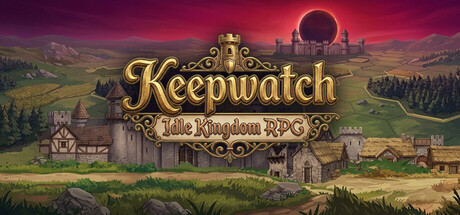
Some assets in Keepwatch were created with the assistance of generative AI
tools. This includes portions of the icon set, UI elements, a number of sound
effects, and some character animations.
All AI-assisted output is reviewed, edited and integrated by hand to match the
game's hand-painted art direction, and none of it ships in the state it was
generated in.
Game code, systems design, economy balance and all written content are
authored entirely by hand.
Keepwatch does not use any AI systems at runtime. Nothing is generated on the
player's machine while the game is running.
AI is used to generate concept art, 3D models, audio, and Steam store images. Models are manually refined and hand-textured. No AI content is generated during gameplay.
Parts of this game's art, music and translations were created with AI tools during development and edited by hand. They ship as fixed assets — nothing is generated by AI while you play.
Slightly Random Dungeons prioritises human generated assets. Player-facing prose is constructed from bespoke human composed words (writer’s block pending).
We have engaged a human artist for our bestiary, portraits and scenery art, and use human developed icons and inventory assets, UI elements, music and effects made in house or under licence with a minority of AI generated pieces filling gaps until the alternative arrives.
Any AI agent use has been supervised by humans, these agents have not yet unionised.
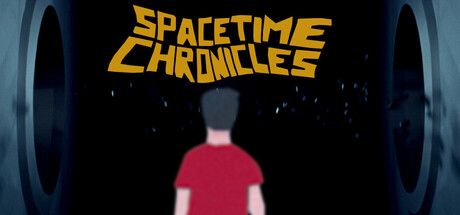
Spacetime Chronicles comes from a handmade animated feature: most of what you see are real paper sets, characters and props, photographed and animated frame by frame by the author. Generative AI was used in the following areas. Images: roughly 15% of the game's images were created or completed with generative AI, then edited and integrated by the author. Audio: the game's sound effects and character voices were produced using generative AI tools. Code: parts of the game's source code were written and reviewed with the help of AI assistants. All of this content was generated during development, reviewed and approved by the author before release. The game does not generate any AI content while you play, and it does not connect to any AI service at runtime.
All spoken voice lines in the game were created using AI text-to-speech (ElevenLabs) from scripts written by the developer. The generated audio was selected, edited and mixed by hand. Some sound effects use licensed stock audio. The game does not generate any content live at runtime — all AI-assisted content is pre-generated and reviewed before shipping.
Character portraits and environment artwork were generated using AI tools and reviewed, curated, and refined by the developer for final use. Narrator voice acting was generated using AI voice synthesis, directed and selected by the developer.
This application essentially installs and runs free, open-source artificial intelligence models on your computer. Its working principle is as follows: the model listens to the video you are watching 5-10 seconds beforehand, then generates real-time dubbed audio in your chosen language, and simultaneously produces subtitles in your selected language.
Marketing and Store Visuals: AI tools were utilized during the concept design and background detailing phases for the thumbnail images, posters, and promotional materials on the Steam store page.
Sound Design and Trailer Music: AI-powered sound and music production tools were used in the prototyping and production processes for the game’s promotional trailers and in-game atmospheric background sounds.
Text and Localization Support: AI assistants were used to edit store page descriptions, marketing copy, and language optimization.
Some art assets, sound effects and narrative materials were pre‑generated with AI tools during development. No AI‑generated content is created in real‑time during gameplay.
Some voice lines, sound effects, and music in the game and its trailer were
created with generative AI tools (ElevenLabs, Suno), then reviewed, edited,
and finalized by the developer. No content is generated by AI during gameplay.
Generative AI is used as part of the development process for character illustrations, background images, background music (BGM), the implementation of custom gameplay systems, and user interface (UI) elements.
Setlist Shuffle ships two categories of pre-generated, player-facing AI content. They are the card illustrations and the genre music tracks.
Both sets were reviewed and hand-selected before release and ship as fixed assets. No content is generated live during play, and the game contains no AI-driven chat or dialogue.
Everything else is not AI-generated: the achievement icons are hand-drawn vectors, and all game text, design and simulation logic are the developer's own.
The game's visual assets (team crests, logos, player sprites, play cards and UI icons), in-game writing (the manual, tips, and team and town descriptions) and music (16 tracks generated with Suno under a paid commercial license) were created with the assistance of AI tools during development, under the direction of a single human designer who authored the game's design, systems and football logic. No content is generated while the game is running.
Ai-assisted tools were used during development for programming support. Some visuals and audio were created through developer-directed, deterministic code and exported as fixed assets—not generated by image, video, or audio models. Screenshots and trailers show actual gameplay footage.
AI tools were used during development to assist with code, artwork, music, and other production tasks. All creative direction, design decisions, implementation, integration, testing, and final selection of content were handled by the developer.
Generative AI supported the creation of selected pre-generated visual assets, music, narrative drafts, and localized text. All AI-assisted materials were reviewed, edited, and integrated to match the game’s original world, tone, and creative direction.
Pre-generated AI was used during development to create some artwork and audio included with the game, including avatars, wallpapers, card artwork, logo and branding artwork, music, and sound effects. All related assets were generated under the developer's direction, reviewed, selected, and edited before inclusion. The game does not generate AI content during play or connect to a live generative AI service.
Pre-generated AI tools were used to create some artwork, including store promotional art and in-game character portraits, and some music and audio assets. These assets are prepared before play. Pocket Dynasty does not use generative AI services to create content during gameplay; its football simulation and computer-controlled teams use programmed game systems.
All in-game visual and audio assets are procedurally generated by code at runtime. The build contains no pre-rendered AI, painted, or recorded media files.
AI (Anthropic's Claude) was used during development only to help draft source code and in-game text, which was manually reviewed and edited. No AI services are accessed while running the game. The only third-party assets are two open-license fonts designed by human artists.
Parts of the content shipped with this game were made with generative AI tools and then reviewed and edited by us before release: illustrations and background artwork, sound effects, organ cues and the menu music track, the spoken goal and penalty announcements in all seven interface languages, and parts of the in-game text and its translations. The same applies to our store artwork and to the trailers, which use pre-generated AI music and narration. All of it is produced before release. No generative AI runs while you play: the game creates no content or code at runtime and connects to no external AI service. Newspaper reports are assembled from prepared text and the events of your own career.
Pre-generated AI tools were used for in-game character voice dubbing (such as voicemails and phone calls) as well as textures for interior framed pictures and props. All assets have been thoroughly reviewed to ensure there are no copyright infringements or unlawful elements.
This game was developed with the help of generative AI tools in the following areas.
■ Illustrations and images
2D artwork such as backgrounds, character portraits, cut-in illustrations, character creator parts, achievement icons, and store artwork was produced using image generation AI. The developer designed and directed the composition, character design, colors, and intent, then selected, retouched, cropped, and composited the generated images before including them in the game.
■ Music
The background music was produced using music generation AI. The developer designed the required mood for each scene, generated candidates, then selected and edited the tracks that are included in the game.
■ Program code
AI coding assistance tools were used for part of the implementation work.
■ Assets that do not involve AI
All sound effects and character voices are existing human-created audio assets (Soundeffect Lab, Kurage Kosho, T-Suta, DOVA-SYNDROME), used in accordance with each provider's terms of use. They are not AI generated. The font is "Zen Kaku Gothic New," provided under the SIL Open Font License.
■ Rights and legal care
All AI-generated assets were reviewed by the developer to ensure they contain no illegal content and do not infringe the rights of third parties. No generation was performed with the intent of imitating any specific real person or existing work.
Pixel Metropolis is a human-designed, AI-implemented game. As its sole human creator, I am responsible for the game’s design, systems, architecture, quality assurance, extensive testing, art direction, and sound direction.
Codex, primarily using OpenAI’s GPT-5.6 Sol model, has generated all of the game’s code and has been used to direct the creation and implementation of its visual and sound assets. The only non-generated assets are a small selection of CC0 sounds.
Pocket Beasts uses generative AI tools to assist in the creation of some visual assets, including creature and character artwork, in portions of the game's text and localization, and in some of the game's sound, including background music. Not all assets are AI-generated; some artwork is sourced from purchased assets. All AI-assisted content is reviewed and edited by the development team. No content is generated live during gameplay — all assets are pre-rendered — and the game does not connect to any external AI service at runtime.
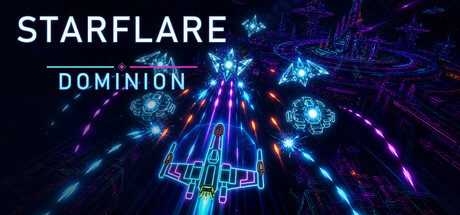
Starflare Dominion uses generative AI in two ways. Some visual assets, music, and sound effects were created with assistance from generative AI tools and were selected, edited, processed, and integrated by Whimstead LLC. During Story play, hosted OpenAI models may generate bounded narrative text, including pilot backgrounds, quotes, Cantina news, Old Man Rich stories, campaign consequences, and final legends. Players do not directly prompt an unrestricted chatbot. Generated text is checked by structured rules and validators, with retries and curated local fallback content when needed.
Some visual and audio assets in this game were created with generative AI during development.
• Yokai piece illustrations were generated with OpenAI GPT Images, then selected and cropped for in-game use. The same art may also appear in store screenshots.
• Title and battle music were generated with Google Gemini (Lyria), then selected for looping playback.
Rules, gameplay code, sound effects, and UI text were not live-generated. This game does not call an AI service while you play.
This game contains pre-rendered AI-generated content: some sound effects and store page artwork were created with generative AI tools, then reviewed and edited by the developer. No content is generated by AI in real time during gameplay.
Generative AI was used during development to create some character, environment, and prop models, as well as music, sound effects, character voiceovers, and UI assets. These AI-generated assets were subsequently edited and refined by the development team before being integrated into the game.
Generative AI tools were used to create some of the pre-rendered content that ships with this game and appears on this store page, specifically artwork and character voice audio. Nothing is generated by AI while the game is running.
Our team used AI tools to assist with improving some existing sketches and character elements, creating some background elements, and producing/ improving translations and character voices.
The vast majority of the game was created by our team without AI.
Generating base images and materials for certain environmental textures (such as doors and labels), which are then manually edited, dithered, and color-crushed to fit the game's low-poly PSX aesthetic.
Generating video clips, audio, and visual concepts for the television broadcasts (like the in-game cooking shows) that play on CRT monitors throughout the world.
This game uses AI-assisted tools during the development process to support the solo developer's workflow:
- 2D Art & Textures: Some background textures, UI elements, and concept art references were initially drafted using AI tools, followed by extensive manual repainting, editing, and refinement. All character designs, 3D models, are fully crafted and hand-painted by human artists. The story context is designed by myself.
- Audio: Certain background music tracks and ambient prototypes were generated with AI assistance. Character voice acting in story and core themes are produced by human creators.
No real-time (live-generated) AI is used during runtime.
Generative AI tools were used during development to assist with creating certain puzzle artworks, background visuals, and ambient music tracks. The game does not feature any real-time, live AI generation while playing.
This game uses generative AI extensively during development to assist with programming and to create art, music, and some written materials. All content included in the final game is manually reviewed, edited, and integrated; no content is generated in real time while the game is running.
Most of battle sounds come are authored but some voiceover is AI. I will provide option to disable all AI voices.
If game budged grows i will reinvest it to get it replaced and sounds recorded by actual people.
Some assets in Keepwatch were created with the assistance of generative AI
tools. This includes portions of the icon set, UI elements, a number of sound
effects, and some character animations.
All AI-assisted output is reviewed, edited and integrated by hand to match the
game's hand-painted art direction, and none of it ships in the state it was
generated in.
Game code, systems design, economy balance and all written content are
authored entirely by hand.
Keepwatch does not use any AI systems at runtime. Nothing is generated on the
player's machine while the game is running.
AI is used to generate concept art, 3D models, audio, and Steam store images. Models are manually refined and hand-textured. No AI content is generated during gameplay.
Parts of this game's art, music and translations were created with AI tools during development and edited by hand. They ship as fixed assets — nothing is generated by AI while you play.
Slightly Random Dungeons prioritises human generated assets. Player-facing prose is constructed from bespoke human composed words (writer’s block pending).
We have engaged a human artist for our bestiary, portraits and scenery art, and use human developed icons and inventory assets, UI elements, music and effects made in house or under licence with a minority of AI generated pieces filling gaps until the alternative arrives.
Any AI agent use has been supervised by humans, these agents have not yet unionised.
Spacetime Chronicles comes from a handmade animated feature: most of what you see are real paper sets, characters and props, photographed and animated frame by frame by the author. Generative AI was used in the following areas. Images: roughly 15% of the game's images were created or completed with generative AI, then edited and integrated by the author. Audio: the game's sound effects and character voices were produced using generative AI tools. Code: parts of the game's source code were written and reviewed with the help of AI assistants. All of this content was generated during development, reviewed and approved by the author before release. The game does not generate any AI content while you play, and it does not connect to any AI service at runtime.
All spoken voice lines in the game were created using AI text-to-speech (ElevenLabs) from scripts written by the developer. The generated audio was selected, edited and mixed by hand. Some sound effects use licensed stock audio. The game does not generate any content live at runtime — all AI-assisted content is pre-generated and reviewed before shipping.
Character portraits and environment artwork were generated using AI tools and reviewed, curated, and refined by the developer for final use. Narrator voice acting was generated using AI voice synthesis, directed and selected by the developer.
This application essentially installs and runs free, open-source artificial intelligence models on your computer. Its working principle is as follows: the model listens to the video you are watching 5-10 seconds beforehand, then generates real-time dubbed audio in your chosen language, and simultaneously produces subtitles in your selected language.
Marketing and Store Visuals: AI tools were utilized during the concept design and background detailing phases for the thumbnail images, posters, and promotional materials on the Steam store page.
Sound Design and Trailer Music: AI-powered sound and music production tools were used in the prototyping and production processes for the game’s promotional trailers and in-game atmospheric background sounds.
Text and Localization Support: AI assistants were used to edit store page descriptions, marketing copy, and language optimization.
Some art assets, sound effects and narrative materials were pre‑generated with AI tools during development. No AI‑generated content is created in real‑time during gameplay.
Some voice lines, sound effects, and music in the game and its trailer were
created with generative AI tools (ElevenLabs, Suno), then reviewed, edited,
and finalized by the developer. No content is generated by AI during gameplay.
Generative AI is used as part of the development process for character illustrations, background images, background music (BGM), the implementation of custom gameplay systems, and user interface (UI) elements.
Setlist Shuffle ships two categories of pre-generated, player-facing AI content. They are the card illustrations and the genre music tracks.
Both sets were reviewed and hand-selected before release and ship as fixed assets. No content is generated live during play, and the game contains no AI-driven chat or dialogue.
Everything else is not AI-generated: the achievement icons are hand-drawn vectors, and all game text, design and simulation logic are the developer's own.
The game's visual assets (team crests, logos, player sprites, play cards and UI icons), in-game writing (the manual, tips, and team and town descriptions) and music (16 tracks generated with Suno under a paid commercial license) were created with the assistance of AI tools during development, under the direction of a single human designer who authored the game's design, systems and football logic. No content is generated while the game is running.
Ai-assisted tools were used during development for programming support. Some visuals and audio were created through developer-directed, deterministic code and exported as fixed assets—not generated by image, video, or audio models. Screenshots and trailers show actual gameplay footage.
AI tools were used during development to assist with code, artwork, music, and other production tasks. All creative direction, design decisions, implementation, integration, testing, and final selection of content were handled by the developer.
Generative AI supported the creation of selected pre-generated visual assets, music, narrative drafts, and localized text. All AI-assisted materials were reviewed, edited, and integrated to match the game’s original world, tone, and creative direction.
Pre-generated AI was used during development to create some artwork and audio included with the game, including avatars, wallpapers, card artwork, logo and branding artwork, music, and sound effects. All related assets were generated under the developer's direction, reviewed, selected, and edited before inclusion. The game does not generate AI content during play or connect to a live generative AI service.
Pre-generated AI tools were used to create some artwork, including store promotional art and in-game character portraits, and some music and audio assets. These assets are prepared before play. Pocket Dynasty does not use generative AI services to create content during gameplay; its football simulation and computer-controlled teams use programmed game systems.
All in-game visual and audio assets are procedurally generated by code at runtime. The build contains no pre-rendered AI, painted, or recorded media files.
AI (Anthropic's Claude) was used during development only to help draft source code and in-game text, which was manually reviewed and edited. No AI services are accessed while running the game. The only third-party assets are two open-license fonts designed by human artists.
Parts of the content shipped with this game were made with generative AI tools and then reviewed and edited by us before release: illustrations and background artwork, sound effects, organ cues and the menu music track, the spoken goal and penalty announcements in all seven interface languages, and parts of the in-game text and its translations. The same applies to our store artwork and to the trailers, which use pre-generated AI music and narration. All of it is produced before release. No generative AI runs while you play: the game creates no content or code at runtime and connects to no external AI service. Newspaper reports are assembled from prepared text and the events of your own career.
Pre-generated AI tools were used for in-game character voice dubbing (such as voicemails and phone calls) as well as textures for interior framed pictures and props. All assets have been thoroughly reviewed to ensure there are no copyright infringements or unlawful elements.
This game was developed with the help of generative AI tools in the following areas.
■ Illustrations and images
2D artwork such as backgrounds, character portraits, cut-in illustrations, character creator parts, achievement icons, and store artwork was produced using image generation AI. The developer designed and directed the composition, character design, colors, and intent, then selected, retouched, cropped, and composited the generated images before including them in the game.
■ Music
The background music was produced using music generation AI. The developer designed the required mood for each scene, generated candidates, then selected and edited the tracks that are included in the game.
■ Program code
AI coding assistance tools were used for part of the implementation work.
■ Assets that do not involve AI
All sound effects and character voices are existing human-created audio assets (Soundeffect Lab, Kurage Kosho, T-Suta, DOVA-SYNDROME), used in accordance with each provider's terms of use. They are not AI generated. The font is "Zen Kaku Gothic New," provided under the SIL Open Font License.
■ Rights and legal care
All AI-generated assets were reviewed by the developer to ensure they contain no illegal content and do not infringe the rights of third parties. No generation was performed with the intent of imitating any specific real person or existing work.
Pixel Metropolis is a human-designed, AI-implemented game. As its sole human creator, I am responsible for the game’s design, systems, architecture, quality assurance, extensive testing, art direction, and sound direction.
Codex, primarily using OpenAI’s GPT-5.6 Sol model, has generated all of the game’s code and has been used to direct the creation and implementation of its visual and sound assets. The only non-generated assets are a small selection of CC0 sounds.
Pocket Beasts uses generative AI tools to assist in the creation of some visual assets, including creature and character artwork, in portions of the game's text and localization, and in some of the game's sound, including background music. Not all assets are AI-generated; some artwork is sourced from purchased assets. All AI-assisted content is reviewed and edited by the development team. No content is generated live during gameplay — all assets are pre-rendered — and the game does not connect to any external AI service at runtime.
Starflare Dominion uses generative AI in two ways. Some visual assets, music, and sound effects were created with assistance from generative AI tools and were selected, edited, processed, and integrated by Whimstead LLC. During Story play, hosted OpenAI models may generate bounded narrative text, including pilot backgrounds, quotes, Cantina news, Old Man Rich stories, campaign consequences, and final legends. Players do not directly prompt an unrestricted chatbot. Generated text is checked by structured rules and validators, with retries and curated local fallback content when needed.
Some visual and audio assets in this game were created with generative AI during development.
• Yokai piece illustrations were generated with OpenAI GPT Images, then selected and cropped for in-game use. The same art may also appear in store screenshots.
• Title and battle music were generated with Google Gemini (Lyria), then selected for looping playback.
Rules, gameplay code, sound effects, and UI text were not live-generated. This game does not call an AI service while you play.
This game contains pre-rendered AI-generated content: some sound effects and store page artwork were created with generative AI tools, then reviewed and edited by the developer. No content is generated by AI in real time during gameplay.
Generative AI was used during development to create some character, environment, and prop models, as well as music, sound effects, character voiceovers, and UI assets. These AI-generated assets were subsequently edited and refined by the development team before being integrated into the game.
Generative AI tools were used to create some of the pre-rendered content that ships with this game and appears on this store page, specifically artwork and character voice audio. Nothing is generated by AI while the game is running.
Our team used AI tools to assist with improving some existing sketches and character elements, creating some background elements, and producing/ improving translations and character voices.
The vast majority of the game was created by our team without AI.
Generating base images and materials for certain environmental textures (such as doors and labels), which are then manually edited, dithered, and color-crushed to fit the game's low-poly PSX aesthetic.
Generating video clips, audio, and visual concepts for the television broadcasts (like the in-game cooking shows) that play on CRT monitors throughout the world.
This game uses AI-assisted tools during the development process to support the solo developer's workflow:
- 2D Art & Textures: Some background textures, UI elements, and concept art references were initially drafted using AI tools, followed by extensive manual repainting, editing, and refinement. All character designs, 3D models, are fully crafted and hand-painted by human artists. The story context is designed by myself.
- Audio: Certain background music tracks and ambient prototypes were generated with AI assistance. Character voice acting in story and core themes are produced by human creators.
No real-time (live-generated) AI is used during runtime.