Public Steam disclosure research25,508 disclosures tracked
Where do games disclose AI use?
Search developers’ Steam disclosures, compare classified AI use across
games, and follow recorded changes.
This index adds cross-game classifications and statistics to
statements published on individual store pages.
Groups reflect automatic analysis of public disclosures; mature records are excluded. These counts do not measure AI use across all of Steam.
Missing or unclear statements cannot establish whether a game uses AI.
Some team logos were created with the assistance of artificial intelligence and later manually refined. Promotional images were not generated by AI, but AI tools were used to adjust their final appearance. The main theme music was composed using an AI tool (Suno). No AI-generated content is created during gameplay.
This game is the result of individual development. AI was used as a supportive tool for brainstorming, as well as for experimentation in programming, graphics, and music. No AI-generated content was included in the game without modification: every element was revised, edited, and manually refined for the final version.
Some voiceovers and select images in this game were created using AI-assisted tools, such as ElevenLabs for voice acting and other image-generation tools during development. All AI-generated content was produced before release and is fully pre-rendered — no generative AI runs in real time during gameplay. All content is fixed in the shipped build and reviewed to comply with copyright and content guidelines.
Some art, music, and code structures in this game were assisted by AI tools during development.
All outputs have been reviewed, refined, and integrated by human developers to ensure consistent style and high-quality gameplay experience.
We used generative AI tools to assist with the creation of some marketing assets and non-essential game content.
Specifically, AI was used to generate character voice lines via TTS, decorative images for UI or promotional materials, and to assist with writing flavor text and descriptions.
All final content was reviewed and edited by the development team to ensure quality and originality.
The characters voices are generated by Eleven labs.
The Music is generated by Suno AI.
Character images used in picture frames are generated by Chat GPT.
As a solo developer, I use AI selectively to speed up my workflow, not to replace creativity, but to support it. For example, I may use AI to assist with generating or processing certain audio files, which are then carefully edited and curated before being included in the game. No 3D assets AI-generated. I believe in using AI as a tool to enhance development, not automate it, and I strive to be transparent about its use.
The narrator's voice over is AI generated for English language. That's the only thing we used AI for. The rest content of the game is handmade and designed with no help from generative AI.
No AI was used for in-game graphics or music. This work is the product of human endeavor.
In the game, AI tools assisted with composing a singular audio effect that was otherwise not possible, as visual animation timing was fixed. Outside the game, AI was used to support marketing materials (circa 5% of marketing content).
There is no in-game generative AI. The clue generation runs locally, without a LLM or cloud service. We understand different people draw their own lines with AI. We aim to use modern tools responsibly, and hope this disclaimer provides for informed decision making.
This game uses AI-generated images, voice, and music for pre-rendered content.
All assets were created and finalized prior to release.
No AI is used during gameplay.
Some of the pixel art in this game was inspired by AI-generated concepts, but every design has been edited and refined by me, to fix imperfections and make it my own.
As a Solo Developer with a limited budget, I also used AI tools to help create the sound effects and music.
Some graphical assets and sounds were created using generative AI tools during development. These were manually refined to ensure quality and unique identity.
The developer of Synergy Strike used AI-assisted tools as part of a solo development workflow. Audio, visuals, and code assistance were crafted using a curated set of generative tools all directed, reviewed, and shaped by a single human creator. Synergy Strike is handmade at its core.
Some of the voices, music and 3d models and their textures were created with the assistance of AI. Much of the legacy script was revised and improved on using Claude.
The Slots level features a jukebox that contains a list of AI tracks made by myself using Suno.
Space Mantlet uses AI to generate in game voices and translation text in game and in the store. Voice Synthesis Powered by: Coqui TTS – Mozilla Public License 2.0 Model: tts_models/en/vctk/vits (based on the VCTK corpus)
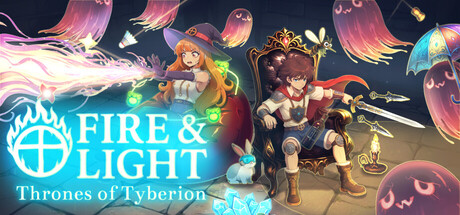
AI makes a lot of things easier for drawing, 3D, animation, code, music... but I don't use AI to avoid having to work, nor in place of my imagination: I create the lore, the character designs, the enemies and bosses, the powers and their combined effects, I write the dialogues myself and even the song lyrics.
In short, I don't use AI to create, but to produce with the means I have (I document all of this in the YouTube devlog.) And the more Tyberion takes shape, the more I replace AI assets with handmade assets.
Some non-player character voices are generated using AI voice synthesis. This allows for faster iteration and more immersive atmosphere during development. No gameplay, narrative choices, or in-game content are generated by AI.
As an indie game developed by a team of two, some of the in-game visuals, UI elements, and sound effects were created using a combination of human work and AI-assisted tools. These assets are pre-rendered and do not change during gameplay.
Visual backgrounds and illustrations were partially generated using AI and then manually refined to meet artistic and technical requirements. Some voice lines were also generated using neural voice models, followed by manual editing and final polishing.
Some images and icons in the game were generated with AI and post-processed manually.
In-game music and voice-overs are AI generated.
More details on my use of AI in my devlog: https://lemuria.org/devlogs/ta-07/
Some team logos were created with the assistance of artificial intelligence and later manually refined. Promotional images were not generated by AI, but AI tools were used to adjust their final appearance. The main theme music was composed using an AI tool (Suno). No AI-generated content is created during gameplay.
This game is the result of individual development. AI was used as a supportive tool for brainstorming, as well as for experimentation in programming, graphics, and music. No AI-generated content was included in the game without modification: every element was revised, edited, and manually refined for the final version.
Some voiceovers and select images in this game were created using AI-assisted tools, such as ElevenLabs for voice acting and other image-generation tools during development. All AI-generated content was produced before release and is fully pre-rendered — no generative AI runs in real time during gameplay. All content is fixed in the shipped build and reviewed to comply with copyright and content guidelines.
Some art, music, and code structures in this game were assisted by AI tools during development.
All outputs have been reviewed, refined, and integrated by human developers to ensure consistent style and high-quality gameplay experience.
We used generative AI tools to assist with the creation of some marketing assets and non-essential game content.
Specifically, AI was used to generate character voice lines via TTS, decorative images for UI or promotional materials, and to assist with writing flavor text and descriptions.
All final content was reviewed and edited by the development team to ensure quality and originality.
The characters voices are generated by Eleven labs.
The Music is generated by Suno AI.
Character images used in picture frames are generated by Chat GPT.
As a solo developer, I use AI selectively to speed up my workflow, not to replace creativity, but to support it. For example, I may use AI to assist with generating or processing certain audio files, which are then carefully edited and curated before being included in the game. No 3D assets AI-generated. I believe in using AI as a tool to enhance development, not automate it, and I strive to be transparent about its use.
The narrator's voice over is AI generated for English language. That's the only thing we used AI for. The rest content of the game is handmade and designed with no help from generative AI.
No AI was used for in-game graphics or music. This work is the product of human endeavor.
In the game, AI tools assisted with composing a singular audio effect that was otherwise not possible, as visual animation timing was fixed. Outside the game, AI was used to support marketing materials (circa 5% of marketing content).
There is no in-game generative AI. The clue generation runs locally, without a LLM or cloud service. We understand different people draw their own lines with AI. We aim to use modern tools responsibly, and hope this disclaimer provides for informed decision making.
This game uses AI-generated images, voice, and music for pre-rendered content.
All assets were created and finalized prior to release.
No AI is used during gameplay.
Some of the pixel art in this game was inspired by AI-generated concepts, but every design has been edited and refined by me, to fix imperfections and make it my own.
As a Solo Developer with a limited budget, I also used AI tools to help create the sound effects and music.
Some graphical assets and sounds were created using generative AI tools during development. These were manually refined to ensure quality and unique identity.
The developer of Synergy Strike used AI-assisted tools as part of a solo development workflow. Audio, visuals, and code assistance were crafted using a curated set of generative tools all directed, reviewed, and shaped by a single human creator. Synergy Strike is handmade at its core.
Some of the voices, music and 3d models and their textures were created with the assistance of AI. Much of the legacy script was revised and improved on using Claude.
The Slots level features a jukebox that contains a list of AI tracks made by myself using Suno.
Space Mantlet uses AI to generate in game voices and translation text in game and in the store. Voice Synthesis Powered by: Coqui TTS – Mozilla Public License 2.0 Model: tts_models/en/vctk/vits (based on the VCTK corpus)
AI makes a lot of things easier for drawing, 3D, animation, code, music... but I don't use AI to avoid having to work, nor in place of my imagination: I create the lore, the character designs, the enemies and bosses, the powers and their combined effects, I write the dialogues myself and even the song lyrics.
In short, I don't use AI to create, but to produce with the means I have (I document all of this in the YouTube devlog.) And the more Tyberion takes shape, the more I replace AI assets with handmade assets.
Some non-player character voices are generated using AI voice synthesis. This allows for faster iteration and more immersive atmosphere during development. No gameplay, narrative choices, or in-game content are generated by AI.
As an indie game developed by a team of two, some of the in-game visuals, UI elements, and sound effects were created using a combination of human work and AI-assisted tools. These assets are pre-rendered and do not change during gameplay.
Visual backgrounds and illustrations were partially generated using AI and then manually refined to meet artistic and technical requirements. Some voice lines were also generated using neural voice models, followed by manual editing and final polishing.
Some images and icons in the game were generated with AI and post-processed manually.
In-game music and voice-overs are AI generated.
More details on my use of AI in my devlog: https://lemuria.org/devlogs/ta-07/