Public Steam disclosure research25,380 disclosures tracked
Where do games disclose AI use?
Search developers’ Steam disclosures, compare classified AI use across
games, and follow recorded changes.
This index adds cross-game classifications and statistics to
statements published on individual store pages.
Groups reflect automatic analysis of public disclosures; mature records are excluded. These counts do not measure AI use across all of Steam.
Missing or unclear statements cannot establish whether a game uses AI.
Some of the text in this product was drafted with generative AI and then edited by the developer: parts of this store page description and some in-game text. Parts of the source code were also written with AI coding assistance and reviewed by hand.
The art, 3D models, animation and audio in this game are not AI-generated, and no generative AI runs while you play.
We used generative AI tools during development in the following ways:
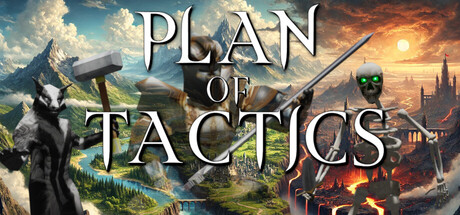
3D character models: The models for the supernatural guests (Nightmare, Goblin, Vampire, Devil), the merchant Djinn, and the trapped travelers were generated using AI tools (Meshy AI, with concept images from Google Gemini image models), then rigged, animated, retextured, lit, and integrated by hand in Unity.
Store artwork: The capsule key art was created with AI image generation tools and composed by hand.
Code: Portions of the game's source code were written with AI coding assistance and reviewed by the developer.
All AI-generated content was created by the developer using licensed tools, and all final assets were manually edited, integrated, and tested. No AI-generated content is produced live during gameplay — everything shipped in the game is pre-made and fixed.
Generative AI tools were used to assist with certain code, UI elements, and visual effect assets. All AI-assisted content was reviewed and ultimately approved by actual humans on the development team. The game’s environments, NPCs, and related artwork were handcrafted by our artist. All gameplay design, creative direction, and final content decisions were made by the development team.
I leveraged AI tools to bring my game concept to life, with AI assistance in coding, artwork, and the Steam store page. I want to assure you that this game was built through genuine collaboration between myself and AI—working together to create a better, more enjoyable experience.
I started this project completely from scratch and have spent a lot of time developing and refining it.
Claude Code AI was used to help me with certain tasks, such as implementing the save system, menus, and scoring system. However, the AI did not build the game for me. I was responsible for the overall development, design, integration, testing, debugging, and all the decisions made throughout the project.
The entire project was developed in Unreal Engine 5.8, primarily using C++ with a few Blueprints.
Despite what you may sometimes hear, using AI does not mean that the work is done for you. It can be a useful tool, but you still need to understand what you are doing, integrate the code into your project, fix issues, test everything, and spend many hours making the final result work properly.
Generative AI tools were used during development to assist with portions of the game’s code and the creation or refinement of certain visual and marketing assets. All AI-assisted material was reviewed, edited, and integrated by the developer. The game does not generate AI content during gameplay.
Program code, UI text, the thirteen-language interface localization and store page copy were produced with the assistance of generative AI tools. The character model was hand-made by a 3D artist; environment models, music and sound effects come from credited human authors and licensed asset packs; all screenshots and promotional images are rendered in-engine. No AI-generated imagery or audio is included.
Generative AI tools were used during development: to assist with writing the game code, to draft in-game and store text, and to produce store graphics (capsules, icons). The simulation itself runs on deterministic algorithms; no content is generated by AI at runtime.
Props to you for checking this out! I used AI to help code some of the newer features and port this from my original mobile build as it saved a lot of dev time. Everything else—sounds, amateur vector art, and the remaining 85%+ of the code is completely human-crafted.
Parts of this product were produced with the help of generative AI. The HTML, CSS, JavaScript and shader code of the bundled wallpapers, the store page text and its translations were drafted with AI assistance and reviewed by a person before release.
The application itself does not use generative AI at runtime. It generates no content while you use it, and nothing you do in Wallpaper — hardware readings, settings, your own photos and videos — is sent to any AI model or to any server. Everything stays on your PC.
No AI-generated images, models, or audio appear in the game or on this Steam page. Music is composed and arranged by me in BandLab. UI and VFX are handmade or generated procedurally with code, including the breaking waves shaped by hand.
Otherwise, I code Shorebreaker with AI assistance: the design decisions are mine, and AI helps me work through, implement, and debug them. For self-marketing, some of my social media videos use AI voiceover from CapCut because I can't wake the baby.
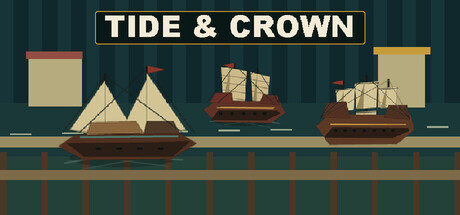
Generative AI tools were used during development to assist with portions of the game’s interface and narrative text, programming, procedurally constructed 2D visual elements, and marketing materials. All included content was reviewed, edited, and integrated by the developer. Tide & Crown does not generate AI content during gameplay and does not connect to external AI services.
AI-assisted generation of small code snippets and early visual concepts. All content has been manually reviewed and optimized. Real-time AI generation is not involved; it is entirely locally packaged and does not rely on external APIs.
We use AI to aid the team with coding and refactoring more quickly, texturing assets and background faster, and creating highly detailed cinematics. We have both original and AI generated music & sound effects.
We DO NOT use AI for our story, narratives, dialog, 3D models, or character animations.
Visual assets in this game — symbol icons, charm icons, user interface elements, machine and objective icons, and store artwork — were created with generative AI tools and then selected, edited, sized and integrated by hand. Game code was written with AI assistance under human direction. Design, balancing decisions and final text are authored by the developer.
Some music and visual artwork included in the game were created or enhanced using generative AI-assisted tools. AI-assisted coding tools were also used during development to help write and refine portions of the game’s code. Every AI-assisted element was reviewed, edited, selected, integrated, and tested by the developer before inclusion. No AI content is generated during gameplay, and the game does not connect to external AI services. All AI-assisted content included with the game is fixed and pre-generated.
AI tools were used during development solely to assist with coding, including identifying and fixing bugs and making minor code corrections and improvements. AI does not generate any content for players during gameplay.
This game was developed with AI coding agents (Anthropic Claude / OpenAI Codex). All in-game pixel art (ingredients, relics, character faces, UI) is rendered by drawing code and pixel-placement scripts written by these agents; no diffusion/image-generation model output is included. Music and SFX are procedurally generated at runtime from AI-assisted code. In-game text, store page copy, and translations into 10 languages were produced with AI assistance and reviewed by the developer. Trailer scripts and captions were also AI-assisted. All content has been reviewed by the developer.
Generative AI was used in the creation of visual assets for this game, including characters, backgrounds, and stage maps.
AI-assisted coding tools were also used during the development of the game.
The game does not use generative AI to create content in real time during gameplay.
Generative AI tools assisted with portions of the game’s code and written material, and with the creation of pre-generated promotional key art and derivative marketing graphics. All final content was selected, edited, tested, and reviewed by the developer. Gameplay screenshots and trailers show the actual game.
Generative AI tools were used during development to assist with creating some texture images, promotional/banner images, and code development. AI was also used to help review, test, and debug code, identify potential issues, and suggest improvements. All generated or AI-assisted content was reviewed, selected, and integrated by the developer.
Developed and tested under human creative direction with generative AI assistance for game code, audio and promo materials. Some skin patterns for customization of character and ball were AI generated. Maps, 3D assets and animations were bought from artists. The game does not use live-generated AI during gameplay.
Every voice you hear in Dub Night Live is a real person. Nothing in the game is AI-generated: no AI voices, no AI art, no AI judging (scoring is player votes).
The clip editor uses two open-source machine-learning tools that run locally on your PC: one separates a clip's original voices from its music and effects, and one drafts line timings for you to review and fix. They process your own video files, never send anything to an external service, and never create content.
During development, AI was used as a coding assistant only.
This game includes AI-assisted, human-curated and edited artwork (tile art, actor sprites, and other visual assets). All AI-generated art was reviewed, edited, and approved by the developer before being included. An LLM was used to co-author most code changes. An LLM was used to proof and ideate some of the dialog in the game. All dialog was curated and approved by a human.
Generative AI tools were used to assist with the development and coding of the game, including generating, modifying, and troubleshooting code that ships with the game.
During the early stages of development, I used AI tools as a creative and technical aid, mainly to help with parts of the code and to create early drafts of some background artwork. These were only starting points in the development process. The materials were then reviewed, adapted, modified, and integrated as part of the game’s overall development.
This game used generative AI during development as a programming aid, assisting with the writing, debugging, and optimization of portions of the source code. All AI-assisted code was reviewed, edited, and tested by the developer before inclusion.
Generative AI tools were used during development to assist with portions of programming code and to draft portions of the store-page text. All outputs were reviewed and edited by the development team. No AI-generated artwork, audio, or other visual assets are included in the released game or store materials. The game does not use generative AI during gameplay.
AI tools were used during development as a programming and brainstorming assistant: the game's code were written with AI assistance under my direction and review, and I used AI to talk through design ideas. All art, audio, and text in the game itself are either hand-made, procedurally generated by the game's own code, or sourced from credited CC0 asset packs (big thanks to Kenney Vleugels).
Some in-game images, such as backgrounds and props, were created with generative AI (Adobe Firefly) and then edited and adjusted before use. All character illustrations and key art are hand-drawn. The scenario and in-game text are based on human-created concepts and structure; AI was used to assist with early drafts, and all final content was edited and finalized by hand. AI tools were also used to assist programming during development.
Generative AI tools were used during development to assist with creating and refining some visual concepts and game assets. AI was also used as a development aid for tasks such as prototyping and programming assistance. All generated content was reviewed, selected, and integrated by the developer, and the game does not generate AI content during normal gameplay
AI is used for programming assistance, for generating in-game sound effects and music, and for drafting store page text. All 3D art assets and level design are created by hand in Blender.
The game's art and sound are drawn and synthesised in code at runtime rather than shipped as asset files, and that code was written with AI coding assistance under human direction. No AI runs while the game is playing. The soundtrack is licensed human-authored works.
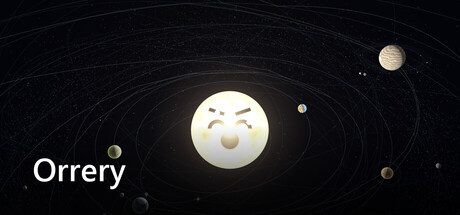
An AI coding assistant was used while developing Orrery to write and review source code, and to draft the text of this store page. No artwork, audio, or in-app content is AI-generated: the planetary surface maps are re-projected NASA and USGS imagery from Solar System Scope, every position is computed from published JPL and Hipparcos data, and the store images are captured from the running program by a script. Nothing is generated by AI while the program runs.
Generative AI tools were used during development to assist with programming and the creation of portions of the game's source code. The game does not use generative AI during gameplay and does not connect to external AI services.
During the development of this game, generative artificial intelligence (AI) tools were used to assist with the creation and refinement of some visual assets, UI elements, and portions of the game code. AI-assisted content was reviewed, modified, and integrated by the developers before being included in the final game. The game does not use generative AI to create content during gameplay and does not connect to external AI services at runtime.
We are a two-person indie team with over a decade of real-world game development experience. Pat has been making games for 10 years, and Nate was a professional working artist long before generative AI tools existed.
We know AI in games is a dealbreaker for some folks, and we struggle with how much to use it ourselves. We want to be completely upfront about how we built this so you have the full picture:
- Visuals: We used generative AI alongside our standard software to speed up ideation and automate tedious tasks. Every final in-game element is as handmade as any other pre-LLM digital art. Most of the icons were licensed from a third-party.
- Code: We used AI assistants for pair-programming and troubleshooting complex engine logic on a project that two non-engineers couldn't otherwise build alone.
No content is generated live in-game at runtime.
We believe in total transparency with our players. We built this game to celebrate developers, and we want to be completely open about how we made it. As busy parents navigating the job hunt during development, these tools gave us the leverage to build and ship an ambitious project that we simply couldn't have created otherwise.
Dashdoce was created and directed by a single independent developer. AI-assisted tools were used to help implement, debug and test the software and to draft or polish portions of interface text, localization and store copy. All concepts, feature ideas, visual and interaction design decisions, behavior specifications and final approvals were conceived, directed and carefully curated by the developer. AI served as an implementation tool, not as the source of the product's ideas. Dashdoce does not generate content with AI while running.
Some of the text in this product was drafted with generative AI and then edited by the developer: parts of this store page description and some in-game text. Parts of the source code were also written with AI coding assistance and reviewed by hand.
The art, 3D models, animation and audio in this game are not AI-generated, and no generative AI runs while you play.
We used generative AI tools during development in the following ways:
3D character models: The models for the supernatural guests (Nightmare, Goblin, Vampire, Devil), the merchant Djinn, and the trapped travelers were generated using AI tools (Meshy AI, with concept images from Google Gemini image models), then rigged, animated, retextured, lit, and integrated by hand in Unity.
Store artwork: The capsule key art was created with AI image generation tools and composed by hand.
Code: Portions of the game's source code were written with AI coding assistance and reviewed by the developer.
All AI-generated content was created by the developer using licensed tools, and all final assets were manually edited, integrated, and tested. No AI-generated content is produced live during gameplay — everything shipped in the game is pre-made and fixed.
Generative AI tools were used to assist with certain code, UI elements, and visual effect assets. All AI-assisted content was reviewed and ultimately approved by actual humans on the development team. The game’s environments, NPCs, and related artwork were handcrafted by our artist. All gameplay design, creative direction, and final content decisions were made by the development team.
I leveraged AI tools to bring my game concept to life, with AI assistance in coding, artwork, and the Steam store page. I want to assure you that this game was built through genuine collaboration between myself and AI—working together to create a better, more enjoyable experience.
I started this project completely from scratch and have spent a lot of time developing and refining it.
Claude Code AI was used to help me with certain tasks, such as implementing the save system, menus, and scoring system. However, the AI did not build the game for me. I was responsible for the overall development, design, integration, testing, debugging, and all the decisions made throughout the project.
The entire project was developed in Unreal Engine 5.8, primarily using C++ with a few Blueprints.
Despite what you may sometimes hear, using AI does not mean that the work is done for you. It can be a useful tool, but you still need to understand what you are doing, integrate the code into your project, fix issues, test everything, and spend many hours making the final result work properly.
Generative AI tools were used during development to assist with portions of the game’s code and the creation or refinement of certain visual and marketing assets. All AI-assisted material was reviewed, edited, and integrated by the developer. The game does not generate AI content during gameplay.
Program code, UI text, the thirteen-language interface localization and store page copy were produced with the assistance of generative AI tools. The character model was hand-made by a 3D artist; environment models, music and sound effects come from credited human authors and licensed asset packs; all screenshots and promotional images are rendered in-engine. No AI-generated imagery or audio is included.
Generative AI tools were used during development: to assist with writing the game code, to draft in-game and store text, and to produce store graphics (capsules, icons). The simulation itself runs on deterministic algorithms; no content is generated by AI at runtime.
Props to you for checking this out! I used AI to help code some of the newer features and port this from my original mobile build as it saved a lot of dev time. Everything else—sounds, amateur vector art, and the remaining 85%+ of the code is completely human-crafted.
Parts of this product were produced with the help of generative AI. The HTML, CSS, JavaScript and shader code of the bundled wallpapers, the store page text and its translations were drafted with AI assistance and reviewed by a person before release.
The application itself does not use generative AI at runtime. It generates no content while you use it, and nothing you do in Wallpaper — hardware readings, settings, your own photos and videos — is sent to any AI model or to any server. Everything stays on your PC.
No AI-generated images, models, or audio appear in the game or on this Steam page. Music is composed and arranged by me in BandLab. UI and VFX are handmade or generated procedurally with code, including the breaking waves shaped by hand.
Otherwise, I code Shorebreaker with AI assistance: the design decisions are mine, and AI helps me work through, implement, and debug them. For self-marketing, some of my social media videos use AI voiceover from CapCut because I can't wake the baby.
Generative AI tools were used during development to assist with portions of the game’s interface and narrative text, programming, procedurally constructed 2D visual elements, and marketing materials. All included content was reviewed, edited, and integrated by the developer. Tide & Crown does not generate AI content during gameplay and does not connect to external AI services.
AI-assisted generation of small code snippets and early visual concepts. All content has been manually reviewed and optimized. Real-time AI generation is not involved; it is entirely locally packaged and does not rely on external APIs.
We use AI to aid the team with coding and refactoring more quickly, texturing assets and background faster, and creating highly detailed cinematics. We have both original and AI generated music & sound effects.
We DO NOT use AI for our story, narratives, dialog, 3D models, or character animations.
Visual assets in this game — symbol icons, charm icons, user interface elements, machine and objective icons, and store artwork — were created with generative AI tools and then selected, edited, sized and integrated by hand. Game code was written with AI assistance under human direction. Design, balancing decisions and final text are authored by the developer.
Some music and visual artwork included in the game were created or enhanced using generative AI-assisted tools. AI-assisted coding tools were also used during development to help write and refine portions of the game’s code. Every AI-assisted element was reviewed, edited, selected, integrated, and tested by the developer before inclusion. No AI content is generated during gameplay, and the game does not connect to external AI services. All AI-assisted content included with the game is fixed and pre-generated.
AI tools were used during development solely to assist with coding, including identifying and fixing bugs and making minor code corrections and improvements. AI does not generate any content for players during gameplay.
This game was developed with AI coding agents (Anthropic Claude / OpenAI Codex). All in-game pixel art (ingredients, relics, character faces, UI) is rendered by drawing code and pixel-placement scripts written by these agents; no diffusion/image-generation model output is included. Music and SFX are procedurally generated at runtime from AI-assisted code. In-game text, store page copy, and translations into 10 languages were produced with AI assistance and reviewed by the developer. Trailer scripts and captions were also AI-assisted. All content has been reviewed by the developer.
Generative AI was used in the creation of visual assets for this game, including characters, backgrounds, and stage maps.
AI-assisted coding tools were also used during the development of the game.
The game does not use generative AI to create content in real time during gameplay.
Generative AI tools assisted with portions of the game’s code and written material, and with the creation of pre-generated promotional key art and derivative marketing graphics. All final content was selected, edited, tested, and reviewed by the developer. Gameplay screenshots and trailers show the actual game.
Generative AI tools were used during development to assist with creating some texture images, promotional/banner images, and code development. AI was also used to help review, test, and debug code, identify potential issues, and suggest improvements. All generated or AI-assisted content was reviewed, selected, and integrated by the developer.
Developed and tested under human creative direction with generative AI assistance for game code, audio and promo materials. Some skin patterns for customization of character and ball were AI generated. Maps, 3D assets and animations were bought from artists. The game does not use live-generated AI during gameplay.
Every voice you hear in Dub Night Live is a real person. Nothing in the game is AI-generated: no AI voices, no AI art, no AI judging (scoring is player votes).
The clip editor uses two open-source machine-learning tools that run locally on your PC: one separates a clip's original voices from its music and effects, and one drafts line timings for you to review and fix. They process your own video files, never send anything to an external service, and never create content.
During development, AI was used as a coding assistant only.
This game includes AI-assisted, human-curated and edited artwork (tile art, actor sprites, and other visual assets). All AI-generated art was reviewed, edited, and approved by the developer before being included. An LLM was used to co-author most code changes. An LLM was used to proof and ideate some of the dialog in the game. All dialog was curated and approved by a human.
Generative AI tools were used to assist with the development and coding of the game, including generating, modifying, and troubleshooting code that ships with the game.
During the early stages of development, I used AI tools as a creative and technical aid, mainly to help with parts of the code and to create early drafts of some background artwork. These were only starting points in the development process. The materials were then reviewed, adapted, modified, and integrated as part of the game’s overall development.
This game used generative AI during development as a programming aid, assisting with the writing, debugging, and optimization of portions of the source code. All AI-assisted code was reviewed, edited, and tested by the developer before inclusion.
Generative AI tools were used during development to assist with portions of programming code and to draft portions of the store-page text. All outputs were reviewed and edited by the development team. No AI-generated artwork, audio, or other visual assets are included in the released game or store materials. The game does not use generative AI during gameplay.
AI tools were used during development as a programming and brainstorming assistant: the game's code were written with AI assistance under my direction and review, and I used AI to talk through design ideas. All art, audio, and text in the game itself are either hand-made, procedurally generated by the game's own code, or sourced from credited CC0 asset packs (big thanks to Kenney Vleugels).
Some in-game images, such as backgrounds and props, were created with generative AI (Adobe Firefly) and then edited and adjusted before use. All character illustrations and key art are hand-drawn. The scenario and in-game text are based on human-created concepts and structure; AI was used to assist with early drafts, and all final content was edited and finalized by hand. AI tools were also used to assist programming during development.
Generative AI tools were used during development to assist with creating and refining some visual concepts and game assets. AI was also used as a development aid for tasks such as prototyping and programming assistance. All generated content was reviewed, selected, and integrated by the developer, and the game does not generate AI content during normal gameplay
AI is used for programming assistance, for generating in-game sound effects and music, and for drafting store page text. All 3D art assets and level design are created by hand in Blender.
The game's art and sound are drawn and synthesised in code at runtime rather than shipped as asset files, and that code was written with AI coding assistance under human direction. No AI runs while the game is playing. The soundtrack is licensed human-authored works.
An AI coding assistant was used while developing Orrery to write and review source code, and to draft the text of this store page. No artwork, audio, or in-app content is AI-generated: the planetary surface maps are re-projected NASA and USGS imagery from Solar System Scope, every position is computed from published JPL and Hipparcos data, and the store images are captured from the running program by a script. Nothing is generated by AI while the program runs.
Generative AI tools were used during development to assist with programming and the creation of portions of the game's source code. The game does not use generative AI during gameplay and does not connect to external AI services.
During the development of this game, generative artificial intelligence (AI) tools were used to assist with the creation and refinement of some visual assets, UI elements, and portions of the game code. AI-assisted content was reviewed, modified, and integrated by the developers before being included in the final game. The game does not use generative AI to create content during gameplay and does not connect to external AI services at runtime.
We are a two-person indie team with over a decade of real-world game development experience. Pat has been making games for 10 years, and Nate was a professional working artist long before generative AI tools existed.
We know AI in games is a dealbreaker for some folks, and we struggle with how much to use it ourselves. We want to be completely upfront about how we built this so you have the full picture:
- Visuals: We used generative AI alongside our standard software to speed up ideation and automate tedious tasks. Every final in-game element is as handmade as any other pre-LLM digital art. Most of the icons were licensed from a third-party.
- Code: We used AI assistants for pair-programming and troubleshooting complex engine logic on a project that two non-engineers couldn't otherwise build alone.
No content is generated live in-game at runtime.
We believe in total transparency with our players. We built this game to celebrate developers, and we want to be completely open about how we made it. As busy parents navigating the job hunt during development, these tools gave us the leverage to build and ship an ambitious project that we simply couldn't have created otherwise.
Dashdoce was created and directed by a single independent developer. AI-assisted tools were used to help implement, debug and test the software and to draft or polish portions of interface text, localization and store copy. All concepts, feature ideas, visual and interaction design decisions, behavior specifications and final approvals were conceived, directed and carefully curated by the developer. AI served as an implementation tool, not as the source of the product's ideas. Dashdoce does not generate content with AI while running.