
Disclosure
Some game assets were partially created using AI.
- Creator
- DreamDart
- Reviews
- -
- Added
- May 23, 2026
Public Steam disclosure research 25,497 disclosures tracked
Search developers’ Steam disclosures, compare classified AI use across games, and follow recorded changes. This index adds cross-game classifications and statistics to statements published on individual store pages.
Code help, debugging and other development work.
Capsule art, trailers and promotional material.
Pre-made art, audio, writing and other game assets.
Interactive or runtime AI features disclosed by the developer.
Groups reflect automatic analysis of public disclosures; mature records are excluded. These counts do not measure AI use across all of Steam. Missing or unclear statements cannot establish whether a game uses AI.
Some game assets were partially created using AI.
AI was used to help generate event text and to help during the coding process. All sumo logic, sprites, and animations are done by hand!
This game uses generative artificial intelligence tools during parts of the development process. AI-assisted tools were used by the solo creator, Hamood , to support portions of programming workflow and improve development efficiency as part of our independent game production pipeline. All implementation, design decisions, gameplay structure, and final integration were directed and reviewed by human developers. Some early-stage visual assets and concept materials were also created with AI-assisted tools during prototyping and pre-production. These assets were subsequently modified, optimized, and refined inside Unreal Engine and through additional work by human artists to ensure artistic consistency and product integrity. No live AI-generated content is produced during gameplay. All gameplay content presented to players is pre-authored and curated by the development team.
This game includes some content created with the assistance of generative AI tools, including limited portions of code and certain visual assets. All AI‑assisted content has been strictly reviewed, edited, and integrated by the developer to ensure quality, consistency and used only as supportive resources.
The developers describe how their game uses AI Generated Content like this: We used generative AI to help create the level layouts and parts of the game code. Everything was then tweaked, edited, and put together by us. All gameplay and design decisions are fully human-made.
This game is a solo-developed hobby project. Generative AI tools were used as part of the production workflow, including assistance with code, audio, and base visual assets. No generative AI output is used as a final in-game asset; all assets were manually edited, and integrated by the developer. The story, dialogue, and all other written in-game content were written by the developer. All gameplay design, creative direction, balancing, and final content decisions were made by the developer.
Generative artificial intelligence tools were used to assist with creating and iterating on some audio, visual, and code assets. All AI-assisted content was manually reviewed, edited, and integrated by the developer.
We used AI to help write some of the code for the game.
音樂使用Suno生成,程式碼AI配合生成
Our team's Generative AI policy is that we cannot use it at all for Assets, Sounds, and Arts. The only thing we have allowed ourselves to use Gen AI for is coding, although we have agreed we won't use Gen AI the first time we attempt to solve a problem. We only use Gen AI after having already attempted to fix a problem through YouTube videos, asking peers, etc.
Most of this game is AI-generated. In-game text (UI, game names, descriptions), graphics (player icons, vector elements), code and the majority of the micro-game implementations — all AI, then reviewed and curated by the developer. Localization to all non-English languages is AI-translated. No AI runs at runtime; everything is pre-generated and shipped statically.
All in-game assets are AI-generated and then undergo secondary processing.
Player portraits have been generated using AI tools, and AI has been used to assist in the coding and written content of the game.
uses midjourney for the pictures used on cards and the pictures for each cat. claude for code assistance or guidance.
Driftbane: The Long Awaited uses generative AI tools during development for some character art, 3D character base meshes, music tracks, and as a coding assistant. The developer refines, integrates, and curates AI outputs by hand. All creative direction, narrative, design decisions, and gameplay are authored by the developer. No AI content runs at runtime in the game.
Generative AI tools were used to assist with writing, reviewing, and improving parts of the game's code. All models, textures, images, sounds, and music used in Single Note are created through human work. The game does not use AI-generated visual assets, audio assets, music, or 3D models. Single Note is developed by a small independent studio, and AI tools were used as development assistance during production. All final implementation decisions, testing, integration, and creative direction are handled by Fanjoy Studio. The game does not use live-generated AI content during gameplay.
I have used Claude Code to create the game itself code and assets.
AI was used with the generation of code and some generic art assets.
Some visual assets, including the application icon and logo, were created with the assistance of generative AI tools. AI-assisted tools were also used during parts of the development process for coding support.
AI was used to accelerate the creation of this game, specifically, the audio, graphics, and code for the game to function. The idea came from a man with many years of dating experience, and looking to create a fun game to share with the world.
The store assets aswell as some ingame icons were made with generative AI. Code, Research, Translations have all been assisted with AI tooling.
Research assistance, technical guidance, text refinement, and code troubleshooting
Generative AI tools were used during the development of this game for programming assistance, localization, and partial text generation. Some localized text and in-game written content were generated with the assistance of AI-based tools.
In the development of BABY PEAK, we utilized artificial intelligence as a supportive tool to enhance our creative vision. Here is how it was integrated: Conceptual Brainstorming: AI was used as a sounding board during the early stages of development for brainstorming core mechanics, naming suggestions, and general concepts. Routine Tasks & Optimization: We employed AI tools to handle repetitive technical tasks, such as optimizing small code snippets and organizing data, to increase our workflow efficiency. Human-Driven Craftsmanship: All core game design, level architecture, visual identity, and gameplay balancing are entirely the result of our team’s manual work and creativity. In short, AI did not act as the "creator" of this game; instead, it served as a digital assistant to help us bring our unique ideas to life more efficiently.
AI was used to help with programming and localization. There are no AI generated art, sound or music assets.
This games uses generative artificial intelligence to create graphics and code.
According to our Generative AI policy, we will not use it to generate any Assets, Sounds, or Art. Subject to change. Generative AI was used to generate a portion of code during development.
Some elements of the game were generated with AI : - Scripts : parts of systems were generated or implemented using AI models - Images : some Images were generated or edited using AI Models
This game was developed with the assistance of AI tools including Claude (Anthropic) for code generation, game logic, and music composition. All game design decisions, creative direction, and publishing were made by the human developer.
Generative artificial intelligence was partially used during the development of the game. AI-based tools assisted with parts of the code, the creation of certain textures, and the production of some trailer scenes. All generated materials were manually refined and integrated by the developers to ensure quality and consistency with the game’s artistic vision.
This game includes pre-generated content created with the assistance of generative AI tools during development. AI tools were used to assist with some 2D visual assets, icons, background concept art, text drafting/localization, and programming support. All AI-assisted content is reviewed, edited, and integrated by the developer before being included in the game or store materials. The game does not use live generative AI during gameplay.
Generative Artificial Intelligence was used to assist in the development of this game, including support with aspects of the game's code. AI tools were also used to create some graphical assets, including selected images used for promotional material and the Steam store page.
This is my first project as a solo developer, I used AI to support with some of the backend code and concept generation.
Cover art and store page imagery and music were created with AI generation tools. AI coding assistants were used during development. All game design, writing, narrative content, and gameplay systems were designed by the developer.
This game uses generative artificial intelligence to assist with development. AI tools were used to create concept art, textures, sound effects, music elements, dialogue, and portions of the game’s code. All AI‑generated content was reviewed, edited, and integrated by the developer to ensure quality, consistency, and originality.
This game was developed with AI assistance. Some visual assets, icons, promotional artwork, in-game text content, and portions of the source code were generated or refined using AI tools. Core game design, mechanics balancing, and final creative direction were handled by a human developer.
This game was developed with the assistance of Generative AI tools which served as a coding co-pilot. The AI was used to assist in writing the simulation logic, database structure, and user interface code during the development phase. All generated code was reviewed, tested, and finalized by the developer. The game does not utilize live Generative AI during gameplay
Sound, art, and programming logic were generated using AI tools and were subsequently hand-polished and manually adjusted.
Konzept Art und Claude Code
代码和BGM
AI was used during development to assist with code generation, some graphical assets, and selected music or audio elements. All content was reviewed and edited by the developer before being included in the game.
ARB: Alien Races Battle is developed by a solo human author (Raphael Tremblay) with assistance from Anthropic's Claude AI as a coding, art, and writing collaborator throughout production. Specifically: - Some pixel-art unit sprites, ability icons, and UI elements were generated as SVG code with Claude's help, then reviewed, edited, and approved by the developer. - In-game ability descriptions, Field Manual codex entries, and supplementary lore text were written with Claude as a writing collaborator, all building on the existing canon of The Alien Races Book (a separate, fully human-authored book by the same author that predates this game by years). - Game code (gameplay engine, multiplayer infrastructure, UI logic) was developed with Claude as a coding-pair assistant. Every piece of AI-assisted content was reviewed and edited by the human developer before shipping. The game's core IP — the 60+ documented alien races, their homeworlds, and their first-contact records — comes from The Alien Races Book and is entirely human-authored. ARB does not use AI to generate content live during gameplay. All in-game content (units, sprites, abilities, sound, text, music) is finalized at build time and shipped as static assets.
The developer utilized AI tools to assist in the development process. AI was used to help generate concept art, some minor 2D environmental textures/UI elements, and to assist with structuring the game's programming framework. All AI-assisted content has been reviewed, heavily modified, and manually integrated by the developer to match the game's specific artistic vision and mechanics.
Generative AI was used during the development process to assist with code training and performance optimization. This application was strictly internal and for development efficiency, and did not directly generate any final game assets (art, sound, or text) that are shipped to players. All player-facing content in the game is originally created by our team.
Dungeons of Desolation Remastered is based on my original 2012 Xbox Live Indie Games release. The original artwork, music, sound effects, code, game design, story, systems, and overall creative direction were created by me as an individual developer. For this remastered PC version, I have used generative AI tools as part of the development process to assist with asset upscaling/enhancement and with porting/refactoring the original XNA codebase to a modern MonoGame version. AI-assisted work is reviewed, edited, and integrated by me. Generative AI is not used to dynamically generate gameplay, story, dialogue, items, levels, or player-facing content at runtime.
Generative AI tools were used during development for limited asset creation and coding assistance.
Generative AI tools were used as part of the development workflow for programming assistance, debugging support, implementation planning, and visual refinement. AI-assisted visual workflows were used to explore, refine, or produce some visual elements. All such content was reviewed and integrated manually by the developer. Waywardens does not use live generative AI during gameplay. The game does not generate AI content at runtime and does not send player input to AI services.
Generative AI was used to create sound effects and as an assistant for programming code
Game created using AI for coding purposes.
Billionaire MAX is an indie game where the core game design, mechanics, balance, and creative direction were authored by the developer, while the implementation work was assisted by AI tools. The following content was created with AI assistance: - Source code: Game logic, UI, networking, and other code was written with the help of AI coding assistants. All code was reviewed, tested, and integrated by the developer. - Visual assets: Achievement icons, sector illustrations, and in-game card art were generated with AI image generation tools. The developer curated, edited, and selected every asset before inclusion. - Sound effects: Created with AI audio generation tools. The developer curated and selected each sound effect before inclusion. - Localization: Initial drafts of English, Korean, and Simplified Chinese translations were produced with AI assistance, then proofread and refined by the developer. The following content was NOT created with AI: - Game design and rules - Music - Final QA and gameplay tuning No AI generation occurs at runtime. The game does not invoke any AI service during gameplay; players never see content produced live by AI.
| Title⇅ | Disclosure | Creator⇅ | Src | Reviews⇅ | Added↓ |
|---|---|---|---|---|---|
 Pathogen In-game content artaudiocodetext | Some game assets were partially created using AI. | DreamDart | - | May 23, 2026 | |
 Uchi No Heya! In-game content textcode | AI was used to help generate event text and to help during the coding process. All sumo logic, sprites, and animations are done by hand! | James West | - | May 23, 2026 | |
 ColorLand Friends In-game content artcode | This game uses generative artificial intelligence tools during parts of the development process. AI-assisted tools were used by the solo creator, Hamood , to support portions of programming workflow and improve development efficiency as part of our independent game production pipeline. All implementation, design decisions, gameplay structure, and final integration were directed and reviewed by human developers.
Some early-stage visual assets and concept materials were also created with AI-assisted tools during prototyping and pre-production. These assets were subsequently modified, optimized, and refined inside Unreal Engine and through additional work by human artists to ensure artistic consistency and product integrity.
No live AI-generated content is produced during gameplay. All gameplay content presented to players is pre-authored and curated by the development team. | Hexonine Games Inc. | - | May 23, 2026 | |
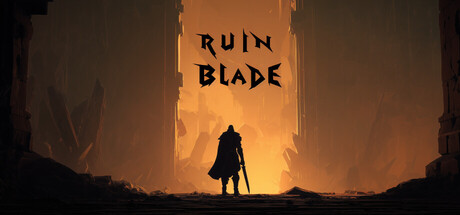 Ruin Blade In-game content artcode | This game includes some content created with the assistance of generative AI tools, including limited portions of code and certain visual assets.
All AI‑assisted content has been strictly reviewed, edited, and integrated by the developer to ensure quality, consistency and used only as supportive resources. | qwellk | - | May 23, 2026 | |
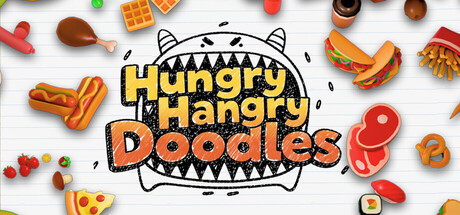 Hungry Hangry Doodles In-game content textcode | The developers describe how their game uses AI Generated Content like this:
We used generative AI to help create the level layouts and parts of the game code. Everything was then tweaked, edited, and put together by us.
All gameplay and design decisions are fully human-made. | Maple Taco | - | May 23, 2026 | |
 Pixel Darts: From Pub to Glory In-game content artaudiocode | This game is a solo-developed hobby project. Generative AI tools were used as part of the production workflow, including assistance with code, audio, and base visual assets. No generative AI output is used as a final in-game asset; all assets were manually edited, and integrated by the developer. The story, dialogue, and all other written in-game content were written by the developer. All gameplay design, creative direction, balancing, and final content decisions were made by the developer. | zweipilot | - | May 23, 2026 | |
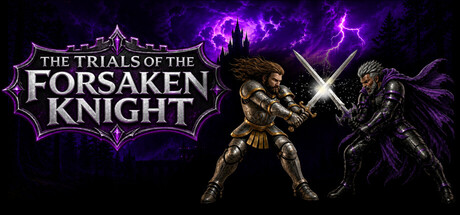 The Trials of the Forsaken Knight In-game content artaudiocode | Generative artificial intelligence tools were used to assist with creating and iterating on some audio, visual, and code assets. All AI-assisted content was manually reviewed, edited, and integrated by the developer. | Clown Logic Games | - | May 23, 2026 | |
 IncreTop Dev only code | We used AI to help write some of the code for the game. | Inspiration Beggar | - | May 23, 2026 | |
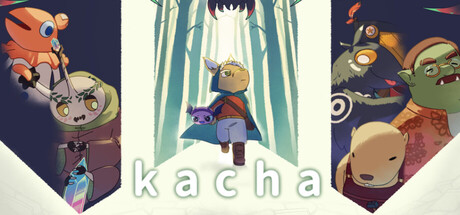 喀嚓 Kacha In-game content audiocode | 音樂使用Suno生成,程式碼AI配合生成 | 喀嚓製作組 | - | May 23, 2026 | |
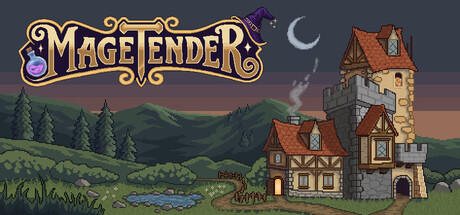 MageTender Dev only code | Our team's Generative AI policy is that we cannot use it at all for Assets, Sounds, and Arts. The only thing we have allowed ourselves to use Gen AI for is coding, although we have agreed we won't use Gen AI the first time we attempt to solve a problem. We only use Gen AI after having already attempted to fix a problem through YouTube videos, asking peers, etc. | Team TAAAZED | - | May 23, 2026 | |
 Micro Party In-game content textartcode | Most of this game is AI-generated. In-game text (UI, game names, descriptions), graphics (player icons, vector elements), code and the majority of the micro-game implementations — all AI, then reviewed and curated by the developer. Localization to all non-English languages is AI-translated. No AI runs at runtime; everything is pre-generated and shipped statically. | Fabio Uwe Krapohl | - | May 23, 2026 | |
 女武者 In-game content artaudiocodetext | All in-game assets are AI-generated and then undergo secondary processing. | MYSTERY CROWN | - | May 23, 2026 | |
 Making the Cut In-game content arttextcode | Player portraits have been generated using AI tools, and AI has been used to assist in the coding and written content of the game. | Hedge Media | - | May 23, 2026 | |
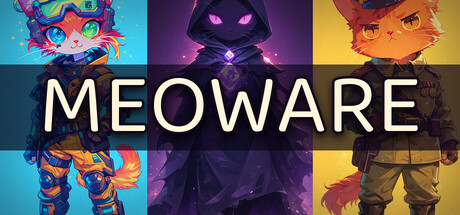 Meoware In-game content artcode | uses midjourney for the pictures used on cards and the pictures for each cat. claude for code assistance or guidance. | Gamer Games LLC | - | May 23, 2026 | |
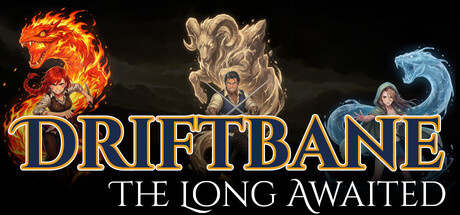 Driftbane: The Long Awaited In-game content artaudiocode | Driftbane: The Long Awaited uses generative AI tools during development for some character art, 3D character base meshes, music tracks, and as a coding assistant. The developer refines, integrates, and curates AI outputs by hand. All creative direction, narrative, design decisions, and gameplay are authored by the developer. No AI content runs at runtime in the game. | Pale Reef Games | - | May 23, 2026 | |
 Single Note Dev only code | Generative AI tools were used to assist with writing, reviewing, and improving parts of the game's code.
All models, textures, images, sounds, and music used in Single Note are created through human work. The game does not use AI-generated visual assets, audio assets, music, or 3D models.
Single Note is developed by a small independent studio, and AI tools were used as development assistance during production. All final implementation decisions, testing, integration, and creative direction are handled by Fanjoy Studio. The game does not use live-generated AI content during gameplay. | Fanjoy Studio | - | May 23, 2026 | |
 Endless Snake In-game content codeart | I have used Claude Code to create the game itself code and assets. | Pinch Games | - | May 23, 2026 | |
 PhonePlay In-game content artcode | AI was used with the generation of code and some generic art assets. | SDShepard | - | May 23, 2026 | |
 On Your Screen – Reactive CPU GPU Visualizer In-game content artcode | Some visual assets, including the application icon and logo, were created with the assistance of generative AI tools. AI-assisted tools were also used during parts of the development process for coding support. | https://steamcommunity.com/groups/FeburaryFalse | - | May 23, 2026 | |
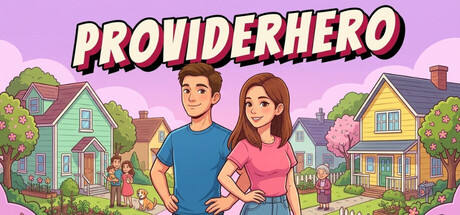 ProviderHero In-game content audioartcode | AI was used to accelerate the creation of this game, specifically, the audio, graphics, and code for the game to function. The idea came from a man with many years of dating experience, and looking to create a fun game to share with the world. | Project MH | - | May 23, 2026 | |
 Roll to Riches In-game content artcodetext | The store assets aswell as some ingame icons were made with generative AI.
Code, Research, Translations have all been assisted with AI tooling. | Eddy | - | May 23, 2026 | |
 Orbit Crisis Dev only textcode | Research assistance, technical guidance, text refinement, and code troubleshooting | Serious Hallucinations | - | May 23, 2026 | |
 TimelineTown In-game content textcode | Generative AI tools were used during the development of this game for programming assistance, localization, and partial text generation.
Some localized text and in-game written content were generated with the assistance of AI-based tools. | WataritamaStudio | - | May 23, 2026 | |
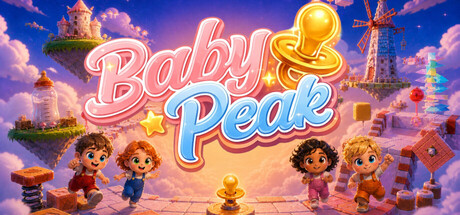 Baby Peak In-game content textcode | In the development of BABY PEAK, we utilized artificial intelligence as a supportive tool to enhance our creative vision. Here is how it was integrated:
Conceptual Brainstorming: AI was used as a sounding board during the early stages of development for brainstorming core mechanics, naming suggestions, and general concepts.
Routine Tasks & Optimization: We employed AI tools to handle repetitive technical tasks, such as optimizing small code snippets and organizing data, to increase our workflow efficiency.
Human-Driven Craftsmanship: All core game design, level architecture, visual identity, and gameplay balancing are entirely the result of our team’s manual work and creativity.
In short, AI did not act as the "creator" of this game; instead, it served as a digital assistant to help us bring our unique ideas to life more efficiently. | Analiz Games | - | May 23, 2026 | |
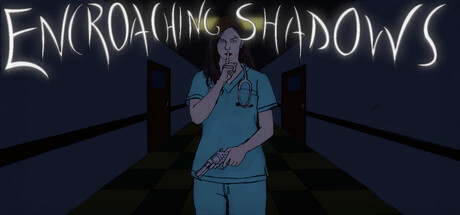 Encroaching Shadows In-game content codetext | AI was used to help with programming and localization.
There are no AI generated art, sound or music assets. | Azure Scorpion | - | May 23, 2026 | |
 Poker Double or Nothing In-game content artcode | This games uses generative artificial intelligence to create graphics and code. | $2 games | - | May 23, 2026 | |
 Astrojumper Dev only code | According to our Generative AI policy, we will not use it to generate any Assets, Sounds, or Art.
Subject to change. Generative AI was used to generate a portion of code during development. | GalacticGoons | - | May 23, 2026 | |
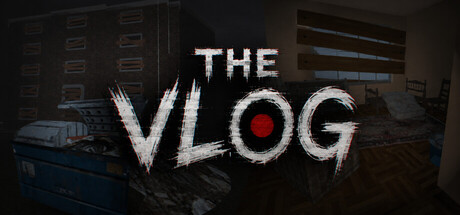 The Vlog In-game content artcode | Some elements of the game were generated with AI :
- Scripts : parts of systems were generated or implemented using AI models
- Images : some Images were generated or edited using AI Models | Sop | - | May 23, 2026 | |
 Penguin Runner In-game content codeaudio | This game was developed with the assistance of AI tools including Claude (Anthropic) for code generation, game logic, and music composition. All game design decisions, creative direction, and publishing were made by the human developer. | PenguinFunGames | - | May 23, 2026 | |
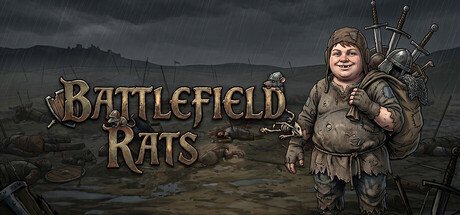 Battlefield Rats In-game content artcode | Generative artificial intelligence was partially used during the development of the game. AI-based tools assisted with parts of the code, the creation of certain textures, and the production of some trailer scenes. All generated materials were manually refined and integrated by the developers to ensure quality and consistency with the game’s artistic vision. | Emirion Games | - | May 23, 2026 | |
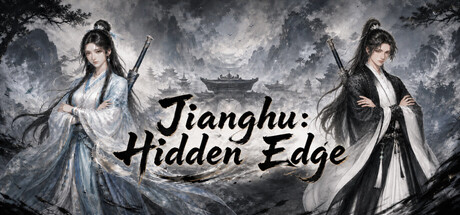 江湖藏锋 In-game content arttextcode | This game includes pre-generated content created with the assistance of generative AI tools during development. AI tools were used to assist with some 2D visual assets, icons, background concept art, text drafting/localization, and programming support.
All AI-assisted content is reviewed, edited, and integrated by the developer before being included in the game or store materials. The game does not use live generative AI during gameplay. | machi_studio | - | May 23, 2026 | |
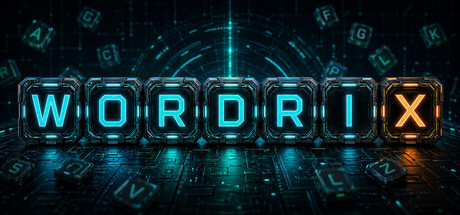 Wordrix Store/marketing codeart | Generative Artificial Intelligence was used to assist in the development of this game, including support with aspects of the game's code.
AI tools were also used to create some graphical assets, including selected images used for promotional material and the Steam store page. | Tactical Codeworks | - | May 23, 2026 | |
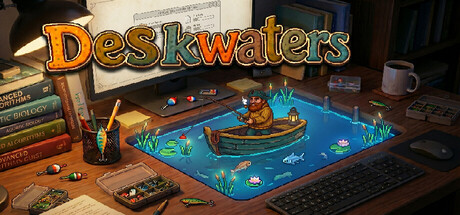 Deskwaters Dev only code | This is my first project as a solo developer, I used AI to support with some of the backend code and concept generation. | Deskwaters Studios | - | May 23, 2026 | |
 Infinite Library In-game content artaudiocode | Cover art and store page imagery and music were created with AI generation tools. AI coding assistants were used during development. All game design, writing, narrative content, and gameplay systems were designed by the developer. | Endpaper | - | May 23, 2026 | |
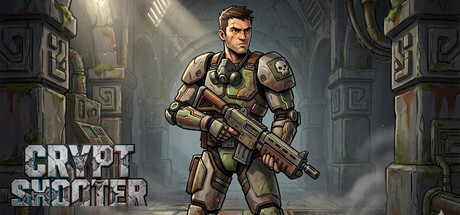 CRYPTSHOOTER In-game content artaudiotextcode | This game uses generative artificial intelligence to assist with development.
AI tools were used to create concept art, textures, sound effects, music elements, dialogue, and portions of the game’s code.
All AI‑generated content was reviewed, edited, and integrated by the developer to ensure quality, consistency, and originality. | Kronarc Engine Collective | - | May 23, 2026 | |
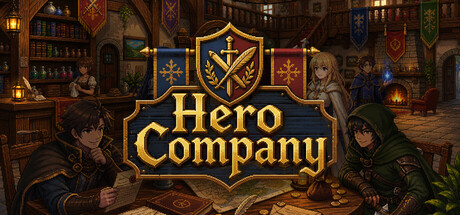 Hero Company In-game content arttextcode | This game was developed with AI assistance. Some visual assets, icons, promotional artwork, in-game text content, and portions of the source code were generated or refined using AI tools. Core game design, mechanics balancing, and final creative direction were handled by a human developer. | Pana Pororo | - | May 23, 2026 | |
 Coastal Summit Sports: College Athletics 27 Dev only code | This game was developed with the assistance of Generative AI tools which served as a coding co-pilot. The AI was used to assist in writing the simulation logic, database structure, and user interface code during the development phase. All generated code was reviewed, tested, and finalized by the developer. The game does not utilize live Generative AI during gameplay | Coastal Summit Sports | - | May 23, 2026 | |
 Don't Feed the Boss! In-game content artaudiocode | Sound, art, and programming logic were generated using AI tools and were subsequently hand-polished and manually adjusted. | Cinderbun | - | May 23, 2026 | |
 Most Scuffed Golf Unclear artcode | Konzept Art und Claude Code | Wieland Welte | - | May 23, 2026 | |
 The Blade Unclear codeaudio | 代码和BGM | 阿桑工作室 | - | May 23, 2026 | |
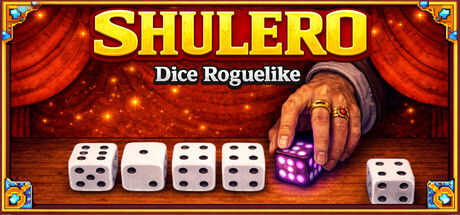 SHULERO – Dice Roguelike In-game content artaudiocode | AI was used during development to assist with code generation, some graphical assets, and selected music or audio elements. All content was reviewed and edited by the developer before being included in the game. | Airem | - | May 23, 2026 | |
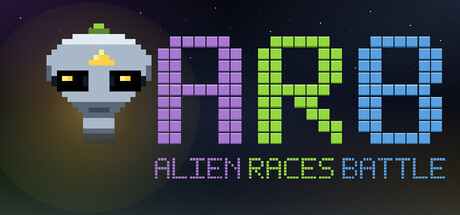 ARB: Alien Races Battle In-game content arttextcode | ARB: Alien Races Battle is developed by a solo human author (Raphael Tremblay) with assistance from Anthropic's Claude AI as a coding, art, and writing collaborator throughout production. Specifically:
- Some pixel-art unit sprites, ability icons, and UI elements were generated as SVG code with Claude's help, then reviewed, edited, and approved by the developer.
- In-game ability descriptions, Field Manual codex entries, and supplementary lore text were written with Claude as a writing collaborator, all building on the existing canon of The Alien Races Book (a separate, fully human-authored book by the same author that predates this game by years).
- Game code (gameplay engine, multiplayer infrastructure, UI logic) was developed with Claude as a coding-pair assistant.
Every piece of AI-assisted content was reviewed and edited by the human developer before shipping. The game's core IP — the 60+ documented alien races, their homeworlds, and their first-contact records — comes from The Alien Races Book and is entirely human-authored.
ARB does not use AI to generate content live during gameplay. All in-game content (units, sprites, abilities, sound, text, music) is finalized at build time and shipped as static assets. | Raphael Tremblay | - | May 23, 2026 | |
 RETRIEVAL In-game content artcode | The developer utilized AI tools to assist in the development process. AI was used to help generate concept art, some minor 2D environmental textures/UI elements, and to assist with structuring the game's programming framework. All AI-assisted content has been reviewed, heavily modified, and manually integrated by the developer to match the game's specific artistic vision and mechanics. | RuiRui Games | - | May 23, 2026 | |
 Silk Home: echoes of the forbidden Dev only code | Generative AI was used during the development process to assist with code training and performance optimization. This application was strictly internal and for development efficiency, and did not directly generate any final game assets (art, sound, or text) that are shipped to players. All player-facing content in the game is originally created by our team. | Guanshen Qi | - | May 23, 2026 | |
 Dungeons of Desolation Remastered In-game content artcode | Dungeons of Desolation Remastered is based on my original 2012 Xbox Live Indie Games release. The original artwork, music, sound effects, code, game design, story, systems, and overall creative direction were created by me as an individual developer.
For this remastered PC version, I have used generative AI tools as part of the development process to assist with asset upscaling/enhancement and with porting/refactoring the original XNA codebase to a modern MonoGame version. AI-assisted work is reviewed, edited, and integrated by me.
Generative AI is not used to dynamically generate gameplay, story, dialogue, items, levels, or player-facing content at runtime. | OnlyLuck Games | - | May 23, 2026 | |
 Aquasim Dev only artcode | Generative AI tools were used during development for limited asset creation and coding assistance. | Heaven Machine | - | May 23, 2026 | |
 Waywardens Dev only artcode | Generative AI tools were used as part of the development workflow for programming assistance, debugging support, implementation planning, and visual refinement.
AI-assisted visual workflows were used to explore, refine, or produce some visual elements. All such content was reviewed and integrated manually by the developer.
Waywardens does not use live generative AI during gameplay. The game does not generate AI content at runtime and does not send player input to AI services. | Meehnior | - | May 23, 2026 | |
 Estancia Protocol Zero In-game content audiocode | Generative AI was used to create sound effects and as an assistant for programming code | 490 Forge | - | May 23, 2026 | |
 Shape Wars Dev only code | Game created using AI for coding purposes. | Lefler Iosif | - | May 23, 2026 | |
 Billionaire MAX In-game content codeartaudiotext | Billionaire MAX is an indie game where the core game design, mechanics, balance, and creative direction were authored by the developer, while the implementation work was assisted by AI tools.
The following content was created with AI assistance:
- Source code: Game logic, UI, networking, and other code was written with the help of AI coding assistants. All code was reviewed, tested, and integrated by the developer.
- Visual assets: Achievement icons, sector illustrations, and in-game card art were generated with AI image generation tools. The developer curated, edited, and selected every asset before inclusion.
- Sound effects: Created with AI audio generation tools. The developer curated and selected each sound effect before inclusion.
- Localization: Initial drafts of English, Korean, and Simplified Chinese translations were produced with AI assistance, then proofread and refined by the developer.
The following content was NOT created with AI:
- Game design and rules
- Music
- Final QA and gameplay tuning
No AI generation occurs at runtime. The game does not invoke any AI service during gameplay; players never see content produced live by AI. | Bunijia | - | May 23, 2026 |


