Public Steam disclosure research25,508 disclosures tracked
Where do games disclose AI use?
Search developers’ Steam disclosures, compare classified AI use across
games, and follow recorded changes.
This index adds cross-game classifications and statistics to
statements published on individual store pages.
Groups reflect automatic analysis of public disclosures; mature records are excluded. These counts do not measure AI use across all of Steam.
Missing or unclear statements cannot establish whether a game uses AI.
This game utilized generative AI tools during development to assist with the following aspects:
Generation and optimization of certain code snippets;
Creation and processing of some sound effects;
Machine translation and localization assistance for in-game text and UI strings.
Important note: All visual art assets in the game (including characters, environments, props, UI elements, icons, animations, etc.) are exclusively created by human artists and were not generated by any AI tools.
All AI-generated content (code, sound, translation) has been manually reviewed, revised, and tested to ensure quality, stylistic consistency, and compliance with applicable regulations. AI is not used for real-time generation of player-facing content; all released content is finalized prior to launch.
This game uses generative AI to assist with some translations. All AI-assisted translations were reviewed, edited, and approved by the developer before being included in the game.
Some store page art and description text were produced with AI assistance. All in-game art, audio and text are hand-authored or procedurally generated.
Some 2D art assets in this game (character illustrations, sprites, backgrounds, and UI decorations) were created using generative AI (Google Gemini) and then retouched and processed under human supervision. Text, code, and game design were created with AI-assisted tools under human direction and review. All generated content has been reviewed by a human to ensure it does not resemble existing copyrighted works.
The text on this game's Steam store page was drafted with the help of generative AI and then edited by the developer. All in-game art, models, sounds and the game's logo are made by hand. No AI-generated content is produced while the game is running.
Generative AI tools are used to assist with pre-generated localization and translation of game text and Steam Store content. No generative AI is used during gameplay.
Artificial intelligence was used to assist with interface localization and adaptation of in-game textures.
There was a time when people used Google Translate, and terrible localization for many languages was common. Times have changed, progress does not stand still. Today, new and more advanced tools have emerged, and people now use them instead of outdated ones.
During the development of The Sin of Ritter, generative AI tools were used as support in the content creation process. These tools assisted with the production of voice acting in different languages, the translation and localization of the game's text, as well as the creation of some textures used in the composition of the environments.
The game does not use AI while you play. Every sentence and every drawing you see in a match is made by the players in the room with you.
Some assets in this game were created with generative AI during development. The music was made with Suno as to avoid in copyright issues for streamers/clippers who play the game. Several pieces of cabin furniture and set dressing were generated with Meshy, and the logo and one in-game painting came from OpenAI image generation. The game's 13 language translations were AI-assisted.
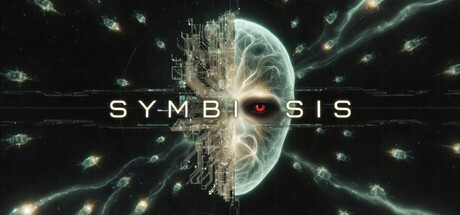
Symbiosis: Criticality's narrative and dialogue were developed with the assistance of generative AI as part of an iterative, human-directed writing process. All in-game art, audio, and code were authored directly by the development team.
Generative AI was used in parts of this project: the animated story cutscenes were brought to life with AI tools from original artwork drawn by the developer; the game's music, most of its sound effects, some in-game images such as the main menu, its logo and some promotional material, the store-page translations, and the English and Turkish in-game text were also created with generative AI tools. The gameplay itself — its systems, characters, environments and screenshots — is authentic and shows the real game. No AI is used to generate content during gameplay.
This game was developed with the help of generative AI tools in the following areas:
Some art assets, including characters, backgrounds, UI, and effects
Store page capsule images and key art
English localization of in-game text
Portions of the source code
All generated output was reviewed, edited, and integrated by the developer, and the final content is the developer's responsibility. No content is generated by AI while the game is running.
During development, we used Google Gemini AI to assist in generating narrative elements, such as item descriptions and quest lore. While the core story and world-building were meticulously designed by our human team, AI helped us expand the depth and variety of in-game text. All AI-assisted content has been thoroughly reviewed and edited by our developers to ensure quality and consistency.
We use AI as a technical tool to support our human developers. While all of our 3D game models, environments, and core game art are hand-crafted by our artists, we use AI to assist with 2D rendering and localization. For 2D promotional art, AI is used to composite, light, and polish images based strictly on our original in-game assets. We also utilize AI-assisted translation pipelines to help localize our massive world into multiple languages for our global community.
Yayoi Kaihatsu, the developer, takes full responsibility for the use of generative AI in this work.
If any issues arise regarding the use of generative AI in this work, please contact the representative of Yayoi Kaihatsu via the Steam Community or other channels.
Generative AI is used in this work according to the following policy:
・Code generation and tool operations related to game development
・Translation of text used on the store page and in-game (original source is Japanese)
Generative AI was used to translate some in-game text, such as the interface and the contents of letters, and to generate some of the music used in the game.
Some pre-rendered assets were created with the assistance of generative AI tools during development: the key art illustration, the store capsule images derived from it, and parts of the localization (translated interface text). All AI-assisted content was reviewed and curated by the developer. The game does not generate any content with AI at runtime.
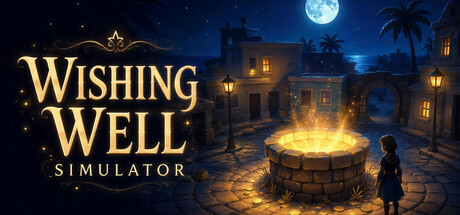
Wishing Well Simulator uses generative AI tools during development only; nothing is generated while you play, and the game never connects to any external AI service.
Pre-generated content made with AI assistance:
Key art and store artwork were created with generative image tools and then edited by hand.
The 3D well model was generated with an AI 3D tool (Meshy) and reworked by hand (materials, UVs, textures).
Translations into 21 languages beyond the original Turkish were produced with AI-assisted translation and then reviewed by hand, including platform terminology corrections.
Some secondary text (credits, tutorial hints) was drafted with AI assistance and edited by the author.
Written by hand: the story, all 119 events, the characters and dialogue, the game design and code. Sound effects are procedurally generated by the game's own code (no AI); the game has no music or voice acting.
Generative AI tools were used during development to assist with code and selected pre-generated game and marketing content. All shipped content was reviewed by the developer. No AI content is generated during gameplay.
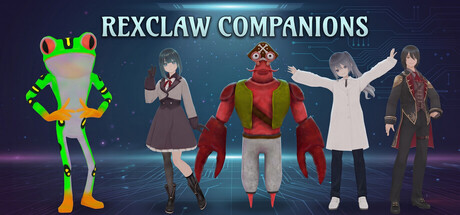
Rexclaw's companions are powered by generative AI, conversations (text and voice), along with files you create together are generated on demand by third party AI models. Some promotional artwork, including store banners, was created with AI assistance.
Generative AI was used as a creative tool to assist with parts of the artwork, code, and written content. All design choices, creative direction, edits, and final decisions were made by the human developer, with all AI-assisted work reviewed and refined before release.
We use generative AI to assist with writing and localizing the game's text. All art and audio are procedurally generated by our own code or sourced from CC0 libraries. No content is generated by AI in real time during gameplay.
This game uses generative AI tools during development.
AI-assisted tools are used to help create or refine some artwork, including fictional team logos, mascots, character portraits, background illustrations, and marketing images.
AI-assisted tools are also used to help create or refine some sound and music-related materials, such as fictional team cheering themes and audio concepts.
AI is used to assist with fictional game data creation, including team concepts, player data, regional flavor text, news text, event ideas, and other in-game text content.
AI-assisted coding tools are used during development to help write, review, debug, and improve parts of the game code.
All content is reviewed and edited by the developer before being included in the game. The game does not use live generative AI during gameplay.
I used AI as an aid for a few things: parts of the writing, the translations into
French, Spanish and Italian, and some of the more complex store artwork. Everything
that came out of it was reworked by hand before it went in. It isn't something I'm a
fan of, but as a solo developer without a studio behind me, some things are simply out
of reach otherwise.
We use AI tools to assist with some parts of development, such as localization and improving our art production workflow. All designs and creative ideas come from our team, and AI-assisted assets are reviewed and refined before being used in the game.
The game's software architecture, logic scripts, and localization texts were drafted and optimized during the development process with the assistance of Rosebud AI. All assets, graphics, and code within the final application package are static, pre-rendered, and permanently compiled. No live or real-time AI generation occurs during gameplay, and the application does not connect to any external AI services.
This game uses AI generation tools at several stages of development.
- Artwork: the card illustrations and key art use images produced with AI image-generation tools.
The developer selected, cropped, and adjusted the outputs — and discarded the ones that did not
fit — before integrating them into the game.
- Text: card flavor text and story prose were drafted with AI assistance, then edited and finalized
by the developer. The world setting and narrative structure were decided by the developer.
- Localization: the English text was translated with AI assistance and reviewed by the developer.
No content is generated by AI while the game is running. Everything is pre-generated during development.
Some visual assets, music, sound effects, and text used in this game and its Steam store page were created or assisted by generative AI. All AI-generated content has been reviewed, edited, and integrated by the developer to ensure it meets the artistic vision and quality standards of the game.
This game uses generative AI for some of its assets, specifically: character art and scene backgrounds, UI icons, the main menu motion visual, and part of the soundtrack. All story text is written by the developer; AI was used only for formatting and validation. Every AI-generated asset was manually reviewed, edited, and integrated before shipping.
Some in-game background artwork was created using generative AI as source material, then manually edited, processed, and optimized by the developer.
Some music was arranged using generative AI services based on original compositions previously written by the developer, then manually edited and remastered.
Generative AI was also used to assist with translation and editing of some store-page text and English localization, with the final content reviewed and edited by the developer.
The game does not generate any AI content at runtime.
This game uses generative AI in two ways.
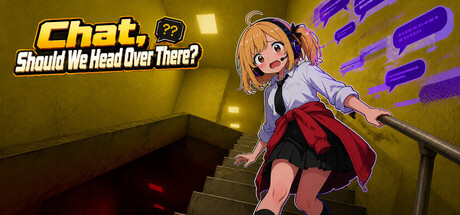
Live-generated: The streamer character "Sia" reacts to the messages you type in real time. Her lines are generated during play by a large language model through an external AI service, so they are not pre-written. If the service is unavailable, the game falls back to pre-written lines and remains fully playable.
Pre-rendered: Some in-game artwork (item icons, character and creature sprites, textures) and some sound effects were produced with AI generation tools and then edited by the developer before shipping.
Generative AI was used during the development of this game to assist with programming and English localization. Generative AI was not used to create in-game assets such as images, music, or sound effects.
The game's core visual presentation is built around human-created playable character sprite sheets and map artwork, while the level layouts and game design are created by the developer. Generative AI was used for selected pre-generated audio, localization, and supporting visual content such as the logo and key art. No generative AI content is generated during gameplay.
AI-assisted tools were used during development to help create and refine some visual assets, text, and audio content. All AI-assisted content was reviewed, edited, and curated by the developer before being included in the game. The game does not generate AI content dynamically during gameplay.
AI was used to create textures, some of the code, create a player model and rig it for animation. The sounds of footsteps, goals and ball bounces, albeit mastered, started as AI generated before being edited and mastered. Localization languages were also created by AI. (Therefore any corrections will be welcome)
Animations, music, game design, and all other elements of creativity are the work of a human exclusively.
Badgerworks Studios will never rely on AI for creativity, music, ideas for games, and once an artist has been hired, AI models either. Due to lack of in-house ability to rig models or create them from scratch, the current player model was generated and rigged (skeleton matched to model) by AI. Animations were hand made, but on the AI created and rigged model.
No AI, LLM, of frontier models are being called during game play nor will any introduced features be allowed to do so.
This game was developed with the assistance of generative AI. Music, sound effects, translation, and some visual art were AI-generated, then curated and adjusted by the developer.
This game was developed through collaboration between the developer and AI tools across most content (art, writing, design); in-game translations were generated by AI.
We used AI tools (such as ChatGPT) to assist with game descriptions, promotional materials, and conceptual design. No AI is used in real-time gameplay or for generating assets during gameplay. All in-game content is manually crafted or pre-created.
Generative AI tools were used during development to assist with the creation and refinement of some static promotional artwork, interface text, and localization. All AI-assisted material was reviewed and edited by the developer before inclusion. The application does not generate content during use and does not connect to any external AI service.
Generative AI was used during development to assist with editing and reviewing some narrative text and with localization. AI-assisted text was reviewed and edited manually by the developer before being included in the game. No AI-generated content is created live during gameplay.
Artwork, music and parts of the text were created with AI tools and individually curated, refined and hand-fitted into the game by the developer. No AI content is generated at runtime.
This game utilized generative AI tools during development to assist with the following aspects:
Generation and optimization of certain code snippets;
Creation and processing of some sound effects;
Machine translation and localization assistance for in-game text and UI strings.
Important note: All visual art assets in the game (including characters, environments, props, UI elements, icons, animations, etc.) are exclusively created by human artists and were not generated by any AI tools.
All AI-generated content (code, sound, translation) has been manually reviewed, revised, and tested to ensure quality, stylistic consistency, and compliance with applicable regulations. AI is not used for real-time generation of player-facing content; all released content is finalized prior to launch.
This game uses generative AI to assist with some translations. All AI-assisted translations were reviewed, edited, and approved by the developer before being included in the game.
Some store page art and description text were produced with AI assistance. All in-game art, audio and text are hand-authored or procedurally generated.
Some 2D art assets in this game (character illustrations, sprites, backgrounds, and UI decorations) were created using generative AI (Google Gemini) and then retouched and processed under human supervision. Text, code, and game design were created with AI-assisted tools under human direction and review. All generated content has been reviewed by a human to ensure it does not resemble existing copyrighted works.
The text on this game's Steam store page was drafted with the help of generative AI and then edited by the developer. All in-game art, models, sounds and the game's logo are made by hand. No AI-generated content is produced while the game is running.
Generative AI tools are used to assist with pre-generated localization and translation of game text and Steam Store content. No generative AI is used during gameplay.
Artificial intelligence was used to assist with interface localization and adaptation of in-game textures.
There was a time when people used Google Translate, and terrible localization for many languages was common. Times have changed, progress does not stand still. Today, new and more advanced tools have emerged, and people now use them instead of outdated ones.
During the development of The Sin of Ritter, generative AI tools were used as support in the content creation process. These tools assisted with the production of voice acting in different languages, the translation and localization of the game's text, as well as the creation of some textures used in the composition of the environments.
The game does not use AI while you play. Every sentence and every drawing you see in a match is made by the players in the room with you.
Some assets in this game were created with generative AI during development. The music was made with Suno as to avoid in copyright issues for streamers/clippers who play the game. Several pieces of cabin furniture and set dressing were generated with Meshy, and the logo and one in-game painting came from OpenAI image generation. The game's 13 language translations were AI-assisted.
Symbiosis: Criticality's narrative and dialogue were developed with the assistance of generative AI as part of an iterative, human-directed writing process. All in-game art, audio, and code were authored directly by the development team.
Generative AI was used in parts of this project: the animated story cutscenes were brought to life with AI tools from original artwork drawn by the developer; the game's music, most of its sound effects, some in-game images such as the main menu, its logo and some promotional material, the store-page translations, and the English and Turkish in-game text were also created with generative AI tools. The gameplay itself — its systems, characters, environments and screenshots — is authentic and shows the real game. No AI is used to generate content during gameplay.
This game was developed with the help of generative AI tools in the following areas:
Some art assets, including characters, backgrounds, UI, and effects
Store page capsule images and key art
English localization of in-game text
Portions of the source code
All generated output was reviewed, edited, and integrated by the developer, and the final content is the developer's responsibility. No content is generated by AI while the game is running.
During development, we used Google Gemini AI to assist in generating narrative elements, such as item descriptions and quest lore. While the core story and world-building were meticulously designed by our human team, AI helped us expand the depth and variety of in-game text. All AI-assisted content has been thoroughly reviewed and edited by our developers to ensure quality and consistency.
We use AI as a technical tool to support our human developers. While all of our 3D game models, environments, and core game art are hand-crafted by our artists, we use AI to assist with 2D rendering and localization. For 2D promotional art, AI is used to composite, light, and polish images based strictly on our original in-game assets. We also utilize AI-assisted translation pipelines to help localize our massive world into multiple languages for our global community.
Yayoi Kaihatsu, the developer, takes full responsibility for the use of generative AI in this work.
If any issues arise regarding the use of generative AI in this work, please contact the representative of Yayoi Kaihatsu via the Steam Community or other channels.
Generative AI is used in this work according to the following policy:
・Code generation and tool operations related to game development
・Translation of text used on the store page and in-game (original source is Japanese)
Generative AI was used to translate some in-game text, such as the interface and the contents of letters, and to generate some of the music used in the game.
Some pre-rendered assets were created with the assistance of generative AI tools during development: the key art illustration, the store capsule images derived from it, and parts of the localization (translated interface text). All AI-assisted content was reviewed and curated by the developer. The game does not generate any content with AI at runtime.
Wishing Well Simulator uses generative AI tools during development only; nothing is generated while you play, and the game never connects to any external AI service.
Pre-generated content made with AI assistance:
Key art and store artwork were created with generative image tools and then edited by hand.
The 3D well model was generated with an AI 3D tool (Meshy) and reworked by hand (materials, UVs, textures).
Translations into 21 languages beyond the original Turkish were produced with AI-assisted translation and then reviewed by hand, including platform terminology corrections.
Some secondary text (credits, tutorial hints) was drafted with AI assistance and edited by the author.
Written by hand: the story, all 119 events, the characters and dialogue, the game design and code. Sound effects are procedurally generated by the game's own code (no AI); the game has no music or voice acting.
Generative AI tools were used during development to assist with code and selected pre-generated game and marketing content. All shipped content was reviewed by the developer. No AI content is generated during gameplay.
Rexclaw's companions are powered by generative AI, conversations (text and voice), along with files you create together are generated on demand by third party AI models. Some promotional artwork, including store banners, was created with AI assistance.
Generative AI was used as a creative tool to assist with parts of the artwork, code, and written content. All design choices, creative direction, edits, and final decisions were made by the human developer, with all AI-assisted work reviewed and refined before release.
We use generative AI to assist with writing and localizing the game's text. All art and audio are procedurally generated by our own code or sourced from CC0 libraries. No content is generated by AI in real time during gameplay.
This game uses generative AI tools during development.
AI-assisted tools are used to help create or refine some artwork, including fictional team logos, mascots, character portraits, background illustrations, and marketing images.
AI-assisted tools are also used to help create or refine some sound and music-related materials, such as fictional team cheering themes and audio concepts.
AI is used to assist with fictional game data creation, including team concepts, player data, regional flavor text, news text, event ideas, and other in-game text content.
AI-assisted coding tools are used during development to help write, review, debug, and improve parts of the game code.
All content is reviewed and edited by the developer before being included in the game. The game does not use live generative AI during gameplay.
I used AI as an aid for a few things: parts of the writing, the translations into
French, Spanish and Italian, and some of the more complex store artwork. Everything
that came out of it was reworked by hand before it went in. It isn't something I'm a
fan of, but as a solo developer without a studio behind me, some things are simply out
of reach otherwise.
We use AI tools to assist with some parts of development, such as localization and improving our art production workflow. All designs and creative ideas come from our team, and AI-assisted assets are reviewed and refined before being used in the game.
The game's software architecture, logic scripts, and localization texts were drafted and optimized during the development process with the assistance of Rosebud AI. All assets, graphics, and code within the final application package are static, pre-rendered, and permanently compiled. No live or real-time AI generation occurs during gameplay, and the application does not connect to any external AI services.
This game uses AI generation tools at several stages of development.
- Artwork: the card illustrations and key art use images produced with AI image-generation tools.
The developer selected, cropped, and adjusted the outputs — and discarded the ones that did not
fit — before integrating them into the game.
- Text: card flavor text and story prose were drafted with AI assistance, then edited and finalized
by the developer. The world setting and narrative structure were decided by the developer.
- Localization: the English text was translated with AI assistance and reviewed by the developer.
No content is generated by AI while the game is running. Everything is pre-generated during development.
Some visual assets, music, sound effects, and text used in this game and its Steam store page were created or assisted by generative AI. All AI-generated content has been reviewed, edited, and integrated by the developer to ensure it meets the artistic vision and quality standards of the game.
This game uses generative AI for some of its assets, specifically: character art and scene backgrounds, UI icons, the main menu motion visual, and part of the soundtrack. All story text is written by the developer; AI was used only for formatting and validation. Every AI-generated asset was manually reviewed, edited, and integrated before shipping.
Some in-game background artwork was created using generative AI as source material, then manually edited, processed, and optimized by the developer.
Some music was arranged using generative AI services based on original compositions previously written by the developer, then manually edited and remastered.
Generative AI was also used to assist with translation and editing of some store-page text and English localization, with the final content reviewed and edited by the developer.
The game does not generate any AI content at runtime.
This game uses generative AI in two ways.
Live-generated: The streamer character "Sia" reacts to the messages you type in real time. Her lines are generated during play by a large language model through an external AI service, so they are not pre-written. If the service is unavailable, the game falls back to pre-written lines and remains fully playable.
Pre-rendered: Some in-game artwork (item icons, character and creature sprites, textures) and some sound effects were produced with AI generation tools and then edited by the developer before shipping.
Generative AI was used during the development of this game to assist with programming and English localization. Generative AI was not used to create in-game assets such as images, music, or sound effects.
The game's core visual presentation is built around human-created playable character sprite sheets and map artwork, while the level layouts and game design are created by the developer. Generative AI was used for selected pre-generated audio, localization, and supporting visual content such as the logo and key art. No generative AI content is generated during gameplay.
AI-assisted tools were used during development to help create and refine some visual assets, text, and audio content. All AI-assisted content was reviewed, edited, and curated by the developer before being included in the game. The game does not generate AI content dynamically during gameplay.
AI was used to create textures, some of the code, create a player model and rig it for animation. The sounds of footsteps, goals and ball bounces, albeit mastered, started as AI generated before being edited and mastered. Localization languages were also created by AI. (Therefore any corrections will be welcome)
Animations, music, game design, and all other elements of creativity are the work of a human exclusively.
Badgerworks Studios will never rely on AI for creativity, music, ideas for games, and once an artist has been hired, AI models either. Due to lack of in-house ability to rig models or create them from scratch, the current player model was generated and rigged (skeleton matched to model) by AI. Animations were hand made, but on the AI created and rigged model.
No AI, LLM, of frontier models are being called during game play nor will any introduced features be allowed to do so.
This game was developed with the assistance of generative AI. Music, sound effects, translation, and some visual art were AI-generated, then curated and adjusted by the developer.
This game was developed through collaboration between the developer and AI tools across most content (art, writing, design); in-game translations were generated by AI.
We used AI tools (such as ChatGPT) to assist with game descriptions, promotional materials, and conceptual design. No AI is used in real-time gameplay or for generating assets during gameplay. All in-game content is manually crafted or pre-created.
Generative AI tools were used during development to assist with the creation and refinement of some static promotional artwork, interface text, and localization. All AI-assisted material was reviewed and edited by the developer before inclusion. The application does not generate content during use and does not connect to any external AI service.
Generative AI was used during development to assist with editing and reviewing some narrative text and with localization. AI-assisted text was reviewed and edited manually by the developer before being included in the game. No AI-generated content is created live during gameplay.
Artwork, music and parts of the text were created with AI tools and individually curated, refined and hand-fitted into the game by the developer. No AI content is generated at runtime.