Public Steam disclosure research25,695 disclosures tracked
Where do games disclose AI use?
Search developers’ Steam disclosures, compare classified AI use across
games, and follow recorded changes.
This index adds cross-game classifications and statistics to
statements published on individual store pages.
Groups reflect automatic analysis of public disclosures; mature records are excluded. These counts do not measure AI use across all of Steam.
Missing or unclear statements cannot establish whether a game uses AI.
This game uses generative artificial intelligence to create portions of its GDScript code, Steam store promotional graphics, character designs, skills, in‑game items, environment maps, sound effects, background audio, and various dynamic content. All AI‑generated content is manually reviewed and adjusted before release to ensure quality, consistency, and safety, and many AI outputs undergo significant hand‑editing.
During game development, some NPC dialogue was first refined and translated using generative AI, after which filtering and moderation mechanisms were applied to ensure the dialogue remained safe, appropriate, and consistent with the game’s world. No unreviewed real‑time AI output is used in the game.
This game uses generative AI to produce certain content, and all AI outputs are subject to human review and filtering to ensure compliance with Steam’s guidelines and the game’s content standards. No unauthorized copyrighted material is included.
AI tools were used to assist with concept art direction, store artwork iteration, written content, UI text refinement, and creative planning. All final content was reviewed, edited, and implemented by the developer.
Generative AI Disclosure
Some visual concepts, promotional images, text drafts, and background music were created or edited with the assistance of generative AI tools. The final materials were reviewed, selected, modified, and integrated by the developer.
The game does not include real-time generative AI features during gameplay.
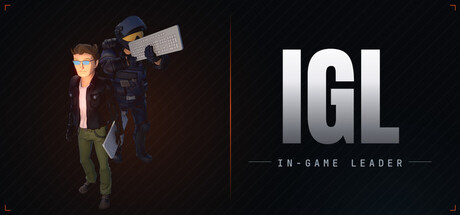
I have used generative AI tools to assist with localization of in-game text into additional languages, as I am a native English speaker. Source text (UI strings, menus, tutorial/coaching content) is authored in English; AI is used to produce initial translations, which are then reviewed and edited before shipping. The game contains no live/real-time AI-generated content. All other game content including artwork, audio and design, is created by real humans. This includes assets from the Unity store, Synty store, Humble Bundles and Fiverr artists.
This game uses generative AI in two ways: (1) AI language models (LLM) to generate character dialogue text in real-time during conversations, and (2) AI text-to-speech (TTS) technology to generate character voice audio. AI processing is handled via cloud servers or optional local models. No conversation data is stored or saved on servers. All AI-generated content is produced live based on player input.
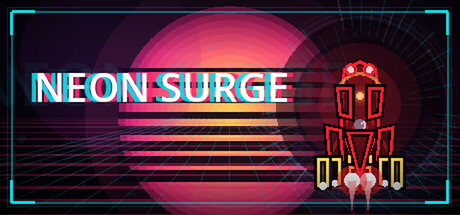
AI was used to assist in producing the in-game user-interface text translations for French, Spanish, German and Italian, which were then reviewed for accuracy. The English and Portuguese text is human-authored. All visual art, sound effects and music in NEON SURGE are generated procedurally by our own code — no AI models were used to create art, audio or gameplay assets.
We plan to use generative AI to create partial assets including cutscenes and UI interfaces for this game. No AI-generated content has been implemented yet, and all planned AI materials will carry valid commercial licenses.
Sparrow God uses generative AI assistance for localization and some store-page/marketing copy. The game's design, mechanics, and mahjong rules are all original works by the developer. In-game visuals and audio are created through the developer's direction + algorithms (procedural rendering/synthesis), not AI-generated images or music. AI is a development-assist tool; the creative direction is led by a human.
This game uses generative AI as a development aid. Specifically, AI was used to
help create some illustrations (backgrounds and store key art) and to assist
with the localization (translation) of in-game text. All AI output was reviewed
and adjusted by hand, and we have confirmed it contains no material that
infringes third-party rights or any illegal/inappropriate content. No AI content
is generated live during gameplay.
Generative AI tools were used to assist with store page text, trailer captions, and marketing copy. The game does not use live generative AI during gameplay.
How generative AI is used in this game:
1. Pre-generated Content
This game was fully developed without manual human intervention using generative AI tools.
Code & Development: The entire codebase, programming logic, user interface, and system architecture were 100% written by AI coding assistants.
Design & Assets: All visual elements, text, menus, and UI components were pre-generated using generative AI.
2. Live-generated Content
The core gameplay revolves around an interactive AI companion ("AI Buddy").
Real-time Interaction: All dialogues, responses, personality traits, and interactions of the AI Buddy are generated live and dynamically during gameplay using a Large Language Model (LLM).
Safety & Guardrails: The game utilizes integrated safety filters and guardrails provided by the AI model. This strictly ensures that the live-generated content does not produce any illegal, hateful, copyrighted, or inappropriate material.
This game uses Pre-Generated AI only. AI tools were used during development to create static assets (art, text, sound effects, etc.) that are bundled into the game. No Live-Generated AI is used — no AI model inference or online content generation takes place at runtime.
Generative AI was used to code & write elements of this game including but not limited to items, default hero names, default party names, SVG Vectors and to make balance decisions and other elements of game play.
We translated the game in German and French ourselves. For Japanese, Simplified Chinese, Spanish and Portuguese (BR), we used AI. If you see any translation mistakes, feel free to let us know!
This game uses generative AI tools during development to assist with concept exploration, reference image creation, asset iteration, text drafting, localization, and promotional material preparation.
All final in-game content is reviewed, edited, and selected by the developer before being included in the game. AI-generated outputs are not used directly without human review.
The AI acts as your gameplay partner (either as a captain or a guesser). It analyzes the words on the game board and generates short text clues, or tries to guess the correct words based on the text clues you provide.
Popular Kids uses generative artificial intelligence to power conversations with student characters. Players can interact using voice or text, and AI-generated dialogue allows characters to respond dynamically based on the current situation, their personality, previous interactions, and the player’s choices throughout the game.
All storylines, characters, progression systems, popularity mechanics, reputation systems, and overall game design are created by the developer. Generative AI is used only to generate character dialogue and conversational responses during gameplay. AI-generated content is monitored and guided by character-specific instructions and game rules to maintain age-appropriate school-life interactions and narrative consistency.
Generative AI was used to assist in the creation of selected 2D images, sprite assets, and marketing artwork, including some Steam capsule and store assets. It was also used for proofreading and editing written text. All AI-assisted content was reviewed, selected, and refined by the developer before being included in the game or official marketing materials.
Some game assets and content were created with the assistance of generative AI tools during development. AI-assisted content was reviewed, curated, edited, and integrated into the final game by the developer. Generative AI is not used to create content during gameplay.
We used generative AI tools to assist in drafting, translating, and optimizing the text for the store page and marketing materials. All final content has been reviewed and refined by the developer.
Generative AI tools were used during development to assist with coding, game design ideas, music, dialogue writing, and select texture assets. All content has been reviewed and approved by the developer.
Assistance in programming ( the programmer can't remember Godot's _unhandled_input(event) syntax even after 5 projects… ). Assistance with text and minor graphic patching.
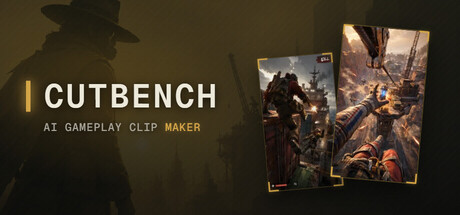
CutBench is a local video tool whose core feature runs bundled, pre-trained AI models entirely on-device: they analyze the user's own locally recorded gameplay footage (visual scene understanding, speech transcription, audio event detection) and generate short text for each clip - titles, captions, and hashtags. All processing happens locally on the user's GPU; no third-party AI service is contacted and no user content is uploaded. Some store page artwork (capsules, hero, and library images) was created with the assistance of generative AI image tools and was manually reviewed and edited; screenshots are real captures of the application.
Generative AI tools were used during development to assist with programming, debugging, text drafting, and localization drafts. All final game content, code, text, and store materials are reviewed and edited by the developer before release. The game does not use AI to generate content during gameplay and does not connect to external AI services while running.
Some images featured on this store page and parts of the game's localization were created with the assistance of generative AI tools and have been reviewed for the final release.
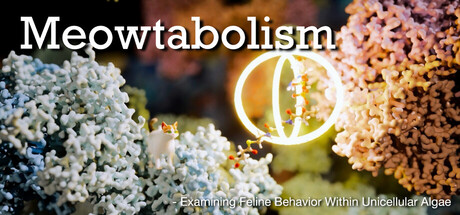
Some protein structures shown in the game are predicted by AlphaFold, an AI-based tool. The description for some proteins shown in the museum are polished by Gemini and verified by a human for scientific correctness.
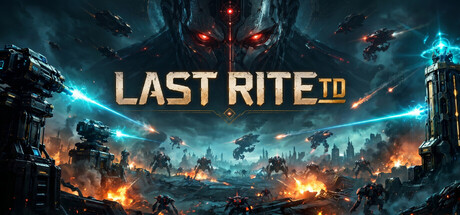
LAST RITE TD uses generative AI tools during development to assist with creating and iterating some visual concepts, marketing artwork, store capsule images, trailer-related promotional materials, voice/audio elements, and certain worldbuilding or text-drafting support.
Some voice/audio elements may also be AI-assisted. All AI-assisted content is reviewed, selected, edited, and integrated by the developer before being used in the game or on the Steam store page.
The game does not use generative AI to create unpredictable real-time gameplay content for players during normal play.
AI-assisted tools were used during development for text drafting, limited programming assistance, and the creation of certain Steam store page assets, including background imagery used in promotional materials. All gameplay systems, characters, artwork, animations, and final game content were designed, created, implemented, and curated by the development team.
Generative AI was used to assist in writing and editing some of Subsønic's text, including portions of this store page and its marketing copy. The game's visual art is procedurally generated through code (algorithmic, not generative AI), and its music and sound are licensed or procedurally synthesized.
1. Cover art is created in Unreal Engine and photoshop, and has a detail pass on top of it by AI.
2. Localisation on the steam page is translated by AI.
3. Music is generated by AI.
Some sound effects and a small number of textures in this game were created with the assistance of AI tools and refined by hand. Subtitle translations across our nine supported languages were generated using AI from the original English voice acting. Voice acting was performed by real people, with AI tools used only for noise reduction and audio mastering. All AI-generated content was curated and finalized by human creators before being included in the game.
Some optional in-game beta localizations were created with the assistance of generative AI during development.
The original game text was written in Italian. English, Russian, Simplified Chinese, Traditional Chinese and Japanese were professionally localized.
The additional beta languages include French, Spanish, German, Brazilian Portuguese, Polish, Turkish and Latin. These translations are pre-generated text assets included in the game build, not AI-generated during gameplay.
These beta localizations may contain mistakes, awkward phrasing or jokes that do not work as intended. They are being opened for community review and improvement.
trailer is generated with ai
some objects is generated with ai
character rendering generated by ai
cutscene generated by ai
voice and music generated by ai
Generative AI tools were used during development to assist in the creation of selected textures, 3D models, 2D graphics, and written text used in the game and on the Steam store page. All AI-assisted assets and text were manually reviewed, edited, and integrated by the developer before release. The game does not use generative AI during gameplay and does not generate live content for players.
This game uses generative AI tools in parts of the development and content creation process. Generative AI was used for concept exploration, drafting some 2D image/audio assets, and organizing text ideas. Final in-game content is reviewed and edited by the development team to ensure quality and consistency before release. We comply with applicable laws and platform policies, and will continue to refine or replace relevant content when needed.
AI is used for translation. I will let it translate by a human if there is enough interest.
AI is used to fix grammer and spelling as well as improving the text.
AI reviews my code.
I use AI tools in limited parts of the development process, including:
• Assisting with certain steps of creating game assets.
• Supporting debugging workflows.
• Helping with localization and translation.
Playstories uses live-generated AI during gameplay to create fictional interactive story prose, dialogue, player choices, scene keywords, branching follow-up scenes, and optional scene images from player prompts and actions through novelai.ai. AI does not control purchases, account actions, executable code, or system-level behavior.
This game uses generative artificial intelligence to create portions of its GDScript code, Steam store promotional graphics, character designs, skills, in‑game items, environment maps, sound effects, background audio, and various dynamic content. All AI‑generated content is manually reviewed and adjusted before release to ensure quality, consistency, and safety, and many AI outputs undergo significant hand‑editing.
During game development, some NPC dialogue was first refined and translated using generative AI, after which filtering and moderation mechanisms were applied to ensure the dialogue remained safe, appropriate, and consistent with the game’s world. No unreviewed real‑time AI output is used in the game.
This game uses generative AI to produce certain content, and all AI outputs are subject to human review and filtering to ensure compliance with Steam’s guidelines and the game’s content standards. No unauthorized copyrighted material is included.
AI tools were used to assist with concept art direction, store artwork iteration, written content, UI text refinement, and creative planning. All final content was reviewed, edited, and implemented by the developer.
Generative AI Disclosure
Some visual concepts, promotional images, text drafts, and background music were created or edited with the assistance of generative AI tools. The final materials were reviewed, selected, modified, and integrated by the developer.
The game does not include real-time generative AI features during gameplay.
I have used generative AI tools to assist with localization of in-game text into additional languages, as I am a native English speaker. Source text (UI strings, menus, tutorial/coaching content) is authored in English; AI is used to produce initial translations, which are then reviewed and edited before shipping. The game contains no live/real-time AI-generated content. All other game content including artwork, audio and design, is created by real humans. This includes assets from the Unity store, Synty store, Humble Bundles and Fiverr artists.
This game uses generative AI in two ways: (1) AI language models (LLM) to generate character dialogue text in real-time during conversations, and (2) AI text-to-speech (TTS) technology to generate character voice audio. AI processing is handled via cloud servers or optional local models. No conversation data is stored or saved on servers. All AI-generated content is produced live based on player input.
AI was used to assist in producing the in-game user-interface text translations for French, Spanish, German and Italian, which were then reviewed for accuracy. The English and Portuguese text is human-authored. All visual art, sound effects and music in NEON SURGE are generated procedurally by our own code — no AI models were used to create art, audio or gameplay assets.
We plan to use generative AI to create partial assets including cutscenes and UI interfaces for this game. No AI-generated content has been implemented yet, and all planned AI materials will carry valid commercial licenses.
Sparrow God uses generative AI assistance for localization and some store-page/marketing copy. The game's design, mechanics, and mahjong rules are all original works by the developer. In-game visuals and audio are created through the developer's direction + algorithms (procedural rendering/synthesis), not AI-generated images or music. AI is a development-assist tool; the creative direction is led by a human.
This game uses generative AI as a development aid. Specifically, AI was used to
help create some illustrations (backgrounds and store key art) and to assist
with the localization (translation) of in-game text. All AI output was reviewed
and adjusted by hand, and we have confirmed it contains no material that
infringes third-party rights or any illegal/inappropriate content. No AI content
is generated live during gameplay.
Generative AI tools were used to assist with store page text, trailer captions, and marketing copy. The game does not use live generative AI during gameplay.
How generative AI is used in this game:
1. Pre-generated Content
This game was fully developed without manual human intervention using generative AI tools.
Code & Development: The entire codebase, programming logic, user interface, and system architecture were 100% written by AI coding assistants.
Design & Assets: All visual elements, text, menus, and UI components were pre-generated using generative AI.
2. Live-generated Content
The core gameplay revolves around an interactive AI companion ("AI Buddy").
Real-time Interaction: All dialogues, responses, personality traits, and interactions of the AI Buddy are generated live and dynamically during gameplay using a Large Language Model (LLM).
Safety & Guardrails: The game utilizes integrated safety filters and guardrails provided by the AI model. This strictly ensures that the live-generated content does not produce any illegal, hateful, copyrighted, or inappropriate material.
This game uses Pre-Generated AI only. AI tools were used during development to create static assets (art, text, sound effects, etc.) that are bundled into the game. No Live-Generated AI is used — no AI model inference or online content generation takes place at runtime.
Generative AI was used to code & write elements of this game including but not limited to items, default hero names, default party names, SVG Vectors and to make balance decisions and other elements of game play.
We translated the game in German and French ourselves. For Japanese, Simplified Chinese, Spanish and Portuguese (BR), we used AI. If you see any translation mistakes, feel free to let us know!
This game uses generative AI tools during development to assist with concept exploration, reference image creation, asset iteration, text drafting, localization, and promotional material preparation.
All final in-game content is reviewed, edited, and selected by the developer before being included in the game. AI-generated outputs are not used directly without human review.
The AI acts as your gameplay partner (either as a captain or a guesser). It analyzes the words on the game board and generates short text clues, or tries to guess the correct words based on the text clues you provide.
Popular Kids uses generative artificial intelligence to power conversations with student characters. Players can interact using voice or text, and AI-generated dialogue allows characters to respond dynamically based on the current situation, their personality, previous interactions, and the player’s choices throughout the game.
All storylines, characters, progression systems, popularity mechanics, reputation systems, and overall game design are created by the developer. Generative AI is used only to generate character dialogue and conversational responses during gameplay. AI-generated content is monitored and guided by character-specific instructions and game rules to maintain age-appropriate school-life interactions and narrative consistency.
Generative AI was used to assist in the creation of selected 2D images, sprite assets, and marketing artwork, including some Steam capsule and store assets. It was also used for proofreading and editing written text. All AI-assisted content was reviewed, selected, and refined by the developer before being included in the game or official marketing materials.
Some game assets and content were created with the assistance of generative AI tools during development. AI-assisted content was reviewed, curated, edited, and integrated into the final game by the developer. Generative AI is not used to create content during gameplay.
We used generative AI tools to assist in drafting, translating, and optimizing the text for the store page and marketing materials. All final content has been reviewed and refined by the developer.
Generative AI tools were used during development to assist with coding, game design ideas, music, dialogue writing, and select texture assets. All content has been reviewed and approved by the developer.
Assistance in programming ( the programmer can't remember Godot's _unhandled_input(event) syntax even after 5 projects… ). Assistance with text and minor graphic patching.
CutBench is a local video tool whose core feature runs bundled, pre-trained AI models entirely on-device: they analyze the user's own locally recorded gameplay footage (visual scene understanding, speech transcription, audio event detection) and generate short text for each clip - titles, captions, and hashtags. All processing happens locally on the user's GPU; no third-party AI service is contacted and no user content is uploaded. Some store page artwork (capsules, hero, and library images) was created with the assistance of generative AI image tools and was manually reviewed and edited; screenshots are real captures of the application.
Generative AI tools were used during development to assist with programming, debugging, text drafting, and localization drafts. All final game content, code, text, and store materials are reviewed and edited by the developer before release. The game does not use AI to generate content during gameplay and does not connect to external AI services while running.
Some images featured on this store page and parts of the game's localization were created with the assistance of generative AI tools and have been reviewed for the final release.
Some protein structures shown in the game are predicted by AlphaFold, an AI-based tool. The description for some proteins shown in the museum are polished by Gemini and verified by a human for scientific correctness.
LAST RITE TD uses generative AI tools during development to assist with creating and iterating some visual concepts, marketing artwork, store capsule images, trailer-related promotional materials, voice/audio elements, and certain worldbuilding or text-drafting support.
Some voice/audio elements may also be AI-assisted. All AI-assisted content is reviewed, selected, edited, and integrated by the developer before being used in the game or on the Steam store page.
The game does not use generative AI to create unpredictable real-time gameplay content for players during normal play.
AI-assisted tools were used during development for text drafting, limited programming assistance, and the creation of certain Steam store page assets, including background imagery used in promotional materials. All gameplay systems, characters, artwork, animations, and final game content were designed, created, implemented, and curated by the development team.
Generative AI was used to assist in writing and editing some of Subsønic's text, including portions of this store page and its marketing copy. The game's visual art is procedurally generated through code (algorithmic, not generative AI), and its music and sound are licensed or procedurally synthesized.
1. Cover art is created in Unreal Engine and photoshop, and has a detail pass on top of it by AI.
2. Localisation on the steam page is translated by AI.
3. Music is generated by AI.
Some sound effects and a small number of textures in this game were created with the assistance of AI tools and refined by hand. Subtitle translations across our nine supported languages were generated using AI from the original English voice acting. Voice acting was performed by real people, with AI tools used only for noise reduction and audio mastering. All AI-generated content was curated and finalized by human creators before being included in the game.
Some optional in-game beta localizations were created with the assistance of generative AI during development.
The original game text was written in Italian. English, Russian, Simplified Chinese, Traditional Chinese and Japanese were professionally localized.
The additional beta languages include French, Spanish, German, Brazilian Portuguese, Polish, Turkish and Latin. These translations are pre-generated text assets included in the game build, not AI-generated during gameplay.
These beta localizations may contain mistakes, awkward phrasing or jokes that do not work as intended. They are being opened for community review and improvement.
trailer is generated with ai
some objects is generated with ai
character rendering generated by ai
cutscene generated by ai
voice and music generated by ai
Generative AI tools were used during development to assist in the creation of selected textures, 3D models, 2D graphics, and written text used in the game and on the Steam store page. All AI-assisted assets and text were manually reviewed, edited, and integrated by the developer before release. The game does not use generative AI during gameplay and does not generate live content for players.
This game uses generative AI tools in parts of the development and content creation process. Generative AI was used for concept exploration, drafting some 2D image/audio assets, and organizing text ideas. Final in-game content is reviewed and edited by the development team to ensure quality and consistency before release. We comply with applicable laws and platform policies, and will continue to refine or replace relevant content when needed.
AI is used for translation. I will let it translate by a human if there is enough interest.
AI is used to fix grammer and spelling as well as improving the text.
AI reviews my code.
I use AI tools in limited parts of the development process, including:
• Assisting with certain steps of creating game assets.
• Supporting debugging workflows.
• Helping with localization and translation.
Playstories uses live-generated AI during gameplay to create fictional interactive story prose, dialogue, player choices, scene keywords, branching follow-up scenes, and optional scene images from player prompts and actions through novelai.ai. AI does not control purchases, account actions, executable code, or system-level behavior.