
Disclosure
Some textures and translations in this game were created with the assistance of AI
- Creator
- Crystal Umbrella Studio
- Reviews
- -
- Added
- Jun 14, 2026
Public Steam disclosure research 25,695 disclosures tracked
Search developers’ Steam disclosures, compare classified AI use across games, and follow recorded changes. This index adds cross-game classifications and statistics to statements published on individual store pages.
Code help, debugging and other development work.
Capsule art, trailers and promotional material.
Pre-made art, audio, writing and other game assets.
Interactive or runtime AI features disclosed by the developer.
Groups reflect automatic analysis of public disclosures; mature records are excluded. These counts do not measure AI use across all of Steam. Missing or unclear statements cannot establish whether a game uses AI.
Some textures and translations in this game were created with the assistance of AI
Ai is used to polish the content of Store page and in-game text. AI is also used to generate all graphical assets (the spray gun icon in capsule, achievement icons, in-game icons, etc).
The store descriptions for this game were initially drafted and researched using assistance of an AI LLM. However, all final text has been modified, rewritten, and edited by the developer to ensure it accurately reflects the design and spirit of the game itself. Images in the store page or marketing material are not generated from AI. No AI generated content is used for the production and development of the game. No AI generated text appears in the game.
This game uses pre-generated AI content in the following areas of its production: - Character artwork (comic-style panels) - Background and environment artwork - FMV/cutscene videos - Music and ambient audio - Story dialogue text (developer-edited with AI assistance) All AI tools used are commercially licensed for use in this type of product. As the sole developer (Karayel / Yunus Emre Bas), I confirm that I hold the rights to use these AI-generated outputs and they do not infringe on any third-party intellectual property. The final selection, integration, narrative direction, and quality control were all performed by the developer.
Used artificial intelligence for localization translation
This game uses AI language models to generate real-time conversational text content during gameplay. Players interact with AI-powered desktop companions through text chat. The AI responses are generated either locally on the player's PC or through optional cloud AI services (such as OpenAI, Deepseek, etc.). All AI-generated content consists of text-based conversations only — no AI-generated images, audio, or video are used.
Some localization strings and background elements of the store capsule were initially generated using AI tools. All final text and visual elements were reviewed and edited by the developer before shipping.
I have used AI to generate images and translate texts.
AI tools are used to generate multilingual translations of game text for playtests.
Machine translation was used for some parts of the translation.
Live Play by Play Commentary, 365 Weekly Podcast, and team logos/players/images utilize Elevenlabs (voice) and OpenAI (commentary/images).
Wealth of Nations: Economic Strategy uses AI-assisted visual production for some store, capsule, and in-game artwork, including promotional key art and selected interface illustrations. These assets are curated, edited, and integrated by the developer to match the game’s political-economic strategy style. During gameplay, the game can generate short newspaper-style articles, cabinet briefings, and political dilemmas based on the current simulation state, including economic indicators, policy choices, world conditions, and regional tensions. Gameplay text generation runs locally on the player’s machine. No gameplay data, prompts, or player data are sent to external AI providers.
SonderSoft uses generative AI for localization to make games accessible to more players worldwide. This free game with no monetization uses generated music that can be disabled in the settings. Whenever possible, SonderSoft prioritizes paying artists, creators, and actors.
AI tools helped making some textures and part of the translations. The game itself runs no AI: nothing is generated while you play, and it never connects to an online service.
Generative AI is used during development to assist with some character portraits, 3D environment assets, UI elements, narrative polish, and initial localization drafts. AI-assisted visual content is based on concepts and art direction created by our team and is reviewed, edited, and refined before use. Localization will be reviewed and finalized by a professional localization provider.
We use AI-assisted tools in parts of our development process to assist with content creation, improve productivity, and streamline routine tasks so our team has more time for creative work. Where we use these tools, the work is directed, reviewed, and finalized by our team.
Network Engineer leverages generative artificial intelligence to enhance gameplay immersion and realism. AI-driven systems dynamically simulate customer behavior, hardware issues, and environmental challenges, creating unique scenarios and ensuring no two playthroughs are alike. Your feedback will help refine these systems! Some assets within the game are generated with the help of AI, this includes but is not limited to: - Contracts (Company Names, Locations etc.) - Hardware Names (For the networking device) - Company Logos
Hire uses AI for its live character conversations and generated portraits, connecting to your own ChatGPT account (it uses your existing ChatGPT plan, with no separate purchase).
Some of this game's in-game text, including character dialogue and narrative/flavor writing was created with the help of generative AI tools during development, then reviewed and edited by the developer before release. The game's visual art is generated procedurally (algorithmically, not by AI). BrainRot Defender does not generate any content using AI in real time during gameplay, and does not connect to any external AI services.
The game includes generative AI in the form of relatively structured conversation (voice and/or text to prompt) in context with the setting and era of the documented sites (caravanserai) you will visit.
During the development process, generative AI was utilized to assist in drafting and refining select in-game text, as well as to facilitate the multilingual localization of the store page copy. Furthermore, generative AI tools were employed to aid in concept design during the creation of the game's store page key art, various marketing materials, and community assets.
AI tools were used to generate some of the bulk flavor text/copy (which were human-reviewed/modified/tested). All other assets (music, sound effects, artwork, sprites, core game text, etc) were created by humans.
AI was used to assist with localization for supported languages. No AI was used for in-game visual assets, sound effects, or music.
Artificial intelligence was used solely for text localization and language translations. The pixel art visuals, animations, and the original game soundtrack were created by the professional artists and composer listed in the game's 'Credits' section. Generative AI was not used at any stage of the artistic, visual, or audio production.
VoidCraft uses generative AI in two ways. During development, AI tools assisted in creating written content that ships with the game (lore, item and research descriptions, mission templates, NPC flavour text) and in exploring marketing artwork concepts; all of it was reviewed by the developer before inclusion. During gameplay, two features generate text live using large language models: the optional in-game Advisor, which analyses your empire and offers strategy advice in character, and contract mission briefings (titles, short stories, and NPC names) on station contract boards. Players cannot type free-form prompts into these systems - the AI receives only structured game-state data assembled by our servers, and every output is validated server-side before it appears in the game. Core gameplay (combat, economy, progression, rewards) is governed by deterministic game rules, not by AI.
We utilized generative AI tools to assist in creating certain visual assets, UI elements, and background music (BGM) during the development process. Additionally, AI was used to optimize coding efficiency and assist with text localization to improve the quality of the English translation. All AI-assisted contents and scripts have been thoroughly reviewed, verified, and refined manually by the developer to ensure quality.
Generative AI tools were used during parts of the asset prototyping and ideation process. All final game assets were significantly modified, refined, and curated by the development team before inclusion in the game.
Luna: Obscura is my creative vision (SOSOROS). I designed and built the game's world, levels, creatures, and visual identity over two years. ANORMIC joined in the final year to handle programming and sound design. The art on the walls: Every painting and sculpture you encounter inside the base is an original, physical artwork. Acrylics painted by hand, sculptures made by hand, by me. No AI, no prints of someone else's work. They existed in the real world before they existed on the moon. Cover art: The key art combines in-engine 3D renders, AI-assisted generation trained exclusively on my own handmade artworks and 3D sculpts, and extensive manual overpaint and compositing in Photoshop. Cinematic sequences: The in-game sequences are hybrids, built from direct in-engine screenshots of our own levels and creatures, extended through AI generation. I'm not an animator, and producing these any other way was beyond the scope of a two-person project. I hope the results speak for themselves. Sound effects & enemy audio: The vast majority of audio was composed and engineered by ANORMIC. For the game's altered human enemies (lunatics whose minds have been overtaken) we made a deliberate artistic choice to use AI-generated vocal sounds. The result is audio that feels disturbingly human but remains completely incomprehensible. AI voice sits in an uncanny valley, and that's exactly where these creatures live. This was a creative decision, not a compromise. Remaining environmental assets were licensed through the Unreal Engine Marketplace. Everything else, the levels, the creatures, the paintings, the world, is human made. And yes, there's a contradiction here. A statement against AI in art, inside a game that used it. I won't pretend otherwise. These two years were me testing that edge firsthand: I used these tools, learned what they can genuinely do, and somewhere along the way my conscience gave me the answer. Even where the hybrid approach worked, and I think the sequences are an honest use of it, I'd rather learn to rig and animate myself for the next project, even if the result is rougher. I stand with artists, and I'd rather earn my skills than borrow them. Sometimes you have to cross a line to understand exactly where it should be drawn. Where we stand: We're not against AI. We use it gladly where it belongs: code, tools, concepting aid, the invisible machinery of production, the same way we welcome it in medicine and science. But art is different. As creators whose own work has potentially been scraped to train these models without consent, we understand the weight of this disclosure more than most. Our position for future projects is firm: AI should not be in the end result, and where reality forces a compromise, it must remain a hybrid, grounded in our own hands and our own source material, never a replacement for them. We made honest decisions, we're transparent about every one of them, and we stand behind the result. The goal is simple: just the work.
AI tools are used exclusively to translate game content into different languages.
Finesse uses generative AI tools for select pre-generated content created during development: - Meshy — 3D model generation for some character and environment assets - ElevenLabs — voice line generation for in-game audio - Suno — music track generation for soundtrack and ambient audio - Anthropic Claude — assistance with in-game text content (descriptions, narrative copy) All AI-generated content is pre-rendered during development and shipped as static assets. No generative AI runs at runtime; nothing is generated live or unique per player. All AI outputs are reviewed, edited, and curated by the developer before being included in the final game.
AI was used during development as an assistant for coding and polishing written content.
Generative AI was used as a development assistant for pre-release asset iteration, writing support, localization drafts, ideation and productivity tasks. Some visual assets and draft text/assets may have been assisted or iterated with generative AI before being reviewed and integrated into the game. This content is static and does not generate new content at runtime. The game does not use live generative AI to create content during gameplay. No player prompts are sent to an AI service at runtime. AI-assisted material is reviewed manually before inclusion. It is adjusted to match the game's style, naming, tone and technical requirements, and content that would be inappropriate, infringing or inconsistent with the project is not intentionally included.
Various AI tools were utilized during the development of this game to increase efficiency. Character portraits and certain visual assets were pre-generated using AI, and then manually edited by the developer to fit the game's style. AI tools were also used in the creation of the game's music, sound effects, and localization (translation) processes. Additionally, AI was used as a coding assistant during the programming phase. All of this content was pre-generated during development; the game does not generate real-time AI content during gameplay, nor does it connect to any external AI services.
Generative AI was used to assist with translation of the store page. The final text was reviewed and edited by the developer.
Localization (translations) in this game was completed with AI assistance.
About Art Assets DesktopDaily does not use AI-generated artwork for its in-game art assets. Character designs, 3D models, textures, animations, UI assets, and other visual content are created by human artists or based on properly licensed materials. About Character Voices and Speech Synthesis DesktopDaily’s character voice models are trained or fine-tuned using voice materials with clear provenance and authorization, and are used for character speech synthesis at runtime. These voice materials come from publicly available or authorized audio materials provided by the corresponding character or voice provider, and are used in accordance with their usage terms and authorized scope. The character voices played at runtime are synthesized speech and are not original voice recordings. About the Use of Generative AI During development, AI assistance was used for parts of the code implementation and for some non-Chinese UI text localization. At runtime, generative AI is used only in optional features, including the character conversation feature, the visual companion feature, and notification assistant tools. Some non-Chinese UI text localization uses AI-assisted translation and editing. This is limited to UI text localization and is separate from the runtime generation of character dialogue. In the optional character conversation feature, AI is used to generate character dialogue text and to synthesize speech based on that text. When this feature is enabled, player input may be sent to cloud AI services in order to generate character-style response text. These responses may also be used for speech synthesis and played back in the game. If the player chooses not to use an API, the character conversation feature will not be enabled, and only the basic features will be available. In the optional visual companion feature, after the player actively enables the feature, the game may use a local vision-language model to analyze screen, window, or application content within the scope authorized by the player. The analysis results may be used as context for character dialogue, allowing the character to respond based on the player’s current computer usage scenario. This feature is disabled by default. If the analysis results are used in cloud-based character dialogue, necessary summary information may be sent as part of the dialogue context to the cloud AI service selected or configured by the player. In the optional notification assistant tools, after the player actively enables the feature and grants permission, the game may read Windows system notifications, email summaries, or other information sources specified by the player. A local AI model may be used to filter, categorize, or judge the importance of this information in order to decide whether to notify the player. This feature is intended to assist with notification management, and will not reply to emails, send messages, or perform external actions on behalf of the player. AI-based classification and notification results may be inaccurate. The official trial API provided by the game uses Alibaba Cloud Model Studio. Players may also configure other APIs themselves. When features that require cloud AI are enabled, the necessary conversation content or contextual information is sent directly to the corresponding cloud AI service and is not relayed through the developer’s own server. Character dialogue generated by AI at runtime is intended only for everyday companion-style interaction. The game uses prompts, content rules, and safety measures to reduce the output of inappropriate, illegal, hateful, sexual, violent, or copyright-infringing content. AI-generated responses may vary and do not represent official statements by DesktopDaily, the game’s developer, any character rights holder, voice provider, or third-party asset creator.
The game includes AI-driven enemy characters ("LLM zombies") that players can interact with through dialogue. These characters use a language model to generate responses dynamically during gameplay. The AI is used only to produce in-game dialogue and behavior for these enemies and does not generate user-uploaded content or external assets.
Generative AI was used to create the game's music and to assist in the creation of the store page description.
Some images and music, as well as multilingual translations, etc.
Localizing the steam page and in-game text for non-English languages
This game contains real-time AI-generated text.
Card illustration, Sound, Model, Localization
This game uses generative artificial intelligence during gameplay to generate text and data based on player input and game context. The game does not use generative AI to generate artwork, audio, voice, music, videos, or other visual or sound assets. AI-generated content is limited to text and data used as part of the gameplay experience.
During development, generative AI tools were used as supplementary assistance for document writing, draft store page text, UI text, localization drafts, and the planning of some concept visual materials. All final content included in the release build, store page, and marketing materials is reviewed, selected, and edited by the developer before use. JULPAE does not use real-time generative AI during gameplay, does not generate player-facing content with AI at runtime, and does not connect players to any external generative AI service.
This work incorporates the use of generative artificial intelligence (AI) in the following areas: Parts of the artwork, parts of the sound, and localization.
Portions of in-game art assets were initially generated with generative AI, followed by extensive manual hand-drawn revision, restructuring and detailed painting by the developer. Game text and localization drafts were AI-assisted then fully proofread and revised manually. All background music and sound effects are licensed free commercial assets downloaded from authorized resource websites; no generative AI was used for audio production. Source code was written with coding assistant tools.
Generative AI tools were used to assist with development, including code support, store text drafting, and some visual/marketing assets. Final content was reviewed and edited by the developer.
AI-driven real-time asset generation is a core part of the player experience in Project Resonance. Some of the game's in-game assets are generated in real time during play using generative AI—including music (melody, arrangement, and vocals), character art, expression and sprite variations, live-performance visuals, event illustrations, event storylines, and roleplay dialogue. Because this content is generated in response to your choices and progress, every playthrough produces music, visuals, and story unique to that session. All AI-generated content is screened by our in-game filtering and review systems at runtime—before it reaches the player—to prevent inappropriate, infringing, or off-tone output and to keep everything consistent with the game's intended tone and content rating.
Some music and translations in this game were created using generative AI tools.
This game uses generative AI to create realistic player behavior, match commentary, dynamic tactics, and some images and music may also be generated by AI, improving replayability while keeping user data private and not used to train external models.
| Title⇅ | Disclosure | Creator⇅ | Src | Reviews⇅ | Added↓ |
|---|---|---|---|---|---|
 夏凜銀幣之庭 In-game content arttext | Some textures and translations in this game were created with the assistance of AI | Crystal Umbrella Studio | - | Jun 14, 2026 | |
 Haven Restored In-game content arttext | Ai is used to polish the content of Store page and in-game text. AI is also used to generate all graphical assets (the spray gun icon in capsule, achievement icons, in-game icons, etc). | Perseverance Games | - | Jun 14, 2026 | |
 Heroes Always Die text | The store descriptions for this game were initially drafted and researched using assistance of an AI LLM. However, all final text has been modified, rewritten, and edited by the developer to ensure it accurately reflects the design and spirit of the game itself. Images in the store page or marketing material are not generated from AI.
No AI generated content is used for the production and development of the game. No AI generated text appears in the game. | Bridgehead Interactive | - | Jun 13, 2026 | |
 Half Dead: A Zombie Story Game In-game content artaudiotext | This game uses pre-generated AI content in the following areas of its production:
- Character artwork (comic-style panels)
- Background and environment artwork
- FMV/cutscene videos
- Music and ambient audio
- Story dialogue text (developer-edited with AI assistance)
All AI tools used are commercially licensed for use in this type of product. As the sole developer (Karayel / Yunus Emre Bas), I confirm that I hold the rights to use these AI-generated outputs and they do not infringe on any third-party intellectual property. The final selection, integration, narrative direction, and quality control were all performed by the developer. | Karayel Games | - | Jun 13, 2026 | |
 Silent Toll 寂静冥响365 In-game content text | Used artificial intelligence for localization translation | Gear Heart | - | Jun 13, 2026 | |
 Her Remember You Live AI text | This game uses AI language models to generate real-time conversational text content during gameplay. Players interact with AI-powered desktop companions through text chat. The AI responses are generated either locally on the player's PC or through optional cloud AI services (such as OpenAI, Deepseek, etc.). All AI-generated content consists of text-based conversations only — no AI-generated images, audio, or video are used. | Huiyu | - | Jun 13, 2026 | |
 Mr. Bunny Store/marketing textart | Some localization strings and background elements of the store capsule were initially generated using AI tools. All final text and visual elements were reviewed and edited by the developer before shipping. | Chronowhale | - | Jun 13, 2026 | |
 Papa In-game content arttext | I have used AI to generate images and translate texts. | VimmGames | 35 | Jun 13, 2026 | |
 Chess & Chapter In-game content text | AI tools are used to generate multilingual translations of game text for playtests. | 游际线 | - | Jun 13, 2026 | |
 CoLane In-game content text | Machine translation was used for some parts of the translation. | Hayabusa | - | Jun 13, 2026 | |
 Dynasty! In-game content audioarttext | Live Play by Play Commentary, 365 Weekly Podcast, and team logos/players/images utilize Elevenlabs (voice) and OpenAI (commentary/images). | newberry94005 | - | Jun 12, 2026 | |
 Wealth of Nations: Economic Strategy In-game content arttext | Wealth of Nations: Economic Strategy uses AI-assisted visual production for some store, capsule, and in-game artwork, including promotional key art and selected interface illustrations. These assets are curated, edited, and integrated by the developer to match the game’s political-economic strategy style.
During gameplay, the game can generate short newspaper-style articles, cabinet briefings, and political dilemmas based on the current simulation state, including economic indicators, policy choices, world conditions, and regional tensions. Gameplay text generation runs locally on the player’s machine. No gameplay data, prompts, or player data are sent to external AI providers. | WoN | - | Jun 12, 2026 | |
 SonderSoft Soccer In-game content audiotext | SonderSoft uses generative AI for localization to make games accessible to more players worldwide.
This free game with no monetization uses generated music that can be disabled in the settings. Whenever possible, SonderSoft prioritizes paying artists, creators, and actors. | SonderSoft | - | Jun 12, 2026 | |
 Mining Miner In-game content arttext | AI tools helped making some textures and part of the translations. The game itself runs no AI: nothing is generated while you play, and it never connects to an online service. | Skollheim | - | Jun 12, 2026 | |
 Kaelis: Seraph Protocol In-game content arttext | Generative AI is used during development to assist with some character portraits, 3D environment assets, UI elements, narrative polish, and initial localization drafts.
AI-assisted visual content is based on concepts and art direction created by our team and is reviewed, edited, and refined before use. Localization will be reviewed and finalized by a professional localization provider. | YoshiYoshi Studio | - | Jun 12, 2026 | |
 Firefly Trials Dev only artaudiocodetext | We use AI-assisted tools in parts of our development process to assist with content creation, improve productivity, and streamline routine tasks so our team has more time for creative work. Where we use these tools, the work is directed, reviewed, and finalized by our team. | Team Mochi | - | Jun 12, 2026 | |
 Network Engineer In-game content text | Network Engineer leverages generative artificial intelligence to enhance gameplay immersion and realism. AI-driven systems dynamically simulate customer behavior, hardware issues, and environmental challenges, creating unique scenarios and ensuring no two playthroughs are alike. Your feedback will help refine these systems!
Some assets within the game are generated with the help of AI, this includes but is not limited to:
- Contracts (Company Names, Locations etc.)
- Hardware Names (For the networking device)
- Company Logos | Sector 7 | - | Jun 12, 2026 | |
 Hire Live AI textart | Hire uses AI for its live character conversations and generated portraits, connecting to your own ChatGPT account (it uses your existing ChatGPT plan, with no separate purchase). | SIB Scientific | - | Jun 12, 2026 | |
 Brainrot Defender In-game content text | Some of this game's in-game text, including character dialogue and narrative/flavor writing was created with the help of generative AI tools during development, then reviewed and edited by the developer before release. The game's visual art is generated procedurally (algorithmically, not by AI). BrainRot Defender does not generate any content using AI in real time during gameplay, and does not connect to any external AI services. | SK Studio | - | Jun 12, 2026 | |
 SILK 2.0 Live AI text | The game includes generative AI in the form of relatively structured conversation (voice and/or text to prompt) in context with the setting and era of the documented sites (caravanserai) you will visit. | SILK Project / University of Liverpool | - | Jun 12, 2026 | |
 Cyber Pinball In-game content text | During the development process, generative AI was utilized to assist in drafting and refining select in-game text, as well as to facilitate the multilingual localization of the store page copy. Furthermore, generative AI tools were employed to aid in concept design during the creation of the game's store page key art, various marketing materials, and community assets. | LUCA&ROCKET | - | Jun 12, 2026 | |
 Hostile Takeover, Inc. In-game content text | AI tools were used to generate some of the bulk flavor text/copy (which were human-reviewed/modified/tested).
All other assets (music, sound effects, artwork, sprites, core game text, etc) were created by humans. | Aleksi White | - | Jun 12, 2026 | |
 Space Chickens In-game content text | AI was used to assist with localization for supported languages. No AI was used for in-game visual assets, sound effects, or music. | Tabsil | - | Jun 12, 2026 | |
 Dear President In-game content text | Artificial intelligence was used solely for text localization and language translations. The pixel art visuals, animations, and the original game soundtrack were created by the professional artists and composer listed in the game's 'Credits' section. Generative AI was not used at any stage of the artistic, visual, or audio production. | SN Game Studio | - | Jun 12, 2026 | |
 VoidCraft Live AI textart | VoidCraft uses generative AI in two ways. During development, AI tools assisted in creating written content that ships with the game (lore, item and research descriptions, mission templates, NPC flavour text) and in exploring marketing artwork concepts; all of it was reviewed by the developer before inclusion. During gameplay, two features generate text live using large language models: the optional in-game Advisor, which analyses your empire and offers strategy advice in character, and contract mission briefings (titles, short stories, and NPC names) on station contract boards. Players cannot type free-form prompts into these systems - the AI receives only structured game-state data assembled by our servers, and every output is validated server-side before it appears in the game. Core gameplay (combat, economy, progression, rewards) is governed by deterministic game rules, not by AI. | Hanamori Labs, LLC | - | Jun 12, 2026 | |
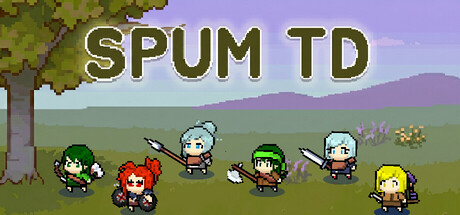 SPUM TD In-game content artaudiotextcode | We utilized generative AI tools to assist in creating certain visual assets, UI elements, and background music (BGM) during the development process.
Additionally, AI was used to optimize coding efficiency and assist with text localization to improve the quality of the English translation.
All AI-assisted contents and scripts have been thoroughly reviewed, verified, and refined manually by the developer to ensure quality. | SonRaim Studio | - | Jun 12, 2026 | |
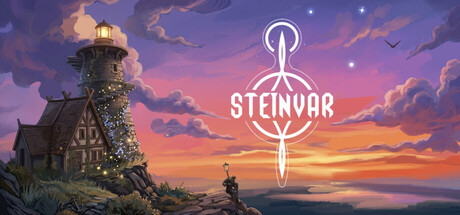 Steinvar Dev only artaudiotext | Generative AI tools were used during parts of the asset prototyping and ideation process. All final game assets were significantly modified, refined, and curated by the development team before inclusion in the game. | Cold Cup Games | - | Jun 12, 2026 | |
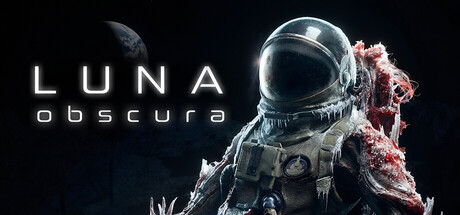 LUNA In-game content artaudiotext | Luna: Obscura is my creative vision (SOSOROS). I designed and built the game's world, levels, creatures, and visual identity over two years. ANORMIC joined in the final year to handle programming and sound design.
The art on the walls: Every painting and sculpture you encounter inside the base is an original, physical artwork. Acrylics painted by hand, sculptures made by hand, by me. No AI, no prints of someone else's work. They existed in the real world before they existed on the moon.
Cover art: The key art combines in-engine 3D renders, AI-assisted generation trained exclusively on my own handmade artworks and 3D sculpts, and extensive manual overpaint and compositing in Photoshop.
Cinematic sequences: The in-game sequences are hybrids, built from direct in-engine screenshots of our own levels and creatures, extended through AI generation. I'm not an animator, and producing these any other way was beyond the scope of a two-person project. I hope the results speak for themselves.
Sound effects & enemy audio: The vast majority of audio was composed and engineered by ANORMIC. For the game's altered human enemies (lunatics whose minds have been overtaken) we made a deliberate artistic choice to use AI-generated vocal sounds. The result is audio that feels disturbingly human but remains completely incomprehensible. AI voice sits in an uncanny valley, and that's exactly where these creatures live. This was a creative decision, not a compromise.
Remaining environmental assets were licensed through the Unreal Engine Marketplace.
Everything else, the levels, the creatures, the paintings, the world, is human made.
And yes, there's a contradiction here. A statement against AI in art, inside a game that used it. I won't pretend otherwise. These two years were me testing that edge firsthand: I used these tools, learned what they can genuinely do, and somewhere along the way my conscience gave me the answer. Even where the hybrid approach worked, and I think the sequences are an honest use of it, I'd rather learn to rig and animate myself for the next project, even if the result is rougher. I stand with artists, and I'd rather earn my skills than borrow them. Sometimes you have to cross a line to understand exactly where it should be drawn.
Where we stand: We're not against AI. We use it gladly where it belongs: code, tools, concepting aid, the invisible machinery of production, the same way we welcome it in medicine and science. But art is different. As creators whose own work has potentially been scraped to train these models without consent, we understand the weight of this disclosure more than most. Our position for future projects is firm: AI should not be in the end result, and where reality forces a compromise, it must remain a hybrid, grounded in our own hands and our own source material, never a replacement for them. We made honest decisions, we're transparent about every one of them, and we stand behind the result. The goal is simple: just the work. | Sosoros | - | Jun 12, 2026 | |
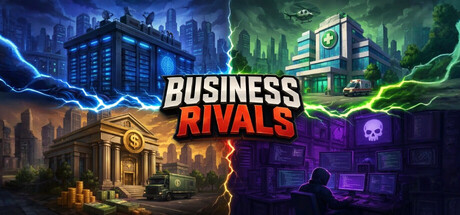 Business Rivals In-game content text | AI tools are used exclusively to translate game content into different languages. | OnePersonDevelopment | - | Jun 12, 2026 | |
 Finesse In-game content artaudiotext | Finesse uses generative AI tools for select pre-generated content created during development:
- Meshy — 3D model generation for some character and environment assets
- ElevenLabs — voice line generation for in-game audio
- Suno — music track generation for soundtrack and ambient audio
- Anthropic Claude — assistance with in-game text content (descriptions, narrative copy)
All AI-generated content is pre-rendered during development and shipped as static assets. No generative AI runs at runtime; nothing is generated live or unique per player. All AI outputs are reviewed, edited, and curated by the developer before being included in the final game. | GamerFrame | - | Jun 12, 2026 | |
 Buy High Sell Low Stock Trading Simulator Dev only textcode | AI was used during development as an assistant for coding and polishing written content. | Banyakarya | - | Jun 12, 2026 | |
 SiegeBlock In-game content arttext | Generative AI was used as a development assistant for pre-release asset iteration, writing support, localization drafts, ideation and productivity tasks. Some visual assets and draft text/assets may have been assisted or iterated with generative AI before being reviewed and integrated into the game. This content is static and does not generate new content at runtime. The game does not use live generative AI to create content during gameplay. No player prompts are sent to an AI service at runtime. AI-assisted material is reviewed manually before inclusion. It is adjusted to match the game's style, naming, tone and technical requirements, and content that would be inappropriate, infringing or inconsistent with the project is not intentionally included. | Manuel Medina Cea | - | Jun 12, 2026 | |
 Selubra In-game content artaudiotextcode | Various AI tools were utilized during the development of this game to increase efficiency. Character portraits and certain visual assets were pre-generated using AI, and then manually edited by the developer to fit the game's style. AI tools were also used in the creation of the game's music, sound effects, and localization (translation) processes. Additionally, AI was used as a coding assistant during the programming phase. All of this content was pre-generated during development; the game does not generate real-time AI content during gameplay, nor does it connect to any external AI services. | Muzaba Studio | - | Jun 12, 2026 | |
 Mount Lomyst In-game content text | Generative AI was used to assist with translation of the store page. The final text was reviewed and edited by the developer. | HIKO GAME | - | Jun 12, 2026 | |
 Fission Mirror Grid In-game content text | Localization (translations) in this game was completed with AI assistance. | Renmiris | - | Jun 12, 2026 | |
 DesktopDaily Live AI textcodeart | About Art Assets
DesktopDaily does not use AI-generated artwork for its in-game art assets. Character designs, 3D models, textures, animations, UI assets, and other visual content are created by human artists or based on properly licensed materials.
About Character Voices and Speech Synthesis
DesktopDaily’s character voice models are trained or fine-tuned using voice materials with clear provenance and authorization, and are used for character speech synthesis at runtime. These voice materials come from publicly available or authorized audio materials provided by the corresponding character or voice provider, and are used in accordance with their usage terms and authorized scope.
The character voices played at runtime are synthesized speech and are not original voice recordings.
About the Use of Generative AI
During development, AI assistance was used for parts of the code implementation and for some non-Chinese UI text localization. At runtime, generative AI is used only in optional features, including the character conversation feature, the visual companion feature, and notification assistant tools.
Some non-Chinese UI text localization uses AI-assisted translation and editing. This is limited to UI text localization and is separate from the runtime generation of character dialogue.
In the optional character conversation feature, AI is used to generate character dialogue text and to synthesize speech based on that text. When this feature is enabled, player input may be sent to cloud AI services in order to generate character-style response text. These responses may also be used for speech synthesis and played back in the game. If the player chooses not to use an API, the character conversation feature will not be enabled, and only the basic features will be available.
In the optional visual companion feature, after the player actively enables the feature, the game may use a local vision-language model to analyze screen, window, or application content within the scope authorized by the player. The analysis results may be used as context for character dialogue, allowing the character to respond based on the player’s current computer usage scenario. This feature is disabled by default. If the analysis results are used in cloud-based character dialogue, necessary summary information may be sent as part of the dialogue context to the cloud AI service selected or configured by the player.
In the optional notification assistant tools, after the player actively enables the feature and grants permission, the game may read Windows system notifications, email summaries, or other information sources specified by the player. A local AI model may be used to filter, categorize, or judge the importance of this information in order to decide whether to notify the player. This feature is intended to assist with notification management, and will not reply to emails, send messages, or perform external actions on behalf of the player. AI-based classification and notification results may be inaccurate.
The official trial API provided by the game uses Alibaba Cloud Model Studio. Players may also configure other APIs themselves. When features that require cloud AI are enabled, the necessary conversation content or contextual information is sent directly to the corresponding cloud AI service and is not relayed through the developer’s own server.
Character dialogue generated by AI at runtime is intended only for everyday companion-style interaction. The game uses prompts, content rules, and safety measures to reduce the output of inappropriate, illegal, hateful, sexual, violent, or copyright-infringing content. AI-generated responses may vary and do not represent official statements by DesktopDaily, the game’s developer, any character rights holder, voice provider, or third-party asset creator. | Deskside Works | - | Jun 12, 2026 | |
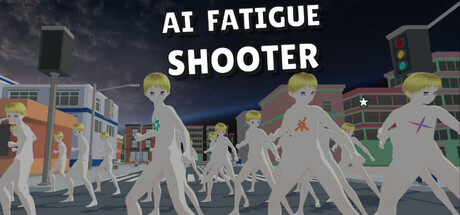 AI Fatigue Shooter Live AI text | The game includes AI-driven enemy characters ("LLM zombies") that players can interact with through dialogue. These characters use a language model to generate responses dynamically during gameplay. The AI is used only to produce in-game dialogue and behavior for these enemies and does not generate user-uploaded content or external assets. | RPPG Interactive | - | Jun 12, 2026 | |
 Van Tich Legends In-game content audiotext | Generative AI was used to create the game's music and to assist in the creation of the store page description. | Te Te Studio | - | Jun 12, 2026 | |
 Drift Factory Unclear artaudiotext | Some images and music, as well as multilingual translations, etc. | Kim Star Game | - | Jun 12, 2026 | |
 Into the Planet's Flesh In-game content text | Localizing the steam page and in-game text for non-English languages | Chugget | - | Jun 12, 2026 | |
 Eve Live AI text | This game contains real-time AI-generated text. | Eve | - | Jun 12, 2026 | |
 Duel of Gaia In-game content artaudiotext | Card illustration, Sound, Model, Localization | DoG Studio | - | Jun 12, 2026 | |
 明末:力挽狂澜 Live AI text | This game uses generative artificial intelligence during gameplay to generate text and data based on player input and game context.
The game does not use generative AI to generate artwork, audio, voice, music, videos, or other visual or sound assets. AI-generated content is limited to text and data used as part of the gameplay experience. | YING WANGWEI | - | Jun 12, 2026 | |
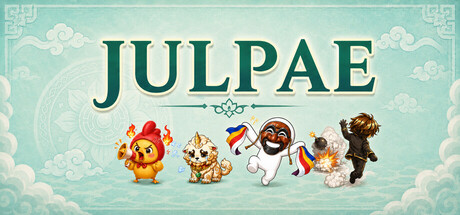 JULPAE Store/marketing textart | During development, generative AI tools were used as supplementary assistance for document writing, draft store page text, UI text, localization drafts, and the planning of some concept visual materials.
All final content included in the release build, store page, and marketing materials is reviewed, selected, and edited by the developer before use.
JULPAE does not use real-time generative AI during gameplay, does not generate player-facing content with AI at runtime, and does not connect players to any external generative AI service. | LoGosLaB | - | Jun 12, 2026 | |
 Lofi Lagoon In-game content artaudiotext | This work incorporates the use of generative artificial intelligence (AI) in the following areas:
Parts of the artwork, parts of the sound, and localization. | SF Create | - | Jun 12, 2026 | |
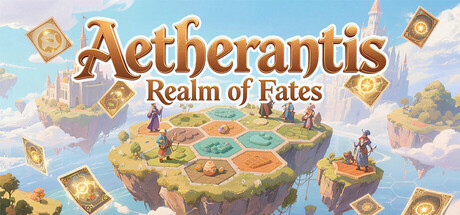 Aetherantis Realm of Fates In-game content arttextcode | Portions of in-game art assets were initially generated with generative AI, followed by extensive manual hand-drawn revision, restructuring and detailed painting by the developer. Game text and localization drafts were AI-assisted then fully proofread and revised manually. All background music and sound effects are licensed free commercial assets downloaded from authorized resource websites; no generative AI was used for audio production. Source code was written with coding assistant tools. | qiongwan | - | Jun 12, 2026 | |
 Castaway: Lost Horizon Store/marketing textartcode | Generative AI tools were used to assist with development, including code support, store text drafting, and some visual/marketing assets. Final content was reviewed and edited by the developer. | Fortuna Lectiones | - | Jun 12, 2026 | |
 Project RESONANCE Live AI artaudiotext | AI-driven real-time asset generation is a core part of the player experience in Project Resonance. Some of the game's in-game assets are generated in real time during play using generative AI—including music (melody, arrangement, and vocals), character art, expression and sprite variations, live-performance visuals, event illustrations, event storylines, and roleplay dialogue. Because this content is generated in response to your choices and progress, every playthrough produces music, visuals, and story unique to that session.
All AI-generated content is screened by our in-game filtering and review systems at runtime—before it reaches the player—to prevent inappropriate, infringing, or off-tone output and to keep everything consistent with the game's intended tone and content rating. | Soul-Made Games | - | Jun 11, 2026 | |
 1daYs In-game content audiotext | Some music and translations in this game were created using generative AI tools. | velupix | - | Jun 11, 2026 | |
 Master Foot Live AI textartaudio | This game uses generative AI to create realistic player behavior, match commentary, dynamic tactics, and some images and music may also be generated by AI, improving replayability while keeping user data private and not used to train external models. | Lamblety | - | Jun 11, 2026 |


