Public Steam disclosure research25,519 disclosures tracked
Where do games disclose AI use?
Search developers’ Steam disclosures, compare classified AI use across
games, and follow recorded changes.
This index adds cross-game classifications and statistics to
statements published on individual store pages.
Groups reflect automatic analysis of public disclosures; mature records are excluded. These counts do not measure AI use across all of Steam.
Missing or unclear statements cannot establish whether a game uses AI.
Steam page design and English localization - This is an unusual game. It consists of a huge amount of text. We couldn't translate it with a professional translator due to the enormous cost. Despite this, we really want as many people as possible to play our game. That's why we made the game free. We also hope that this game will become a great experience for our next game.
AI tools were used to assist with code development and localization. All game design, art direction, and creative decisions were made by the developer.
All code in this game is generated with AI assistance. The game’s visuals and music also involve AI-aided processes, including image adjustments and extension of music segments. The gameplay concepts and skill/item designs are partially inspired by AI, with some skill and item names originating from AI-generated ideas.
Visuals: We used generative AI tools (Midjourney, ComfyUI) to assist in creating background illustrations and concept art for characters. All AI-generated outputs were manually refined, overpainted, and edited by human artists to ensure visual consistency and quality.
Text: We utilized AI-powered translation tools to assist in localizing scripts and store page descriptions from Korean to English. All translated text was proofread and edited by a native speaker to maintain the narrative's tone and nuance.
I used AI tools (such as ChatGPT) to assist in writing scripts and optimizing the game code, which helped bridge the technical gap as an individual developer. Additionally, AI was used for English translation and proofreading to ensure a natural and high-quality narrative for global players.
This game uses generative AI tools during development to create some visual assets, including store capsule artwork, and to assist with localization. All AI-generated content has been reviewed, edited, and refined to ensure consistency and quality.
AI Disclosure
Generative AI tools were used to assist with writing store page descriptions and game development. All gameplay content — including art, audio, maze generation, and game mechanics — is created programmatically through traditional algorithms and code.
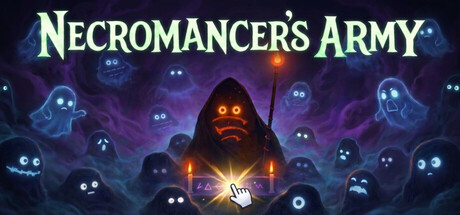
Necromancer's Army uses generative AI to assist with portions of the in-game soundtrack and certain Steam store marketing assets (such as capsule art and banners).
Localization for the game's 8 supported languages was created using AI-assisted translation and reviewed and refined by our team for overall accuracy and quality.
All in-game visuals are procedurally generated through deterministic algorithms and do not use machine learning or AI techniques. All narrative writing is fully authored by our team.
If the game finds its audience, we plan to replace these AI-assisted assets with original work commissioned from human artists, and have the localization reviewed by native speakers prior to full release.
AI-based translation tools were used for localizing the in-game text and store page descriptions from Japanese to English. All translated content has been reviewed and refined by the developer.
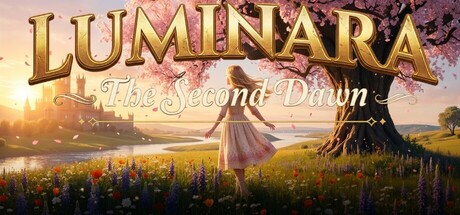
Luminara: The Second Dawn was created by a solo developer with the help of AI tools to bring the game to life. Every piece of content—art, music, story, and code—has been personally reviewed, curated, and directed by me to ensure it fits the game's vision and quality standards.
I use generative AI tools as a solo developer to enhance the game's scope and immersion. Specifically:
Narrative: I use AI to help brainstorm and draft initial versions of the large volume of news articles, newsletters, and in-game messages. This ensures a diverse and reactive 'living market' feel. All AI-assisted text is manually reviewed and edited by me.
Visual Assets: Some 2D background elements, icons, and character portraits are generated with the help of AI tools to achieve a consistent 1980s aesthetic.
My goal is to use these technologies to deliver a deeper, more systemic simulation than would otherwise be possible for a one-person studio.
During development, AI-assisted tools may have been used in a limited role for tasks such as concept support and writing assistance. These tools were used only to assist the development process. All final content choices, editing, implementation, and creative direction were carried out by the solo developer. The game does not include live-generated AI content during runtime.
Evymind Realtime Subtitles uses AI speech recognition to generate subtitles from user-selected PC audio, microphone audio, or spoken content while the application is running.
The application does not provide pre-made AI-generated story, art, characters, or gameplay content. AI output depends on the audio provided by the user and may contain transcription or translation errors.
The app is intended as an accessibility tool for live captions/subtitles.
Generative AI was used only in a limited capacity for some sound effects, translations, and Steam store page marketing assets.
The game does not contain any real-time AI-generated content during gameplay.
We used generative AI tools during development to assist with certain pre-generated visual assets, text content, localization drafts, and portions of code. All AI-assisted content was reviewed, edited, and approved by the developer before being used in the game or on the store page. The game does not use live-generated AI during gameplay.
Some of its content was created with AI tools and reviewed by the
developer before inclusion: visual art, audio, and in-game text.
No AI content is generated while you play.
I have used the help of AI for some of the levels design, drafts of the bosses and other parts of the game design. Also part of the data models I have had help from AI to implement them.
AI helped guide the structure of the steam page and wording, It also helped with choosing a name that is not trademarked or taken. AI was used as a coding assistant during development.
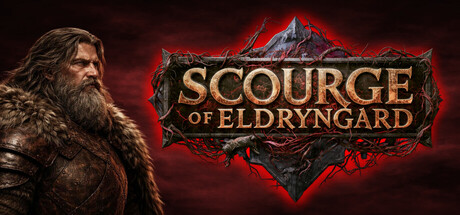
Scourge of Eldryngard was developed independently by a single person. I utilized generative AI tools under my creative direction for the creation of assets, music, voice acting, translation, and technical support, all via paid commercial licenses. All content underwent rigorous manual editing and review to ensure technical cohesion and originality. There is no real-time AI generation during gameplay.
Smoke Town utilizes artificial intelligence in the following areas:
We only use AI-generated content in our game as reference material for backgrounds, which are then refined and reviewed by humans. And also for interface translations.
All AI-generated content has been human-reviewed and refined for quality and technical integration.
This game uses generative AI tools in the creation of character illustrations, event CGs, UI icons, logos, and scripts. No real-time AI generation occurs during gameplay.
The game uses AI-assisted translation to localize in-game text into multiple languages. All other content is created by human developers using licensed assets.
The images used in the game, as well as the promotional visuals shown in the store, are generated using AI. In addition, translations are also performed using large language models.
This game includes some pre-generated images, textures, and videos, as well as AI-assisted translation of dialogue, created using AI tools during development.
"This game uses pre-generated content created with the assistance of generative AI. Specifically: some 2D character, enemy, and environment art was sourced from AI-assisted asset packs; portions of the store page description and in-game flavor text were drafted with AI writing tools and then human-edited. No generative AI content is produced live at runtime — all assets are fixed and shipped with the build. The developer has confirmed appropriate rights/licenses for all included assets."
Generative AI was utilized strictly to assist in drafting the narrative script and visuals for our promotional marketing trailers, and for in-game cutscenes. All other actual in-game content—including the gameplay code, 3D models, level design, physics, and mechanics—was meticulously crafted by hand by human developers.
AI was used to aid in translations into 11 Languages. This game was coded by a human.
All gameplay, design, and creative direction are fully handcrafted by myself.
AI-generated art is used for monster illustrations (370+), equipment icons, background art, and promotional materials. AI-assisted translation is used for 10-language localization. All AI-generated content has been reviewed and curated by the developer. No AI is used for gameplay logic, player data processing, or real-time content generation during gameplay.
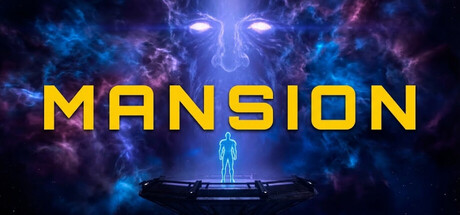
MANSION uses live artificial intelligence during gameplay. The AI Commander enemy in Campaign mode and all five AI agents in Arena mode are powered by large language models that generate real-time tactical decisions and reasoning text. This content is generated live during gameplay and varies every session. No pre-rendered AI content is used in artwork, audio, or narrative. AI generated text is limited to short tactical reasoning displayed in the in-game terminal.
Some artwork (character sprites, backgrounds, and story cover images) was created with the assistance of generative AI image tools, with human review and curation. Story text for Adventure mode was written with the assistance of generative AI, with human editing and oversight.
All store page and in-game translations were created with AI assistance as a starting point. As a solo developer, I only speak English and Ukrainian natively, so I recognize that AI translations may contain errors — I hope to improve them with native speaker feedback in the future.
Store page artwork was generated with AI image tools and then manually composed and edited by the developer.
AI used for artwork and logo that used in Steam page. In-game, placeholder narrative dialogue sounds are AI generated and will be replaced further in development.
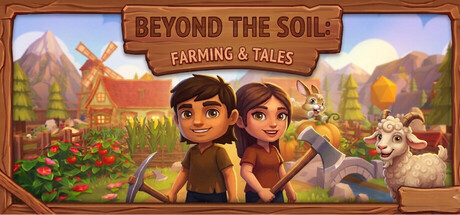
During the development of Beyond the Soil: Farming & Tales, generative AI technologies were used to optimize localization texts and assist in the design phase of certain visual marketing materials.
The voice of Jessie, the assistant computer of the player, is generated with text to speech tools. Some of the store content (texts/images) is generated with AI tools.
Steam page design and English localization - This is an unusual game. It consists of a huge amount of text. We couldn't translate it with a professional translator due to the enormous cost. Despite this, we really want as many people as possible to play our game. That's why we made the game free. We also hope that this game will become a great experience for our next game.
AI tools were used to assist with code development and localization. All game design, art direction, and creative decisions were made by the developer.
All code in this game is generated with AI assistance. The game’s visuals and music also involve AI-aided processes, including image adjustments and extension of music segments. The gameplay concepts and skill/item designs are partially inspired by AI, with some skill and item names originating from AI-generated ideas.
Visuals: We used generative AI tools (Midjourney, ComfyUI) to assist in creating background illustrations and concept art for characters. All AI-generated outputs were manually refined, overpainted, and edited by human artists to ensure visual consistency and quality.
Text: We utilized AI-powered translation tools to assist in localizing scripts and store page descriptions from Korean to English. All translated text was proofread and edited by a native speaker to maintain the narrative's tone and nuance.
I used AI tools (such as ChatGPT) to assist in writing scripts and optimizing the game code, which helped bridge the technical gap as an individual developer. Additionally, AI was used for English translation and proofreading to ensure a natural and high-quality narrative for global players.
This game uses generative AI tools during development to create some visual assets, including store capsule artwork, and to assist with localization. All AI-generated content has been reviewed, edited, and refined to ensure consistency and quality.
AI Disclosure
Generative AI tools were used to assist with writing store page descriptions and game development. All gameplay content — including art, audio, maze generation, and game mechanics — is created programmatically through traditional algorithms and code.
Necromancer's Army uses generative AI to assist with portions of the in-game soundtrack and certain Steam store marketing assets (such as capsule art and banners).
Localization for the game's 8 supported languages was created using AI-assisted translation and reviewed and refined by our team for overall accuracy and quality.
All in-game visuals are procedurally generated through deterministic algorithms and do not use machine learning or AI techniques. All narrative writing is fully authored by our team.
If the game finds its audience, we plan to replace these AI-assisted assets with original work commissioned from human artists, and have the localization reviewed by native speakers prior to full release.
AI-based translation tools were used for localizing the in-game text and store page descriptions from Japanese to English. All translated content has been reviewed and refined by the developer.
Luminara: The Second Dawn was created by a solo developer with the help of AI tools to bring the game to life. Every piece of content—art, music, story, and code—has been personally reviewed, curated, and directed by me to ensure it fits the game's vision and quality standards.
I use generative AI tools as a solo developer to enhance the game's scope and immersion. Specifically:
Narrative: I use AI to help brainstorm and draft initial versions of the large volume of news articles, newsletters, and in-game messages. This ensures a diverse and reactive 'living market' feel. All AI-assisted text is manually reviewed and edited by me.
Visual Assets: Some 2D background elements, icons, and character portraits are generated with the help of AI tools to achieve a consistent 1980s aesthetic.
My goal is to use these technologies to deliver a deeper, more systemic simulation than would otherwise be possible for a one-person studio.
During development, AI-assisted tools may have been used in a limited role for tasks such as concept support and writing assistance. These tools were used only to assist the development process. All final content choices, editing, implementation, and creative direction were carried out by the solo developer. The game does not include live-generated AI content during runtime.
Evymind Realtime Subtitles uses AI speech recognition to generate subtitles from user-selected PC audio, microphone audio, or spoken content while the application is running.
The application does not provide pre-made AI-generated story, art, characters, or gameplay content. AI output depends on the audio provided by the user and may contain transcription or translation errors.
The app is intended as an accessibility tool for live captions/subtitles.
Generative AI was used only in a limited capacity for some sound effects, translations, and Steam store page marketing assets.
The game does not contain any real-time AI-generated content during gameplay.
We used generative AI tools during development to assist with certain pre-generated visual assets, text content, localization drafts, and portions of code. All AI-assisted content was reviewed, edited, and approved by the developer before being used in the game or on the store page. The game does not use live-generated AI during gameplay.
Some of its content was created with AI tools and reviewed by the
developer before inclusion: visual art, audio, and in-game text.
No AI content is generated while you play.
I have used the help of AI for some of the levels design, drafts of the bosses and other parts of the game design. Also part of the data models I have had help from AI to implement them.
AI helped guide the structure of the steam page and wording, It also helped with choosing a name that is not trademarked or taken. AI was used as a coding assistant during development.
Scourge of Eldryngard was developed independently by a single person. I utilized generative AI tools under my creative direction for the creation of assets, music, voice acting, translation, and technical support, all via paid commercial licenses. All content underwent rigorous manual editing and review to ensure technical cohesion and originality. There is no real-time AI generation during gameplay.
Smoke Town utilizes artificial intelligence in the following areas:
We only use AI-generated content in our game as reference material for backgrounds, which are then refined and reviewed by humans. And also for interface translations.
All AI-generated content has been human-reviewed and refined for quality and technical integration.
This game uses generative AI tools in the creation of character illustrations, event CGs, UI icons, logos, and scripts. No real-time AI generation occurs during gameplay.
The game uses AI-assisted translation to localize in-game text into multiple languages. All other content is created by human developers using licensed assets.
The images used in the game, as well as the promotional visuals shown in the store, are generated using AI. In addition, translations are also performed using large language models.
This game includes some pre-generated images, textures, and videos, as well as AI-assisted translation of dialogue, created using AI tools during development.
"This game uses pre-generated content created with the assistance of generative AI. Specifically: some 2D character, enemy, and environment art was sourced from AI-assisted asset packs; portions of the store page description and in-game flavor text were drafted with AI writing tools and then human-edited. No generative AI content is produced live at runtime — all assets are fixed and shipped with the build. The developer has confirmed appropriate rights/licenses for all included assets."
Generative AI was utilized strictly to assist in drafting the narrative script and visuals for our promotional marketing trailers, and for in-game cutscenes. All other actual in-game content—including the gameplay code, 3D models, level design, physics, and mechanics—was meticulously crafted by hand by human developers.
AI was used to aid in translations into 11 Languages. This game was coded by a human.
All gameplay, design, and creative direction are fully handcrafted by myself.
AI-generated art is used for monster illustrations (370+), equipment icons, background art, and promotional materials. AI-assisted translation is used for 10-language localization. All AI-generated content has been reviewed and curated by the developer. No AI is used for gameplay logic, player data processing, or real-time content generation during gameplay.
MANSION uses live artificial intelligence during gameplay. The AI Commander enemy in Campaign mode and all five AI agents in Arena mode are powered by large language models that generate real-time tactical decisions and reasoning text. This content is generated live during gameplay and varies every session. No pre-rendered AI content is used in artwork, audio, or narrative. AI generated text is limited to short tactical reasoning displayed in the in-game terminal.
Some artwork (character sprites, backgrounds, and story cover images) was created with the assistance of generative AI image tools, with human review and curation. Story text for Adventure mode was written with the assistance of generative AI, with human editing and oversight.
All store page and in-game translations were created with AI assistance as a starting point. As a solo developer, I only speak English and Ukrainian natively, so I recognize that AI translations may contain errors — I hope to improve them with native speaker feedback in the future.
Store page artwork was generated with AI image tools and then manually composed and edited by the developer.
AI used for artwork and logo that used in Steam page. In-game, placeholder narrative dialogue sounds are AI generated and will be replaced further in development.
During the development of Beyond the Soil: Farming & Tales, generative AI technologies were used to optimize localization texts and assist in the design phase of certain visual marketing materials.
The voice of Jessie, the assistant computer of the player, is generated with text to speech tools. Some of the store content (texts/images) is generated with AI tools.