








Disclosure
Generative AI was used to assist in the creation of the game's library logo artwork. No AI-generated content is created during gameplay.
- Creator
- ARTNOVATION
- Reviews
- -
- Added
- Oct 4, 2026
Public Steam disclosure research 25,380 disclosures tracked
Search developers’ Steam disclosures, compare classified AI use across games, and follow recorded changes. This index adds cross-game classifications and statistics to statements published on individual store pages.
Code help, debugging and other development work.
Capsule art, trailers and promotional material.
Pre-made art, audio, writing and other game assets.
Interactive or runtime AI features disclosed by the developer.
Groups reflect automatic analysis of public disclosures; mature records are excluded. These counts do not measure AI use across all of Steam. Missing or unclear statements cannot establish whether a game uses AI.
Generative AI was used to assist in the creation of the game's library logo artwork. No AI-generated content is created during gameplay.
Generative AI was used to create assets such as items and structures.
AI was used for the translation of the game.
Hold My Cargo is made by a three-person team at Favera Studio. Like many small studios, we use AI-assisted tools as part of our production pipeline — for exploring concepts and marketing artwork, speeding up parts of 3D asset, animation and texture work, drafting text and running automated testing. Every asset, animation and line of text that ships in the game is directed, reviewed, edited and approved by the team; nothing goes in unseen. The game does not generate any content at runtime — there is no live AI in Hold My Cargo, and no player data is sent to AI services.
Portions of this game's code and dialogue were written with the assistance of AI tools and then reviewed and edited by the developer. All art, 3D models, music and sound effects are human-made assets (Quaternius, Kay Lousberg, Kenney, omfgdude and SubspaceAudio, all CC0). Nothing is generated by AI while you play.
Marketing materials, audio.
Our logo and key art were created with the help of AI image generation tools and edited by us. All gameplay, 3D models, and audio were made by our team.
We use generative AI tools during development to create some concept art and supporting images, as well as certain materials for the store page. All in-game content, including final assets, models, and text, is created and reviewed by hand.
Generated art for cards. Generated 3d models.
AI was used to help create certain UI elements, capsules, meshes and audio files.
Generation of marketing materials and concept art was supported by generative AI.
Some artwork for the game or its store materials includes minor AI-assisted edits. This content is pre-generated. The game does not generate AI content during gameplay and does not connect to external AI services.
An AI assistant (Claude) was used during development. It wrote the in-game text translations, the store page text, and the scripts that build many of the game's 3D models, animations and textures, all under the developer's direction and review. Nothing is generated by AI while you play. All sounds are real recordings from CC0 libraries.
A small language model (Google's Gemma 3 270M) runs entirely on the player's computer, with no network connection. It writes short lines of villager small talk, the ritual oracle's one- or two-sentence hint after a failed ritual, and routine filler records in the in-game archive, and it chooses which of our pre-written dialogue lines fits the moment. Guardrails: the player never types to the model — there is no text input anywhere in the game. Every prompt is a fixed template we wrote, filled in from game state such as a character's name, the time of day and the current quest. Output is short by construction (hard token caps, and lines over a few words are cut or discarded); lines that read as narration, stage directions or an assistant speaking are rejected; dialogue choices are constrained to our own authored lines. Any failure falls back to written lines. Players can turn the model off in Settings, and the game plays identically on written lines alone.
Localization was also done via the help of AI
Generative AI was used during development to create select environmental artwork, including some fictional posters and signage appearing within the game. These assets were reviewed and curated by the developers before inclusion in the final game.
Generative AI tools were used during development to create or assist with some pre-generated visual assets, such as ability icons. All AI-assisted content is reviewed and edited by the developer before being included in the game. The game does not generate AI content during gameplay.
Background and Logo Created AI
Part of the game's text, including the German, French and Spanish translations, and the store page descriptions were written with the help of AI tools. The paintings are public-domain works by real artists.
AI tools were used to assist in the creation of store Assets
Created background and logo AI.
Generative AI was used to create artwork for the truck, cargo, environments, route illustrations, and store materials. AI tools also assisted with writing and localization. All such content was created before release. The game does not generate AI content or connect to AI services during gameplay.
Some images were created by AI. Some code was written by AI.
AI-generated artwork includes the MMA menu image, Steam capsules, library art and store background. No live AI generation or external AI service is used during gameplay.
Generative AI was used during development to assist with programming and to create some character models, object assets, sound effects, and music.
Pretty much all assets are AI generated. The game was designed and tested by a human.
Generative AI was used to create promotional artwork for the Steam store page and marketing materials.
During the development of this game, we utilized generative artificial intelligence tools—specifically Claude, Gemini, and Codex (GPT)—to assist with programming, debugging, and drafting text/documentation. Code and Systems: AI models were used as development assistants to help write, refactor, and troubleshoot code logic. Text and Documentation: AI assistants were used to brainstorm and draft text content, which was then thoroughly reviewed, edited, and manually integrated by our development team.
Generative AI tools were used during development to assist in creating some of the content included in this game. This content is prepared in advance. The game does not generate AI content during gameplay or connect to external AI services.
Generative AI was used during development to create background music and sound effects, and to assist with store text and translations. These assets are prepared before release. The game does not generate content or connect to AI services during gameplay.
Generative AI tools were used during development to create artwork, icons, 3D assets, written content, and trailer narration. This content is reviewed, refined, and integrated under the developer’s creative direction. The game does not generate AI content during gameplay.
Made by one developer with a little help from AI! Some artwork and text started life in generative AI tools, then got edited and polished by hand. Nothing is generated while you play.
Generative AI tools were used during development to create some of the game’s 3D models, artwork, and audio, as well as promotional artwork. This content is pre-generated and integrated into the game or its marketing materials. The game does not generate AI content during gameplay.
Generative AI tools were used during development to assist in creating certain pre-generated visual assets, music/audio, and localization content. All such content is fixed in the shipped game and reviewed by the developer. No AI-generated content is created during gameplay.
3D models, BGM, and draft translations were created with the assistance of generative AI.
Some of the in-game text and the store page text were written with the help of AI tools and edited by the developer. All artwork and sound are drawn and synthesized by the game's own code; no image, audio or video generators were used. Nothing is generated by AI while you play.
AI tools were used solely to translate the game's text from my native language as accurately as possible.
Skate N Chill uses pre-generated AI artwork and instrumental music created with Suno. AI-generated artwork is also used in store and promotional materials. These assets are prepared before release; no AI content is generated during gameplay.
Some 3D models in this game, with their textures, were generated with an AI 3D-modeling tool from our own designs and then rigged and edited for the game: the Harvester, the Halloway family, the two playable co-op characters, the scarecrows and the wax effigy.
We use generative AI across all disciplines of game development, most often with heavy amounts of human editing. That involves audio and visual art, 3D models, our logo, and localization. We use it as a productivity tool so we can achieve a higher level of quality, faster, than we would have been able to.
This was created by a developer who used AI to assist with concept images, 3D model creation, and assets. Each piece was meticulously placed by an actual person. We're comedians, not professional artists.
AI is used for the image creations (popups, menu items and dialogs included) only.
Some 3D models in this game - the cleaning tool heads - were created with an AI 3D model generation tool and then edited by hand. Everything else was made without generative AI: the simulation and code, the sound effects (real recordings), the carpet photographs and all store page artwork. No content is generated by AI while you play.
Generative AI was used during development to create visual art, sound effects, music, and text/localization, including store and marketing assets. These assets were reviewed, selected, and integrated by the developer. The game does not generate AI content during gameplay.
Generative AI tools were used during development to assist with the game's code, the logo and store artwork, the in-game tournament posters, the synthesized sound effects, the store texts and the trailer edit. All content was reviewed and directed by the developer. No AI-generated content is created at runtime.
This game includes generative AI. Used for assisting coding, and localization,No arts or story texts were generated by AI.
AI has been used to help develop the game's cover art.
Generative AI was used for reference images for some 3D models, materials and images, and store artwork. Certain portions of tooling workflows for asset creation are driven by AI agents. AI was also used to assist with written text and translations. All AI-assisted content, including AI-generated translations, was reviewed, edited, and approved by the development team before being included in the final game. No content is generated by AI during gameplay.
An AI coding assistant (Claude, Anthropic) was used under the developer's direction to help write the game's code, some in-game text and the note tables of its music, which is then rendered by our own synthesis code and a licensed instrument sample library. No audio-generation, image-generation or voice models were used: no AI-generated artwork, 3D models, voice or sound recordings ship in the game, on the store page or in marketing materials. Every shipped track is logged in a provenance ledger and checked against YouTube Content ID
Character, monster, and item artwork in this game was pre-generated using AI image generation tools (FLUX.1). No AI-generated content is created live during gameplay, and the game does not connect to any third-party AI service at runtime.
| Title⇅ | Disclosure | Creator⇅ | Src | Reviews⇅ | Added↓ |
|---|---|---|---|---|---|
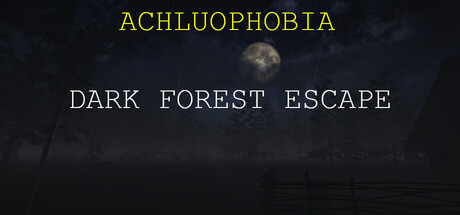 Achluophobia: Dark Forest Escape Store/marketing art | Generative AI was used to assist in the creation of the game's library logo artwork. No AI-generated content is created during gameplay. | ARTNOVATION | - | Oct 4, 2026 | |
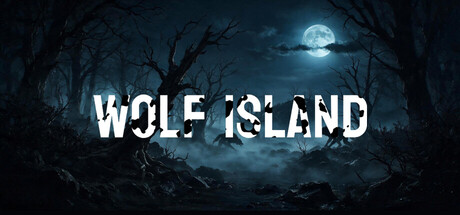 Wolf Island In-game content art | Generative AI was used to create assets such as items and structures. | 30.2% | - | Oct 4, 2026 | |
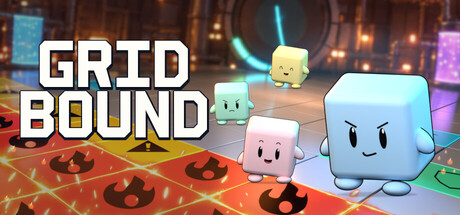 Gridbound In-game content text | AI was used for the translation of the game. | RheaGameProductions | - | Oct 4, 2026 | |
 Hold My Cargo In-game content arttextcode | Hold My Cargo is made by a three-person team at Favera Studio. Like many small studios, we use AI-assisted tools as part of our production pipeline — for exploring concepts and marketing artwork, speeding up parts of 3D asset, animation and texture work, drafting text and running automated testing. Every asset, animation and line of text that ships in the game is directed, reviewed, edited and approved by the team; nothing goes in unseen. The game does not generate any content at runtime — there is no live AI in Hold My Cargo, and no player data is sent to AI services. | Favera Studio | - | Oct 4, 2026 | |
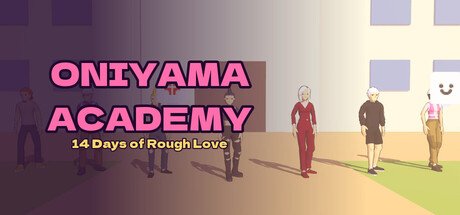 Oniyama Academy: 14 Days of Rough Love In-game content codetext | Portions of this game's code and dialogue were written with the assistance of AI tools and then reviewed and edited by the developer. All art, 3D models, music and sound effects are human-made assets (Quaternius, Kay Lousberg, Kenney, omfgdude and SubspaceAudio, all CC0). Nothing is generated by AI while you play. | ivan | - | Oct 4, 2026 | |
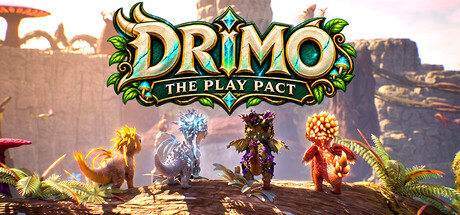 DRIMO: The Play Pact Store/marketing audioart | Marketing materials, audio. | DrimoStudios | - | Oct 4, 2026 | |
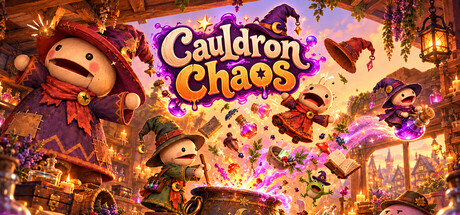 Cauldron Chaos Store/marketing art | Our logo and key art were created with the help of AI image generation tools and edited by us. All gameplay, 3D models, and audio were made by our team. | RavenMark Games | - | Oct 4, 2026 | |
 Windfall In-game content art | We use generative AI tools during development to create some concept art and supporting images, as well as certain materials for the store page. All in-game content, including final assets, models, and text, is created and reviewed by hand. | Nasty's Dev | - | Oct 4, 2026 | |
 Dark Forest In-game content art | Generated art for cards. Generated 3d models. | Macon Games | - | Oct 4, 2026 | |
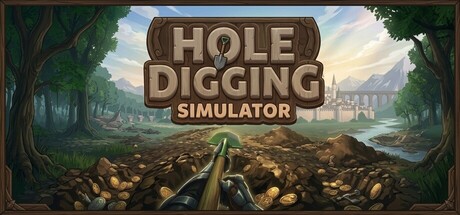 Hole Digging Simulator In-game content artaudio | AI was used to help create certain UI elements, capsules, meshes and audio files. | Knights of the Round Hole | - | Oct 3, 2026 | |
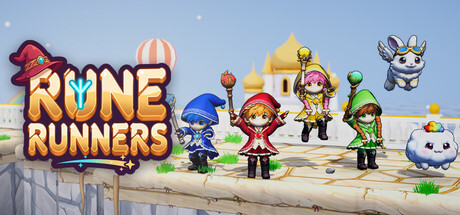 Rune Runners Store/marketing art | Generation of marketing materials and concept art was supported by generative AI. | Pierogi Games | - | Oct 3, 2026 | |
 The Hollow Servant Store/marketing art | Some artwork for the game or its store materials includes minor AI-assisted edits. This content is pre-generated. The game does not generate AI content during gameplay and does not connect to external AI services. | 33 Games | - | Oct 3, 2026 | |
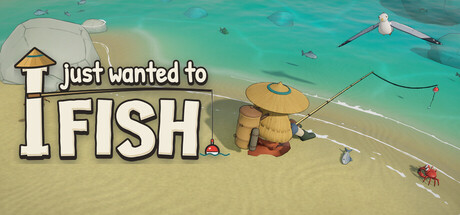 I Just Wanted to Fish In-game content textartcode | An AI assistant (Claude) was used during development. It wrote the in-game text translations, the store page text, and the scripts that build many of the game's 3D models, animations and textures, all under the developer's direction and review. Nothing is generated by AI while you play. All sounds are real recordings from CC0 libraries. | Auscan Games | - | Oct 3, 2026 | |
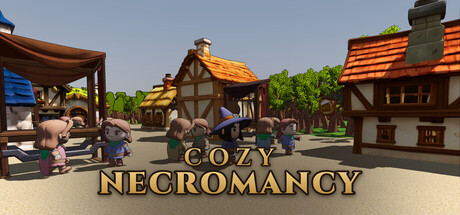 Cozy Necromancy Live AI text | A small language model (Google's Gemma 3 270M) runs entirely on the player's computer, with no network connection. It writes short lines of villager small talk, the ritual oracle's one- or two-sentence hint after a failed ritual, and routine filler records in the in-game archive, and it chooses which of our pre-written dialogue lines fits the moment.
Guardrails: the player never types to the model — there is no text input anywhere in the game. Every prompt is a fixed template we wrote, filled in from game state such as a character's name, the time of day and the current quest. Output is short by construction (hard token caps, and lines over a few words are cut or discarded); lines that read as narration, stage directions or an assistant speaking are rejected; dialogue choices are constrained to our own authored lines. Any failure falls back to written lines. Players can turn the model off in Settings, and the game plays identically on written lines alone. | Hexmonger | - | Oct 3, 2026 | |
 Tidy Up Frat House In-game content text | Localization was also done via the help of AI | sharkfindev | - | Oct 3, 2026 | |
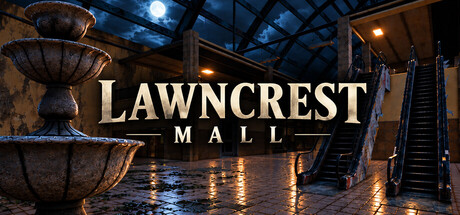 Lawncrest Mall In-game content art | Generative AI was used during development to create select environmental artwork, including some fictional posters and signage appearing within the game. These assets were reviewed and curated by the developers before inclusion in the final game. | Halfway Home Studios | - | Oct 3, 2026 | |
 UNDER BomB In-game content art | Generative AI tools were used during development to create or assist with some pre-generated visual assets, such as ability icons. All AI-assisted content is reviewed and edited by the developer before being included in the game. The game does not generate AI content during gameplay. | teaneu | - | Oct 3, 2026 | |
 Duck Me Please! Store/marketing art | Background and Logo Created AI | noxg | - | Oct 3, 2026 | |
 The Last Curator In-game content text | Part of the game's text, including the German, French and Spanish translations, and the store page descriptions were written with the help of AI tools. The paintings are public-domain works by real artists. | Tilewise | - | Oct 3, 2026 | |
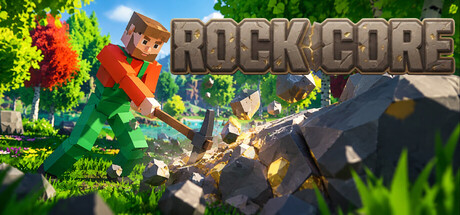 ROCK CORE Store/marketing art | AI tools were used to assist in the creation of store Assets | DNA ARMY GAMING | - | Oct 3, 2026 | |
 Amateur Football Together In-game content art | Created background and logo AI. | NOXE | - | Oct 3, 2026 | |
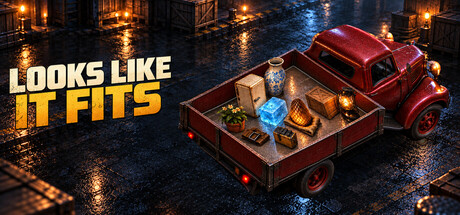 Looks Like It Fits In-game content arttext | Generative AI was used to create artwork for the truck, cargo, environments, route illustrations, and store materials. AI tools also assisted with writing and localization. All such content was created before release. The game does not generate AI content or connect to AI services during gameplay. | chernobrovin | - | Oct 3, 2026 | |
 GENA GORIN Dev only artcode | Some images were created by AI. Some code was written by AI. | MAXORKA GAMES | - | Oct 3, 2026 | |
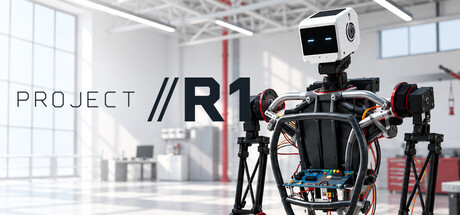 PROJECT R1 Store/marketing art | AI-generated artwork includes the MMA menu image, Steam capsules, library art and store background. No live AI generation or external AI service is used during gameplay. | Riviera Tech Solutions | - | Oct 3, 2026 | |
 Security Duty In-game content artaudiocode | Generative AI was used during development to assist with programming and to create some character models, object assets, sound effects, and music. | scarGAMES | - | Oct 3, 2026 | |
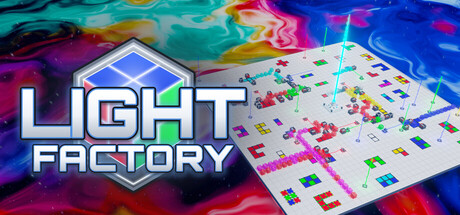 Light Factory In-game content artaudiocodetext | Pretty much all assets are AI generated. The game was designed and tested by a human. | Sean Reilly | - | Oct 3, 2026 | |
 THIS HOUSE HATES YOU Store/marketing art | Generative AI was used to create promotional artwork for the Steam store page and marketing materials. | Hyper Lab | - | Oct 3, 2026 | |
 W DoBark Dev only codetext | During the development of this game, we utilized generative artificial intelligence tools—specifically Claude, Gemini, and Codex (GPT)—to assist with programming, debugging, and drafting text/documentation.
Code and Systems: AI models were used as development assistants to help write, refactor, and troubleshoot code logic.
Text and Documentation: AI assistants were used to brainstorm and draft text content, which was then thoroughly reviewed, edited, and manually integrated by our development team. | Wagtail Interactive | - | Oct 3, 2026 | |
 Champion Tennis In-game content | Generative AI tools were used during development to assist in creating some of the content included in this game. This content is prepared in advance. The game does not generate AI content during gameplay or connect to external AI services. | Mnshine game studio | - | Oct 3, 2026 | |
 ROTORORA Drone Racing In-game content audiotext | Generative AI was used during development to create background music and sound effects, and to assist with store text and translations. These assets are prepared before release. The game does not generate content or connect to AI services during gameplay. | JinCycle | - | Oct 3, 2026 | |
 Build Christmas In-game content arttextaudio | Generative AI tools were used during development to create artwork, icons, 3D assets, written content, and trailer narration. This content is reviewed, refined, and integrated under the developer’s creative direction. The game does not generate AI content during gameplay. | Cozy Gridworks | - | Oct 3, 2026 | |
 It'll Hold In-game content arttext | Made by one developer with a little help from AI! Some artwork and text started life in generative AI tools, then got edited and polished by hand. Nothing is generated while you play. | CORS Services | - | Oct 3, 2026 | |
 Hippocratic Chaos In-game content artaudio | Generative AI tools were used during development to create some of the game’s 3D models, artwork, and audio, as well as promotional artwork. This content is pre-generated and integrated into the game or its marketing materials. The game does not generate AI content during gameplay. | Maxilos | - | Oct 3, 2026 | |
 KROSTEL: Architecture Bureau Simulator In-game content artaudiotext | Generative AI tools were used during development to assist in creating certain pre-generated visual assets, music/audio, and localization content. All such content is fixed in the shipped game and reviewed by the developer. No AI-generated content is created during gameplay. | KROSTEL Games | - | Oct 3, 2026 | |
 Trolley Problem Is Not Problem In-game content artaudiotext | 3D models, BGM, and draft translations were created with the assistance of generative AI. | soyukke | - | Oct 3, 2026 | |
 Chopsticks In-game content text | Some of the in-game text and the store page text were written with the help of AI tools and edited by the developer. All artwork and sound are drawn and synthesized by the game's own code; no image, audio or video generators were used. Nothing is generated by AI while you play. | Sharkey | - | Oct 3, 2026 | |
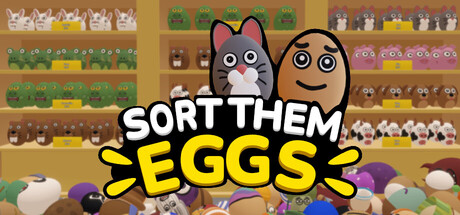 Sort Them Eggs In-game content text | AI tools were used solely to translate the game's text from my native language as accurately as possible. | Razzu | - | Oct 3, 2026 | |
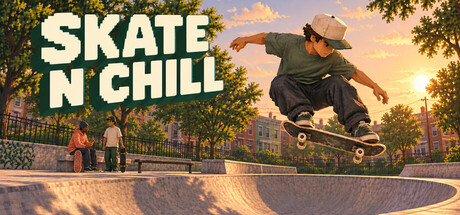 Skate N Chill In-game content artaudio | Skate N Chill uses pre-generated AI artwork and instrumental music created with Suno. AI-generated artwork is also used in store and promotional materials. These assets are prepared before release; no AI content is generated during gameplay. | Off Hours Studio | - | Oct 3, 2026 | |
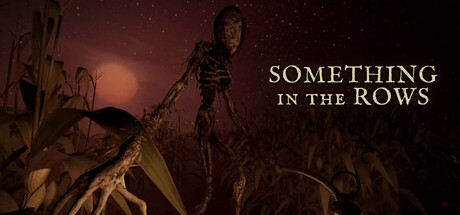 Something in the Rows In-game content art | Some 3D models in this game, with their textures, were generated with an AI 3D-modeling tool from our own designs and then rigged and edited for the game: the Harvester, the Halloway family, the two playable co-op characters, the scarecrows and the wax effigy. | Distorted Games Studio | - | Oct 3, 2026 | |
 Tidy Up the Halloween Shop In-game content artaudiotext | We use generative AI across all disciplines of game development, most often with heavy amounts of human editing. That involves audio and visual art, 3D models, our logo, and localization. We use it as a productivity tool so we can achieve a higher level of quality, faster, than we would have been able to. | Over The Moon Games | - | Oct 3, 2026 | |
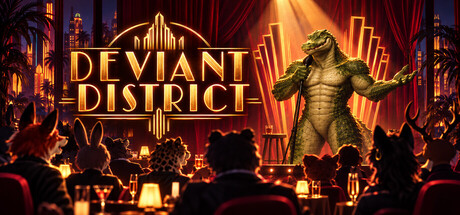 Deviant District In-game content art | This was created by a developer who used AI to assist with concept images, 3D model creation, and assets. Each piece was meticulously placed by an actual person. We're comedians, not professional artists. | Petrichor Creation Group | - | Oct 3, 2026 | |
 RPM: Next Drag Racing Simulator In-game content art | AI is used for the image creations (popups, menu items and dialogs included) only. | AKILLIMUM TECHNOLOGY OU | - | Oct 3, 2026 | |
 Refluff: Carpet Cleaning ASMR In-game content art | Some 3D models in this game - the cleaning tool heads - were created with an AI 3D model generation tool and then edited by hand. Everything else was made without generative AI: the simulation and code, the sound effects (real recordings), the carpet photographs and all store page artwork. No content is generated by AI while you play. | Vahov Games | - | Oct 3, 2026 | |
 Monkey Overdrive In-game content artaudiotext | Generative AI was used during development to create visual art, sound effects, music, and text/localization, including store and marketing assets. These assets were reviewed, selected, and integrated by the developer. The game does not generate AI content during gameplay. | SNobi Games | - | Oct 3, 2026 | |
 Kick4Two In-game content artaudiotextcode | Generative AI tools were used during development to assist with the game's code, the logo and store artwork, the in-game tournament posters, the synthesized sound effects, the store texts and the trailer edit. All content was reviewed and directed by the developer. No AI-generated content is created at runtime. | opinionampGames | - | Oct 3, 2026 | |
 Tactical Combat Simulator Dev only codetext | This game includes generative AI. Used for assisting coding, and localization,No arts or story texts were generated by AI. | Terraminus Studios | - | Oct 3, 2026 | |
 Shooting Range Store/marketing art | AI has been used to help develop the game's cover art. | Hard Shark Games | - | Oct 3, 2026 | |
 Handful of Dice In-game content arttext | Generative AI was used for reference images for some 3D models, materials and images, and store artwork. Certain portions of tooling workflows for asset creation are driven by AI agents. AI was also used to assist with written text and translations. All AI-assisted content, including AI-generated translations, was reviewed, edited, and approved by the development team before being included in the final game. No content is generated by AI during gameplay. | GoodXP | - | Oct 3, 2026 | |
 CropCorp In-game content codetext | An AI coding assistant (Claude, Anthropic) was used under the developer's direction to help write the game's code, some in-game text and the note tables of its music, which is then rendered by our own synthesis code and a licensed instrument sample library. No audio-generation, image-generation or voice models were used: no AI-generated artwork, 3D models, voice or sound recordings ship in the game, on the store page or in marketing materials. Every shipped track is logged in a provenance ledger and checked against YouTube Content ID | Web Level Up | - | Oct 3, 2026 | |
 FGD - Forever Grind Dungeon In-game content art | Character, monster, and item artwork in this game was pre-generated using AI image generation tools (FLUX.1). No AI-generated content is created live during gameplay, and the game does not connect to any third-party AI service at runtime. | Tresette | - | Oct 3, 2026 |


