Public Steam disclosure research25,380 disclosures tracked
Where do games disclose AI use?
Search developers’ Steam disclosures, compare classified AI use across
games, and follow recorded changes.
This index adds cross-game classifications and statistics to
statements published on individual store pages.
Groups reflect automatic analysis of public disclosures; mature records are excluded. These counts do not measure AI use across all of Steam.
Missing or unclear statements cannot establish whether a game uses AI.
The in-game music and soundtrack are created using Suno (generative AI). All visual art is produced procedurally through code. Development used an AI coding assistant (Claude), which is a development-efficiency tool; it does not generate any content live at runtime. No generative AI runs during gameplay.
Some visual assets in this game were created with the assistance of generative AI tools, then edited and integrated by the developer.
The game does not use live generative AI to generate content during gameplay.
During production we use generative AI in one narrow way: internal placeholders. Rough concept sketches and scratch voice lines hold a spot while the real assets are being made. Every placeholder is flagged in-engine, and none of it ships in the game players buy — the release version contains no generative AI content. Testers in early builds may spot flagged placeholders; that's what the flags are for. All art, writing, and voice work in the finished game is made by people. We know even placeholder use is a fair thing to question, so where we do use these tools, we aim for ones that license their training data and compensate the creators behind it.
In order to realize my childhood dream of building this game, I have leveraged AI in every step of the development process, augmenting my capabilities as an engineer and visual designer by having AI generate some of the sprites, music, sound effects, voices, and code used to build this game.
I pledge that if Card Knight: Astral Arcana is successful, the sequel title will be brought to life by a team of human artists, composers, and programmers.
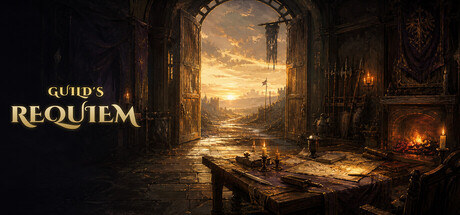
Guild's Requiem uses generative AI tools to create parts of its content during development. Visual assets — including card illustrations, character portraits, backgrounds, enemy artwork, and UI icons — were produced with AI image tools (Midjourney, Leonardo, Stable Diffusion, and DALL·E) and then reviewed, edited, and curated by the developer. Music and some sound effects were generated with AI audio tools (Udio and ElevenLabs). All AI-assisted content was checked and integrated by the developer, who has taken steps to ensure the shipped content is appropriate and does not infringe third-party rights. The game does not generate any content in real time; there is no AI running during gameplay.
Generative AI was used to assist in creating certain visual assets and concept art. All AI-generated content was reviewed, edited, and integrated by the developer into the final game.
This game uses AI-generated images, created with Stable Diffusion and similar tools, for card artwork, character portraits, backgrounds, and animated card videos. All AI-generated assets were reviewed and edited by the developer. No AI generates content during gameplay.
During the development process, we may use procedural- and AI-based tools to assist with content creation. In all such cases, the final product reflects the creativity and expression of our own development team.
Some pre-rendered visual artwork, store page imagery, and sound effects were created with the assistance of generative AI tools, then selected, edited, layered, and integrated by the developer. The game does not use live generative AI during gameplay.
LLMs were used during development as coding assistants and to help write the game's text and translations. No AI-generated images, audio, or video ship as assets, and no AI model runs during play.
I have updated the AI Content Survey to better reflect the content used in the game.
Some background images were created with the assistance of generative AI. A small number of player card artworks were also created using generative AI, but the majority of the cards were created without AI-generated artwork. Additionally, some promotional/store images contain AI-generated elements, while many others do not.
The AI-generated content is limited to certain visual assets and does not affect gameplay or game logic.
We use generative AI to help create this game. It's part of what lets a small team build a game like this. We believe in being transparent about the tools we use, but they're only tools. Every part of this game is reviewed, refined, and curated by our team to meet our creative vision and quality standards, and we hope you'll enjoy the game for the experience it delivers.
Good, honest call — AI-generated art means you disclose it, and Steam shows this text publicly on your page. Here's a clean, accurate disclosure message:
Some of the visual assets in this game (such as card artwork and illustrations) were created with the assistance of generative AI tools. All AI-generated content was reviewed and curated by the developer. The game's design, code, and gameplay are human-authored.
Some artwork and visual assets in this game were created with the assistance of generative AI tools during development.
No AI content is generated during gameplay.
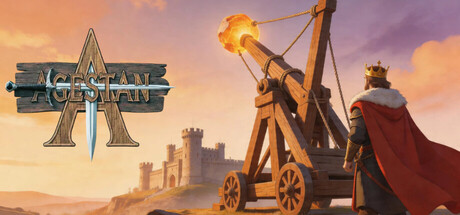
The basic concepts and raw assets for the characters and buildings in our 2D game, 'Agestan,' were created using AI tools. However, all AI-generated visuals have been significantly modified, manually refined, and hand-edited by the developer to ensure high quality and consistency with the game's unique art style. Additionally, AI tools were utilized for the promotional video, with the necessary editing performed by our team.
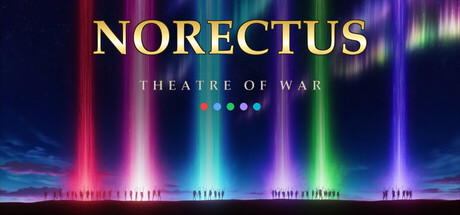
Some of the artwork currently in Norectus: Theatre of War was created with generative AI tools during development, including card art, in-game backgrounds, and store images. We use it as placeholder art so we can build, balance, and expand the game during Early Access. We are commissioning human artists and replacing this AI-generated art over time. Every AI-assisted asset is reviewed by our team before it goes into the game.
As a solo developer several of the art assets used during the development of the game are generated using AI models with art references. Should the game be successful it is my hope to slowly start using commissioned art.
Some pre-generated visual and audio assets were created or assisted with generative AI tools and then selected, edited, integrated, and reviewed by the developer. The game does not use live generative AI to create content during gameplay.
This game is made by a solo developer. To create a rich variety of cards on a small budget, AI was used to generate art assets for the game. All artwork was carefully reviewed and edited to achieve a consistent and high quality aesthetic.
As a solo developer, my focus right is on building a deep, balanced gameplay loop: an MMORPG where your equipment dictates the strength of your card deck. To allow me to focus purely on building the combat and RPG progression mechanics, all current in-game imagery (room scenes, sprites, portraits, HUD etc) uses AI-generated images (Google Gemini) that I have modified by hand to fit the game.
These are temporary placeholder assets. My goal is to eventually replace this placeholder art as the game's mechanics are finalized and the project grows.
Some of Gap Storm's assets — including card art, character/enemy avatars, table and background art, certain UI icons, and some audio — were created with the assistance of generative AI tools (Google Gemini) during development. These assets were reviewed, edited, curated, and integrated by the developer. Gap Storm does NOT generate any AI content live during gameplay; all AI-assisted content is pre-made and fixed in the build.
Spire of Legends uses generative AI as part of the development process for certain visual assets, sound effects, and localization content. AI-generated content is not used directly without review; assets and text are edited, refined, and integrated by the developer to meet the game's artistic and gameplay requirements. All game design, programming, mechanics, balance decisions, and overall creative direction are created by the developer.
This game's development uses generative AI tools in the following ways:
Image assets: generating some artwork and image materials (directed and curated by the developer; final design decisions and adjustments are made by a human).
Coding: assisting with implementation and development (design decisions and final code review are done by a human).
No content is generated by AI at runtime.
Generative AI is only used as a programming assistant (like code completion or text localization). It’s not used to create the art, audio, or other content that players actually see. Enemy AI and procedural map generation are done with traditional game logic, not generative AI. The art and audio released come from third-party licensed materials on itch.io, with credits given in-game. The game doesn’t call any generative AI services while running.
This game uses AI-generated and AI-assisted content as part of its creative process.
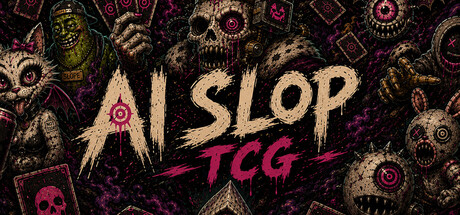
AI Slop: TCG exists because of a very specific idea: taking the weird, imperfect, grotesque, and absurd look of what people call “AI slop” and turning it into a roguelike card game full of satire, dark humor, and creatures that probably should not exist.
That is why AI has mainly been used to create and develop the creature illustrations for the cards. It is not an accidental extra or some hidden shortcut: it is part of the game’s concept, lore, and visual identity. Without that mutant digital-trash aesthetic, the project would lose a big part of what makes it work.
AI has also been used as support for visual ideation and production, which is especially important for a game being made by a solo developer.
The game does not generate AI content in real time during gameplay. All included content has been reviewed, selected, edited, and manually integrated by the developer.
Our team used generative AI tools to help develop some in-game card images and the images for our Steam Achievements. For any assets acquired from third-party artists, we were not always able to confirm whether generative AI was used in their creation. This is the full extent of our AI usage.
Generative AI tools were used only as programming assistance during development, such as code reference, debugging support, and workflow optimization. No player-facing art, story, audio, localization text, or gameplay content was generated by AI.
The developers utilize AI tools to assist in the initial concepting and intermediate rendering phases of certain 2D art assets, UI elements, and narrative cutscenes. However, all generated materials are heavily repainted, manually edited, and refined by our artists to ensure they align with the game's dark fantasy aesthetic. No raw, unedited AI generation is used in the final product. All core gameplay mechanics, level design, and technical systems are 100%
Some of this game's art assets were created with the assistance of generative AI tools during development, then hand-selected, edited, composited, and laid out by the developer before being integrated into the game. All AI-assisted content has been reviewed by the developer to ensure it contains no inappropriate or infringing material. No AI content is generated in real time during gameplay.
All background music used in this game are pre-generated offline AI audio assets sourced from Pixabay (static files only, no real-time generation). All materials fully comply with Pixabay’s free commercial use license with no copyright infringement issues. Full download records of these assets are retained, and there is no mandatory requirement to disclose specific AI generation tools.
Localized texts and tutorial content of the game are created with the assistance of AI tools. All AI-generated content has been reviewed for compliance.
The in-game music and soundtrack are created using Suno (generative AI). All visual art is produced procedurally through code. Development used an AI coding assistant (Claude), which is a development-efficiency tool; it does not generate any content live at runtime. No generative AI runs during gameplay.
Some visual assets in this game were created with the assistance of generative AI tools, then edited and integrated by the developer.
The game does not use live generative AI to generate content during gameplay.
During production we use generative AI in one narrow way: internal placeholders. Rough concept sketches and scratch voice lines hold a spot while the real assets are being made. Every placeholder is flagged in-engine, and none of it ships in the game players buy — the release version contains no generative AI content. Testers in early builds may spot flagged placeholders; that's what the flags are for. All art, writing, and voice work in the finished game is made by people. We know even placeholder use is a fair thing to question, so where we do use these tools, we aim for ones that license their training data and compensate the creators behind it.
In order to realize my childhood dream of building this game, I have leveraged AI in every step of the development process, augmenting my capabilities as an engineer and visual designer by having AI generate some of the sprites, music, sound effects, voices, and code used to build this game.
I pledge that if Card Knight: Astral Arcana is successful, the sequel title will be brought to life by a team of human artists, composers, and programmers.
Guild's Requiem uses generative AI tools to create parts of its content during development. Visual assets — including card illustrations, character portraits, backgrounds, enemy artwork, and UI icons — were produced with AI image tools (Midjourney, Leonardo, Stable Diffusion, and DALL·E) and then reviewed, edited, and curated by the developer. Music and some sound effects were generated with AI audio tools (Udio and ElevenLabs). All AI-assisted content was checked and integrated by the developer, who has taken steps to ensure the shipped content is appropriate and does not infringe third-party rights. The game does not generate any content in real time; there is no AI running during gameplay.
Generative AI was used to assist in creating certain visual assets and concept art. All AI-generated content was reviewed, edited, and integrated by the developer into the final game.
This game uses AI-generated images, created with Stable Diffusion and similar tools, for card artwork, character portraits, backgrounds, and animated card videos. All AI-generated assets were reviewed and edited by the developer. No AI generates content during gameplay.
During the development process, we may use procedural- and AI-based tools to assist with content creation. In all such cases, the final product reflects the creativity and expression of our own development team.
Some pre-rendered visual artwork, store page imagery, and sound effects were created with the assistance of generative AI tools, then selected, edited, layered, and integrated by the developer. The game does not use live generative AI during gameplay.
LLMs were used during development as coding assistants and to help write the game's text and translations. No AI-generated images, audio, or video ship as assets, and no AI model runs during play.
I have updated the AI Content Survey to better reflect the content used in the game.
Some background images were created with the assistance of generative AI. A small number of player card artworks were also created using generative AI, but the majority of the cards were created without AI-generated artwork. Additionally, some promotional/store images contain AI-generated elements, while many others do not.
The AI-generated content is limited to certain visual assets and does not affect gameplay or game logic.
We use generative AI to help create this game. It's part of what lets a small team build a game like this. We believe in being transparent about the tools we use, but they're only tools. Every part of this game is reviewed, refined, and curated by our team to meet our creative vision and quality standards, and we hope you'll enjoy the game for the experience it delivers.
Good, honest call — AI-generated art means you disclose it, and Steam shows this text publicly on your page. Here's a clean, accurate disclosure message:
Some of the visual assets in this game (such as card artwork and illustrations) were created with the assistance of generative AI tools. All AI-generated content was reviewed and curated by the developer. The game's design, code, and gameplay are human-authored.
Some artwork and visual assets in this game were created with the assistance of generative AI tools during development.
No AI content is generated during gameplay.
The basic concepts and raw assets for the characters and buildings in our 2D game, 'Agestan,' were created using AI tools. However, all AI-generated visuals have been significantly modified, manually refined, and hand-edited by the developer to ensure high quality and consistency with the game's unique art style. Additionally, AI tools were utilized for the promotional video, with the necessary editing performed by our team.
Some of the artwork currently in Norectus: Theatre of War was created with generative AI tools during development, including card art, in-game backgrounds, and store images. We use it as placeholder art so we can build, balance, and expand the game during Early Access. We are commissioning human artists and replacing this AI-generated art over time. Every AI-assisted asset is reviewed by our team before it goes into the game.
As a solo developer several of the art assets used during the development of the game are generated using AI models with art references. Should the game be successful it is my hope to slowly start using commissioned art.
Some pre-generated visual and audio assets were created or assisted with generative AI tools and then selected, edited, integrated, and reviewed by the developer. The game does not use live generative AI to create content during gameplay.
This game is made by a solo developer. To create a rich variety of cards on a small budget, AI was used to generate art assets for the game. All artwork was carefully reviewed and edited to achieve a consistent and high quality aesthetic.
As a solo developer, my focus right is on building a deep, balanced gameplay loop: an MMORPG where your equipment dictates the strength of your card deck. To allow me to focus purely on building the combat and RPG progression mechanics, all current in-game imagery (room scenes, sprites, portraits, HUD etc) uses AI-generated images (Google Gemini) that I have modified by hand to fit the game.
These are temporary placeholder assets. My goal is to eventually replace this placeholder art as the game's mechanics are finalized and the project grows.
Some of Gap Storm's assets — including card art, character/enemy avatars, table and background art, certain UI icons, and some audio — were created with the assistance of generative AI tools (Google Gemini) during development. These assets were reviewed, edited, curated, and integrated by the developer. Gap Storm does NOT generate any AI content live during gameplay; all AI-assisted content is pre-made and fixed in the build.
Spire of Legends uses generative AI as part of the development process for certain visual assets, sound effects, and localization content. AI-generated content is not used directly without review; assets and text are edited, refined, and integrated by the developer to meet the game's artistic and gameplay requirements. All game design, programming, mechanics, balance decisions, and overall creative direction are created by the developer.
This game's development uses generative AI tools in the following ways:
Image assets: generating some artwork and image materials (directed and curated by the developer; final design decisions and adjustments are made by a human).
Coding: assisting with implementation and development (design decisions and final code review are done by a human).
No content is generated by AI at runtime.
Generative AI is only used as a programming assistant (like code completion or text localization). It’s not used to create the art, audio, or other content that players actually see. Enemy AI and procedural map generation are done with traditional game logic, not generative AI. The art and audio released come from third-party licensed materials on itch.io, with credits given in-game. The game doesn’t call any generative AI services while running.
This game uses AI-generated and AI-assisted content as part of its creative process.
AI Slop: TCG exists because of a very specific idea: taking the weird, imperfect, grotesque, and absurd look of what people call “AI slop” and turning it into a roguelike card game full of satire, dark humor, and creatures that probably should not exist.
That is why AI has mainly been used to create and develop the creature illustrations for the cards. It is not an accidental extra or some hidden shortcut: it is part of the game’s concept, lore, and visual identity. Without that mutant digital-trash aesthetic, the project would lose a big part of what makes it work.
AI has also been used as support for visual ideation and production, which is especially important for a game being made by a solo developer.
The game does not generate AI content in real time during gameplay. All included content has been reviewed, selected, edited, and manually integrated by the developer.
Our team used generative AI tools to help develop some in-game card images and the images for our Steam Achievements. For any assets acquired from third-party artists, we were not always able to confirm whether generative AI was used in their creation. This is the full extent of our AI usage.
Generative AI tools were used only as programming assistance during development, such as code reference, debugging support, and workflow optimization. No player-facing art, story, audio, localization text, or gameplay content was generated by AI.
The developers utilize AI tools to assist in the initial concepting and intermediate rendering phases of certain 2D art assets, UI elements, and narrative cutscenes. However, all generated materials are heavily repainted, manually edited, and refined by our artists to ensure they align with the game's dark fantasy aesthetic. No raw, unedited AI generation is used in the final product. All core gameplay mechanics, level design, and technical systems are 100%
Some of this game's art assets were created with the assistance of generative AI tools during development, then hand-selected, edited, composited, and laid out by the developer before being integrated into the game. All AI-assisted content has been reviewed by the developer to ensure it contains no inappropriate or infringing material. No AI content is generated in real time during gameplay.
All background music used in this game are pre-generated offline AI audio assets sourced from Pixabay (static files only, no real-time generation). All materials fully comply with Pixabay’s free commercial use license with no copyright infringement issues. Full download records of these assets are retained, and there is no mandatory requirement to disclose specific AI generation tools.
Localized texts and tutorial content of the game are created with the assistance of AI tools. All AI-generated content has been reviewed for compliance.