








Disclosure
This game is basically generated by AI
- Creator
- zun
- Reviews
- -
- Added
- Aug 7, 2026
Public Steam disclosure research 25,394 disclosures tracked
Search developers’ Steam disclosures, compare classified AI use across games, and follow recorded changes. This index adds cross-game classifications and statistics to statements published on individual store pages.
Code help, debugging and other development work.
Capsule art, trailers and promotional material.
Pre-made art, audio, writing and other game assets.
Interactive or runtime AI features disclosed by the developer.
Groups reflect automatic analysis of public disclosures; mature records are excluded. These counts do not measure AI use across all of Steam. Missing or unclear statements cannot establish whether a game uses AI.
This game is basically generated by AI
I mostly use AI for debugging and I make it document my code for me. I've been using it for placeholder art but intend on replacing all, or at least most of them by release. I use it like a tool I can turn to for general tasks rather then a crutch that does everything.
"We utilized generative AI tools to assist in the creation of 2D art assets, including in-game enemy portraits, familiar graphics, and the background illustrations, banners, and logo artwork displayed on our Steam Store page and library graphics."
The developer uses generative AI tools during the development process to create pre-generated content. Specifically, Leonardo.ai was utilized to assist in the creation of promotional marketing artwork, concept art, images, and user interface buttons. Additionally, Suno was used to compose the game's background music and soundtracks. All AI-generated content is static, finalized prior to release, and integrated into the game build; the game does not feature any live or real-time AI generation during gameplay.
Some of Last Gambit's content was created with the help of generative AI tools. Specifically, part of the artwork for the pieces and skins was generated with AI and then reviewed and refined by us. We also used AI to assist with some cross-platform code porting. All of this content is generated during development. The game does not use generative AI during matches and does not create content in real time.
This game uses content created or assisted by generative AI. Generative AI was used to help create and edit some visual assets, music/sound materials, and scripts. All final content was reviewed, selected, and adjusted by the developer before being included in the game.
AI tools were used to assist in creating some of the code and game assets. Even so, every part of the game reflects the creator's vision and passion.
The key art on this store page, on the splash screen and on the menu cards was created using generative AI tools and then edited by hand. Nothing inside the game itself is AI-generated. Every visual in play is procedural — drawn by code at runtime — and all audio is ynthesised in real time. The build ships with no textures, no meshes, no sprites and no audio files.
Relyora is independently developed on a limited budget. Some visuals were created with AI assistance, then carefully selected, edited, and integrated by hand. No AI is used in real time. If the game finds an audience, revenue will be reinvested into working with professional artists.
Generative AI tools were used during development to assist with concept artwork, selected in-game visual assets, and portions of written content and code. All AI-assisted material was reviewed, curated, edited, and integrated by the developer. The game does not generate AI content during gameplay.
Some of this game's assets were made with the assistance of generative AI tools and were reviewed, curated and hand-finished by the developer. No content is generated while you play.
Generative AI tools were used during development to assist with portions of the game’s code, gameplay data, English and Korean text, visual assets—including card, character, monster, UI, and environment artwork—and the creation of music, ambience, and sound effects. All AI-assisted material was reviewed and selected by the developer, then edited or processed where appropriate, tested, and integrated into the game. The game does not use generative AI at runtime, and no player input or personal data is sent to generative AI services.
Death to Demons uses pre-generated AI-assisted content in some artwork, visual concepts, promotional images, and development/reference materials. All AI-assisted content used in the shipped game or Steam store materials is reviewed, selected, and edited by the developer before inclusion. The game does not use live generative AI during gameplay. No player prompts are used to generate in-game content.
Some of the game’s visual assets were created with the assistance of generative AI. All generated artwork is reviewed, edited, refined, and adapted by the development team to maintain a consistent visual identity and ensure that it matches the game’s artistic direction and design choices. This approach was necessary due to the high cost of commissioning the full amount of artwork required from one or more professional artists or illustrators. Using AI-assisted tools helped keep the project financially viable, speed up production, and bring the game to players sooner while preserving a cohesive and recognizable style.
Pre-generated only. Generative AI assisted in creating some art, music, SFX, and localization during development, all developer-reviewed. No live AI content in the shipped game.
Generative AI tools were used during development to create and refine some pre-generated visual assets, including concept art, character and environment models, textures, animations, UI artwork, icons, visual effects, and selected store or marketing images. All such assets were reviewed and edited by the developer. The game does not generate AI content during gameplay and does not connect to external AI services while running.
A few generated placeholder pixel art icons that will hopefully be gone by the time of the full official release.
I have used generative AI for some parts or sections of the trailer creation and some voices or images used inside the game itself. All the code and inner workings of the game have been created by a person.
Code generation and quality assurance testing/reporting.
Emergence uses generative AI as a development tool. It has been used to assist in the creation of certain visual assets (illustrations, icons, and concept art), text, and to help with software development and feature prototyping. All content included in the game is reviewed, edited, approved, and ultimately authored by the developer. Generative AI is not used to create player-facing content during gameplay unless explicitly stated in the game's feature descriptions.
Some pre-created content in SPELLSTEEL was developed with the assistance of generative AI as part of a human-directed creative process. SPELLSTEEL does not use generative AI to generate gameplay content or player-facing content in real time.
Some card illustrations were created with the assistance of generative AI during development, then selected, edited, and integrated by the developer. No AI-generated content is created during gameplay.
This game uses content created or assisted by generative AI. Generative AI was used to help create and edit some visual assets, music/sound materials, and scripts. All final content was reviewed, selected, and adjusted by the developer before being included in the game.
Loot Survivors is made by one person. I use generative AI as a production tool so that a solo developer can deliver the quality and the update pace players expect. It helps me with things like concept art and texture work, UI icons, and item and flavor text. Every generated asset is reviewed, edited, and hand-integrated by me — AI output is a starting point, never a finished asset. The game's design, systems, balance, and code direction are my own work. Nothing is generated while you play. All content ships inside the build.
Pre-generated generative AI tools were used during production to create or assist with 2D artwork, animation assets, music, and sound effects. All AI-assisted content is selected, edited as needed, and integrated by the developer. The game does not generate content during gameplay.
Generative AI was used for text proofreading on the Steam store page and to assist in creating Steam capsule artwork.
Steam page localized via AI. Everything else has been human-made.
Generative AI tools (img2img / AI styling) were used to enhance and stylize original, hand-created base artwork and concept sketches into finalized high-fidelity assets.
Some pre-generated 2D artwork, character portraits, branding, and marketing assets were created using generative AI tools and subsequently selected, edited, and integrated by the developer. The game does not use live-generated AI content during gameplay.
Some visual assets (character portraits, dice, and background pixel art) were created with the assistance of generative AI tools and were then curated and edited by the developer. The soundtrack was created with Suno under a paid commercial license. All AI-assisted content was reviewed and finalized by the developer. The game does not generate any content with AI at runtime.
Generative AI was used during development to assist in creating selected pre-rendered visual assets, including character and boss artwork. These assets were reviewed, edited, animated, and integrated by the developer. Star Claw does not generate content using AI while the game is running.
Pre-generated content. Character portraits, spell and keyword icons, and store artwork were produced using AI image generation tools, then selected, edited and assembled by the developer. Some in-game text was drafted with AI assistance and edited by the developer. Music and sound effects are licensed from human creators. No content is generated live while the game is running.
Generative AI was used during development as a supporting tool to create secondary assets and assist with text revision. All AI-generated content was manually reviewed, edited, and integrated into the game engine to ensure the project's visual and gameplay consistency.
Parts of this game's audio and art were produced with generative AI tools and then reviewed, edited and finished by hand before shipping: - Music: the background tracks were generated with an AI music tool (Suno) from our own briefs, then selected, trimmed, loudness-matched and looped by hand. - Sound effects: part of the SFX layers were generated with an AI audio tool (ElevenLabs) and combined with locally synthesised layers, then mixed and balanced by hand. - Visual effects and some enemy animation frames were AI-assisted and then corrected frame by frame against our approved art direction. - The marketing key art used for the store capsules and library artwork was generated with an AI image tool, using our own approved character art and real in-game screenshots as references. The trailer narration voice is AI-generated. No generative AI runs while you play: nothing is generated at runtime, and the game never sends your data to an AI service. All game design, code, Chinese text, card and character data, the decomposition data behind the composing system, the interface and the calligraphy fonts are human-authored. Every screenshot and all gameplay footage is captured from the real build.
Used to assist with the codebase that runs this game.
The promotional pictures for the store were generated by AI, while there is no AI-generated content within the game.
AI was used to create character art, splashes, and maps. Includes additional music and codes.
Ai was used to develop the code, artwork, various events, and dialogue in the game. Most player-facing text was reviewed by humans and many of the events and conversations were approved, improved, or rewritten by humans. There is no run-time AI usage, everything was created before the game runs, only standard computer actions are done at runtime. ex. selections and randomization of existing content.
Regent City uses generative AI in parts of its production pipeline, including some character artwork and voice performances. All shipped assets are selected, edited, and art-directed by the solo developer to maintain a consistent visual and narrative identity.
Some pre-generated artwork and visual assets used in the game and its store and marketing materials were created with generative AI tools, then selected, edited, and integrated by the development team. The game does not generate AI content during gameplay and does not connect to external AI services while you play.
This game uses generative AI tools to assist with the creation of visual art, written text, and audio, all reviewed and curated by the developer.
All game design, gameplay systems, worldbuilding, story, characters, progression systems, and creative direction were conceived, created, and directed by the development team. AI-assisted tools were used to support asset production, not to create the game's design, story, or gameplay. No artist names, living artists, or copyrighted characters were used as prompts to imitate specific creators, intellectual property, or art styles. This game contains pre-generated content created with the assistance of generative AI. AI-assisted tools were used during development to create certain visual assets, voice performances, video content, and sound effects that are included in the game and its marketing materials. The game does not use live-generated AI content. All AI-assisted content was reviewed, selected, edited, and integrated by the development team before being included in the final product.
This game uses AI-generated voice acting. All character voices were synthesized with ElevenLabs using original text prompts and original scripts written for this game. No real person's voice was cloned, recorded, or used as source material. Some creature and ambient sound effects are also AI-generated. All audio is pre-generated and ships with the game; nothing is generated at runtime.
Some of the game's visual assets — both 2D and 3D — are built from AI-generated drafts that our artists rework and refine by hand into their final form. Localization was drafted with AI tools and edited by the team. The final look, content, and quality of every element of the game are defined and approved by humans.
Logo refined using AI
While a vast majority of Gloomhallow was human created, it was created by a solo developer (single person) - AI assisted in very specific fields such as; - C# Coding - SFX Generation - OST Creation - Very select UI Animations
Generative AI tools were used during the development of The Five Monks as follows: - Illustrations, icons, and in-game object art: initial images were generated with AI tools, then revised and finalized by hand by the development team. These edited assets ship with the game. - Creature and character concepts: AI outputs were used as visual reference only. The final in-game art was recreated from scratch by the development team to fit the game's art direction. - Store page text: portions were drafted with AI assistance and then edited by the team. The game's music was composed by the development team without generative AI.
AI tools were used during development to assist in the creation of some pre-generated content included in the game. All such content was reviewed, curated, and edited by the developer before inclusion. Some 2D sprites, icons, and key art were created with the assistance of generative AI tools. Music and sound effects were also created with the assistance of AI audio tools. Localization for languages other than English was produced with AI assistance and reviewed by the developer. The game does not use generative AI at runtime and does not generate any live AI content during gameplay.
This game includes pre-generated content made with the assistance of generative AI tools during development. AI tools were used to help create and iterate some static story illustrations, character and store-art references, voice and sound-effect materials, texture details, copy polishing, and localization drafts. All such content is selected, edited, assembled, and manually reviewed by the developer before shipping. The game does not connect to a live generative AI service during play and does not generate new player-facing AI content at runtime.
Generative AI tools were used throughout development to assist in creating and refining game code, 2D artwork, UI assets, audio, music, and written content, and Steam promotional materials. All AI-assisted content included in the released product is selected, reviewed, integrated, and tested by the developer. The game does not use generative AI at runtime and does not generate content or code during gameplay.
| Title⇅ | Disclosure | Creator⇅ | Src | Reviews⇅ | Added↓ |
|---|---|---|---|---|---|
 Pay the House Unclear | This game is basically generated by AI | zun | - | Aug 7, 2026 | |
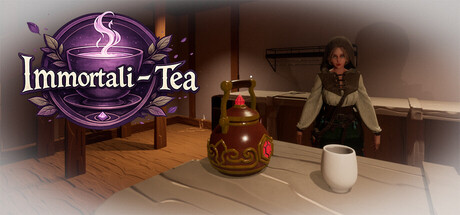 Immortalitea Dev only codeart | I mostly use AI for debugging and I make it document my code for me. I've been using it for placeholder art but intend on replacing all, or at least most of them by release. I use it like a tool I can turn to for general tasks rather then a crutch that does everything. | CronicGames | - | Aug 7, 2026 | |
 Crimson Engines In-game content art | "We utilized generative AI tools to assist in the creation of 2D art assets, including in-game enemy portraits, familiar graphics, and the background illustrations, banners, and logo artwork displayed on our Steam Store page and library graphics." | Alphasin | - | Aug 7, 2026 | |
 Holy Warriors : The Rift In-game content artaudio | The developer uses generative AI tools during the development process to create pre-generated content. Specifically, Leonardo.ai was utilized to assist in the creation of promotional marketing artwork, concept art, images, and user interface buttons. Additionally, Suno was used to compose the game's background music and soundtracks. All AI-generated content is static, finalized prior to release, and integrated into the game build; the game does not feature any live or real-time AI generation during gameplay. | Giovanni Perrone | - | Aug 7, 2026 | |
 Last Gambit In-game content artcode | Some of Last Gambit's content was created with the help of generative AI tools. Specifically, part of the artwork for the pieces and skins was generated with AI and then reviewed and refined by us. We also used AI to assist with some cross-platform code porting.
All of this content is generated during development. The game does not use generative AI during matches and does not create content in real time. | Mads | - | Aug 7, 2026 | |
 Road to FIRE In-game content artaudiotext | This game uses content created or assisted by generative AI. Generative AI was used to help create and edit some visual assets, music/sound materials, and scripts. All final content was reviewed, selected, and adjusted by the developer before being included in the game. | P.E.G | - | Aug 7, 2026 | |
 Grimsorrow Academy In-game content codeart | AI tools were used to assist in creating some of the code and game assets. Even so, every part of the game reflects the creator's vision and passion. | Tadeo Interactive | - | Aug 7, 2026 | |
 DICEBONE In-game content art | The key art on this store page, on the splash screen and on the menu cards was created using generative AI tools and then edited by hand. Nothing inside the game itself is AI-generated. Every visual in play is procedural — drawn by code at runtime — and all audio is ynthesised in real time. The build ships with no textures, no meshes, no sprites and no audio files. | VOXELMANA | - | Aug 6, 2026 | |
 Rélyora In-game content art | Relyora is independently developed on a limited budget. Some visuals were created with AI assistance, then carefully selected, edited, and integrated by hand. No AI is used in real time. If the game finds an audience, revenue will be reinvested into working with professional artists. | Steal | - | Aug 5, 2026 | |
 Ember Covenant In-game content arttextcode | Generative AI tools were used during development to assist with concept artwork, selected in-game visual assets, and portions of written content and code. All AI-assisted material was reviewed, curated, edited, and integrated by the developer. The game does not generate AI content during gameplay. | UAB Dimetris | - | Aug 5, 2026 | |
 Verlicia Saga In-game content art | Some of this game's assets were made with the assistance of generative AI tools and were reviewed, curated and hand-finished by the developer. No content is generated while you play. | Meridian Studios | - | Aug 5, 2026 | |
 Card&Dungeon In-game content arttextaudio | Generative AI tools were used during development to assist with portions of the game’s code, gameplay data, English and Korean text, visual assets—including card, character, monster, UI, and environment artwork—and the creation of music, ambience, and sound effects.
All AI-assisted material was reviewed and selected by the developer, then edited or processed where appropriate, tested, and integrated into the game. The game does not use generative AI at runtime, and no player input or personal data is sent to generative AI services. | SDBD Studio | - | Aug 5, 2026 | |
 Death to Demons In-game content art | Death to Demons uses pre-generated AI-assisted content in some artwork, visual concepts, promotional images, and development/reference materials. All AI-assisted content used in the shipped game or Steam store materials is reviewed, selected, and edited by the developer before inclusion.
The game does not use live generative AI during gameplay. No player prompts are used to generate in-game content. | Stabalot Games LLC | - | Aug 5, 2026 | |
 Mercenary Guild Manager In-game content art | Some of the game’s visual assets were created with the assistance of generative AI. All generated artwork is reviewed, edited, refined, and adapted by the development team to maintain a consistent visual identity and ensure that it matches the game’s artistic direction and design choices.
This approach was necessary due to the high cost of commissioning the full amount of artwork required from one or more professional artists or illustrators. Using AI-assisted tools helped keep the project financially viable, speed up production, and bring the game to players sooner while preserving a cohesive and recognizable style. | Code Dunamis | - | Aug 5, 2026 | |
 Harvest Them In-game content artaudiotext | Pre-generated only. Generative AI assisted in creating some art, music, SFX, and localization during development, all developer-reviewed. No live AI content in the shipped game. | FromDown Games | - | Aug 5, 2026 | |
 Hook Party Arena In-game content art | Generative AI tools were used during development to create and refine some pre-generated visual assets, including concept art, character and environment models, textures, animations, UI artwork, icons, visual effects, and selected store or marketing images. All such assets were reviewed and edited by the developer. The game does not generate AI content during gameplay and does not connect to external AI services while running. | Hook Party Arena | - | Aug 5, 2026 | |
 aimRPG In-game content art | A few generated placeholder pixel art icons that will hopefully be gone by the time of the full official release. | crin | - | Aug 5, 2026 | |
 Voxel Gambit In-game content artaudio | I have used generative AI for some parts or sections of the trailer creation and some voices or images used inside the game itself. All the code and inner workings of the game have been created by a person. | Old Knight Studio | - | Aug 5, 2026 | |
 EmergenHex Dev only code | Code generation and quality assurance testing/reporting. | Limited Input LLC | - | Aug 4, 2026 | |
 Emergence In-game content arttextcode | Emergence uses generative AI as a development tool. It has been used to assist in the creation of certain visual assets (illustrations, icons, and concept art), text, and to help with software development and feature prototyping.
All content included in the game is reviewed, edited, approved, and ultimately authored by the developer. Generative AI is not used to create player-facing content during gameplay unless explicitly stated in the game's feature descriptions. | Katagena Labs | - | Aug 4, 2026 | |
 Spellsteel In-game content arttext | Some pre-created content in SPELLSTEEL was developed with the assistance of generative AI as part of a human-directed creative process. SPELLSTEEL does not use generative AI to generate gameplay content or player-facing content in real time. | Kharadum Studios | - | Aug 4, 2026 | |
 魔王诛杀 In-game content art | Some card illustrations were created with the assistance of generative AI during development, then selected, edited, and integrated by the developer. No AI-generated content is created during gameplay. | Linqi Jiang | - | Aug 4, 2026 | |
 謎好きサンタからの挑戦状 In-game content artaudiotext | This game uses content created or assisted by generative AI. Generative AI was used to help create and edit some visual assets, music/sound materials, and scripts. All final content was reviewed, selected, and adjusted by the developer before being included in the game. | P.E.G | - | Aug 4, 2026 | |
 Loot Survivors In-game content arttext | Loot Survivors is made by one person.
I use generative AI as a production tool so that a solo developer can deliver the quality and the update pace players expect. It helps me with things like concept art and texture work, UI icons, and item and flavor text.
Every generated asset is reviewed, edited, and hand-integrated by me — AI output is a starting point, never a finished asset. The game's design, systems, balance, and code direction are my own work.
Nothing is generated while you play. All content ships inside the build. | Banana | - | Aug 4, 2026 | |
 Escape the Umbra In-game content artaudio | Pre-generated generative AI tools were used during production to create or assist with 2D artwork, animation assets, music, and sound effects. All AI-assisted content is selected, edited as needed, and integrated by the developer. The game does not generate content during gameplay. | Tyborg | - | Aug 4, 2026 | |
 Broken Dagger Store/marketing textart | Generative AI was used for text proofreading on the Steam store page and to assist in creating Steam capsule artwork. | Electro Soul Games | - | Aug 4, 2026 | |
 Heretic's Fork - RAPTURE In-game content text | Steam page localized via AI. Everything else has been human-made. | 9FingerGames | - | Aug 4, 2026 | |
 Nightmare Owl In-game content art | Generative AI tools (img2img / AI styling) were used to enhance and stylize original, hand-created base artwork and concept sketches into finalized high-fidelity assets. | Backbreaker games | - | Aug 3, 2026 | |
 RuinsEnd Store/marketing art | Some pre-generated 2D artwork, character portraits, branding, and marketing assets were created using generative AI tools and subsequently selected, edited, and integrated by the developer. The game does not use live-generated AI content during gameplay. | Dungeon Builder Studios | - | Aug 2, 2026 | |
 Lucky Hell In-game content artaudio | Some visual assets (character portraits, dice, and background pixel art) were created with the assistance of generative AI tools and were then curated and edited by the developer. The soundtrack was created with Suno under a paid commercial license. All AI-assisted content was reviewed and finalized by the developer. The game does not generate any content with AI at runtime. | Sinful Dice | - | Aug 2, 2026 | |
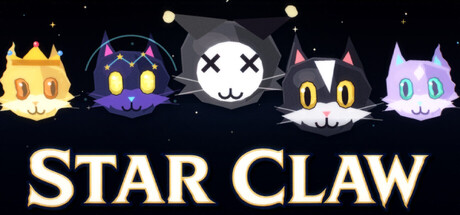 Star Claw In-game content art | Generative AI was used during development to assist in creating selected pre-rendered visual assets, including character and boss artwork. These assets were reviewed, edited, animated, and integrated by the developer. Star Claw does not generate content using AI while the game is running. | Lost Games | - | Aug 2, 2026 | |
 BIS In-game content arttext | Pre-generated content. Character portraits, spell and keyword icons, and store artwork were produced using AI image generation tools, then selected, edited and assembled by the developer. Some in-game text was drafted with AI assistance and edited by the developer. Music and sound effects are licensed from human creators. No content is generated live while the game is running. | Sward Solutions AB | - | Aug 2, 2026 | |
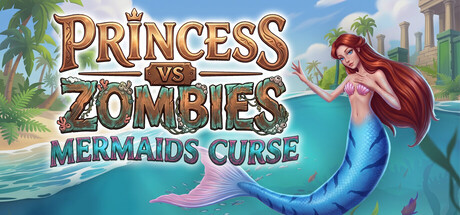 Princess Vs Zombies: Mermaid Curse In-game content arttext | Generative AI was used during development as a supporting tool to create secondary assets and assist with text revision. All AI-generated content was manually reviewed, edited, and integrated into the game engine to ensure the project's visual and gameplay consistency. | Mermie Studio | - | Aug 2, 2026 | |
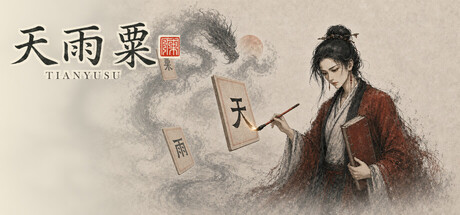 天雨粟 In-game content audioart | Parts of this game's audio and art were produced with generative AI tools and then reviewed, edited and finished by hand before shipping:
- Music: the background tracks were generated with an AI music tool (Suno) from our own briefs, then selected, trimmed, loudness-matched and looped by hand.
- Sound effects: part of the SFX layers were generated with an AI audio tool (ElevenLabs) and combined with locally synthesised layers, then mixed and balanced by hand.
- Visual effects and some enemy animation frames were AI-assisted and then corrected frame by frame against our approved art direction.
- The marketing key art used for the store capsules and library artwork was generated with an AI image tool, using our own approved character art and real in-game screenshots as references. The trailer narration voice is AI-generated.
No generative AI runs while you play: nothing is generated at runtime, and the game never sends your data to an AI service.
All game design, code, Chinese text, card and character data, the decomposition data behind the composing system, the interface and the calligraphy fonts are human-authored. Every screenshot and all gameplay footage is captured from the real build. | 犬次郎 | - | Aug 1, 2026 | |
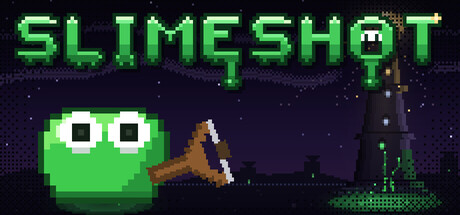 Slimeshot Dev only code | Used to assist with the codebase that runs this game. | devoidsloth | - | Aug 1, 2026 | |
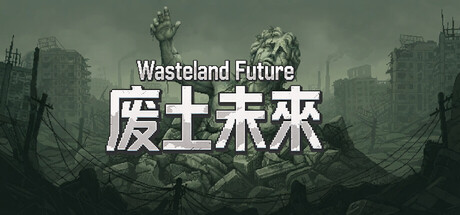 Wasteland Future Store/marketing art | The promotional pictures for the store were generated by AI, while there is no AI-generated content within the game. | 1029studio | - | Aug 1, 2026 | |
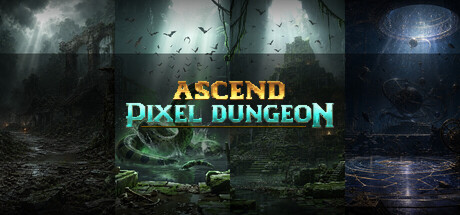 Ascend Pixel Dungeon In-game content artaudiocode | AI was used to create character art, splashes, and maps. Includes additional music and codes. | Heaven's door | - | Aug 1, 2026 | |
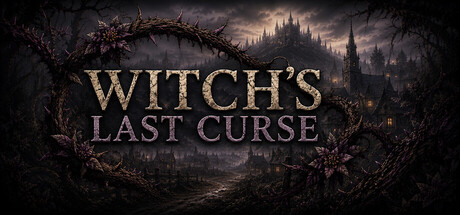 Witch's Last Curse In-game content arttextcode | Ai was used to develop the code, artwork, various events, and dialogue in the game. Most player-facing text was reviewed by humans and many of the events and conversations were approved, improved, or rewritten by humans. There is no run-time AI usage, everything was created before the game runs, only standard computer actions are done at runtime. ex. selections and randomization of existing content. | Granitefire Games | - | Aug 1, 2026 | |
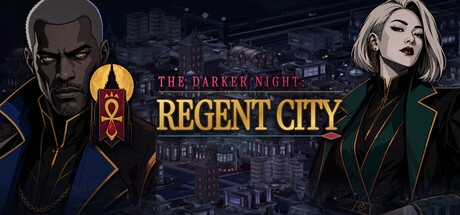 The Darker Night: Regent City In-game content artaudio | Regent City uses generative AI in parts of its production pipeline, including some character artwork and voice performances. All shipped assets are selected, edited, and art-directed by the solo developer to maintain a consistent visual and narrative identity. | Spinnerzeit | - | Aug 1, 2026 | |
 Re:BirthStone ~誕生石物語~ In-game content art | Some pre-generated artwork and visual assets used in the game and its store and marketing materials were created with generative AI tools, then selected, edited, and integrated by the development team. The game does not generate AI content during gameplay and does not connect to external AI services while you play. | Re:BirthStone Project | - | Aug 1, 2026 | |
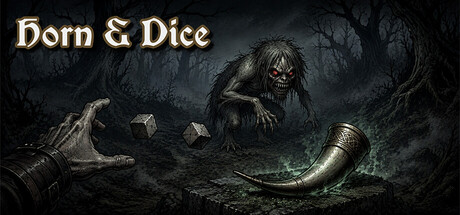 Horn & Dice In-game content arttextaudio | This game uses generative AI tools to assist with the creation of visual art, written text, and audio, all reviewed and curated by the developer. | NookCrew | - | Aug 1, 2026 | |
 Duskfire In-game content artaudio | All game design, gameplay systems, worldbuilding, story, characters, progression systems, and creative direction were conceived, created, and directed by the development team. AI-assisted tools were used to support asset production, not to create the game's design, story, or gameplay.
No artist names, living artists, or copyrighted characters were used as prompts to imitate specific creators, intellectual property, or art styles.
This game contains pre-generated content created with the assistance of generative AI.
AI-assisted tools were used during development to create certain visual assets, voice performances, video content, and sound effects that are included in the game and its marketing materials.
The game does not use live-generated AI content. All AI-assisted content was reviewed, selected, edited, and integrated by the development team before being included in the final product. | Benevolent Bash | - | Aug 1, 2026 | |
 Bloodlust & Harmony In-game content audio | This game uses AI-generated voice acting. All character voices were synthesized with ElevenLabs using original text prompts and original scripts written for this game. No real person's voice was cloned, recorded, or used as source material. Some creature and ambient sound effects are also AI-generated. All audio is pre-generated and ships with the game; nothing is generated at runtime. | Cyber Mouse | - | Aug 1, 2026 | |
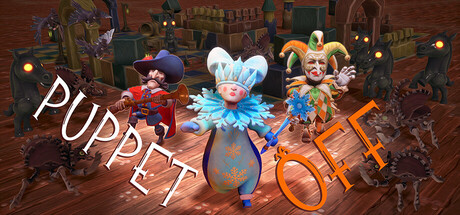 PuppetOFF In-game content arttext | Some of the game's visual assets — both 2D and 3D — are built from AI-generated drafts that our artists rework and refine by hand into their final form. Localization was drafted with AI tools and edited by the team. The final look, content, and quality of every element of the game are defined and approved by humans. | Feral Node Games | - | Aug 1, 2026 | |
 Les Bones Store/marketing art | Logo refined using AI | supertete337 | - | Jul 31, 2026 | |
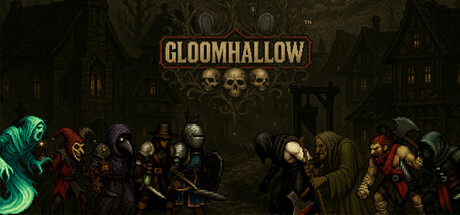 Gloomhallow In-game content artaudiocode | While a vast majority of Gloomhallow was human created, it was created by a solo developer (single person) - AI assisted in very specific fields such as;
- C# Coding
- SFX Generation
- OST Creation
- Very select UI Animations | Paragon 3D Studios LTD. | - | Jul 31, 2026 | |
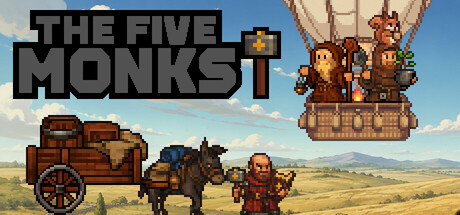 The Five Monks In-game content arttext | Generative AI tools were used during the development of The Five Monks as follows:
- Illustrations, icons, and in-game object art: initial images were generated with AI tools, then revised and finalized by hand by the development team. These edited assets ship with the game.
- Creature and character concepts: AI outputs were used as visual reference only. The final in-game art was recreated from scratch by the development team to fit the game's art direction.
- Store page text: portions were drafted with AI assistance and then edited by the team.
The game's music was composed by the development team without generative AI. | Mad Goblins | - | Jul 31, 2026 | |
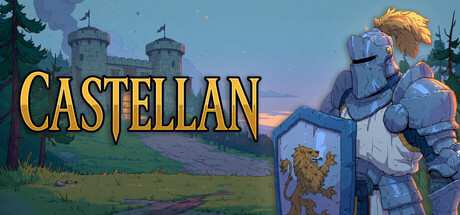 Castellan In-game content artaudiotext | AI tools were used during development to assist in the creation of some pre-generated content included in the game. All such content was reviewed, curated, and edited by the developer before inclusion. Some 2D sprites, icons, and key art were created with the assistance of generative AI tools. Music and sound effects were also created with the assistance of AI audio tools. Localization for languages other than English was produced with AI assistance and reviewed by the developer. The game does not use generative AI at runtime and does not generate any live AI content during gameplay. | Bozalt Games | - | Jul 31, 2026 | |
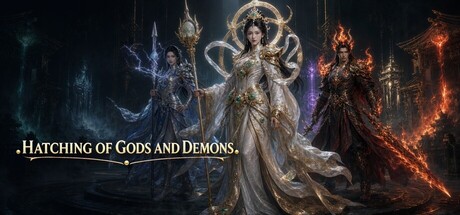 神魔孵化 In-game content artaudiotext | This game includes pre-generated content made with the assistance of generative AI tools during development. AI tools were used to help create and iterate some static story illustrations, character and store-art references, voice and sound-effect materials, texture details, copy polishing, and localization drafts. All such content is selected, edited, assembled, and manually reviewed by the developer before shipping. The game does not connect to a live generative AI service during play and does not generate new player-facing AI content at runtime. | FunPlaceGame | - | Jul 30, 2026 | |
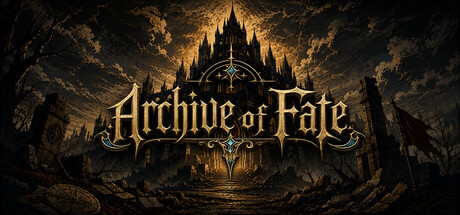 Archive of Fate In-game content artaudiotextcode | Generative AI tools were used throughout development to assist in creating and refining game code, 2D artwork, UI assets, audio, music, and written content, and Steam promotional materials. All AI-assisted content included in the released product is selected, reviewed, integrated, and tested by the developer. The game does not use generative AI at runtime and does not generate content or code during gameplay. | whitefir | - | Jul 30, 2026 |


