








Disclosure
Grok, Suno, and PixelLab were used in the creation of this game.
- Creator
- Vessel Interactive Studio
- Reviews
- -
- Added
- Jun 3, 2026
Public Steam disclosure research 25,380 disclosures tracked
Search developers’ Steam disclosures, compare classified AI use across games, and follow recorded changes. This index adds cross-game classifications and statistics to statements published on individual store pages.
Code help, debugging and other development work.
Capsule art, trailers and promotional material.
Pre-made art, audio, writing and other game assets.
Interactive or runtime AI features disclosed by the developer.
Groups reflect automatic analysis of public disclosures; mature records are excluded. These counts do not measure AI use across all of Steam. Missing or unclear statements cannot establish whether a game uses AI.
Grok, Suno, and PixelLab were used in the creation of this game.
Used for creating the game banner
AI tools were used only for creating promotional visual materials.
Built solo with Cursor AI, Realmlords is a one-developer passion project: an action roguelite forged through rapid iteration, creative experimentation, and nonstop refinement from a single creator’s vision. Over 2 years in the making.
AI was used to make this game.
Game design, code, mechanics, gameplay systems, sprites, and writing are entirely human-made. All AI-generated assets were reviewed, edited, composed, and integrated manually by the developer. No AI content is generated at runtime — every asset is pre-authored and curated. Generative AI was used in the creation of: Marketing and store page artwork (capsules, banners, hero, logo) In-game background art, sprites directions Music tracks
Some graphics (including certain illustrations and character elements) were created using generative AI
Some visual assets in Demon Ark: Idle RPG were created with the assistance of generative AI, including monster artwork, item and equipment icons, background images, and Steam store marketing assets such as capsule images and logo artwork. Unit character graphics and UI assets were produced separately as non-AI commissioned/manual artwork. All AI-assisted assets are reviewed, selected, and edited before being included in the game or store page. The game does not generate AI content during gameplay and does not connect to external AI services while running.
This game includes some visual and audio contents created with the assistance of generative A.I. All content included in the final release was curated, edited, and integrated by the developer as part of the creative process. The game engine and logic is 100% human created.
This game utilizes pre-generated AI content across multiple disciplines, including visual assets, code optimization, and audio design. These tools were used strictly to assist a solo developer in the production process. All AI-assisted assets have been thoroughly vetted to ensure they adhere to copyright and intellectual property standards, and no live-generation tools are present in the build.
Generative AI was used to develop a portion of the content of this game. Specifically it was used for development assistance, some music and art assets.
AI was used to generate a few minor quest item icons. All other assets, code, and character designs are handcrafted or licensed.
Music in the game has been generated using AI tools.
Some background images were expanded to fit higher resolutions with the assistance of generative AI tools. All core content and gameplay experiences were designed and created by the developer.
We used AI for the game store page. And AI tools for the game development.
TRANSLATIONS in store page and in-game have been generated with artificial intelligence. These translations are FULLY OPTIONAL to use and you can experience the full game without any artificial intelligence by playing in the English language. I wanted to give people the possibility to experience the game in their native language, which is why this decision was made.
This game uses generative AI to assist with the creation of pixel art assets (character sprites, projectiles, icons, capsule art) and to support code development. All generated content was reviewed, integrated, and finalized by the developer. No AI is used at runtime — every asset is pre-generated and baked into the build. No player data is sent to AI services during gameplay.
As a solo developer, I used every tool available to bring Dungeon Dash to life. The game design, mechanics, storyline, and level designs are entirely original, conceived long before AI tools entered the picture. The artwork combines hand drawn, stock, and AI generated assets, all of which have been further modified and animated by hand to fit the vision of the game.
part of the images and videos generated by ai tools, there is no realtime ai in the game.
Generative AI tools were used to assist with creating promotional artwork. Character artwork used in promotional images is based on the game's actual 3D character models and visual designs. All gameplay screenshots shown on the store page are captured from the actual in-game build and are not AI-generated or composited. The game does not use live generative AI during gameplay, and no gameplay content is generated dynamically by AI while the player is playing.
Generative AI was used to create artwork for the game, including visual assets seen by players and/or promotional materials. All AI-generated artwork was reviewed, selected, and edited by the developer before inclusion. The game does not generate AI content live during gameplay.
Some visual and audio assets in this game were generated with the assistance of AI tools. The developer has reviewed, selected, and where necessary edited all AI-generated content. Creative direction, game design, and all core development work were performed by the developer.
The texts were translated using artificial intelligence.
Some music tracks in IconicQuest are generated using AI based on the developer's creative direction and prompts, then curated and edited for in-game use. Some sound effects are generated using AI. Promotional artwork on the Steam store page (capsule images) was generated with AI image tools as a creative starting point, then edited, composited with hand-crafted typography, and color-corrected by the developer in post-production. All in-game artwork, character sprites, tiles, environments, UI elements, and animations, is created entirely by the developer in Aseprite or sourced from art professionals. No AI is used for in-game pixel art. All in-game text content (quest dialogue, item names, NPC scripts, lore, and tutorials) is written by the developer and AI. No live AI generation occurs during gameplay. All AI-assisted content is finalized and shipped as static assets.
This game uses generative AI for the following elements during development: Visual assets (character, tile, and effect images, title screen artwork, and Steam store assets): Nano Banana Pro (Google Gemini 3 Pro Image) and Qwen Image Edit Map structure and in-game text in general (proper nouns, messages, etc.): Anthropic Claude All generated assets are reviewed by the developer before use, with care taken to avoid intentional reproduction or imitation of third-party copyrighted works.
GeneWorld uses generative AI for dynamic NPC interactions and adaptive dialogue systems. NPC responses, quest interactions, trading behavior, and temporary buffs may be generated in real time based on player conversations. All AI-generated content is moderated and restricted from generating inappropriate or harmful content.
This game includes some content created with the assistance of generative AI tools, including limited portions of code and certain visual assets. All AI‑assisted content has been strictly reviewed, edited, and integrated by the developer to ensure quality, consistency and used only as supportive resources.
Translate text content with AI
Generative AI tools were used as supportive assistance in the creation of certain promotional materials, concept art, temporary text, and marketing content during development. All final in-game content is manually reviewed, edited, and integrated by the development team.
The capsule art includes developer-created imagery that was enhanced and polished using generative AI tools.
Some 3D models and textures were created with the assistance of AI generation tools and then manually refined and integrated into the game.
AI tools were used as part of the development process for Tenebrix, primarily to assist with early concept exploration, visual ideation, and asset prototyping. These tools helped accelerate iteration during the design phase, allowing for rapid testing of themes, compositions, and stylistic direction. All AI-assisted content was reviewed, refined, and integrated manually to ensure consistency with the game’s vision and quality standards. Final assets, gameplay systems, and overall design were shaped through hands-on development and creative direction. AI was used as a tool to support development—not as a replacement for it.
This game uses generative AI to create certain visual assets, such as images used in the opening and ending sequences. All AI-generated content is pre-rendered and does not affect gameplay.
Some icons, some textures, Some quest descriptions, voices
Dungeons of Desolation Remastered is based on my original 2012 Xbox Live Indie Games release. The original artwork, music, sound effects, code, game design, story, systems, and overall creative direction were created by me as an individual developer. For this remastered PC version, I have used generative AI tools as part of the development process to assist with asset upscaling/enhancement and with porting/refactoring the original XNA codebase to a modern MonoGame version. AI-assisted work is reviewed, edited, and integrated by me. Generative AI is not used to dynamically generate gameplay, story, dialogue, items, levels, or player-facing content at runtime.
AI is used to enhance images, icons, artwork, and UI elements by applying filters and visual refinements to assets we originally created ourselves.
Some visual assets and concept art were created or assisted using AI tools during development. Everything has been reviewed and refined by the developer to match the game’s style and quality.
AI tools were used to generate a small number of character portraits, sprite drafts, and some sound effect assets during development. All AI-generated content was reviewed, edited, and integrated by the development team.
Since I’m mostly developing this game on my own, I couldn’t have done it without a little help from AI. Portraits, some sound effects, and UI elements were refined or generated using AI. Still, most of the game is old-school manual work! I ran around with a microphone recording individual sounds, wrote entire music tracks, modeled and textured objects, and of course designed levels and much more, all with my own hands using the full range of available NO-AI classic tools. Over time, I’ve been removing more and more AI-generated content with the help of some talented friends.
Some visual, audio, and narrative assets in We Die Below were created using AI-assisted tools as part of the development process. All such content was reviewed, edited, and refined by the development team to ensure consistency and quality.
AI tools were used to assist with code optimization and debugging.
This game only uses AI-generated sound effects in partial content. All AI materials have been manually reviewed and modified, with no real-time AI content generated during gameplay.
The dubbing was done using AI
This game uses AI to generate dynamic NPC dialogue during gameplay. NPCs respond to player actions and choices with unique, contextual conversations. All AI-generated text is filtered to ensure appropriate content.
It shows a video on the gameplay made with gemini. no IA was used for coding this game
The game uses AI voice generation tools to create audio voiceovers for partial narrative texts and dialogue. All underlying text and story are originally created by the developer.
- Some 2D assets were generated partly with AI (with human pre and post passes). - Some languages were localized with AI. We intend to make a full human pass on all languages before 1.0 launch.
This game uses generative artificial intelligence to dynamically create towns, facilities, dungeons, NPCs, dialogue, event text, and some illustrations based on the player's actions and the current game state. Rather than relying only on fixed scenarios, the game is designed so that each playthrough can produce different events, encounters, and story developments. Some character images, backgrounds, and illustrations are also generated by AI. Generated content is controlled according to the game's design rules and moderation systems.
help in concept art
Assets in Card of Fate were created with the help of AI.
| Title⇅ | Disclosure | Creator⇅ | Src | Reviews⇅ | Added↓ |
|---|---|---|---|---|---|
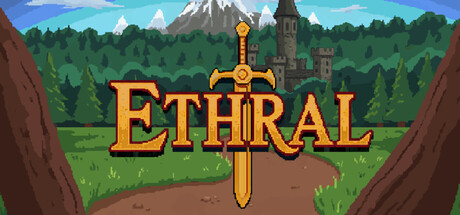 Ethral Unclear | Grok, Suno, and PixelLab were used in the creation of this game. | Vessel Interactive Studio | - | Jun 3, 2026 | |
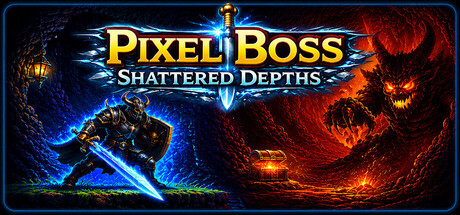 PixelBoss: Shattered Depths Store/marketing art | Used for creating the game banner | Quacky Games | 147 | Jun 3, 2026 | |
 Blockmind Store/marketing art | AI tools were used only for creating promotional visual materials. | Quacky Games | 142 | Jun 3, 2026 | |
 Realmlords Dev only code | Built solo with Cursor AI, Realmlords is a one-developer passion project: an action roguelite forged through rapid iteration, creative experimentation, and nonstop refinement from a single creator’s vision. Over 2 years in the making. | UltraPwned Gaming | - | Jun 3, 2026 | |
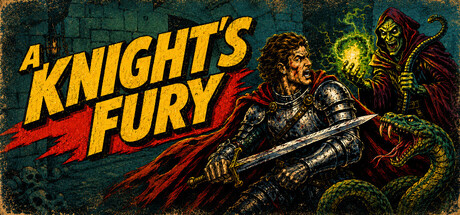 A Knight's Fury - The Vaults of Venom Unclear | AI was used to make this game. | PulpyGamesStudio | - | Jun 3, 2026 | |
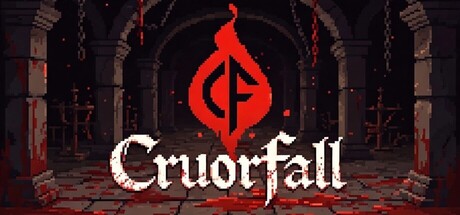 Cruorfall In-game content artaudio | Game design, code, mechanics, gameplay systems, sprites, and writing are entirely human-made. All AI-generated assets were reviewed, edited, composed, and integrated manually by the developer. No AI content is generated at runtime — every asset is pre-authored and curated.
Generative AI was used in the creation of:
Marketing and store page artwork (capsules, banners, hero, logo)
In-game background art, sprites directions
Music tracks | Dezmuss | - | Jun 3, 2026 | |
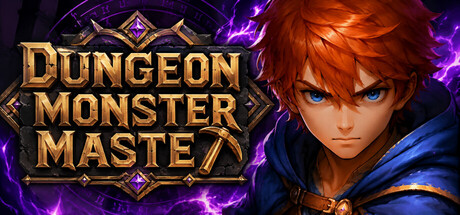 Dungeon Monster Master Store/marketing art | Some graphics (including certain illustrations and character elements) were created using generative AI | Jin Studio | - | Jun 3, 2026 | |
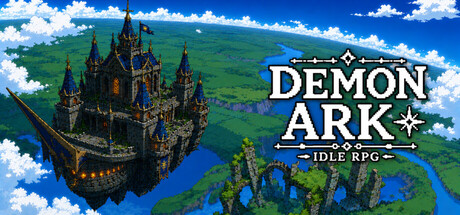 Demon Ark: Idle RPG In-game content art | Some visual assets in Demon Ark: Idle RPG were created with the assistance of generative AI, including monster artwork, item and equipment icons, background images, and Steam store marketing assets such as capsule images and logo artwork. Unit character graphics and UI assets were produced separately as non-AI commissioned/manual artwork. All AI-assisted assets are reviewed, selected, and edited before being included in the game or store page. The game does not generate AI content during gameplay and does not connect to external AI services while running. | GravityStarGames | - | Jun 3, 2026 | |
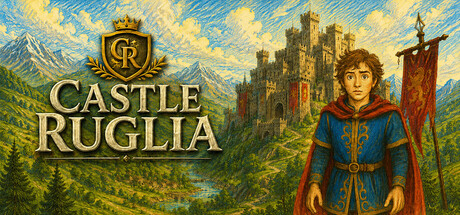 Castle Ruglia In-game content artaudio | This game includes some visual and audio contents created with the assistance of generative A.I. All content included in the final release was curated, edited, and integrated by the developer as part of the creative process. The game engine and logic is 100% human created. | ShareDev Technologies | - | Jun 3, 2026 | |
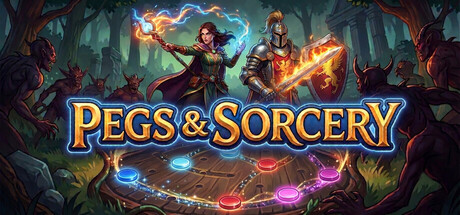 Pegs & Sorcery In-game content artaudiocode | This game utilizes pre-generated AI content across multiple disciplines, including visual assets, code optimization, and audio design. These tools were used strictly to assist a solo developer in the production process. All AI-assisted assets have been thoroughly vetted to ensure they adhere to copyright and intellectual property standards, and no live-generation tools are present in the build. | SuperBlast | - | Jun 3, 2026 | |
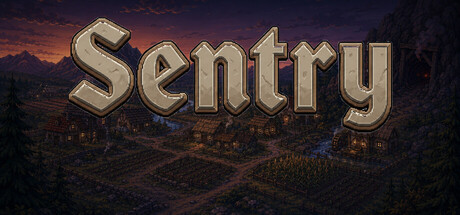 Sentry In-game content audioart | Generative AI was used to develop a portion of the content of this game. Specifically it was used for development assistance, some music and art assets. | Bright Angle Games | - | Jun 3, 2026 | |
 Crown Of Blight In-game content art | AI was used to generate a few minor quest item icons. All other assets, code, and character designs are handcrafted or licensed. | Nyammkatan | - | Jun 3, 2026 | |
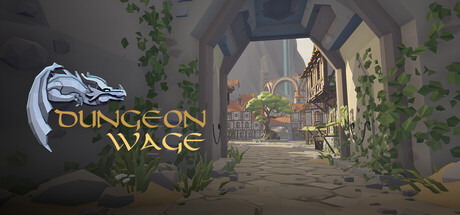 Dungeon Wage In-game content audio | Music in the game has been generated using AI tools. | Interchainly | - | Jun 3, 2026 | |
 JoyWorld Remastered (조이월드 리마스터) In-game content art | Some background images were expanded to fit higher resolutions with the assistance of generative AI tools.
All core content and gameplay experiences were designed and created by the developer. | pOn Studio | - | Jun 3, 2026 | |
 Auredis: Vaelen's Requiem Store/marketing | We used AI for the game store page. And AI tools for the game development. | AGE Zero | - | Jun 3, 2026 | |
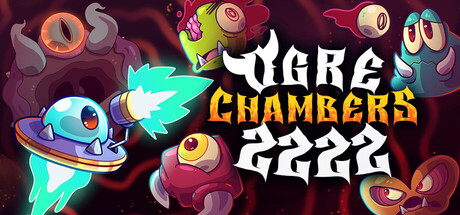 Ogre Chambers 2222 In-game content text | TRANSLATIONS in store page and in-game have been generated with artificial intelligence. These translations are FULLY OPTIONAL to use and you can experience the full game without any artificial intelligence by playing in the English language. I wanted to give people the possibility to experience the game in their native language, which is why this decision was made. | ANTENNA GAMES | 242 | Jun 3, 2026 | |
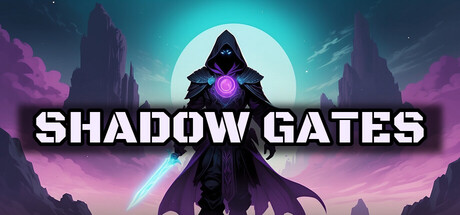 Shadow Gates In-game content artcode | This game uses generative AI to assist with the creation of pixel art assets (character sprites, projectiles, icons, capsule art) and to support code development. All generated content was reviewed, integrated, and finalized by the developer. No AI is used at runtime —
every asset is pre-generated and baked into the build. No player data is sent to AI services during gameplay. | Facundo Morelli | - | May 23, 2026 | |
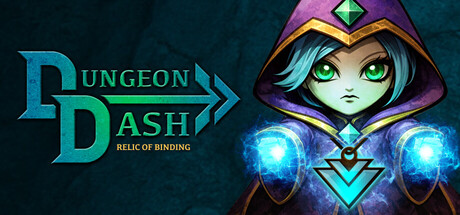 Dungeon Dash: Relic Of Binding In-game content art | As a solo developer, I used every tool available to bring Dungeon Dash to life. The game design, mechanics, storyline, and level designs are entirely original, conceived long before AI tools entered the picture. The artwork combines hand drawn, stock, and AI generated assets, all of which have been further modified and animated by hand to fit the vision of the game. | Jeff Anderson | - | May 23, 2026 | |
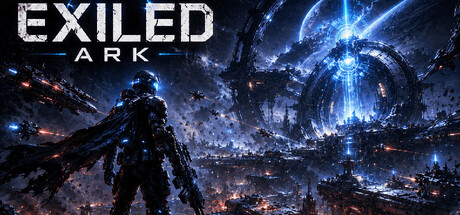 Exiled Ark Store/marketing art | part of the images and videos generated by ai tools, there is no realtime ai in the game. | Crisen | - | May 23, 2026 | |
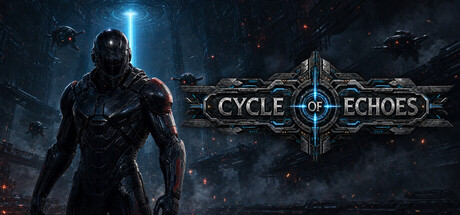 Cycle of Echoes Store/marketing art | Generative AI tools were used to assist with creating promotional artwork. Character artwork used in promotional images is based on the game's actual 3D character models and visual designs. All gameplay screenshots shown on the store page are captured from the actual in-game build and are not AI-generated or composited. The game does not use live generative AI during gameplay, and no gameplay content is generated dynamically by AI while the player is playing. | ArkNodeAI | - | May 23, 2026 | |
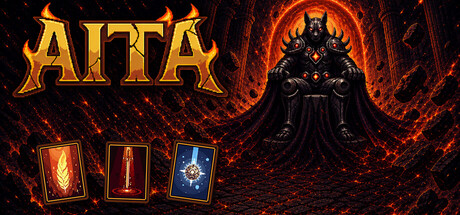 AITA: The Dark Domain In-game content art | Generative AI was used to create artwork for the game, including visual assets seen by players and/or promotional materials. All AI-generated artwork was reviewed, selected, and edited by the developer before inclusion. The game does not generate AI content live during gameplay. | Tommyruin | - | May 23, 2026 | |
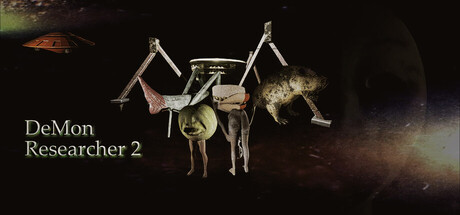 DeMon Researcher 2 In-game content artaudio | Some visual and audio assets in this game were generated with the assistance of AI tools. The developer has reviewed, selected, and where necessary edited all AI-generated content. Creative direction, game design, and all core development work were performed by the developer. | STUDIO C-illy_B | - | May 23, 2026 | |
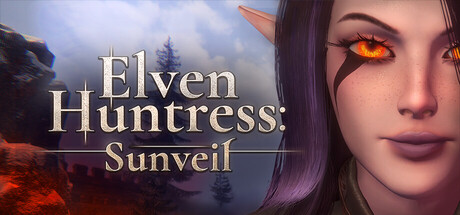 Elven Huntress: Sunveil In-game content text | The texts were translated using artificial intelligence. | Sunveil | - | May 23, 2026 | |
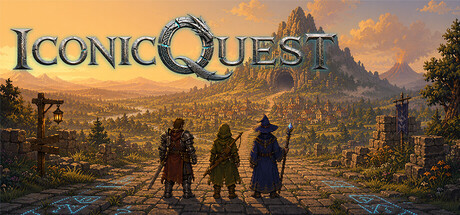 IconicQuest In-game content audiotextart | Some music tracks in IconicQuest are generated using AI based on the developer's creative direction and prompts, then curated and edited for in-game use. Some sound effects are generated using AI.
Promotional artwork on the Steam store page (capsule images) was generated with AI image tools as a creative starting point, then edited, composited with hand-crafted typography, and color-corrected by the developer in post-production.
All in-game artwork, character sprites, tiles, environments, UI
elements, and animations, is created entirely by the developer in Aseprite or sourced from art professionals. No AI is used for in-game pixel art.
All in-game text content (quest dialogue, item names, NPC scripts, lore, and tutorials) is written by the developer and AI.
No live AI generation occurs during gameplay. All AI-assisted content is finalized and shipped as static assets. | Swerk | - | May 23, 2026 | |
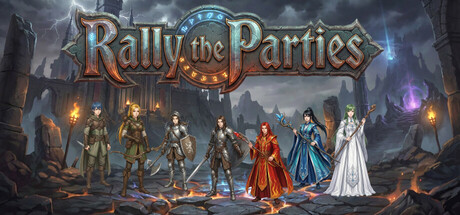 Rally the Parties In-game content arttext | This game uses generative AI for the following elements during development:
Visual assets (character, tile, and effect images, title screen artwork, and Steam store assets): Nano Banana Pro (Google Gemini 3 Pro Image) and Qwen Image Edit
Map structure and in-game text in general (proper nouns, messages, etc.): Anthropic Claude
All generated assets are reviewed by the developer before use, with care taken to avoid intentional reproduction or imitation of third-party copyrighted works. | TK Works | - | May 23, 2026 | |
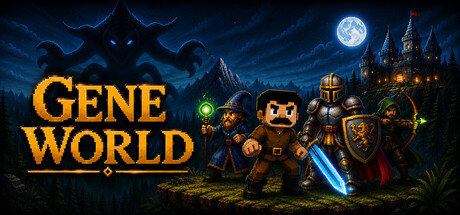 GeneWorld Live AI text | GeneWorld uses generative AI for dynamic NPC interactions and adaptive dialogue systems. NPC responses, quest interactions, trading behavior, and temporary buffs may be generated in real time based on player conversations. All AI-generated content is moderated and restricted from generating inappropriate or harmful content. | GeneWorld Studios | - | May 23, 2026 | |
 Ruin Blade In-game content artcode | This game includes some content created with the assistance of generative AI tools, including limited portions of code and certain visual assets.
All AI‑assisted content has been strictly reviewed, edited, and integrated by the developer to ensure quality, consistency and used only as supportive resources. | qwellk | - | May 23, 2026 | |
 Mindless as the Mountains In-game content text | Translate text content with AI | 咸蛋 | - | May 23, 2026 | |
 Storia Online In-game content arttext | Generative AI tools were used as supportive assistance in the creation of certain promotional materials, concept art, temporary text, and marketing content during development.
All final in-game content is manually reviewed, edited, and integrated by the development team. | Ulisses Nogueira | - | May 23, 2026 | |
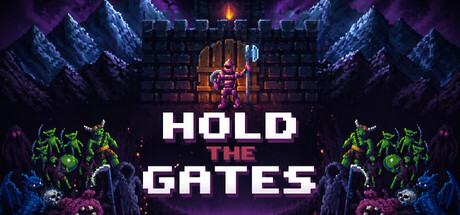 Hold The Gates Store/marketing art | The capsule art includes developer-created imagery that was enhanced and polished using generative AI tools. | DragonSmashStudios | - | May 23, 2026 | |
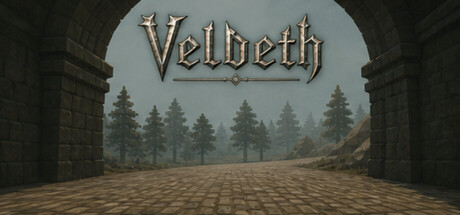 Veldeth In-game content art | Some 3D models and textures were created with the assistance of AI generation tools and then manually refined and integrated into the game. | Veltech Studio | - | May 23, 2026 | |
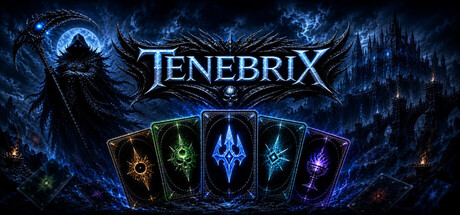 Tenebrix In-game content art | AI tools were used as part of the development process for Tenebrix, primarily to assist with early concept exploration, visual ideation, and asset prototyping. These tools helped accelerate iteration during the design phase, allowing for rapid testing of themes, compositions, and stylistic direction.
All AI-assisted content was reviewed, refined, and integrated manually to ensure consistency with the game’s vision and quality standards. Final assets, gameplay systems, and overall design were shaped through hands-on development and creative direction.
AI was used as a tool to support development—not as a replacement for it. | ColdForge Games | - | May 23, 2026 | |
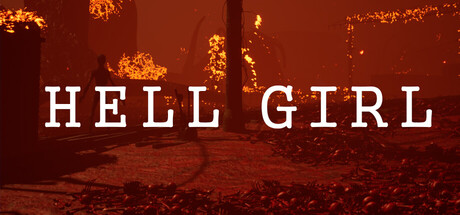 Hell Girl In-game content art | This game uses generative AI to create certain visual assets, such as images used in the opening and ending sequences. All AI-generated content is pre-rendered and does not affect gameplay. | KHD Games | - | May 23, 2026 | |
 Dead Spell In-game content arttextaudio | Some icons, some textures, Some quest descriptions, voices | Jesse Etzler | - | May 23, 2026 | |
 Dungeons of Desolation Remastered In-game content artcode | Dungeons of Desolation Remastered is based on my original 2012 Xbox Live Indie Games release. The original artwork, music, sound effects, code, game design, story, systems, and overall creative direction were created by me as an individual developer.
For this remastered PC version, I have used generative AI tools as part of the development process to assist with asset upscaling/enhancement and with porting/refactoring the original XNA codebase to a modern MonoGame version. AI-assisted work is reviewed, edited, and integrated by me.
Generative AI is not used to dynamically generate gameplay, story, dialogue, items, levels, or player-facing content at runtime. | OnlyLuck Games | - | May 23, 2026 | |
 Sellsword In-game content art | AI is used to enhance images, icons, artwork, and UI elements by applying filters and visual refinements to assets we originally created ourselves. | MM88 | - | May 23, 2026 | |
 Crypt Quest Dev only art | Some visual assets and concept art were created or assisted using AI tools during development. Everything has been reviewed and refined by the developer to match the game’s style and quality. | Abyss Studio | - | May 23, 2026 | |
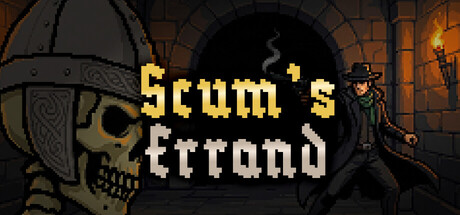 Scum's Errand In-game content artaudio | AI tools were used to generate a small number of character portraits, sprite drafts, and some sound effect assets during development. All AI-generated content was reviewed, edited, and integrated by the development team. | Pedro Sgobin | - | May 23, 2026 | |
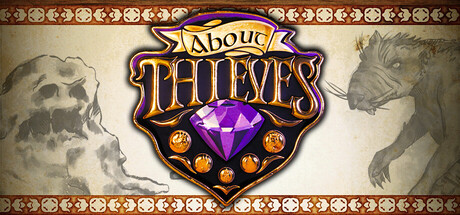 About Thieves In-game content artaudio | Since I’m mostly developing this game on my own, I couldn’t have done it without a little help from AI. Portraits, some sound effects, and UI elements were refined or generated using AI. Still, most of the game is old-school manual work! I ran around with a microphone recording individual sounds, wrote entire music tracks, modeled and textured objects, and of course designed levels and much more, all with my own hands using the full range of available NO-AI classic tools. Over time, I’ve been removing more and more AI-generated content with the help of some talented friends. | Little Beetle | - | May 23, 2026 | |
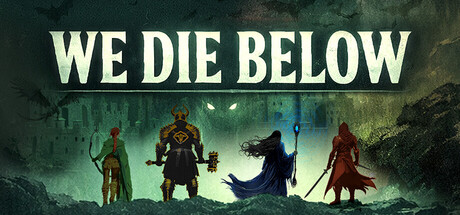 We Die Below In-game content artaudiotext | Some visual, audio, and narrative assets in We Die Below were created using AI-assisted tools as part of the development process. All such content was reviewed, edited, and refined by the development team to ensure consistency and quality. | FourFootOne Games | - | May 23, 2026 | |
 ACHIEVEMENT MAZE Dev only code | AI tools were used to assist with code optimization and debugging. | HuntForge | - | May 23, 2026 | |
 The Frontrooms In-game content audio | This game only uses AI-generated sound effects in partial content. All AI materials have been manually reviewed and modified, with no real-time AI content generated during gameplay. | Carbonated Rabbit | - | May 23, 2026 | |
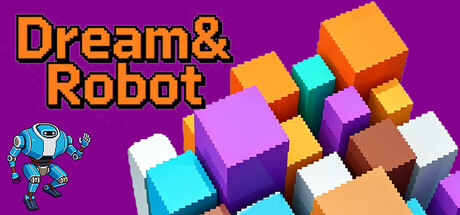 Dream&Robot In-game content audio | The dubbing was done using AI | PigZ | - | May 23, 2026 | |
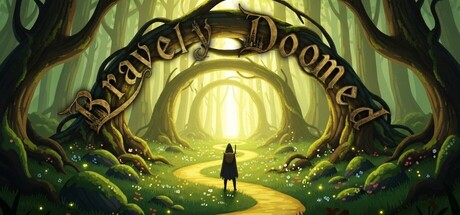 Bravely Doomed Live AI text | This game uses AI to generate dynamic NPC dialogue during gameplay. NPCs respond to player actions and choices with unique, contextual conversations. All AI-generated text is filtered to ensure appropriate content. | Phillip Donnelly | - | May 23, 2026 | |
 County Hospital Outbreak text | It shows a video on the gameplay made with gemini. no IA was used for coding this game | LFR Games | - | May 23, 2026 | |
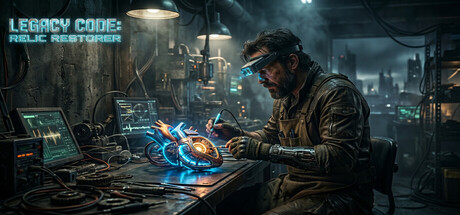 Legacy Code: Relic Restorer In-game content audiotext | The game uses AI voice generation tools to create audio voiceovers for partial narrative texts and dialogue. All underlying text and story are originally created by the developer. | ZENG ZIZHAO | - | May 23, 2026 | |
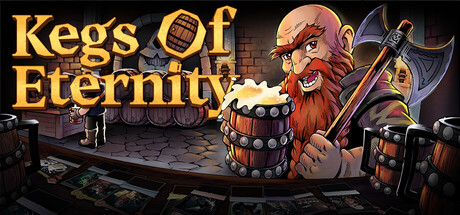 Kegs of Eternity In-game content arttext | - Some 2D assets were generated partly with AI (with human pre and post passes).
- Some languages were localized with AI. We intend to make a full human pass on all languages before 1.0 launch. | Lone Piggy | - | May 23, 2026 | |
 Walled City of Living Will Live AI arttext | This game uses generative artificial intelligence to dynamically create towns, facilities, dungeons, NPCs, dialogue, event text, and some illustrations based on the player's actions and the current game state.
Rather than relying only on fixed scenarios, the game is designed so that each playthrough can produce different events, encounters, and story developments.
Some character images, backgrounds, and illustrations are also generated by AI.
Generated content is controlled according to the game's design rules and moderation systems. | Kone | - | May 23, 2026 | |
 Gladiator's Revenge Unclear art | help in concept art | Dash Games Indie | - | May 23, 2026 | |
 Card of Fate In-game content art | Assets in Card of Fate were created with the help of AI. | INDIE-SQUID GmbH | - | May 23, 2026 |


