Public Steam disclosure research25,380 disclosures tracked
Where do games disclose AI use?
Search developers’ Steam disclosures, compare classified AI use across
games, and follow recorded changes.
This index adds cross-game classifications and statistics to
statements published on individual store pages.
Groups reflect automatic analysis of public disclosures; mature records are excluded. These counts do not measure AI use across all of Steam.
Missing or unclear statements cannot establish whether a game uses AI.
Deepwood Valley uses a generative AI language model to power conversations with the
characters who live in the valley. The model runs entirely on your own computer — no
account is required, and nothing you type is sent to us or to any third party.
Every line of AI-generated dialogue passes through a deterministic content filter
before it is displayed. This filter is compiled into the game, runs on all generated
speech without exception, and cannot be turned off by the player or by mods.
Character personalities, story, world design, and all art and audio are authored by
our team.
Generative AI was used to assist with drafting and editing store-page text and localization. All generated text was reviewed and edited by the developer before publication. No generative AI is used during gameplay.
Generative AI tools were used during development to assist with portions of the game’s source code, narrative, quest text, NPC dialogue, interface copy, and promotional artwork. All AI-assisted content was reviewed and incorporated by the developer before release. The game does not generate content using AI while it is running.
Generative AI was used as an assistive tool to create and edit store page descriptions and marketing text. All generated content was reviewed and edited by the developer before publication. No generative AI is used during gameplay.
EVER BELOW was created with the assistance of generative AI across parts of its content creation and development process, including visual assets and marketing materials. All AI-assisted content was manually reviewed, selected, edited where necessary, and all final creative and development decisions were made by the developer.
Generative AI was used during development for some visual and audio assets.
During gameplay, narrative text and character dialogue are generated in real time by a third-party AI model selected and configured by the player.
Some visual assets, including 3D objects and example artwork, sound effects, and music were created with generative AI during development. Promotional videos also use AI-generated narration. These assets are prepared in advance. The current game does not use generative AI to create content during gameplay.
AI tools were used during development solely to assist with coding, including identifying and fixing bugs and making minor code corrections and improvements. AI does not generate any content for players during gameplay.
Generative AI tools were used during the development of LOCKDOWN to assist in the creation of some artwork and music featured in the game. All AI-assisted content was reviewed, selected, edited, and integrated by the development team. Generative AI is not used to generate content in real time during gameplay.
I am a solo developer leveraging AI to improve my efficiency while moonlighting this project. Hence, many temporary AI-generated assets make their way into the game but I hope to replace over 90% of those with handcrafted assets over time.
AI tools were used to assist in creating some store page artwork and for language translation. All content was reviewed by the developer.
No AI was not used in any 3d or 2d assets or sounds in the game.
All core assets originate from the creativity of our human artists. The use of AI tools is strictly limited to assisting and refining the environmental background designs.
AI tools were primarily used as assistance during the coding and development process. Additionally, AI was used to a very limited extent for a small number of 2D visual assets within the game.
Generative AI was used during development to create selected 2D visual assets, including menu and loading-screen artwork, interface icons and patterns, and the game's wordmark. AI tools also assist with store-page writing. This content is prepared in advance; the game does not generate AI content or connect to an AI service during gameplay.
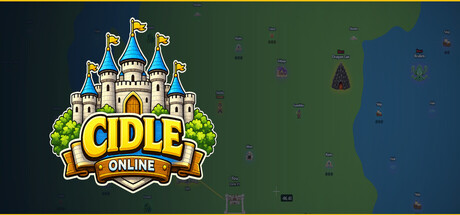
Some of the 2D art in Cidle Online was created with the help of generative AI
image tools. This includes parts of the sprite work for buildings, points of
interest and item icons, as well as some store page artwork. Every generated
image was reviewed, edited and adjusted by hand before it went into the game,
and assets are checked so they do not reproduce existing works.
All of this art is produced during development. Nothing is generated by AI
while you play, and the game does not send any of your data to an AI service.
This game and store contains 2D artwork pieces created with the assistance of generative AI. These images are used as static artwork in story-driven cutscenes to help illustrate and convey the game's narrative.
No AI-generated content is created during gameplay, all other game content was created without generative AI.
Some of the images on our store page were created by artificial intelligence and edits were made on the images. and some images in the game were made by artificial intelligence.
AI-based coding assistants were used to help write this game's source code during development. The game contains no generative AI at runtime: the entire simulated world is created by deterministic, hand-authored procedural generation from a seed, not by AI.
Some content was pre-generated with AI tools during development and reviewed by the developer before shipping: the store key art and capsule images, a number of surface textures used as decorative materials in the environments, and the narration, which is synthesized offline from the developer's original script with the Piper text-to-speech engine (a public-domain-derived voice). No content is generated by AI during gameplay, and the game does not connect to any external AI service. World layouts, equipment, mission logic, writing and code are project-authored.
Generative AI tools assisted in creating pixel-art visuals, interface and narrative text, and Steam marketing artwork. This material is prepared in advance and integrated into the game and store page. The game does not generate content while running.
Generative AI tools were used during development. Some 3D models of characters and environments, some pre-rendered cutscenes, the main theme song, marketing videos and the translations were created with the help of AI tools, then edited and assembled by the developer. Gameplay design, code and in-game animations were made by the developer. No content is generated by AI during gameplay.
Generative AI was used as a development assistant on Island Escape: primarily to help write and review the game's source code, and to help draft and localize in-game text (Simplified Chinese, English, Japanese, Russian, Spanish, Brazilian Portuguese, German). All of that output was reviewed and edited by the developer.
Everything you see and hear is generated procedurally by the game's own code, shaders and audio tools at runtime — the project uses no AI-generated images, 3D models, textures or voice acting.
The game does not use generative AI while you play. No player data is sent anywhere.
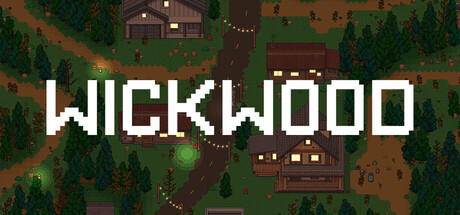
Wickwood is made by one developer, and generative AI was used openly in its production. Here is exactly where:
- Code: the game's GDScript code, the pixel-drawing scripts and the build/test tools were written with Claude (Anthropic) under the developer's design, direction and review.
- Text: the in-game notes and place descriptions, the ending credits and the store page copy were drafted with Claude and edited and approved by the developer.
- Music: all music tracks (world, main menu, finale) were generated with Google's Lyria from prompts written by the developer.
- Artwork: tilesets, characters and creatures are hand-drawn commercial pixel-art packs (credited in-game), not AI-generated. Some landmark props (the standing stones, the cave interiors, the bunker hatch and similar pieces) were drawn or assembled pixel by pixel by scripts written with Claude, using the palettes and parts of those packs.
- Sound effects were sourced from Freesound and Kenney's sound packs.
- Store art (capsules, logo, icons) was made by hand; screenshots and video are captured from the game itself.
No AI runs during gameplay: nothing is generated live, and the game does not connect to any online AI service.
Generative AI was used to assist in the creation of some in-game graphical assets and to generate or process some voice audio. All AI-assisted content was created and reviewed during development. The game does not generate AI content during gameplay.
Some of the assets in this game were created using generative AI tools. Generated assets were reviewed by the developer and edited where necessary before use. The game itself does not use AI to generate content or code while it is running, and it does not connect to any external AI service.
Lost Gaijin uses generative AI during development and gameplay. Selected pre-generated visual and audio assets used in the game and its Steam materials were created or edited with generative AI tools and reviewed by the developer. During play, text-generating AI responds to player input and game state to create dynamic story content and personalized Japanese-language coaching. Live-generated text is provided through OpenRouter and may vary between playthroughs.
Some background music and visual assets included with the game or used in its marketing materials were created using generative AI and selected or edited by the developer. Generative AI is not used during gameplay, and no player input is sent to an AI service.
During the development process, we may use procedural- and AI-based tools to assist with content creation. In all such cases, the final product reflects the creativity and expression of our own development team.
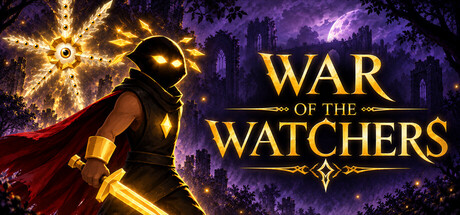
War of the Watchers uses generative AI in two places. Both are pre-generated before release and ship as fixed files; nothing is generated while you play.
Character dialogue is voiced using AI text-to-speech. Every line was written by the developer, and the tool performs those written lines. Each take is recorded before release and ships as an audio file.
Some promotional artwork, including the key art and store capsules, was produced with AI image tools and then edited by the developer.
Game code, level design and all in-game visuals are hand-authored. No content is generated during gameplay.
Below The Loop uses generative AI-assisted tools during development to create some visual assets and marketing artwork. These assets are pre-generated and reviewed and edited as part of the development process. The game does not use AI to generate content in real time during gameplay.
AI is used in early visual concept explorations for certain environments.
Every aspect of the game at runtime including the story, visuals, environments, dialogues and music is all handcrafted with utmost human care.
Generative AI tools were used during development to assist with some visual assets, including textures, 3D asset creation and store artwork, as well as store text and translations. Assets are reviewed and adapted before integration. VoxelForge does not generate AI content during play and does not connect to an external AI service during play.
Designed and directed by one person. Every ship, station and planet is rendered in code, with no AI images. The soundtrack was made with Suno, an AI music tool, directed by the developer, and ships as fixed audio files. The story comes from the developer. AI helped turn it into text, tidy it up and translate the store page, like a very overqualified spell check. Nothing is generated by AI while you play.
As a small development team of just two people, we used generative AI tools in limited cases to assist with the production of certain visual assets and help manage the scope of development.
All AI-assisted assets were carefully reviewed, edited, refined, and finalized by us to fit the game's established art style and direction. Generative AI was used as a supporting tool during development, rather than to define the creative direction of the game.
Deepwood Valley uses a generative AI language model to power conversations with the
characters who live in the valley. The model runs entirely on your own computer — no
account is required, and nothing you type is sent to us or to any third party.
Every line of AI-generated dialogue passes through a deterministic content filter
before it is displayed. This filter is compiled into the game, runs on all generated
speech without exception, and cannot be turned off by the player or by mods.
Character personalities, story, world design, and all art and audio are authored by
our team.
Generative AI was used to assist with drafting and editing store-page text and localization. All generated text was reviewed and edited by the developer before publication. No generative AI is used during gameplay.
Generative AI tools were used during development to assist with portions of the game’s source code, narrative, quest text, NPC dialogue, interface copy, and promotional artwork. All AI-assisted content was reviewed and incorporated by the developer before release. The game does not generate content using AI while it is running.
Generative AI was used as an assistive tool to create and edit store page descriptions and marketing text. All generated content was reviewed and edited by the developer before publication. No generative AI is used during gameplay.
EVER BELOW was created with the assistance of generative AI across parts of its content creation and development process, including visual assets and marketing materials. All AI-assisted content was manually reviewed, selected, edited where necessary, and all final creative and development decisions were made by the developer.
Generative AI was used during development for some visual and audio assets.
During gameplay, narrative text and character dialogue are generated in real time by a third-party AI model selected and configured by the player.
Some visual assets, including 3D objects and example artwork, sound effects, and music were created with generative AI during development. Promotional videos also use AI-generated narration. These assets are prepared in advance. The current game does not use generative AI to create content during gameplay.
AI tools were used during development solely to assist with coding, including identifying and fixing bugs and making minor code corrections and improvements. AI does not generate any content for players during gameplay.
Generative AI tools were used during the development of LOCKDOWN to assist in the creation of some artwork and music featured in the game. All AI-assisted content was reviewed, selected, edited, and integrated by the development team. Generative AI is not used to generate content in real time during gameplay.
I am a solo developer leveraging AI to improve my efficiency while moonlighting this project. Hence, many temporary AI-generated assets make their way into the game but I hope to replace over 90% of those with handcrafted assets over time.
AI tools were used to assist in creating some store page artwork and for language translation. All content was reviewed by the developer.
No AI was not used in any 3d or 2d assets or sounds in the game.
All core assets originate from the creativity of our human artists. The use of AI tools is strictly limited to assisting and refining the environmental background designs.
AI tools were primarily used as assistance during the coding and development process. Additionally, AI was used to a very limited extent for a small number of 2D visual assets within the game.
Generative AI was used during development to create selected 2D visual assets, including menu and loading-screen artwork, interface icons and patterns, and the game's wordmark. AI tools also assist with store-page writing. This content is prepared in advance; the game does not generate AI content or connect to an AI service during gameplay.
Some of the 2D art in Cidle Online was created with the help of generative AI
image tools. This includes parts of the sprite work for buildings, points of
interest and item icons, as well as some store page artwork. Every generated
image was reviewed, edited and adjusted by hand before it went into the game,
and assets are checked so they do not reproduce existing works.
All of this art is produced during development. Nothing is generated by AI
while you play, and the game does not send any of your data to an AI service.
This game and store contains 2D artwork pieces created with the assistance of generative AI. These images are used as static artwork in story-driven cutscenes to help illustrate and convey the game's narrative.
No AI-generated content is created during gameplay, all other game content was created without generative AI.
Some of the images on our store page were created by artificial intelligence and edits were made on the images. and some images in the game were made by artificial intelligence.
AI-based coding assistants were used to help write this game's source code during development. The game contains no generative AI at runtime: the entire simulated world is created by deterministic, hand-authored procedural generation from a seed, not by AI.
Some content was pre-generated with AI tools during development and reviewed by the developer before shipping: the store key art and capsule images, a number of surface textures used as decorative materials in the environments, and the narration, which is synthesized offline from the developer's original script with the Piper text-to-speech engine (a public-domain-derived voice). No content is generated by AI during gameplay, and the game does not connect to any external AI service. World layouts, equipment, mission logic, writing and code are project-authored.
Generative AI tools assisted in creating pixel-art visuals, interface and narrative text, and Steam marketing artwork. This material is prepared in advance and integrated into the game and store page. The game does not generate content while running.
Generative AI tools were used during development. Some 3D models of characters and environments, some pre-rendered cutscenes, the main theme song, marketing videos and the translations were created with the help of AI tools, then edited and assembled by the developer. Gameplay design, code and in-game animations were made by the developer. No content is generated by AI during gameplay.
Generative AI was used as a development assistant on Island Escape: primarily to help write and review the game's source code, and to help draft and localize in-game text (Simplified Chinese, English, Japanese, Russian, Spanish, Brazilian Portuguese, German). All of that output was reviewed and edited by the developer.
Everything you see and hear is generated procedurally by the game's own code, shaders and audio tools at runtime — the project uses no AI-generated images, 3D models, textures or voice acting.
The game does not use generative AI while you play. No player data is sent anywhere.
Wickwood is made by one developer, and generative AI was used openly in its production. Here is exactly where:
- Code: the game's GDScript code, the pixel-drawing scripts and the build/test tools were written with Claude (Anthropic) under the developer's design, direction and review.
- Text: the in-game notes and place descriptions, the ending credits and the store page copy were drafted with Claude and edited and approved by the developer.
- Music: all music tracks (world, main menu, finale) were generated with Google's Lyria from prompts written by the developer.
- Artwork: tilesets, characters and creatures are hand-drawn commercial pixel-art packs (credited in-game), not AI-generated. Some landmark props (the standing stones, the cave interiors, the bunker hatch and similar pieces) were drawn or assembled pixel by pixel by scripts written with Claude, using the palettes and parts of those packs.
- Sound effects were sourced from Freesound and Kenney's sound packs.
- Store art (capsules, logo, icons) was made by hand; screenshots and video are captured from the game itself.
No AI runs during gameplay: nothing is generated live, and the game does not connect to any online AI service.
Generative AI was used to assist in the creation of some in-game graphical assets and to generate or process some voice audio. All AI-assisted content was created and reviewed during development. The game does not generate AI content during gameplay.
Some of the assets in this game were created using generative AI tools. Generated assets were reviewed by the developer and edited where necessary before use. The game itself does not use AI to generate content or code while it is running, and it does not connect to any external AI service.
Lost Gaijin uses generative AI during development and gameplay. Selected pre-generated visual and audio assets used in the game and its Steam materials were created or edited with generative AI tools and reviewed by the developer. During play, text-generating AI responds to player input and game state to create dynamic story content and personalized Japanese-language coaching. Live-generated text is provided through OpenRouter and may vary between playthroughs.
Some background music and visual assets included with the game or used in its marketing materials were created using generative AI and selected or edited by the developer. Generative AI is not used during gameplay, and no player input is sent to an AI service.
During the development process, we may use procedural- and AI-based tools to assist with content creation. In all such cases, the final product reflects the creativity and expression of our own development team.
War of the Watchers uses generative AI in two places. Both are pre-generated before release and ship as fixed files; nothing is generated while you play.
Character dialogue is voiced using AI text-to-speech. Every line was written by the developer, and the tool performs those written lines. Each take is recorded before release and ships as an audio file.
Some promotional artwork, including the key art and store capsules, was produced with AI image tools and then edited by the developer.
Game code, level design and all in-game visuals are hand-authored. No content is generated during gameplay.
Below The Loop uses generative AI-assisted tools during development to create some visual assets and marketing artwork. These assets are pre-generated and reviewed and edited as part of the development process. The game does not use AI to generate content in real time during gameplay.
AI is used in early visual concept explorations for certain environments.
Every aspect of the game at runtime including the story, visuals, environments, dialogues and music is all handcrafted with utmost human care.
Generative AI tools were used during development to assist with some visual assets, including textures, 3D asset creation and store artwork, as well as store text and translations. Assets are reviewed and adapted before integration. VoxelForge does not generate AI content during play and does not connect to an external AI service during play.
Designed and directed by one person. Every ship, station and planet is rendered in code, with no AI images. The soundtrack was made with Suno, an AI music tool, directed by the developer, and ships as fixed audio files. The story comes from the developer. AI helped turn it into text, tidy it up and translate the store page, like a very overqualified spell check. Nothing is generated by AI while you play.
As a small development team of just two people, we used generative AI tools in limited cases to assist with the production of certain visual assets and help manage the scope of development.
All AI-assisted assets were carefully reviewed, edited, refined, and finalized by us to fit the game's established art style and direction. Generative AI was used as a supporting tool during development, rather than to define the creative direction of the game.