Public Steam disclosure research25,380 disclosures tracked
Where do games disclose AI use?
Search developers’ Steam disclosures, compare classified AI use across
games, and follow recorded changes.
This index adds cross-game classifications and statistics to
statements published on individual store pages.
Groups reflect automatic analysis of public disclosures; mature records are excluded. These counts do not measure AI use across all of Steam.
Missing or unclear statements cannot establish whether a game uses AI.
We used a Gen AI powered tool to localize the following:
- (in some languages) In-game text
- (in some languages) Steam store descriptions
We plan to replace these with human translation and LQA when we can afford it.
Until then, we are using Gen AI temporarily.
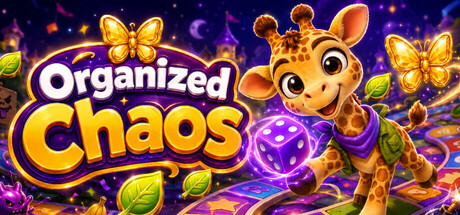
Some visual assets used in Organized Chaos were created with the assistance of generative artificial intelligence tools, including character art, item icons, environmental props, and promotional/game UI visuals. These assets were reviewed, selected, edited, and implemented by the developer to match the game’s intended style, readability, and gameplay needs.
Generative AI tools are used to assist the development process, including concept art generation, programming support, and localization. All final content is reviewed and edited by the developer.
Pre-generated AI tools were used to create some visual assets and promotional artwork, including UI concepts, store page artwork, icons, and environmental illustrations. These assets are reviewed and curated by the developer before inclusion. The game does not use live-generated AI content during gameplay.
AI tools were used strictly as a minor supplementary aid for light editing of select images and textures. Additionally, AI was partially utilized to generate specific ambient sound effects and assist with voiceover processing. All core game mechanics, 3D models, and primary assets were created manually by the developer.
Generative AI tools (Leonardo.ai, Meshy.ai) are used to create some pre-rendered art assets and 3D model prototypes, which are then edited and art-directed by the developer. AI audio tools are used for some sound assets. All AI-generated content is reviewed and integrated by the developer; we have rights to use these outputs commercially per the tools' licensing terms.
This game was developed with coding assistance from Gemini, and the illustrations were created by first drawing the initial artwork and then using ChatGPT.
I have utilized AI tools to assist in the creation of some store page assets and in-game textures. These AI-generated elements were used as a foundational base, which were then heavily edited, polished, and manually integrated by me to ensure they align with the game's unique art style and technical requirements. No AI tools were used to generate the core gameplay logic or narrative content; their usage was strictly limited to the visual asset production pipeline.
Some visual assets were created with the assistance of generative AI tools and then manually edited, adjusted, and finalized by the developer. The game does not use real-time generative AI during gameplay.
English (AI Disclosure)
This game includes AI-assisted NPC dialogue and text generation to create dynamic conversations and world events. AI-generated text is reviewed and integrated by the developer before release.
The game does not generate images, audio, or code on the player's device. AI is used to enhance dialogue variety and immersive world interactions while core gameplay, progression, and game systems are designed by the developer.
This game uses pre-generated AI-assisted content in a limited way. Some selected audio assets and minor in-game written/visual elements may have been created or edited with AI-assisted tools during development. The game does not use live-generated AI during gameplay and does not connect to any external AI service during gameplay.
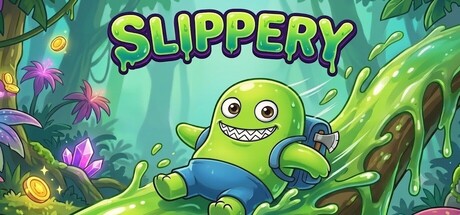
Generative AI was used during the development of Slippery to assist in creating certain static visual assets, including [store page artwork / background images / character concepts / UI elements]. All AI-generated content was reviewed, modified, and integrated by hand to match the game's overall visual style. The game does not generate any AI content in real-time during gameplay.
I used generative AI tools (specifically Fooocus) to help paint and generate my static 2D game backgrounds and concept/icon art. I also utilized AI-collaboration platforms to assist with audio synthesis composition and programming codebase layouts. All generated assets were fully curated, conceptualized, and processed under my own direct creative control and creative direction before building.
During development, I may use procedural- and AI-assisted tools to support content creation, iteration, and production workflows. In all such cases, the final product reflects my own creative direction, selection, editing, and implementation as the developer.
Some visual assets and promotional artwork used in this game and on its Steam store page were created with the assistance of generative AI tools. All AI-generated content was reviewed, edited, and curated by the developer before being included in the final product.
The game uses artificial intelligence to control characters behavior and deliver an adaptive fairytale plot.
The models, sounds, maps, and other assets are created by real people, with love and care.
As a small independent development team, we used generative AI as a supporting production tool during development.
All creative direction, game design, asset selection, editing, integration, and final approval were handled by the development team. AI-generated material was reviewed and modified by the developers before being included in the game.
The game does not generate AI content during gameplay.
Generative AI technology was used to create high-quality voice-overs for the game's characters. This allowed this independent project to feature full voice acting, providing a more immersive narrative experience and bringing the historical journey of Wojtek the Bear to life. All AI-generated audio assets are pre-rendered and have been manually reviewed and edited to ensure high quality and consistency with the game's emotional tone.
Some 2D artwork, in-game images, item icons, and promotional/store images were created with the help of generative AI tools during development. These assets were manually reviewed and edited before use. The game does not use live generative AI to create content during gameplay.
Generative AI was used to assist in creating selected promotional artwork and logo/icon assets for the Steam store page. All outputs were reviewed, selected, and edited by the developer. Generative AI is not used during gameplay, and no content is generated live for players.
The game's narration engine is a deterministic template system with zero runtime AI. The template/fragment library it draws from was hand-crafted in English, and then mass-localized during development using a large language model and then human-curated. No AI image generation was used: all art, icons, and store assets are procedurally rasterized from hand-authored primitive op-lists. The game contains no live/runtime AI generation.
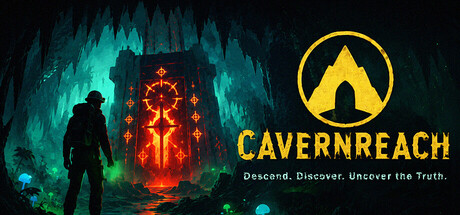
Cavernreach contains very limited AI-assisted content, including some music/audio assets and promotional artwork. All gameplay, environments, programming, story content, voice acting, level design, and game implementation were created by the developer. Any AI-assisted assets used during development for testing or reference purposes have been replaced, recreated, or removed from the full release where applicable.
Temporary images for furniture and clothing icons within the game, some promotional materials and banners, text translation, and some temporary sound files were created using AI. All in-game content will be replaced with human-made work before the game’s release.
Google Gemini was utilized during the development phase as an assistive tool for C# scripting, code optimization, debugging, and brainstorming game mechanics. All AI-assisted outputs were manually reviewed, edited, and validated by the developer to ensure proper integration and originality.
Generative AI was used to assist with the translation and localization of menu text and interface elements, and to help create graphic assets for the Steam store page. All content was reviewed and approved by the developer before publication.
During the development of Plunder Bay, AI-powered tools were used to assist in the creation of the following content:
- Store Page Graphics: Promotional images and capsule art were created with AI image generation tools (Leonardo AI) and edited manually.
- Sound Effects: Some sound effects were generated using AI audio tools (ElevenLabs) for specific game events.
- Menu Background: The main menu background visual was created with AI video generation tools (Runway).
All AI-generated content was reviewed, edited, and curated by the developer to ensure quality and consistency. AI was used as a creative tool to assist a solo developer, not as a replacement for game design decisions.
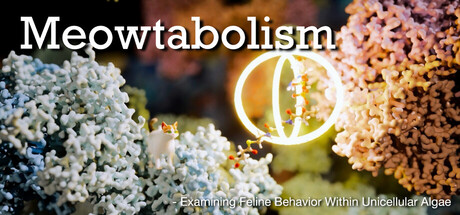
Some protein structures shown in the game are predicted by AlphaFold, an AI-based tool. The description for some proteins shown in the museum are polished by Gemini and verified by a human for scientific correctness.
AI-generated tools were used in the creation of some marketing artwork, a portion of the user interface elements, and certain audio elements. All AI-generated content was reviewed, edited, and integrated into the game by the developer.
We used a Gen AI powered tool to localize the following:
- (in some languages) In-game text
- (in some languages) Steam store descriptions
We plan to replace these with human translation and LQA when we can afford it.
Until then, we are using Gen AI temporarily.
Some visual assets used in Organized Chaos were created with the assistance of generative artificial intelligence tools, including character art, item icons, environmental props, and promotional/game UI visuals. These assets were reviewed, selected, edited, and implemented by the developer to match the game’s intended style, readability, and gameplay needs.
Generative AI tools are used to assist the development process, including concept art generation, programming support, and localization. All final content is reviewed and edited by the developer.
Pre-generated AI tools were used to create some visual assets and promotional artwork, including UI concepts, store page artwork, icons, and environmental illustrations. These assets are reviewed and curated by the developer before inclusion. The game does not use live-generated AI content during gameplay.
AI tools were used strictly as a minor supplementary aid for light editing of select images and textures. Additionally, AI was partially utilized to generate specific ambient sound effects and assist with voiceover processing. All core game mechanics, 3D models, and primary assets were created manually by the developer.
Generative AI tools (Leonardo.ai, Meshy.ai) are used to create some pre-rendered art assets and 3D model prototypes, which are then edited and art-directed by the developer. AI audio tools are used for some sound assets. All AI-generated content is reviewed and integrated by the developer; we have rights to use these outputs commercially per the tools' licensing terms.
This game was developed with coding assistance from Gemini, and the illustrations were created by first drawing the initial artwork and then using ChatGPT.
I have utilized AI tools to assist in the creation of some store page assets and in-game textures. These AI-generated elements were used as a foundational base, which were then heavily edited, polished, and manually integrated by me to ensure they align with the game's unique art style and technical requirements. No AI tools were used to generate the core gameplay logic or narrative content; their usage was strictly limited to the visual asset production pipeline.
Some visual assets were created with the assistance of generative AI tools and then manually edited, adjusted, and finalized by the developer. The game does not use real-time generative AI during gameplay.
English (AI Disclosure)
This game includes AI-assisted NPC dialogue and text generation to create dynamic conversations and world events. AI-generated text is reviewed and integrated by the developer before release.
The game does not generate images, audio, or code on the player's device. AI is used to enhance dialogue variety and immersive world interactions while core gameplay, progression, and game systems are designed by the developer.
This game uses pre-generated AI-assisted content in a limited way. Some selected audio assets and minor in-game written/visual elements may have been created or edited with AI-assisted tools during development. The game does not use live-generated AI during gameplay and does not connect to any external AI service during gameplay.
Generative AI was used during the development of Slippery to assist in creating certain static visual assets, including [store page artwork / background images / character concepts / UI elements]. All AI-generated content was reviewed, modified, and integrated by hand to match the game's overall visual style. The game does not generate any AI content in real-time during gameplay.
I used generative AI tools (specifically Fooocus) to help paint and generate my static 2D game backgrounds and concept/icon art. I also utilized AI-collaboration platforms to assist with audio synthesis composition and programming codebase layouts. All generated assets were fully curated, conceptualized, and processed under my own direct creative control and creative direction before building.
During development, I may use procedural- and AI-assisted tools to support content creation, iteration, and production workflows. In all such cases, the final product reflects my own creative direction, selection, editing, and implementation as the developer.
Some visual assets and promotional artwork used in this game and on its Steam store page were created with the assistance of generative AI tools. All AI-generated content was reviewed, edited, and curated by the developer before being included in the final product.
The game uses artificial intelligence to control characters behavior and deliver an adaptive fairytale plot.
The models, sounds, maps, and other assets are created by real people, with love and care.
As a small independent development team, we used generative AI as a supporting production tool during development.
All creative direction, game design, asset selection, editing, integration, and final approval were handled by the development team. AI-generated material was reviewed and modified by the developers before being included in the game.
The game does not generate AI content during gameplay.
Generative AI technology was used to create high-quality voice-overs for the game's characters. This allowed this independent project to feature full voice acting, providing a more immersive narrative experience and bringing the historical journey of Wojtek the Bear to life. All AI-generated audio assets are pre-rendered and have been manually reviewed and edited to ensure high quality and consistency with the game's emotional tone.
Some 2D artwork, in-game images, item icons, and promotional/store images were created with the help of generative AI tools during development. These assets were manually reviewed and edited before use. The game does not use live generative AI to create content during gameplay.
Generative AI was used to assist in creating selected promotional artwork and logo/icon assets for the Steam store page. All outputs were reviewed, selected, and edited by the developer. Generative AI is not used during gameplay, and no content is generated live for players.
The game's narration engine is a deterministic template system with zero runtime AI. The template/fragment library it draws from was hand-crafted in English, and then mass-localized during development using a large language model and then human-curated. No AI image generation was used: all art, icons, and store assets are procedurally rasterized from hand-authored primitive op-lists. The game contains no live/runtime AI generation.
Cavernreach contains very limited AI-assisted content, including some music/audio assets and promotional artwork. All gameplay, environments, programming, story content, voice acting, level design, and game implementation were created by the developer. Any AI-assisted assets used during development for testing or reference purposes have been replaced, recreated, or removed from the full release where applicable.
Temporary images for furniture and clothing icons within the game, some promotional materials and banners, text translation, and some temporary sound files were created using AI. All in-game content will be replaced with human-made work before the game’s release.
Google Gemini was utilized during the development phase as an assistive tool for C# scripting, code optimization, debugging, and brainstorming game mechanics. All AI-assisted outputs were manually reviewed, edited, and validated by the developer to ensure proper integration and originality.
Generative AI was used to assist with the translation and localization of menu text and interface elements, and to help create graphic assets for the Steam store page. All content was reviewed and approved by the developer before publication.
During the development of Plunder Bay, AI-powered tools were used to assist in the creation of the following content:
- Store Page Graphics: Promotional images and capsule art were created with AI image generation tools (Leonardo AI) and edited manually.
- Sound Effects: Some sound effects were generated using AI audio tools (ElevenLabs) for specific game events.
- Menu Background: The main menu background visual was created with AI video generation tools (Runway).
All AI-generated content was reviewed, edited, and curated by the developer to ensure quality and consistency. AI was used as a creative tool to assist a solo developer, not as a replacement for game design decisions.
Some protein structures shown in the game are predicted by AlphaFold, an AI-based tool. The description for some proteins shown in the museum are polished by Gemini and verified by a human for scientific correctness.
AI-generated tools were used in the creation of some marketing artwork, a portion of the user interface elements, and certain audio elements. All AI-generated content was reviewed, edited, and integrated into the game by the developer.