








Disclosure
AI is used to create the initial draft translations for the game.
- Creator
- joy1999
- Reviews
- 74
- Added
- Sep 20, 2026
Public Steam disclosure research 25,380 disclosures tracked
Search developers’ Steam disclosures, compare classified AI use across games, and follow recorded changes. This index adds cross-game classifications and statistics to statements published on individual store pages.
Code help, debugging and other development work.
Capsule art, trailers and promotional material.
Pre-made art, audio, writing and other game assets.
Interactive or runtime AI features disclosed by the developer.
Groups reflect automatic analysis of public disclosures; mature records are excluded. These counts do not measure AI use across all of Steam. Missing or unclear statements cannot establish whether a game uses AI.
AI is used to create the initial draft translations for the game.
Pre-generated content: part of the game's art (backgrounds, character and enemy sprites, portraits, props, key art and capsule images) was created with generative image tools (Google Gemini, PixelLab) and then reviewed, cut, edited and assembled by hand by the developer. Some sound effects were produced with AI audio tools (ElevenLabs). Parts of the source code were written with the assistance of an AI coding assistant (Anthropic Claude) under the developer's direction and review. The story, game design, world, dialogue and puzzles are the developer's own work. Live-generated content: none. The game does not generate any content with AI while it is running.
KiosuneVN ships no generative AI: nothing it draws, composes or exports comes out of an AI model, it makes no calls to any AI service, and nothing you make is collected or sent anywhere. The developer used an AI assistant (Claude) to help write parts of the application's code and this store page's text; every character, sprite, cue and starter script the tools produce comes from hand-built, deterministic engines.
Code, icons, sounds and some art was created with AI assistance.
Artificial Intelligence was used to assist for the art, music, and development as this was built by a single person working a full time job. Your support is appreciated and we understand if this does not align with your values.
Generative AI was used during development for visual assets, music, and small portions of text, as well as the store artwork. These are pre-generated assets included with the game. No content is generated by AI during play, and the game does not connect to an AI service.
Google Gemini, Google Antigravity, Pixellab services/tools are used during development process.
Generative AI tools were used during the development of the game to assist with creating parts of the game. AI was used as a development aid, while the final content and implementation were reviewed and integrated by the developer.
Art, sound, text and code
AI Generated Content Disclosure Generative AI tools were used to create some of the game's visual assets, audio elements, and code during development: Visuals & Art: Title artwork, in-game graphic assets. Audio: Background music (BGM) and sound effects (SFX). Code: Generative AI was used to assist in writing parts of the code.
a part of icon art generate by ai
A local AI model writes personalized saju (Four Pillars) and compatibility readings from your birth details and selected topics. AI-assisted artwork and localized text are also used in the product and its store materials.
Use of AI for translation. Use of AI to create/enhance some images. Use of AI to Generate Audio
The images were created using AI
As a solo developer several of the art assets used during the development of the game are generated using AI models with art references. Should the game be successful it is my hope to slowly start using commissioned art.
I (solo dev) use generative AI tools to help develop some in game assets.
Some capsule artworks were created with the assistance of generative AI and subsequently edited and refined manually.
AI image generation was used to create the logo, library assets and achievement assets for the game.
Some artistic assets in this game (including scene materials, item icons, visual effects, etc.) are created with the assistance of generative AI technology. All AI-generated content has been manually screened, adjusted, and reviewed for compliance by the development team to meet relevant regulations and platform policies.
Some of the 2D art in Cidle Online was created with the help of generative AI image tools. This includes parts of the sprite work for buildings, points of interest and item icons, as well as some store page artwork. Every generated image was reviewed, edited and adjusted by hand before it went into the game, and assets are checked so they do not reproduce existing works. All of this art is produced during development. Nothing is generated by AI while you play, and the game does not send any of your data to an AI service.
Some visual and audio assets were created with generative AI tools and then reviewed and edited by the developer: the city background scenes, the store trailers (including the animated cinematic and its character), the music tracks and ambient loops, and store/marketing images such as capsules and the icon. All gameplay, game design, code, UI, and text were written by the developer. No AI-generated content is created at runtime.
Generative AI tools assisted in creating pixel-art visuals, interface and narrative text, and Steam marketing artwork. This material is prepared in advance and integrated into the game and store page. The game does not generate content while running.
Some of the game's artwork — item and skill icons, character portraits, and the store capsule illustrations — was created with the help of generative AI tools, then reviewed, selected, and edited by hand. Localization drafts were machine-translated and then reviewed and corrected. No AI content is generated while you play: all content ships with the game.
Some art in Bonefall was made with generative AI tools and then cut, edited and fitted into the game by hand: the opening cinematic, the title-screen key art, the store and marketing art, and parts of the environment (the graveyard floor and scenery, the boss pillars). The Russian, Korean and Simplified Chinese translations were drafted with AI assistance. The heroes and monsters are human-made open-licensed pixel art (the Liberated Pixel Cup collection, credited in the game), and the sound effects are CC0 recordings. Nothing is generated while you play.
This game uses generative AI-assisted content in some pre-rendered assets, such as visual effects, UI elements, background or promotional artwork, marketing/community materials, and localization. No live generative AI system is used during gameplay, and the game does not generate new player-facing content dynamically while the player is playing.
Some environment prop artwork was created with an image-generation model from written briefs, then hand-reviewed, cropped and integrated. Sprites, tilesets, audio, UI, achievement icons and all code are authored procedurally or by hand. No AI-generated text, narrative or live-generated content.
Break Even was built with an AI coding assistant working under the developer's direction and review. That includes the game's code and, with it, the pixel maps its sprites are drawn from, its synthesized sound, its dialogue and ending text, the scripts that draw the store images, and drafts of this store page. The game ships no image or audio files of its own — every picture is drawn and every sound synthesized by its own code while you play — and the one bundled file is an open-licence pixel font. No AI runs during play, and the game contacts no AI service.
Salvage Inc. was designed, developed, and assembled by a human developer. Generative AI tools were used to assist in the creation of some game assets, including certain visual and audio elements.
Generative AI was used during development to assist in creating some pre-generated game assets, such as sound effects and visual content. No AI-generated content is created during gameplay.
Wickwood is made by one developer, and generative AI was used openly in its production. Here is exactly where: - Code: the game's GDScript code, the pixel-drawing scripts and the build/test tools were written with Claude (Anthropic) under the developer's design, direction and review. - Text: the in-game notes and place descriptions, the ending credits and the store page copy were drafted with Claude and edited and approved by the developer. - Music: all music tracks (world, main menu, finale) were generated with Google's Lyria from prompts written by the developer. - Artwork: tilesets, characters and creatures are hand-drawn commercial pixel-art packs (credited in-game), not AI-generated. Some landmark props (the standing stones, the cave interiors, the bunker hatch and similar pieces) were drawn or assembled pixel by pixel by scripts written with Claude, using the palettes and parts of those packs. - Sound effects were sourced from Freesound and Kenney's sound packs. - Store art (capsules, logo, icons) was made by hand; screenshots and video are captured from the game itself. No AI runs during gameplay: nothing is generated live, and the game does not connect to any online AI service.
Development of this game used AI assistance for writing source code, and for creating some of the in-game art assets such as objects and enemies. All AI-generated content was produced during development and reviewed by the developer; the game does not generate any content with AI at runtime.
Generative AI tools were used during the development process to assist in the conceptualization and creation of character sprites and visual assets. All AI-generated content was pre-rendered and manually refined to fit the game's art style
Taskbar Armory features artwork developed with generative AI.
Some AI tools were used during development to assist with code, artwork, and audio production. All content was reviewed, edited and assembled by the developer.
This game features AI-assisted artwork and language translation. All assets were [reviewed or edited or approved] by the developer to ensure quality and consistency with the game's vision.
This game's art and some of its text content were created with AI-assisted tools during development and reviewed by the developer before shipping. Nothing is created live during gameplay by GenAI, and the game makes no AI-related network calls.
AI was used for minimal modifications to in-game sprites, and marketing materials.
Graphics & Concepts: Generative AI was used to design and refine initial concept art, textures, and UI elements. Texts & Dialogues: Portions of the lore, background stories, and dialogue scripts were conceptualized using AI language models and subsequently revised manually. Code & Optimization: AI-assisted tools were utilized to optimize programming code and assist in debugging. Note: All final assets in the game have been thoroughly reviewed, edited, and curated by the developer.
Portions of the game's 2D artwork were created with the assistance of generative AI image tools, then curated, edited, and integrated by the developer. Text localization into non-English languages was produced with AI translation assistance under developer review.
AI was used mainly for localization and for drafting written content, which the developer reviewed and edited. No generative image, audio or video models were used. The game's sprites, item icons and zone backdrops are drawn procedurally by code. the sound effects and the trailer's audio bed are synthesised from waveform formulas. There is no run-time AI in the shipped product - nothing is generated on the player's machine.
Helped with some art
We used Generative AI tools solely to assist in creating capsule art and marketing assets for the store page. No AI content is generated live during gameplay.
During the development process, we may use procedural- and AI-based tools to assist with content creation. In all such cases, the final product reflects the creativity and expression of our own development team.
The pixel art in Miners Cat Revolution: the cats, the icons and the store art was generated with AI and then edited and assembled by hand. The translations into the nine languages other than Spanish were AI-assisted and reviewed afterwards. Everything else is human-made: the code, the game design, the balance and the original Spanish text are written by one person. Nothing is generated while you play. All of it ships with the game, finished and fixed.
Some 3D props, textures and ambient voice audio were pre-generated with AI tools during development and then edited by hand. The game does not generate any content with AI while you play.
Generative AI tools are used during development to help create selected artwork, including ability icons, and to draft and edit text. This content is prepared before release. No content is generated by AI during gameplay, and the game does not connect to external AI services.
Game covers are made with AI
The branching narrative in FOREST QUEST '88 was generated during development using a locally-run AI language model (an offline Dolphin/LLaMA-family model via Ollama). All AI-generated text was produced ahead of time, then reviewed, edited, and curated by the developer before being baked into the finished game as fixed, hand-checked content. The shipped game contains no live AI generation — it plays back a static, pre-authored story. No player data is sent to any AI service; the game runs fully offline.
only for marketing images, the assets are from real artist 2d animations, updated with coloring to have variation.
Some store artwork (capsules, hero art, page background) was created with generative AI and then edited by hand. All in-game art, audio and text are hand-made or licensed. The game does not generate any content at runtime.
| Title⇅ | Disclosure | Creator⇅ | Src | Reviews⇅ | Added↓ |
|---|---|---|---|---|---|
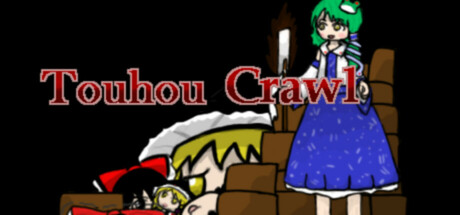 Touhou Crawl In-game content text | AI is used to create the initial draft translations for the game. | joy1999 | 74 | Sep 20, 2026 | |
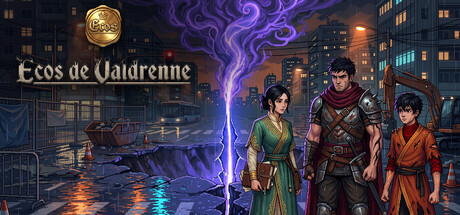 Ecos de Valdrenne In-game content artaudiocode | Pre-generated content: part of the game's art (backgrounds, character and enemy sprites, portraits, props, key art and capsule images) was created with generative image tools (Google Gemini, PixelLab) and then reviewed, cut, edited and assembled by hand by the developer. Some sound effects were produced with AI audio tools (ElevenLabs). Parts of the source code were written with the assistance of an AI coding assistant (Anthropic Claude) under the developer's direction and review. The story, game design, world, dialogue and puzzles are the developer's own work.
Live-generated content: none. The game does not generate any content with AI while it is running. | Manuel Manzano | - | Sep 19, 2026 | |
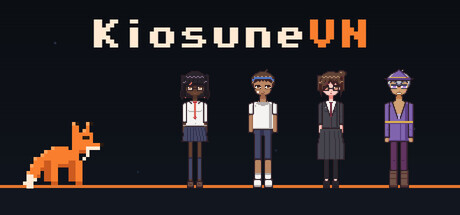 KiosuneVN Dev only codetext | KiosuneVN ships no generative AI: nothing it draws, composes or exports comes out of an AI model, it makes no calls to any AI service, and nothing you make is collected or sent anywhere. The developer used an AI assistant (Claude) to help write parts of the application's code and this store page's text; every character, sprite, cue and starter script the tools produce comes from hand-built, deterministic engines. | MelloStudios | - | Sep 19, 2026 | |
 Punch Rush In-game content artaudiocode | Code, icons, sounds and some art was created with AI assistance. | KHQ | - | Sep 19, 2026 | |
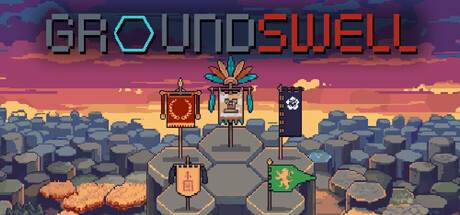 Groundswell In-game content artaudio | Artificial Intelligence was used to assist for the art, music, and development as this was built by a single person working a full time job. Your support is appreciated and we understand if this does not align with your values. | Two Drink Minimum Games | - | Sep 19, 2026 | |
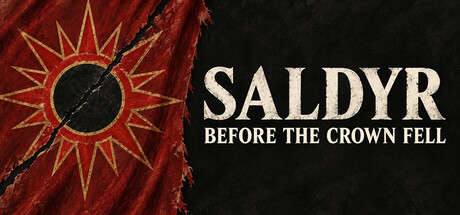 Saldyr: Before the Crown Fell In-game content artaudiotext | Generative AI was used during development for visual assets, music, and small portions of text, as well as the store artwork. These are pre-generated assets included with the game. No content is generated by AI during play, and the game does not connect to an AI service. | Saldyria | - | Sep 19, 2026 | |
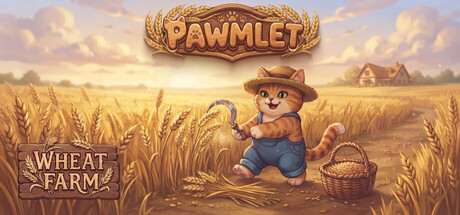 Pawmlet - Wheat Farm Dev only | Google Gemini, Google Antigravity, Pixellab services/tools are used during development process. | Deving Devs LLC | - | Sep 19, 2026 | |
 Killpath Dev only | Generative AI tools were used during the development of the game to assist with creating parts of the game. AI was used as a development aid, while the final content and implementation were reviewed and integrated by the developer. | Szymon Deresz | - | Sep 19, 2026 | |
 Skywatch Unclear artaudiotextcode | Art, sound, text and code | BearLoop | - | Sep 19, 2026 | |
 WRITE HOUSE In-game content artaudiocode | AI Generated Content Disclosure
Generative AI tools were used to create some of the game's visual assets, audio elements, and code during development:
Visuals & Art: Title artwork, in-game graphic assets.
Audio: Background music (BGM) and sound effects (SFX).
Code: Generative AI was used to assist in writing parts of the code. | Studio Writehouse | - | Sep 19, 2026 | |
 One duck too many In-game content art | a part of icon art generate by ai | Nelson chui | - | Sep 19, 2026 | |
 Your Fortune Teller In-game content textart | A local AI model writes personalized saju (Four Pillars) and compatibility readings from your birth details and selected topics. AI-assisted artwork and localized text are also used in the product and its store materials. | Xtiama | - | Sep 19, 2026 | |
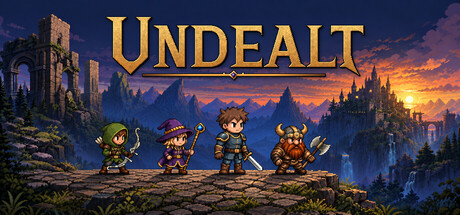 Undealt In-game content textartaudio | Use of AI for translation.
Use of AI to create/enhance some images.
Use of AI to Generate Audio | Tail House | - | Sep 19, 2026 | |
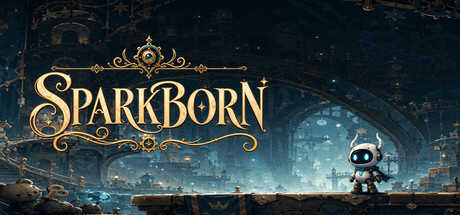 Sparkborn Unclear art | The images were created using AI | CUBE STUDIO | - | Sep 19, 2026 | |
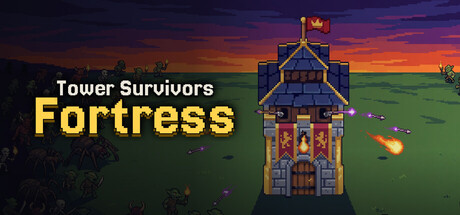 Tower Survivors: Fortress Dev only art | As a solo developer several of the art assets used during the development of the game are generated using AI models with art references. Should the game be successful it is my hope to slowly start using commissioned art. | Berraco | - | Sep 19, 2026 | |
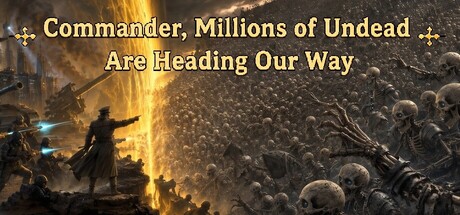 Commander, Millions of Undead Are Heading Our Way In-game content art | I (solo dev) use generative AI tools to help develop some in game assets. | Splitter Studio | - | Sep 19, 2026 | |
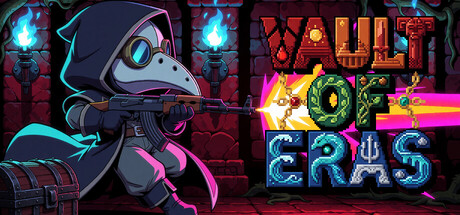 Vault of Eras Store/marketing art | Some capsule artworks were created with the assistance of generative AI and subsequently edited and refined manually. | Singulith | - | Sep 19, 2026 | |
 Xenmega In-game content art | AI image generation was used to create the logo, library assets and achievement assets for the game. | iMWCode Gaming | - | Sep 19, 2026 | |
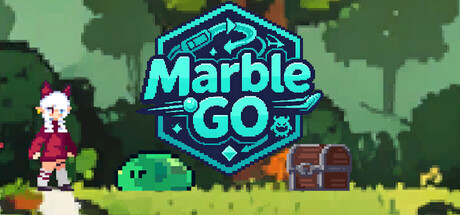 MarbleGo In-game content art | Some artistic assets in this game (including scene materials, item icons, visual effects, etc.) are created with the assistance of generative AI technology. All AI-generated content has been manually screened, adjusted, and reviewed for compliance by the development team to meet relevant regulations and platform policies. | FF | - | Sep 19, 2026 | |
 Cidle art | Some of the 2D art in Cidle Online was created with the help of generative AI
image tools. This includes parts of the sprite work for buildings, points of
interest and item icons, as well as some store page artwork. Every generated
image was reviewed, edited and adjusted by hand before it went into the game,
and assets are checked so they do not reproduce existing works.
All of this art is produced during development. Nothing is generated by AI
while you play, and the game does not send any of your data to an AI service. | Chop | - | Sep 19, 2026 | |
 Open Late In-game content artaudio | Some visual and audio assets were created with generative AI tools and then reviewed and edited by the developer: the city background scenes, the store trailers (including the animated cinematic and its character), the music tracks and ambient loops, and store/marketing images such as capsules and the icon. All gameplay, game design, code, UI, and text were written by the developer. No AI-generated content is created at runtime. | Legion Forge | - | Sep 18, 2026 | |
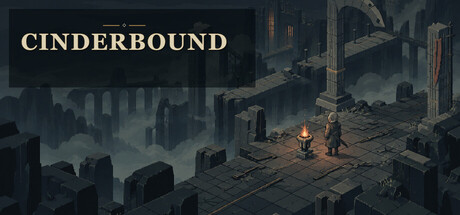 Cinderbound In-game content arttext | Generative AI tools assisted in creating pixel-art visuals, interface and narrative text, and Steam marketing artwork. This material is prepared in advance and integrated into the game and store page. The game does not generate content while running. | WackyJacky101 | - | Sep 18, 2026 | |
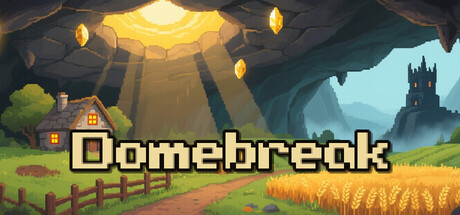 Domebreak In-game content arttext | Some of the game's artwork — item and skill icons, character portraits, and the store capsule illustrations — was created with the help of generative AI tools, then reviewed, selected, and edited by hand. Localization drafts were machine-translated and then reviewed and corrected. No AI content is generated while you play: all content ships with the game. | Second Player Studio | - | Sep 18, 2026 | |
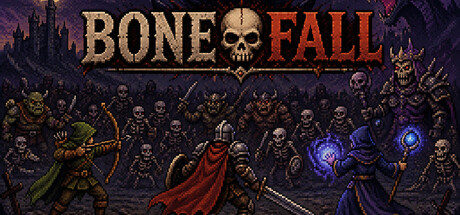 Bonefall In-game content arttext | Some art in Bonefall was made with generative AI tools and then cut, edited and fitted into the game by hand: the opening cinematic, the title-screen key art, the store and marketing art, and parts of the environment (the graveyard floor and scenery, the boss pillars). The Russian, Korean and Simplified Chinese translations were drafted with AI assistance. The heroes and monsters are human-made open-licensed pixel art (the Liberated Pixel Cup collection, credited in the game), and the sound effects are CC0 recordings. Nothing is generated while you play. | Alien Minds | - | Sep 18, 2026 | |
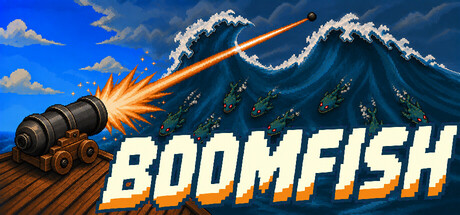 BoomFish In-game content arttext | This game uses generative AI-assisted content in some pre-rendered assets, such as visual effects, UI elements, background or promotional artwork, marketing/community materials, and localization. No live generative AI system is used during gameplay, and the game does not generate new player-facing content dynamically while the player is playing. | EmberSheep game | - | Sep 18, 2026 | |
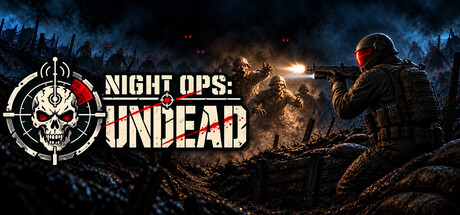 Night Ops: Undead In-game content art | Some environment prop artwork was created with an image-generation model from written briefs, then hand-reviewed, cropped and integrated. Sprites, tilesets, audio, UI, achievement icons and all code are authored procedurally or by hand. No AI-generated text, narrative or live-generated content. | Boarded Window Games | - | Sep 18, 2026 | |
 Break Even:The Grind In-game content artaudiotextcode | Break Even was built with an AI coding assistant working under the developer's direction and review. That includes the game's code and, with it, the pixel maps its sprites are drawn from, its synthesized sound, its dialogue and ending text, the scripts that draw the store images, and drafts of this store page. The game ships no image or audio files of its own — every picture is drawn and every sound synthesized by its own code while you play — and the one bundled file is an open-licence pixel font. No AI runs during play, and the game contacts no AI service. | Testudo Forge LLC | - | Sep 18, 2026 | |
 Salvage Inc In-game content artaudio | Salvage Inc. was designed, developed, and assembled by a human developer. Generative AI tools were used to assist in the creation of some game assets, including certain visual and audio elements. | Hyper Mode | - | Sep 18, 2026 | |
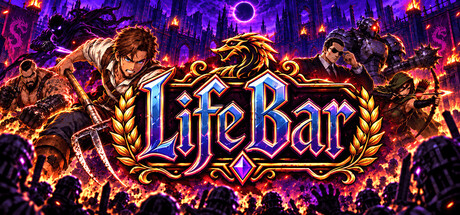 Life bar In-game content artaudio | Generative AI was used during development to assist in creating some pre-generated game assets, such as sound effects and visual content. No AI-generated content is created during gameplay. | liam frydman | - | Sep 18, 2026 | |
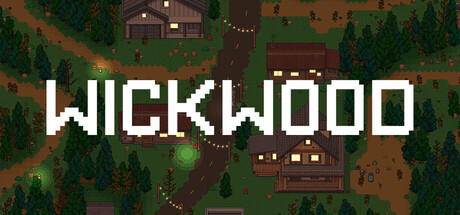 Wickwood In-game content textaudiocode | Wickwood is made by one developer, and generative AI was used openly in its production. Here is exactly where:
- Code: the game's GDScript code, the pixel-drawing scripts and the build/test tools were written with Claude (Anthropic) under the developer's design, direction and review.
- Text: the in-game notes and place descriptions, the ending credits and the store page copy were drafted with Claude and edited and approved by the developer.
- Music: all music tracks (world, main menu, finale) were generated with Google's Lyria from prompts written by the developer.
- Artwork: tilesets, characters and creatures are hand-drawn commercial pixel-art packs (credited in-game), not AI-generated. Some landmark props (the standing stones, the cave interiors, the bunker hatch and similar pieces) were drawn or assembled pixel by pixel by scripts written with Claude, using the palettes and parts of those packs.
- Sound effects were sourced from Freesound and Kenney's sound packs.
- Store art (capsules, logo, icons) was made by hand; screenshots and video are captured from the game itself.
No AI runs during gameplay: nothing is generated live, and the game does not connect to any online AI service. | Renderville Games | - | Sep 18, 2026 | |
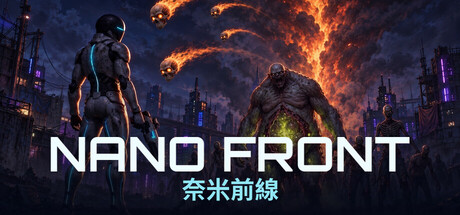 NANO FRONT In-game content artcode | Development of this game used AI assistance for writing source code, and for creating some of the in-game art assets such as objects and enemies. All AI-generated content was produced during development and reviewed by the developer; the game does not generate any content with AI at runtime. | Yang.biz | - | Sep 18, 2026 | |
 TamaWhere In-game content art | Generative AI tools were used during the development process to assist in the conceptualization and creation of character sprites and visual assets. All AI-generated content was pre-rendered and manually refined to fit the game's art style | David Kalil Braga | - | Sep 18, 2026 | |
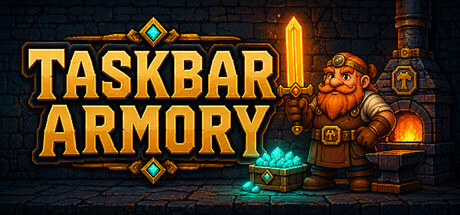 Taskbar Armory In-game content art | Taskbar Armory features artwork developed with generative AI. | Recoil Mojo | - | Sep 18, 2026 | |
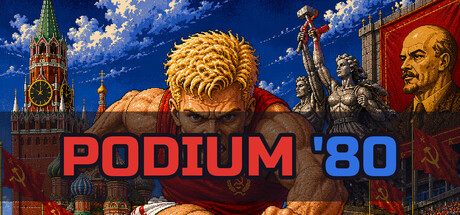 Podium '80 In-game content artaudiocode | Some AI tools were used during development to assist with code, artwork, and audio production. All content was reviewed, edited and assembled by the developer. | Mebobox Ltd | - | Sep 18, 2026 | |
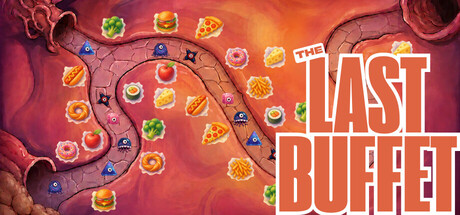 The Last Buffet In-game content arttext | This game features AI-assisted artwork and language translation. All assets were [reviewed or edited or approved] by the developer to ensure quality and consistency with the game's vision. | Sanalötesi Oyun Stüdyosu | - | Sep 18, 2026 | |
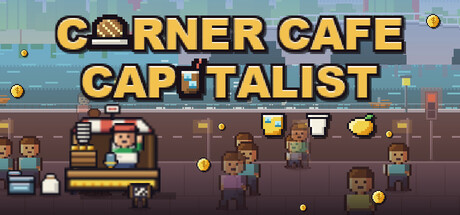 Corner Cafe Capitalist In-game content arttext | This game's art and some of its text content were created with AI-assisted tools during development and reviewed by the developer before shipping. Nothing is created live during gameplay by GenAI, and the game makes no AI-related network calls. | AstroDev | - | Sep 18, 2026 | |
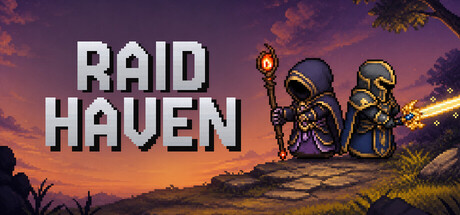 Raid Haven In-game content art | AI was used for minimal modifications to in-game sprites, and marketing materials. | Tabbing Studios | - | Sep 18, 2026 | |
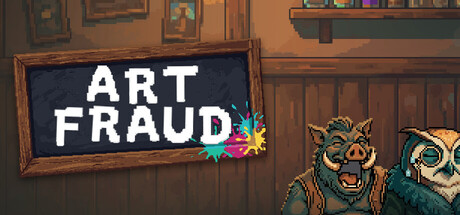 Art Fraud In-game content arttextcode | Graphics & Concepts: Generative AI was used to design and refine initial concept art, textures, and UI elements.
Texts & Dialogues: Portions of the lore, background stories, and dialogue scripts were conceptualized using AI language models and subsequently revised manually.
Code & Optimization: AI-assisted tools were utilized to optimize programming code and assist in debugging.
Note: All final assets in the game have been thoroughly reviewed, edited, and curated by the developer. | teaspoonstudios | - | Sep 18, 2026 | |
 Glintwave In-game content arttext | Portions of the game's 2D artwork were created with the assistance of generative AI image tools, then curated, edited, and integrated by the developer. Text localization into non-English languages was produced with AI translation assistance under developer review. | Karmikal Apps | - | Sep 18, 2026 | |
 Overdepth In-game content textartaudio | AI was used mainly for localization and for drafting written content, which the developer reviewed and edited.
No generative image, audio or video models were used. The game's sprites, item icons and zone backdrops are drawn procedurally by code. the sound effects and the trailer's audio bed are synthesised from waveform formulas.
There is no run-time AI in the shipped product - nothing is generated on the player's machine. | Artur Matsuk | - | Sep 18, 2026 | |
 Horror Stories: Social Problems Unclear art | Helped with some art | YarFunnyStar | - | Sep 18, 2026 | |
 Arcane Eclipse: Survivors Store/marketing art | We used Generative AI tools solely to assist in creating capsule art and marketing assets for the store page. No AI content is generated live during gameplay. | Levivi | - | Sep 18, 2026 | |
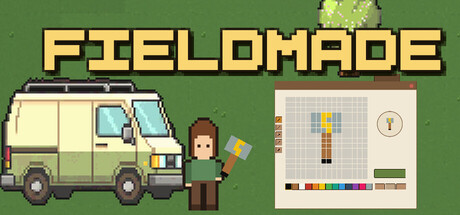 Fieldmade Dev only | During the development process, we may use procedural- and AI-based tools to assist with content creation. In all such cases, the final product reflects the creativity and expression of our own development team. | Andrew Brown | - | Sep 18, 2026 | |
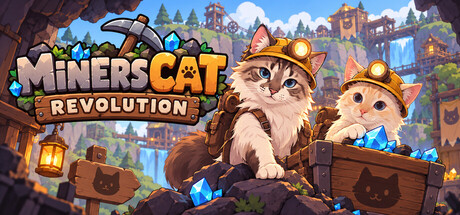 Miners Cat Revolution In-game content arttext | The pixel art in Miners Cat Revolution: the cats, the icons and the store art was generated with AI and then edited and assembled by hand. The translations into the nine languages other than Spanish were AI-assisted and reviewed afterwards.
Everything else is human-made: the code, the game design, the balance and the original Spanish text are written by one person.
Nothing is generated while you play. All of it ships with the game, finished and fixed. | Igris | - | Sep 18, 2026 | |
 Hasta Agotar Existencias In-game content artaudio | Some 3D props, textures and ambient voice audio were pre-generated with AI tools during development and then edited by hand. The game does not generate any content with AI while you play. | Black and Bald Cats Studios | - | Sep 18, 2026 | |
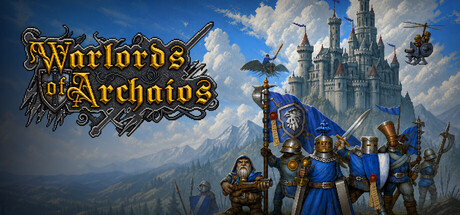 Warlords of Archaios Online In-game content arttext | Generative AI tools are used during development to help create selected artwork, including ability icons, and to draft and edit text. This content is prepared before release. No content is generated by AI during gameplay, and the game does not connect to external AI services. | Dario Koen | - | Sep 18, 2026 | |
 Goalcrest: Club Management Tycoon Store/marketing art | Game covers are made with AI | Tycoon Managers | - | Sep 18, 2026 | |
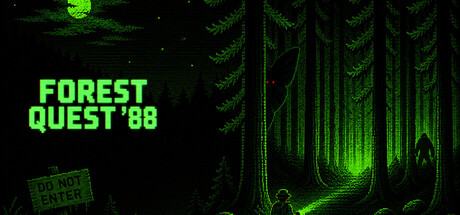 Forest Quest 88 In-game content text | The branching narrative in FOREST QUEST '88 was generated during development using a locally-run AI language model (an offline Dolphin/LLaMA-family model via Ollama). All AI-generated text was produced ahead of time, then reviewed, edited, and curated by the developer before being baked into the finished game as fixed, hand-checked content. The shipped game contains no live AI generation — it plays back a static, pre-authored story. No player data is sent to any AI service; the game runs fully offline. | ShangkoStudio | - | Sep 18, 2026 | |
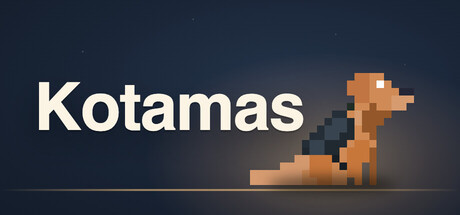 Kotamas Store/marketing art | only for marketing images, the assets are from real artist 2d animations, updated with coloring to have variation. | Nalora Studio | - | Sep 18, 2026 | |
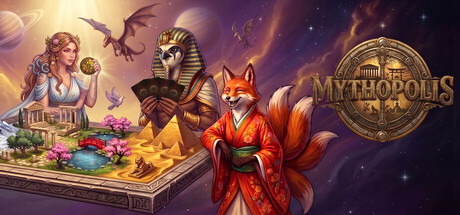 Mythopolis Store/marketing art | Some store artwork (capsules, hero art, page background) was created with generative AI and then edited by hand. All in-game art, audio and text are hand-made or licensed. The game does not generate any content at runtime. | Ridvan Dursun | - | Sep 18, 2026 |


