Public Steam disclosure research25,380 disclosures tracked
Where do games disclose AI use?
Search developers’ Steam disclosures, compare classified AI use across
games, and follow recorded changes.
This index adds cross-game classifications and statistics to
statements published on individual store pages.
Groups reflect automatic analysis of public disclosures; mature records are excluded. These counts do not measure AI use across all of Steam.
Missing or unclear statements cannot establish whether a game uses AI.
All visual assets, character art, backgrounds, music, sound effects, dialogue implementation, and programming assistance for this game were created with the help of generative AI tools. The original concept, story, characters, direction, and overall game design were created by the developer. AI was used as a creative production tool during development, while all final content selection, editing, and integration were directed by the developer.
This game uses generative AI tools for code creation, refactoring, debugging assistance, and drafting and revising store text. All AI-generated output is reviewed and edited by the developer before use. The game does not generate AI content during gameplay, nor does it connect to any external AI services.
Artwork, Sound design, Music, Gameplay and Programming are human-created. AI was used to pre-plan artwork, editing/extending images, generating background sounds and music, and to speed up coding.
AI images are being temporarily used in the Steam Store presence and will be removed and replaced before game's release.
Some visual promotional materials and graphic assets used for the Steam store page, including logo and marketing imagery, were created or assisted using generative AI tools. All final assets were reviewed, edited and integrated by the developer. No generative AI is used during gameplay, and the game does not generate content in real time.
All AI art assets within the game were generated using Adobe Firefly, ensuring full commercial compliance. The prompts used were strictly limited to general artistic styles without imitating any specific copyrighted artists. Furthermore, all generated assets underwent substantial manual refinement, including photo-bashing, manual composition, and layout optimization by the developer.
AI was used during development to assist with brainstorming, writing dialogue, generating character concepts, story planning, and organizing game data. All content was reviewed, edited, and implemented by the developer.
The original Japanese versions of the scenarios and texts are 100% original by the developers themselves, but to support multilingual support, generative AI is used only for translation from Japanese to English.
Generative AI is not used for the game's visual assets or system programs.
Generative AI tools are used during development for the creation and refinement of certain visual assets, animations, music, sound effects and voice content.
AI-assisted workflows are also utilized for localization support, historical research, narrative iteration and code review.
All AI-generated material is manually reviewed, edited and integrated into the final game experience by the developer.
Some pre-generated content, such as text, images, or audio, may have been created with the assistance of generative AI. All AI-assisted content was reviewed, edited, and implemented by the developer. The game does not generate AI content dynamically during gameplay.
Some visual assets (character sprites and facial feature illustrations)
and background music in this game were created with the assistance
of AI generation tools. All AI-generated content was reviewed,
selected, and edited by the developer before inclusion in the game.
No AI content is generated live during gameplay.
Generative AI was used to assist in the creation of certain promotional and store page marketing assets. No generative AI content is used during gameplay or generated for players at runtime.
The current prototype of Docket 87 includes some temporary AI-assisted visual materials, mainly fictional photographic and video evidence used to test the tone, format and workflow of the case files.
These materials are pre-generated, curated and edited by the development team. They are not generated during gameplay, and AI is not used to dynamically create story, dialogue, puzzles, music, sound effects, programming or player-specific content.
For the final commercial release, all evidence assets will follow a rights-cleared production pipeline. If any AI-assisted material remains in the final game, it will be created with commercially licensed tools, transformed through human art direction, editing and retouching, and reviewed to avoid copyrighted images, real people, private individuals, artist-specific styles, brands or third-party intellectual property.
AI is used for cinematic cutscenes and certain art assets, but the majority of the work is done manually.
Similarly, code workflows include partial generation for certain C++, C#, and HLSL functions.
This game uses pre-generated AI-assisted assets in some development and marketing materials, including draft visuals, voice work, localization support, and production references. Final content is reviewed and curated by the developer. The game does not generate AI content during gameplay.
Generative AI was used strictly as an assistive tool during development. It was utilized to help debug code, optimize scripts, and generate minor background visual elements. All core gameplay mechanics, main graphics, story, and game design were created entirely by the developer.
Generative AI tools, including GPT/Codex, were used during development to create, draft, edit, and process pre-generated game content, including UI text, localization drafts, icons, interface assets, store copy, planning materials, QA materials, and code assistance.
All AI-assisted content included in the game or marketing materials was reviewed, selected, edited, and integrated by the developer before publication.
The game does not include live-generated AI content, AI chatbots, runtime AI generation, or in-game AI image generation.
Generative AI tools were used during the development process to assist in writing, optimizing, and refining C# scripts in Unity, as well as in the conceptualization, texture generation, and editing of 2D visual assets and user interface elements.
Generative AI was used to create a small number of pre-rendered images used in optional easter eggs and hidden content. The core gameplay, programming, design, and the majority of the game’s assets were created manually by the developer. The game does not use real-time AI-generated content or AI-driven gameplay systems.
This game includes some visual and audio contents created with the assistance of generative A.I. All content included in the final release was curated, edited, and integrated by the developer as part of the creative process. The game engine and logic is 100% human created.
Authorisation Engine uses generative AI tools during development to assist with selected pre-generated assets and production materials, including some store artwork and audio/localization workflow support. All such content is reviewed and curated before inclusion. The game does not live-generate gameplay content with AI at runtime.
Some of the in-game 2D textures and visual effects were created using AI-based tools. These elements are modified in terms of art and development throughout the production process to ensure they meet our quality standards and creative vision.
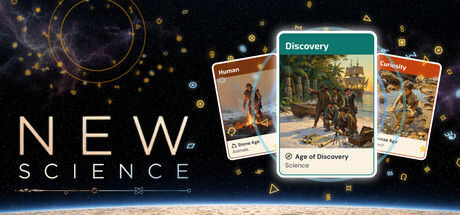
New Science uses generative AI as a core part of its discovery system. When a player attempts a combination, an AI model may be used to determine whether the two selected objects can logically produce a new result. Generative AI is also used to create an illustration for newly discovered objects. Known discoveries are stored and reused, so the same established combination does not need to be generated again for every player. This system allows New Science to support open-ended experimentation beyond a small, completely predefined recipe list. Players may therefore encounter newly generated combinations and images that have not previously been seen by the development team.
This game was developed with the assistance of generative AI tools. AI tools were used during development to help generate or organize code, game text, UI text, data structures, and some visual assets, such as icons or other art resources. All AI-assisted content is pre-generated and reviewed by the developer before being included in the game build. The game does not generate AI content during gameplay and does not connect to any external AI services.
Some visual assets and promotional materials for Frozen Christmas Magic: Santa’s Hidden Village were created with the assistance of generative AI tools, then manually directed, selected, edited and integrated by the developer as part of the game’s artistic production pipeline.
No real-time generative AI is used during gameplay.
AI tools were used to assist with code generation. All visual art is hand-drawn by the developer. All AI-assisted content has been manually reviewed and refined.
This game contains pre-generated AI content.
Visual assets, including backgrounds, UI elements, achievement icons, and certain in-game illustrations, were created with the assistance of generative AI tools and integrated into the final game by the developer.
This game utilizes AI tools in parts of the music arrangement and sound production process. AI is used for sampling, sound design, and music production assistance, while the final adjustments, editing, and implementation are handled by the developers themselves.
Some pre-generated visual assets and development materials were created or assisted using generative AI tools, including AI-assisted development workflows. These assets are reviewed and selected by the developer before being included in the game. The game does not generate AI content during gameplay.
All text content was originally written in pt‑BR (Brazilian Portuguese) and localized into other languages with the assistance of AI tools. This localization extends beyond the game itself.
All creative assets were created by humans, such as audio, visual, and other content developed by our team or licensed from third parties.
All visual assets, character art, backgrounds, music, sound effects, dialogue implementation, and programming assistance for this game were created with the help of generative AI tools. The original concept, story, characters, direction, and overall game design were created by the developer. AI was used as a creative production tool during development, while all final content selection, editing, and integration were directed by the developer.
This game uses generative AI tools for code creation, refactoring, debugging assistance, and drafting and revising store text. All AI-generated output is reviewed and edited by the developer before use. The game does not generate AI content during gameplay, nor does it connect to any external AI services.
Artwork, Sound design, Music, Gameplay and Programming are human-created. AI was used to pre-plan artwork, editing/extending images, generating background sounds and music, and to speed up coding.
AI images are being temporarily used in the Steam Store presence and will be removed and replaced before game's release.
Some visual promotional materials and graphic assets used for the Steam store page, including logo and marketing imagery, were created or assisted using generative AI tools. All final assets were reviewed, edited and integrated by the developer. No generative AI is used during gameplay, and the game does not generate content in real time.
All AI art assets within the game were generated using Adobe Firefly, ensuring full commercial compliance. The prompts used were strictly limited to general artistic styles without imitating any specific copyrighted artists. Furthermore, all generated assets underwent substantial manual refinement, including photo-bashing, manual composition, and layout optimization by the developer.
AI was used during development to assist with brainstorming, writing dialogue, generating character concepts, story planning, and organizing game data. All content was reviewed, edited, and implemented by the developer.
The original Japanese versions of the scenarios and texts are 100% original by the developers themselves, but to support multilingual support, generative AI is used only for translation from Japanese to English.
Generative AI is not used for the game's visual assets or system programs.
Generative AI tools are used during development for the creation and refinement of certain visual assets, animations, music, sound effects and voice content.
AI-assisted workflows are also utilized for localization support, historical research, narrative iteration and code review.
All AI-generated material is manually reviewed, edited and integrated into the final game experience by the developer.
Some pre-generated content, such as text, images, or audio, may have been created with the assistance of generative AI. All AI-assisted content was reviewed, edited, and implemented by the developer. The game does not generate AI content dynamically during gameplay.
Some visual assets (character sprites and facial feature illustrations)
and background music in this game were created with the assistance
of AI generation tools. All AI-generated content was reviewed,
selected, and edited by the developer before inclusion in the game.
No AI content is generated live during gameplay.
Generative AI was used to assist in the creation of certain promotional and store page marketing assets. No generative AI content is used during gameplay or generated for players at runtime.
The current prototype of Docket 87 includes some temporary AI-assisted visual materials, mainly fictional photographic and video evidence used to test the tone, format and workflow of the case files.
These materials are pre-generated, curated and edited by the development team. They are not generated during gameplay, and AI is not used to dynamically create story, dialogue, puzzles, music, sound effects, programming or player-specific content.
For the final commercial release, all evidence assets will follow a rights-cleared production pipeline. If any AI-assisted material remains in the final game, it will be created with commercially licensed tools, transformed through human art direction, editing and retouching, and reviewed to avoid copyrighted images, real people, private individuals, artist-specific styles, brands or third-party intellectual property.
AI is used for cinematic cutscenes and certain art assets, but the majority of the work is done manually.
Similarly, code workflows include partial generation for certain C++, C#, and HLSL functions.
This game uses pre-generated AI-assisted assets in some development and marketing materials, including draft visuals, voice work, localization support, and production references. Final content is reviewed and curated by the developer. The game does not generate AI content during gameplay.
Generative AI was used strictly as an assistive tool during development. It was utilized to help debug code, optimize scripts, and generate minor background visual elements. All core gameplay mechanics, main graphics, story, and game design were created entirely by the developer.
Generative AI tools, including GPT/Codex, were used during development to create, draft, edit, and process pre-generated game content, including UI text, localization drafts, icons, interface assets, store copy, planning materials, QA materials, and code assistance.
All AI-assisted content included in the game or marketing materials was reviewed, selected, edited, and integrated by the developer before publication.
The game does not include live-generated AI content, AI chatbots, runtime AI generation, or in-game AI image generation.
Generative AI tools were used during the development process to assist in writing, optimizing, and refining C# scripts in Unity, as well as in the conceptualization, texture generation, and editing of 2D visual assets and user interface elements.
Generative AI was used to create a small number of pre-rendered images used in optional easter eggs and hidden content. The core gameplay, programming, design, and the majority of the game’s assets were created manually by the developer. The game does not use real-time AI-generated content or AI-driven gameplay systems.
This game includes some visual and audio contents created with the assistance of generative A.I. All content included in the final release was curated, edited, and integrated by the developer as part of the creative process. The game engine and logic is 100% human created.
Authorisation Engine uses generative AI tools during development to assist with selected pre-generated assets and production materials, including some store artwork and audio/localization workflow support. All such content is reviewed and curated before inclusion. The game does not live-generate gameplay content with AI at runtime.
Some of the in-game 2D textures and visual effects were created using AI-based tools. These elements are modified in terms of art and development throughout the production process to ensure they meet our quality standards and creative vision.
New Science uses generative AI as a core part of its discovery system. When a player attempts a combination, an AI model may be used to determine whether the two selected objects can logically produce a new result. Generative AI is also used to create an illustration for newly discovered objects. Known discoveries are stored and reused, so the same established combination does not need to be generated again for every player. This system allows New Science to support open-ended experimentation beyond a small, completely predefined recipe list. Players may therefore encounter newly generated combinations and images that have not previously been seen by the development team.
This game was developed with the assistance of generative AI tools. AI tools were used during development to help generate or organize code, game text, UI text, data structures, and some visual assets, such as icons or other art resources. All AI-assisted content is pre-generated and reviewed by the developer before being included in the game build. The game does not generate AI content during gameplay and does not connect to any external AI services.
Some visual assets and promotional materials for Frozen Christmas Magic: Santa’s Hidden Village were created with the assistance of generative AI tools, then manually directed, selected, edited and integrated by the developer as part of the game’s artistic production pipeline.
No real-time generative AI is used during gameplay.
AI tools were used to assist with code generation. All visual art is hand-drawn by the developer. All AI-assisted content has been manually reviewed and refined.
This game contains pre-generated AI content.
Visual assets, including backgrounds, UI elements, achievement icons, and certain in-game illustrations, were created with the assistance of generative AI tools and integrated into the final game by the developer.
This game utilizes AI tools in parts of the music arrangement and sound production process. AI is used for sampling, sound design, and music production assistance, while the final adjustments, editing, and implementation are handled by the developers themselves.
Some pre-generated visual assets and development materials were created or assisted using generative AI tools, including AI-assisted development workflows. These assets are reviewed and selected by the developer before being included in the game. The game does not generate AI content during gameplay.
All text content was originally written in pt‑BR (Brazilian Portuguese) and localized into other languages with the assistance of AI tools. This localization extends beyond the game itself.
All creative assets were created by humans, such as audio, visual, and other content developed by our team or licensed from third parties.