








Disclosure
Characters and environments are human‑created. Some cutscenes, special effects and icons use AI-generated assets.
- Creator
- Beijing Gaishi Potato Technology Co., Ltd
- Reviews
- -
- Added
- Aug 23, 2026
Public Steam disclosure research 25,380 disclosures tracked
Search developers’ Steam disclosures, compare classified AI use across games, and follow recorded changes. This index adds cross-game classifications and statistics to statements published on individual store pages.
Code help, debugging and other development work.
Capsule art, trailers and promotional material.
Pre-made art, audio, writing and other game assets.
Interactive or runtime AI features disclosed by the developer.
Groups reflect automatic analysis of public disclosures; mature records are excluded. These counts do not measure AI use across all of Steam. Missing or unclear statements cannot establish whether a game uses AI.
Characters and environments are human‑created. Some cutscenes, special effects and icons use AI-generated assets.
This game uses generative AI in two ways. Live-generated: The streamer character "Sia" reacts to the messages you type in real time. Her lines are generated during play by a large language model through an external AI service, so they are not pre-written. If the service is unavailable, the game falls back to pre-written lines and remains fully playable. Pre-rendered: Some in-game artwork (item icons, character and creature sprites, textures) and some sound effects were produced with AI generation tools and then edited by the developer before shipping.
AI was used in development of the game
This game was developed with help from an AI assistant under human direction and review. No content is AI-generated while the game is running.
As a solo developer, I made use of AI for generation of models and music to act as base components. These typically went through much manual editing afterwards. Some AI was used for testing & improvements to code in some areas
Generative Artificial Intelligence used in software development.
Generative AI was used to create portions of music, icon art, and some textures.
Claude Code was used in the making of this game to assist with testing, debugging and optimization of the game.
Generative artificial intelligence was used during development mainly to assist with localization and code, with some 2D/3D assets, and selected audio assets. All AI-assisted content was manually reviewed, edited, and refined by the developer before use.
Parts of this game's 2D art were created with the help of generative AI, and every generated asset was reviewed, edited and approved by us before it shipped. Specifically: • In-game UI icons (weapon and stat icons) start as AI-generated flat silhouettes, which we then clean up, recolour and integrate by hand. • Some marketing and store page imagery — background and atmospheric layers of our capsule art — is AI-generated. • Parts of the source code and some store page text were written with AI assistance and then reviewed, edited and tested by the developers. Everything else is made by hand, without generative AI: the logo, the app icon and mascot, all 3D models, materials, shaders and visual effects, level layouts. No generative AI runs while you play. The game does not create content or code at runtime, and it never connects to an external AI service.
I use generative AI as a tool during development: • Some 3D models (characters, creatures and props) were created with AI generation tools, then edited, rigged and animated by hand for use in the game. • Some sound effects were generated with AI audio tools, then edited and mixed by hand. • Some store page and marketing artwork was created with AI image generation. Everything produced this way is reviewed and reworked by me before it ships. The game generates no content while you play and connects to no AI service at runtime.
Generative AI tools were used to help create some in-game visual and audio assets.
Some of MORTAROT's visual assets were created with the assistance of generative AI image tools and then edited, composited, and refined by hand by the artist. Some interface text and the English localization were drafted with AI assistance and reviewed by the team. AI coding assistants were also used during development. All AI-generated content has been reviewed to ensure that it does not contain infringing or illegal material.
AI was used as an assistant for programming.
Some pre-made content was created with the help of generative AI and curated by the developer: promotional/splash artwork and some item icons, several source 3D meshes, background music tracks, and portions of in-game flavor text. The game does not generate any content at runtime.
In game soundtracks were generated in Suno. AI assisted with drafting assests in Blender.
AI-assisted tools were used solely during development to support programming tasks such as coding, debugging, and refactoring. All resulting code was reviewed, tested, and integrated by the developer. The game does not generate content using AI during gameplay.
Generative AI tools assisted with some pre-generated player-facing text, localization, visual designs, and store and marketing content. All resulting material was reviewed and edited before inclusion. Random Mix does not use generative AI at runtime or connect to an AI service. Its music is generated locally through conventional procedural algorithms based on music-theory rules; no machine-learning model is involved.
This game uses generative AI to create part of its visual content. Specifically, AI tools were used as part of the graphics workflow to generate concept and source material for sprites and artwork, which were then manually reworked, adjusted, and integrated into the final game using Affinity Designer.
This game uses generative AI tools in parts of its production. - Some 3D models: generated with AI tools as a base. Shape edits, UV unwrapping, texturing, rigging, animation and facial setup are done by the developer. - Some image assets such as textures: generated with AI tools, then applied and adjusted by the developer. - English text: machine-translated from the Japanese original and reviewed by the developer. Game design, systems, and gameplay tuning are all done by the developer.
AI was used to create references and/or original textures and sounds.
AI generates a few images and icons, reviewed manually.
Generative AI tools were used during development to assist with pre-generated content. No generative AI content is created during gameplay, and the game does not connect to external AI services.
AI tools were utilized to assist with testing processes and to generate localized store page descriptions.
Development of this game uses AI coding agents. Some procedural shader code shipping in the game was written by coding agents following human-made designs. All designs, music, and art styles are created by humans. All in-game text is written or edited by a human before release; no generated text ships unreviewed. No AI content is generated at runtime.
Some store page and marketing artwork in this game was created with the help of generative AI tools. Game text localization into languages other than English and Korean was produced with AI-assisted translation and reviewed before shipping. All AI-generated content is pre-generated during development; the game does not generate any content live at runtime.
Generative AI tools were used during development to create and assist with many of the game's visual assets, including character artwork, card illustrations, backgrounds, and UI elements. These assets were generated during development and are included in the game as pre-generated, static content. The game does not use generative AI to create content during gameplay.
ChromaFlow was developed with assistance from generative AI tools (such as Large Language Models) to help write and structure the source code and draft store descriptions. All AI-generated content was reviewed, edited, and integrated manually. The game does not feature live, runtime generative AI or external API connections during gameplay.
Some images and sound effects were created or assisted by generative AI and were reviewed, edited, and integrated into the game by the developer. No real-time generative AI is used during gameplay.
Generative AI was used near the end of the development process to make the colored fur on the wolves seen in the cinematic video and also used side by side with the developer to create a simple but clean UI (user interface).
AI-assisted coding was used in the development of Xenovector, including systems responsible for procedural environments, visual effects and dynamically assembled in-game scenery. AI-generated or AI-assisted artwork was also used for in-game backgrounds and graphical elements, in addition to promotional/store assets.
AI was used to speed up the development process
Generative AI is used for localization in some languages.
I used AI for generating guide image, illustration, or trailer. These would be replaced before 1.0 release.
Generative sounds and pixel art effects.
Some content was created with the assistance of generative AI tools: 2D store and marketing art (library capsule and library hero), the game's localization into non-English languages, and portions of in-game flavour text. All localization was reviewed before shipping. All in-game visuals are generated procedurally at runtime from code, all sound effects are synthesised at runtime, and all music is human-composed and licensed under CC BY 4.0. The game performs no AI generation at runtime and connects to no external AI service.
Some art, icons, music, sound effects, and marketing or store assets were created or assisted with generative AI tools during development, then reviewed and curated by the team. The game does not generate new AI content in real time during gameplay and does not connect to external AI services while you play.
Some of Phosphor Command's store and marketing artwork. Notably, the library/hero image was created using a generative AI image tool, based on our own in‑game screenshots, and finalized by the developer. All AI‑generated content is pre‑generated; the game generates no AI content during gameplay. We hold the rights to use this content.
Some of this game's assets were produced with the help of generative AI tools: the 2D key art and cinematic stills used in the trailer, capsule art and main menu; the base meshes for the twelve zodiac fighters, generated with Meshy and then rigged, retextured and reworked by hand; and part of the music and sound effects. Every AI-generated asset was reviewed, edited and integrated manually before shipping. No generative AI runs at runtime — nothing is generated while you play.
SUPERBOLT is built almost entirely from code: the lightning, the effects, the interface and the audio are generated by the game as it runs. Generative AI was used during production to help prepare some supporting artwork — background layers and achievement icons — and to draft some of the written text. Nothing is generated by AI while you play, and the game connects to no AI service.
Some of the visuals on our store page and some of the 2D illustrations in our game were created with the help of AI-powered tools.
During development, we used generative AI tools to assist in some content creation and coding.
Generative AI tools were used to assist in the localization process for certain supported languages within the game.
This game contains game assets created with machine learning technology and refined through human review and editing. Developed by Hayden-Fisher Technologies, Inc. (an independently owned tech consulting and engineering corporation).
Stick Crisis was developed with assistance from generative AI tools. AI-assisted image and animation tools were used to create selected visual assets, character animation frames and pre-rendered cinematics; these materials were reviewed, edited and integrated by the developer. AI coding assistants also contributed to portions of the source code. The game does not generate content during gameplay or connect to generative AI services at runtime.
Some visual assets (a portion of skill icons and the boss health-bar UI element) and background music tracks were created with the assistance of AI generation tools.
AI Was used to generate the page description, it was also used to test certain parts of the game and help debug a few problems, there was partial AI usage also for the game music, while the music itself was created in FL Studio there was usage to generate some of the variants of the tracks
AI coding assistants were used during development to help create and edit portions of the code and player-facing implementation that ship with the game. The game's 2D artwork was not created by an image-generation model. All AI-assisted outputs were reviewed, edited, and integrated by the developer. The game does not use generative AI at runtime.
Most of the graphic images were generated using AI with further manual processing
AI tools were used for some initial concept designs. All final in-game assets, characters and scenes have been extensively hand-edited, redrawn and post-processed by the developer to achieve a consistent hand-drawn comic style.
| Title⇅ | Disclosure | Creator⇅ | Src | Reviews⇅ | Added↓ |
|---|---|---|---|---|---|
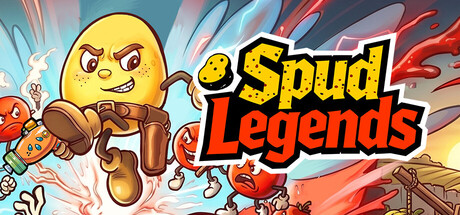 Spud Legends In-game content art | Characters and environments are human‑created. Some cutscenes, special effects and icons use AI-generated assets. | Beijing Gaishi Potato Technology Co., Ltd | - | Aug 23, 2026 | |
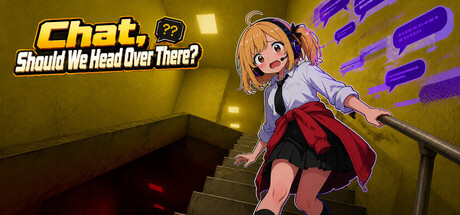 Chat, Should We Head Over There? Live AI textartaudio | This game uses generative AI in two ways.
Live-generated: The streamer character "Sia" reacts to the messages you type in real time. Her lines are generated during play by a large language model through an external AI service, so they are not pre-written. If the service is unavailable, the game falls back to pre-written lines and remains fully playable.
Pre-rendered: Some in-game artwork (item icons, character and creature sprites, textures) and some sound effects were produced with AI generation tools and then edited by the developer before shipping. | akarolls | - | Aug 23, 2026 | |
 UNDERSTAR: Dig Below, Rise Above Unclear | AI was used in development of the game | Nextgenrun games | - | Aug 22, 2026 | |
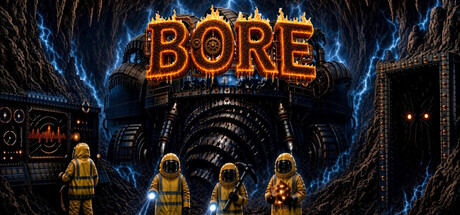 BORE Dev only | This game was developed with help from an AI assistant under human direction and review. No content is AI-generated while the game is running. | BavelGG | - | Aug 22, 2026 | |
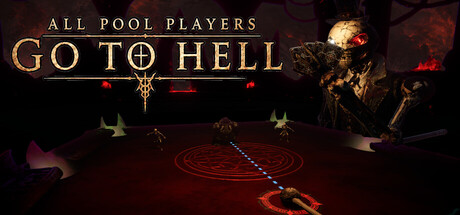 All Pool Player Go To Hell In-game content artaudiocode | As a solo developer, I made use of AI for generation of models and music to act as base components. These typically went through much manual editing afterwards.
Some AI was used for testing & improvements to code in some areas | John McGrath | - | Aug 22, 2026 | |
 Nine Islands Dev only | Generative Artificial Intelligence used in software development. | Tencubed Games | - | Aug 22, 2026 | |
 Larina In-game content audioart | Generative AI was used to create portions of music, icon art, and some textures. | Stefan Pulfer | - | Aug 22, 2026 | |
 Hyper ACK Dev only | Claude Code was used in the making of this game to assist with testing, debugging and optimization of the game. | Mosphere Games | - | Aug 22, 2026 | |
 Grumpy Hero Grinder In-game content artaudiocodetext | Generative artificial intelligence was used during development mainly to assist with localization and code, with some 2D/3D assets, and selected audio assets. All AI-assisted content was manually reviewed, edited, and refined by the developer before use. | devtainer | - | Aug 22, 2026 | |
 Cyber Survivors In-game content artcode | Parts of this game's 2D art were created with the help of generative AI, and every generated asset was reviewed, edited and approved by us before it shipped.
Specifically:
• In-game UI icons (weapon and stat icons) start as AI-generated flat silhouettes, which we then clean up, recolour and integrate by hand.
• Some marketing and store page imagery — background and atmospheric layers of our capsule art — is AI-generated.
• Parts of the source code and some store page text were written with AI assistance and then reviewed, edited and tested by the developers.
Everything else is made by hand, without generative AI: the logo, the app icon and mascot, all 3D models, materials, shaders and visual effects, level layouts.
No generative AI runs while you play. The game does not create content or code at runtime, and it never connects to an external AI service. | Nadyos | - | Aug 22, 2026 | |
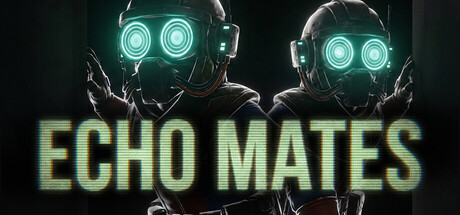 Echo Mates In-game content artaudio | I use generative AI as a tool during development:
• Some 3D models (characters, creatures and props) were created with AI generation tools, then edited, rigged and animated by hand for use in the game.
• Some sound effects were generated with AI audio tools, then edited and mixed by hand.
• Some store page and marketing artwork was created with AI image generation.
Everything produced this way is reviewed and reworked by me before it ships. The game generates no content while you play and connects to no AI service at runtime. | Vasilii Privalov | - | Aug 22, 2026 | |
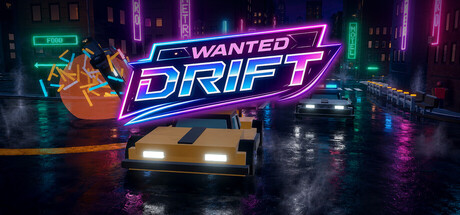 Wanted Drift In-game content artaudio | Generative AI tools were used to help create some in-game visual and audio assets. | Steadfast | - | Aug 22, 2026 | |
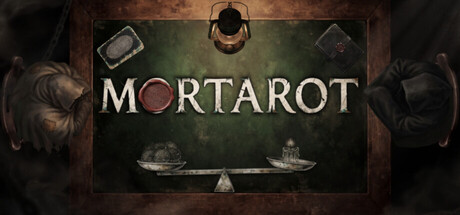 MORTAROT In-game content arttextcode | Some of MORTAROT's visual assets were created with the assistance of generative AI image tools and then edited, composited, and refined by hand by the artist. Some interface text and the English localization were drafted with AI assistance and reviewed by the team. AI coding assistants were also used during development. All AI-generated content has been reviewed to ensure that it does not contain infringing or illegal material. | Petri Games | - | Aug 22, 2026 | |
 Carve The Cave Together Dev only code | AI was used as an assistant for programming. | Gooder Games | - | Aug 22, 2026 | |
 AsterMaster In-game content artaudiotext | Some pre-made content was created with the help of generative AI and curated by the developer: promotional/splash artwork and some item icons, several source 3D meshes, background music tracks, and portions of in-game flavor text. The game does not generate any content at runtime. | Zebka LTD | - | Aug 22, 2026 | |
 Wanderbound In-game content audioart | In game soundtracks were generated in Suno. AI assisted with drafting assests in Blender. | Soft Sky Studio | - | Aug 22, 2026 | |
 Hexfall Dev only code | AI-assisted tools were used solely during development to support programming tasks such as coding, debugging, and refactoring. All resulting code was reviewed, tested, and integrated by the developer. The game does not generate content using AI during gameplay. | Schatzl IT Solutions GmbH | - | Aug 22, 2026 | |
 Random Mix In-game content textart | Generative AI tools assisted with some pre-generated player-facing text, localization, visual designs, and store and marketing content. All resulting material was reviewed and edited before inclusion. Random Mix does not use generative AI at runtime or connect to an AI service. Its music is generated locally through conventional procedural algorithms based on music-theory rules; no machine-learning model is involved. | InternalErrorX | - | Aug 22, 2026 | |
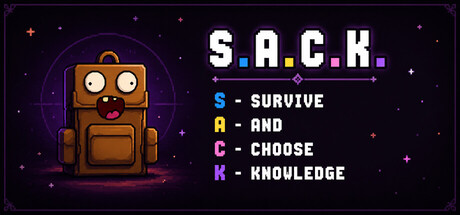 S.A.C.K. - Survive and Choose Knowledge In-game content art | This game uses generative AI to create part of its visual content. Specifically, AI tools were used as part of the graphics workflow to generate concept and source material for sprites and artwork, which were then manually reworked, adjusted, and integrated into the final game using Affinity Designer. | Christian Schilling | - | Aug 22, 2026 | |
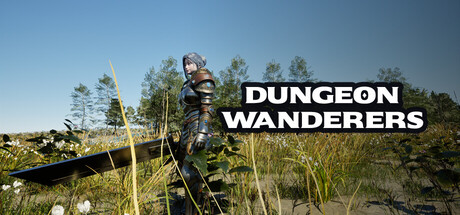 Dungeon Wanderers In-game content arttext | This game uses generative AI tools in parts of its production.
- Some 3D models: generated with AI tools as a base. Shape edits, UV unwrapping, texturing, rigging, animation and facial setup are done by the developer.
- Some image assets such as textures: generated with AI tools, then applied and adjusted by the developer.
- English text: machine-translated from the Japanese original and reviewed by the developer.
Game design, systems, and gameplay tuning are all done by the developer. | Yamakraft | - | Aug 22, 2026 | |
 AVIK In-game content artaudio | AI was used to create references and/or original textures and sounds. | MaxWinGames | - | Aug 22, 2026 | |
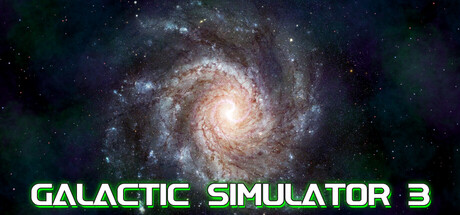 Galactic Simulator 3 In-game content art | AI generates a few images and icons, reviewed manually. | PcZ Games | - | Aug 22, 2026 | |
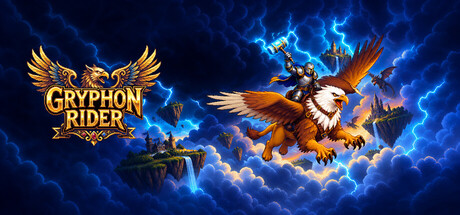 Gryphon Rider In-game content arttextaudio | Generative AI tools were used during development to assist with pre-generated content. No generative AI content is created during gameplay, and the game does not connect to external AI services. | Gryphonspire Games | - | Aug 22, 2026 | |
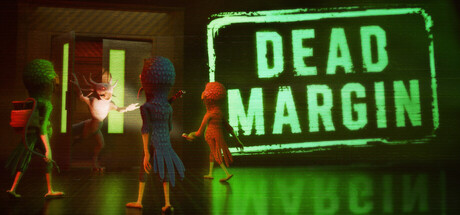 Dead Margin Store/marketing text | AI tools were utilized to assist with testing processes and to generate localized store page descriptions. | Bug Production | - | Aug 22, 2026 | |
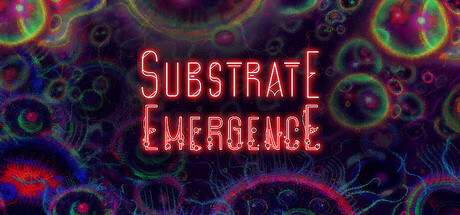 Substrate: Emergence In-game content code | Development of this game uses AI coding agents. Some procedural shader code shipping in the game was written by coding agents following human-made designs. All designs, music, and art styles are created by humans. All in-game text is written or edited by a human before release; no generated text ships unreviewed. No AI content is generated at runtime. | Petri Dish Games LLC | - | Aug 22, 2026 | |
 NO CLEAN, NO EXIT In-game content arttext | Some store page and marketing artwork in this game was created with the help of generative AI tools. Game text localization into languages other than English and Korean was produced with AI-assisted translation and reviewed before shipping. All AI-generated content is pre-generated during development; the game does not generate any content live at runtime. | Sumflower Games | - | Aug 20, 2026 | |
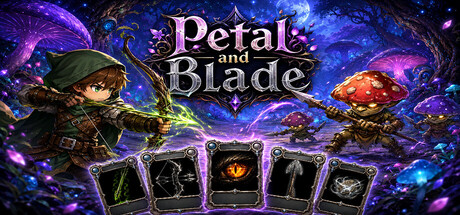 Petal and Blade In-game content art | Generative AI tools were used during development to create and assist with many of the game's visual assets, including character artwork, card illustrations, backgrounds, and UI elements. These assets were generated during development and are included in the game as pre-generated, static content. The game does not use generative AI to create content during gameplay. | Murat Akdogan | - | Aug 20, 2026 | |
 ChromaFlow Store/marketing codetext | ChromaFlow was developed with assistance from generative AI tools (such as Large Language Models) to help write and structure the source code and draft store descriptions. All AI-generated content was reviewed, edited, and integrated manually. The game does not feature live, runtime generative AI or external API connections during gameplay. | RVLWorks | - | Aug 20, 2026 | |
 Black Market INC. In-game content artaudio | Some images and sound effects were created or assisted by generative AI and were reviewed, edited, and integrated into the game by the developer. No real-time generative AI is used during gameplay. | Pixellow Official | - | Aug 20, 2026 | |
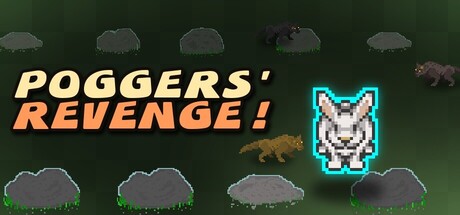 Poggers' Revenge! In-game content art | Generative AI was used near the end of the development process to make the colored fur on the wolves seen in the cinematic video and also used side by side with the developer to create a simple but clean UI (user interface). | ZaxtorGameS | - | Aug 20, 2026 | |
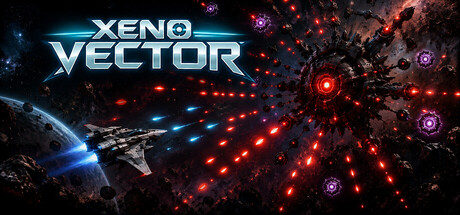 XenoVector In-game content artcode | AI-assisted coding was used in the development of Xenovector, including systems responsible for procedural environments, visual effects and dynamically assembled in-game scenery.
AI-generated or AI-assisted artwork was also used for in-game backgrounds and graphical elements, in addition to promotional/store assets. | Sigilo.dev | - | Aug 20, 2026 | |
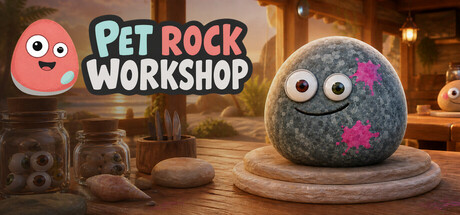 Pet Rock Workshop Dev only | AI was used to speed up the development process | Onknee Games | - | Aug 20, 2026 | |
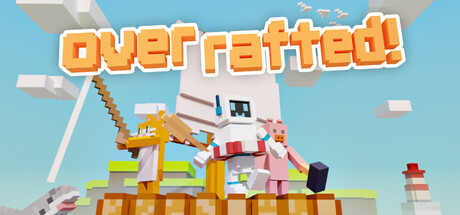 Overrafted! In-game content text | Generative AI is used for localization in some languages. | Studio Rivi | - | Aug 20, 2026 | |
 OMFG: The Fate of Mortals Store/marketing art | I used AI for generating guide image, illustration, or trailer.
These would be replaced before 1.0 release. | 铁卯帮 | - | Aug 20, 2026 | |
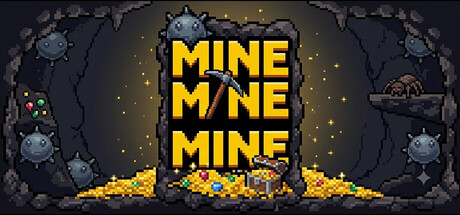 Mine Mine Mine Unclear audioart | Generative sounds and pixel art effects. | TEN Games | - | Aug 20, 2026 | |
 Leeway In-game content arttext | Some content was created with the assistance of generative AI tools: 2D store and
marketing art (library capsule and library hero), the game's localization into
non-English languages, and portions of in-game flavour text. All localization was
reviewed before shipping. All in-game visuals are generated procedurally at runtime
from code, all sound effects are synthesised at runtime, and all music is
human-composed and licensed under CC BY 4.0. The game performs no AI generation at
runtime and connects to no external AI service. | Singularity Reach Studios | - | Aug 20, 2026 | |
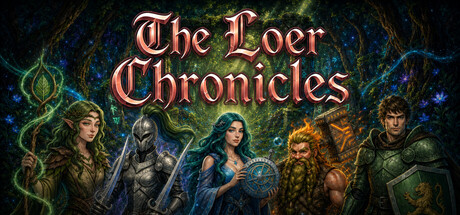 The Loer Chronicles In-game content artaudio | Some art, icons, music, sound effects, and marketing or store assets were created or assisted with generative AI tools during development, then reviewed and curated by the team. The game does not generate new AI content in real time during gameplay and does not connect to external AI services while you play. | Rainlight Studio | - | Aug 20, 2026 | |
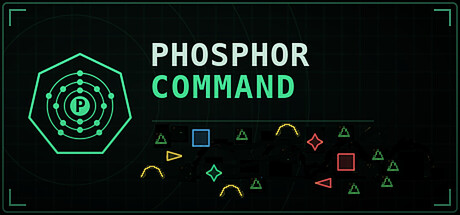 Phosphor Command Store/marketing art | Some of Phosphor Command's store and marketing artwork. Notably, the library/hero image was created using a generative AI image tool, based on our own in‑game screenshots, and finalized by the developer. All AI‑generated content is pre‑generated; the game generates no AI content during gameplay. We hold the rights to use this content. | Sorce Studios | - | Aug 20, 2026 | |
 Enter the Cube In-game content artaudio | Some of this game's assets were produced with the help of generative AI tools: the 2D key art and cinematic stills used in the trailer, capsule art and main menu; the base meshes for the twelve zodiac fighters, generated with Meshy and then rigged, retextured and reworked by hand; and part of the music and sound effects. Every AI-generated asset was reviewed, edited and integrated manually before shipping. No generative AI runs at runtime — nothing is generated while you play. | JACKZ STUDIO | - | Aug 20, 2026 | |
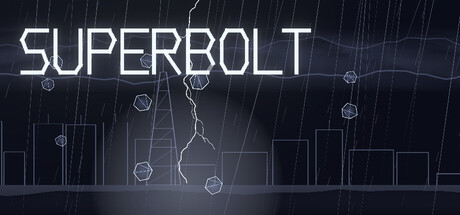 SUPERBOLT In-game content arttext | SUPERBOLT is built almost entirely from code: the lightning, the effects, the interface and the audio are generated by the game as it runs. Generative AI was used during production to help prepare some supporting artwork — background layers and achievement icons — and to draft some of the written text. Nothing is generated by AI while you play, and the game connects to no AI service. | Skollheim | - | Aug 20, 2026 | |
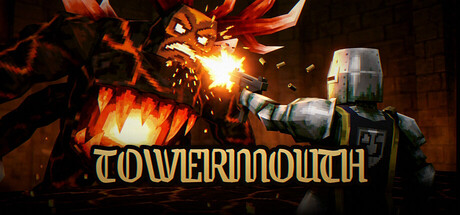 TowerMouth I In-game content art | Some of the visuals on our store page and some of the 2D illustrations in our game were created with the help of AI-powered tools. | GeekZoneCouch | - | Aug 20, 2026 | |
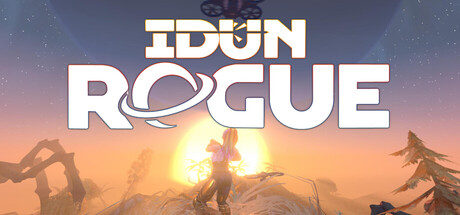 IDUN Rogue Dev only code | During development, we used generative AI tools to assist in some content creation and coding. | IDUN Interactive | - | Aug 20, 2026 | |
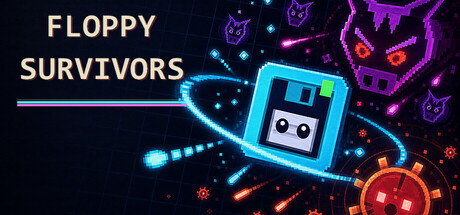 Floppy Survivors In-game content text | Generative AI tools were used to assist in the localization process for certain supported languages within the game. | Beff Inc. | - | Aug 20, 2026 | |
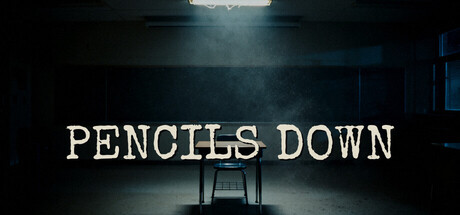 PENCILS DOWN™ In-game content art | This game contains game assets created with machine learning technology and refined through human review and editing. Developed by Hayden-Fisher Technologies, Inc. (an independently owned tech consulting and engineering corporation). | Hayden-Fisher Technologies, Inc. | - | Aug 20, 2026 | |
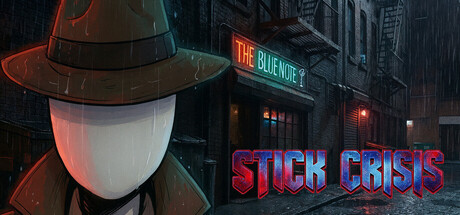 Stick Crisis In-game content artcode | Stick Crisis was developed with assistance from generative AI tools. AI-assisted image and animation tools were used to create selected visual assets, character animation frames and pre-rendered cinematics; these materials were reviewed, edited and integrated by the developer. AI coding assistants also contributed to portions of the source code. The game does not generate content during gameplay or connect to generative AI services at runtime. | Victor Manuel Ramirez | - | Aug 20, 2026 | |
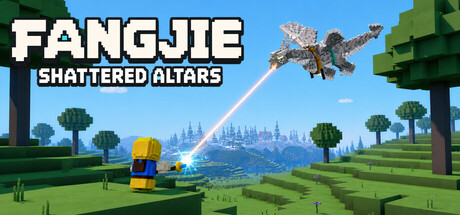 Fangjie:Shattered Altars In-game content artaudio | Some visual assets (a portion of skill icons and the boss health-bar UI element) and background music tracks were created with the assistance of AI generation tools. | Synvize | - | Aug 19, 2026 | |
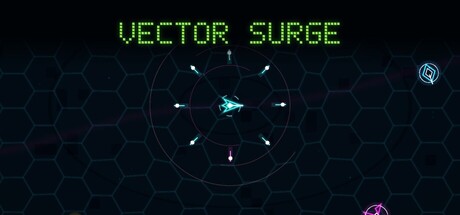 Vector Surge In-game content textaudio | AI Was used to generate the page description, it was also used to test certain parts of the game and help debug a few problems, there was partial AI usage also for the game music, while the music itself was created in FL Studio there was usage to generate some of the variants of the tracks | RaithSphere | - | Aug 19, 2026 | |
 FRAMEOUT In-game content codeart | AI coding assistants were used during development to help create and edit portions of the code and player-facing implementation that ship with the game. The game's 2D artwork was not created by an image-generation model. All AI-assisted outputs were reviewed, edited, and integrated by the developer. The game does not use generative AI at runtime. | Kebapp Games | - | Aug 19, 2026 | |
 Grim wanderings reborn In-game content art | Most of the graphic images were generated using AI with further manual processing | Ellinia games | - | Aug 19, 2026 | |
 The Rift Trader In-game content art | AI tools were used for some initial concept designs. All final in-game assets, characters and scenes have been extensively hand-edited, redrawn and post-processed by the developer to achieve a consistent hand-drawn comic style. | Tremolo Games | - | Aug 19, 2026 |


