Public Steam disclosure research25,380 disclosures tracked
Where do games disclose AI use?
Search developers’ Steam disclosures, compare classified AI use across
games, and follow recorded changes.
This index adds cross-game classifications and statistics to
statements published on individual store pages.
Groups reflect automatic analysis of public disclosures; mature records are excluded. These counts do not measure AI use across all of Steam.
Missing or unclear statements cannot establish whether a game uses AI.
Territory Titans: Booking Wars contains some pre-generated content created with the assistance of generative AI tools during development. AI-assisted tools were used to help create portions of promotional artwork, visual assets, and concept materials. All AI-generated content was reviewed, edited, and curated by the developer before inclusion in the game or store materials. The game does not use live AI generation during gameplay and does not generate content for players in real time.
Some assets in this work are AI-generated:
Store page: Store promotional images, library promotional images, library homepage image.
Game itself: Some 3D models, background music, sound effects.
This game uses generative AI in the following ways:
• Some of the 2D artwork, images, and icons used in the game and on its
Steam store page were created with the assistance of generative AI tools.
All such assets were then reviewed, edited, and curated by our team.
• Translations for the game's supported languages (localization) were
produced with the assistance of generative AI (machine translation) tools.
All AI-generated content is pre-generated during development. The game does
not generate any AI content live during gameplay.
This game uses AI-generated fighter portraits and promotional artwork. All AI content is pre-generated and included with the game. No AI content is generated live during gameplay.
Some code assistance tools and limited generative AI techniques were used during development. Some card artwork has been refined with the assistance of AI-based editing tools.
Crown Caps Soccer uses generative artificial intelligence tools for part of its content. Specifically, we use AI to generate and translate interface text and descriptions, as well as to assist in creating certain in-game content. All AI-generated content is reviewed by our team before publication.
Some marketing artwork on this store page (capsule images, library hero, page background) was generated with AI image tools and then composited with vector-rendered typography. No AI-generated content ships inside the game itself. All player names, team names, draft classes, and simulation outcomes are produced by procedural algorithms with a seeded random number generator, not by AI models.
Pre-generated AI-assisted artwork is used for fictional chess player avatars and selected promotional visuals. These assets are reviewed before inclusion. No live generative AI is used during gameplay.
I'm a solo developer using Generative AI as a supportive tool to realize my gameplay vision. The game has been crafted with human intent and is still firmly anchored in manual craftsmanship. Generative AI has helped with coding, some art assets, and the recording of voiceover narration.
Some visual assets used in The Cornerman, including certain fighter portraits and background artwork, were created or assisted using generative AI tools and were further edited and integrated by the developer before inclusion in the game.
During the development of this game, artificial intelligence tools were used to assist with various aspects of production, including the creation of the store artwork, menu graphics, team crest images, parts of the C# programming, music composition, and the generation and refinement of game ideas.
As an independent developer, I work alone on every aspect of this project. For quite some time, I have used tools such as ChatGPT and Codex to support my workflow, helping me increase productivity and allowing me to dedicate more time to improving the overall game experience.
Despite this technological assistance, all creative decisions, project direction, final implementation, and supervision of every stage of development were carried out by me.
I believe that artificial intelligence is a valuable tool that can help independent developers bring their ideas to life more efficiently. I hope the use of these tools will be seen as part of a modern development process rather than as a deciding factor in whether or not to purchase the game.
Thank you sincerely for your understanding, your interest in the project, and your support of independent game development.
All text content was originally written in pt‑BR (Brazilian Portuguese) and localized into other languages with the assistance of AI tools. This localization extends beyond the game itself.
All creative assets were created by humans, such as audio, visual, and other content developed by our team or licensed from third parties.
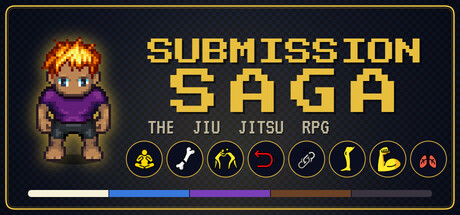
Some UI icons, character and creature sprites, and other in-game graphics in Submission Saga were created with the assistance of generative AI image tools (including Pixellab.ai), and portions of the store page text were drafted with AI writing assistance. Portions of the game's source code were also written with the assistance of an AI coding assistant. All AI-generated content was reviewed, edited, and curated by the developer before inclusion. No AI is used to generate content live during gameplay.
Generative AI tools were used to create images, audio, and text materials used in the game and on the store page.
Generated materials are reviewed, selected, edited, and adjusted by the developer before use.
The game does not include any feature that live-generates AI content during gameplay.
Some visual assets, promotional images, and audio content for this game were created or assisted using generative AI tools. All AI-generated content was reviewed and edited by the developer before inclusion in the game.
Generative AI has been used when creating some of the images in the menu and the backgrounds in the game. The technology has also been used when creating and editing some of the audio tracks.
Some visual assets and promotional/store artwork were created or assisted with generative AI tools during development and then manually edited, selected, and assembled by the developer. The game does not use live generative AI during gameplay. Gameplay code, online services, scoring, achievements, purchases, and multiplayer rules are developer-authored.
This game is a solo-developed hobby project. Generative AI tools were used as part of the production workflow, including assistance with code, audio, and base visual assets. No generative AI output is used as a final in-game asset; all assets were manually edited, and integrated by the developer. The story, dialogue, and all other written in-game content were written by the developer. All gameplay design, creative direction, balancing, and final content decisions were made by the developer.
A note on AI-generated content
Tilting is a solo project. The code, design, gameplay systems, AI opponents, game logic, and writing are entirely my own. The visual and audio content is not. Virtually all of it originated in generative AI tools.
Specifically, AI was used for: store-page artwork (capsules, library art, hero), in-game art (character portraits, card art, venue art, UI elements), achievement icons, music, and sound effects.
My role on the non-code side was overwhelmingly that of a curator — prompting, regenerating, and iterating across different AI tools until the output fit the game's identity. I draw enough to make minor tweaks here and there on individual visual pieces; for the music it was mostly tool-shopping until something landed right. But the volume of art and audio this game ships with is far beyond what I could produce or commission as a solo developer, and the bulk of every non-code asset originated in AI.
This game utilizes artificial intelligence without incorporating third-party resources. Its primary function is to assist in game functionality implementation, creative refinement, and saving human time through algorithms.
This game was developed with the assistance of Generative AI tools which served as a coding co-pilot. The AI was used to assist in writing the simulation logic, database structure, and user interface code during the development phase. All generated code was reviewed, tested, and finalized by the developer. The game does not utilize live Generative AI during gameplay
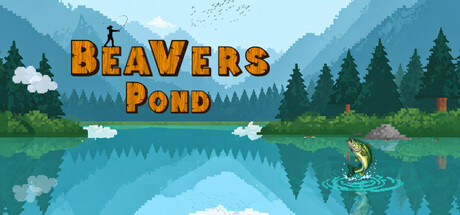
Beaver's Pond's game design, creative direction, art direction, gameplay systems, and overall vision were conceived and directed by a solo human developer. All AI-generated content was curated, edited, and integrated by the developer.
AI was used to assist in the following areas:
All game code was written with AI assistance
Character sprite artwork was generated with AI assistance
Lure artwork was generated with AI assistance
Fish artwork was generated with AI assistance
All music tracks were generated with AI assistance
This game was developed with the assistance of generative AI tools for portions of code, store text, and some marketing/supporting visual assets. The game does not generate AI content during gameplay.
Game Demon uses large language models (Llama 3.1/3.3 via Groq API, plus optional local Ollama inference) to generate coaching text in real time from the user's match data. Vision models analyze user-sampled frames. No user content is sent to third parties without explicit opt-in. No generative images or audio in final output.
Some content in this game was created with the assistance of generative AI tools during development, including certain visual assets, store artwork, capsule art, and text. All AI-assisted content was reviewed, edited, and integrated by the developer to ensure it fits the game’s design and overall player experience.
Some art assets are sourced from the CC0 asset libraries provided by Kenney. Music and sound effects used in the game are sourced from Phat Phrog Studio and ZapSplat.
This game uses generative artificial intelligence to assist in the creation of certain visual elements. AI tools are used during development to help generate concept art, and refine environmental details. All AI-assisted content is carefully reviewed, edited, and integrated by the development team to ensure originality and consistency with the game’s style and design.
We used generative AI to help create some level art and 2D visuals. Everything was then tweaked, edited, and put together by us.
All gameplay and design decisions are fully human-made.
Territory Titans: Booking Wars contains some pre-generated content created with the assistance of generative AI tools during development. AI-assisted tools were used to help create portions of promotional artwork, visual assets, and concept materials. All AI-generated content was reviewed, edited, and curated by the developer before inclusion in the game or store materials. The game does not use live AI generation during gameplay and does not generate content for players in real time.
Some assets in this work are AI-generated:
Store page: Store promotional images, library promotional images, library homepage image.
Game itself: Some 3D models, background music, sound effects.
This game uses generative AI in the following ways:
• Some of the 2D artwork, images, and icons used in the game and on its
Steam store page were created with the assistance of generative AI tools.
All such assets were then reviewed, edited, and curated by our team.
• Translations for the game's supported languages (localization) were
produced with the assistance of generative AI (machine translation) tools.
All AI-generated content is pre-generated during development. The game does
not generate any AI content live during gameplay.
This game uses AI-generated fighter portraits and promotional artwork. All AI content is pre-generated and included with the game. No AI content is generated live during gameplay.
Some code assistance tools and limited generative AI techniques were used during development. Some card artwork has been refined with the assistance of AI-based editing tools.
Crown Caps Soccer uses generative artificial intelligence tools for part of its content. Specifically, we use AI to generate and translate interface text and descriptions, as well as to assist in creating certain in-game content. All AI-generated content is reviewed by our team before publication.
Some marketing artwork on this store page (capsule images, library hero, page background) was generated with AI image tools and then composited with vector-rendered typography. No AI-generated content ships inside the game itself. All player names, team names, draft classes, and simulation outcomes are produced by procedural algorithms with a seeded random number generator, not by AI models.
Pre-generated AI-assisted artwork is used for fictional chess player avatars and selected promotional visuals. These assets are reviewed before inclusion. No live generative AI is used during gameplay.
I'm a solo developer using Generative AI as a supportive tool to realize my gameplay vision. The game has been crafted with human intent and is still firmly anchored in manual craftsmanship. Generative AI has helped with coding, some art assets, and the recording of voiceover narration.
Some visual assets used in The Cornerman, including certain fighter portraits and background artwork, were created or assisted using generative AI tools and were further edited and integrated by the developer before inclusion in the game.
During the development of this game, artificial intelligence tools were used to assist with various aspects of production, including the creation of the store artwork, menu graphics, team crest images, parts of the C# programming, music composition, and the generation and refinement of game ideas.
As an independent developer, I work alone on every aspect of this project. For quite some time, I have used tools such as ChatGPT and Codex to support my workflow, helping me increase productivity and allowing me to dedicate more time to improving the overall game experience.
Despite this technological assistance, all creative decisions, project direction, final implementation, and supervision of every stage of development were carried out by me.
I believe that artificial intelligence is a valuable tool that can help independent developers bring their ideas to life more efficiently. I hope the use of these tools will be seen as part of a modern development process rather than as a deciding factor in whether or not to purchase the game.
Thank you sincerely for your understanding, your interest in the project, and your support of independent game development.
All text content was originally written in pt‑BR (Brazilian Portuguese) and localized into other languages with the assistance of AI tools. This localization extends beyond the game itself.
All creative assets were created by humans, such as audio, visual, and other content developed by our team or licensed from third parties.
Some UI icons, character and creature sprites, and other in-game graphics in Submission Saga were created with the assistance of generative AI image tools (including Pixellab.ai), and portions of the store page text were drafted with AI writing assistance. Portions of the game's source code were also written with the assistance of an AI coding assistant. All AI-generated content was reviewed, edited, and curated by the developer before inclusion. No AI is used to generate content live during gameplay.
Generative AI tools were used to create images, audio, and text materials used in the game and on the store page.
Generated materials are reviewed, selected, edited, and adjusted by the developer before use.
The game does not include any feature that live-generates AI content during gameplay.
Some visual assets, promotional images, and audio content for this game were created or assisted using generative AI tools. All AI-generated content was reviewed and edited by the developer before inclusion in the game.
Generative AI has been used when creating some of the images in the menu and the backgrounds in the game. The technology has also been used when creating and editing some of the audio tracks.
Some visual assets and promotional/store artwork were created or assisted with generative AI tools during development and then manually edited, selected, and assembled by the developer. The game does not use live generative AI during gameplay. Gameplay code, online services, scoring, achievements, purchases, and multiplayer rules are developer-authored.
This game is a solo-developed hobby project. Generative AI tools were used as part of the production workflow, including assistance with code, audio, and base visual assets. No generative AI output is used as a final in-game asset; all assets were manually edited, and integrated by the developer. The story, dialogue, and all other written in-game content were written by the developer. All gameplay design, creative direction, balancing, and final content decisions were made by the developer.
A note on AI-generated content
Tilting is a solo project. The code, design, gameplay systems, AI opponents, game logic, and writing are entirely my own. The visual and audio content is not. Virtually all of it originated in generative AI tools.
Specifically, AI was used for: store-page artwork (capsules, library art, hero), in-game art (character portraits, card art, venue art, UI elements), achievement icons, music, and sound effects.
My role on the non-code side was overwhelmingly that of a curator — prompting, regenerating, and iterating across different AI tools until the output fit the game's identity. I draw enough to make minor tweaks here and there on individual visual pieces; for the music it was mostly tool-shopping until something landed right. But the volume of art and audio this game ships with is far beyond what I could produce or commission as a solo developer, and the bulk of every non-code asset originated in AI.
This game utilizes artificial intelligence without incorporating third-party resources. Its primary function is to assist in game functionality implementation, creative refinement, and saving human time through algorithms.
This game was developed with the assistance of Generative AI tools which served as a coding co-pilot. The AI was used to assist in writing the simulation logic, database structure, and user interface code during the development phase. All generated code was reviewed, tested, and finalized by the developer. The game does not utilize live Generative AI during gameplay
Beaver's Pond's game design, creative direction, art direction, gameplay systems, and overall vision were conceived and directed by a solo human developer. All AI-generated content was curated, edited, and integrated by the developer.
AI was used to assist in the following areas:
All game code was written with AI assistance
Character sprite artwork was generated with AI assistance
Lure artwork was generated with AI assistance
Fish artwork was generated with AI assistance
All music tracks were generated with AI assistance
This game was developed with the assistance of generative AI tools for portions of code, store text, and some marketing/supporting visual assets. The game does not generate AI content during gameplay.
Game Demon uses large language models (Llama 3.1/3.3 via Groq API, plus optional local Ollama inference) to generate coaching text in real time from the user's match data. Vision models analyze user-sampled frames. No user content is sent to third parties without explicit opt-in. No generative images or audio in final output.
Some content in this game was created with the assistance of generative AI tools during development, including certain visual assets, store artwork, capsule art, and text. All AI-assisted content was reviewed, edited, and integrated by the developer to ensure it fits the game’s design and overall player experience.
Some art assets are sourced from the CC0 asset libraries provided by Kenney. Music and sound effects used in the game are sourced from Phat Phrog Studio and ZapSplat.
This game uses generative artificial intelligence to assist in the creation of certain visual elements. AI tools are used during development to help generate concept art, and refine environmental details. All AI-assisted content is carefully reviewed, edited, and integrated by the development team to ensure originality and consistency with the game’s style and design.
We used generative AI to help create some level art and 2D visuals. Everything was then tweaked, edited, and put together by us.
All gameplay and design decisions are fully human-made.