








Disclosure
Some of the artworks in the game and on the steam product page are AI generated.
- Creator
- Jens P. Behrens
- Reviews
- -
- Added
- Sep 16, 2026
Public Steam disclosure research 25,380 disclosures tracked
Search developers’ Steam disclosures, compare classified AI use across games, and follow recorded changes. This index adds cross-game classifications and statistics to statements published on individual store pages.
Code help, debugging and other development work.
Capsule art, trailers and promotional material.
Pre-made art, audio, writing and other game assets.
Interactive or runtime AI features disclosed by the developer.
Groups reflect automatic analysis of public disclosures; mature records are excluded. These counts do not measure AI use across all of Steam. Missing or unclear statements cannot establish whether a game uses AI.
Some of the artworks in the game and on the steam product page are AI generated.
Artificial intelligence was used to create the game logo, assist with the game's translation into multiple languages, assist in writing and translating the game's description, and help estimate the system requirements.
Generative AI tools were used during the development process to assist in creating pre-rendered visual assets, including character portraits and certain user interface (UI) icons.
Card illustrations, portraits, faction banners and store capsule artwork were created with generative AI image tools, then curated, edited and integrated by the developer. All game design, rules, card text, writing and music selection are human-made. No AI-generated content is produced at runtime.
Some non-interactive artwork was created with generative AI (Midjourney): the main menu, research, and codex background illustrations, the introduction portrait, and store capsule art derived from those illustrations.
We used AI tools very lightly — mostly to help us brainstorm ideas and speed up small tasks. All core gameplay, design, and content were handcrafted
Generative AI tools are used during development to write and revise game code, create artwork, music and sound effects, and assist with writing and localization. This includes content in the game and its store and promotional materials. The developer directs and reviews the work before inclusion. No content is generated using generative AI during gameplay.
Era Echo is developed by a solo developer. Generative AI tools are used to assist with development and production (for example concepting, drafts, and iteration), which has helped make shipping a solo project practical. All shipped content is reviewed and directed by the developer.
Generative AI was used to assist in creating promotional artwork for the Steam store and library assets. The game itself does not use live-generated AI content.
The game's artwork, music, and localization were all generated using AI according to predefined style guidelines.
Generative AI was used as part of the development process to assist with the creation and refinement of select visual assets, including concept art, graphical elements, and promotional artwork. AI-generated content is reviewed and modified by the development team before being included in the game or its associated materials.
Tools improving development efficiency together with different assets.
AI tools were used to assist with some code generation All game assets were created by people or sourced from asset packs (story, art, music, etc.)
The visual assets in Eras Showdown were created using generative AI: the icons for units, items and materials, the background images, and the user-interface graphics. Every result was selected, reworked and integrated into the game by hand. This content is pre-generated in full and ships with the installation. Eras Showdown does not generate any content via AI while playing, and it does not connect to any AI service.
AI tools assisted programming and code review, image creation, and text/localization during development. No AI content is generated during gameplay.
Deepworks was made with the help of AI tools. Some of the game's art and audio were generated with AI and then reviewed and edited by the developer, and AI assisted with writing code. Nothing in the game is generated by AI while you play. I'm an indie dev with a day job. Using AI made building this game possible. I built this game for the fun of it and have no interest in paying thousands or even hundreds of dollars to artists for a little side hobby.
About Generative AI Content We want to be transparent with our players about how AI was used during the development of this game: Visual Art: Certain visual assets and background elements in this game were created with the assistance of generative AI tools, then reviewed and integrated by our team. Code & Development: We utilized AI-powered coding assistant and large language models to help prototype, write, and optimize parts of the game's code to speed up development efficiency. All AI-generated outputs shipped to players have been curated to ensure they meet our quality standards for your experience.
Pawnimals uses generative AI as part of its development and content creation process. Generative AI tools were used to assist with the creation and refinement of some visual assets, character artwork, animations, voice/audio content, and other creative elements in the game. AI-generated content is reviewed, edited, directed, and integrated by the developer to maintain a consistent visual style, character design, and overall player experience. Generative AI is used as a production tool and does not generate unrestricted content based on player prompts during normal gameplay.
Generative AI is used to make a limited number of visual assets, such as the main menu background image, plane/ship icons and some crosshair images.
Some pre-generated static 2D visual assets were created with OpenAI image generation tools, including key art, fictional character portraits, historical event illustrations, map icons, and artwork used to derive store capsules. The developer selected, reviewed, edited, cropped, typeset, and integrated the final assets. Generated images contain no embedded title text; the Chinese and English logos are separately typeset using a licensed font. The game does not generate content with AI while it is running.
This game uses generative AI in the following ways: Music — tracks were built from AI-generated material, then edited and arranged by hand. Title artwork — an AI-generated rough was used as reference and redrawn by hand as pixel art. English localization — the English text was machine-translated and then reviewed and corrected by the developer. Code — parts of the game's code were written with AI assistance. Everything else is made by the developer by hand: all 145 in-game icons, every UI image, the cigarette package illustrations, and the achievement icons.
Vestibule's pixel art was generated with an AI art tool, with every design directed, refined, and hand-edited by the developer. Individual trailer and cinematic clips were generated with an AI video tool, built from the game's own artwork and developer-written scene descriptions — the final edit, scene sequencing, and music timing were done manually by the developer in After Effects. All game design, systems, writing, and code are original work.
Store page capsule is temporary ai-generated placeholder, and will be replaced soon. Cards, some leaders and UI-elements artwork is generated with AI tools, then hand-edited before it goes into the game. They will be phased out as budget and time allows.
This game leverages AI content for the computer player.
All historical data is researched and verified by the developer from published records. Some in-game descriptive text (event descriptions, class histories) and the player's guide were drafted with AI assistance under the developer's editorial control and review. No AI-generated artwork, audio or photographs are used.
Some artwork and promotional images used on the Steam store page were created with assistance from generative AI and subsequently reviewed and approved by humans. The game’s narrative voice-over uses pre-generated text-to-speech audio. No content is generated in real time during gameplay.
During development, generative AI tools were used to assist with selected pre-generated visual content, including some card illustrations, comic imagery and marketing artwork. Each included illustration was deliberately selected, art-directed and integrated into FIVE STAT FRENZY!’s own comic-watercolour style, cast of characters, game rules and connected Paperlight City story. The released game uses no generative AI at runtime. Players do not enter AI prompts, and the game does not generate new images, text, dialogue, music or gameplay content while it is being played. Card values, rules, deckbuilding, rivals, campaign progression and comic unlocks are fixed, tested game content.
Generative AI was used to help draft some in-game text and Steam store / marketing copy. Selected upgrade card icons were purchased as AI-generated assets and then manually edited. All AI-assisted content is reviewed by the developer before shipping.
Some of this game's content was created with the assistance of generative AI tools during development: portions of the game's code, some text, and music tracks, and is reviewed by the developer before shipping. The game does not generate AI content at runtime.
Some illustrations used in the game and on its Steam store page, including card artwork, interface backgrounds, and promotional materials, were created or enhanced using generative artificial intelligence tools. This content is generated in advance, then selected, edited, and manually integrated by the developer. The game does not use generative AI in real time and does not generate content during gameplay.
AI was used to assist with localization of the game's store page into additional languages as a placeholder until I am able to hire a localization team. All localized text was reviewed and edited before publication.
AI was used to translate part of the in-game text and the Steam page.
The English and Turkish text in Slots & Skulls is written entirely by the developer. Gen AI was used only to translate in game and store text into the game's other supported languages. No AI tools were used to create any visual or audio asset: all art, animation, UI, music and sound effects are made by hand or licensed from human creators.
Generative AI was used exclusively to assist in polishing the game's logo. All gameplay systems, code, and visual elements were developed directly by me.
Some marketing artwork for the store page (the capsule's sky, city backdrop, rain and lettering layers) was produced with generative image tools (OpenAI image generation, Google Gemini) and then composited and edited by hand. A few placeholder textures currently in the build (the city seen through the office window and its signs, and the sample sheets in the customization menu) were AI-generated and are scheduled to be replaced with licensed or hand-made art before release. AI coding and writing assistants were used during development for parts of the source code, documentation and drafts of store text; all game rules, design decisions and final art direction are the developer's own. The game does not generate content with AI at runtime.
Generative AI was used to assist in the creation of some pre-generated promotional artwork for the Steam store page. ModuleZ does not use generative AI to generate content during gameplay.
Some of the game's artwork was created with the assistance of generative AI during development.
Generative AI tools were used to create and edit selected pre-rendered visual assets, animations, and marketing materials. The game does not use live-generated AI content during gameplay.
Generative AI was used to assist in the creation of character illustrations and some in-game text. All AI-assisted content was reviewed, edited, and integrated by the developer. No generative AI is used during gameplay or at runtime.
AI-assisted tools were used to help create some splash screen visuals and store page promotional artwork. All assets were reviewed and finalized by the developer before being included in the game and store materials.
AI was used for translation
The illustrations in this game (Battle Card art, faction emblems, Commander portraits and board imagery) were generated with Midjourney, working from the designer's own concept art and art direction. Each image was then selected, tone-matched to the card stock, fitted and composited into the game's frames. Card names, card text and the written rules were drafted with the assistance of a large language model, working from the designer's original hand-written rules and card designs, then edited and finalized by hand. The music and sound effects were generated with Suno. Voice recordings were performed by the creator. The game itself is a person's work: the rules, the mechanics, the economy and the balance decisions were designed by hand over many revisions, with AI used as a collaborator rather than an author. The physical board game came first. No content is generated by AI while you play. The computer opponents are conventional rule-based code, not a generative model.
Some of the card artwork in this game is created with the assistance of generative AI tools, and then reviewed and refined by the developer.
Generative AI was used during development to create and refine some 2D visual assets, Steam store artwork, trailer imagery, and localization drafts. All output was reviewed and edited by the developer before inclusion. The game does not generate AI content during play and does not connect to external AI services.
Neon Bastion uses pre-generated AI-assisted artwork and some written game/interface text. All content was reviewed and integrated by the developer. No AI content is generated during gameplay.
Some of this game's written text, including this store page and some in-game descriptions, was drafted with the help of an AI assistant and then edited by hand. The rest is not AI-generated: the pixel art is hand-drawn or from licensed asset packs, the audio comes from a licensed sound pack, and every screenshot and capsule image is composed from real in-game captures. Nothing is generated while you play.
Grimhold's artwork is created by commissioned human artists, and its music is human-made licensed audio. Generative AI tools were used to assist in writing portions of the game's descriptive text and creature lore. All gameplay, code, and design are human-made. The game does not generate any AI content during play and does not connect to external AI services.
AI was used as a coding assistance tool and to create some assets.
I am a solo developer trying to get my dream games built. I use some AI tools to help me with this. I try to be thoughtful, careful and do whatever my skills allow.
This game uses generative AI to assist in the creation of chimera image assets and text content used in the game. Generative AI is also used to assist with game planning and design, programming and development, and translation into English. All AI-generated content and AI-assisted translation are produced during development. Generative AI is not used to generate new content during gameplay.
| Title⇅ | Disclosure | Creator⇅ | Src | Reviews⇅ | Added↓ |
|---|---|---|---|---|---|
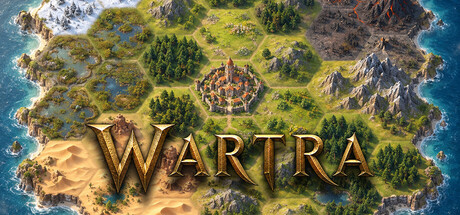 Wartra In-game content art | Some of the artworks in the game and on the steam product page are AI generated. | Jens P. Behrens | - | Sep 16, 2026 | |
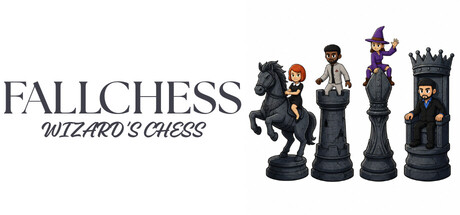 FallChess: Wizard's Chess In-game content arttext | Artificial intelligence was used to create the game logo, assist with the game's translation into multiple languages, assist in writing and translating the game's description, and help estimate the system requirements. | Endy Pyau | - | Sep 15, 2026 | |
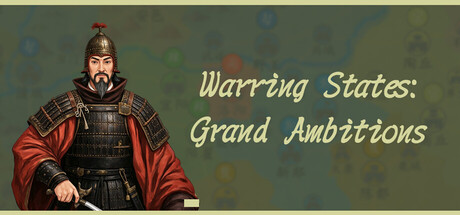 战国宏图 In-game content art | Generative AI tools were used during the development process to assist in creating pre-rendered visual assets, including character portraits and certain user interface (UI) icons. | 夜渔工作室 | - | Sep 15, 2026 | |
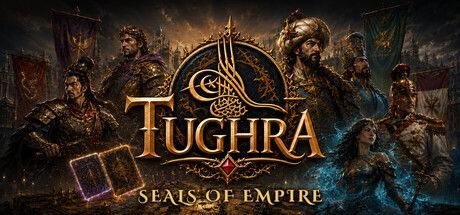 Tughra: Seals of Empire In-game content arttext | Card illustrations, portraits, faction banners and store capsule artwork were created with generative AI image tools, then curated, edited and integrated by the developer. All game design, rules, card text, writing and music selection are human-made. No AI-generated content is produced at runtime. | Nine Gates Studio | - | Sep 15, 2026 | |
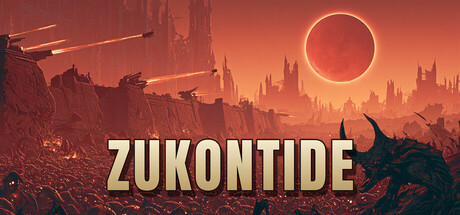 Zukontide In-game content art | Some non-interactive artwork was created with generative AI (Midjourney): the main menu, research, and codex background illustrations, the introduction portrait, and store capsule art derived from those illustrations. | Sindre | - | Sep 15, 2026 | |
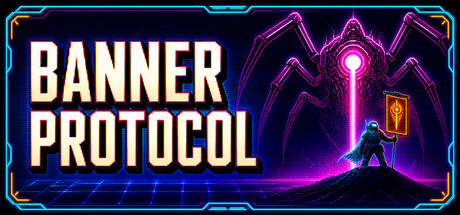 BANNER PROTOCOL Dev only | We used AI tools very lightly — mostly to help us brainstorm ideas and speed up small tasks. All core gameplay, design, and content were handcrafted | OkoYan | - | Sep 15, 2026 | |
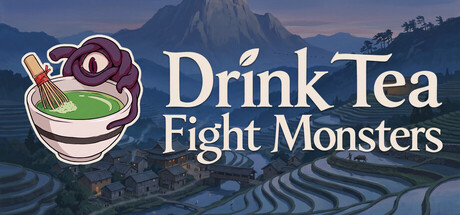 Drink Tea Fight Monsters In-game content artaudiotextcode | Generative AI tools are used during development to write and revise game code, create artwork, music and sound effects, and assist with writing and localization. This includes content in the game and its store and promotional materials. The developer directs and reviews the work before inclusion. No content is generated using generative AI during gameplay. | Predust Entertainment | - | Sep 15, 2026 | |
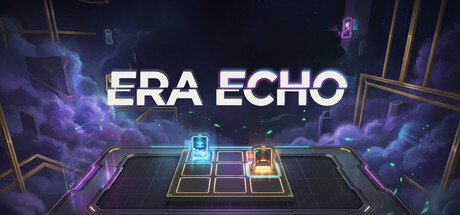 Era Echo Dev only | Era Echo is developed by a solo developer. Generative AI tools are used to assist with development and production (for example concepting, drafts, and iteration), which has helped make shipping a solo project practical. All shipped content is reviewed and directed by the developer. | NOOK STUDIO | - | Sep 15, 2026 | |
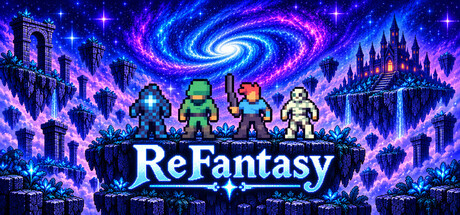 ReFantasy Autobattler Store/marketing art | Generative AI was used to assist in creating promotional artwork for the Steam store and library assets. The game itself does not use live-generated AI content. | CluelessDev | - | Sep 15, 2026 | |
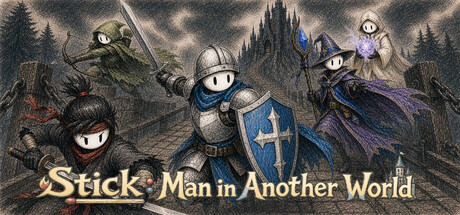 火柴:人在异世 In-game content artaudiotext | The game's artwork, music, and localization were all generated using AI according to predefined style guidelines. | 火柴studio | - | Sep 15, 2026 | |
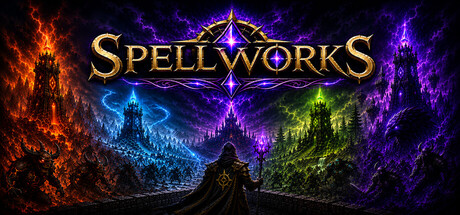 Spellworks In-game content art | Generative AI was used as part of the development process to assist with the creation and refinement of select visual assets, including concept art, graphical elements, and promotional artwork. AI-generated content is reviewed and modified by the development team before being included in the game or its associated materials. | NightHawk Labs | - | Sep 15, 2026 | |
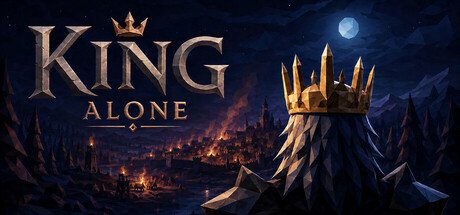 King Alone Unclear | Tools improving development efficiency together with different assets. | root gang | - | Sep 15, 2026 | |
 SableSyn Protocol Dev only code | AI tools were used to assist with some code generation
All game assets were created by people or sourced from asset packs (story, art, music, etc.) | Lamby Wamy Games | - | Sep 14, 2026 | |
 Eras Showdown In-game content art | The visual assets in Eras Showdown were created using generative AI: the icons for units, items and materials, the background images, and the user-interface graphics. Every result was selected, reworked and integrated into the game by hand.
This content is pre-generated in full and ships with the installation. Eras Showdown does not generate any content via AI while playing, and it does not connect to any AI service. | Marc Kausmann | - | Sep 14, 2026 | |
 My Zombies Are Hungry Dev only arttextcode | AI tools assisted programming and code review, image creation, and text/localization during development. No AI content is generated during gameplay. | GiantIce | - | Sep 13, 2026 | |
 Deepworks In-game content artaudiocode | Deepworks was made with the help of AI tools. Some of the game's art and audio were generated with AI and then reviewed and edited by the developer, and AI assisted with writing code. Nothing in the game is generated by AI while you play.
I'm an indie dev with a day job. Using AI made building this game possible. I built this game for the fun of it and have no interest in paying thousands or even hundreds of dollars to artists for a little side hobby. | EZDev Games | - | Sep 13, 2026 | |
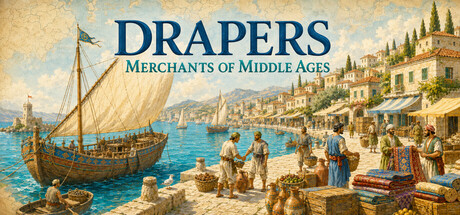 Drapers: Merchants of Middle Ages In-game content artcode | About Generative AI Content
We want to be transparent with our players about how AI was used during the development of this game:
Visual Art: Certain visual assets and background elements in this game were created with the assistance of generative AI tools, then reviewed and integrated by our team.
Code & Development: We utilized AI-powered coding assistant and large language models to help prototype, write, and optimize parts of the game's code to speed up development efficiency.
All AI-generated outputs shipped to players have been curated to ensure they meet our quality standards for your experience. | Tiltan Games | - | Sep 13, 2026 | |
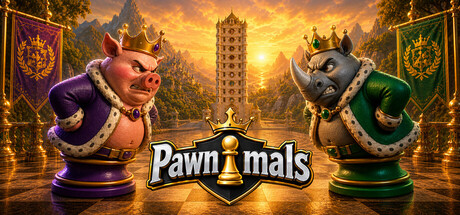 Pawnimals In-game content artaudio | Pawnimals uses generative AI as part of its development and content creation process. Generative AI tools were used to assist with the creation and refinement of some visual assets, character artwork, animations, voice/audio content, and other creative elements in the game.
AI-generated content is reviewed, edited, directed, and integrated by the developer to maintain a consistent visual style, character design, and overall player experience. Generative AI is used as a production tool and does not generate unrestricted content based on player prompts during normal gameplay. | Floyd Bishop | - | Sep 13, 2026 | |
 Fleets of Valor In-game content art | Generative AI is used to make a limited number of visual assets, such as the main menu background image, plane/ship icons and some crosshair images. | Frontmark Games LLC | - | Sep 13, 2026 | |
 衣冠南渡:北伐大业 In-game content art | Some pre-generated static 2D visual assets were created with OpenAI image generation tools, including key art, fictional character portraits, historical event illustrations, map icons, and artwork used to derive store capsules. The developer selected, reviewed, edited, cropped, typeset, and integrated the final assets. Generated images contain no embedded title text; the Chinese and English logos are separately typeset using a licensed font. The game does not generate content with AI while it is running. | 功达工作室 | - | Sep 13, 2026 | |
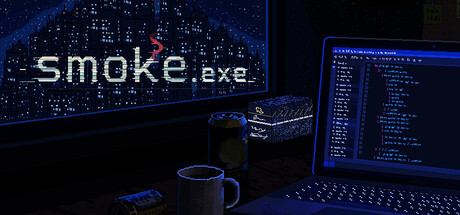 smoke.exe In-game content audioarttextcode | This game uses generative AI in the following ways:
Music — tracks were built from AI-generated material, then edited and arranged by hand.
Title artwork — an AI-generated rough was used as reference and redrawn by hand as pixel art.
English localization — the English text was machine-translated and then reviewed and corrected by the developer.
Code — parts of the game's code were written with AI assistance.
Everything else is made by the developer by hand: all 145 in-game icons, every UI image, the cigarette package illustrations, and the achievement icons. | usasan3 | - | Sep 13, 2026 | |
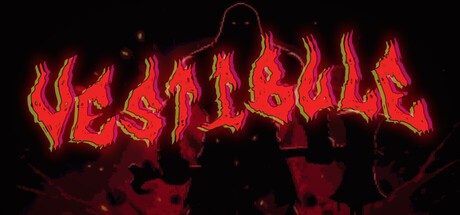 Vestibule In-game content art | Vestibule's pixel art was generated with an AI art tool, with every design directed, refined, and hand-edited by the developer. Individual trailer and cinematic clips were generated with an AI video tool, built from the game's own artwork and developer-written scene descriptions — the final edit, scene sequencing, and music timing were done manually by the developer in After Effects. All game design, systems, writing, and code are original work. | blightwork | - | Sep 13, 2026 | |
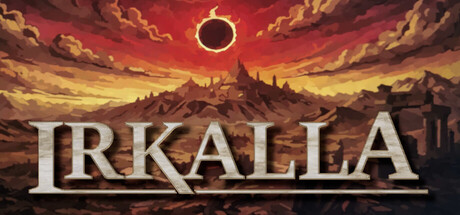 Irkalla In-game content art | Store page capsule is temporary ai-generated placeholder, and will be replaced soon.
Cards, some leaders and UI-elements artwork is generated with AI tools, then hand-edited before it goes into the game. They will be phased out as budget and time allows. | Nocturne Industries | - | Sep 13, 2026 | |
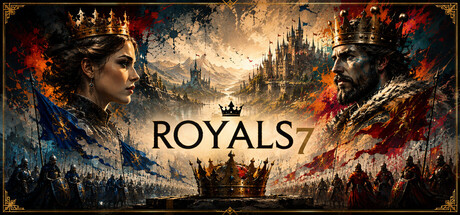 Royals7 Live AI | This game leverages AI content for the computer player. | Adblab LLC | - | Sep 13, 2026 | |
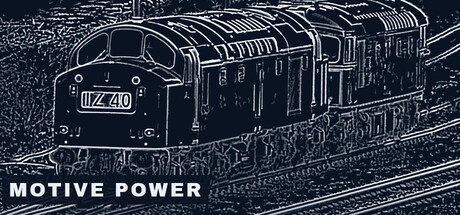 Motive Power In-game content text | All historical data is researched and verified by the developer from published records. Some in-game descriptive text (event descriptions, class histories) and the player's guide were drafted with AI assistance under the developer's editorial control and review. No AI-generated artwork, audio or photographs are used. | Motive Power Games | - | Sep 13, 2026 | |
 涂鸦学院 In-game content artaudio | Some artwork and promotional images used on the Steam store page were created with assistance from generative AI and subsequently reviewed and approved by humans. The game’s narrative voice-over uses pre-generated text-to-speech audio. No content is generated in real time during gameplay. | CC社 | - | Sep 13, 2026 | |
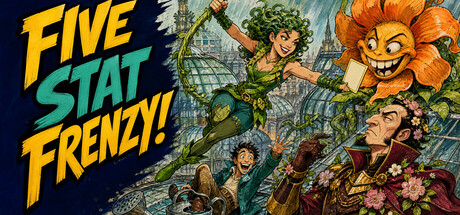 FIVE STAT FRENZY! In-game content art | During development, generative AI tools were used to assist with selected pre-generated visual content, including some card illustrations, comic imagery and marketing artwork. Each included illustration was deliberately selected, art-directed and integrated into FIVE STAT FRENZY!’s own comic-watercolour style, cast of characters, game rules and connected Paperlight City story.
The released game uses no generative AI at runtime. Players do not enter AI prompts, and the game does not generate new images, text, dialogue, music or gameplay content while it is being played. Card values, rules, deckbuilding, rivals, campaign progression and comic unlocks are fixed, tested game content. | ZELVANIX | - | Sep 13, 2026 | |
 Riftmaw In-game content textart | Generative AI was used to help draft some in-game text and Steam store / marketing copy. Selected upgrade card icons were purchased as AI-generated assets and then manually edited. All AI-assisted content is reviewed by the developer before shipping. | Angersh | - | Sep 13, 2026 | |
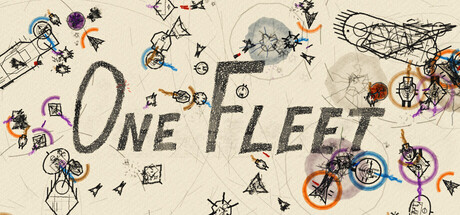 ONE FLEET In-game content arttextaudio | Some of this game's content was created with the assistance of generative AI tools during development: portions of the game's code, some text, and music tracks, and is reviewed by the developer before shipping. The game does not generate AI content at runtime. | LuckyLion | - | Sep 13, 2026 | |
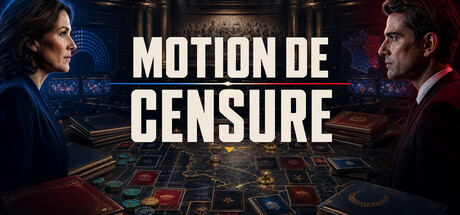 Motion de censure In-game content art | Some illustrations used in the game and on its Steam store page, including card artwork, interface backgrounds, and promotional materials, were created or enhanced using generative artificial intelligence tools. This content is generated in advance, then selected, edited, and manually integrated by the developer. The game does not use generative AI in real time and does not generate content during gameplay. | SMARTCUB3D Studio | - | Sep 13, 2026 | |
 Penny Potluck In-game content text | AI was used to assist with localization of the game's store page into additional languages as a placeholder until I am able to hire a localization team. All localized text was reviewed and edited before publication. | Phoenix Hunt | - | Sep 13, 2026 | |
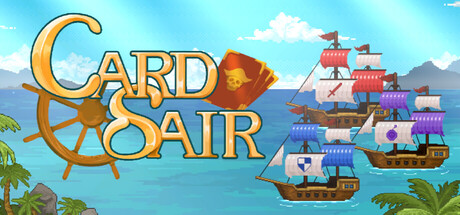 Cardsair In-game content text | AI was used to translate part of the in-game text and the Steam page. | Inner Flame Games | - | Sep 13, 2026 | |
 Slots & Skulls In-game content text | The English and Turkish text in Slots & Skulls is written entirely by the developer. Gen AI was used only to translate in game and store text into the game's other supported languages.
No AI tools were used to create any visual or audio asset: all art, animation, UI, music and sound effects are made by hand or licensed from human creators. | Trina Interactive | - | Sep 13, 2026 | |
 Core Idle TD In-game content art | Generative AI was used exclusively to assist in polishing the game's logo. All gameplay systems, code, and visual elements were developed directly by me. | CYR Games | - | Sep 12, 2026 | |
 Par Under Review In-game content arttextcode | Some marketing artwork for the store page (the capsule's sky, city backdrop, rain and lettering layers) was produced with generative image tools (OpenAI image generation, Google Gemini) and then composited and edited by hand. A few placeholder textures currently in the build (the city seen through the office window and its signs, and the sample sheets in the customization menu) were AI-generated and are scheduled to be replaced with licensed or hand-made art before release. AI coding and writing assistants were used during development for parts of the source code, documentation and drafts of store text; all game rules, design decisions and final art direction are the developer's own. The game does not generate content with AI at runtime. | Minor Planet Games | - | Sep 12, 2026 | |
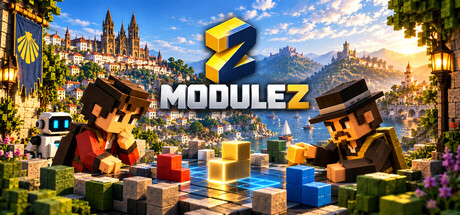 ModuleZ Store/marketing art | Generative AI was used to assist in the creation of some pre-generated promotional artwork for the Steam store page. ModuleZ does not use generative AI to generate content during gameplay. | IMTESOWL SOFTWARE | - | Sep 12, 2026 | |
 Forest Explorer In-game content art | Some of the game's artwork was created with the assistance of generative AI during development. | Mori Eating | - | Sep 12, 2026 | |
 Sarmatian Heroes In-game content art | Generative AI tools were used to create and edit selected pre-rendered visual assets, animations, and marketing materials. The game does not use live-generated AI content during gameplay. | Kajetan Hrynczuk | - | Sep 12, 2026 | |
 Turing's Hive In-game content arttext | Generative AI was used to assist in the creation of character illustrations and some in-game text. All AI-assisted content was reviewed, edited, and integrated by the developer. No generative AI is used during gameplay or at runtime. | CounterRocks | - | Sep 12, 2026 | |
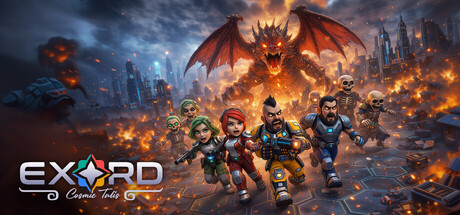 Exord: Cosmic Talis In-game content art | AI-assisted tools were used to help create some splash screen visuals and store page promotional artwork. All assets were reviewed and finalized by the developer before being included in the game and store materials. | Pinfox | - | Sep 12, 2026 | |
 doodle towers In-game content text | AI was used for translation | yummypotato | - | Sep 12, 2026 | |
 100 Years Atop Mount Ellumbee In-game content arttextaudio | The illustrations in this game (Battle Card art, faction emblems, Commander portraits and board imagery) were generated with Midjourney, working from the designer's own concept art and art direction. Each image was then selected, tone-matched to the card stock, fitted and composited into the game's frames.
Card names, card text and the written rules were drafted with the assistance of a large language model, working from the designer's original hand-written rules and card designs, then edited and finalized by hand. The music and sound effects were generated with Suno. Voice recordings were performed by the creator.
The game itself is a person's work: the rules, the mechanics, the economy and the balance decisions were designed by hand over many revisions, with AI used as a collaborator rather than an author. The physical board game came first.
No content is generated by AI while you play. The computer opponents are conventional rule-based code, not a generative model. | Sweet Puppy Media | - | Sep 12, 2026 | |
 Evons In-game content art | Some of the card artwork in this game is created with the assistance of generative AI tools, and then reviewed and refined by the developer. | Evons Games | - | Sep 12, 2026 | |
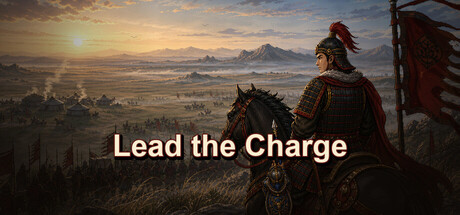 Lead the Charge Store/marketing arttext | Generative AI was used during development to create and refine some 2D visual assets, Steam store artwork, trailer imagery, and localization drafts. All output was reviewed and edited by the developer before inclusion. The game does not generate AI content during play and does not connect to external AI services. | BT Studio | - | Sep 12, 2026 | |
 Neon Bastion In-game content arttext | Neon Bastion uses pre-generated AI-assisted artwork and some written game/interface text. All content was reviewed and integrated by the developer. No AI content is generated during gameplay. | Kasperzack Games | - | Sep 12, 2026 | |
 Aspect Arena In-game content text | Some of this game's written text, including this store page and some in-game descriptions, was drafted with the help of an AI assistant and then edited by hand. The rest is not AI-generated: the pixel art is hand-drawn or from licensed asset packs, the audio comes from a licensed sound pack, and every screenshot and capsule image is composed from real in-game captures. Nothing is generated while you play. | Legium Games | - | Sep 12, 2026 | |
 Grimhold In-game content text | Grimhold's artwork is created by commissioned human artists, and its music is human-made licensed audio. Generative AI tools were used to assist in writing portions of the game's descriptive text and creature lore. All gameplay, code, and design are human-made. The game does not generate any AI content during play and does not connect to external AI services. | Elzerath Studio | - | Sep 12, 2026 | |
 Battle for Everworld In-game content art | AI was used as a coding assistance tool and to create some assets. | GATO PRETO GAMES LTDA | - | Sep 12, 2026 | |
 Be a Pirate! Dev only | I am a solo developer trying to get my dream games built. I use some AI tools to help me with this. I try to be thoughtful, careful and do whatever my skills allow. | Noble Rogues | - | Sep 12, 2026 | |
 審査官の苦悩:Chimera Protocol In-game content arttext | This game uses generative AI to assist in the creation of chimera image assets and text content used in the game. Generative AI is also used to assist with game planning and design, programming and development, and translation into English. All AI-generated content and AI-assisted translation are produced during development. Generative AI is not used to generate new content during gameplay. | PaoPao Studio | - | Sep 12, 2026 |


