Public Steam disclosure research25,380 disclosures tracked
Where do games disclose AI use?
Search developers’ Steam disclosures, compare classified AI use across
games, and follow recorded changes.
This index adds cross-game classifications and statistics to
statements published on individual store pages.
Groups reflect automatic analysis of public disclosures; mature records are excluded. These counts do not measure AI use across all of Steam.
Missing or unclear statements cannot establish whether a game uses AI.
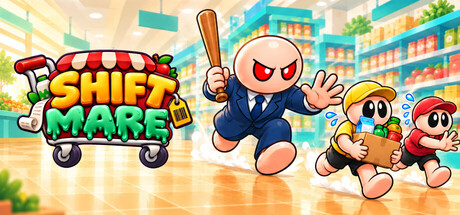
Decorative artwork and background shop-window textures in the game, as well as Steam store capsule artwork, library artwork, logos and icons, were generated with AI before release. No AI content is generated during gameplay.
The music and some of the images were created using artificial intelligence. Localization into some languages was performed using artificial intelligence.
Some of the store page description was drafted with generative AI writing assistance and then reviewed and edited by the developer. This game does not use generative AI to create content during gameplay.
Parts of the artwork and audio in Shred Inc. — including textures, images and sound effects — were created using generative AI tools and then reviewed and edited by hand. The same applies to some of the store page and marketing material. No content is generated by AI during gameplay, and the game does not connect to any external AI service.
All characters, creatures and the world of Vampus are designed and art-directed by the developer, a visual artist. Many designs started from the developer's own drawings and paintings. Generative AI tools (Microsoft Copilot and Meshy) were used to develop some of the designs and to turn them into 3D models and textures. Story and music are made by the developer.
From the moment I understood the weakness of my flesh, it disgusted me. I craved the strength and certainty of steel. I aspired to the purity of the blessed machine. Your kind cling to your flesh as if it will not decay and fail you. One day, the crude biomass you call a temple will wither, and you will beg my kind to save you. But I am already saved. For the Machine is Immortal.
This game uses generative AI for creating textures, assisting with coding, and localizing text. All of this was produced during development, and the game does not use AI to generate new content while you play.
Made by an ordinary person building a game for the first time, with generative AI tools helping throughout.
The card illustrations, 3D models, music and sound effects, game code, and the localized text translated from the original Korean were all produced with AI tools. I picked through the results and edited them by hand before putting them in the game.
Everything was generated ahead of time and shipped inside the build. Nothing is generated live while you play.
Generative AI tools were used to a very limited extent during the development of the game for a few minor visual elements. These consist only of a small number of simple effect graphics, which were subsequently adapted and edited for use in the game.
Generative AI was also used as a writing aid to improve and refine some of the text used on the game's Steam store page.
The core content and functionality of the game were not created using generative AI.
Generative AI tools were used during development to assist in the creation of selected visual, audio, and text assets. All AI-assisted content was reviewed, curated, and integrated by the development team. The game does not generate AI content during gameplay.
Generative AI helped create some artwork, UI icons, audio assets and store graphics during development. Store graphics use our original cat designs as references. No content is generated during play, and the game does not connect to an AI service.
This game was made with the help of generative AI.
AI tools were used during development to create visual assets, sound and music, parts
of the source code, and the translations of this page and the in-game text. Everything
was chosen, edited and assembled by hand before release.
Nothing is generated while you play — all content ships with the game.
Some of this game's art, music, sound effects, 3D models, and translations were created with the help of generative AI. No content is generated by AI during gameplay.
This game includes content created with the help of generative AI. The base 3D animal models were generated using an AI 3D-modeling tool and then rigged, animated, and hand-finished by the developer. Non-English translations were initially AI-drafted and then reviewed and corrected by the developer. All content is final and reviewed before release — no AI content is generated while you play.
Some assets (voiceovers, wall paintings, icons) are currently generated using AI and are planned to be replaced with artist-created assets in future updates.
Generative AI tools were used during the development of MEAM Launcher and some of the included games.
AI-assisted and AI-generated content may include character and environment concepts, images, textures, 3D models, visual assets, music, sound effects, text, dialogue, code, and other development assets. AI tools were also used to assist with programming, prototyping, troubleshooting, game development, and general creative development.
All AI-generated or AI-assisted content was reviewed, selected, edited, implemented, and/or further developed by the developer before being included in the final product.
MEAM Launcher does not use generative AI to create content dynamically during gameplay. The AI usage described above relates to content and development work created before distribution of the software.
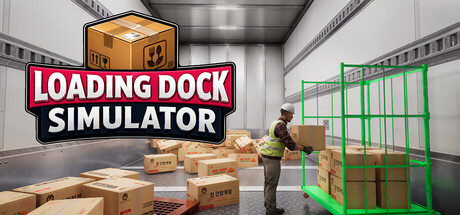
This game utilizes generative AI tools to assist in creating certain in-game assets. Specifically, AI was used to generate initial drafts for box trademark textures, warehouse prop assets, and some UI resources. All generated assets were manually reviewed and modified by our development team to ensure they do not infringe upon any third-party copyrights before being implemented into the final game
This game uses generative AI as part of its content creation pipeline. Some elements of the store page cover art were generated using AI and then combined with additional artwork created by our designer. Certain in-game environment textures were processed using AI-assisted tools as part of the texturing workflow. Character voices were recorded by our own team and then processed with AI-based voice conversion to transform them into different character voices. All AI-assisted content was reviewed and refined by our team before being included in the final game.
Store page and marketing: the main capsule art was composed and rendered by the developer from in-game models, with generative AI used to repaint parts of the background (landscape, sky and lighting), then corrected by hand. Some promotional videos use an AI-generated voiceover.
InteractiVR uses generative AI during play. The interviewer characters are driven by a large language model that generates their questions, follow up questions and responses live, in response to what the player says and to the job role and experience level the player selects. Player speech is transcribed by automatic speech recognition, and interviewer dialogue is spoken using synthesized voice. The written performance report at the end of a session is also AI generated.
The AI is constrained by a system prompt scoped to job interview conversation and to evaluating answers against the STAR method. It does not depict or impersonate real people. Interviewer characters are fictional.
The AI evaluates the structure and completeness of a player's answers against the STAR method. It is a practice and training tool and does not make hiring decisions.
Most of the game's code and the Steam page artwork were made with the help of AI. The farm animal 3D models were made in Blender with the help of AI tools (Astra and Claude). The game does not generate any AI content while you play.
AI tools are used in some parts of the development process, including translations for the Steam store page and in-game UI text, as well as assistance with some visual assets.
Generative AI was used to create some visual assets included in the game, as well as artwork for the Steam store page and marketing materials. These assets were created before release. The game does not generate AI content during gameplay or connect to external AI services.
This game contains content created with the assistance of AI tools. AI was used during development to assist with programming, visual assets, and other creative elements. All generated content was reviewed, edited, and integrated by the dev.
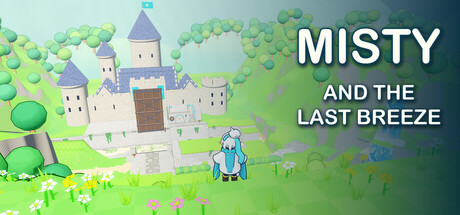
Misty and the Last Breeze is a solo-developed game made with a lot of AI assistance. Here is how AI was used.
Code. The game is built in Godot. Most of the gameplay code, tooling and automated tests were written with AI coding assistants (Claude Code and Codex), working from my design direction, and reviewed, playtested and revised by me. Design decisions, level layouts, movement feel and what ships are mine; the assistants do much of the typing.
3D models and art. Many in-game models and textures were made in Blender through scripts written with AI assistance, often rebuilt from concept images. Some of those reference images were generated with AI image tools. Other visuals, such as shaders, UI and effects, are authored in code. Painting and key-art images in the game that began as AI-generated images are kept as AI-assisted work.
Music. Music is generated with Suno and then selected, arranged and edited by me. Ambience and sound effects are mostly synthesized in code (procedural audio) rather than sampled from other artists.
Mockups and planning. I use ChatGPT's image generation for mockups, mood boards, UI layouts and promotional concepts while planning. These are for exploring ideas; they are not meant to ship as finished art unless noted above.
What is not AI. The game itself has no runtime AI: every enemy, NPC, line of dialogue and level is fixed content that I designed and authored. Nothing is generated or adapted while you play.
Generative AI was used during development to help create some of the game's images, 3D models, animations, background music, sound effects, and story and dialogue text, and to translate in-game text. This includes generating images and models, as well as creating environment models, background music, and some sound effects using AI-written scripts. The story and dialogue use AI-generated text, edited as needed. Translations were created and revised during development and included in the game. This content was created in advance during development; the game does not generate content using generative AI during gameplay. Generative AI was also used to create promotional images and translate store descriptions into multiple languages for the Steam store.
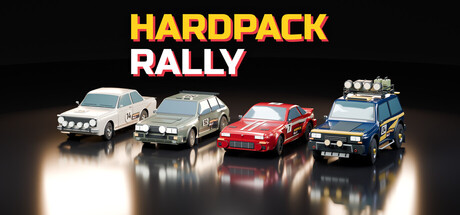
Hardpack Rally is made by solo developer Andre Gomes with assistance from AI tools, including Claude, ChatGPT and Codex. These tools help write game code and scripts that create the cars and scenery. No AI generates content while you play.
Parts of Howling Woods were made with generative AI during development: its music and sound effects, its interface icons and store art, some of its set-piece models, and parts of its code. All of it was reviewed and reworked by hand, and nothing is generated while you play.
Generative AI tools helped create selected 2D artwork, including in-game branding, decorative art, and store and marketing illustrations, and assisted with translations of the store page text. This content is pre-generated; the game does not generate AI content during gameplay.
Generative AI tools were used during development to help with coding. All assets are 3d modeled or free to use assets. The game does not generate AI content or connect to an AI service.
The game's cases, design and text were created by the developer. Generative AI was used as an assistant when writing the text of this store page and of the game, and to translate it into 12 languages; all of it was reviewed and edited by the developer. No content is generated while you play.
Generative AI tools were used during development to create pre-generated character voices, music, and store artwork, and to assist with writing. These assets are prepared in advance. The game does not generate AI content or connect to third-party AI services during gameplay.
Generative AI-assisted tools were used during development to support the creation and refinement of some pre-generated visual assets. No AI content is generated during gameplay.
Parts of this game were made with the help of AI tools: the store page text, the Turkish and Simplified Chinese translations, and some of the 3D models, UI graphics and store images. The game does not generate any content with AI while you play.
The key art, store capsules and library artwork were created with an AI image generator and edited by the developer. The trailer music was generated with Suno under a paid plan. No AI-generated content is included in the game itself, and the game runs no AI generation and requires no AI service.
Generative AI tools were used to assist in creating some pre-generated decorative in-game artwork, including wall posters, as well as selected promotional and Steam store artwork. All generated content was reviewed and edited before inclusion. The game does not use live-generated AI content during gameplay.
Generative AI tools were used during development to assist with portions of programming and store-page text. All AI-assisted material was reviewed, edited, tested, and integrated by the developer. No generative AI is used during gameplay.
Decorative artwork and background shop-window textures in the game, as well as Steam store capsule artwork, library artwork, logos and icons, were generated with AI before release. No AI content is generated during gameplay.
The music and some of the images were created using artificial intelligence. Localization into some languages was performed using artificial intelligence.
Some of the store page description was drafted with generative AI writing assistance and then reviewed and edited by the developer. This game does not use generative AI to create content during gameplay.
Parts of the artwork and audio in Shred Inc. — including textures, images and sound effects — were created using generative AI tools and then reviewed and edited by hand. The same applies to some of the store page and marketing material. No content is generated by AI during gameplay, and the game does not connect to any external AI service.
All characters, creatures and the world of Vampus are designed and art-directed by the developer, a visual artist. Many designs started from the developer's own drawings and paintings. Generative AI tools (Microsoft Copilot and Meshy) were used to develop some of the designs and to turn them into 3D models and textures. Story and music are made by the developer.
From the moment I understood the weakness of my flesh, it disgusted me. I craved the strength and certainty of steel. I aspired to the purity of the blessed machine. Your kind cling to your flesh as if it will not decay and fail you. One day, the crude biomass you call a temple will wither, and you will beg my kind to save you. But I am already saved. For the Machine is Immortal.
This game uses generative AI for creating textures, assisting with coding, and localizing text. All of this was produced during development, and the game does not use AI to generate new content while you play.
Made by an ordinary person building a game for the first time, with generative AI tools helping throughout.
The card illustrations, 3D models, music and sound effects, game code, and the localized text translated from the original Korean were all produced with AI tools. I picked through the results and edited them by hand before putting them in the game.
Everything was generated ahead of time and shipped inside the build. Nothing is generated live while you play.
Generative AI tools were used to a very limited extent during the development of the game for a few minor visual elements. These consist only of a small number of simple effect graphics, which were subsequently adapted and edited for use in the game.
Generative AI was also used as a writing aid to improve and refine some of the text used on the game's Steam store page.
The core content and functionality of the game were not created using generative AI.
Generative AI tools were used during development to assist in the creation of selected visual, audio, and text assets. All AI-assisted content was reviewed, curated, and integrated by the development team. The game does not generate AI content during gameplay.
Generative AI helped create some artwork, UI icons, audio assets and store graphics during development. Store graphics use our original cat designs as references. No content is generated during play, and the game does not connect to an AI service.
This game was made with the help of generative AI.
AI tools were used during development to create visual assets, sound and music, parts
of the source code, and the translations of this page and the in-game text. Everything
was chosen, edited and assembled by hand before release.
Nothing is generated while you play — all content ships with the game.
Some of this game's art, music, sound effects, 3D models, and translations were created with the help of generative AI. No content is generated by AI during gameplay.
This game includes content created with the help of generative AI. The base 3D animal models were generated using an AI 3D-modeling tool and then rigged, animated, and hand-finished by the developer. Non-English translations were initially AI-drafted and then reviewed and corrected by the developer. All content is final and reviewed before release — no AI content is generated while you play.
Some assets (voiceovers, wall paintings, icons) are currently generated using AI and are planned to be replaced with artist-created assets in future updates.
Generative AI tools were used during the development of MEAM Launcher and some of the included games.
AI-assisted and AI-generated content may include character and environment concepts, images, textures, 3D models, visual assets, music, sound effects, text, dialogue, code, and other development assets. AI tools were also used to assist with programming, prototyping, troubleshooting, game development, and general creative development.
All AI-generated or AI-assisted content was reviewed, selected, edited, implemented, and/or further developed by the developer before being included in the final product.
MEAM Launcher does not use generative AI to create content dynamically during gameplay. The AI usage described above relates to content and development work created before distribution of the software.
This game utilizes generative AI tools to assist in creating certain in-game assets. Specifically, AI was used to generate initial drafts for box trademark textures, warehouse prop assets, and some UI resources. All generated assets were manually reviewed and modified by our development team to ensure they do not infringe upon any third-party copyrights before being implemented into the final game
This game uses generative AI as part of its content creation pipeline. Some elements of the store page cover art were generated using AI and then combined with additional artwork created by our designer. Certain in-game environment textures were processed using AI-assisted tools as part of the texturing workflow. Character voices were recorded by our own team and then processed with AI-based voice conversion to transform them into different character voices. All AI-assisted content was reviewed and refined by our team before being included in the final game.
Store page and marketing: the main capsule art was composed and rendered by the developer from in-game models, with generative AI used to repaint parts of the background (landscape, sky and lighting), then corrected by hand. Some promotional videos use an AI-generated voiceover.
InteractiVR uses generative AI during play. The interviewer characters are driven by a large language model that generates their questions, follow up questions and responses live, in response to what the player says and to the job role and experience level the player selects. Player speech is transcribed by automatic speech recognition, and interviewer dialogue is spoken using synthesized voice. The written performance report at the end of a session is also AI generated.
The AI is constrained by a system prompt scoped to job interview conversation and to evaluating answers against the STAR method. It does not depict or impersonate real people. Interviewer characters are fictional.
The AI evaluates the structure and completeness of a player's answers against the STAR method. It is a practice and training tool and does not make hiring decisions.
Most of the game's code and the Steam page artwork were made with the help of AI. The farm animal 3D models were made in Blender with the help of AI tools (Astra and Claude). The game does not generate any AI content while you play.
AI tools are used in some parts of the development process, including translations for the Steam store page and in-game UI text, as well as assistance with some visual assets.
Generative AI was used to create some visual assets included in the game, as well as artwork for the Steam store page and marketing materials. These assets were created before release. The game does not generate AI content during gameplay or connect to external AI services.
This game contains content created with the assistance of AI tools. AI was used during development to assist with programming, visual assets, and other creative elements. All generated content was reviewed, edited, and integrated by the dev.
Misty and the Last Breeze is a solo-developed game made with a lot of AI assistance. Here is how AI was used.
Code. The game is built in Godot. Most of the gameplay code, tooling and automated tests were written with AI coding assistants (Claude Code and Codex), working from my design direction, and reviewed, playtested and revised by me. Design decisions, level layouts, movement feel and what ships are mine; the assistants do much of the typing.
3D models and art. Many in-game models and textures were made in Blender through scripts written with AI assistance, often rebuilt from concept images. Some of those reference images were generated with AI image tools. Other visuals, such as shaders, UI and effects, are authored in code. Painting and key-art images in the game that began as AI-generated images are kept as AI-assisted work.
Music. Music is generated with Suno and then selected, arranged and edited by me. Ambience and sound effects are mostly synthesized in code (procedural audio) rather than sampled from other artists.
Mockups and planning. I use ChatGPT's image generation for mockups, mood boards, UI layouts and promotional concepts while planning. These are for exploring ideas; they are not meant to ship as finished art unless noted above.
What is not AI. The game itself has no runtime AI: every enemy, NPC, line of dialogue and level is fixed content that I designed and authored. Nothing is generated or adapted while you play.
Generative AI was used during development to help create some of the game's images, 3D models, animations, background music, sound effects, and story and dialogue text, and to translate in-game text. This includes generating images and models, as well as creating environment models, background music, and some sound effects using AI-written scripts. The story and dialogue use AI-generated text, edited as needed. Translations were created and revised during development and included in the game. This content was created in advance during development; the game does not generate content using generative AI during gameplay. Generative AI was also used to create promotional images and translate store descriptions into multiple languages for the Steam store.
Hardpack Rally is made by solo developer Andre Gomes with assistance from AI tools, including Claude, ChatGPT and Codex. These tools help write game code and scripts that create the cars and scenery. No AI generates content while you play.
Parts of Howling Woods were made with generative AI during development: its music and sound effects, its interface icons and store art, some of its set-piece models, and parts of its code. All of it was reviewed and reworked by hand, and nothing is generated while you play.
Generative AI tools helped create selected 2D artwork, including in-game branding, decorative art, and store and marketing illustrations, and assisted with translations of the store page text. This content is pre-generated; the game does not generate AI content during gameplay.
Generative AI tools were used during development to help with coding. All assets are 3d modeled or free to use assets. The game does not generate AI content or connect to an AI service.
The game's cases, design and text were created by the developer. Generative AI was used as an assistant when writing the text of this store page and of the game, and to translate it into 12 languages; all of it was reviewed and edited by the developer. No content is generated while you play.
Generative AI tools were used during development to create pre-generated character voices, music, and store artwork, and to assist with writing. These assets are prepared in advance. The game does not generate AI content or connect to third-party AI services during gameplay.
Generative AI-assisted tools were used during development to support the creation and refinement of some pre-generated visual assets. No AI content is generated during gameplay.
Parts of this game were made with the help of AI tools: the store page text, the Turkish and Simplified Chinese translations, and some of the 3D models, UI graphics and store images. The game does not generate any content with AI while you play.
The key art, store capsules and library artwork were created with an AI image generator and edited by the developer. The trailer music was generated with Suno under a paid plan. No AI-generated content is included in the game itself, and the game runs no AI generation and requires no AI service.
Generative AI tools were used to assist in creating some pre-generated decorative in-game artwork, including wall posters, as well as selected promotional and Steam store artwork. All generated content was reviewed and edited before inclusion. The game does not use live-generated AI content during gameplay.
Generative AI tools were used during development to assist with portions of programming and store-page text. All AI-assisted material was reviewed, edited, tested, and integrated by the developer. No generative AI is used during gameplay.