Public Steam disclosure research25,394 disclosures tracked
Where do games disclose AI use?
Search developers’ Steam disclosures, compare classified AI use across
games, and follow recorded changes.
This index adds cross-game classifications and statistics to
statements published on individual store pages.
Groups reflect automatic analysis of public disclosures; mature records are excluded. These counts do not measure AI use across all of Steam.
Missing or unclear statements cannot establish whether a game uses AI.
As a solo developer, I used AI-assisted tools to support development, including implementation and some audio-related work. All final content was reviewed and edited by me. Character sprite art is hand-drawn, and the game does not use generative AI while running.
Most of the game's 2D art assets — including monster sprites, map backgrounds, skill and skill tree icons, achievement icons, and store/marketing key art — were created with the assistance of generative AI image tools and then reviewed and edited by the developer. Portions of the localization text (store page and in-game translations) were produced with AI assistance under human review. The game does not generate any content with AI at runtime.
I am a solo developer with limited art experience. Generative AI tools were used to assist with the creation of some assets, while I created and refined other assets and sound effects myself.
Used AI to over optimize the performance of the game as it is very painful to have 1000 monsters with real physics on your screen at the same time and 100 projectiles per seconds without turning your pc into an oven
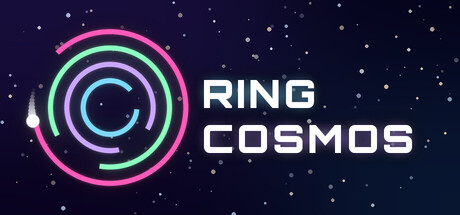
Ring Cosmos was developed by a solo developer with AI assistance during programming. The store page capsule images were also produced with AI assistance, generated programmatically through custom drawing code rather than image generation models. All game visuals are drawn in real time by the game's own rendering code. The soundtrack is licensed human-made music by JDSherbert. No AI content is generated while you play.
Generative AI was used to assist in the creation of character illustrations, selected artwork, store page assets, and localization. All AI-assisted content has been reviewed, edited, and integrated by the developer. The game does not use generative AI to create content during gameplay.
Generative AI was used to create visual art in this game. Creature, character and background artwork was produced with AI image and animation tools, then hand-edited, cleaned up and assembled by the developer before being placed in the game. This artwork also appears in store page and marketing materials. The game additionally uses licensed, human-made pixel-art asset packs. AI tools (LLM) were also used to help write the game's code and in-game text during development, and to translate that text into the game's six non-English languages (Korean, Simplified Chinese, Japanese, Russian, Spanish, Brazilian Portuguese). All audio - music and sound effects - is human-made and licensed from human creators; no generative AI was used for audio. No AI runs during gameplay: all content is generated ahead of time and reviewed by the developer before it ships.
This work is fully developed and produced with the assistance of AI: character animations, scene maps, interface UI, sound effects, music and other art and audio materials are all generated by AI; The core gameplay mechanism of the game relies on manual planning to complete the development outline, and the implementation of segmented content and function building are all assisted by AI to complete the development work.
Some store page artwork (capsules, library images, and promotional visuals) was created with the assistance of generative AI tools and edited by the developer.
Select in-game art assets were also created with AI-assisted tools during development and integrated into the game as pre-made content.
Gameplay is built in Unreal Engine. In-game content is not generated by AI during play.
Generative AI was used as an assistive tool during development and for localization support. All such content was reviewed and edited by the developer before inclusion. The game does not generate AI content live during gameplay.
Some of the music in this game was created using generative AI tools. All other content — art, animation, writing and design — is made without generative AI.
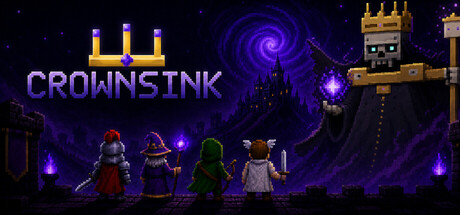
Crownsink is a hand-crafted game built the modern way: the developer writes and directs the code with the support of AI tools, while every sprite, sound and note of music springs from the game's own hand-written algorithms.
Generative AI tools were used during development to assist with programming and code generation, and to create or refine certain pre-generated visual assets, including promotional artwork and selected in-game UI and art assets. All AI-assisted code and assets were reviewed, tested, and edited by the developer before inclusion. The released game does not generate content or code during gameplay and does not connect to external AI services.
Some 2D art was made with generative AI as a starting point, cards are renders of our real 3D models with painted backgrounds. No in-game AI, no AI voices, no real people's likenesses. Art may be replaced during Early Access.
Portions of the game's text content (item descriptions and English localization) and store page text were written with the assistance of a generative AI language model, under human direction with full review and editing. All artwork is hand-drawn by the developers, and the game does not use any live/runtime AI generation.
Some of the visual assets in this game including character key art, promotional images, and certain 3D art were created with the assistance of generative AI tools during development. All AI-generated content was reviewed, edited, and integrated by the developer. No generative AI is used at runtime; nothing is generated live while you play. All gameplay, code, and design are hand-crafted by a developer.
All primary artwork in this game, including the main character and every enemy, was created by hand either drawn by the developer or by human artists. AI assistance was limited to a few secondary visual effects (light effects, explosions, blood/spray), produced with custom procedural drawing scripts written with the help of an AI coding assistant and then hand-edited and curated by the developer. Some in-game text translations may be pre-generated with AI-assisted localization and reviewed by the developer. No image, audio, or video generation models were used. No AI is used at runtime.
The game's main soundtrack was created using generative AI. The game's promotional capsule artwork was also created with the assistance of generative AI. All other gameplay, programming, game design, pixel art, animations, visual effects, sound effects, UI, and game content were created by the developer.
Some of the artwork in this game was created with the assistance of generative AI tools as part of our development process. All AI-assisted content is reviewed, edited, and finalized by our human artists before being included in the game.
This whole game exists because I wondered whether, with these tools, I could actually make one.
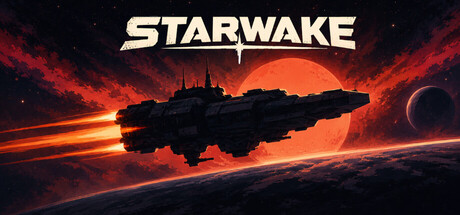
Generative AI tools were used to create assets that ship with the game. The 3D ship and enemy models were generated with Meshy AI from my own 2D concept art, and AI tools assisted with in-game text, audio, and parts of the store page and marketing materials.
The design, code and balance are mine — the wave generation, the ship and weapon tuning, the modification link-set system, the campaign structure. Seventeen worlds' worth of hand-tuned numbers.
I'm a solo developer with a full-time job and three kids. The answer to the question turned out to be yes, and this is it.
Some of the art and audio assets in this game were created with the assistance of generative AI tools. Specifically, certain 3D models, UI icons, and background music tracks were generated using AI and then reviewed, edited, and integrated by the developer. No AI-generated content is created live during gameplay.
Some of this game's artwork (including store capsules and background art) was created with the help of generative AI image tools. All AI-assisted content was reviewed, edited, and curated by the developer. The game generates no AI content at runtime; opponent behavior uses traditional, hand-authored game logic
Arch Rogue was developed with extensive use of generative AI. Most of the game's code was written with AI assistance. The pixel-art sprites, tiles, animations, and store artwork were created with AI image-generation tools and then curated and integrated by the developer. Dialogue, quest text, and lore were AI-generated from developer-designed prompts and story structure. All AI content is created during development, not at runtime — the game does not generate any content with AI at runtime.
I used Grok CLI for coding and all sprite generation. I use AI to debug.
There are AI generated videos in the tutorial sections.
AI was used to implement sound and music as well as menu assets and backgrounds.
No AI LLM is in the game. There is no real time AI asset generation or LLM streaming.
During the development of this game, we utilized generative AI tools to assist in the following areas:
Code Development: Portions of game logic and system code were generated with AI assistance. All AI-generated code has been manually reviewed, adjusted, and integrated into the final product to ensure stability and performance.
Multilingual Text Translation (English): The English localization—including UI, dialogues, and prompts—was initially drafted using AI translation. These drafts were then proofread and polished by professional translators to ensure natural language flow and cultural appropriateness.
All AI-generated content has undergone rigorous human review and testing to meet our quality standards and deliver a great player experience. If you have any questions, please feel free to contact the developers.
As an indie dev, I leveraged AI to create this game. Some voices are AI-generated. Concept art was generated for inspiration and then built from scratch.
The cinematic artworks were created using AI and are based on my own concept sketches. They were used to reinforce the emotional atmosphere and my vision of the game world, while the game itself is designed entirely in hand-drawn pixel art.
AI was used for programming
Generative AI tools were used during the development of this game in the following ways:
- Art creation: AI was used to assist in generating and refining visual art assets.
- Mathematical computations: AI was used to perform complex mathematical calculations and to derive equations used in the game's systems.
All AI-generated content was reviewed and integrated by the development team.
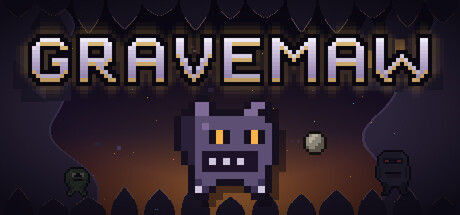
Gravemaw's music was generated with Suno AI and its sound effects with
Stable Audio Open, then edited by hand — trimmed, loop-pointed and mixed —
before being placed in the game. Some store and marketing artwork was also
produced with AI assistance.
Every generated asset was reviewed by the developer before shipping. Nothing
is generated while you play: the game runs fully offline and all content is
baked into the build.
During the development process, I use procedural and AI-based tools to assist with content creation. In all such cases, the final product reflects my own creativity and vision as a solo developer. Examples include utilizing AI tools to help generate and refine certain textures and 3D models in the game.
Some of the game's 2D and 3D art assets — including 3D character models and environment props, background and biome art, and iconography — were produced with AI image/model generation tools during development, then hand-curated, edited, and processed into the game. No AI runs at play time; nothing is generated on the player's machine or via an external service.
Generative AI tools were used during development to create or assist with some visual assets, audio, and 3D assets used in the game and its promotional materials. No AI-generated content is created during gameplay, and the game does not connect to external AI services.
The developer uses generative AI tools during the development process to create pre-generated content. Specifically, Leonardo.ai was utilized to assist in the creation of promotional marketing artwork, concept art, images, and user interface buttons. Additionally, Suno was used to compose the game's background music and soundtracks. All AI-generated content is static, finalized prior to release, and integrated into the game build; the game does not feature any live or real-time AI generation during gameplay.
This game features background music generated with AI, used under a commercial license. Some of the supported-language translations were produced with AI assistance. All visual art and game code are hand-authored.
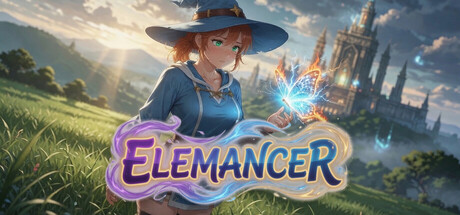
Elemancer is a solo-developed game. Every system, all gameplay code, the balance, and all writing are human-made and hand-tuned. The 2D art and audio were created with AI tools, then hand-curated, edited, and quality-checked asset by asset before shipping.
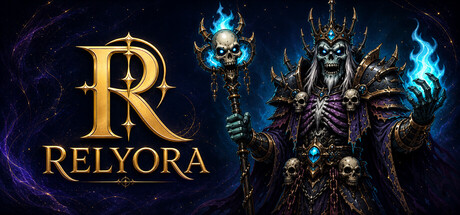
Relyora is independently developed on a limited budget. Some visuals were created with AI assistance, then carefully selected, edited, and integrated by hand. No AI is used in real time. If the game finds an audience, revenue will be reinvested into working with professional artists.
AI-assisted tools were used during development. All final content was reviewed and approved by the developer. No AI content is generated during gameplay.
Generative AI was used during development to assist in creating certain visual assets, initial 3D model concepts, and the composition of some melodies. All AI-generated content was manually reviewed, edited, refined, and integrated into the game by the developer. All gameplay systems, programming, balancing and game design were created manually. No generative AI is used during gameplay.
As a solo developer, I used AI-assisted tools to support development, including implementation and some audio-related work. All final content was reviewed and edited by me. Character sprite art is hand-drawn, and the game does not use generative AI while running.
Most of the game's 2D art assets — including monster sprites, map backgrounds, skill and skill tree icons, achievement icons, and store/marketing key art — were created with the assistance of generative AI image tools and then reviewed and edited by the developer. Portions of the localization text (store page and in-game translations) were produced with AI assistance under human review. The game does not generate any content with AI at runtime.
I am a solo developer with limited art experience. Generative AI tools were used to assist with the creation of some assets, while I created and refined other assets and sound effects myself.
Used AI to over optimize the performance of the game as it is very painful to have 1000 monsters with real physics on your screen at the same time and 100 projectiles per seconds without turning your pc into an oven
Ring Cosmos was developed by a solo developer with AI assistance during programming. The store page capsule images were also produced with AI assistance, generated programmatically through custom drawing code rather than image generation models. All game visuals are drawn in real time by the game's own rendering code. The soundtrack is licensed human-made music by JDSherbert. No AI content is generated while you play.
Generative AI was used to assist in the creation of character illustrations, selected artwork, store page assets, and localization. All AI-assisted content has been reviewed, edited, and integrated by the developer. The game does not use generative AI to create content during gameplay.
Generative AI was used to create visual art in this game. Creature, character and background artwork was produced with AI image and animation tools, then hand-edited, cleaned up and assembled by the developer before being placed in the game. This artwork also appears in store page and marketing materials. The game additionally uses licensed, human-made pixel-art asset packs. AI tools (LLM) were also used to help write the game's code and in-game text during development, and to translate that text into the game's six non-English languages (Korean, Simplified Chinese, Japanese, Russian, Spanish, Brazilian Portuguese). All audio - music and sound effects - is human-made and licensed from human creators; no generative AI was used for audio. No AI runs during gameplay: all content is generated ahead of time and reviewed by the developer before it ships.
This work is fully developed and produced with the assistance of AI: character animations, scene maps, interface UI, sound effects, music and other art and audio materials are all generated by AI; The core gameplay mechanism of the game relies on manual planning to complete the development outline, and the implementation of segmented content and function building are all assisted by AI to complete the development work.
Some store page artwork (capsules, library images, and promotional visuals) was created with the assistance of generative AI tools and edited by the developer.
Select in-game art assets were also created with AI-assisted tools during development and integrated into the game as pre-made content.
Gameplay is built in Unreal Engine. In-game content is not generated by AI during play.
Generative AI was used as an assistive tool during development and for localization support. All such content was reviewed and edited by the developer before inclusion. The game does not generate AI content live during gameplay.
Some of the music in this game was created using generative AI tools. All other content — art, animation, writing and design — is made without generative AI.
Crownsink is a hand-crafted game built the modern way: the developer writes and directs the code with the support of AI tools, while every sprite, sound and note of music springs from the game's own hand-written algorithms.
Generative AI tools were used during development to assist with programming and code generation, and to create or refine certain pre-generated visual assets, including promotional artwork and selected in-game UI and art assets. All AI-assisted code and assets were reviewed, tested, and edited by the developer before inclusion. The released game does not generate content or code during gameplay and does not connect to external AI services.
Some 2D art was made with generative AI as a starting point, cards are renders of our real 3D models with painted backgrounds. No in-game AI, no AI voices, no real people's likenesses. Art may be replaced during Early Access.
Portions of the game's text content (item descriptions and English localization) and store page text were written with the assistance of a generative AI language model, under human direction with full review and editing. All artwork is hand-drawn by the developers, and the game does not use any live/runtime AI generation.
Some of the visual assets in this game including character key art, promotional images, and certain 3D art were created with the assistance of generative AI tools during development. All AI-generated content was reviewed, edited, and integrated by the developer. No generative AI is used at runtime; nothing is generated live while you play. All gameplay, code, and design are hand-crafted by a developer.
All primary artwork in this game, including the main character and every enemy, was created by hand either drawn by the developer or by human artists. AI assistance was limited to a few secondary visual effects (light effects, explosions, blood/spray), produced with custom procedural drawing scripts written with the help of an AI coding assistant and then hand-edited and curated by the developer. Some in-game text translations may be pre-generated with AI-assisted localization and reviewed by the developer. No image, audio, or video generation models were used. No AI is used at runtime.
The game's main soundtrack was created using generative AI. The game's promotional capsule artwork was also created with the assistance of generative AI. All other gameplay, programming, game design, pixel art, animations, visual effects, sound effects, UI, and game content were created by the developer.
Some of the artwork in this game was created with the assistance of generative AI tools as part of our development process. All AI-assisted content is reviewed, edited, and finalized by our human artists before being included in the game.
This whole game exists because I wondered whether, with these tools, I could actually make one.
Generative AI tools were used to create assets that ship with the game. The 3D ship and enemy models were generated with Meshy AI from my own 2D concept art, and AI tools assisted with in-game text, audio, and parts of the store page and marketing materials.
The design, code and balance are mine — the wave generation, the ship and weapon tuning, the modification link-set system, the campaign structure. Seventeen worlds' worth of hand-tuned numbers.
I'm a solo developer with a full-time job and three kids. The answer to the question turned out to be yes, and this is it.
Some of the art and audio assets in this game were created with the assistance of generative AI tools. Specifically, certain 3D models, UI icons, and background music tracks were generated using AI and then reviewed, edited, and integrated by the developer. No AI-generated content is created live during gameplay.
Some of this game's artwork (including store capsules and background art) was created with the help of generative AI image tools. All AI-assisted content was reviewed, edited, and curated by the developer. The game generates no AI content at runtime; opponent behavior uses traditional, hand-authored game logic
Arch Rogue was developed with extensive use of generative AI. Most of the game's code was written with AI assistance. The pixel-art sprites, tiles, animations, and store artwork were created with AI image-generation tools and then curated and integrated by the developer. Dialogue, quest text, and lore were AI-generated from developer-designed prompts and story structure. All AI content is created during development, not at runtime — the game does not generate any content with AI at runtime.
I used Grok CLI for coding and all sprite generation. I use AI to debug.
There are AI generated videos in the tutorial sections.
AI was used to implement sound and music as well as menu assets and backgrounds.
No AI LLM is in the game. There is no real time AI asset generation or LLM streaming.
During the development of this game, we utilized generative AI tools to assist in the following areas:
Code Development: Portions of game logic and system code were generated with AI assistance. All AI-generated code has been manually reviewed, adjusted, and integrated into the final product to ensure stability and performance.
Multilingual Text Translation (English): The English localization—including UI, dialogues, and prompts—was initially drafted using AI translation. These drafts were then proofread and polished by professional translators to ensure natural language flow and cultural appropriateness.
All AI-generated content has undergone rigorous human review and testing to meet our quality standards and deliver a great player experience. If you have any questions, please feel free to contact the developers.
As an indie dev, I leveraged AI to create this game. Some voices are AI-generated. Concept art was generated for inspiration and then built from scratch.
The cinematic artworks were created using AI and are based on my own concept sketches. They were used to reinforce the emotional atmosphere and my vision of the game world, while the game itself is designed entirely in hand-drawn pixel art.
AI was used for programming
Generative AI tools were used during the development of this game in the following ways:
- Art creation: AI was used to assist in generating and refining visual art assets.
- Mathematical computations: AI was used to perform complex mathematical calculations and to derive equations used in the game's systems.
All AI-generated content was reviewed and integrated by the development team.
Gravemaw's music was generated with Suno AI and its sound effects with
Stable Audio Open, then edited by hand — trimmed, loop-pointed and mixed —
before being placed in the game. Some store and marketing artwork was also
produced with AI assistance.
Every generated asset was reviewed by the developer before shipping. Nothing
is generated while you play: the game runs fully offline and all content is
baked into the build.
During the development process, I use procedural and AI-based tools to assist with content creation. In all such cases, the final product reflects my own creativity and vision as a solo developer. Examples include utilizing AI tools to help generate and refine certain textures and 3D models in the game.
Some of the game's 2D and 3D art assets — including 3D character models and environment props, background and biome art, and iconography — were produced with AI image/model generation tools during development, then hand-curated, edited, and processed into the game. No AI runs at play time; nothing is generated on the player's machine or via an external service.
Generative AI tools were used during development to create or assist with some visual assets, audio, and 3D assets used in the game and its promotional materials. No AI-generated content is created during gameplay, and the game does not connect to external AI services.
The developer uses generative AI tools during the development process to create pre-generated content. Specifically, Leonardo.ai was utilized to assist in the creation of promotional marketing artwork, concept art, images, and user interface buttons. Additionally, Suno was used to compose the game's background music and soundtracks. All AI-generated content is static, finalized prior to release, and integrated into the game build; the game does not feature any live or real-time AI generation during gameplay.
This game features background music generated with AI, used under a commercial license. Some of the supported-language translations were produced with AI assistance. All visual art and game code are hand-authored.
Elemancer is a solo-developed game. Every system, all gameplay code, the balance, and all writing are human-made and hand-tuned. The 2D art and audio were created with AI tools, then hand-curated, edited, and quality-checked asset by asset before shipping.
Relyora is independently developed on a limited budget. Some visuals were created with AI assistance, then carefully selected, edited, and integrated by hand. No AI is used in real time. If the game finds an audience, revenue will be reinvested into working with professional artists.
AI-assisted tools were used during development. All final content was reviewed and approved by the developer. No AI content is generated during gameplay.
Generative AI was used during development to assist in creating certain visual assets, initial 3D model concepts, and the composition of some melodies. All AI-generated content was manually reviewed, edited, refined, and integrated into the game by the developer. All gameplay systems, programming, balancing and game design were created manually. No generative AI is used during gameplay.