Public Steam disclosure research25,380 disclosures tracked
Where do games disclose AI use?
Search developers’ Steam disclosures, compare classified AI use across
games, and follow recorded changes.
This index adds cross-game classifications and statistics to
statements published on individual store pages.
Groups reflect automatic analysis of public disclosures; mature records are excluded. These counts do not measure AI use across all of Steam.
Missing or unclear statements cannot establish whether a game uses AI.
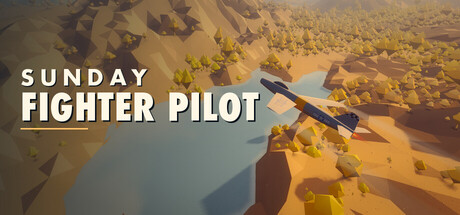
Sunday Pilot contains no AI-generated art, music, voice or in-game text.
Every visual in the game is rendered in real time from geometry and materials authored by hand in code — there are no image assets. Every sound is synthesized by the game while you play, from a physical model of the engine; no audio files ship with the game. All car data and track layouts are hand-authored.
The store page capsule art and screenshots are rendered by the game itself, using the same renderer that draws the game — they are not concept art, not painted, and not AI-generated.
The game description and other store page text were written with the assistance of an AI writing assistant, and portions of the game's source code were written with the assistance of an AI coding assistant. All of it was reviewed and edited by the developer.
The game does not use generative AI at runtime. Nothing is generated while you play, there is no network connection of any kind, and the game is fully playable offline.
During development, we used generative AI to assist with some character art assets and early UI concepts. All related assets were subsequently refined and manually adjusted extensively by professional artists and other team members to ensure the finished work matched the game's distinctive style and quality standards.
We used AI to generate initial music tracks, concept art, and temporary translations into some languages.
All materials were then thoroughly edited, reworked, and finalized by humans.
Nothing went straight from the generator into the game.
AI tools were used during development, including code assistance and design iteration. All creative direction, game design, and final decisions are the work of the developer. The game contains no live/runtime AI-generated content.
Scriptura uses pre-generated AI content for ambient music, sound effects, and some artwork used on the store page and in marketing. The Race Friends trailer includes AI-generated music and sound effects. Certain optional DLC texts include AI-generated translations, identified in their edition information. Scriptura does not generate AI content during gameplay or connect to an AI service while you play.
The announcement artwork was created with the help of generative AI.
I also use AI coding agents for debugging and development assistance.
A small number of early-access placeholder sprites were created with AI assistance as well, but these are planned to be replaced before the full release.
Generative AI tools were used during development to assist with the creation and refinement of some game content and assets. All AI-assisted content was reviewed and integrated by the development team before being included in the game.
I prefer to be clear and transparent about the development of Digging Nera, without attempting to hide, downplay, or minimize my use of AI or AI-assisted tools.
I am the sole developer of Digging Nera. I work without a team, without significant resources, and without formal training in game development. What I do have is my own artistic sensibility, curiosity, creativity, and willingness to learn. AI has been one of the tools that has helped me turn that vision into a game, and I have used it as follows:
I have primarily used generative AI to assist with localization and translation across the game's supported languages, as well as with the creation or refinement of selected visual and audio elements.
For some visual elements, I have used AI-assisted content as a starting point or production aid before selecting, adapting, editing, integrating, or reworking it to fit the artistic direction I established for the game. I have also used generative AI selectively to assist with certain audio elements and development-related tasks.
Developing Digging Nera represents a substantial personal investment of time and work. I have spent many hours designing and building its environments, implementing gameplay systems, testing, correcting issues, making adjustments, optimizing performance, and polishing the overall experience. AI tools are part of my production process, but they do not replace the work I put into designing, developing, testing, and shaping the game.
I personally designed and implemented the core of Digging Nera, including its environments, level design, gameplay mechanics, progression systems, narrative structure, user interface, world building, and overall creative direction.
I review, select, adapt where necessary, and integrate all AI-assisted content that ultimately appears in the game.
No generative AI is used in real time during gameplay. Digging Nera does not dynamically generate AI-created text, images, audio, levels, dialogue, or other content while the player is playing.
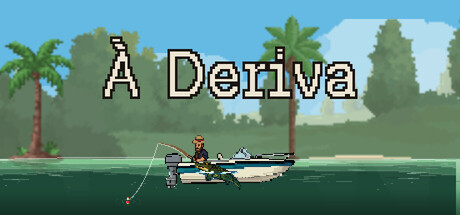
Some of this game's pixel art was generated with AI tools (PixelLab) and then edited by hand — the boats, the fauna, the bosses and the hats. The backgrounds come from licensed art packs by human artists, credited in the game's Credits screen. All audio is from human-made sound packs, also credited. No AI runs while you play: everything was generated ahead of time.
SOFT 17's visuals and audio are generated procedurally from code: the dealers, the
cards, the table and every sound are drawn and synthesized while you play, rather than
imported as files.
Generative AI contributed to some of the content that ships with the game: eight
interface icons in the main menu, the artwork used on this store page, and part of the
in-game text and its English translation. All of it was produced from written briefs,
then reviewed, edited and assembled by hand.
This game's store page text was written with the assistance of an AI writing tool, based on the developer's own game design and specifications. No AI-generated art, audio, or gameplay content is used in the game itself.
Programming with AI.
For the art assets, the demo currently uses AI-generated art assets, which will be gradually replaced with artwork created by professional artists before the game’s release.
AI tools were used to assist with writing and reviewing game code during development. No AI-generated art, audio, or narrative content ships in the final game.
Artwork, video and voice performances in this game were created with generative-AI tools and selected and edited by the author; the writing was drafted with AI assistance and reviewed by the author. Nothing is generated while you play.
This game does not generate any content with AI during play.
During development, generative AI tools were used under human direction to help create some player-facing content:
- Store and marketing artwork (capsule images and similar key art). Outputs were prompted, selected, cropped, and edited by the developer to match the game’s clay board look.
- Some written text, including light in-game story dialogue and store-page copy. All text was reviewed and edited before shipping.
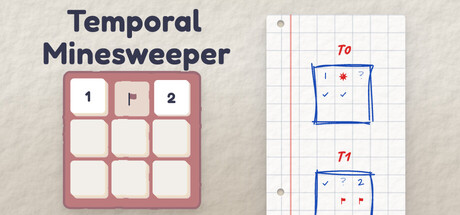
The playable game itself is a hand-authored, turn-based puzzle: boards, rules, 3D presentation, and sound effects are implemented in code (Three.js meshes and materials; synthesized SFX). Puzzle layouts are designed and verified with a traditional search solver, not a generative model.
No third-party likenesses, copyrighted characters, or illegal content are used. All AI-assisted output is reviewed before it appears on the store page or in the game.
Generative AI was used to help create some of this game's marketing artwork, including the store page header and capsule images, based on descriptive prompts we wrote. Generative AI was also used to assist with writing the game's English-language localization (in-game menus and interface text).
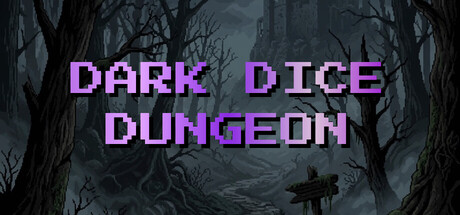
The content of Dark Dice Dungeon was produced with the help of generative AI tools: the illustrations, the music and sound effects, the in-game writing, and the English and Spanish translations. All of it was then selected, edited and assembled by hand by the developer. Nothing is generated while you play: the game ships with fixed assets and never connects to any service.
Generative AI was used to assist in creating certain visual assets for this game, including artwork used for promotional and marketing purposes. The game does not use generative AI to generate content during gameplay.
Generative AI was used to create the achievement icons. The application itself does not use generative AI: all fractal images and videos are rendered in real time from mathematical Mandelbrot-set calculations and user-selected settings. No AI-generated content is created while using the application.
Generative AI tools assisted in producing content for the game and its store materials, including some images, music and character voices. Starlit Hall Studio designs, selects, revises, integrates and reviews the final content. All content is prepared before release; the game does not generate content or connect to generative AI services during play.
Some store and marketing images were created with generative AI tools. Parts of the in-game UI artwork were also created or assisted with generative AI, then reviewed and integrated by the developer. All other game content is human-authored or from licensed third-party assets. No generative AI content is created live during gameplay.
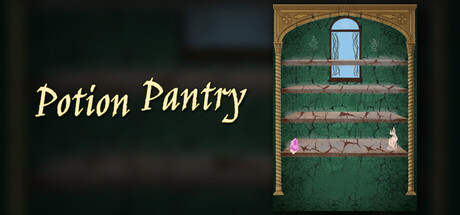
Potion Pantry contains limited pre-generated content created with AI assistance during development. OpenAI Codex assisted with portions of the puzzle clue and narrative writing used in Chapters 2–6. Rogue Andromeda reviewed and approved the resulting campaign content and retains final creative control. OpenAI's image-generation tool also created two ingredient icons, Iron Kettle and Wooden Ladle, which the developer explicitly reviewed and approved for use. The remaining displayed artwork is human-created or commercially licensed, including pantry artwork assembled by Rogue Andromeda and PONETI ingredient icons licensed through the Unity Asset Store. Music, sound effects, and the Keeper voice performance are human-made; no audio waveform, performance, or composition was generated by AI. Development provenance, prompts where applicable, approvals, hashes, licenses, and source records are retained by Rogue Andromeda LLC.
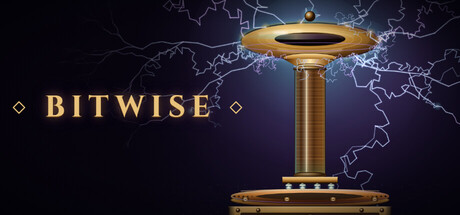
BitWise was made by a single developer with AI assistance, under the developer's direction and review. It contains no AI-generated images or voices: the game draws all of its art and synthesizes all of its sound with its own code. Nothing is generated by AI while you play.
Generative AI was used to assist in writing and translating the text descriptions for this store page. All in-game assets and code were created by human developers.
Generative AI was used to create some pre-generated artwork for the game's Steam store page and marketing materials. The game itself does not generate AI content during gameplay.
Pre-generated voice-over and minor environmental assets were created using generative AI.
All generated content was selected, edited, and integrated by the development team. No generative AI is used during gameplay.
Some sound effects in the game, including boat and engine sounds, were generated using AI tools during development and are included as pre-generated audio assets. This was intended as a temporary solution, with the goal of replacing them with original, professionally recorded sound effects once the necessary resources become available.
Generative AI tools were used to assist with some of the game's translations and localization. The AI-generated translations were reviewed and edited before being included in the game.
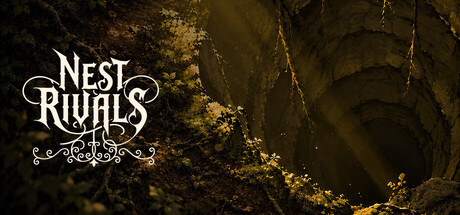
Nest Rivals uses pre-generated AI-assisted artwork in selected sprites, environment textures, bestiary illustrations and marketing images. Some music and sound effects, as well as parts of this Steam store description, were also created with AI assistance. These materials were selected and integrated by the developer. The game does not generate AI content during gameplay.
Generative AI was used only for the character portrait artwork currently included in the demo. No generative AI was used for gameplay, programming, game assets, localization, or other game content.
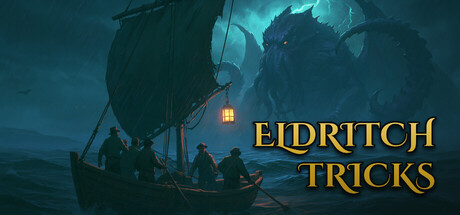
Eldritch Tricks was not dealt by human hands alone: we lean on procedural and AI-assisted tools during development to help draft what you see and hear. Every card that reaches the table is chosen, shaped, and finished by the Iron Tower Press team, and the game you play is ours.
Pre-generated content only, nothing is generated while you play. All image motifs (130 modifier cards, 44 enemy portraits, 24 dice, 5 items, 7 set emblems, the title logo) were generated with Google's Gemini image model from written prompts and then hand-reduced to the game's palette and pixel size. Music: the fight track was generated with Suno, the title, boss and shop tracks with Eleven Music (ElevenLabs). Thirteen sound effects (boss entrance, curse, win, loss, dice shaking, dice landing, clicks, coins) were generated with ElevenLabs Sound Generation; all remaining sounds are synthesized in code. Rules, code, texts and translations were written by the developer, with AI assistance during development.
This game was made with the help of generative AI tools, which were used for its art, music, sound, text and marketing materials. Nothing is generated by AI while you play.
Sunday Pilot contains no AI-generated art, music, voice or in-game text.
Every visual in the game is rendered in real time from geometry and materials authored by hand in code — there are no image assets. Every sound is synthesized by the game while you play, from a physical model of the engine; no audio files ship with the game. All car data and track layouts are hand-authored.
The store page capsule art and screenshots are rendered by the game itself, using the same renderer that draws the game — they are not concept art, not painted, and not AI-generated.
The game description and other store page text were written with the assistance of an AI writing assistant, and portions of the game's source code were written with the assistance of an AI coding assistant. All of it was reviewed and edited by the developer.
The game does not use generative AI at runtime. Nothing is generated while you play, there is no network connection of any kind, and the game is fully playable offline.
During development, we used generative AI to assist with some character art assets and early UI concepts. All related assets were subsequently refined and manually adjusted extensively by professional artists and other team members to ensure the finished work matched the game's distinctive style and quality standards.
We used AI to generate initial music tracks, concept art, and temporary translations into some languages.
All materials were then thoroughly edited, reworked, and finalized by humans.
Nothing went straight from the generator into the game.
AI tools were used during development, including code assistance and design iteration. All creative direction, game design, and final decisions are the work of the developer. The game contains no live/runtime AI-generated content.
Scriptura uses pre-generated AI content for ambient music, sound effects, and some artwork used on the store page and in marketing. The Race Friends trailer includes AI-generated music and sound effects. Certain optional DLC texts include AI-generated translations, identified in their edition information. Scriptura does not generate AI content during gameplay or connect to an AI service while you play.
The announcement artwork was created with the help of generative AI.
I also use AI coding agents for debugging and development assistance.
A small number of early-access placeholder sprites were created with AI assistance as well, but these are planned to be replaced before the full release.
Generative AI tools were used during development to assist with the creation and refinement of some game content and assets. All AI-assisted content was reviewed and integrated by the development team before being included in the game.
I prefer to be clear and transparent about the development of Digging Nera, without attempting to hide, downplay, or minimize my use of AI or AI-assisted tools.
I am the sole developer of Digging Nera. I work without a team, without significant resources, and without formal training in game development. What I do have is my own artistic sensibility, curiosity, creativity, and willingness to learn. AI has been one of the tools that has helped me turn that vision into a game, and I have used it as follows:
I have primarily used generative AI to assist with localization and translation across the game's supported languages, as well as with the creation or refinement of selected visual and audio elements.
For some visual elements, I have used AI-assisted content as a starting point or production aid before selecting, adapting, editing, integrating, or reworking it to fit the artistic direction I established for the game. I have also used generative AI selectively to assist with certain audio elements and development-related tasks.
Developing Digging Nera represents a substantial personal investment of time and work. I have spent many hours designing and building its environments, implementing gameplay systems, testing, correcting issues, making adjustments, optimizing performance, and polishing the overall experience. AI tools are part of my production process, but they do not replace the work I put into designing, developing, testing, and shaping the game.
I personally designed and implemented the core of Digging Nera, including its environments, level design, gameplay mechanics, progression systems, narrative structure, user interface, world building, and overall creative direction.
I review, select, adapt where necessary, and integrate all AI-assisted content that ultimately appears in the game.
No generative AI is used in real time during gameplay. Digging Nera does not dynamically generate AI-created text, images, audio, levels, dialogue, or other content while the player is playing.
Some of this game's pixel art was generated with AI tools (PixelLab) and then edited by hand — the boats, the fauna, the bosses and the hats. The backgrounds come from licensed art packs by human artists, credited in the game's Credits screen. All audio is from human-made sound packs, also credited. No AI runs while you play: everything was generated ahead of time.
SOFT 17's visuals and audio are generated procedurally from code: the dealers, the
cards, the table and every sound are drawn and synthesized while you play, rather than
imported as files.
Generative AI contributed to some of the content that ships with the game: eight
interface icons in the main menu, the artwork used on this store page, and part of the
in-game text and its English translation. All of it was produced from written briefs,
then reviewed, edited and assembled by hand.
This game's store page text was written with the assistance of an AI writing tool, based on the developer's own game design and specifications. No AI-generated art, audio, or gameplay content is used in the game itself.
Programming with AI.
For the art assets, the demo currently uses AI-generated art assets, which will be gradually replaced with artwork created by professional artists before the game’s release.
AI tools were used to assist with writing and reviewing game code during development. No AI-generated art, audio, or narrative content ships in the final game.
Artwork, video and voice performances in this game were created with generative-AI tools and selected and edited by the author; the writing was drafted with AI assistance and reviewed by the author. Nothing is generated while you play.
This game does not generate any content with AI during play.
During development, generative AI tools were used under human direction to help create some player-facing content:
- Store and marketing artwork (capsule images and similar key art). Outputs were prompted, selected, cropped, and edited by the developer to match the game’s clay board look.
- Some written text, including light in-game story dialogue and store-page copy. All text was reviewed and edited before shipping.
The playable game itself is a hand-authored, turn-based puzzle: boards, rules, 3D presentation, and sound effects are implemented in code (Three.js meshes and materials; synthesized SFX). Puzzle layouts are designed and verified with a traditional search solver, not a generative model.
No third-party likenesses, copyrighted characters, or illegal content are used. All AI-assisted output is reviewed before it appears on the store page or in the game.
Generative AI was used to help create some of this game's marketing artwork, including the store page header and capsule images, based on descriptive prompts we wrote. Generative AI was also used to assist with writing the game's English-language localization (in-game menus and interface text).
The content of Dark Dice Dungeon was produced with the help of generative AI tools: the illustrations, the music and sound effects, the in-game writing, and the English and Spanish translations. All of it was then selected, edited and assembled by hand by the developer. Nothing is generated while you play: the game ships with fixed assets and never connects to any service.
Generative AI was used to assist in creating certain visual assets for this game, including artwork used for promotional and marketing purposes. The game does not use generative AI to generate content during gameplay.
Generative AI was used to create the achievement icons. The application itself does not use generative AI: all fractal images and videos are rendered in real time from mathematical Mandelbrot-set calculations and user-selected settings. No AI-generated content is created while using the application.
Generative AI tools assisted in producing content for the game and its store materials, including some images, music and character voices. Starlit Hall Studio designs, selects, revises, integrates and reviews the final content. All content is prepared before release; the game does not generate content or connect to generative AI services during play.
Some store and marketing images were created with generative AI tools. Parts of the in-game UI artwork were also created or assisted with generative AI, then reviewed and integrated by the developer. All other game content is human-authored or from licensed third-party assets. No generative AI content is created live during gameplay.
Potion Pantry contains limited pre-generated content created with AI assistance during development. OpenAI Codex assisted with portions of the puzzle clue and narrative writing used in Chapters 2–6. Rogue Andromeda reviewed and approved the resulting campaign content and retains final creative control. OpenAI's image-generation tool also created two ingredient icons, Iron Kettle and Wooden Ladle, which the developer explicitly reviewed and approved for use. The remaining displayed artwork is human-created or commercially licensed, including pantry artwork assembled by Rogue Andromeda and PONETI ingredient icons licensed through the Unity Asset Store. Music, sound effects, and the Keeper voice performance are human-made; no audio waveform, performance, or composition was generated by AI. Development provenance, prompts where applicable, approvals, hashes, licenses, and source records are retained by Rogue Andromeda LLC.
BitWise was made by a single developer with AI assistance, under the developer's direction and review. It contains no AI-generated images or voices: the game draws all of its art and synthesizes all of its sound with its own code. Nothing is generated by AI while you play.
Generative AI was used to assist in writing and translating the text descriptions for this store page. All in-game assets and code were created by human developers.
Generative AI was used to create some pre-generated artwork for the game's Steam store page and marketing materials. The game itself does not generate AI content during gameplay.
Pre-generated voice-over and minor environmental assets were created using generative AI.
All generated content was selected, edited, and integrated by the development team. No generative AI is used during gameplay.
Some sound effects in the game, including boat and engine sounds, were generated using AI tools during development and are included as pre-generated audio assets. This was intended as a temporary solution, with the goal of replacing them with original, professionally recorded sound effects once the necessary resources become available.
Generative AI tools were used to assist with some of the game's translations and localization. The AI-generated translations were reviewed and edited before being included in the game.
Nest Rivals uses pre-generated AI-assisted artwork in selected sprites, environment textures, bestiary illustrations and marketing images. Some music and sound effects, as well as parts of this Steam store description, were also created with AI assistance. These materials were selected and integrated by the developer. The game does not generate AI content during gameplay.
Generative AI was used only for the character portrait artwork currently included in the demo. No generative AI was used for gameplay, programming, game assets, localization, or other game content.
Eldritch Tricks was not dealt by human hands alone: we lean on procedural and AI-assisted tools during development to help draft what you see and hear. Every card that reaches the table is chosen, shaped, and finished by the Iron Tower Press team, and the game you play is ours.
Pre-generated content only, nothing is generated while you play. All image motifs (130 modifier cards, 44 enemy portraits, 24 dice, 5 items, 7 set emblems, the title logo) were generated with Google's Gemini image model from written prompts and then hand-reduced to the game's palette and pixel size. Music: the fight track was generated with Suno, the title, boss and shop tracks with Eleven Music (ElevenLabs). Thirteen sound effects (boss entrance, curse, win, loss, dice shaking, dice landing, clicks, coins) were generated with ElevenLabs Sound Generation; all remaining sounds are synthesized in code. Rules, code, texts and translations were written by the developer, with AI assistance during development.
This game was made with the help of generative AI tools, which were used for its art, music, sound, text and marketing materials. Nothing is generated by AI while you play.