Public Steam disclosure research25,380 disclosures tracked
Where do games disclose AI use?
Search developers’ Steam disclosures, compare classified AI use across
games, and follow recorded changes.
This index adds cross-game classifications and statistics to
statements published on individual store pages.
Groups reflect automatic analysis of public disclosures; mature records are excluded. These counts do not measure AI use across all of Steam.
Missing or unclear statements cannot establish whether a game uses AI.
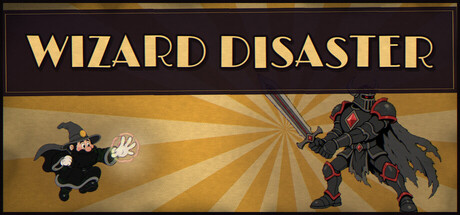
Wizard Disaster was made by a solo developer, using generative AI tools as part of the production pipeline.
Art. Character, boss and background artwork, and the source frames the animations are built from, were produced with generative image and video tools. Everything was then cut, keyed, aligned, retimed and composited by hand into the sheets the game actually plays. The generated output is the raw material, not the finished asset. Concept passes were made the same way.
Audio. The music and most of the sound effects were generated with Suno, then trimmed, pitched, levelled and fitted to the length of the action each one accompanies. Not all of the audio is generated: a number of the effects are synthesised procedurally in code from a 1930s orchestra-pit palette, and the wizard's own voice (his cries and shouts) are human recordings.
Code. Generative AI was used as a programming assistant during development, and to build and run the automated test harnesses that measure boss pacing, damage output and medal times. Those harnesses are development-only tooling and are not part of the shipped game.
The game contains no live-generated AI content. Nothing is generated while you play, and the game makes no network or AI service calls at runtime.
Some character models, textures, animations, and visual props were created before release using generative AI tools, including Meshy image-to-3D, auto-rigging, and animation. Selected outputs were edited, integrated, and reviewed by the developer. Generative AI also assisted in drafting and refining portions of the Steam store-page text. The game does not generate AI content during gameplay and does not connect to external AI services.
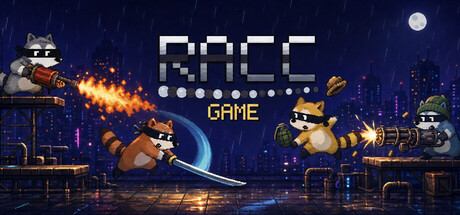
Pre-generated AI was used for store text and five original rank-emblem images (Bronze, Silver, Gold, Diamond, and Grand Racc) shown in the ranked hub and marketing. The emblems were made from our own prompts with OpenAI Codex ImageGen, reviewed and processed by us, and use no third-party source art. The game generates no AI content during play.
This game adopts generative AI technology to provide players with real-time interactive text dialogue with in-game NPCs. We have set strict content filtering rules to prevent the generation of inappropriate, illegal, pornographic or violent content. Players can report improper AI outputs through Steam's built-in marking tool.
Some cosmetic cat skins and visual assets were created with the assistance of generative AI tools. All final assets are manually reviewed, edited, and integrated by the developer. The game does not generate AI content during gameplay.
Some of the artwork in this game was created with the assistance of generative AI tools as part of our development process. All AI-assisted content is reviewed, edited, and finalized by our human artists before being included in the game.
Generative AI tools were used during development to assist with programming, translation/localization, and the creation of most of the game's artwork and music. All AI-assisted content was reviewed, selected, edited, and integrated by the developer. The game does not generate AI content during gameplay and does not connect to external AI services.
Some of this game's artwork (including store capsules and background art) was created with the help of generative AI image tools. All AI-assisted content was reviewed, edited, and curated by the developer. The game generates no AI content at runtime; opponent behavior uses traditional, hand-authored game logic
Generative AI tools were used during development to assist with selected pre-generated content,including some balance-object artwork, reflective text, localization, store-page copy, and selected marketing artwork. All generated outputs were manually reviewed, curated, and edited by the developer before being included. The game does not use generative AI at runtime and does not generate or modify player-facing content during play.
AI-generated content in Pin a Million:
- Music: All in-game music tracks were created using generative AI (Suno).
- Icons: The icon artwork on Peg and Perk cards was generated using AI tools.
All on-board gameplay effects, animations, and visuals are hand-coded and rendered procedurally at runtime (no AI-generated content).
Generative AI tools were used during development to assist with enhancing certain texture assets. All final assets were reviewed and tweaked by the developer.
I used generative AI tools to help create some of the game's art — including certain UI elements (buttons and icons), backgrounds, story illustrations, and marketing images — which I then edited and finished by hand in Photoshop.
Generative AI tools were used during development to assist with some promotional artwork and written content. All AI-assisted material was reviewed and edited by the developer before inclusion. Apple Catcher does not use generative AI at runtime, and no content is generated during gameplay.
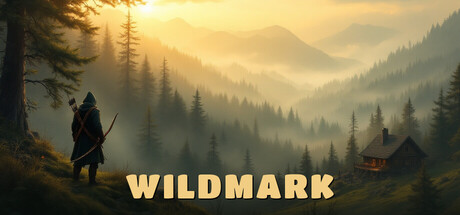
Wildmark was made by one person. The story and all of its dialogue are my own, written by me. But without a studio's budget to commission artists, composers, and voice actors, I used generative AI tools to help create much of what you see. Nothing ships as a raw, untouched generation: every asset was hand-directed, chosen, refined, and assembled to fit a single cohesive, hand-crafted style and world, and reviewed by me to make sure it belonged. In the end, what matters is whether the game is enjoyable and worth your time, not which tools helped build it.
Some art assets in this game (character models and Music) were initially created with the assistance of AI generation tools, then reviewed, edited, and integrated into the game by the development team. The game does not generate any content with AI at runtime.
Generative AI was used during development to support early concept exploration and rapid prototyping, including testing visual directions, compositions, and placeholder ideas. All AI-assisted material was reviewed and refined by the development team, with final creative and design decisions made by humans. The game does not generate content using AI during gameplay.
Generative AI tools were used during development to create most of the game's code and assist with localization, including some store-page text. All AI-assisted outputs were manually reviewed, edited, tested, and integrated by the developer. No artwork, character designs, animations, music, sound effects, or other visual or audio assets were generated using AI. The game does not use live-generated AI during gameplay.
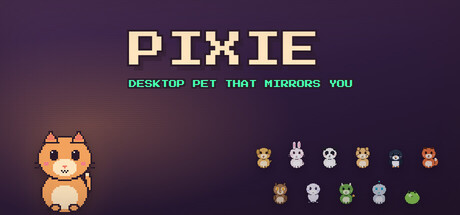
Live-generated: Pixie's chat feature generates the pet's replies with a language model that ships inside the product and runs entirely on the player's own computer. There is no third-party AI service, no API key and no account of any kind; the feature makes no network requests at all and works with the machine fully offline. The model is Gemma 4 E2B, licensed under the Apache License 2.0 and redistributed with the notices required by that license.
Pre-generated: written text in the product and on this store page — including the interface strings and their translations into the supported languages — was produced with the help of an AI writing assistant.
All art, animation and characters are hand-made: every sprite is drawn at runtime by a parametric pixel renderer written for this project, with no generative AI involved at any stage.
Camera and microphone input are processed entirely on-device (MediaPipe) and are never sent to any server.
This game contains pre-generated AI-assisted illustrations and visual assets. All AI-assisted content has been reviewed, modified, and integrated by the developer. The game does not generate AI content during gameplay and does not connect to external AI services.
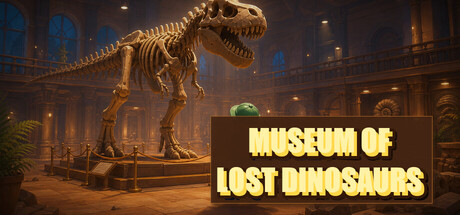
Some Steam store, library, icon, and marketing images for this game were created with generative AI and then reviewed and edited for the dinosaur museum theme. The game does not use real-time generative AI during gameplay.
Some visual assets in the game were created with the assistance of generative AI tools and then curated and edited by the developer: certain environment textures, the loading splash image, several 3D prop models, some UI icons, and store page artwork. All AI-assisted content is pre-rendered and shipped with the game — the game does not generate any content at runtime, and AI is not used in gameplay, chat, or any live systems.
Some desk doodle or promotional art assets may have been created with AI-assisted tools and edited by the developer before being included in the game. No real-time generative AI is used during gameplay.
Parts of this game's artwork and audio were created with the help of generative AI tools and then selected, edited and assembled by hand. This covers the comic panels, the character portraits, the store and library artwork, and the music and sound effects. No content is generated while the game is running.
This game uses pre-generated AI-assisted content. The base concepts, 3D geometry, textures, and some source animation data for the male and female player characters were created with Tencent Hunyuan 3D Studio. The development team subsequently performed extensive manual editing and integration, including topology and rigging adjustments, animation processing, hand replacement, material work, and technical review. No content is generated by AI during
Claude was used as a coding assistant throughout the creation process. All artwork/sound/music/gameplay/creative stuff was designed by humans as should be.
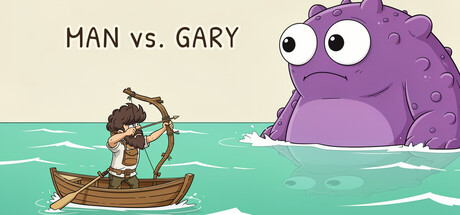
Man Vs Gary was made by one person. The story and all of its dialogue are my own, written by me. But without a studio's budget to commission artists, composers, and voice actors, I used generative AI tools to help create much of what you see and hear, the illustrated artwork, the music, the sound effects. Nothing ships as a raw, untouched generation: every asset was hand-directed, chosen, refined, and assembled to fit a single cohesive, hand-crafted style and world, and reviewed by me to make sure it belonged. In the end, what matters is whether the game is enjoyable and worth your time, not which tools helped build it.
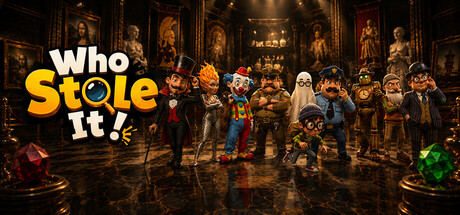
Some questions and answers in our quiz game are generated using AI. Additionally, we utilized pre-generated AI images included in the capsules and for in-game assets.
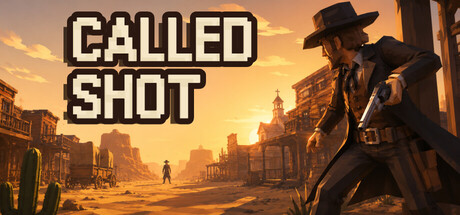
As a solo developer, I use generative image AI to assist in creating Called Shot's 2D artwork — specifically the card illustrations and the store page key art (capsule images). No content is generated by AI in real time during gameplay. All AI-assisted art is created in advance during development, then reviewed and revised before being included in the game. The in-game 3D models and environment art are not AI-generated.
Some of the art assets in Battle of Plans were produced with AI-assisted
tools. Specifically, a number of 3D props (weapon models) were created using
AI-assisted 3D generation and then manually retopologized, re-textured and
integrated by our team, and some promotional/store images were created with
AI image tools. Every AI-assisted asset was reviewed by a human before it
shipped.
Localization into languages other than Turkish and English was produced with
machine translation.
The game does not generate any content while you play: there is no AI chat,
no AI-generated dialogue, and no runtime asset generation. Player chat is
written by players and filtered server-side.
Some of this game's assets were made with the assistance of generative AI tools and were reviewed, curated and hand-finished by the developer. No content is generated while you play.
1. Game Logo (Marketing / Store Page Asset)
The game's logo was created using generative AI tools. This logo appears on the store page, marketing materials, and within the game itself
2. Player Battle Armor Voice (In-Game Audio)
The player's battle armor uses voice samples generated using the ElevenLabs AI voice synthesis platform. This voice is heard in-game when the player receives feedback from the armor system (e.g., status alerts, warnings, or interactions).
Parts of this game's content were created with the help of generative AI, always under human direction and review: some in-game artwork and text, and the store page's localizations. All AI-assisted content is pre-rendered — nothing is generated live while you play.
Johnny Jagung uses generative AI across much of its content. The visual art (character, enemy, boss, and UI artwork), music, sound effects, in-game text, and Indonesian translation were all created with the help of generative AI tools, then reviewed, curated, and assembled into the game by the developer — for instance, character art is hand-edited, composited, and animated from generated source images. All AI-generated content is created during development; the game does not generate anything live while you play.
Wizard Disaster was made by a solo developer, using generative AI tools as part of the production pipeline.
Art. Character, boss and background artwork, and the source frames the animations are built from, were produced with generative image and video tools. Everything was then cut, keyed, aligned, retimed and composited by hand into the sheets the game actually plays. The generated output is the raw material, not the finished asset. Concept passes were made the same way.
Audio. The music and most of the sound effects were generated with Suno, then trimmed, pitched, levelled and fitted to the length of the action each one accompanies. Not all of the audio is generated: a number of the effects are synthesised procedurally in code from a 1930s orchestra-pit palette, and the wizard's own voice (his cries and shouts) are human recordings.
Code. Generative AI was used as a programming assistant during development, and to build and run the automated test harnesses that measure boss pacing, damage output and medal times. Those harnesses are development-only tooling and are not part of the shipped game.
The game contains no live-generated AI content. Nothing is generated while you play, and the game makes no network or AI service calls at runtime.
Some character models, textures, animations, and visual props were created before release using generative AI tools, including Meshy image-to-3D, auto-rigging, and animation. Selected outputs were edited, integrated, and reviewed by the developer. Generative AI also assisted in drafting and refining portions of the Steam store-page text. The game does not generate AI content during gameplay and does not connect to external AI services.
Pre-generated AI was used for store text and five original rank-emblem images (Bronze, Silver, Gold, Diamond, and Grand Racc) shown in the ranked hub and marketing. The emblems were made from our own prompts with OpenAI Codex ImageGen, reviewed and processed by us, and use no third-party source art. The game generates no AI content during play.
This game adopts generative AI technology to provide players with real-time interactive text dialogue with in-game NPCs. We have set strict content filtering rules to prevent the generation of inappropriate, illegal, pornographic or violent content. Players can report improper AI outputs through Steam's built-in marking tool.
Some cosmetic cat skins and visual assets were created with the assistance of generative AI tools. All final assets are manually reviewed, edited, and integrated by the developer. The game does not generate AI content during gameplay.
Some of the artwork in this game was created with the assistance of generative AI tools as part of our development process. All AI-assisted content is reviewed, edited, and finalized by our human artists before being included in the game.
Generative AI tools were used during development to assist with programming, translation/localization, and the creation of most of the game's artwork and music. All AI-assisted content was reviewed, selected, edited, and integrated by the developer. The game does not generate AI content during gameplay and does not connect to external AI services.
Some of this game's artwork (including store capsules and background art) was created with the help of generative AI image tools. All AI-assisted content was reviewed, edited, and curated by the developer. The game generates no AI content at runtime; opponent behavior uses traditional, hand-authored game logic
Generative AI tools were used during development to assist with selected pre-generated content,including some balance-object artwork, reflective text, localization, store-page copy, and selected marketing artwork. All generated outputs were manually reviewed, curated, and edited by the developer before being included. The game does not use generative AI at runtime and does not generate or modify player-facing content during play.
AI-generated content in Pin a Million:
- Music: All in-game music tracks were created using generative AI (Suno).
- Icons: The icon artwork on Peg and Perk cards was generated using AI tools.
All on-board gameplay effects, animations, and visuals are hand-coded and rendered procedurally at runtime (no AI-generated content).
Generative AI tools were used during development to assist with enhancing certain texture assets. All final assets were reviewed and tweaked by the developer.
I used generative AI tools to help create some of the game's art — including certain UI elements (buttons and icons), backgrounds, story illustrations, and marketing images — which I then edited and finished by hand in Photoshop.
Generative AI tools were used during development to assist with some promotional artwork and written content. All AI-assisted material was reviewed and edited by the developer before inclusion. Apple Catcher does not use generative AI at runtime, and no content is generated during gameplay.
Wildmark was made by one person. The story and all of its dialogue are my own, written by me. But without a studio's budget to commission artists, composers, and voice actors, I used generative AI tools to help create much of what you see. Nothing ships as a raw, untouched generation: every asset was hand-directed, chosen, refined, and assembled to fit a single cohesive, hand-crafted style and world, and reviewed by me to make sure it belonged. In the end, what matters is whether the game is enjoyable and worth your time, not which tools helped build it.
Some art assets in this game (character models and Music) were initially created with the assistance of AI generation tools, then reviewed, edited, and integrated into the game by the development team. The game does not generate any content with AI at runtime.
Generative AI was used during development to support early concept exploration and rapid prototyping, including testing visual directions, compositions, and placeholder ideas. All AI-assisted material was reviewed and refined by the development team, with final creative and design decisions made by humans. The game does not generate content using AI during gameplay.
Generative AI tools were used during development to create most of the game's code and assist with localization, including some store-page text. All AI-assisted outputs were manually reviewed, edited, tested, and integrated by the developer. No artwork, character designs, animations, music, sound effects, or other visual or audio assets were generated using AI. The game does not use live-generated AI during gameplay.
Live-generated: Pixie's chat feature generates the pet's replies with a language model that ships inside the product and runs entirely on the player's own computer. There is no third-party AI service, no API key and no account of any kind; the feature makes no network requests at all and works with the machine fully offline. The model is Gemma 4 E2B, licensed under the Apache License 2.0 and redistributed with the notices required by that license.
Pre-generated: written text in the product and on this store page — including the interface strings and their translations into the supported languages — was produced with the help of an AI writing assistant.
All art, animation and characters are hand-made: every sprite is drawn at runtime by a parametric pixel renderer written for this project, with no generative AI involved at any stage.
Camera and microphone input are processed entirely on-device (MediaPipe) and are never sent to any server.
This game contains pre-generated AI-assisted illustrations and visual assets. All AI-assisted content has been reviewed, modified, and integrated by the developer. The game does not generate AI content during gameplay and does not connect to external AI services.
Some Steam store, library, icon, and marketing images for this game were created with generative AI and then reviewed and edited for the dinosaur museum theme. The game does not use real-time generative AI during gameplay.
Some visual assets in the game were created with the assistance of generative AI tools and then curated and edited by the developer: certain environment textures, the loading splash image, several 3D prop models, some UI icons, and store page artwork. All AI-assisted content is pre-rendered and shipped with the game — the game does not generate any content at runtime, and AI is not used in gameplay, chat, or any live systems.
Some desk doodle or promotional art assets may have been created with AI-assisted tools and edited by the developer before being included in the game. No real-time generative AI is used during gameplay.
Parts of this game's artwork and audio were created with the help of generative AI tools and then selected, edited and assembled by hand. This covers the comic panels, the character portraits, the store and library artwork, and the music and sound effects. No content is generated while the game is running.
This game uses pre-generated AI-assisted content. The base concepts, 3D geometry, textures, and some source animation data for the male and female player characters were created with Tencent Hunyuan 3D Studio. The development team subsequently performed extensive manual editing and integration, including topology and rigging adjustments, animation processing, hand replacement, material work, and technical review. No content is generated by AI during
Claude was used as a coding assistant throughout the creation process. All artwork/sound/music/gameplay/creative stuff was designed by humans as should be.
Man Vs Gary was made by one person. The story and all of its dialogue are my own, written by me. But without a studio's budget to commission artists, composers, and voice actors, I used generative AI tools to help create much of what you see and hear, the illustrated artwork, the music, the sound effects. Nothing ships as a raw, untouched generation: every asset was hand-directed, chosen, refined, and assembled to fit a single cohesive, hand-crafted style and world, and reviewed by me to make sure it belonged. In the end, what matters is whether the game is enjoyable and worth your time, not which tools helped build it.
Some questions and answers in our quiz game are generated using AI. Additionally, we utilized pre-generated AI images included in the capsules and for in-game assets.
As a solo developer, I use generative image AI to assist in creating Called Shot's 2D artwork — specifically the card illustrations and the store page key art (capsule images). No content is generated by AI in real time during gameplay. All AI-assisted art is created in advance during development, then reviewed and revised before being included in the game. The in-game 3D models and environment art are not AI-generated.
Some of the art assets in Battle of Plans were produced with AI-assisted
tools. Specifically, a number of 3D props (weapon models) were created using
AI-assisted 3D generation and then manually retopologized, re-textured and
integrated by our team, and some promotional/store images were created with
AI image tools. Every AI-assisted asset was reviewed by a human before it
shipped.
Localization into languages other than Turkish and English was produced with
machine translation.
The game does not generate any content while you play: there is no AI chat,
no AI-generated dialogue, and no runtime asset generation. Player chat is
written by players and filtered server-side.
Some of this game's assets were made with the assistance of generative AI tools and were reviewed, curated and hand-finished by the developer. No content is generated while you play.
1. Game Logo (Marketing / Store Page Asset)
The game's logo was created using generative AI tools. This logo appears on the store page, marketing materials, and within the game itself
2. Player Battle Armor Voice (In-Game Audio)
The player's battle armor uses voice samples generated using the ElevenLabs AI voice synthesis platform. This voice is heard in-game when the player receives feedback from the armor system (e.g., status alerts, warnings, or interactions).
Parts of this game's content were created with the help of generative AI, always under human direction and review: some in-game artwork and text, and the store page's localizations. All AI-assisted content is pre-rendered — nothing is generated live while you play.
Johnny Jagung uses generative AI across much of its content. The visual art (character, enemy, boss, and UI artwork), music, sound effects, in-game text, and Indonesian translation were all created with the help of generative AI tools, then reviewed, curated, and assembled into the game by the developer — for instance, character art is hand-edited, composited, and animated from generated source images. All AI-generated content is created during development; the game does not generate anything live while you play.