Public Steam disclosure research25,380 disclosures tracked
Where do games disclose AI use?
Search developers’ Steam disclosures, compare classified AI use across
games, and follow recorded changes.
This index adds cross-game classifications and statistics to
statements published on individual store pages.
Groups reflect automatic analysis of public disclosures; mature records are excluded. These counts do not measure AI use across all of Steam.
Missing or unclear statements cannot establish whether a game uses AI.
This game uses generative AI in a limited way. AI tools were used only to help create some of the store page and library artwork (such as the capsule images used to display the game in the Steam library and store). The game itself contains no AI-generated content.
All in-game art, assets, screenshots, and the trailer were created without generative AI. No AI content is generated while you play.
Generative AI tools were used in the creation of some visual assets in the game. Some generated artwork was used directly after review, while other generated artwork was edited, modified, or used as a starting point for final assets.
Generative AI was used only to create selected pre-generated promotional artwork for the Steam store page and other marketing materials. All resulting images were manually reviewed, selected, and edited by the developer.
The game does not use generative AI during gameplay and does not generate any live AI content.
Generative AI was used solely as a development assistance tool. All player-facing artwork, audio, narrative, localization, and marketing assets were created by the developer. The game does not include or generate AI-created content.
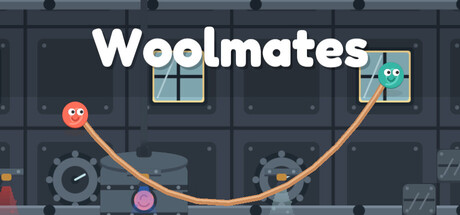
All graphics and sounds in Woolmates are calculated at runtime by the game itself; no AI-generated image, audio, or video files are delivered. AI assistance tools were used in the development of the program code as well as in text and marketing materials. No AI is used during the actual game.
We use generative AI tools to assist in producing some pre-rendered visual assets, including concept art and promotional imagery used on this store page. All AI-assisted output is reviewed, edited and art-directed by our team. The game contains no live-generated AI content.
We use generative AI tools to assist in producing some pre-rendered visual assets, including concept art and promotional imagery used on this store page. All AI-assisted output is reviewed, edited and art-directed by our team. The game contains no live-generated AI content.
The store page artwork (capsule images) was created with AI assistance and depicts the actual game. The game itself contains no AI-generated content: all gameplay, audio, and in-game visuals are created by the developer or by players themselves.
Generative AI tools were used during development to assist with programming and Unreal Engine Blueprint creation, the creation of some 3D assets, selected music and audio, and some promotional artwork and marketing materials. AI-generated content is reviewed and edited by the development team before use. The game does not generate AI content during gameplay.
This work incorporates the use of generative artificial intelligence (AI) in the following areas:
Parts of the artwork, parts of the sound, and localization.
Generative AI tools were used during development to assist with game code, localization, concept development, selected environmental and shop-interior images and textures, and store and marketing artwork. All AI-assisted outputs were reviewed, edited, and integrated by the developer before inclusion. The game does not use generative AI during runtime, and players cannot generate AI content within the game.
Generative artwork is used in the creation of part or full of assets that can not be generated by the game engine. AI is used in the drafting of art and writing before it is reviewed and heavily edited.
Some visual assets and promotional images were created with generative AI tools and later reviewed, modified, and integrated by the developer. No generative AI content is created during gameplay.
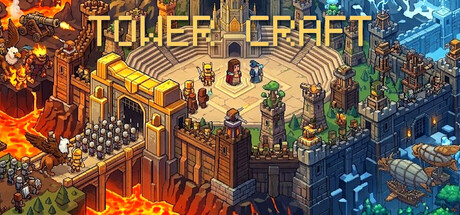
Tower Craft was developed with AI-assisted tools. All 3D models, animations and sound effects are procedurally generated by code that was written with AI assistance; the interface translations for the game's 14 languages were produced with AI assistance and reviewed by the developer. Store page text and marketing materials were also created with AI assistance. The game does not generate any content with AI at runtime — every battle plays out through deterministic, hand-tuned game logic.
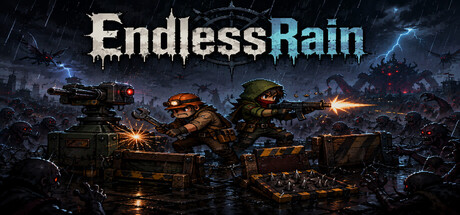
Some of the 2D pixel art assets in EndlessRain were created with the assistance of AI-based pixel art generation tools. This includes character and enemy sprites, item and ability icons, and environment art.
All generated assets were reviewed, edited, and assembled by the developer before being included in the game. Code, game design, and game text were written by the developer without AI-generated content.
No content is generated by AI while the game is running. All assets are pre-generated and ship as static files.
No live AI generation is used during gameplay. TinSpring Soccer's boards, characters, textures, and sounds are produced procedurally by game code. AI tools were used under developer direction for implementation, localization, and selected store page artwork.
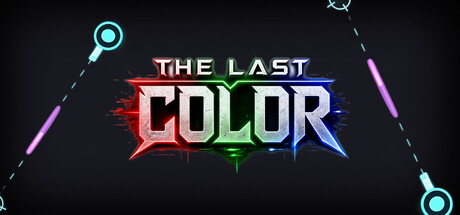
The Last Color was created with the assistance of AI-powered software in several areas of production, including technical development, early-stage ideation, visual experimentation, and selected artwork. These tools were used only as part of the development process. All content available to players is pre-made, and no artificial intelligence is used to create or modify content while the game is running.
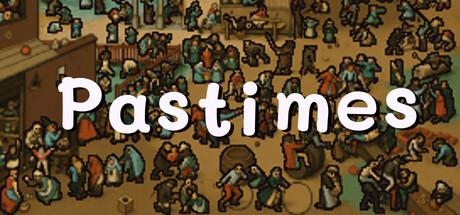
Generative AI was used during development for translations, some pixel art, and some music. AI-assisted content is human-reviewed before release. The main painting is historical public-domain art. Nothing is AI-generated during gameplay.
3D character and prop models and store artwork were created with the assistance of generative AI, then manually rigged, edited, and integrated by the developers. No content is AI-generated at runtime.
This game is a solo project developed by a student. Due to limited resources and budget, Generative AI tools were utilized to create store page visuals and capsule designs, as well as to localize and draft store descriptions; these elements were personally edited, refined, and finalized by the developer.
During development we may use procedural and AI-based tools to assist with sound effects creation. The final result is always chosen and edited by the developer.
Some pre-generated visual assets were created with the assistance of generative AI tools during development, including selected skill icons, weapon icons, concept references and promotional art references. All final assets included in the game were reviewed, curated, edited where needed, and integrated by the development team to match the game’s art direction. The game does not use live-generated AI during gameplay.
As a solo developer, I used AI-assisted tools to support development, including implementation and some audio-related work. All final content was reviewed and edited by me. Character sprite art is hand-drawn, and the game does not use generative AI while running.
AI tools were used during development to assist with concept art, visual references, and certain promotional assets. All gameplay systems, mechanics, and core design were created and implemented by the development team.
AI was used strictly as a supportive tool and does not directly control gameplay or player experience.
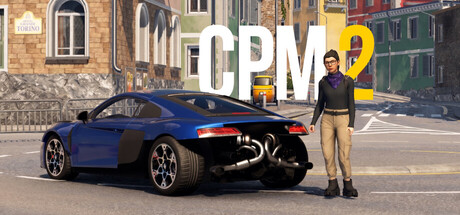
In game development, artificial intelligence is used solely as a supporting tool. We employ neural networks to enhance and refine 2D art (loading screens and promo banners) created using our in-game screenshots, after which they undergo manual color correction and artifact removal. AI also assists us with translating in-game text and generating the announcer's voice for racing modes. All key game elements, including 3D car models, tuning, and the open world, are created entirely by hand by our team.
We use AI as a coding assistant during development, and as a drafting tool to help generate candidate crossword clues from our word bank. Every single clue is reviewed and edited by a human before it ships. AI generated images were used during prototyping as early placeholders. All final visual art assets that ship with the game have been created by the developer.
Some of the game's 2D illustration assets and sound reference material were
created with the help of AI tools during development, then reviewed,
edited and validated by hand before shipping.
No content is generated at runtime.
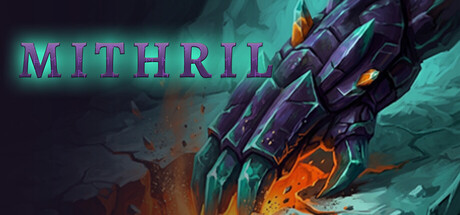
Mithril uses generative AI in much of its art and audio. This includes 3D models, textures and materials throughout the game — cave and terrain surfaces, environment art and interface textures — 2D item and UI icons, store page and marketing images, music and sound effects. All of it was edited and finalised by hand against the game's art direction.
No AI-generated voice is used, and no generative AI runs while you play — the game generates nothing at runtime.
Not AI-generated: world generation (hand-written procedural algorithms, not AI), model animations, game code, and level and systems design.
Generative AI technology is used in a supplementary capacity during the creation of some user interface assets.
Any such assets are replaced through our production pipeline by our art and development teams, ensuring they meet our quality standards and creative direction.
Some of the art assets in this game utilize image resources provided by third parties, which were created using generative AI technology and subsequently modified manually. Specifically, these involve character illustrations and scene background image.Outside the game: achievement icons, promotional images, and Library images
Generative AI was used during development to create certain promotional artwork and some environmental background art. All gameplay mechanics, programming, level design, characters, animations, UI, and game systems were created and curated by the developer. The game does not use live-generated AI content during gameplay.
This game uses generative AI in a limited way. AI tools were used only to help create some of the store page and library artwork (such as the capsule images used to display the game in the Steam library and store). The game itself contains no AI-generated content.
All in-game art, assets, screenshots, and the trailer were created without generative AI. No AI content is generated while you play.
Generative AI tools were used in the creation of some visual assets in the game. Some generated artwork was used directly after review, while other generated artwork was edited, modified, or used as a starting point for final assets.
Generative AI was used only to create selected pre-generated promotional artwork for the Steam store page and other marketing materials. All resulting images were manually reviewed, selected, and edited by the developer.
The game does not use generative AI during gameplay and does not generate any live AI content.
Generative AI was used solely as a development assistance tool. All player-facing artwork, audio, narrative, localization, and marketing assets were created by the developer. The game does not include or generate AI-created content.
All graphics and sounds in Woolmates are calculated at runtime by the game itself; no AI-generated image, audio, or video files are delivered. AI assistance tools were used in the development of the program code as well as in text and marketing materials. No AI is used during the actual game.
We use generative AI tools to assist in producing some pre-rendered visual assets, including concept art and promotional imagery used on this store page. All AI-assisted output is reviewed, edited and art-directed by our team. The game contains no live-generated AI content.
We use generative AI tools to assist in producing some pre-rendered visual assets, including concept art and promotional imagery used on this store page. All AI-assisted output is reviewed, edited and art-directed by our team. The game contains no live-generated AI content.
The store page artwork (capsule images) was created with AI assistance and depicts the actual game. The game itself contains no AI-generated content: all gameplay, audio, and in-game visuals are created by the developer or by players themselves.
Generative AI tools were used during development to assist with programming and Unreal Engine Blueprint creation, the creation of some 3D assets, selected music and audio, and some promotional artwork and marketing materials. AI-generated content is reviewed and edited by the development team before use. The game does not generate AI content during gameplay.
This work incorporates the use of generative artificial intelligence (AI) in the following areas:
Parts of the artwork, parts of the sound, and localization.
Generative AI tools were used during development to assist with game code, localization, concept development, selected environmental and shop-interior images and textures, and store and marketing artwork. All AI-assisted outputs were reviewed, edited, and integrated by the developer before inclusion. The game does not use generative AI during runtime, and players cannot generate AI content within the game.
Generative artwork is used in the creation of part or full of assets that can not be generated by the game engine. AI is used in the drafting of art and writing before it is reviewed and heavily edited.
Some visual assets and promotional images were created with generative AI tools and later reviewed, modified, and integrated by the developer. No generative AI content is created during gameplay.
Tower Craft was developed with AI-assisted tools. All 3D models, animations and sound effects are procedurally generated by code that was written with AI assistance; the interface translations for the game's 14 languages were produced with AI assistance and reviewed by the developer. Store page text and marketing materials were also created with AI assistance. The game does not generate any content with AI at runtime — every battle plays out through deterministic, hand-tuned game logic.
Some of the 2D pixel art assets in EndlessRain were created with the assistance of AI-based pixel art generation tools. This includes character and enemy sprites, item and ability icons, and environment art.
All generated assets were reviewed, edited, and assembled by the developer before being included in the game. Code, game design, and game text were written by the developer without AI-generated content.
No content is generated by AI while the game is running. All assets are pre-generated and ship as static files.
No live AI generation is used during gameplay. TinSpring Soccer's boards, characters, textures, and sounds are produced procedurally by game code. AI tools were used under developer direction for implementation, localization, and selected store page artwork.
The Last Color was created with the assistance of AI-powered software in several areas of production, including technical development, early-stage ideation, visual experimentation, and selected artwork. These tools were used only as part of the development process. All content available to players is pre-made, and no artificial intelligence is used to create or modify content while the game is running.
Generative AI was used during development for translations, some pixel art, and some music. AI-assisted content is human-reviewed before release. The main painting is historical public-domain art. Nothing is AI-generated during gameplay.
3D character and prop models and store artwork were created with the assistance of generative AI, then manually rigged, edited, and integrated by the developers. No content is AI-generated at runtime.
This game is a solo project developed by a student. Due to limited resources and budget, Generative AI tools were utilized to create store page visuals and capsule designs, as well as to localize and draft store descriptions; these elements were personally edited, refined, and finalized by the developer.
During development we may use procedural and AI-based tools to assist with sound effects creation. The final result is always chosen and edited by the developer.
Some pre-generated visual assets were created with the assistance of generative AI tools during development, including selected skill icons, weapon icons, concept references and promotional art references. All final assets included in the game were reviewed, curated, edited where needed, and integrated by the development team to match the game’s art direction. The game does not use live-generated AI during gameplay.
As a solo developer, I used AI-assisted tools to support development, including implementation and some audio-related work. All final content was reviewed and edited by me. Character sprite art is hand-drawn, and the game does not use generative AI while running.
AI tools were used during development to assist with concept art, visual references, and certain promotional assets. All gameplay systems, mechanics, and core design were created and implemented by the development team.
AI was used strictly as a supportive tool and does not directly control gameplay or player experience.
In game development, artificial intelligence is used solely as a supporting tool. We employ neural networks to enhance and refine 2D art (loading screens and promo banners) created using our in-game screenshots, after which they undergo manual color correction and artifact removal. AI also assists us with translating in-game text and generating the announcer's voice for racing modes. All key game elements, including 3D car models, tuning, and the open world, are created entirely by hand by our team.
We use AI as a coding assistant during development, and as a drafting tool to help generate candidate crossword clues from our word bank. Every single clue is reviewed and edited by a human before it ships. AI generated images were used during prototyping as early placeholders. All final visual art assets that ship with the game have been created by the developer.
Some of the game's 2D illustration assets and sound reference material were
created with the help of AI tools during development, then reviewed,
edited and validated by hand before shipping.
No content is generated at runtime.
Mithril uses generative AI in much of its art and audio. This includes 3D models, textures and materials throughout the game — cave and terrain surfaces, environment art and interface textures — 2D item and UI icons, store page and marketing images, music and sound effects. All of it was edited and finalised by hand against the game's art direction.
No AI-generated voice is used, and no generative AI runs while you play — the game generates nothing at runtime.
Not AI-generated: world generation (hand-written procedural algorithms, not AI), model animations, game code, and level and systems design.
Generative AI technology is used in a supplementary capacity during the creation of some user interface assets.
Any such assets are replaced through our production pipeline by our art and development teams, ensuring they meet our quality standards and creative direction.
Some of the art assets in this game utilize image resources provided by third parties, which were created using generative AI technology and subsequently modified manually. Specifically, these involve character illustrations and scene background image.Outside the game: achievement icons, promotional images, and Library images
Generative AI was used during development to create certain promotional artwork and some environmental background art. All gameplay mechanics, programming, level design, characters, animations, UI, and game systems were created and curated by the developer. The game does not use live-generated AI content during gameplay.