








Disclosure
Generative AI was used to assist in creating some in-game artwork and promotional artwork for the game, including certain environment backgrounds and Steam store assets.
- Creator
- NorthIron Studios
- Reviews
- -
- Added
- Aug 29, 2026
Public Steam disclosure research 25,380 disclosures tracked
Search developers’ Steam disclosures, compare classified AI use across games, and follow recorded changes. This index adds cross-game classifications and statistics to statements published on individual store pages.
Code help, debugging and other development work.
Capsule art, trailers and promotional material.
Pre-made art, audio, writing and other game assets.
Interactive or runtime AI features disclosed by the developer.
Groups reflect automatic analysis of public disclosures; mature records are excluded. These counts do not measure AI use across all of Steam. Missing or unclear statements cannot establish whether a game uses AI.
Generative AI was used to assist in creating some in-game artwork and promotional artwork for the game, including certain environment backgrounds and Steam store assets.
AI tools were used in the creation of this game.
AI was used to write the code for the game, and for the sounds effect. Music and art was all done by a lovely, living human.
In early development, the game included some AI-generated graphical elements while I waited for a professional artist's work. I am now gradually integrating that work, but the process is not yet finished. AI also generated the game's English, German, and French localizations from the original Ukrainian text, and later proofread by a human.
Generative AI tools were used to assist with some graphics and audio content.
AI translated languages
AI was used solely for localization purposes.
Graphics (sprites, logo, artwork) were generated with Google Gemini API models, then curated, edited, and integrated by the developer. Music and sound effects were generated locally with ACE-Step 1.5, directed, curated, and post-processed by the developer. No AI runs during gameplay.
SIDE OUT was built with AI-assisted development tools. No artwork, audio, text or other content in the game is generated by AI. All visuals are drawn procedurally in code, and all store text is written by hand.
AI tools were used for part of the art and music. Everything gets picked, cleaned up and put together by hand afterwards. There's no AI in the game itself: what you play is exactly what was built in mind.
Some art is either produced using AI or directly inspired by it.
The background images and animals pictures are pre-rendered AI art
Generative AI was used during development to create pre-generated artwork (including fictional film posters and marketing images), narration, and some text and translations. These are fixed assets shipped with the game. No generative AI runs during gameplay, and no player input is sent to an external AI service.
Generative AI is used in this game for tasks such as music generation. As an indie game and a small software development studio, we simply do not have the budget to license a large number of well-known and popular songs. Unfortunately, nothing comes for free – so AI is used as an alternative. AI is also used for tasks such as integrating graphics, music and beat analysis, and translating content. AI can complete time-consuming tasks within minutes that would otherwise take a human several hours. No jobs are being replaced or put at risk through the use of AI in this project. This “crazy game” was still made with lots of love by humans. An AI probably would not have come up with a game idea like this anyway. And because it fits the topic far too well: purely on principle, this disclosure text was of course also written with the help of AI.
Some pre-rendered 2D art was created with the assistance of generative AI tools: the playable characters' animation frames, world backgrounds and tile art were generated from the developer's original character and world designs, then hand-edited, aligned and baked into final game assets by the developer. A small number of sound effects were also created with AI audio tools and then mixed by hand. The store page capsule images are composed from the same AI-assisted paintings plus hand-set typography. All AI-assisted content is pre-rendered, was reviewed by the developer before shipping, and no content is generated by AI at runtime.
Generative AI tools were used during development to help create some content, including the English localization, music and sound effects, the 3D-rendered block art pipeline, and parts of the store/marketing materials. All AI-assisted content was reviewed and refined by the developer. No content is generated by AI at runtime.
During development of this game, generative AI was used for the creation of some sound effects and background music, localization. Generative AI was not used in the creation of the game's artwork or story.
Swirl Together contains a rotoscoping/masking model similar to Adobe’s roto brush, or Davinci Resolve's magic masking tool, and a depth-estimating model for colliders.
Some of this game's content was created with the assistance of generative AI tools, always under human direction and review. Portions of the painted environment artwork and the store/marketing artwork began as AI-generated images that were then curated, edited, and integrated by hand. The music was generated with a licensed AI music tool, then curated and edited. Nothing is generated by AI while you play — everything you see and hear ships as fixed, human-reviewed content.
The game uses AI only for textures and code
There is no AI-generated art or audio anywhere in this game. Every sprite, animation and character design is hand-drawn by me. The game has no audio at all, and the music in the trailer is my own work too. Nothing is generated while the game runs, and it never connects to an AI service. AI was used to help with text, in three places. The store page description and short description, in all 11 languages. Translating the interface labels into the 10 languages other than English. There are only 24 strings in the whole game and no prose of any kind: 11 are labels like "Clear all" and "Cancel", and the other 13 are bird names, which are the real common names of each species, looked up per language rather than made up. Some of our Steam community and marketing posts. Chinese (both) I checked myself, and Japanese was checked at N2. Korean, Spanish, Russian, Brazilian Portuguese and German have not been checked by a native speaker.
Procedural and AI tools used to assist in some content creation
Text localization
The game's text (Korean and English) was written with the help of an AI assistant, based on the developer's research into traditional Korean architecture, and was fact-checked and reviewed by the developer before shipping. The English text follows a Korean–English glossary of traditional architecture terms prepared and approved by the developer. No other shipped content is AI-generated: all 3D models, buildings and characters are built procedurally in code, and the background music is licensed traditional Korean music (CC BY).
Some graphics, music, and translations were initially generated by AI and subsequently revised by humans.
The pixel art in this game was created with an AI image generation tool (Pixellab). Generated art is never used as-is: the style, proportions and palette standards are set by a human, every sprite is reviewed by eye, and anything off-standard is rejected and redone. Grounding, animation continuity and color consistency are likewise human-checked before adoption. Game design, balance and specification decisions are made by a human. AI-assisted tools are also used in the development process. Nothing is generated by AI at runtime (pre-generated content only).
One man team with no budget who used Codex to add code, and some AI Upscaling etc.
Use of AI-generated content: solely for visual design. Most of the visuals were created using a generative artificial intelligence.
I developed this game entirely on my own, handling all the game design, hand-drawn artwork, and music composition myself. Only the translations/localizations were generated by AI.
The store page was translated into 30 languages using AI, from text written by the developer. Store and library images were assembled from artwork the developer made by hand. The game itself contains no AI-generated content, and nothing is generated by AI while you play.
We are utilising ElevenLabs’ text-to-speech tool, to generate some voice-over elements within Train Sim World 7. This is utilised in features such as training modules, as well as platform and onboard train announcements. All scripts and content are written by Dovetail Games staff, with ElevenLabs used to generate the audio in these instances.
Generative AI tools were used to assist with programming during development and to support the creation of some of the game's music. All AI-assisted content was reviewed and integrated by the developer.
Some of the art in this game — the chef characters, the customer characters, the lane skins, and some of the plates — was created with the help of AI image generation tools. The sushi artwork does not use AI.
Parts of this game's content were created with generative AI tools: - 3D models and their textures (towers, enemies, terrain and scenery props) were generated with Meshy AI, then hand-adjusted and assembled by the developer. - The English localization was AI-translated from the original Chinese text and then reviewed by the developer. - Some in-game flavor text (event, relic and achievement descriptions) was drafted with an AI writing assistant. - Some store page and marketing artwork was produced with AI image tools. All of this content is generated ahead of time and ships as fixed assets. The game does not generate any content live during play and does not connect to any AI service at runtime. Sound effects and music are procedurally synthesized by our own scripts and are not AI-generated.
"The help of an AI assistant has been used during the entire development process, including for content such as sound and localization."
Generative AI was used in a limited, supporting role during development: • Portions of this store page description were drafted with the help of AI text tools and then reviewed and edited by the developer. • A small number of icons (used on the store page) were created with the assistance of AI image generation tools and refined by the developer. The game itself does not use generative AI at runtime.
Some assets in Crown Cribbage were made with the help of generative AI tools: - in-game music was generated with AI music tools - capsule/key art - marketing copy drafts - assistance with programming One point of emphasis: The computer opponents in this game are not generative AI. They are hand-written heuristics, a fixed set of rules for discarding and pegging, tuned by difficulty. They see only what you see. They do not look at your hand, and nothing about them is generated while you play. No AI content of any kind is created during a match.
Some visual and audio content was created using AI.
AI-assisted tools were used in the creation and refinement of the Steam page capsule artwork, as well as for selected UI elements.
We used AI tools (such as Claude) to assist with brainstorming game ideas, structuring code logic, and drafting textual content during development.
3D models for props and buildings have been generated with code developed by AI. The game splash screens and logo have been generated by AI. Music is generated live with code developed by AI.
Generative AI tools were used during development to assist with some pre-generated visual assets, including selected pixel-art environments, characters, illustrations, icons, and promotional artwork. These assets are included with the game and are not generated live during gameplay. The game does not use a live AI service or send player data to an AI service. Shipped assets were reviewed, edited, and integrated by the development team.
Generative AI was used as an occasional development aid for some dialogue wording, localization, and marketing / store texts. The game's story, characters, and game design were created by the developer. AI-assisted dialogue is reviewed and edited by the developer, and AI-assisted translations are reviewed and edited by native speakers. The game does not use AI-generated images, voices, music, or other AI-generated audiovisual assets.
Generative A.I. was used to create some artwork for the Game.
This game was made possible with assistance from an agentic AI coding tool.
AI was used to speed up code development. Assets for the game were not generated.
The general philosophy of AI usage is: keep it to non-creative endeavors.
Some of this game's assets were created with the assistance of generative AI and then curated, edited, and integrated by the developer. Art: two character portraits were generated with Midjourney (paid commercial plan); other artwork — card illustrations, backgrounds, and character art — was generated with a locally run image-generation pipeline. Audio: the music, ambience, and sound-effect clips were generated with ElevenLabs under a paid commercial plan. Some game text was written with AI assistance and reviewed by the developer. All AI output was human-reviewed before inclusion. No content is generated by AI at runtime.
We used generative AI tools to assist in creating some assets, including but not limited to upscaling.
Aftergrowth's code was written with the help of an AI coding assistant, and some of the game's text — including parts of this store page — was first drafted with it and then edited by hand. Nothing you see or hear is AI-generated. Every sprite, tile and icon is drawn by deterministic Python scripts rather than by an image model. The music is synthesised and the sound effects are CC0 recordings by Kenney, both credited in the game's CREDITS file. No generative AI runs while you play: nothing is generated live, and the game makes no request to any AI service.
| Title⇅ | Disclosure | Creator⇅ | Src | Reviews⇅ | Added↓ |
|---|---|---|---|---|---|
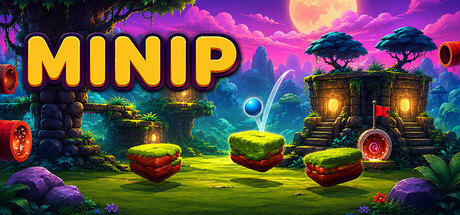 Minip In-game content art | Generative AI was used to assist in creating some in-game artwork and promotional artwork for the game, including certain environment backgrounds and Steam store assets. | NorthIron Studios | - | Aug 29, 2026 | |
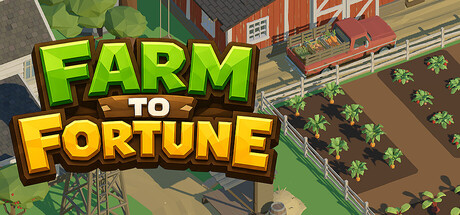 Farm to Fortune Unclear | AI tools were used in the creation of this game. | Ctrl Alt Defeat | - | Aug 29, 2026 | |
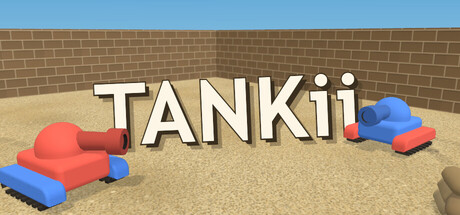 Tankii In-game content codeaudio | AI was used to write the code for the game, and for the sounds effect.
Music and art was all done by a lovely, living human. | Sterling Long | - | Aug 29, 2026 | |
 D.A.M.N! In-game content arttext | In early development, the game included some AI-generated graphical elements while I waited for a professional artist's work. I am now gradually integrating that work, but the process is not yet finished. AI also generated the game's English, German, and French localizations from the original Ukrainian text, and later proofread by a human. | The DAMN Board Games | - | Aug 29, 2026 | |
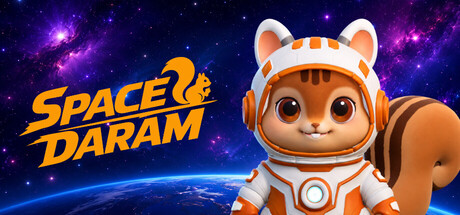 SpaceDaram In-game content artaudio | Generative AI tools were used to assist with some graphics and audio content. | Happy Daram Inc. | - | Aug 29, 2026 | |
 SAAM Tactics In-game content text | AI translated languages | wantagamemakeagame | - | Aug 28, 2026 | |
 Flippy the Spider In-game content text | AI was used solely for localization purposes. | Zerith | - | Aug 28, 2026 | |
 NEBULA BREAK In-game content artaudio | Graphics (sprites, logo, artwork) were generated with Google Gemini API models,
then curated, edited, and integrated by the developer.
Music and sound effects were generated locally with ACE-Step 1.5, directed,
curated, and post-processed by the developer.
No AI runs during gameplay. | AMANOGAWA GAMES | - | Aug 28, 2026 | |
 SIDE OUT Dev only arttextcode | SIDE OUT was built with AI-assisted development tools. No artwork, audio, text or other content in the game is generated by AI. All visuals are drawn procedurally in code, and all store text is written by hand. | antics | - | Aug 28, 2026 | |
 HUMAN, 39.99 In-game content artaudio | AI tools were used for part of the art and music. Everything gets picked, cleaned up and put together by hand afterwards. There's no AI in the game itself: what you play is exactly what was built in mind. | Wombart | - | Aug 28, 2026 | |
 Fatal Logic In-game content art | Some art is either produced using AI or directly inspired by it. | ItWorkedOnMyMachine | - | Aug 28, 2026 | |
 Chronime Puzzle: Animals In-game content art | The background images and animals pictures are pre-rendered AI art | Quantum Quiver Games | - | Aug 28, 2026 | |
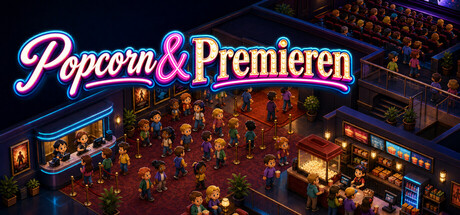 Popcorn & Premieren In-game content arttext | Generative AI was used during development to create pre-generated artwork (including fictional film posters and marketing images), narration, and some text and translations. These are fixed assets shipped with the game. No generative AI runs during gameplay, and no player input is sent to an external AI service. | Jodelsoft | - | Aug 28, 2026 | |
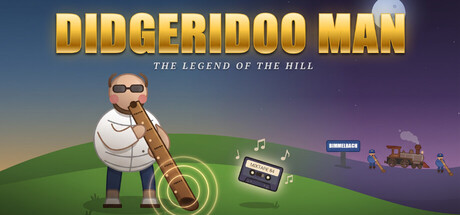 Didgeridoo Man In-game content audiotext | Generative AI is used in this game for tasks such as music generation. As an indie game and a small software development studio, we simply do not have the budget to license a large number of well-known and popular songs. Unfortunately, nothing comes for free – so AI is used as an alternative.
AI is also used for tasks such as integrating graphics, music and beat analysis, and translating content. AI can complete time-consuming tasks within minutes that would otherwise take a human several hours.
No jobs are being replaced or put at risk through the use of AI in this project. This “crazy game” was still made with lots of love by humans. An AI probably would not have come up with a game idea like this anyway.
And because it fits the topic far too well: purely on principle, this disclosure text was of course also written with the help of AI. | Studio Justin Braun | - | Aug 28, 2026 | |
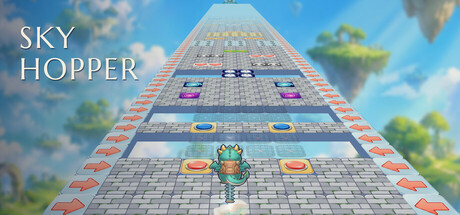 Sky Hopper In-game content artaudio | Some pre-rendered 2D art was created with the assistance of generative AI tools: the playable characters' animation frames, world backgrounds and tile art were generated from the developer's original character and world designs, then hand-edited, aligned and baked into final game assets by the developer. A small number of sound effects were also created with AI audio tools and then mixed by hand. The store page capsule images are composed from the same AI-assisted paintings plus hand-set typography. All AI-assisted content is pre-rendered, was reviewed by the developer before shipping, and no content is generated by AI at runtime. | Evermore Studio Games | - | Aug 28, 2026 | |
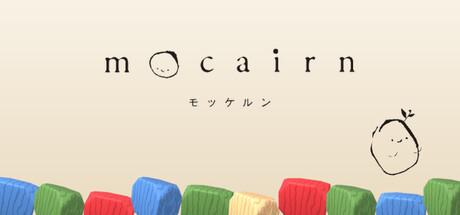 MOCAIRN In-game content textaudioart | Generative AI tools were used during development to help create some content, including the English localization, music and sound effects, the 3D-rendered block art pipeline, and parts of the store/marketing materials. All AI-assisted content was reviewed and refined by the developer. No content is generated by AI at runtime. | kotemoku | - | Aug 28, 2026 | |
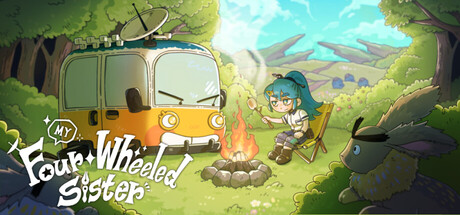 My Four-Wheeled Sister In-game content audiotext | During development of this game, generative AI was used for the creation of some sound effects and background music, localization.
Generative AI was not used in the creation of the game's artwork or story. | WednesdayDinnerClub | - | Aug 28, 2026 | |
 Swirl Together Dev only art | Swirl Together contains a rotoscoping/masking model similar to Adobe’s roto brush, or Davinci Resolve's magic masking tool, and a depth-estimating model for colliders. | Gabriel Martin | - | Aug 28, 2026 | |
 Grumpy Dungeon In-game content artaudio | Some of this game's content was created with the assistance of generative AI tools, always under human direction and review. Portions of the painted environment artwork and the store/marketing artwork began as AI-generated images that were then curated, edited, and integrated by hand. The music was generated with a licensed AI music tool, then curated and edited. Nothing is generated by AI while you play — everything you see and hear ships as fixed, human-reviewed content. | Sam Mayell | - | Aug 28, 2026 | |
 Achievements In-game content artcode | The game uses AI only for textures and code | Fortcomp | - | Aug 28, 2026 | |
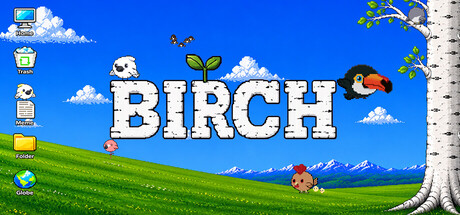 Birch In-game content text | There is no AI-generated art or audio anywhere in this game. Every sprite, animation and character design is hand-drawn by me. The game has no audio at all, and the music in the trailer is my own work too. Nothing is generated while the game runs, and it never connects to an AI service.
AI was used to help with text, in three places.
The store page description and short description, in all 11 languages.
Translating the interface labels into the 10 languages other than English. There are only 24 strings in the whole game and no prose of any kind: 11 are labels like "Clear all" and "Cancel", and the other 13 are bird names, which are the real common names of each species, looked up per language rather than made up.
Some of our Steam community and marketing posts.
Chinese (both) I checked myself, and Japanese was checked at N2. Korean, Spanish, Russian, Brazilian Portuguese and German have not been checked by a native speaker. | ANYMACTION STUDIO | - | Aug 28, 2026 | |
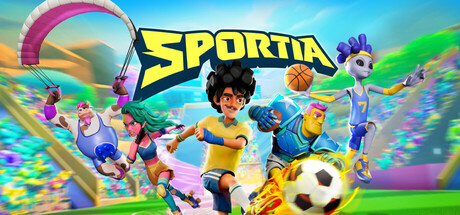 Sportia Unclear | Procedural and AI tools used to assist in some content creation | Hermit Crab Studio | - | Aug 27, 2026 | |
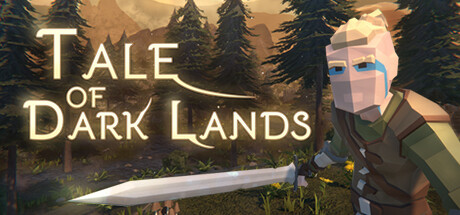 Tale of Dark Lands In-game content text | Text localization | Satur Entertainment | 35 | Aug 27, 2026 | |
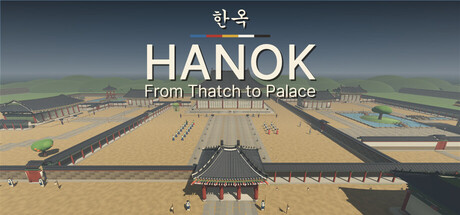 Hanok: From Thatch to Palace In-game content text | The game's text (Korean and English) was written with the help of an AI assistant, based on the developer's research into traditional Korean architecture, and was fact-checked and reviewed by the developer before shipping. The English text follows a Korean–English glossary of traditional architecture terms prepared and approved by the developer. No other shipped content is AI-generated: all 3D models, buildings and characters are built procedurally in code, and the background music is licensed traditional Korean music (CC BY). | WATSI | - | Aug 26, 2026 | |
 Aquarium Days In-game content artaudiotext | Some graphics, music, and translations were initially generated by AI and subsequently revised by humans. | Pet Party | - | Aug 26, 2026 | |
 Yokai Parade In-game content art | The pixel art in this game was created with an AI image generation tool (Pixellab).
Generated art is never used as-is: the style, proportions and palette standards are set by a human,
every sprite is reviewed by eye, and anything off-standard is rejected and redone. Grounding,
animation continuity and color consistency are likewise human-checked before adoption.
Game design, balance and specification decisions are made by a human. AI-assisted tools are also
used in the development process.
Nothing is generated by AI at runtime (pre-generated content only). | CITTA FOX | - | Aug 26, 2026 | |
 Matchy Star Dev only code | One man team with no budget who used Codex to add code, and some AI Upscaling etc. | Silverware Games, Inc. | - | Aug 25, 2026 | |
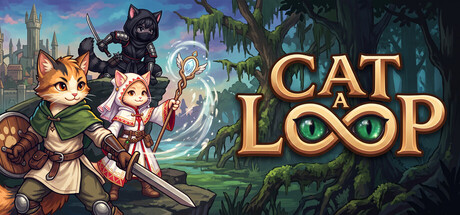 Cat a Loop In-game content art | Use of AI-generated content: solely for visual design. Most of the visuals were created using a generative artificial intelligence. | Kitten Purradise Studios | - | Aug 25, 2026 | |
 Ghost Express In-game content text | I developed this game entirely on my own, handling all the game design, hand-drawn artwork, and music composition myself.
Only the translations/localizations were generated by AI. | GongJun Lab | - | Aug 25, 2026 | |
 Cable Arrange In-game content textart | The store page was translated into 30 languages using AI, from text written by the developer. Store and library images were assembled from artwork the developer made by hand. The game itself contains no AI-generated content, and nothing is generated by AI while you play. | MonoFieldGames | - | Aug 25, 2026 | |
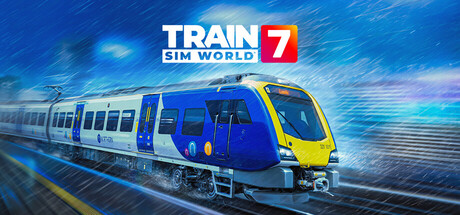 Train Sim World® 7 In-game content audio | We are utilising ElevenLabs’ text-to-speech tool, to generate some voice-over elements within Train Sim World 7. This is utilised in features such as training modules, as well as platform and onboard train announcements. All scripts and content are written by Dovetail Games staff, with ElevenLabs used to generate the audio in these instances. | Dovetail Games | - | Aug 25, 2026 | |
 Brotito In-game content audio | Generative AI tools were used to assist with programming during development and to support the creation of some of the game's music. All AI-assisted content was reviewed and integrated by the developer. | JOBAC | - | Aug 25, 2026 | |
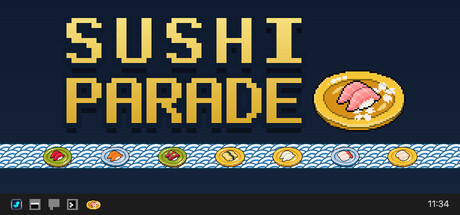 SUSHI PARADE In-game content art | Some of the art in this game — the chef characters, the customer characters, the lane skins, and some of the plates — was created with the help of AI image generation tools. The sushi artwork does not use AI. | zawascript | - | Aug 25, 2026 | |
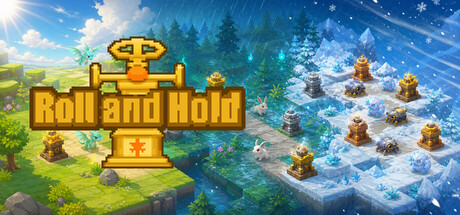 Roll and Hold In-game content arttext | Parts of this game's content were created with generative AI tools:
- 3D models and their textures (towers, enemies, terrain and scenery props) were generated with Meshy AI, then hand-adjusted and assembled by the developer.
- The English localization was AI-translated from the original Chinese text and then reviewed by the developer.
- Some in-game flavor text (event, relic and achievement descriptions) was drafted with an AI writing assistant.
- Some store page and marketing artwork was produced with AI image tools.
All of this content is generated ahead of time and ships as fixed assets. The game does not generate any content live during play and does not connect to any AI service at runtime. Sound effects and music are procedurally synthesized by our own scripts and are not AI-generated. | Kai Games | - | Aug 25, 2026 | |
 Piano Warrior In-game content audiotext | "The help of an AI assistant has been used during the entire development process, including for content such as sound and localization." | Leonid Cebotari | - | Aug 25, 2026 | |
 Parcel Panic In-game content textart | Generative AI was used in a limited, supporting role during development:
• Portions of this store page description were drafted with the help of AI text tools and then reviewed and edited by the developer.
• A small number of icons (used on the store page) were created with the assistance of AI image generation tools and refined by the developer.
The game itself does not use generative AI at runtime. | Naughty Pig | - | Aug 25, 2026 | |
 Crown Cribbage In-game content audioarttextcode | Some assets in Crown Cribbage were made with the help of generative AI tools:
- in-game music was generated with AI music tools
- capsule/key art
- marketing copy drafts
- assistance with programming
One point of emphasis:
The computer opponents in this game are not generative AI. They are hand-written heuristics, a fixed set of rules for discarding and pegging, tuned by
difficulty.
They see only what you see. They do not look at your hand, and nothing about them is generated while you play.
No AI content of any kind is created during a match. | Glacial Silt Studios LLC | - | Aug 25, 2026 | |
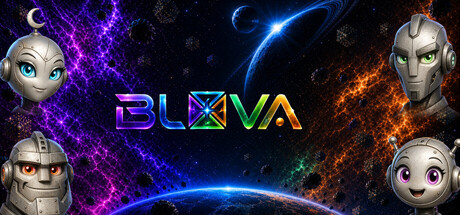 Blova Unclear artaudio | Some visual and audio content was created using AI. | Emberloom Games | - | Aug 25, 2026 | |
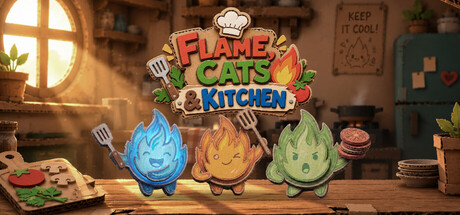 Flame, Cats & Kitchen Store/marketing art | AI-assisted tools were used in the creation and refinement of the Steam page capsule artwork, as well as for selected UI elements. | The Deadliners Games | - | Aug 25, 2026 | |
 Swinging Pier Clean Simulator Dev only textcode | We used AI tools (such as Claude) to assist with brainstorming game ideas, structuring code logic, and drafting textual content during development. | Ozgur Boruzanci | - | Aug 25, 2026 | |
 Paint The World In-game content artaudiocode | 3D models for props and buildings have been generated with code developed by AI. The game splash screens and logo have been generated by AI. Music is generated live with code developed by AI. | Facey Sock Studios | - | Aug 25, 2026 | |
 Travel Agency Simulator In-game content art | Generative AI tools were used during development to assist with some pre-generated visual assets, including selected pixel-art environments, characters, illustrations, icons, and promotional artwork. These assets are included with the game and are not generated live during gameplay. The game does not use a live AI service or send player data to an AI service. Shipped assets were reviewed, edited, and integrated by the development team. | World of Travel | - | Aug 24, 2026 | |
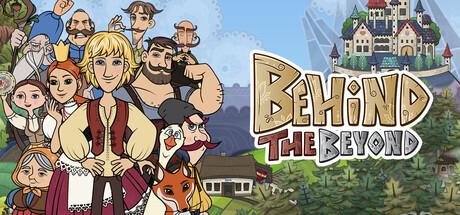 Behind the Beyond In-game content text | Generative AI was used as an occasional development aid for some dialogue wording, localization, and marketing / store texts.
The game's story, characters, and game design were created by the developer.
AI-assisted dialogue is reviewed and edited by the developer, and AI-assisted translations are reviewed and edited by native speakers.
The game does not use AI-generated images, voices, music, or other AI-generated audiovisual assets. | Sugarpunch Games | - | Aug 24, 2026 | |
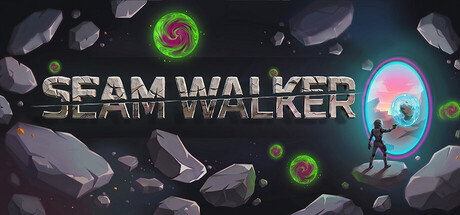 Seam Walker In-game content art | Generative A.I. was used to create some artwork for the Game. | Infinite Mana | - | Aug 24, 2026 | |
 GRIDGRAMS Dev only code | This game was made possible with assistance from an agentic AI coding tool. | Apocalyptic Studios | - | Aug 24, 2026 | |
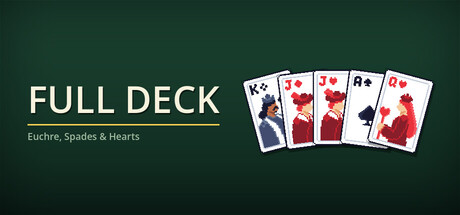 Full Deck: Euchre, Spades, Hearts, and More Dev only code | AI was used to speed up code development. Assets for the game were not generated. | Infernomakestuf LLC | - | Aug 24, 2026 | |
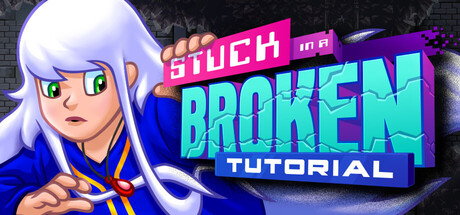 Stuck in a Broken Tutorial Unclear | The general philosophy of AI usage is: keep it to non-creative endeavors. | Xtonomous | - | Aug 24, 2026 | |
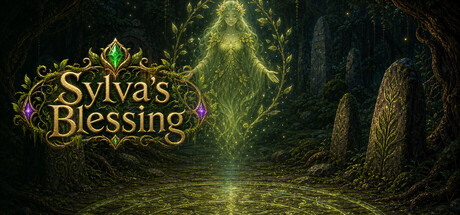 Sylva's Blessing In-game content artaudiotext | Some of this game's assets were created with the assistance of generative AI and then curated, edited, and integrated by the developer. Art: two character portraits were generated with Midjourney (paid commercial plan); other artwork — card illustrations, backgrounds, and character art — was generated with a locally run image-generation pipeline. Audio: the music, ambience, and sound-effect clips were generated with ElevenLabs under a paid commercial plan. Some game text was written with AI assistance and reviewed by the developer. All AI output was human-reviewed before inclusion. No content is generated by AI at runtime. | ImmersiveGamingVR LLC | - | Aug 24, 2026 | |
 Gold Miner: Party Rush In-game content art | We used generative AI tools to assist in creating some assets, including but not limited to upscaling. | Margarite Entertainment | - | Aug 24, 2026 | |
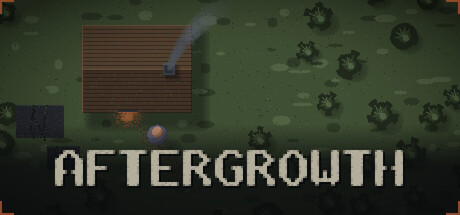 Aftergrowth Dev only textcode | Aftergrowth's code was written with the help of an AI coding assistant, and some of the game's text — including parts of this store page — was first drafted with it and then edited by hand.
Nothing you see or hear is AI-generated. Every sprite, tile and icon is drawn by deterministic Python scripts rather than by an image model. The music is synthesised and the sound effects are CC0 recordings by Kenney, both credited in the game's CREDITS file. No generative AI runs while you play: nothing is generated live, and the game makes no request to any AI service. | pl0xuee | - | Aug 24, 2026 |


