Public Steam disclosure research25,380 disclosures tracked
Where do games disclose AI use?
Search developers’ Steam disclosures, compare classified AI use across
games, and follow recorded changes.
This index adds cross-game classifications and statistics to
statements published on individual store pages.
Groups reflect automatic analysis of public disclosures; mature records are excluded. These counts do not measure AI use across all of Steam.
Missing or unclear statements cannot establish whether a game uses AI.
Suho's background music was produced with the help of a generative AI music tool, and some store-page text was drafted with AI assistance and edited by a human. We intend to replace the AI-generated music with commissioned, original music. All gameplay, game design, code, and in-game visual art are human-authored or rendered programmatically (not AI-generated), and no AI content is generated live during play - the soundtrack ships as fixed, pre-made audio files.
AI-generated content was used for promotional/store artwork, including capsule and library images. The game build itself does not use generative AI during gameplay.
The development of this game utilizes generative artificial intelligence tools to create some pre-rendered graphic assets, visual interface elements, and sound effects that are part of the arena's atmosphere.
Yes, I used AI-assisted tools during the development of this game. They were primarily used for code logic support, translation optimization, and copy polishing. The core gameplay design, art style, level design, and overall player experience were all directed and finalized by me personally. The AI served as a productivity tool, while all creative decisions and implementation choices were made by me.
Several of the original tracks included with the base game were created with the help of AI tooling as was some of the initial iconography and translations.
Some visual assets in this game — including dice textures, character portraits, scene backgrounds, and select UI decorative elements — were created with the assistance of generative AI, then manually curated, retouched, and color-graded before integration. All AI-generated content is pre-rendered static art; the game does not use real-time generation.
The game was made only by me and my friend, we are starting out in this endeavor, and AI helped us a lot.
The programming code was assisted by artificial intelligence.
Some music might have been altered using artificial intelligence.
Images outside of gameplay used to promote the game were adjusted using artificial intelligence.
Generative AI assisted with: English localization (AI-translated, developer-reviewed),
some store-page capsule art (generated programmatically), and store-page description text.
No AI runs live/at runtime in the game. Core code, game design and original in-game
sprite art were made by the developer.
AI-generated art assets are used in this game. All such assets have been manually reviewed and adjusted to ensure a consistent visual style and quality.
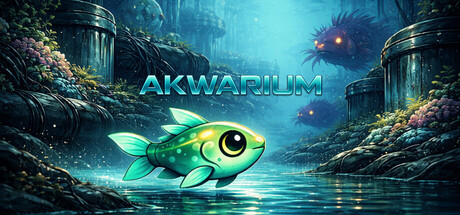
Some 2D artwork in Akwarium (characters, UI, environments, and store images) was created with generative AI tools, then reviewed and refined by the developer. No gameplay content is generated by AI in real time.
Some text on this Steam store page and in related marketing materials was drafted with the help of
generative AI tools and then reviewed and edited by the developer. The game's artwork, characters,
animations, and audio are created by the developer and are not AI-generated. The game does not use
generative AI to create any content during gameplay.
The in-game music was created through a collaboration between human composition and AI-assisted tools.
Some promotional images displayed on the Steam Store page were also created using AI-assisted tools.
This game uses AI-assisted tools for the creation of some content. Certain artwork, voice lines, and sound effects are generated or assisted using third-party AI services, including ElevenLabs. All AI-assisted content is reviewed and integrated during development to ensure it fits the game’s style and overall experience.
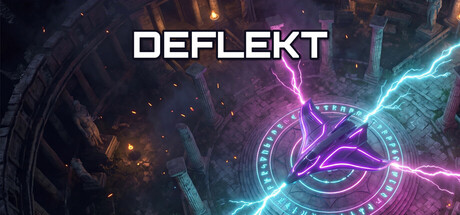
DEFLEKT uses AI-generated assets created during development ("pre-generated"): 3D models for ships, bosses and environment dioramas, background artwork, and portions of the music soundtrack were generated with AI tools and then curated, edited and integrated by the developer. Sound effects are CC0 licensed (Kenney.nl). The game does not generate any content with AI at runtime.
Generative AI was used to create promotional video content for the game's marketing materials (specifically, a cinematic trailer generated with Kling AI). The game's core assets, gameplay, artwork, and audio were created by the development team. No AI-generated content is included in the in-game experience itself.
During development, generative AI tools were used to assist in the creation of certain visual assets. All AI-generated content has been reviewed and curated by the development team.
The visual art in Cat 3. The cat sprites, enemies, icons, relic, UI art, and the store/marketing images were created with the help of generative AI tools. I'm a solo developer and a programmer at heart: I can't draw, so I set up a local pixel-art generation pipeline to make the game's artwork. No AI-generated content is produced during gameplay.
MegaDope 2D uses generative AI assisted tools during development to help create and refine visual assets, character and environment concepts, UI elements, music, sound effects, and promotional/trailer materials. All AI assisted assets are curated, edited, and implemented by the developer as part of the final game. The game does not currently generate new AI content live during gameplay.
This game utilizes generative AI technologies for certain assets to enhance the game content and localization:
- Part of the vocal tracks and select background music (BGM) outside of the main gameplay.
- Specific visual assets used in music videos (MVs).
- Translation and localization assistance for the store page and game text.
AI tools were used during development to assist with localizing in-game text into 13 non-English languages and with drafting in-game flavor text and store page copy. All AI-assisted text was reviewed and edited by the developers.
All artwork and visual assets are hand-made; no AI-generated imagery is used. No content is generated by AI during gameplay.
JellyWorms uses generative AI-assisted visual content for some game art, store assets, and marketing materials. Final assets are reviewed and edited by the developer before release. The game does not generate live AI content during gameplay.
Some 2D store and marketing assets — such as store capsule images, achievement icons, and key art — were created using AI image-generation tools and then refined and composited by hand. All gameplay, code, level design, and game systems are made by the developer without generative AI. All AI-assisted assets are reviewed to ensure they are appropriate and comply with Steam's rules.
Artificial intelligence tools were used to refine part of the game's music and certain sound effects, as well as specific graphical assets, support programming, debugging, and bug-fixing tasks
Xalvorynthium does not use generative AI during gameplay and does not connect to any external AI service while the game is running.
Some pre-generated visual assets used for store marketing, promotional artwork, capsule images, logos, or related presentation materials may have been created or assisted with generative AI tools. These assets were reviewed and selected by the developer before use.
Generative AI tools (such as Gemini) were used to assist in creating the promotional capsule images and description text for this Steam store page. All in-game assets, including art and text, were created entirely by humans.
Generative AI tools were used during the development of this game to assist with programming, game logic implementation, written content, visual assets, and other development workflows. AI-generated code, text, images, and design elements were reviewed, modified, and approved by the developer before being included in the final product.
Some visual and audio assets used in the game and its marketing materials were created or refined with the assistance of generative AI tools. All content is reviewed, edited, and integrated by the developer.
To provide our players with a richer visual and auditory experience within a small-scale development environment, We used pre-generated AI tools to assist in creating some 2D art assets, background music, and voice lines.
Some promotional artwork and achievement icons were created using generative AI and then manually edited by the developer. No gameplay content is generated by AI.
Pre-generated AI tools were used to assist in the creation of certain static 2D graphical assets (such as fictional corporate logos, background poster textures, and promotional illustrations). All generated outputs were manually reviewed, retouched, and integrated as static textures by the developer to ensure alignment with the game's artistic direction. No real-time AI generation occurs during gameplay.
The game uses generative artificial intelligence to create some of its images, and a portion of the visual content was produced with AI tools, but all such assets have been reviewed to ensure they do not infringe copyrights and comply with Steam’s rules.
Some game assets were created with the help of AI tools during development. No AI runs during gameplay and no player data is sent to external services.
Cat & Fox Studios used generative AI image tools (Pollinations FLUX) to create the store-page art assets for this game, including:
the Main Capsule, Library Hero, Library Logo, Vertical Capsule, Page Background, small/header capsules, and the character illustrations of Mora the cat shown on the store page and in gallery posts.
These AI-generated assets are used for marketing imagery and Steam store presentation only. The original music in the game was composed by Dr. Jenna Fox of Cat & Fox Studios.
The game itself does not call any AI service during gameplay — all play is fully deterministic.
Generative AI was used to create some of the capsule and promotional artwork displayed on the game's Steam store page. All such artwork was reviewed and selected by the developer. No AI-generated content is created during gameplay.
Parts of Word Puzzle Master were created with the help of generative AI tools,
then reviewed, edited and assembled by the developer:
• visual art — the ambient background images and the animated background loop
• audio — background music and sound effects
Generative AI is used only during development to produce these assets. The game
does NOT use any AI at runtime — there is no live AI generation while you play.
Puzzle word lists are hand-curated, and level layouts are produced by our own
deterministic algorithm (not AI).
"We used generative AI tools during the development of this game. Specifically, pre-generated AI tools were utilized to create and refine some of the 2D visual assets, including concept art, UI elements, and promotional store graphics. All AI-generated content was reviewed, edited, and curated by our team to ensure quality and compliance with Steam's content policies. The game itself does not generate any live AI content during runtime."
Suho's background music was produced with the help of a generative AI music tool, and some store-page text was drafted with AI assistance and edited by a human. We intend to replace the AI-generated music with commissioned, original music. All gameplay, game design, code, and in-game visual art are human-authored or rendered programmatically (not AI-generated), and no AI content is generated live during play - the soundtrack ships as fixed, pre-made audio files.
AI-generated content was used for promotional/store artwork, including capsule and library images. The game build itself does not use generative AI during gameplay.
The development of this game utilizes generative artificial intelligence tools to create some pre-rendered graphic assets, visual interface elements, and sound effects that are part of the arena's atmosphere.
Yes, I used AI-assisted tools during the development of this game. They were primarily used for code logic support, translation optimization, and copy polishing. The core gameplay design, art style, level design, and overall player experience were all directed and finalized by me personally. The AI served as a productivity tool, while all creative decisions and implementation choices were made by me.
Several of the original tracks included with the base game were created with the help of AI tooling as was some of the initial iconography and translations.
Some visual assets in this game — including dice textures, character portraits, scene backgrounds, and select UI decorative elements — were created with the assistance of generative AI, then manually curated, retouched, and color-graded before integration. All AI-generated content is pre-rendered static art; the game does not use real-time generation.
The game was made only by me and my friend, we are starting out in this endeavor, and AI helped us a lot.
The programming code was assisted by artificial intelligence.
Some music might have been altered using artificial intelligence.
Images outside of gameplay used to promote the game were adjusted using artificial intelligence.
Generative AI assisted with: English localization (AI-translated, developer-reviewed),
some store-page capsule art (generated programmatically), and store-page description text.
No AI runs live/at runtime in the game. Core code, game design and original in-game
sprite art were made by the developer.
AI-generated art assets are used in this game. All such assets have been manually reviewed and adjusted to ensure a consistent visual style and quality.
Some 2D artwork in Akwarium (characters, UI, environments, and store images) was created with generative AI tools, then reviewed and refined by the developer. No gameplay content is generated by AI in real time.
Some text on this Steam store page and in related marketing materials was drafted with the help of
generative AI tools and then reviewed and edited by the developer. The game's artwork, characters,
animations, and audio are created by the developer and are not AI-generated. The game does not use
generative AI to create any content during gameplay.
The in-game music was created through a collaboration between human composition and AI-assisted tools.
Some promotional images displayed on the Steam Store page were also created using AI-assisted tools.
This game uses AI-assisted tools for the creation of some content. Certain artwork, voice lines, and sound effects are generated or assisted using third-party AI services, including ElevenLabs. All AI-assisted content is reviewed and integrated during development to ensure it fits the game’s style and overall experience.
DEFLEKT uses AI-generated assets created during development ("pre-generated"): 3D models for ships, bosses and environment dioramas, background artwork, and portions of the music soundtrack were generated with AI tools and then curated, edited and integrated by the developer. Sound effects are CC0 licensed (Kenney.nl). The game does not generate any content with AI at runtime.
Generative AI was used to create promotional video content for the game's marketing materials (specifically, a cinematic trailer generated with Kling AI). The game's core assets, gameplay, artwork, and audio were created by the development team. No AI-generated content is included in the in-game experience itself.
During development, generative AI tools were used to assist in the creation of certain visual assets. All AI-generated content has been reviewed and curated by the development team.
The visual art in Cat 3. The cat sprites, enemies, icons, relic, UI art, and the store/marketing images were created with the help of generative AI tools. I'm a solo developer and a programmer at heart: I can't draw, so I set up a local pixel-art generation pipeline to make the game's artwork. No AI-generated content is produced during gameplay.
MegaDope 2D uses generative AI assisted tools during development to help create and refine visual assets, character and environment concepts, UI elements, music, sound effects, and promotional/trailer materials. All AI assisted assets are curated, edited, and implemented by the developer as part of the final game. The game does not currently generate new AI content live during gameplay.
This game utilizes generative AI technologies for certain assets to enhance the game content and localization:
- Part of the vocal tracks and select background music (BGM) outside of the main gameplay.
- Specific visual assets used in music videos (MVs).
- Translation and localization assistance for the store page and game text.
AI tools were used during development to assist with localizing in-game text into 13 non-English languages and with drafting in-game flavor text and store page copy. All AI-assisted text was reviewed and edited by the developers.
All artwork and visual assets are hand-made; no AI-generated imagery is used. No content is generated by AI during gameplay.
JellyWorms uses generative AI-assisted visual content for some game art, store assets, and marketing materials. Final assets are reviewed and edited by the developer before release. The game does not generate live AI content during gameplay.
Some 2D store and marketing assets — such as store capsule images, achievement icons, and key art — were created using AI image-generation tools and then refined and composited by hand. All gameplay, code, level design, and game systems are made by the developer without generative AI. All AI-assisted assets are reviewed to ensure they are appropriate and comply with Steam's rules.
Artificial intelligence tools were used to refine part of the game's music and certain sound effects, as well as specific graphical assets, support programming, debugging, and bug-fixing tasks
Xalvorynthium does not use generative AI during gameplay and does not connect to any external AI service while the game is running.
Some pre-generated visual assets used for store marketing, promotional artwork, capsule images, logos, or related presentation materials may have been created or assisted with generative AI tools. These assets were reviewed and selected by the developer before use.
Generative AI tools (such as Gemini) were used to assist in creating the promotional capsule images and description text for this Steam store page. All in-game assets, including art and text, were created entirely by humans.
Generative AI tools were used during the development of this game to assist with programming, game logic implementation, written content, visual assets, and other development workflows. AI-generated code, text, images, and design elements were reviewed, modified, and approved by the developer before being included in the final product.
Some visual and audio assets used in the game and its marketing materials were created or refined with the assistance of generative AI tools. All content is reviewed, edited, and integrated by the developer.
To provide our players with a richer visual and auditory experience within a small-scale development environment, We used pre-generated AI tools to assist in creating some 2D art assets, background music, and voice lines.
Some promotional artwork and achievement icons were created using generative AI and then manually edited by the developer. No gameplay content is generated by AI.
Pre-generated AI tools were used to assist in the creation of certain static 2D graphical assets (such as fictional corporate logos, background poster textures, and promotional illustrations). All generated outputs were manually reviewed, retouched, and integrated as static textures by the developer to ensure alignment with the game's artistic direction. No real-time AI generation occurs during gameplay.
The game uses generative artificial intelligence to create some of its images, and a portion of the visual content was produced with AI tools, but all such assets have been reviewed to ensure they do not infringe copyrights and comply with Steam’s rules.
Some game assets were created with the help of AI tools during development. No AI runs during gameplay and no player data is sent to external services.
Cat & Fox Studios used generative AI image tools (Pollinations FLUX) to create the store-page art assets for this game, including:
the Main Capsule, Library Hero, Library Logo, Vertical Capsule, Page Background, small/header capsules, and the character illustrations of Mora the cat shown on the store page and in gallery posts.
These AI-generated assets are used for marketing imagery and Steam store presentation only. The original music in the game was composed by Dr. Jenna Fox of Cat & Fox Studios.
The game itself does not call any AI service during gameplay — all play is fully deterministic.
Generative AI was used to create some of the capsule and promotional artwork displayed on the game's Steam store page. All such artwork was reviewed and selected by the developer. No AI-generated content is created during gameplay.
Parts of Word Puzzle Master were created with the help of generative AI tools,
then reviewed, edited and assembled by the developer:
• visual art — the ambient background images and the animated background loop
• audio — background music and sound effects
Generative AI is used only during development to produce these assets. The game
does NOT use any AI at runtime — there is no live AI generation while you play.
Puzzle word lists are hand-curated, and level layouts are produced by our own
deterministic algorithm (not AI).
"We used generative AI tools during the development of this game. Specifically, pre-generated AI tools were utilized to create and refine some of the 2D visual assets, including concept art, UI elements, and promotional store graphics. All AI-generated content was reviewed, edited, and curated by our team to ensure quality and compliance with Steam's content policies. The game itself does not generate any live AI content during runtime."