








Disclosure
This game uses AI-assisted tools solely for programming and logic development. AI helped generate some basic code frameworks, but all core game logic was manually written, tested, and optimized.
- Creator
- ayan
- Reviews
- -
- Added
- Aug 7, 2026
Public Steam disclosure research 25,380 disclosures tracked
Search developers’ Steam disclosures, compare classified AI use across games, and follow recorded changes. This index adds cross-game classifications and statistics to statements published on individual store pages.
Code help, debugging and other development work.
Capsule art, trailers and promotional material.
Pre-made art, audio, writing and other game assets.
Interactive or runtime AI features disclosed by the developer.
Groups reflect automatic analysis of public disclosures; mature records are excluded. These counts do not measure AI use across all of Steam. Missing or unclear statements cannot establish whether a game uses AI.
This game uses AI-assisted tools solely for programming and logic development. AI helped generate some basic code frameworks, but all core game logic was manually written, tested, and optimized.
AI tools were used as assistive tools during development, specifically for code writing and text proofreading. No AI-generated content is used in the game's art assets, sound effects, or music.
This game uses content created or assisted by generative AI. Generative AI was used to help create and edit some visual assets, music/sound materials, and scripts. All final content was reviewed, selected, and adjusted by the developer before being included in the game.
The voice of R.E.I.K.A, the AI companion character, is generated using AI text-to-speech technology same as the voice lines of the end dialogue; all other game content — code, art, design, and writing — is handmade.
Some artwork used in Salty was created with the assistance of generative AI tools, including store page capsule art, marketing images, and certain in-game visual assets. All game design, code, systems, and gameplay are authored by the developer. No AI content is generated during gameplay.
AI-generated 3D models for characters and objects in the game.
AI is used in this project to accelerate coding and assisted in generating some of the marketing material.
Generative AI was used during development to assist in creating certain visual assets, initial 3D model concepts, and the composition of some melodies. All AI-generated content was manually reviewed, edited, refined, and integrated into the game by the developer. All gameplay systems, programming, balancing and game design were created manually. No generative AI is used during gameplay.
The key art used in this game's store capsules and cover was created with the assistance of generative AI tools, then edited and composited by the developer (logo and layout added manually). AI tools were also used to assist with translating menu text and store page descriptions. All gameplay content — code, in-game sprites, animations, music, and sound effects — was created by human artists or licensed from human-made asset packs. No AI-generated content appears in the game itself.
Ai was significantly used in art, programming, music
IRON EDEN uses AI as a development tool in a limited capacity. AI has been used only for: Programming assistance. Sound effect generation. All artwork, game design, mechanics, story, characters, worldbuilding, and visual assets were created by the developer.
Some of the game’s visual assets were created with the assistance of generative AI. All generated artwork is reviewed, edited, refined, and adapted by the development team to maintain a consistent visual identity and ensure that it matches the game’s artistic direction and design choices. This approach was necessary due to the high cost of commissioning the full amount of artwork required from one or more professional artists or illustrators. Using AI-assisted tools helped keep the project financially viable, speed up production, and bring the game to players sooner while preserving a cohesive and recognizable style.
Some in-game artwork—including characters, monsters, weapons, backgrounds, card illustrations, and UI assets—as well as some store page images, was created using pre-generated AI tools. All generated assets were selected, edited, adjusted, and reviewed by the developer before being included in the game. The game does not generate AI content during gameplay.
We use AI tools only to demonstrate the game's feel, for marketing materials, and to optimise development. 3D models, UI, characters, robot enemies, the main soundtrack and other key elements of the game are lovingly crafted by our team. Yes, we're not the fastest indie developers in the world. But we're working hard for you! ^_^
Some in game images of characters and items were created using artificial intelligence.
During the development of the game, generative AI tools were used to create some decorative props and certain sound effects. All AI-generated content was reviewed, edited, and manually integrated by the developer to ensure consistency with the game's artistic style and quality standards. Artificial intelligence was not used to generate gameplay code or core gameplay mechanics.
AI tools were used during development to assist with the creation and editing of some visual assets, including characters, UI icons, and background elements. Some assets created or edited with the assistance of AI tools are included in the game.
- All in-game art was hand-drawn by several artists - The game cover and logo were hand-drawn by an artist - Translations from English into other languages were partially done using artificial intelligence, because hiring professional translators is expensive for us, and they often rely heavily on AI for their translations. So if you notice an error in the text, please let us know so we can correct it. - Some of the background music was created using AI
Generative AI has only been used in the process of localization to serve our international players. We are trying our best to minimalize through out the process of localization.
Generative AI was used to assist in creating certain promotional and store page artwork. All AI-generated content was reviewed, edited, and refined by the developer. No generative AI is used during gameplay.
During development we used generative AI in a few places. A large language model helped write some of the game's text (in-game descriptions, events, and store copy). The music and many of the sound effects were created with Adobe Firefly, while some other sounds are generated in real time by the game's own code. The app icon was also created with Adobe Firefly. The in-game graphics are drawn procedurally by the game's code and are not AI-generated. Nothing is generated by AI while you play: every AI-assisted asset is created during development and shipped as a fixed file. The generative AI tools used (Adobe Firefly) grant commercial usage rights.
Some visual assets and promotional materials were initially created with the assistance of AI and then reviewed, edited, and integrated by the developer. All gameplay, game design, programming, balancing, and final content were created and curated by the developer.
We used generative AI to assist with drafting in-game text and localization into supported languages.and no content is generated by AI during gameplay.
Loot Survivors is made by one person. I use generative AI as a production tool so that a solo developer can deliver the quality and the update pace players expect. It helps me with things like concept art and texture work, UI icons, and item and flavor text. Every generated asset is reviewed, edited, and hand-integrated by me — AI output is a starting point, never a finished asset. The game's design, systems, balance, and code direction are my own work. Nothing is generated while you play. All content ships inside the build.
Some of this game's art assets (character, enemy, boss, and environment artwork) and its music were produced with the assistance of generative AI tools. All AI-assisted material was curated, edited, composited, and integrated into the game by hand by the developer. No AI-generated content is created live during gameplay.
AI-assisted tools were used during development to help produce some 2D art assets (character and enemy artwork, UI icons), sound effects, voice lines, and supporting code. All AI-assisted content was created before release and reviewed by the development team. The game does not generate any content or code in real time during gameplay, and it does not connect to any external AI service while playing.
This game uses AI-generated audio content, including some music, sound, and voice elements.
Pre-generated generative AI tools were used during development to assist in creating and editing some 2D visual assets, including backgrounds, character images, scene variations, and promotional artwork. AI tools were also used to assist with drafting, editing, and localization of some text. All final content was selected, reviewed, and edited by the developer before inclusion. No generative AI is used during gameplay, and players cannot generate content in the game.
Some 2D artwork, including character, enemy, map, user-interface, icon, and visual-effect source images, was created with the assistance of generative AI tools during development. Every shipped asset is selected, edited, integrated, and reviewed by the development team for visual consistency, gameplay readability, and rights compliance. The game does not generate content with AI while it is running and does not send player prompts to an AI service.
Johnny Jagung uses generative AI across much of its content. The visual art (character, enemy, boss, and UI artwork), music, sound effects, in-game text, and Indonesian translation were all created with the help of generative AI tools, then reviewed, curated, and assembled into the game by the developer — for instance, character art is hand-edited, composited, and animated from generated source images. All AI-generated content is created during development; the game does not generate anything live while you play.
Some of the game's visual assets — both 2D and 3D — are built from AI-generated drafts that our artists rework and refine by hand into their final form. Localization was drafted with AI tools and edited by the team. The final look, content, and quality of every element of the game are defined and approved by humans.
AI is used for localization and music arrangements built from our own recordings and very few are fully AI-generated.
Generative AI tools were used during the development of The Five Monks as follows: - Illustrations, icons, and in-game object art: initial images were generated with AI tools, then revised and finalized by hand by the development team. These edited assets ship with the game. - Creature and character concepts: AI outputs were used as visual reference only. The final in-game art was recreated from scratch by the development team to fit the game's art direction. - Store page text: portions were drafted with AI assistance and then edited by the team. The game's music was composed by the development team without generative AI.
All content was created using AI.
Pre-generated AI content: Some of the game's 2D illustrations — world and game-mode cover art, story-scene illustrations, character portraits, and store/promotional images — were created with the assistance of generative AI image tools. Every image was prompted, curated, selected and edited by the developer. Portions of the game's source code were written with the assistance of an AI coding tool, always under direct human direction, review and testing. Gameplay sprites, user interface, and fonts come from licensed third-party asset packs or were made by hand. The game does NOT generate any content with AI at runtime: all content is fixed at development time, and no player data is sent to any AI service.
Generative AI was used to assist in the creation of certain artwork, background music, sound effects, and translations. All AI-assisted content was reviewed, edited, and integrated by the developer. No content is generated by AI during gameplay.
This game was developed using generative AI during production. Generative AI was used to create the game's code, artwork, visual assets, user interface, music, sound effects, and text. All AI-generated content was reviewed, tested, curated, and integrated into the final game by the developer. The game does not generate AI content during gameplay.
The game's music was generated using artificial intelligence.
This game uses AI-generated music (Suno) and AI-generated voice acting (ElevenLabs). All AI-generated content has been reviewed and curated by the developer before inclusion in the game.
Generative AI coding models (Claude Code) used to assist with development. Including code that renders background music using MIDI-as-code tracks.
Most of the art assets in this game are human-made, but there are some AI-generated portraits of African, Indian, and East Asian characters, since the (human-made) portrait packs used did not contain all ethnic groups represented in the game. All dialogue in the game is human-directed and edited, but some was AI-generated in order to flesh out the world with unique dialogue for every region and situation.
Promotional artwork, Steam capsules, and certain marketing images were created with the assistance of generative AI and then reviewed, edited, and curated by PhoenixGold Game Studios. All gameplay, code, mechanics, characters, and in-game content were designed and implemented by the development team.
Includes AI and handcrafted artwork and audio
A limited amount of generative AI was used to assist with creating some decorative in-game poster artwork. The game's environments, level design, gameplay mechanics, and overall world-building were handcrafted by the developer.
After the creation of assets by an artist, the team used gen AI to generate backdrops for assets, and general backgrounds. Gen AI was used to amalgamate artist created assets into grouped assets. E.g. the aliens which were created by the artist are then rendered together by AI for a promotional image. This means only the back scape mainly promotional artwork and character backgrounds were generated by AI.
Some visual assets, promotional artwork, and portions of the localization were created or assisted using generative AI during development. All AI-assisted content was reviewed, edited, and integrated by the development team. The game does not generate AI content during gameplay.
We use AI for marketing materials, localization and music.
Some art is AI and all of the localization.
Some images used in the game’s development and promotional materials were initially generated with the assistance of AI tools. These images were not used as final untouched AI output: they were reviewed, edited, adjusted, and finalized by human artists. AI was used only as a production aid to speed up early visual exploration and reduce iteration time. It was not used to replace the work of human artists, but rather as part of a broader art pipeline that still relies on human direction, editing, and final approval.
This game's 3D environment was created with the help of AI-based 3D scene generation tools. Some marketing materials (trailer footage) were also created using AI image and video generation tools. No AI-generated content is created live during gameplay — all AI-assisted content was produced during development and is fixed at release.
| Title⇅ | Disclosure | Creator⇅ | Src | Reviews⇅ | Added↓ |
|---|---|---|---|---|---|
 Sandbox Jianghu: Walk My Own Path Dev only code | This game uses AI-assisted tools solely for programming and logic development. AI helped generate some basic code frameworks, but all core game logic was manually written, tested, and optimized. | ayan | - | Aug 7, 2026 | |
 Dawnkeep Dev only codetext | AI tools were used as assistive tools during development, specifically for code writing and text proofreading. No AI-generated content is used in the game's art assets, sound effects, or music. | Zang | - | Aug 7, 2026 | |
 Road to FIRE In-game content artaudiotext | This game uses content created or assisted by generative AI. Generative AI was used to help create and edit some visual assets, music/sound materials, and scripts. All final content was reviewed, selected, and adjusted by the developer before being included in the game. | P.E.G | - | Aug 7, 2026 | |
 Venusville - Prologue In-game content audio | The voice of R.E.I.K.A, the AI companion character, is generated using AI text-to-speech technology same as the voice lines of the end dialogue; all other game content — code, art, design, and writing — is handmade. | Orbit Start Studios | 14 | Aug 6, 2026 | |
 Salty In-game content art | Some artwork used in Salty was created with the assistance of generative AI tools, including store page capsule art, marketing images, and certain in-game visual assets. All game design, code, systems, and gameplay are authored by the developer. No AI content is generated during gameplay. | Garrack Gaming Studios | - | Aug 6, 2026 | |
 Tidewrack In-game content art | AI-generated 3D models for characters and objects in the game. | OverLKD Studio | - | Aug 5, 2026 | |
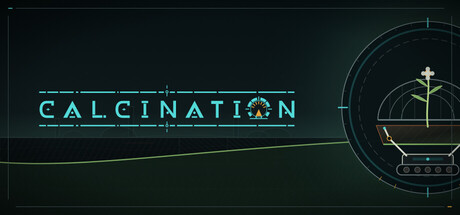 Calcination Store/marketing codeart | AI is used in this project to accelerate coding and assisted in generating some of the marketing material. | Alchemic Productions | - | Aug 5, 2026 | |
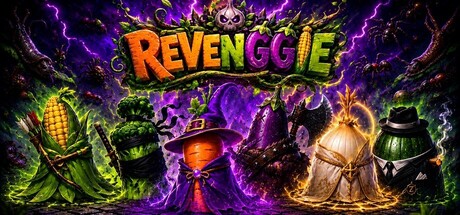 Revenggie In-game content artaudio | Generative AI was used during development to assist in creating certain visual assets, initial 3D model concepts, and the composition of some melodies. All AI-generated content was manually reviewed, edited, refined, and integrated into the game by the developer. All gameplay systems, programming, balancing and game design were created manually. No generative AI is used during gameplay. | Guaraná Games | - | Aug 5, 2026 | |
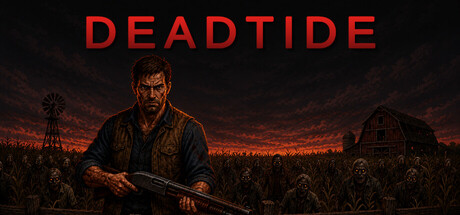 DeadTide Store/marketing arttext | The key art used in this game's store capsules and cover was created with the assistance of generative AI tools, then edited and composited by the developer (logo and layout added manually). AI tools were also used to assist with translating menu text and store page descriptions. All gameplay content — code, in-game sprites, animations, music, and sound effects — was created by human artists or licensed from human-made asset packs. No AI-generated content appears in the game itself. | Emexis Games | - | Aug 5, 2026 | |
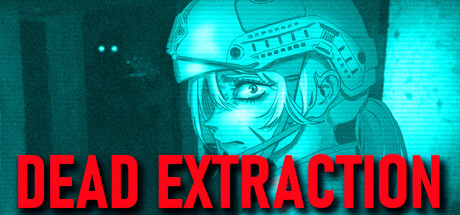 Dead Extraction In-game content artaudiocode | Ai was significantly used in art, programming, music | bleachmama | - | Aug 5, 2026 | |
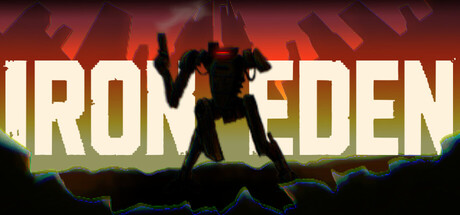 IRON EDEN In-game content codeaudio | IRON EDEN uses AI as a development tool in a limited capacity.
AI has been used only for:
Programming assistance.
Sound effect generation.
All artwork, game design, mechanics, story, characters, worldbuilding, and visual assets were created by the developer. | Breno Lubacheuski | - | Aug 5, 2026 | |
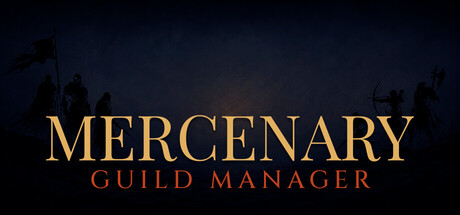 Mercenary Guild Manager In-game content art | Some of the game’s visual assets were created with the assistance of generative AI. All generated artwork is reviewed, edited, refined, and adapted by the development team to maintain a consistent visual identity and ensure that it matches the game’s artistic direction and design choices.
This approach was necessary due to the high cost of commissioning the full amount of artwork required from one or more professional artists or illustrators. Using AI-assisted tools helped keep the project financially viable, speed up production, and bring the game to players sooner while preserving a cohesive and recognizable style. | Code Dunamis | - | Aug 5, 2026 | |
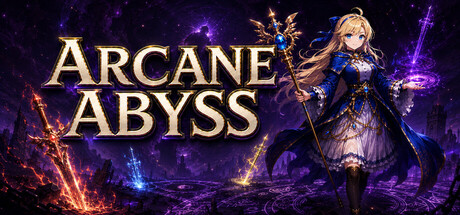 Arcane Abyss In-game content art | Some in-game artwork—including characters, monsters, weapons, backgrounds, card illustrations, and UI assets—as well as some store page images, was created using pre-generated AI tools. All generated assets were selected, edited, adjusted, and reviewed by the developer before being included in the game. The game does not generate AI content during gameplay. | SSF Works | - | Aug 5, 2026 | |
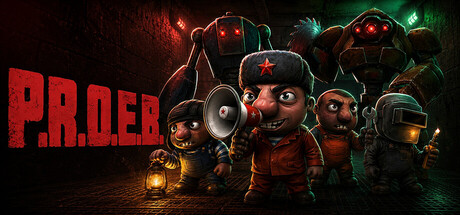 P.R.O.E.B. In-game content artaudio | We use AI tools only to demonstrate the game's feel, for marketing materials, and to optimise development. 3D models, UI, characters, robot enemies, the main soundtrack and other key elements of the game are lovingly crafted by our team.
Yes, we're not the fastest indie developers in the world. But we're working hard for you! ^_^ | UltraSimpleGames | - | Aug 5, 2026 | |
 Eternal Levels In-game content art | Some in game images of characters and items were created using artificial intelligence. | Iohiko Colina | - | Aug 5, 2026 | |
 PropAlive In-game content artaudio | During the development of the game, generative AI tools were used to create some decorative props and certain sound effects. All AI-generated content was reviewed, edited, and manually integrated by the developer to ensure consistency with the game's artistic style and quality standards. Artificial intelligence was not used to generate gameplay code or core gameplay mechanics. | BFact Team | - | Aug 5, 2026 | |
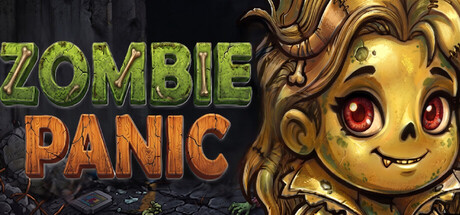 Zombie Panic In-game content art | AI tools were used during development to assist with the creation and editing of some visual assets, including characters, UI icons, and background elements. Some assets created or edited with the assistance of AI tools are included in the game. | Kent Higashino | - | Aug 5, 2026 | |
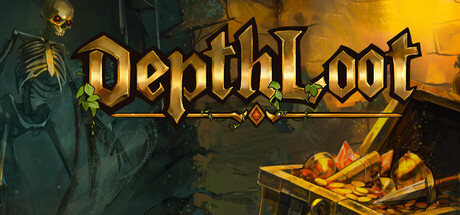 DepthLoot In-game content textaudio | - All in-game art was hand-drawn by several artists
- The game cover and logo were hand-drawn by an artist
- Translations from English into other languages were partially done using artificial intelligence, because hiring professional translators is expensive for us, and they often rely heavily on AI for their translations. So if you notice an error in the text, please let us know so we can correct it.
- Some of the background music was created using AI | ValiantLight | - | Aug 5, 2026 | |
 Tubular Tides In-game content text | Generative AI has only been used in the process of localization to serve our international players. We are trying our best to minimalize through out the process of localization. | Octo Studios | - | Aug 5, 2026 | |
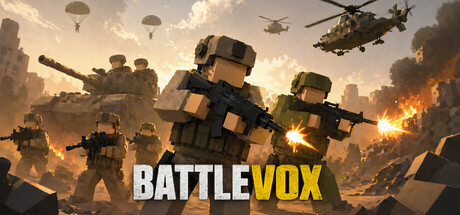 BattleVox In-game content art | Generative AI was used to assist in creating certain promotional and store page artwork. All AI-generated content was reviewed, edited, and refined by the developer. No generative AI is used during gameplay. | Army Troop Studios | - | Aug 5, 2026 | |
 Wayfarer Protocol In-game content textaudioart | During development we used generative AI in a few places. A large language model helped write some of the game's text (in-game descriptions, events, and store copy). The music and many of the sound effects were created with Adobe Firefly, while some other sounds are generated in real time by the game's own code. The app icon was also created with Adobe Firefly. The in-game graphics are drawn procedurally by the game's code and are not AI-generated. Nothing is generated by AI while you play: every AI-assisted asset is created during development and shipped as a fixed file. The generative AI tools used (Adobe Firefly) grant commercial usage rights. | OC Studios | - | Aug 4, 2026 | |
 Farmer and Ghost In-game content art | Some visual assets and promotional materials were initially created with the assistance of AI and then reviewed, edited, and integrated by the developer. All gameplay, game design, programming, balancing, and final content were created and curated by the developer. | Lê Trang Hoàng Huy | - | Aug 4, 2026 | |
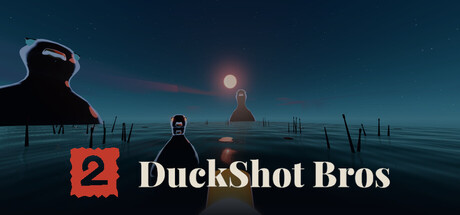 DuckShot Bros In-game content text | We used generative AI to assist with drafting in-game text and localization into supported languages.and no content is generated by AI during gameplay. | PTLH | - | Aug 4, 2026 | |
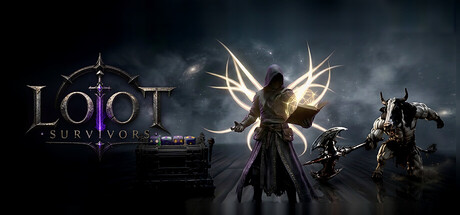 Loot Survivors In-game content arttext | Loot Survivors is made by one person.
I use generative AI as a production tool so that a solo developer can deliver the quality and the update pace players expect. It helps me with things like concept art and texture work, UI icons, and item and flavor text.
Every generated asset is reviewed, edited, and hand-integrated by me — AI output is a starting point, never a finished asset. The game's design, systems, balance, and code direction are my own work.
Nothing is generated while you play. All content ships inside the build. | Banana | - | Aug 4, 2026 | |
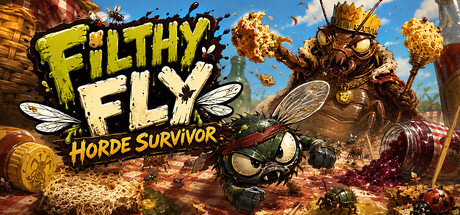 Filthy Fly: Horde Survivor In-game content artaudio | Some of this game's art assets (character, enemy, boss, and environment artwork) and
its music were produced with the assistance of generative AI tools. All AI-assisted
material was curated, edited, composited, and integrated into the game by hand by the
developer. No AI-generated content is created live during gameplay. | KORDE Works LLC | - | Aug 2, 2026 | |
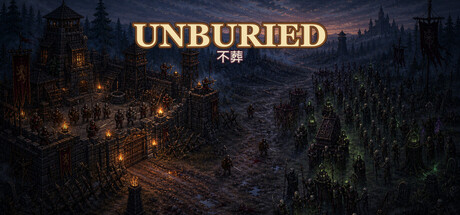 Unburied In-game content artaudiocode | AI-assisted tools were used during development to help produce some 2D art assets (character and enemy artwork, UI icons), sound effects, voice lines, and supporting code. All AI-assisted content was created before release and reviewed by the development team. The game does not generate any content or code in real time during gameplay, and it does not connect to any external AI service while playing. | Far Anchor | - | Aug 2, 2026 | |
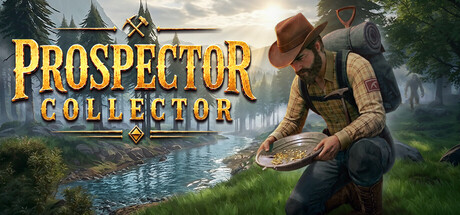 Prospector Collector In-game content audio | This game uses AI-generated audio content, including some music, sound, and voice elements. | Kevuru Games | - | Aug 2, 2026 | |
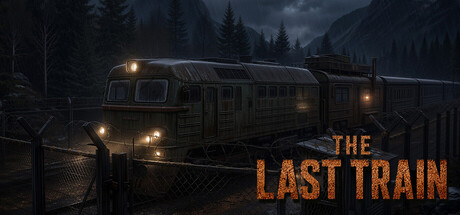 The Last Train: End of the Line In-game content arttext | Pre-generated generative AI tools were used during development to assist in creating and editing some 2D visual assets, including backgrounds, character images, scene variations, and promotional artwork. AI tools were also used to assist with drafting, editing, and localization of some text. All final content was selected, reviewed, and edited by the developer before inclusion. No generative AI is used during gameplay, and players cannot generate content in the game. | Ilya Binus | - | Aug 1, 2026 | |
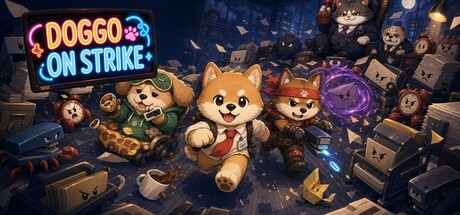 小狗不上班 In-game content art | Some 2D artwork, including character, enemy, map, user-interface, icon, and visual-effect source images, was created with the assistance of generative AI tools during development. Every shipped asset is selected, edited, integrated, and reviewed by the development team for visual consistency, gameplay readability, and rights compliance. The game does not generate content with AI while it is running and does not send player prompts to an AI service. | Medui Studio | - | Aug 1, 2026 | |
 Corny Johnny In-game content artaudiotext | Johnny Jagung uses generative AI across much of its content. The visual art (character, enemy, boss, and UI artwork), music, sound effects, in-game text, and Indonesian translation were all created with the help of generative AI tools, then reviewed, curated, and assembled into the game by the developer — for instance, character art is hand-edited, composited, and animated from generated source images. All AI-generated content is created during development; the game does not generate anything live while you play. | DozBroz Studio | - | Aug 1, 2026 | |
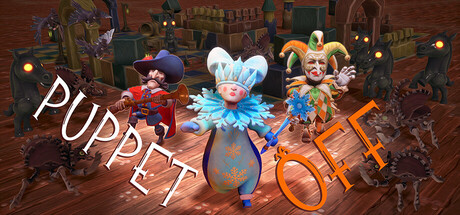 PuppetOFF In-game content arttext | Some of the game's visual assets — both 2D and 3D — are built from AI-generated drafts that our artists rework and refine by hand into their final form. Localization was drafted with AI tools and edited by the team. The final look, content, and quality of every element of the game are defined and approved by humans. | Feral Node Games | - | Aug 1, 2026 | |
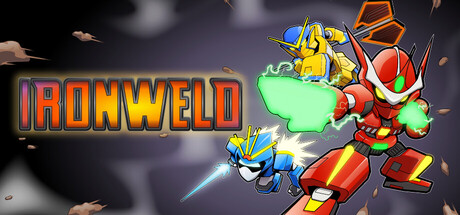 Ironweld In-game content textaudio | AI is used for localization and music arrangements built from our own recordings and very few are fully AI-generated. | 2071 Games | - | Jul 31, 2026 | |
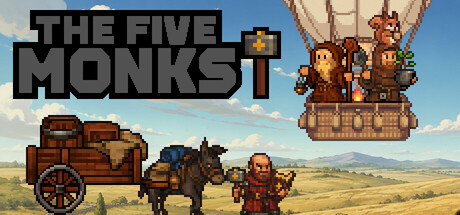 The Five Monks In-game content arttext | Generative AI tools were used during the development of The Five Monks as follows:
- Illustrations, icons, and in-game object art: initial images were generated with AI tools, then revised and finalized by hand by the development team. These edited assets ship with the game.
- Creature and character concepts: AI outputs were used as visual reference only. The final in-game art was recreated from scratch by the development team to fit the game's art direction.
- Store page text: portions were drafted with AI assistance and then edited by the team.
The game's music was composed by the development team without generative AI. | Mad Goblins | - | Jul 31, 2026 | |
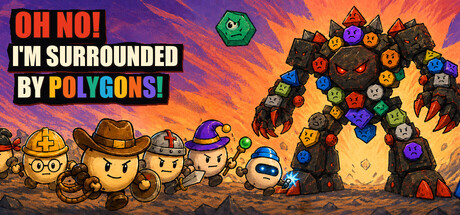 Oh No! I’m Surrounded by Polygons! In-game content artaudiocodetext | All content was created using AI. | mex | - | Jul 30, 2026 | |
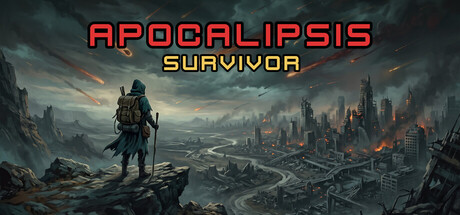 Apocalipsis Survivor In-game content artcode | Pre-generated AI content:
Some of the game's 2D illustrations — world and game-mode cover art, story-scene illustrations, character portraits, and store/promotional images — were created with the assistance of generative AI image tools. Every image was prompted, curated, selected and edited by the developer.
Portions of the game's source code were written with the assistance of an AI coding tool, always under direct human direction, review and testing.
Gameplay sprites, user interface, and fonts come from licensed third-party asset packs or were made by hand.
The game does NOT generate any content with AI at runtime: all content is fixed at development time, and no player data is sent to any AI service. | TomDev | - | Jul 30, 2026 | |
 Fire Vow: Dark Fantasy In-game content artaudiotext | Generative AI was used to assist in the creation of certain artwork, background music, sound effects, and translations. All AI-assisted content was reviewed, edited, and integrated by the developer. No content is generated by AI during gameplay. | untitled01 | - | Jul 30, 2026 | |
 Asteroid Station In-game content artaudiotextcode | This game was developed using generative AI during production. Generative AI was used to create the game's code, artwork, visual assets, user interface, music, sound effects, and text. All AI-generated content was reviewed, tested, curated, and integrated into the final game by the developer. The game does not generate AI content during gameplay. | Moosejaw Software | - | Jul 30, 2026 | |
 VERAKORIA In-game content audio | The game's music was generated using artificial intelligence. | Leakage Games | - | Jul 30, 2026 | |
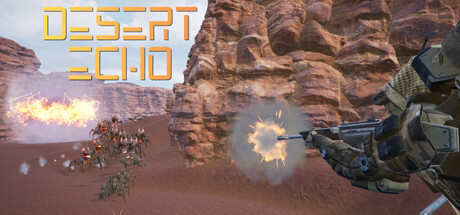 Desert Echo In-game content audio | This game uses AI-generated music (Suno) and AI-generated voice acting (ElevenLabs). All AI-generated content has been reviewed and curated by the developer before inclusion in the game. | DevTraum GmbH | - | Jul 30, 2026 | |
 Age of Bricks In-game content codeaudio | Generative AI coding models (Claude Code) used to assist with development. Including code that renders background music using MIDI-as-code tracks. | stoggi | - | Jul 30, 2026 | |
 Marque & Reprisal In-game content arttext | Most of the art assets in this game are human-made, but there are some AI-generated portraits of African, Indian, and East Asian characters, since the (human-made) portrait packs used did not contain all ethnic groups represented in the game.
All dialogue in the game is human-directed and edited, but some was AI-generated in order to flesh out the world with unique dialogue for every region and situation. | Iron Pagoda | - | Jul 30, 2026 | |
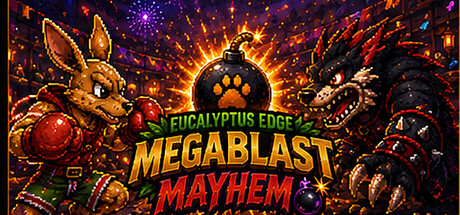 Eucalyptus Edge: MegaBlast Mayhem In-game content art | Promotional artwork, Steam capsules, and certain marketing images were created with the assistance of generative AI and then reviewed, edited, and curated by PhoenixGold Game Studios. All gameplay, code, mechanics, characters, and in-game content were designed and implemented by the development team. | PhoenixGold Game Studios | - | Jul 29, 2026 | |
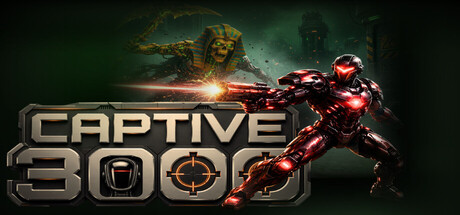 Captive 3000 In-game content artaudio | Includes AI and handcrafted artwork and audio | Twin-FX | - | Jul 29, 2026 | |
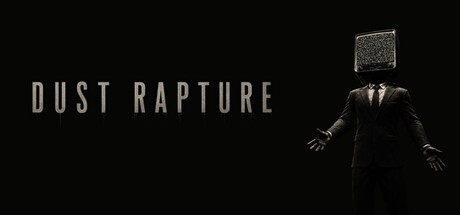 Dust Rapture In-game content art | A limited amount of generative AI was used to assist with creating some decorative in-game poster artwork. The game's environments, level design, gameplay mechanics, and overall world-building were handcrafted by the developer. | DarkShift Interactive | - | Jul 29, 2026 | |
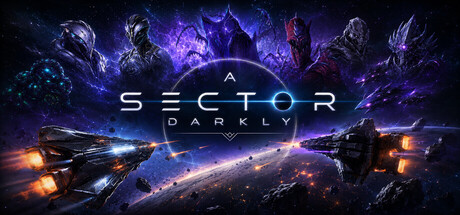 A Sector Darkly Store/marketing art | After the creation of assets by an artist, the team used gen AI to generate backdrops for assets, and general backgrounds.
Gen AI was used to amalgamate artist created assets into grouped assets. E.g. the aliens which were created by the artist are then rendered together by AI for a promotional image.
This means only the back scape mainly promotional artwork and character backgrounds were generated by AI. | A Paradise Lost Studios | - | Jul 29, 2026 | |
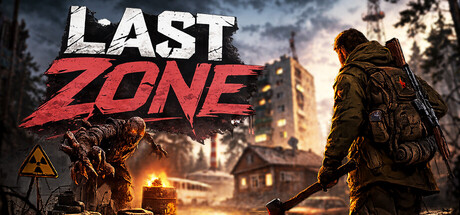 Last Zone: Quarantine In-game content arttext | Some visual assets, promotional artwork, and portions of the localization were created or assisted using generative AI during development. All AI-assisted content was reviewed, edited, and integrated by the development team. The game does not generate AI content during gameplay. | Ridvan_Laz | - | Jul 29, 2026 | |
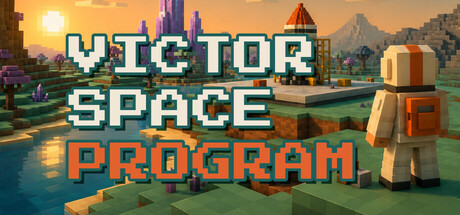 Victor Space Program In-game content audiotextart | We use AI for marketing materials, localization and music. | Victor Game Studio | - | Jul 28, 2026 | |
 Apparatus Inspector In-game content arttext | Some art is AI and all of the localization. | NoBrain Studios | - | Jul 27, 2026 | |
 The Park Keeper In-game content art | Some images used in the game’s development and promotional materials were initially generated with the assistance of AI tools. These images were not used as final untouched AI output: they were reviewed, edited, adjusted, and finalized by human artists.
AI was used only as a production aid to speed up early visual exploration and reduce iteration time. It was not used to replace the work of human artists, but rather as part of a broader art pipeline that still relies on human direction, editing, and final approval. | TacoEaters | - | Jul 27, 2026 | |
 TYPE OR DIE In-game content art | This game's 3D environment was created with the help of AI-based 3D scene generation tools. Some marketing materials (trailer footage) were also created using AI image and video generation tools. No AI-generated content is created live during gameplay — all AI-assisted content was produced during development and is fixed at release. | MASK Games | - | Jul 25, 2026 |


