Public Steam disclosure research25,380 disclosures tracked
Where do games disclose AI use?
Search developers’ Steam disclosures, compare classified AI use across
games, and follow recorded changes.
This index adds cross-game classifications and statistics to
statements published on individual store pages.
Groups reflect automatic analysis of public disclosures; mature records are excluded. These counts do not measure AI use across all of Steam.
Missing or unclear statements cannot establish whether a game uses AI.
Background music was generated with Suno. Background images and character sprites were generated with image-generation AI (Google Gemini, Pollo AI), then curated and edited by the developer. Much of the program code was written with an AI coding assistant (Claude Code) under the developer's direction and review. Game design and sound effects are the developer's own work. No content is generated by AI at runtime.
The non-English text is AI machine-translated for now (English is the only hand-written one), and it's labelled as AI in-game. If you're a native speaker and want to help fix the rough spots, there'll be an open localization repo for corrections, which ship in updates.
All artwork, character art, animation and audio in Fleshgrinder were created by human artists — the use of generative AI for art was contractually prohibited on this project. Generative AI was used to translate the game's text into its ten non-English languages, and to draft a portion of the in-game item descriptions and dialogue. No generative AI runs while you play; nothing is generated at runtime.
Image assets and some localized text were created with generative AI assistance, then manually processed and reviewed by the developer. No content is generated at runtime.
Generative AI tools assisted with English Steam store-page copy, and were used to create pre-generated illustrative key art for Steam store capsules, library artwork, and the store-page background. All AI-assisted outputs are reviewed, edited, integrated, and tested by the developer. The artwork is promotional and is not presented as gameplay footage; screenshots and trailers are captured from the actual game. The game does not use generative AI at runtime or generate live player-facing content.
We used generative AI as a coding assistant during development to help write and debug the game's source code. All AI-assisted code was reviewed and tested by the developer. The game contains some AI-generated sounds and visual content at runtime however most is non AI. The game sends no player data to any AI service.
NeoRunners uses generative AI tools as part of its development process. AI-assisted content includes portions of the game's visual artwork and UI assets, promotional/store artwork, and character voice audio. These assets are generated and/or iterated on during development and are reviewed, selected, edited, and integrated by the development team before being included in the game. The game does not generate this content dynamically during gameplay.
This game contains pre-generated AI-assisted visual assets, including promotional images, icons, artwork, character portraits, and some UI elements. No live or runtime AI is used during gameplay. All gameplay, mechanics, code, and player interactions are handcrafted.
Generative AI was used to assist in the creation of character illustrations, selected artwork, store page assets, and localization. All AI-assisted content has been reviewed, edited, and integrated by the developer. The game does not use generative AI to create content during gameplay.
This game uses generative AI to create visual assets, including character portraits, event CGs, and background images. All generated images were selected, adjusted, and finalized by the developer.
The scenario, dialogue, game design, and system programming were created by the developer. AI translation assistance was used as part of the localization process, with the results reviewed by the developer.
Generative AI tools were used during development to assist with the creation of some visual assets, store artwork and initial localization drafts. All generated content was reviewed, edited, and integrated by the developer.
Immortal Chess does not generate AI content during gameplay.
The game's design, rules, simulation, scenarios, and text are all authored by people. Some event background illustrations and background music were produced with generative tools run in-house by the development team, and every asset was then accepted or rejected by a human. The game does not generate any content while it runs.
Setter uses generative AI in a limited way. The portrait images for fictional and youth players were created with AI image tools during development and ship as fixed assets: the game does not generate any content live while you play. Some promotional materials on this store page may also include AI-assisted artwork.
Generative artificial intelligence was used to create the artwork for HexLight’s Steam achievement icons. The resulting images were reviewed and prepared for use by the developer.
This game uses generative artificial intelligence in part to improve development efficiency.
It is primarily utilized to assist with programming implementation and development tasks, as well as for generating BGM melodies and assisting in the creation of in-game messages.
However, all final decisions regarding game specifications and quality control are made by the developer, and only AI-generated content that has been reviewed and adjusted by human hands is used.
Parts of this game's source code and in-game text were produced with the assistance of generative AI tools during development.
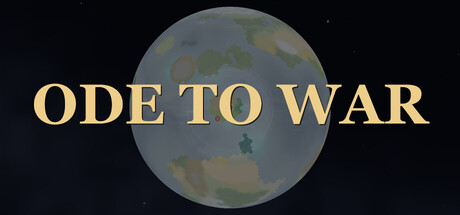
The planet itself is not AI-generated. It is built by conventional deterministic algorithms : noise functions, Voronoi tessellation, plate tectonics, erosion and climate simulation (the same family of techniques used in procedural generation for decades. Every world is reproducible from its seed).
No AI runs while you play, and the game never connects to an external AI service.
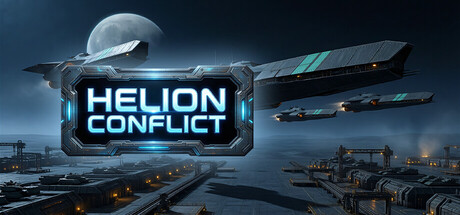
Generative AI tools were used to create part of this game's visual assets: 2D unit and building sprites, terrain textures, background art, and 3D models. Some store page and marketing images were created the same way. Every generated asset was selected, edited and assembled by hand, and the game generates no content at runtime.
This game uses generative artificial intelligence in its development.
Some visual assets — including character sprites, unit artwork, and related
game graphics — were created or assisted with generative AI tools and then
integrated into the game. AI was also used during development to assist with
programming and production workflows.
Generative AI is not used to create content live during gameplay. The game
does not connect to external AI services while you are playing.
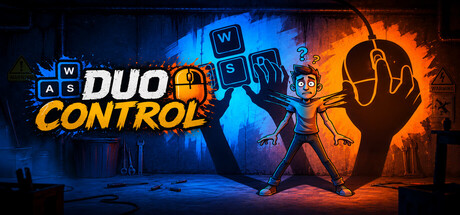
Some visual assets and promotional artwork used in DuoControl were created or assisted using generative AI and were further refined by our development team. No generative AI is used during gameplay, and players cannot generate AI content within the game.
Portions of the game’s art assets, including environments, title artwork and several icons, were created and revised with AI tools. All background music in the game, including main menu music and combat soundtracks, is AI-generated.
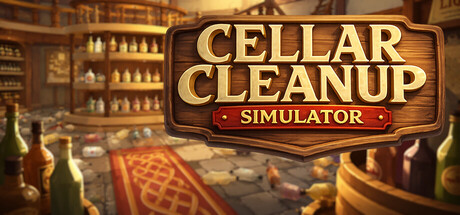
Within the game, we only used AI to assist with translations into different languages and to create the names and designs of the bottle brands.
We use AI solely as a supportive tool. We do not let AI handle the entire process for any task.
AI-generated content in Pin a Million:
- Music: All in-game music tracks were created using generative AI (Suno).
- Icons: The icon artwork on Peg and Perk cards was generated using AI tools.
All on-board gameplay effects, animations, and visuals are hand-coded and rendered procedurally at runtime (no AI-generated content).
The drone images on the website and Steam game page, (not used in the actual game), were generated by AI. The Symbology of the in-game tactical display was generated by AI under close human supervision and iteration. The music in this game was not generated by AI.
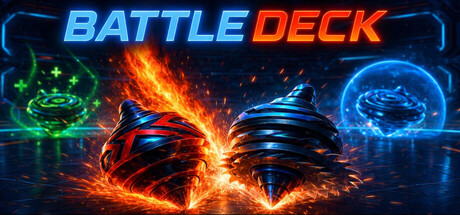
BattleDeck uses AI tools in the following areas:
Artwork, audio and as a development assistant during coding. All AI generated content has been reviewed and refined by the developer.
I used generative AI tools to help create some of the game's art — including certain UI elements (buttons and icons), backgrounds, story illustrations, and marketing images — which I then edited and finished by hand in Photoshop.
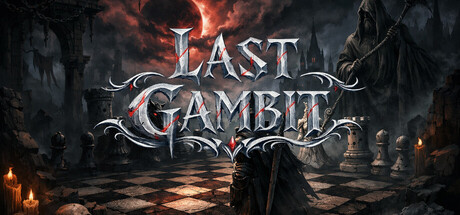
Some of Last Gambit's content was created with the help of generative AI tools. Specifically, part of the artwork for the pieces and skins was generated with AI and then reviewed and refined by us. We also used AI to assist with some cross-platform code porting.
All of this content is generated during development. The game does not use generative AI during matches and does not create content in real time.
AI tools were used as assistive tools during development, specifically for code writing and text proofreading. No AI-generated content is used in the game's art assets, sound effects, or music.
This game uses generative AI for some of its content.
- 2D artwork: Some illustrations and icons, including the character portraits, were created with image-generation AI, then selected and hand-retouched by the developer before being included. The same applies to the images used on this store page.
- Text: Languages other than Japanese (English, Simplified Chinese, Traditional Chinese, Korean) are based on translations produced with a large language model.
Generative AI was not used for the music, sound effects, character voices, or 3D models. Those are licensed tracks and sound effects, recordings by voice actors, and models we made ourselves.
Generative AI is used only during development. The game never generates content with AI while you play, and it never connects to an external AI service.
Generative AI tools were used during development to create many pre-generated 3D models and textures, including armor, weapons, shields, and other equipment assets. Generative AI was also used to assist with some store and marketing artwork. All AI-assisted content was reviewed, selected, and integrated by the developer. The game does not generate AI content during gameplay and does not connect to any external AI service while running.
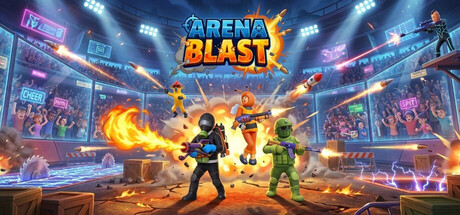
Blast Arena does not use AI to generate gameplay, code, or real-time content. Artificial intelligence was only used during development to help create certain promotional and marketing assets, such as concept art and store visuals. All in-game content and player experiences are fully handcrafted and not AI-generated.
Generative AI was used to assist in creating certain promotional and store page artwork. All AI-generated content was reviewed, edited, and refined by the developer. No generative AI is used during gameplay.
Generative AI was used to assist in creating certain promotional and store page artwork. All AI-generated content was reviewed, edited, and refined by the developer. No generative AI is used during gameplay.
This game was made with the help of generative AI tools:
• 2D art: Some of the game's 2D artwork (backgrounds, UI skins, card and joker illustrations) was created using generative AI, then selected, edited and integrated into the game by hand.
• Commentary: In-match commentary lines were produced with AI text-to-speech. All other sound effects are synthesized procedurally by the game's own code, with no AI involved.
No AI model runs while you play. The game is fully offline and never connects to any server; all of the content above is pre-generated, fixed content created during development. No player data is ever sent to any AI system.
Background music was generated with Suno. Background images and character sprites were generated with image-generation AI (Google Gemini, Pollo AI), then curated and edited by the developer. Much of the program code was written with an AI coding assistant (Claude Code) under the developer's direction and review. Game design and sound effects are the developer's own work. No content is generated by AI at runtime.
The non-English text is AI machine-translated for now (English is the only hand-written one), and it's labelled as AI in-game. If you're a native speaker and want to help fix the rough spots, there'll be an open localization repo for corrections, which ship in updates.
All artwork, character art, animation and audio in Fleshgrinder were created by human artists — the use of generative AI for art was contractually prohibited on this project. Generative AI was used to translate the game's text into its ten non-English languages, and to draft a portion of the in-game item descriptions and dialogue. No generative AI runs while you play; nothing is generated at runtime.
Image assets and some localized text were created with generative AI assistance, then manually processed and reviewed by the developer. No content is generated at runtime.
Generative AI tools assisted with English Steam store-page copy, and were used to create pre-generated illustrative key art for Steam store capsules, library artwork, and the store-page background. All AI-assisted outputs are reviewed, edited, integrated, and tested by the developer. The artwork is promotional and is not presented as gameplay footage; screenshots and trailers are captured from the actual game. The game does not use generative AI at runtime or generate live player-facing content.
We used generative AI as a coding assistant during development to help write and debug the game's source code. All AI-assisted code was reviewed and tested by the developer. The game contains some AI-generated sounds and visual content at runtime however most is non AI. The game sends no player data to any AI service.
NeoRunners uses generative AI tools as part of its development process. AI-assisted content includes portions of the game's visual artwork and UI assets, promotional/store artwork, and character voice audio. These assets are generated and/or iterated on during development and are reviewed, selected, edited, and integrated by the development team before being included in the game. The game does not generate this content dynamically during gameplay.
This game contains pre-generated AI-assisted visual assets, including promotional images, icons, artwork, character portraits, and some UI elements. No live or runtime AI is used during gameplay. All gameplay, mechanics, code, and player interactions are handcrafted.
Generative AI was used to assist in the creation of character illustrations, selected artwork, store page assets, and localization. All AI-assisted content has been reviewed, edited, and integrated by the developer. The game does not use generative AI to create content during gameplay.
This game uses generative AI to create visual assets, including character portraits, event CGs, and background images. All generated images were selected, adjusted, and finalized by the developer.
The scenario, dialogue, game design, and system programming were created by the developer. AI translation assistance was used as part of the localization process, with the results reviewed by the developer.
Generative AI tools were used during development to assist with the creation of some visual assets, store artwork and initial localization drafts. All generated content was reviewed, edited, and integrated by the developer.
Immortal Chess does not generate AI content during gameplay.
The game's design, rules, simulation, scenarios, and text are all authored by people. Some event background illustrations and background music were produced with generative tools run in-house by the development team, and every asset was then accepted or rejected by a human. The game does not generate any content while it runs.
Setter uses generative AI in a limited way. The portrait images for fictional and youth players were created with AI image tools during development and ship as fixed assets: the game does not generate any content live while you play. Some promotional materials on this store page may also include AI-assisted artwork.
Generative artificial intelligence was used to create the artwork for HexLight’s Steam achievement icons. The resulting images were reviewed and prepared for use by the developer.
This game uses generative artificial intelligence in part to improve development efficiency.
It is primarily utilized to assist with programming implementation and development tasks, as well as for generating BGM melodies and assisting in the creation of in-game messages.
However, all final decisions regarding game specifications and quality control are made by the developer, and only AI-generated content that has been reviewed and adjusted by human hands is used.
Parts of this game's source code and in-game text were produced with the assistance of generative AI tools during development.
The planet itself is not AI-generated. It is built by conventional deterministic algorithms : noise functions, Voronoi tessellation, plate tectonics, erosion and climate simulation (the same family of techniques used in procedural generation for decades. Every world is reproducible from its seed).
No AI runs while you play, and the game never connects to an external AI service.
Generative AI tools were used to create part of this game's visual assets: 2D unit and building sprites, terrain textures, background art, and 3D models. Some store page and marketing images were created the same way. Every generated asset was selected, edited and assembled by hand, and the game generates no content at runtime.
This game uses generative artificial intelligence in its development.
Some visual assets — including character sprites, unit artwork, and related
game graphics — were created or assisted with generative AI tools and then
integrated into the game. AI was also used during development to assist with
programming and production workflows.
Generative AI is not used to create content live during gameplay. The game
does not connect to external AI services while you are playing.
Some visual assets and promotional artwork used in DuoControl were created or assisted using generative AI and were further refined by our development team. No generative AI is used during gameplay, and players cannot generate AI content within the game.
Portions of the game’s art assets, including environments, title artwork and several icons, were created and revised with AI tools. All background music in the game, including main menu music and combat soundtracks, is AI-generated.
Within the game, we only used AI to assist with translations into different languages and to create the names and designs of the bottle brands.
We use AI solely as a supportive tool. We do not let AI handle the entire process for any task.
AI-generated content in Pin a Million:
- Music: All in-game music tracks were created using generative AI (Suno).
- Icons: The icon artwork on Peg and Perk cards was generated using AI tools.
All on-board gameplay effects, animations, and visuals are hand-coded and rendered procedurally at runtime (no AI-generated content).
The drone images on the website and Steam game page, (not used in the actual game), were generated by AI. The Symbology of the in-game tactical display was generated by AI under close human supervision and iteration. The music in this game was not generated by AI.
BattleDeck uses AI tools in the following areas:
Artwork, audio and as a development assistant during coding. All AI generated content has been reviewed and refined by the developer.
I used generative AI tools to help create some of the game's art — including certain UI elements (buttons and icons), backgrounds, story illustrations, and marketing images — which I then edited and finished by hand in Photoshop.
Some of Last Gambit's content was created with the help of generative AI tools. Specifically, part of the artwork for the pieces and skins was generated with AI and then reviewed and refined by us. We also used AI to assist with some cross-platform code porting.
All of this content is generated during development. The game does not use generative AI during matches and does not create content in real time.
AI tools were used as assistive tools during development, specifically for code writing and text proofreading. No AI-generated content is used in the game's art assets, sound effects, or music.
This game uses generative AI for some of its content.
- 2D artwork: Some illustrations and icons, including the character portraits, were created with image-generation AI, then selected and hand-retouched by the developer before being included. The same applies to the images used on this store page.
- Text: Languages other than Japanese (English, Simplified Chinese, Traditional Chinese, Korean) are based on translations produced with a large language model.
Generative AI was not used for the music, sound effects, character voices, or 3D models. Those are licensed tracks and sound effects, recordings by voice actors, and models we made ourselves.
Generative AI is used only during development. The game never generates content with AI while you play, and it never connects to an external AI service.
Generative AI tools were used during development to create many pre-generated 3D models and textures, including armor, weapons, shields, and other equipment assets. Generative AI was also used to assist with some store and marketing artwork. All AI-assisted content was reviewed, selected, and integrated by the developer. The game does not generate AI content during gameplay and does not connect to any external AI service while running.
Blast Arena does not use AI to generate gameplay, code, or real-time content. Artificial intelligence was only used during development to help create certain promotional and marketing assets, such as concept art and store visuals. All in-game content and player experiences are fully handcrafted and not AI-generated.
Generative AI was used to assist in creating certain promotional and store page artwork. All AI-generated content was reviewed, edited, and refined by the developer. No generative AI is used during gameplay.
Generative AI was used to assist in creating certain promotional and store page artwork. All AI-generated content was reviewed, edited, and refined by the developer. No generative AI is used during gameplay.
This game was made with the help of generative AI tools:
• 2D art: Some of the game's 2D artwork (backgrounds, UI skins, card and joker illustrations) was created using generative AI, then selected, edited and integrated into the game by hand.
• Commentary: In-match commentary lines were produced with AI text-to-speech. All other sound effects are synthesized procedurally by the game's own code, with no AI involved.
No AI model runs while you play. The game is fully offline and never connects to any server; all of the content above is pre-generated, fixed content created during development. No player data is ever sent to any AI system.